
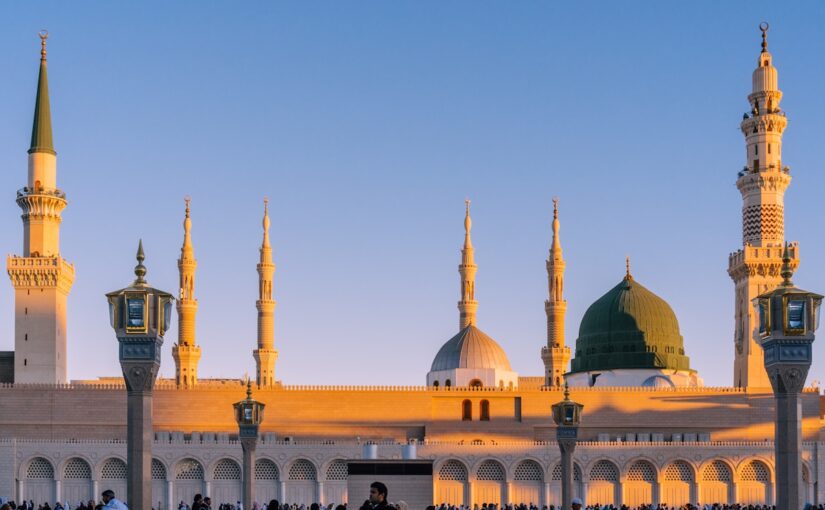
Tajdar-e-Haram (تاجدارِ حرم) – Naat Lyrics in Urdu, English Translation and Meaning
“Tajdar-e-Haram” is one of the most famous and beloved naats in the Islamic world, popularised by the legendary singer Rahat Fateh Ali Khan and originally written by the renowned poet Syed Raza Abbas Zaidi (known as Nayyar). The title translates to “The Crown of the Haram” and refers to the Prophet Muhammad (peace be upon him) as the crowned sovereign of the sacred sanctuary.
This soul-stirring naat has been recited at countless mehfils, religious gatherings, and personal moments of devotion across South Asia and beyond. Its powerful melody and heartfelt lyrics make it a favourite among nasheed enthusiasts and spiritual seekers alike.
Background and Significance of Tajdar-e-Haram
The naat “Tajdar-e-Haram” is steeped in deep love and reverence for the Prophet Muhammad (PBUH). The word “Tajdar” means “one who wears a crown” or “sovereign,” and “Haram” refers to the sacred precincts of Makkah and Madinah. Together, the title establishes the Prophet as the crowned king of these holy sanctuaries.
The composition gained massive popularity after Rahat Fateh Ali Khan’s rendition, which became a staple at religious events and continues to be one of the most-requested naats today. The lyrics express longing for the Prophet’s presence, devotion to his teachings, and the deep spiritual connection that believers feel with him.
Tajdar-e-Haram (تاجدارِ حرم) – Full Naat Lyrics in Urdu
Verse 1 – The Opening
تاجدارِ حرم اے شہہِ دیں
تیری خاطر خدا نے یہ عالم بنایا
Roman Urdu: Tajdar-e-Haram, ae shah-e-deen
Teri khatir Khuda ne ye aalam banaya
Translation: O Crown of the Haram, O King of the Faith
For your sake, Allah created this universe
Verse 2
تیرے در سے جو کوئی خالی گیا
وہ کبھی خالی نہیں جا سکتا
Roman Urdu: Tere dar se jo koi khali gaya
Woh kabhi khali nahi ja sakta
Translation: Whoever goes empty-handed from your door
Can never truly go away empty
Verse 3
تجھ سے منسوب ہیں سب نبی اور ولی
تو ہی ہے سب کا قبلہ و مرکزِ دین
Roman Urdu: Tujh se mansoob hain sab Nabi aur Wali
Tu hi hai sab ka qibla o markaz-e-deen
Translation: All Prophets and saints are connected to you
You are the direction and centre of faith for all
Verse 4
تو ہی سردارِ کونین ہے
تیرے صدقے میں یہ دونوں جہاں
Roman Urdu: Tu hi sardar-e-kaunain hai
Tere sadqe mein ye dono jahan
Translation: You are the leader of both worlds
Both worlds are sacrificed for you
Verse 5 – The Chorus (Refrain)
تاجدارِ حرم اے شہہِ دیں
تیری خاطر خدا نے یہ عالم بنایا
تاجدارِ حرم…
Roman Urdu: Tajdar-e-Haram, ae shah-e-deen
Teri khatir Khuda ne ye aalam banaya
Tajdar-e-Haram…
Translation: O Crown of the Haram, O King of the Faith
For your sake, Allah created this universe
O Crown of the Haram…
Verse 6
تیری چاہت میں جیتے ہیں ہم
تیری یادوں میں مرتے ہیں ہم
Roman Urdu: Teri chaahat mein jeete hain hum
Teri yaadon mein martay hain hum
Translation: In your love we live
In your memories we die
Verse 7
تجھ کو پانے کی خواہش نے
ہم کو دیوانہ بنا دیا
Roman Urdu: Tujh ko paane ki khwahish ne
Hum ko deewana bana diya
Translation: The desire to attain you
Has made us mad with love
Verse 8 – The Blessing
صلوات اللہ علیک یا نبی
سلام اللہ علیک یا نبی
Roman Urdu: Salawatullah alaika ya Nabi
Salamullah alaika ya Nabi
Translation: The blessings of Allah be upon you, O Prophet
The peace of Allah be upon you, O Prophet
English Translation in Prose
O Crown of the Sacred Sanctuary, O King of the Faith, Allah created the entire universe for your sake. Whoever approaches your doorstep in need will never leave empty-handed, for your generosity knows no bounds. All the Prophets and saints who came before you are connected to your light. You are the qibla and the centre of the faith itself.
You are the leader of both worlds, this world and the Hereafter. Both realms are sacrificed in your honour. We live in your love and we die with your name on our lips. The longing to be near you has made us restless and mad with devotion. O Prophet, may the blessings and peace of Allah be upon you always.
Meaning and Message of Tajdar-e-Haram
The central theme of “Tajdar-e-Haram” is the unparalleled status of the Prophet Muhammad (PBUH) in creation. The naat teaches several important spiritual lessons.
Prophet’s Status: The naat establishes that the entire universe was created for the sake of the Prophet Muhammad. This is based on the well-known hadith qudsi: “If it were not for you, I would not have created the universe.”
Intercession and Hope: The lyrics emphasise that going to the Prophet’s doorstep with sincerity brings blessings. This reflects the belief in the Prophet’s intercession (shafa’ah) on the Day of Judgment and his constant care for his ummah.
Love and Devotion: The naat expresses an all-consuming love for the Prophet. The imagery of being “mad with love” echoes the traditional Sufi concept of ishq-e-haqiqi (true love) directed towards the Prophet as the beloved of Allah.
Connection to All Prophets: A beautiful aspect of this naat is how it acknowledges that all Prophets and saints are connected to Prophet Muhammad (PBUH). This reflects the Islamic belief that Muhammad (PBUH) is the Seal of the Prophets and the culmination of the prophetic tradition.
Blessings and Peace: The closing verse of salawat and salam is a direct response to the Quranic command in Surah Al-Ahzab (33:56) to send blessings upon the Prophet.
When to Recite Tajdar-e-Haram
- During Milad-un-Nabi celebrations
- At mehfils and religious gatherings
- Personal daily recitation for spiritual connection
- On Fridays and other blessed days
- During Ramadan and Laylatul Qadr
- As a morning or evening dhikr to start or end the day with love for the Prophet
Conclusion
“Tajdar-e-Haram” is more than just a naat. It is a declaration of love, a statement of faith, and a spiritual practice all in one. Its timeless lyrics continue to move hearts and bring believers closer to the Prophet Muhammad (PBUH). Whether you are reciting it alone in quiet reflection or joining a gathering of devotees, this naat has the power to transform your spiritual state.
If you enjoyed this naat, you may also like Sallu Alal Habib, Ya Ghausul Wara, and Sallallahu Alaihi Wasallam.