
Har Lamha (ہر لمحہ) — Full Naat Lyrics and Translation
Har Lamha is a deeply heartfelt naat that expresses a believer’s constant, every-moment longing for Prophet Muhammad ﷺ. The word “lamha” means “moment” in Urdu, and the naat beautifully captures how the remembrance and love of the Prophet ﷺ should fill every second of a Muslim’s life. This naat is widely recited across the Indian subcontinent and resonates deeply with those who yearn for the presence of the Beloved ﷺ in their daily existence.
The poet takes the listener on a spiritual journey — from the pain of separation to the hope of union, from the darkness of this world to the light of Madinah. Every verse is a prayer, a plea, and a declaration of love all at once.
Verse 1
Urdu Lyrics
ہر لمحہ مرا نعت پڑھے دل کو قرار آئے
مجھ کو تو مرے آقا کی محبت میں قرار آئے
English Translation
May every moment of mine be spent reciting naat, bringing peace to my heart.
May I find my rest and tranquility in the love of my Master (the Prophet ﷺ).
Meaning
The poet begins with a powerful aspiration — that not just some moments, but every moment (har lamha) be devoted to praising the Prophet ﷺ. The connection between naat (praise) and qaraar (peace, stillness of heart) is significant. In Islamic spirituality, true peace is not found in material accumulation or worldly achievements but in the remembrance and love of Allah and His Messenger ﷺ. The poet asks to find their rest — the deep, soul-level tranquility — specifically in their love for the Prophet ﷺ.
Verse 2
Urdu Lyrics
وہ سایۂ رحمت ہے جہاں بیٹھ کے روؤں
اس سائے میں آنے سے مرے دل کو قرار آئے
English Translation
He is the shade of mercy where I can sit and weep.
In coming under that shade, my heart finds peace.
Meaning
The Prophet ﷺ is described as the “shade of mercy” (saaya-e-rahmat) — a beautiful metaphor drawn from the Quranic concept of Allah’s mercy encompassing all things. The Prophet ﷺ is that mercy made manifest. The poet expresses a desire to sit in this shade and weep — tears of love, of repentance, of longing. There is profound vulnerability here. The poet is not ashamed of their tears. Instead, they recognize that under the Prophet’s ﷺ mercy, even tears become a source of healing and peace for the heart.
Verse 3
Urdu Lyrics
بے نام و نشاں پھرتا ہوں میں صحرا میں
مجھ کو تو مرے آقا کے مدینے میں قرار آئے
English Translation
I wander nameless and directionless in the desert.
May I find my rest in the Madinah of my Master ﷺ.
Meaning
This verse captures the existential restlessness of the human condition. The “desert” symbolizes dunya (this worldly life) — vast, disorienting, and barren of true satisfaction. The poet feels “nameless” (be-naam o nishaan) — without identity or direction. The only cure? To reach Madinah, the city of the Prophet ﷺ. Madinah here is both a physical place and a spiritual state — a destination where the wandering soul finally arrives home.
Verse 4
Urdu Lyrics
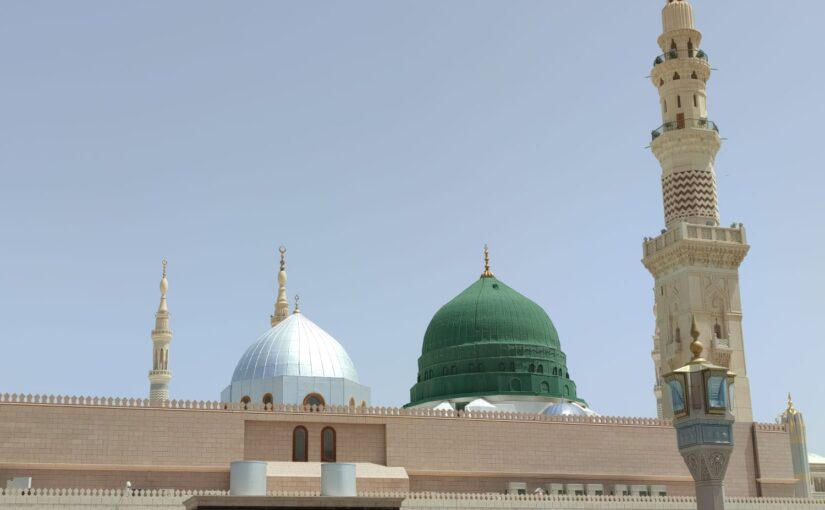
وہ شہر مدینہ ہے، وہ گنبد خضرا ہے
جس گنبد کے سائے میں مرے دل کو قرار آئے
English Translation
That is the city of Madinah, that is the Green Dome.
In the shade of that dome, may my heart find peace.
Meaning
The Green Dome (Gumbad-e-Khazra) over the Prophet’s ﷺ sacred resting place in Masjid an-Nabawi is one of the most recognizable symbols in Islam. The poet yearns for even the shade of this dome — a metaphorical way of saying that just being near the Prophet ﷺ, even spiritually, brings complete tranquility. The Green Dome is not just architecture; it represents the spiritual heart of Islam, the physical marker of where the Beloved ﷺ lies, where millions of hearts turn towards every day.
Verse 5
Urdu Lyrics
اے میرے خدا اب تو مجھ کو وہاں پہنچا
جہاں پہنچ کر میرے دل کو قرار آئے
English Translation
O my Allah, now let me reach that place
Where, once I arrive, my heart will find peace.
Meaning
The poet turns directly to Allah in supplication (dua). After expressing longing in the earlier verses, this is the moment of surrender — acknowledging that only Allah can grant the ability to reach Madinah. The phrase “ab to” (now, please) carries urgency and desperation. It reflects the believer’s understanding that guidance and the ability to visit the Prophet’s ﷺ city come only from Allah. The poet asks not for wealth or status but for the one destination where the heart will finally be at rest.
Verse 6
Urdu Lyrics
وہ جس گھر میں رہتے ہیں وہ گھر ہے مدینہ
اس گھر کی گلی میں مرے دل کو قرار آئے
English Translation
The house in which he lives — that house is Madinah.
In the streets of that house, may my heart find peace.
Meaning
This verse emphasizes the intimate connection between the Prophet ﷺ and the city of Madinah. The Prophet ﷺ made Madinah his home, and in doing so, transformed it into a place of eternal blessing. The poet doesn’t even ask to enter the home — just to be in the streets of that holy city, to walk where the Prophet ﷺ walked, to breathe the air of that blessed land. It reflects the profound love that makes a believer content with even the smallest proximity to the Beloved ﷺ.
Verse 7
Urdu Lyrics
مجھ کو تو مرے آقا کی ایک جھلک مل جائے
اس جھلک کے صدقے میں مرے دل کو قرار آئے
English Translation
May I be granted just one glimpse of my Master ﷺ.
In the blessing of that glimpse, may my heart find peace.
Meaning
The climax of the naat — the poet asks for the ultimate gift: a single glimpse (jhalak) of the Prophet ﷺ. This reflects the deep-seated belief in the spiritual sight (ziyarat) of the Prophet ﷺ, whether in this world, in dreams, or in the hereafter. The phrase “us jhalak ke sadqe mein” (in the charity/blessing of that glimpse) shows how transformative even a momentary vision of the Prophet ﷺ would be. One look — and every wound would heal, every sorrow would lift, and the heart would be at peace forever.
Conclusion: The Spiritual Significance of Har Lamha
Har Lamha is more than a poem set to melody. It is a roadmap for the heart that longs for the Divine Beloved ﷺ. Each verse peels back a layer of worldly distraction and points towards the ultimate destination — the presence of Prophet Muhammad ﷺ in Madinah.
What makes this naat special is its raw honesty. The poet does not pretend to be righteous or already close to the Prophet ﷺ. Instead, they confess their wandering, their namelessness, their tears. They admit that peace has not yet been found — and they actively plead for it, moment by moment.
In a world filled with anxiety, depression, and spiritual emptiness, Har Lamha offers a healing alternative. It teaches that the peace we search for in careers, relationships, and possessions is actually waiting for us in the love of Rasoolullah ﷺ. The naat reminds us that every moment can be made sacred when it is filled with his remembrance.
Reciting or listening to Har Lamha regularly softens the heart, strengthens the connection to the Prophet ﷺ, and keeps the believer focused on the ultimate goal: to be among those who find peace in the shade of the Green Dome, in the streets of Madinah, and in the blessed presence of the Beloved ﷺ.
May Allah grant us all the ability to visit Madinah and find peace in the love of His Messenger ﷺ. Ameen.