
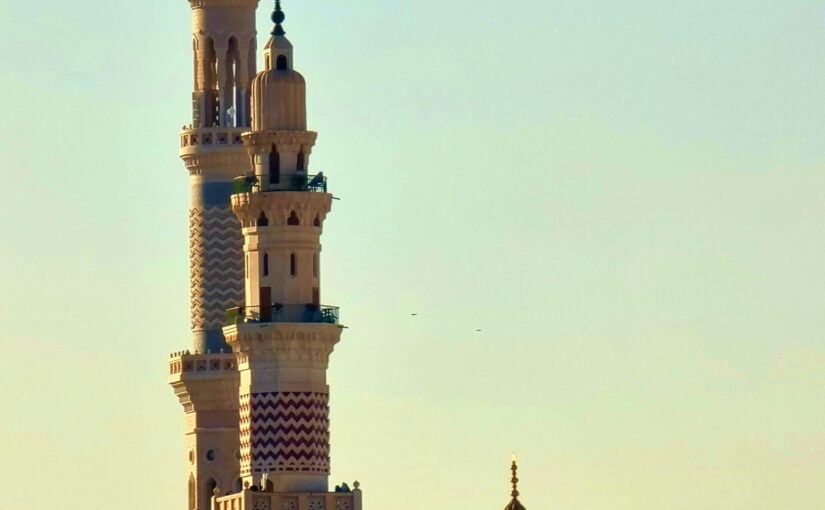
Ae Saba Mustafa Se Keh Dena — Full Naat Lyrics in Urdu, English Translation and Meaning
One of the most beloved and emotionally stirring salam (salutation) recited in honour of the Prophet Muhammad ﷺ, “Ae Saba Mustafa Se Keh Dena” (اے صبا مصطفیٰ سے کہہ دینا) is a masterpiece of Islamic devotional poetry. Rendered in the soulful voice of the renowned naat khawan Owais Raza Qadri, this kalam was penned by the gifted poet Hasan Akbar Kamal. It has become a staple in mehfil-e-naat gatherings across the globe, moving countless hearts with its profound expression of yearning, love, and spiritual longing for the blessed city of Madina and its beloved inhabitant — the Holy Prophet ﷺ.
The word “Saba” refers to the gentle morning breeze, and in this poetic composition, the breeze becomes a messenger — a carrier of love, grief, and salaam from devotees who cannot physically be in Madina but whose hearts reside there. The naat is classified as a salam, a form of Islamic poetry that sends greetings and salutations upon the Prophet ﷺ. Its deeply emotional verses capture the essence of what it means to be an ashiq-e-Rasool — a passionate lover of the Prophet.
Significance of “Ae Saba Mustafa Se Keh Dena”
This salam holds a special place in the hearts of Muslims, particularly those from the Barelvi and Sufi traditions. It is often recited during Milad-un-Nabi gatherings, Urs celebrations, and weekly naat khwani sessions. The beauty of this kalam lies in its universality — anyone who has ever felt the burning desire to visit Madina, to stand before the Rawza Mubarak, and to send salaam upon the Prophet ﷺ will find their emotions mirrored in these verses.
The salam uses powerful imagery: the moon and stars sending salaam, the fragrant breeze carrying the scent of the Prophet’s ﷺ blessed hair, and the pilgrims (Haaji) serving as messengers to the Beloved. It bridges the distance between the devotee and his beloved Prophet, making the heart feel closer to Madina even when the body is far away.
Full Urdu Lyrics (Complete Kalam)
اے صبا مصطفیٰ سے کہہ دینا
غم کے مارے سلام کہتے ہیں
یاد کرتے ہیں تم کو شام و سحر
دل ہمارے سلام کہتے ہیں
اللہ اللہ حضور کی باتیں
مرحبا رنگ و نور کی باتیں
چاند جن کی بلائیں لیتا ہے
اور تارے سلام کہتے ہیں
اللہ اللہ حضور کے گیسو
بھیگی بھیگی مہکتی وہ خوشبو
جن سے معمور ہے فضائے سو
وہ نظارے سلام کہتے ہیں
جب محمد کا نام آتا ہے
رحمتوں کا پیغام آتا ہے
لب ہمارے درود پڑھتے ہیں
دل ہمارے سلام کہتے ہیں
عاشقوں کا سلام لے جاؤ
غمزدوں کا پیام لے جاؤ
حاجیو مصطفیٰ سے کہہ دینا
بے سہارے سلام کہتے ہیں
ذکر تھا آخری مہینے کا
تذکرہ چھڑ گیا مدینے کا
حاجیو مصطفیٰ سے کہہ دینا
غم کے مارے سلام کہتے ہیں
زائرِ طیبہ تو مدینے میں
سونے آقا سے اتنا کہہ دینا
آپ کی گردِ راہ کو آقا
چاند تارے سلام کہتے ہیں
Roman Transliteration
Ae saba Mustafa se keh dena
Gham ke maare salaam kehte hain
Yaad karte hain tumko shaam o sahar
Dil hamare salaam kehte hain
Allah Allah huzoor ki baatein
Marhaba rang o noor ki baatein
Chaand jin ki balaaein leta hai
Aur taare salaam kehte hain
Allah Allah huzoor ke gesu
Bheeni bheeni mehekti wo khushbu
Jin se maamur hain fiza e so
Wo nazaare salaam kehte hain
Jab Muhammad ka naam aata hai
Rehmato(n) ka payaam aata hai
Lab hamare durood parhte hain
Dil hamaray salaam kehte hain
Ashiqo(n) ka salaam le jao
Ghamzado(n) ka payaam le jao
Haajio Mustafa se keh dena
Be saharay salaam kehte hain
Zikr tha aakhri maheenay ka
Tazkira chirr gaya Madinay ka
Haajio Mustafa se keh dena
Gham ke maaray salaam kehte hain
Zaairey Taiba tu madinay main
Sohnay Aaqa se itna keh dena
Aap ki gard e raah ko Aaqa
Chaand taarey salaam kehte hain
English Translation (Line by Line)
Verse 1:
“O morning breeze, go tell Mustafa (the Chosen One) ﷺ —
The grief-stricken send their salutations.
We remember You morning and evening —
Our hearts send their salutations.”
The poet personifies the gentle morning breeze, asking it to carry the message to the Prophet ﷺ. The phrase “gham ke maare” (grief-stricken) reflects the spiritual anguish of separation — the distance from the Beloved Prophet ﷺ is a source of deep sorrow for the devotee. The constant remembrance (morning and evening) shows that the love of the Prophet ﷺ is not momentary but a lifelong devotion.
Verse 2:
“How magnificent are the words of the Beloved!
How splendid the tales of (his) splendour and light!
The moon itself sacrifices itself for them,
And the stars offer their salutations.”
This verse exalts the blessed speech and attributes of the Prophet ﷺ. The moon — one of Allah’s greatest signs — is said to sacrifice itself (take “balaa” — a superstitious expression of admiration) for these qualities. The stars join the moon in sending salaam, illustrating that all of creation honours the Prophet ﷺ.
Verse 3:
“How blessed are the locks of the Beloved!
That fragrant, delicate scent —
With which the entire atmosphere is filled —
Even those scenes offer their salutations.”
The reference to the Prophet’s ﷺ hair (gesu) and its fragrance highlights the physical beauty of the Prophet ﷺ, which is well-documented in Islamic tradition. The Hadith describes the Prophet’s ﷺ perspiration as more fragrant than musk, and this verse poetically captures how even the air itself is perfumed by his blessed presence.
Verse 4:
“When the name of Muhammad ﷺ is mentioned,
A message of mercy arrives.
Our lips recite durood (blessings upon him),
While our hearts send salutations.”
This verse emphasizes the spiritual reality that merely uttering the Prophet’s ﷺ name brings divine mercy. It beautifully distinguishes between the outward act (reciting durood with the lips) and the inward emotion (salaam from the heart), suggesting that true devotion involves both body and soul.
Verse 5:
“Take the salutations of the lovers (of the Prophet),
Carry the message of the sorrowful ones.
O pilgrims, go tell Mustafa ﷺ —
The helpless ones send their salutations.”
Here, the poet turns to the pilgrims (Haaji) who are fortunate enough to visit Madina, asking them to be messengers. The term “be sahaare” (the helpless, the unsupported) reflects the devotee’s recognition that they have no intercessor save the Prophet ﷺ himself — a theme deeply rooted in Islamic spirituality.
Verse 6:
“The conversation turned to the final month,
And the discussion shifted to Madina.
O pilgrims, go tell Mustafa ﷺ —
The grief-stricken send their salutations.”
This verse captures a familiar experience among those who love the Prophet ﷺ: even in casual conversation, any mention of the Islamic calendar or sacred months naturally leads to thoughts of Madina. The mere mention of the city ignites a passionate longing.
Verse 7:
“O visitor of Tayba (Madina), when you are in Madina,
Say this much to the Golden Master:
‘Even the dust of Your path, O Master —
The moon and stars send their salutations to it.'”
This final verse is deeply moving. The Prophet ﷺ is addressed as “Sohnay Aaqa” (Golden Master), a term of immense endearment. The devotee acknowledges that even the dust on the path leading to the Prophet’s ﷺ blessed abode is honoured by the celestial bodies — a powerful image of the sanctity of Madina.
Deeper Meaning and Themes
1. The Pain of Separation (Firaq): The central theme of this salam is the agony of being physically separated from the Prophet ﷺ and Madina. Every verse pulses with the ache of longing. This is not a superficial sadness but a deep spiritual yearning that defines the ashiq-e-Rasool (lover of the Prophet). Islamic spirituality teaches that love for the Prophet ﷺ is a pathway to love for Allah Himself, as the Quran says: “Say, [O Muhammad], ‘If you should love Allah, then follow me, [so] Allah will love you'” (Quran 3:31).
2. Creation Honouring the Prophet: Throughout the salam, celestial bodies — the moon, the stars, the breeze, the atmosphere — are depicted as actively sending salutations upon the Prophet ﷺ. This reflects the Islamic belief that all of creation recognizes the Prophet’s ﷺ nobility. The Quran affirms: “The seven heavens and the earth and whatever is in them exalt Him” (Quran 17:44), and the Prophet ﷺ himself is described as a “mercy to the worlds” (Quran 21:107).
3. The Role of the Believer as Messenger: The repeated refrain addressed to the “Haaji” (pilgrim) and “Zaair” (visitor) highlights the Islamic concept of the Ummah’s interconnectedness. Those blessed to visit Madina carry not just their own salaam but the salaam of the entire community. This creates a beautiful spiritual bond among believers across time and space.
4. Hope and Intercession: The salam exudes a profound hope in the mercy and intercession (shafa’ah) of the Prophet ﷺ. The devotees describe themselves as “gham ke maare” (grief-stricken) and “be sahaare” (helpless), acknowledging their spiritual poverty while simultaneously placing complete trust in the Prophet’s ﷺ compassion. This reflects the Islamic concept of tawassul — seeking nearness to Allah through the love and station of His beloved Prophet.
5. The Beauty of the Prophet: The salam celebrates both the physical and spiritual beauty of the Prophet ﷺ — his speech, his appearance, his fragrance. This is rooted in the Islamic tradition of describing the Prophet’s ﷺ noble features (Shama’il), which is considered an act of love and devotion. The famous collection “Shama’il al-Tirmidhi” documents the physical description of the Prophet ﷺ as narrated by his companions.
About the Reciter: Owais Raza Qadri
Owais Raza Qadri is arguably the most popular naat khawan in the Indian subcontinent and among the global Urdu-speaking Muslim community. Born in 1994 in Nagpur, India, he rose to prominence through his soulful renditions of classical naats and salams. His distinctive voice — rich, emotional, and deeply resonant — has made him a household name among lovers of Islamic devotional music. He is a disciple of the esteemed scholar Muhammad Ilyas Attar Qadri and belongs to the Qadri Sufi order.
Owais Raza Qadri has recorded hundreds of naats and performed at countless mehfil-e-naat gatherings worldwide. His rendition of “Ae Saba Mustafa Se Keh Dena” is particularly famous for its raw emotional power — his voice cracks and quivers at moments of heightened emotion, bringing listeners to tears and making them feel the weight of every verse.
About the Poet: Hasan Akbar Kamal
Hasan Akbar Kamal is a respected Urdu poet whose work in the genre of naat and salam has earned him a lasting legacy. His poetry combines classical Urdu literary elegance with simple, accessible language that speaks directly to the heart. “Ae Saba Mustafa Se Keh Dena” is among his most famous compositions, cherished for its sincere expression of love and longing for the Prophet ﷺ.
When to Recite This Salam
“Ae Saba Mustafa Se Keh Dena” is traditionally recited:
- During Milad-un-Nabi (the celebration of the Prophet’s ﷺ birth)
- At weekly naat gatherings and mehfil-e-naat events
- On Thursday evenings (a time when many Muslims send special salaam upon the Prophet ﷺ)
- During personal spiritual reflection and devotion
- Before or after Hajj and Umrah journeys
- In gatherings where the topic of Madina or visiting the Prophet’s ﷺ mosque is discussed
Conclusion: The Spiritual Significance
“Ae Saba Mustafa Se Keh Dena” is far more than a piece of poetry — it is a spiritual lifeline for millions of Muslims who long for the blessed city of Madina but cannot visit it. It gives voice to the silent tears shed by those whose hearts are in Madina while their bodies are bound to distant lands.
The salam teaches us an essential lesson about Islamic spirituality: that love for the Prophet Muhammad ﷺ is not merely a theological concept but a living, breathing emotion that permeates every aspect of a believer’s life. It is this love that transforms ordinary existence into a journey toward the Divine. The Prophet ﷺ himself said: “None of you truly believes until I am more beloved to him than his father, his child, and all of humanity” (Sahih Bukhari).
Whether you are listening to Owais Raza Qadri’s tearful rendition or reciting the verses yourself in quiet devotion, “Ae Saba Mustafa Se Keh Dena” reminds us that the door to Madina is always open — even if only through the wings of our longing hearts and the breeze of our salaam.
May Allah grant us all the opportunity to visit the blessed Rawza Mubarak of the Prophet Muhammad ﷺ in Madina Munawwarah, and may our salaam always reach its Beloved Destination. Ameen.
Tags
Ae Saba Mustafa Se Keh Dena, Owais Raza Qadri naat lyrics, Urdu naat lyrics with English translation, Salam on Prophet Muhammad, Madina naat, Islamic devotional poetry, Hasan Akbar Kamal salam, naat e rasool, salam lyrics in Urdu, best Owais Raza Qadri naats