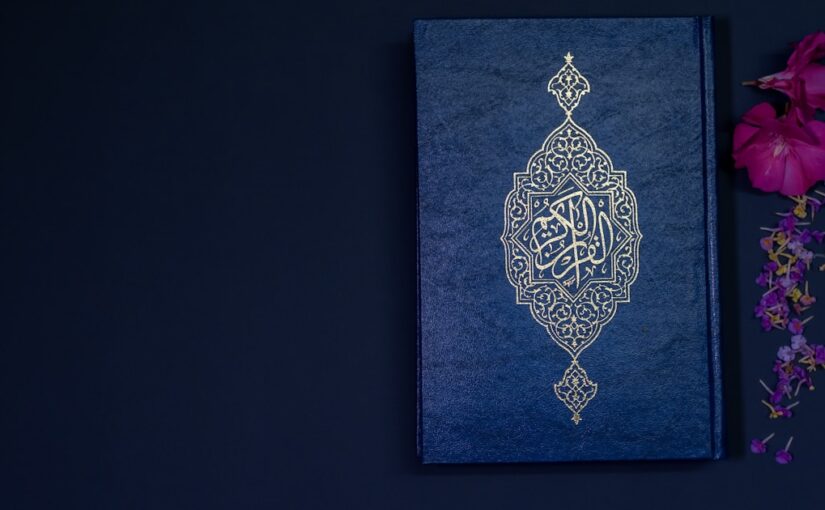
Muhammad Ke Shehr Mein (محمّد کے شہر میں) — Full Naat Lyrics in Urdu, English Translation and Meaning

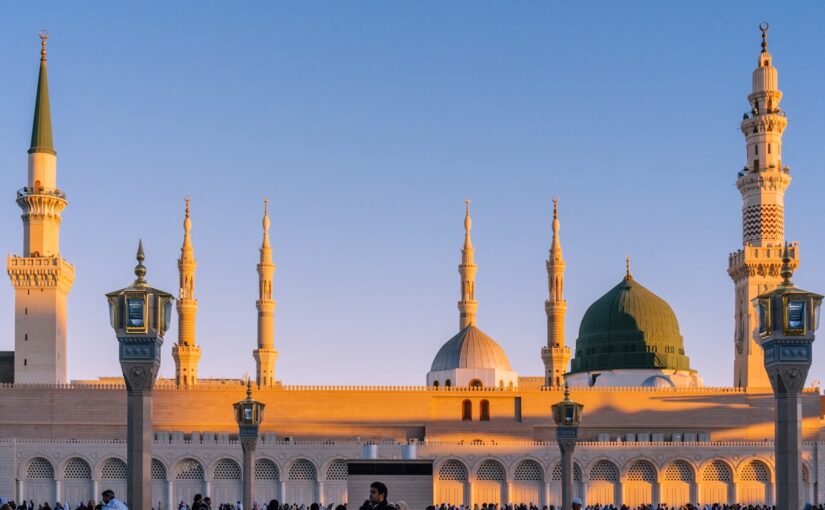
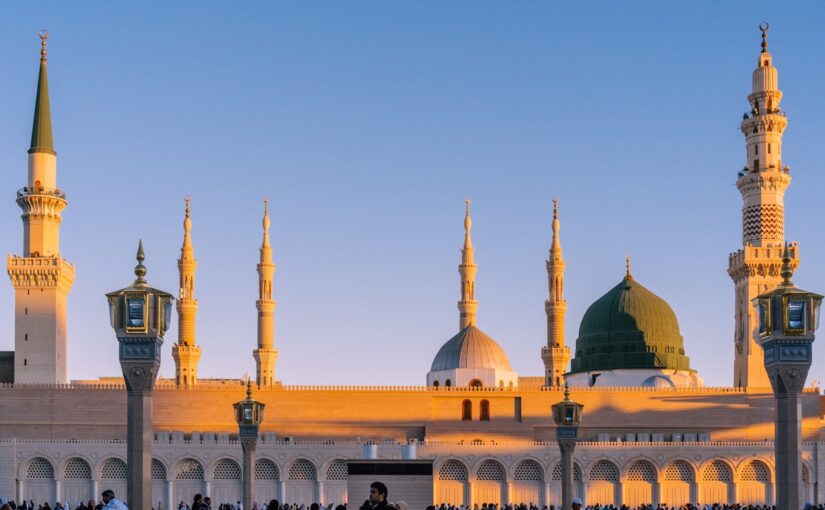
Muhammad Ke Shehr Mein (محمّد کے شہر میں) is a beloved naat that describes the deep love and longing for Madina, the city of the Prophet Muhammad (peace be upon him). Sung beautifully by Junaid Jamshed, this naat touches the hearts of millions who yearn to visit the blessed city. In this post, we share the full Urdu lyrics, English translation, and the spiritual meaning behind this moving naat.

About the Naat

Muhammad Ke Shehr Mein expresses the intense desire of a believer to be in Madina and to witness the blessed city of the Prophet. The poet describes how the heart finds no peace anywhere else and how every moment away from Madina feels like a loss. The naat is set to a deeply emotional melody that has made it a favourite at gatherings and on social media. For more beautiful naat lyrics, you can also read Madine Chalein and Mujhko Madine Bula Lo which share the same theme of longing for Madina.

Full Naat Lyrics in Urdu

Here are the complete Urdu lyrics of Muhammad Ke Shehr Mein:

Verse 1:

محمّد کے شہر میں جا کے دیکھا
تو معلوم ہوا مجھے
یہاں کا ہر ذرّہ ہے روشن
یہاں کی ہے روشن فضا

Verse 2:

کسی کو آنکھوں سے دیکھا نہیں تھا
مگر دل میں تھے بس رہے
محبت کی ایسی گھٹا چھائی
کہ دھڑکنیں تھیں مدینہ میں جاگ رہی

Verse 3:

یہاں کے در و دیوار پہ لکھا ہے
محمد کا نام
ہر گلی ہر کوچے میں بکھری ہے
ان کے قدموں کی خوشبو

Verse 4:

مدینے والے مجھے بلا لو
مدینے جانا ہے اب
محمد کے شہر میں جا کے رہنا
یہی تو ارمان ہے دل کا

Verse 5:

سنبھال کر رکھی ہے اس نے
امانت یہ امت کی
محمد کے شہر میں جا کے دیکھا
تو معلوم ہوا مجھے

English Translation

Verse 1:
When I visited the city of Muhammad
I came to understand
Every particle here is illuminated
The entire atmosphere shines with light

Verse 2:
I had never seen him with my eyes
Yet he lived in my heart always
Such a cloud of love descended
That my heartbeat stayed awake in Madina

Verse 3:
On every door and wall here
The name of Muhammad is written
In every street and alley is scattered
The fragrance of his blessed footsteps

Verse 4:
O people of Madina, call me
I must go to Madina now
To live in the city of Muhammad
That is the deepest desire of my heart

Verse 5:
He has carefully preserved
This trust of the Ummah
When I visited the city of Muhammad
I came to understand

Spiritual Meaning and Background

Muhammad Ke Shehr Mein is not just a song, it is a reflection of the deep spiritual connection that Muslims feel towards Madina Munawwarah. The naat speaks about visiting the city of the Prophet and realising that this is not an ordinary place. Every particle of Madina carries blessing because it was home to the greatest of creation, Prophet Muhammad (peace be upon him).

The verse about not seeing the Prophet with one’s own eyes but feeling him in the heart resonates with every believer who was born after the Prophet’s time. It expresses the love that transcends physical sight. The heart knows what the eyes have not seen. This theme is also beautifully expressed in our post on Aye Sabz Gumbad where the green dome of Masjid al-Nabawi is addressed with similar love.

The song became widely popular through the voice of Junaid Jamshed, the former pop singer turned Islamic preacher, who recorded this naat in his distinctive style. His rendition brought the words to life and introduced a new generation to the beauty of naat poetry. The simplicity of the lyrics combined with the depth of emotion makes this naat accessible to everyone, whether they speak Urdu or not.

Why This Naat is So Popular

There are a few reasons why Muhammad Ke Shehr Mein has become such a well-loved naat across the world. First, its melody is simple and easy to remember. Second, the lyrics capture a universal feeling that every Muslim experiences: the longing to visit Madina. Third, the naat does not use complex language, making it easy for people of all ages to understand and recite. If you enjoy naats with similar themes of love for the Prophet and Madina, you should also read Saason Mein Hai Madina and Chand Taron Mein.

How to Recite This Naat

The naat can be recited in a soft and emotional tone. It is often performed at Mehfil-e-Naat gatherings in the UK, Pakistan and across the Muslim world. You can recite it slowly, pausing at the end of each couplet to reflect on the meaning. The beauty of this naat lies not in speed but in heartfelt delivery. Many people also listen to Junaid Jamshed’s recording to learn the correct tune.

Final Thoughts

Muhammad Ke Shehr Mein is a naat that speaks directly to the soul. Its message is simple: the city of the Prophet is unlike any other place on earth. May we all be blessed to visit it one day. If you enjoyed these lyrics, you can find more naats on our site including Mere Aaqa Madine Mein Mujhe Bhi Ab Bula Lijiye and Tajdar-e-Haram.

Sajda Karo (سجدہ کرو) – Full Naat Lyrics in Urdu, English Translation and Spiritual Meaning

Introduction to Sajda Karo

“Sajda Karo” (سجدہ کرو) is a beautiful and heartfelt naat that calls listeners to bow down in prostration to Allah. The naat emphasises the importance of submission and humility before the Creator. It reminds us that true peace and fulfilment come from recognising the greatness of Allah and worshipping Him alone. This naat is popular in South Asia and is often recited at religious gatherings and milad events.

Background and Meaning

The central theme of this naat is the act of sajda (prostration), which is the highest state of submission in Islam. When a believer places their forehead on the ground in sajda, they are at their closest to Allah. The naat beautifully captures this spiritual connection and encourages listeners to turn to Allah in worship and gratitude.

The lyrics speak about how everything in creation prostrates to Allah, the sun, the moon, the stars, and all living things. As human beings, we should also humble ourselves before our Creator. The naat serves as a reminder that no matter how powerful or wealthy we become, true greatness belongs only to Allah.

Sajda Karo Lyrics in Urdu (سجدہ کرو کے اردو بول)

Verse 1

سجدہ کرو سجدہ کرو
اپنے رب کے آگے سجدہ کرو
ساری مخلوق سجدہ کرے
تم بھی اس کے آگے سجدہ کرو

Verse 2

سورج چاند اور تارے
سب ہیں اس کے اشارے
ہر شے کرتی ہے سجدہ
تم کیوں نہ کرو سجدہ

Verse 3

پہاڑ اور دریا بھی
سبحان اللہ کہتے ہیں
پرندے فضا میں اڑ کر
تسبیح رب کرتے ہیں

Verse 4

دل سے نکلی ہوئی آواز
بن جائے اک نگاہ
آنکھوں سے بہے آنسو
دل سے نکلے آہ

Verse 5

جب بندہ سجدہ کرتا ہے
رب اس سے راضی ہوتا ہے
بخشش کے دروازے کھلتے ہیں
گناہوں کا بوجھ ہلکا ہوتا ہے

Verse 6

محبوب خدا صلی اللہ علیہ وسلم
نے سجدے کی فضیلت بتائی
جو سجدہ کرے خالص اللہ کے لیے
اس کی ہر حاجت پوری فرمائی

English Translation

Verse 1
Prostrate, prostrate
Prostrate before your Lord
All of creation prostrates
You too should prostrate before Him

Verse 2
The sun, the moon, and the stars
All are signs of His command
Everything prostrates to Him
Why do you not prostrate?

Verse 3
The mountains and the oceans
All glorify Allah
The birds flying in the sky
Remember and praise their Lord

Verse 4
The voice that comes from the heart
Becomes a gaze (of longing)
Tears flow from the eyes
A sigh escapes from the heart

Verse 5
When a servant prostrates
The Lord becomes pleased with them
The doors of forgiveness open
The burden of sins becomes light

Verse 6
The beloved of Allah, peace be upon Him
Explained the virtue of prostration
Whoever prostrates purely for Allah
All their needs are fulfilled

The Spiritual Significance of Sajda

In Islam, sajda (prostration) is the most humbling and powerful position in prayer. The Prophet Muhammad (peace be upon him) said that a servant is closest to their Lord when they are in prostration. This is why we are encouraged to make abundant dua (supplication) during sajda.

Sajda is not just a physical action. It represents the complete submission of one’s will to Allah. When you place your forehead on the ground, you are acknowledging that all pride, ego, and arrogance belong to the dust, and all greatness belongs to Allah alone. This humility is the essence of faith.

The naat “Sajda Karo” captures this beautiful concept in simple yet powerful words. It reminds us that prostration is not a burden but a blessing. It is a moment of intimacy with our Creator, a time when we can pour out our hearts and seek His mercy and forgiveness.

Why Recite This Naat

Reciting or listening to “Sajda Karo” helps strengthen your connection with Allah. The repetitive call to “sajda karo” serves as a spiritual reminder throughout the day. It encourages mindfulness of Allah and helps develop a habit of gratitude and humility.

This naat is especially suitable for:

  • Milad and religious gatherings
  • Personal spiritual reflection
  • Teaching children about the importance of prayer
  • Creating a peaceful and spiritual atmosphere at home

The Blessings of Sajda in Daily Life

Prostrating regularly has both spiritual and physical benefits. Spiritually, it purifies the heart and brings a sense of peace. Physically, sajda improves blood circulation to the brain and relieves stress. The combination of spiritual and physical benefits makes sajda a complete act of worship that nourishes both the soul and the body.

Make it a habit to recite or reflect on this naat daily. Let its message sink into your heart and transform your relationship with your Creator. Remember, every prostration is an opportunity to get closer to Allah and seek His endless mercy.

Shah-e-Madina Yaad Aa Rahe Hain (شاہ مدینہ یاد آ رہے ہیں) — Full Naat Lyrics in Urdu, English Translation and Meaning

Naat: Shah-e-Madina Yaad Aa Rahe Hain (شاہ مدینہ یاد آ رہے ہیں)
Category: Naat in Praise of Prophet Muhammad ﷺ
Language: Urdu with English Translation

“Shah-e-Madina Yaad Aa Rahe Hain” is one of the most beloved Urdu naats that expresses the deep spiritual longing of a believer for the Prophet Muhammad ﷺ, the King of Madina. This soulful naat captures the essence of ishq-e-rasool — the love for the Prophet that resides in every Muslim heart. The poet beautifully weaves together the pain of separation, the hope of blessed vision, and the overwhelming love that makes the heart yearn for the blessed city of Madina.

Background and Significance

The title “Shah-e-Madina” (شاہ مدینہ) translates as “The King of Madina” — an honorific title for Prophet Muhammad ﷺ, referring to his sovereignty over the blessed city where he is laid to rest. “Yaad Aa Rahe Hain” means “I am remembering” or “they come to memory.” Together, the title conveys a beautiful sentiment: the King of Madina fills the heart and mind of the believer, and memories of the Beloved Prophet come flooding back unbidden.

This naat belongs to the rich tradition of Urdu naat poetry that flourished in the Indian subcontinent. It reflects the madhuh style of devotional poetry where the lover (the believer) expresses their longing for the beloved (the Prophet ﷺ). The naat uses the traditional Urdu qafia (rhyme scheme) and radif (recurring refrain), making it both melodious and spiritually uplifting.

The central theme of this naat is shauq-e-zairat — the intense desire to visit the Prophet’s ﷺ blessed resting place in Madina Munawwarah. Every verse builds upon this longing, reminding the listener that love for the Prophet ﷺ is not merely an emotion but a transformative spiritual force.

This naat is particularly popular during the Islamic month of Rabi’ al-Awwal (the birth month of the Prophet ﷺ) and among those planning a journey to perform Umrah or Hajj. It strengthens the emotional connection to Madina and the Prophet ﷺ, preparing the heart for the spiritual journey.

Shah-e-Madina Yaad Aa Rahe Hain — Full Urdu Lyrics

Below are the complete lyrics of this beautiful naat in Urdu script:

شاہ مدینہ یاد آ رہے ہیں
دل کو صحرا یاد آ رہے ہیں

اے مدینہ کے سائیں یارو
کیسے میں اپنا غم بھلاؤں
ہجر کی شام ڈھل رہی ہے
اب تو کچھ کام کر دکھاؤں

شاہ مدینہ یاد آ رہے ہیں
دل کو صحرا یاد آ رہے ہیں

اک نظر اے حبیبِ اعظم
آپ کے در پہ بیٹھ کر میں
درد کے آنسو بہا رہا ہوں
آہ بھر بھر کے کہہ رہا ہوں

شاہ مدینہ یاد آ رہے ہیں
دل کو صحرا یاد آ رہے ہیں

کیسی ہے یہ محبت تیری
ہر گھڑی ہے حسرت تیری
دور رہ کر بھی اپنے دل میں
آپ کو میں بسائے رکھوں

شاہ مدینہ یاد آ رہے ہیں
دل کو صحرا یاد آ رہے ہیں

جب بھی یاد آئے مدینہ
آنکھیں بھر آئیں مدینہ
دور ہو کر تجھ سے اپنے
کس طرح میں رہ پاؤں گا

شاہ مدینہ یاد آ رہے ہیں
دل کو صحرا یاد آ رہے ہیں

English Translation of Shah-e-Madina Yaad Aa Rahe Hain

Verse 1:

Shah-e-Madina yaad aa rahe hain
Dil ko sahra yaad aa rahe hain

Translation:
The King of Madina comes to memory,
My heart remembers the desert (of Madina).

Meaning: The poet begins by establishing the core theme — the Prophet ﷺ, the sovereign of Madina, fills the mind with loving remembrance. The “desert” (sahra) refers to the arid landscape of Madina, which holds the fragrance of the Prophet’s ﷺ presence. The heart aches not just for the person of the Prophet but for every grain of sand in that blessed land.

Verse 2:

Aye Madina ke saiyan yaro
Kaise mein apna gham bhulaun
Hijr ki shaam dhal rahi hai
Ab toh kuch kaam kar dikhaun

Translation:
O dwellers of Madina, my companions,
How can I forget my sorrow?
The evening of separation is descending,
Now let me do something (for love).

Meaning: The poet addresses the residents of Madina, expressing the agony of being far from the beloved city. The “evening of separation” (hijr ki shaam) symbolizes the growing darkness of being away from the Prophet’s ﷺ presence. The poet feels an urgent need to act on this love — through travel, through tears, through devotion.

Verse 3:

Ik nazar aye Habeeb-e-Azam
Aap ke dar pe baith kar mein
Dard ke aansu baha raha hoon
Aah bhar bhar ke keh raha hoon

Translation:
Just one glance, O Greatest Beloved!
Sitting at your doorstep,
I am shedding tears of pain,
Sighing again and again I plead.

Meaning: This is the emotional climax of the naat. The poet imagines being at the Prophet’s ﷺ blessed Rawdah in Madina, sitting at his doorstep and begging for just a single glance. The tears and sighs represent the tawajjuh (spiritual attention) and nisbat (connection) that believers seek when they visit Madina. “Habeeb-e-Azam” (The Greatest Beloved) is a reference to the Prophet ﷺ, whom Allah Himself calls Habibullah (The Beloved of God).

Verse 4:

Kaisee hai yeh mohabbat teri
Har ghari hai hasrat teri
Door reh kar bhi apne dil mein
Aap ko mein basaye rakhun

Translation:
What kind of love is this of Yours?
Every moment is spent in longing for You.
Even while staying far away,
I keep You enshrined in my heart.

Meaning: The poet marvels at the nature of love for the Prophet ﷺ. Even physical distance cannot diminish this love. The Prophet ﷺ remains enshrined in the believer’s heart at all times. This reflects the Qur’anic teaching that genuine iman (faith) means loving the Prophet ﷺ more than one’s own self, family, and all of humanity (Bukhari).

Verse 5:

Jab bhi yaad aaye Madina
Aankhen bhar aayen Madina
Door ho kar tujh se apne
Kis tarah mein reh paunga

Translation:
Whenever I remember Madina,
My eyes fill with tears, O Madina.
Being distant from you,
How will I ever survive?

Meaning: The poet directly addresses Madina, personifying the city as a beloved companion. The mere memory of Madina brings tears — a phenomenon well-known among those who have visited the city and experienced its spiritual atmosphere. The rhetorical question at the end captures the existential pain of separation that every sincere believer feels.

The Spiritual Message of This Naat

“Shah-e-Madina Yaad Aa Rahe Hain” is more than a lyrical composition — it is a spiritual journey expressed through poetry. Here are the key spiritual themes:

1. Love Across Distance

The naat teaches that true love for the Prophet ﷺ transcends physical distance. Even if a believer cannot visit Madina, the heart remains connected to the Prophet ﷺ through constant remembrance (dhikr) and heartfelt devotion. This echoes the Hadith: “Whoever sends salutations upon me from near my grave, I hear him, and whoever sends salutations from far away, it is conveyed to me” (Sunan al-Kubra al-Bayhaqi).

2. The Pain of Hijr (Separation)

The repeated references to hijr (separation) and tears reflect the deep spiritual longing that characterizes Islamic devotional poetry. This is not a worldly sadness but a sacred ache — the soul recognizing its distance from the source of spiritual light. The poet transforms this pain into a means of drawing closer to the beloved Prophet ﷺ.

3. Madina as a Spiritual Home

Madina is not just a geographical location in this naat — it is the spiritual homeland of every believer. The Prophet ﷺ said: “Indeed, faith will return to Madina just as a snake returns to its hole” (Bukhari). The naat captures this spiritual magnetism of Madina, the city that shelters the Prophet’s ﷺ blessed body and radiates his spiritual light to the entire world.

4. Tears as a Form of Worship

The tears described in the naat are not tears of despair but of love. In Islamic spirituality, tears shed for the love of the Prophet ﷺ are considered a form of worship. The Prophet ﷺ himself wept in his prayers, and the Companions wept when reciting the Qur’an. The naat reminds us that a heart that can cry for the Prophet ﷺ is a heart that is alive with faith.

Popular Recitations of Shah-e-Madina Yaad Aa Rahe Hain

This naat has been beautifully rendered by several well-known naat khawans. Each recitation brings its own emotional depth and style to the words:

  • Owais Raza Qadri: Known for his soulful and heart-touching rendition that emphasizes the emotional weight of each verse.
  • Hafiz Muhammad Tahir Qadri: His recitation is measured and contemplative, allowing the listener to absorb the meaning.
  • Sibtain Raza: A powerful voice that brings out the longing and passion in the lyrics.
  • Farhan Ali Waris: His melodious style makes the naat accessible to younger audiences while maintaining its spiritual depth.

Related Naats You May Like

If you enjoyed “Shah-e-Madina Yaad Aa Rahe Hain,” you may also find spiritual connection in these other beautiful naats:

FAQs About Shah-e-Madina Yaad Aa Rahe Hain

What does “Shah-e-Madina” mean?

“Shah” means King or sovereign. “Shah-e-Madina” is an honorific title for Prophet Muhammad ﷺ, meaning “The King of Madina” — recognizing his spiritual sovereignty over the blessed city.

Who wrote the naat “Shah-e-Madina Yaad Aa Rahe Hain”?

This naat has been composed by a traditional Urdu poet in the classical naat tradition. The exact author may vary across sources, but it belongs to the rich heritage of Urdu naat poetry that has been passed down through generations.

When should this naat be recited?

This naat can be recited at any time, but it is particularly meaningful during Rabi’ al-Awwal (the birth month of the Prophet ﷺ), before traveling for Umrah or Hajj, during Milad gatherings, and at any gathering where the love of the Prophet ﷺ is celebrated.

Is this naat available on YouTube?

Yes, several beautiful recitations of “Shah-e-Madina Yaad Aa Rahe Hain” are available on YouTube by various naat khawans. These recitations have garnered millions of views from around the world.

Conclusion

“Shah-e-Madina Yaad Aa Rahe Hain” is a timeless naat that captures the essence of love for Prophet Muhammad ﷺ. Its simple yet profound words speak directly to the heart, reminding us of the spiritual connection that binds every believer to the King of Madina. Whether you are a lifelong student of Islamic poetry or someone discovering naat for the first time, this beautiful composition has the power to move your heart and strengthen your bond with the Beloved Prophet ﷺ.

May our hearts always be filled with the remembrance of Shah-e-Madina ﷺ, and may we be blessed with a visit to his blessed city. Ameen.

Mere Maula (میرے مولا) Naat Lyrics in Urdu with English Translation and Meaning

“Mere Maula” is one of the most beloved Islamic nasheeds in the world, beautifully composed and performed by the renowned British musician Sami Yusuf. This soul-stirring naat is a heartfelt plea to Allah, expressing deep devotion, humility, and a longing for divine mercy. The lyrics are simple yet profound, making it accessible to people of all ages and backgrounds.

In this post, you will find the complete Urdu lyrics of Mere Maula, along with the English translation, transliteration, and the spiritual meaning behind this beautiful naat.


About the Naat

Mere Maula was written and composed by Sami Yusuf, a British singer, songwriter, and composer of Azerbaijani origin. Released in the early 2000s, it quickly became one of the most popular Islamic nasheeds worldwide. The song’s gentle melody and heartfelt lyrics have made it a favourite at Islamic events, weddings, and gatherings around the world.

The central theme of Mere Maula is a humble supplication to Allah. The singer asks for divine mercy, forgiveness, and guidance. The naat reflects the deep spiritual yearning that every believer feels, and it captures the essence of true devotion without musical instruments, staying true to Islamic traditions of nasheed.


Mere Maula — Urdu Lyrics (میرے مولا)

Verse 1:

میرے مولا، میرے مولا
مجھ کو اپنا بنا لے
میرے مولا، میرے مولا
اپنی رحمت کا سایہ ڈال دے

میرے مولا، میرے مولا
دل کو اپنی طرف لگا لے
میرے مولا، میرے مولا
تو ہی ہے میرا سہارا

Verse 2:

تیرے در سے کچھ نہیں چاہیے
تیری رضا ہی سب کچھ ہے
میرے مولا، میرے مولا
مجھ کو اپنی یاد میں جگا دے

تیرے سوا کچھ نہیں جانتا
تیرے سوا کچھ نہیں مانتا
میرے مولا، میرے مولا
اپنی محبت کا نشہ پلا دے

Verse 3:

جب بھی میں بھٹکا، تو نے سنبھالا
جب بھی میں گرا، تو نے اٹھایا
میرے مولا، میرے مولا
تیرا شکر ادا نہیں کر سکتا

تیری رحمت سے امید ہے
تیرے فضل سے سب کچھ ہے
میرے مولا، میرے مولا
مجھ کو اپنی رحمت میں ڈھانپ لے


English Transliteration

Verse 1:

Mere Maula, mere Maula
Mujh ko apna bana le
Mere Maula, mere Maula
Apni rehmat ka saaya daal de

Mere Maula, mere Maula
Dil ko apni taraf laga le
Mere Maula, mere Maula
Tu hi hai mera sahaara

Verse 2:

Tere dar se kuch nahin chaahiye
Teri raza hi sab kuch hai
Mere Maula, mere Maula
Mujh ko apni yaad mein jaga de

Tere siwa kuch nahin jaanta
Tere siwa kuch nahin maanta
Mere Maula, mere Maula
Apni mohabbat ka nasha plla de

Verse 3:

Jab bhi main bhatka, to ne sambhala
Jab bhi main gira, to ne uthaya
Mere Maula, mere Maula
Tera shukr ada nahin kar sakta

Teri rehmat se umeed hai
Tere fazl se sab kuch hai
Mere Maula, mere Maula
Mujh ko apni rehmat mein dhaanp le


English Translation

Verse 1:

My Lord, my Lord
Make me Your own
My Lord, my Lord
Cast Your mercy’s shade upon me

My Lord, my Lord
Turn my heart towards You
My Lord, my Lord
You alone are my support

Verse 2:

I ask for nothing from Your door
Your pleasure is everything to me
My Lord, my Lord
Awaken me in Your remembrance

I know none besides You
I acknowledge none besides You
My Lord, my Lord
Intoxicate me with Your love

Verse 3:

Whenever I strayed, You corrected me
Whenever I fell, You lifted me
My Lord, my Lord
I cannot thank You enough

I hope for Your mercy
Everything comes from Your grace
My Lord, my Lord
Cover me in Your mercy


Meaning and Background

The Concept of “Maula”

The word “Maula” in Arabic and Urdu carries deep meaning. It can mean Lord, Master, Protector, or Guardian. In this naat, “Mere Maula” is a personal and intimate address to Allah, acknowledging Him as the ultimate protector and caretaker. The repeated use of “mere” (my) creates a sense of personal connection between the believer and the Creator.

The Theme of Humble Supplication

Throughout the naat, the singer humbly asks Allah for mercy, guidance, and love. The line “Apni rehmat ka saaya daal de” (Cast Your mercy’s shade upon me) is a beautiful metaphor for seeking divine protection and care. It reflects the Islamic concept of relying entirely on Allah’s mercy.

Gratitude and Acknowledgment

Verse 3 of the naat expresses profound gratitude. The singer acknowledges that every time they stumbled, Allah guided them back. Every time they fell, Allah lifted them. This reflects the deep Islamic belief that all good comes from Allah and that human beings are entirely dependent on His grace.

The Spiritual Intoxication of Love

One of the most striking lines in the naat is “Apni mohabbat ka nasha plla de” (Intoxicate me with Your love). This uses the metaphor of intoxication, common in Islamic mystical poetry, to describe the all-consuming nature of divine love. The “intoxication” of God’s love is seen as a pure and spiritual state that brings the believer closer to the Divine.


About the Artist: Sami Yusuf

Sami Yusuf is a British singer, songwriter, and composer of Azerbaijani origin. Born in London in 1980, he is widely regarded as one of the most influential figures in contemporary Islamic music. His debut album “Al-Muallim” was released in 2003 and became an international success, establishing him as a pioneer of the modern Islamic nasheed genre.

Sami Yusuf’s music is known for its spiritual depth, beautiful melodies, and universal messages of peace, love, and devotion. He has performed at venues around the world, including the Royal Albert Hall in London, and has collaborated with artists from diverse musical traditions. His work has inspired a generation of Muslim artists and continues to touch the hearts of millions.


When to Recite Mere Maula

This naat is suitable for many occasions:

  • Daily worship as a form of personal supplication
  • Islamic gatherings and events
  • Friday prayers as a spiritual preparation
  • Times of difficulty when seeking comfort and guidance
  • Laylat ul-Qadr and other blessed nights

The gentle melody and profound lyrics make Mere Maula a perfect choice for anyone seeking to deepen their spiritual connection with Allah.


Conclusion

Mere Maula is more than just a nasheed. It is a heartfelt prayer that has touched the lives of millions around the world. Its simple lyrics carry profound spiritual meaning, and its melody soothes the soul. Whether you are listening to it for the first time or the hundredth, the message of divine love and humble submission is always powerful.

We hope this complete guide with Urdu lyrics, English transliteration, translation, and meaning helps you understand and appreciate this beautiful naat even more. Share it with friends and family, and may our love for the Divine continue to grow.

Internal Links:

Kaaba Ke Badshah (کعبہ کے بادشاہ) — Full Naat Lyrics in Urdu, English Translation and Meaning

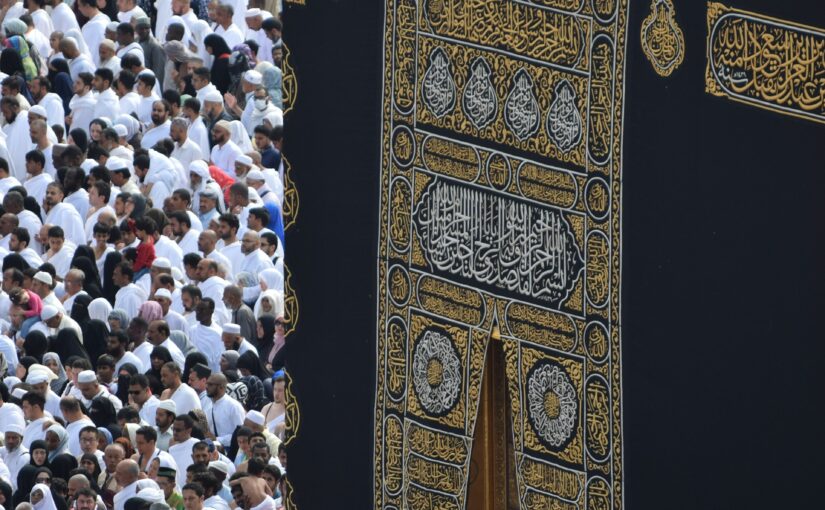
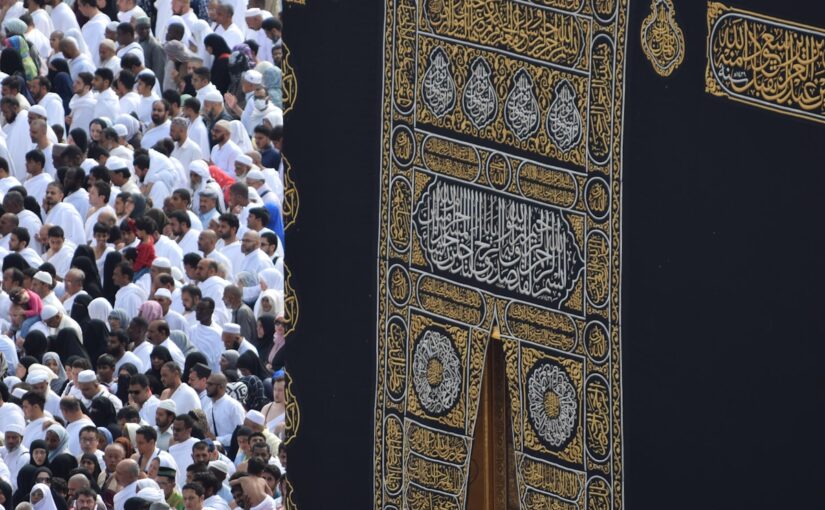
**Kaaba Ke Badshah (کعبہ کے بادشاہ)** is one of the most beloved naats in the Islamic world, famously recited by the renowned naat khwan Owais Raza Qadri. This beautiful naat is a heartfelt tribute to Prophet Muhammad (peace be upon him), describing him as the King of the Kaaba and the beloved of Allah. The naat captures the deep love and reverence that Muslims feel for the Prophet, using powerful imagery of Mecca, Madina, and the Kaaba.

In this post, you will find the complete Urdu lyrics of Kaaba Ke Badshah, along with the English transliteration, translation, and the spiritual meaning behind this beautiful naat.

## About the Naat

Kaaba Ke Badshah was popularised by Owais Raza Qadri, a famous Pakistani naat khwan known for his soulful voice and deeply moving renditions. The naat has become a staple at milads, naat gatherings, and Islamic events around the world. Its simple yet profound lyrics make it accessible to people of all ages, while its message of love for the Prophet resonates with Muslims everywhere.

The central theme of the naat is the unmatched status of Prophet Muhammad (PBUH). It describes him as the king of the Kaaba, the beloved of Allah, and the greatest of all creation. The naat also expresses a deep longing to visit the holy cities of Mecca and Madina, a feeling shared by Muslims around the world.

## Kaaba Ke Badshah — Urdu Lyrics (کعبہ کے بادشاہ)

**Verse 1:**
کعبہ کے بادشاہ آگئے
کعبہ کے بادشاہ آگئے
مدینہ کے شہنشاہ آگئے

**Verse 2:**
محبوب خدا آگئے
محبوب خدا آگئے
آقا دو جہاں آگئے
آقا دو جہاں آگئے

**Verse 3:**
نور سے جگمگایا حرم
نور سے جگمگایا حرم
مکی مدنی مصطفیٰ صلی اللہ علیہ وسلم

**Verse 4:**
سبز گنبد پہ سلام
سبز گنبد پہ سلام
اے شہنشاہ مدینہ سلام

**Verse 5:**
دل ہے مدینے چل
دل ہے مدینے چل
یاد ہے تجھ کو یا نبی
دل ہے مدینے چل

**Verse 6:**
میری نگاہیں تجھ پہ فدا
میرا دل تجھ پہ فدا
میرا دل تجھ پہ فدا

## English Transliteration

**Verse 1:**
Kaaba ke badshah aagaye
Madina ke shahanshah aagaye

**Verse 2:**
Mahbood-e-Khuda aagaye
Aaqa do jahan aagaye

**Verse 3:**
Noor se jagmagaya haram
Makki Madani Mustafa sallallahu alayhi wasallam

**Verse 4:**
Sabz gumbad pe salam
Aye shahanshah-e-Madina salam

**Verse 5:**
Dil hai Madine chal
Dil hai Madine chal
Yaad hai tujh ko ya nabi
Dil hai Madine chal

**Verse 6:**
Meri nigaahein tujh pe fida
Mera dil tujh pe fida

## English Translation

**Verse 1:**
The King of the Kaaba has arrived
The Emperor of Madina has arrived

**Verse 2:**
The beloved of Allah has arrived
The Master of both worlds has arrived

**Verse 3:**
The sanctuary shines with light
The Makki and Madani Mustafa, peace be upon him

**Verse 4:**
Peace be upon the green dome
O Emperor of Madina, peace be upon you

**Verse 5:**
My heart wants to go to Madina
Do you remember me, O Prophet?
My heart wants to go to Madina

**Verse 6:**
My gaze is sacrificed for you
My heart is sacrificed for you

## Meaning and Background

**The Symbolism of “Kaaba Ke Badshah”**

The title “Kaaba Ke Badshah” translates to “The King of the Kaaba.” This is a beautiful metaphor that highlights the special connection between Prophet Muhammad (PBUH) and the Kaaba, the holiest site in Islam. The Prophet was born in Mecca, the city of the Kaaba, and it was to the Kaaba that he turned in prayer throughout his life.

**The Green Dome**

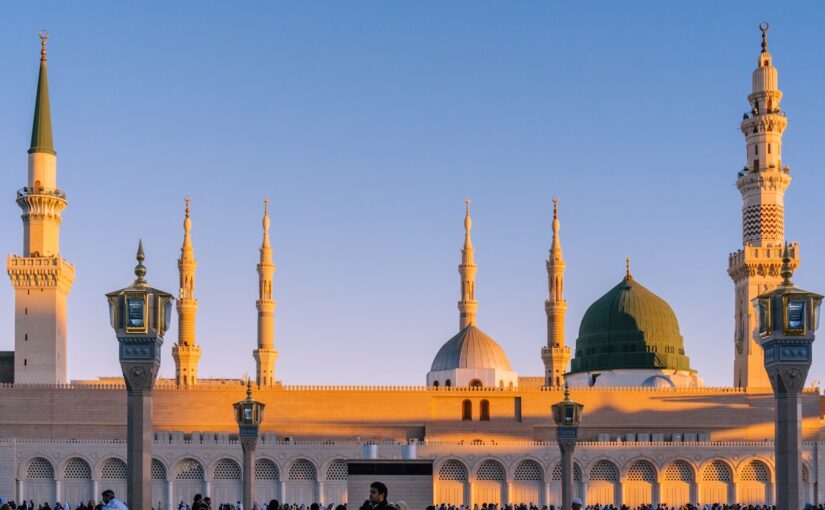
The reference to the “green dome” (sabz gumbad) in Verse 4 is a direct reference to the Green Dome of the Prophet’s Mosque in Madina. This green-painted dome sits above the tomb of the Prophet Muhammad (PBUH) and is one of the most recognisable symbols in the Islamic world. When naat khwans sing “Sabz gumbad pe salam,” they are sending greetings of peace to the Prophet resting beneath that dome.

**The Longing for Madina**

Verses 5 and 6 express a deep emotional longing to visit Madina and the Prophet’s mosque. This theme of Ishq-e-Mustafa (love for the Prophet) is central to many naats. The lyrics capture the feeling of every Muslim who yearns to stand before the Prophet’s mosque, offer prayers there, and send salutations to the Prophet.

**Sacrifice and Devotion**

The repeated phrase “fida” (sacrificed) in Verse 6 expresses total devotion. The singer declares that their gaze, their heart, and their entire being are sacrificed for the Prophet. This level of devotion reflects the deep love that Muslims hold for Prophet Muhammad (PBUH), who is described in the Quran as “a mercy to all the worlds.”

## When to Recite Kaaba Ke Badshah

This naat is commonly recited on various occasions including:

– **Milad un-Nabi** celebrations of the Prophet’s birthday
– **Friday gatherings** as a way to send blessings upon the Prophet
– **Islamic events and conferences** where naat is performed
– **Personal worship** as a form of meditation and spiritual connection
– **Travel to Madina** often recited by pilgrims visiting the Prophet’s mosque

The naat’s uplifting melody and heartfelt lyrics make it suitable for both solo recitation and group performances.

## About the Reciter: Owais Raza Qadri

Owais Raza Qadri is one of the most famous naat khwans in the world. Born in Pakistan, he began reciting naat at a young age and gained international fame for his beautiful voice and emotional style. His renditions of classics like “Kaaba Ke Badshah,” “Tajdar-e-Haram,” and “Mere Aaqa Ka Darbar” are loved by millions around the world.

Owais Raza Qadri’s naats are known for their clarity, emotional depth, and the way they connect listeners to the spiritual message of Islam. He has performed at venues around the world and continues to be one of the most influential naat reciters of his generation.

## Conclusion

Kaaba Ke Badshah is a beautiful naat that captures the essence of love for Prophet Muhammad (PBUH). Its simple lyrics carry deep meaning, and its melody touches the hearts of listeners. Whether you are a lifelong admirer of naat or discovering this beautiful form of Islamic poetry for the first time, Kaaba Ke Badshah is a perfect example of why naat holds such a special place in Islamic culture.

We hope this complete guide with Urdu lyrics, English transliteration, and translation helps you understand and appreciate this beautiful naat even more. Share it with friends and family, and may our love for the Prophet continue to grow.

**Internal Links:**
– Tajdar-e-Haram full naat lyrics with Urdu and English translation
– Mere Aaqa Ka Darbar naat lyrics with Urdu and English translation
– Sabz Gumbad Wale naat lyrics

Sultan-e-Madina (سلطانِ مدینہ) – Full Naat Lyrics in Urdu, English Translation and Meaning

Sultan-e-Madina (سلطانِ مدینہ) is a beautiful naat that praises Prophet Muhammad (PBUH) as the King of Medina. The word “Sultan” means king or ruler, and this naat describes the Prophet’s royal status in the spiritual realm while highlighting his humility and mercy. This naat is popular across the Islamic world and is recited in many gatherings and Mehfil-e-Milad events.

Sultan-e-Madina Naat Lyrics in Urdu

Verse 1

سلطانِ مدینہ شہنشاہِ مدینہ
آقا ہے میرا نبی مصطفیٰ

Verse 2

تیری رحمت سے ہے ساری دنیا آباد
تیرے صدقے میں ہے یہ سارا جہاں

Verse 3

جو بھی آیا تیرے در پہ خالی نہ گیا
بے سہاروں کو تو نے سنبھالا یا رسول

Verse 4

تیری محبت ہے سرمایہ میرا
تیرا در ہے پناہ گاہ میری

Verse 5

مدینے کا ہر ذرہ تجھ پہ فدا
یہ خاک بھی آنکھوں کا نور ہے

Verse 6

اے سلطانِ مدینہ شہنشاہِ مدینہ
آقا ہے میرا نبی مصطفیٰ

Roman Urdu Transliteration

Verse 1:
Sultan-e-Madina, Shehanshah-e-Madina
Aaqa hai mera Nabi Mustafa

Verse 2:
Teri rehmat se hai saari duniya aabaad
Tere sadqay mein hai ye saara jahan

Verse 3:
Jo bhi aaya tere dar pe khaali na gaya
Be saharon ko toone sambhala Ya Rasool

Verse 4:
Teri mohabbat hai sarmaya mera
Tera dar hai panaah gaah meri

Verse 5:
Madine ka har zarra tujh pe fida
Ye khaak bhi aankhon ka noor hai

Verse 6:
Ae Sultan-e-Madina, Shehanshah-e-Madina
Aaqa hai mera Nabi Mustafa

English Translation

Verse 1:
King of Medina, Emperor of Medina
My master is the Prophet Mustafa (PBUH)

Verse 2:
Your mercy has made the whole world prosperous
The entire universe exists because of you

Verse 3:
Whoever came to your door did not leave empty-handed
You supported the helpless, O Messenger of Allah

Verse 4:
Your love is my greatest treasure
Your doorstep is my sanctuary

Verse 5:
Every particle of Medina is sacrificed for you
Even its dust is light for the eyes

Verse 6:
O King of Medina, Emperor of Medina
My master is the Prophet Mustafa (PBUH)

Meaning and Background

The naat Sultan-e-Madina celebrates the Prophet Muhammad’s (PBUH) unique status as both a spiritual king and a merciful guide. The repeated title “Sultan-e-Madina” reminds listeners that the Prophet holds the highest rank in creation, yet his door is always open to those in need.

Verse 1 establishes the central theme: the Prophet is the king, emperor and master. Verse 2 reflects on the concept of Rahmatul Lil Alameen (Mercy to the Worlds). Verse 3 describes the Prophet’s generosity. Verse 4 expresses personal devotion. Verse 5 praises Medina itself. Verse 6 reinforces the central message.

When is Sultan-e-Madina Recited?

  • Mehfil-e-Milad gatherings
  • Daily naat gatherings in mosques
  • Eid Milad-un-Nabi events
  • Personal worship and devotion
  • Islamic conferences

About the Poet

Sultan-e-Madina is a traditional naat that has been passed down through generations. Its exact origin is unknown, but its popularity continues to grow in the digital age.

Allah Hu (اللہ ہو) – Full Naat Lyrics in Urdu, English Translation and Meaning

Allah Hu (اللہ ہو) – A Timeless Naat of Divine Love

“Allah Hu” (اللہ ہو) is one of the most beloved and widely recited Islamic naats across the Muslim world. Unlike naats that focus on praising the Prophet Muhammad ﷺ, “Allah Hu” is a form of dhikr (remembrance of Allah) set to a beautiful poetic rhythm. It echoes the soul-stirring call of Sufi tradition, reminding the listener of the oneness and majesty of Allah.

This naat is deeply rooted in the Islamic spiritual tradition of tasawwuf (Sufism). The phrase “Allah Hu” itself is a sacred utterance, a repetition of the divine name that brings the heart closer to the Creator. The naat has been recited by countless saints, scholars, and devotees over centuries, and its melody varies across cultures while retaining the same core spiritual message.

The Spiritual Significance of “Allah Hu”

In Islamic spirituality, the repetition of Allah’s name is a form of dhikr that purifies the heart. The word “Hu” (ہو) means “He” in Arabic, referring to the divine essence of Allah. When combined as “Allah Hu,” it becomes a powerful declaration of God’s presence and sovereignty.

The naat is often recited in gatherings of dhikr, during mehfils, and in Sufi khanqahs (spiritual centres). Its hypnotic rhythm helps participants enter a state of spiritual contemplation and connection with the divine. The beauty of “Allah Hu” lies in its simplicity — it does not require complex knowledge of theology. Anyone, regardless of their level of religious education, can feel its profound spiritual impact.

Allah Hu (اللہ ہو) – Full Naat Lyrics

Below are the complete lyrics in Roman Urdu transliteration, original Urdu script, and English translation.

Verse 1 – The Call to Remember Allah

Roman Urdu:
Allah Hu, Allah Hu
Allah Hu, Allah Hu
La ilaha illallah, Allah Hu

Urdu:
اللہ ہو، اللہ ہو
اللہ ہو، اللہ ہو
لا الہ الا اللہ، اللہ ہو

English Translation:
Allah, He is (the One)
There is no god but Allah, He is Allah

The opening lines establish the central theme of tawheed (monotheism). The repetition of “Allah Hu” is a rhythmic invocation that draws the heart toward divine remembrance. The phrase “La ilaha illallah” is the foundation of Islamic faith — the declaration that there is no deity worthy of worship except Allah.

Verse 2 – The Majesty of the Creator

Roman Urdu:
Wohi Allah hai, wohi Rabb hai
Wohi Malik hai, wohi Wahab hai
Har zarra uski shan batata hai
Wohi Allah hai, Allah Hu

Urdu:
وہی اللہ ہے، وہی رب ہے
وہی مالک ہے، وہی وہاب ہے
ہر ذرہ اس کی شان بتاتا ہے
وہی اللہ ہے، اللہ ہو

English Translation:
He is Allah, He is the Lord
He is the Master, He is the Bestower
Every atom proclaims His glory
He is Allah, Allah Hu

This verse reflects on the majesty of Allah as the Creator and Sustainer of the universe. Every atom in existence bears witness to His power and mercy. The names “Rabb” (Lord), “Malik” (Master), and “Wahab” (Bestower) highlight different aspects of the divine nature.

Verse 3 – The Ever-Living, The Self-Subsisting

Roman Urdu:
Al-Hayyul Qayyum, wohi hai
Arsh ka malik, wohi hai
Na uski aankh lagti hai
Na usko neend aati hai
Wohi Allah hai, Allah Hu

Urdu:
الحی القیوم، وہی ہے
عرش کا مالک، وہی ہے
نہ اس کی آنکھ لگتی ہے
نہ اسکو نیند آتی ہے
وہی اللہ ہے، اللہ ہو

English Translation:
The Ever-Living, the Self-Subsisting, He is the One
The Master of the Throne, He is the One
No slumber overtakes Him
Nor does sleep befall Him
He is Allah, Allah Hu

This verse draws from Ayat-ul-Kursi (the Throne Verse), one of the most powerful verses of the Quran. Al-Hayyul Qayyum (The Ever-Living, the Self-Subsisting) are two of the most beautiful names of Allah, emphasising His eternal existence and absolute self-sufficiency.

Verse 4 – The Provider and Sustainer

Roman Urdu:
Wohi Raziq hai, wohi Karim hai
Wohi Ghaffar hai, wohi Rahim hai
Uske dar se koi khali nahi
Wohi Allah hai, Allah Hu

Urdu:
وہی رازق ہے، وہی کریم ہے
وہی غفار ہے، وہی رحیم ہے
اسکے در سے کوئی خالی نہیں
وہی اللہ ہے، اللہ ہو

English Translation:
He is the Provider, He is the Generous
He is the Forgiver, He is the Merciful
No one leaves His door empty-handed
He is Allah, Allah Hu

The attributes of Allah as Ar-Raziq (The Provider), Al-Karim (The Generous), Al-Ghaffar (The Forgiver), and Ar-Rahim (The Merciful) remind the believer that all blessings come from Allah alone. His mercy encompasses everything, and His generosity knows no bounds.

The History and Background of Allah Hu

“Allah Hu” is not attributed to a single poet or reciter. It is a traditional naat that has been passed down through generations of Sufi mystics and Islamic scholars. The words are derived from the Quran and the teachings of the Prophet Muhammad ﷺ, woven into a poetic form that facilitates dhikr.

The naat is particularly popular in South Asia (Pakistan, India, Bangladesh), but it is also recited in Turkey, Iran, the Arab world, and wherever Muslims gather for spiritual remembrance. Different Qawwals and naat reciters have added their own melodic variations, making “Allah Hu” a universal naat that transcends cultural boundaries.

Famous reciters of “Allah Hu” include Nusrat Fateh Ali Khan, whose qawwali version brought the naat to international audiences, and various Pakistani naat reciters who have recorded their own soulful renditions.

The Power of Dhikr Through Naat

Naat recitation is a form of ibadah (worship) that combines poetry, melody, and spiritual devotion. When a believer recites or listens to “Allah Hu,” the repetition of Allah’s name penetrates the heart and creates a state of spiritual peace. The Quran says: “Verily, in the remembrance of Allah do hearts find rest” (Surah Ar-Rad, 13:28).

This naat is especially powerful because of its simplicity. The constant repetition of “Allah Hu” allows the worshipper to focus entirely on the divine presence, letting go of worldly distractions. It is a bridge between the human soul and its Creator.

How to Recite Allah Hu

There is no fixed rule for reciting “Allah Hu.” You can recite it softly to yourself as a form of personal dhikr, or join a group gathering where the naat is sung collectively. The most important aspect is sincerity and focus on the meaning of the words. When reciting, try to feel the presence of Allah in your heart and let the words resonate within you.

May the recitation of “Allah Hu” bring peace to your heart and strengthen your connection with the Creator. Ameen.

Related Naat

If you enjoyed this naat, you may also like Sarkar Ka Shahar (سرکار کا شہر) – Full Naat Lyrics in Urdu and English Translation.

Hasbi Rabbi (حسبي ربي) Full Naat Lyrics in Urdu, English Translation and Meaning

About the Naat “Hasbi Rabbi” (حسبي ربي)

“Hasbi Rabbi” which translates to “My Lord is Sufficient for Me” is one of the most beloved Islamic naats recited by Muslims around the world. The phrase “Hasbi Rabbi” comes from a deep place of trust and reliance on Allah. It is a declaration that no matter what happens in life, Allah alone is enough. This powerful naat has been performed by many famous nasheed artists, with the most popular version being by Sami Yusuf, whose rendition touched millions of hearts globally.

The naat is not just a song but a spiritual reminder of Tawakkul (trust in Allah). It reminds believers that when all else fails, Allah’s mercy and support are always there. The simple yet profound lyrics make it easy to memorise and recite, which is why it is popular at Islamic gatherings, in homes, and at schools across the Muslim world.

Below you will find the full Urdu lyrics, English translation, Urdu script, and the deeper meaning behind this beautiful naat.

Hasbi Rabbi Urdu Lyrics (حسبي ربي اردو lyrics)

Verse 1:
حسبي ربي جل الله
ما في قلبي غير الله
نور محمد صلى الله عليه وسلم

Verse 2:
لا إله إلا الله
محمد رسول الله
نور محمد صلى الله عليه وسلم

Verse 3:
ذكر الله شفاء قلبي
حب النبي دواء روحي
نور محمد صلى الله عليه وسلم

Verse 4:
يا رب يا رب يا الله
اغفر ذنوبي يا الله
نور محمد صلى الله عليه وسلم

Roman English Transliteration

Verse 1:
Hasbi Rabbi Jal Allah
Ma fi qalbi ghairullah
Noor-e-Muhammad sallallahu alaihi wasallam

Verse 2:
La ilaha illallah
Muhammadur Rasulullah
Noor-e-Muhammad sallallahu alaihi wasallam

Verse 3:
Zikrullah shifa-e-qalbi
Hubbun-nabi dawa-e-roohi
Noor-e-Muhammad sallallahu alaihi wasallam

Verse 4:
Ya Rabb, Ya Rabb, Ya Allah
Ighfir zunoobi Ya Allah
Noor-e-Muhammad sallallahu alaihi wasallam

English Translation

Verse 1:
My Lord is sufficient for me, glorious is Allah
There is nothing in my heart except Allah
The light of Muhammad (peace be upon him)

Verse 2:
There is no god except Allah
Muhammad is the Messenger of Allah
The light of Muhammad (peace be upon him)

Verse 3:
The remembrance of Allah is the healing of my heart
The love of the Prophet is the medicine for my soul
The light of Muhammad (peace be upon him)

Verse 4:
O Lord, O Lord, O Allah
Forgive my sins, O Allah
The light of Muhammad (peace be upon him)

Meaning and Explanation

The Meaning of “Hasbi Rabbi”

The phrase “Hasbi Rabbi” means “My Lord is enough for me” or “Allah is sufficient for me.” This is a phrase of complete trust and reliance on Allah. When a believer says these words, they are declaring that they do not need anyone or anything else because Allah’s support and mercy are enough. This is the essence of Tawakkul, the Islamic concept of trusting in Allah’s plan.

Jal Allah – The Majesty of Allah

“Jal Allah” refers to the majesty and glory of Allah. It reminds us that Allah is above everything and is the Most High. When combined with “Hasbi Rabbi,” it creates a powerful declaration that the Majestic Lord is sufficient for all our needs.

Ma Fi Qalbi Ghairullah – Nothing in My Heart Except Allah

This line expresses the purification of the heart. It means that the believer’s heart is free from love of anything that goes against Allah’s commands. It is a state of spiritual purity where love for Allah and His Prophet fills the heart completely. This does not mean we cannot love our family or worldly things, but that our ultimate love and loyalty belong to Allah alone.

Noor-e-Muhammad – The Light of Muhammad

The repeated phrase “Noor-e-Muhammad” refers to the spiritual light of Prophet Muhammad (peace be upon him). Islamic tradition teaches that the Prophet was created from light, as mentioned in various hadith. His light guides the believers and illuminates their path. By repeating this phrase, the naat reminds us of the Prophet’s blessed station and his role as a guide for all of humanity.

Zikrullah Shifa-e-Qalbi – Remembrance of Allah Heals the Heart

This verse teaches that the remembrance of Allah (Zikr) is a cure for the heart. When we feel anxious, sad, or stressed, reciting Allah’s names and remembering His blessings brings peace to our hearts. The Quran itself says: “Verily, in the remembrance of Allah do hearts find rest” (Surah Ar-Rad, verse 28). This line encourages believers to make Zikr a daily habit.

Hubbun-Nabi Dawa-e-Roohi – Love of the Prophet is Medicine for the Soul

Just as Zikr heals the heart, love for the Prophet (PBUH) heals the soul. Loving the Prophet means following his example, respecting his teachings, and sending blessings upon him. This love brings spiritual nourishment and strengthens our faith.

The Supplication for Forgiveness

The final verse is a heartfelt dua asking Allah for forgiveness. “Ighfir zunoobi Ya Allah” means “Forgive my sins, O Allah.” This shows the humility of the believer who recognises their mistakes and turns to Allah for mercy. It reminds us that no matter how much we try, we are human and we make mistakes, but Allah’s mercy is always available to those who seek it.

The Popularity of Hasbi Rabbi

Hasbi Rabbi gained international fame through Sami Yusuf, the British-Azerbaijani singer who is considered one of the pioneers of modern Islamic nasheed music. His album “Al-Muallim,” which included Hasbi Rabbi, became a worldwide hit and introduced millions of people to Islamic spiritual music.

The naat is popular because of its simple melody, repetitive structure, and profound meaning. It is easy for children to learn and yet deep enough for adults to reflect upon. It is often recited at:

  • Islamic schools and madrasas
  • Family gatherings and religious events
  • Ramadan and Eid celebrations
  • Daily personal worship and meditation

You can find numerous versions of Hasbi Rabbi on YouTube and streaming platforms, each with its own musical style while keeping the same sacred lyrics. The enduring popularity of this naat shows how timeless its message truly is.

Final Thoughts

Hasbi Rabbi is more than just a naat. It is a spiritual anchor for millions of Muslims around the world. Its simple words carry deep meaning about trust in Allah, love for the Prophet (PBUH), and the importance of seeking forgiveness. Reciting this naat regularly can bring peace to the heart and strengthen one’s connection with the Creator.

Whether you are learning it for the first time or have been reciting it for years, Hasbi Rabbi remains a beautiful reminder of what truly matters in life. May Allah accept our recitation and grant us the light of Muhammad (PBUH) in this world and the next. Ameen.

Maula Ya Salli Wa Sallim (مولا یصل و سلم) — Full Naat Lyrics in Urdu, English Translation and Meaning

Introduction to Maula Ya Salli Wa Sallim

Maula Ya Salli Wa Sallim is one of the most beloved Islamic naats in the Muslim world. The words are taken from the famous Qasida al-Burda (The Poem of the Cloak), written by the great Sufi poet Imam Sharafuddin Muhammad al-Busiri in the 13th century. This poem is considered one of the finest pieces of Islamic poetry ever written. It is a praise of the Prophet Muhammad (peace be upon him).

The refrain “Maula Ya Salli Wa Sallim” is a heartfelt prayer. It asks Allah to send blessings and peace upon the Prophet. The words are simple but carry deep spiritual meaning. Muslims around the world recite these lines with love and devotion.

If you enjoy this naat, you may also like other beautiful naats on our site such as Tajdar-e-Haram and Hasbi Rabbi.

The Background of Qasida al-Burda

Imam al-Busiri wrote Qasida al-Burda during a difficult time in his life. He was suffering from paralysis and his body was weak. One night, he composed this poem as a prayer to Allah, asking for healing through the love of the Prophet Muhammad (peace be upon him).

After finishing the poem, he recited it with deep devotion. He fell asleep and saw the Prophet in a dream. The Prophet placed his cloak (burda) on al-Busiri’s shoulders. When he woke up, he was cured. The poem became known as Qasida al-Burda, the Poem of the Cloak.

The part that begins with “Maula Ya Salli Wa Sallim” is the most famous section. It is often recited as a standalone naat in gatherings and mosques.

For more naats with similar themes, check out Suna Hai naat lyrics.

Maula Ya Salli Wa Sallim Full Lyrics in Urdu (مکمل اردو اشعار)

مَوْلَايَ صَلِّ وَسَلِّمْ دَائِمًا أَبَدًا
عَلَى حَبِيبِكَ خَيْرِ الْخَلْقِ كُلِّهِمِ

ہُوَ الْحَبِیبُ الَّذِي تُرْجَى شَفَاعَتُہ
لِكُلِّ ہَوْلٍ مِنَ الْاَہْوَالِ مُقْتَحِمِ

مَنْ لَہُ الْخَلَائِقُ فِي الْآلَامِ تَلْتَجِئُ
مِنْ كُلِّ بَأْسَاءَ وَالْأَسْقَامِ وَالْأَلَمِ

مَا سَارَ نُوْرُ الْہُدٰی یَوْمًا بِمَشْرِقِ
اِلَّا وَقَدْ سَارَ فِي الْاَقْطَارِ لَمْ یُسَمِ

اَنْتَ الْحَبِیبُ الَّذِي رُتْبَتُہُ سَمَتْ
فِی الْخَلْقِ وَالْخُلْقِ وَالْاِحْسَانِ وَالْکَرَمِ

فَضْلُ الْإِلٰہِ عَلَی الْاَکْوَانِ قَدْ شَمِلَتْ
فِی مَدْحِ خَیْرِ الْوَرٰی اٰیَاتُ مُنْتَظِمِ

مَوْلَايَ صَلِّ وَسَلِّمْ دَائِمًا أَبَدًا
عَلَى حَبِيبِكَ خَيْرِ الْخَلْقِ كُلِّهِمِ

English Transliteration

Mawlaya salli wa sallim da’iman abada
‘Ala habibika khayril khalqi kullihimi

Huwal habibul ladhi turja shafa’atuhu
Likulli hawlin minal ahwali muqtahimi

Man lahul khala’iqu fil alami talta’i
Min kulli ba’sa’i wal asqami wal alami

Ma sara nurul huda yawman bimashriqi
Illa wa qad sara fil aqtari lam yusami

Antal habibul ladhi ruttatuhu samat
Fil khalqi wal khulqi wal ihsani wal karami

Fadlul ilahi ‘alal akwani qad shamilat
Fi madhi khayril wara ayatum muntazimi

Mawlaya salli wa sallim da’iman abada
‘Ala habibika khayril khalqi kullihimi

English Translation

Verse 1 (Refrain):
My Lord, send blessings and peace forever and always
Upon Your Beloved, the best of all creation

Verse 2:
He is the Beloved whose intercession is sought
For every terror and hardship that overwhelms

Verse 3:
He is the one to whom all creation turns in times of pain
From every calamity, illness, and suffering

Verse 4:
The light of guidance never rose in any place
Without it reaching all regions, incomparable

Verse 5:
You are the Beloved whose rank has risen high
In creation, character, kindness, and generosity

Verse 6:
The grace of Allah encompasses all existence
In praise of the best of humanity, verses are arranged

Verse 7 (Refrain):
My Lord, send blessings and peace forever and always
Upon Your Beloved, the best of all creation

Meaning and Significance

The central theme of Maula Ya Salli Wa Sallim is love and devotion to the Prophet Muhammad (peace be upon him). Each verse highlights a different aspect of his blessed qualities.

The refrain is a humble prayer. The poet asks Allah to send blessings upon the Prophet continuously. This is based on the Quranic verse where Allah says: “Indeed, Allah and His angels send blessings upon the Prophet. O you who believe, send blessings upon him and greet him with peace.” (Quran 33:56)

The poem reminds us that the Prophet is the ultimate source of intercession. In times of hardship, believers turn to him for help. His light has spread across the world. His character and kindness are unmatched.

Reciting this naat brings peace to the heart. It is a way of expressing love for the Prophet and seeking Allah’s blessings. Many Muslims recite these verses daily as part of their morning and evening prayers.

For more spiritual naats, you can read Ya Rasool Allah naat lyrics and Allah Hu Allah Hu.

When to Recite Maula Ya Salli Wa Sallim

This naat is often recited on special occasions and in daily worship:

  • During Milad-un-Nabi (the Prophet’s birthday) gatherings
  • On Friday nights and mornings
  • After Fajr and Maghrib prayers
  • At Islamic gatherings and conferences
  • During personal moments of devotion and remembrance

The beauty of this naat is that it can be recited anytime. Its message is timeless. It reminds us of the love Muslims hold for the Prophet Muhammad (peace be upon him).

Final Thoughts

Maula Ya Salli Wa Sallim is more than just poetry. It is a prayer, an expression of love, and a reminder of the Prophet’s blessed station. Whether you recite it in Arabic, Urdu, or English, the meaning remains the same. We ask Allah to send peace and blessings upon the best of creation.

May these words bring barakah and peace into your life. Recite them with sincerity, and feel the connection to the beloved Prophet grow stronger.

Aye Sabz Gumbad Wale (اے سبز گنبد والے) – Full Naat Lyrics in Urdu, English Translation and Meaning

The History and Background of Aye Sabz Gumbad Wale

The naat Aye Sabz Gumbad Wale was written by a poet whose heart was filled with the love of the Prophet Muhammad (PBUH). The green dome (Gumbad-e-Khizra) of Masjid al-Nabawi was originally built in 1817 during the reign of Ottoman Sultan Mahmud II. It was painted green in 1837 and has remained an iconic symbol of Madina ever since.

Aye Sabz Gumbad Wale – Urdu Lyrics (اے سبز گنبد والے)

اے سبز گنبد والے مجھ کو مدینہ بلا لے

مولا مری قسمت میں دیدار مدینہ کر دے
میرے پیارے نبی کا میں دیدار مدینہ کر دے
اے سبز گنبد والے مجھ کو مدینہ بلا لے

میں خود نہیں آ سکتا تو مجھ کو بلا لے
آنکھوں میں بٹھا لے اور دل میں بسا لے
اے سبز گنبد والے مجھ کو مدینہ بلا لے

بس ایک نظر دے کے مری جان نکال
اے جانِ مدینہ ترے در پہ سوال
اے سبز گنبد والے مجھ کو مدینہ بلا لے

نہ مانگے گا کچھ اور ترے در کا گدا
بس اک نظرِ کرم اور تیرا سہرا
اے سبز گنبد والے مجھ کو مدینہ بلا لے

مدینے کی گلیوں میں بسیرا ہو ہمارا
محمد (ﷺ) کے در کا یہی آرزو ہے ہمیں
اے سبز گنبد والے مجھ کو مدینہ بلا لے

مجھے اپنی آنکھوں کا نور بنا لے
مجھے اپنی قوم کا سرور بنا لے
اے سبز گنبد والے مجھ کو مدینہ بلا لے

مری زندگی کا مقصد مدینہ ہے
مری موت کے بعد بھی مدینہ ہے
اے سبز گنبد والے مجھ کو مدینہ بلا لے

Roman English Transliteration

Aye Sabz Gumbad Waale, mujh ko Madina bula le.

English Translation and Meaning

Verse 1: “O Owner of the Green Dome, call me to Madina.” The poet directly addresses the Prophet, expressing longing to visit Madina.

Verse 2: “O my Lord, grant me the vision of Madina in my destiny.” A prayer for divine favour.

Verse 3: “I cannot come on my own, so You call me.” A beautiful expression of humility.

Verse 4: “Just give me one glance and take my life away.” Complete devotion.

Verse 5: “Your beggar at the door will ask for nothing else. Just one gracious glance and Your intercession.” Humble request for intercession.

Verse 6: “May our dwelling be in the streets of Madina.” The ultimate desire to live near the Prophet.

Verse 7: “Make me the light of Your eyes. Make me the joy of Your nation.” Plea for spiritual elevation.

Verse 8: “My life’s purpose is Madina. Even after my death, Madina is my destination.” The culmination of spiritual longing.

If you would like to explore more naats, check out Tajdar-e-Haram lyrics, Ya Mustafa lyrics, and Hasbi Rabbi lyrics.