
Introduction
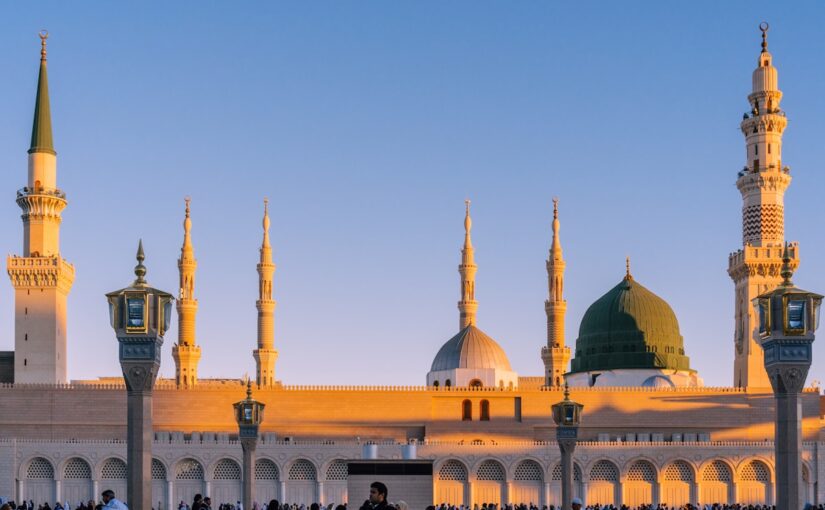
The beautiful naat “Mera Dil To Hai Madine” (میرا دل تو ہے مدینے) is a soul-stirring expression of a believer’s deep love and longing for the holy city of Madinah and the final Prophet of Islam, Prophet Muhammad (ﷺ). This naart captures the essence of devotion — the heart’s natural inclination towards the blessed city that houses the sacred Rawdah of the Prophet (ﷺ). Every line of this naat reflects the yearning of a faithful Muslim who considers Madinah not just a city but the center of their spiritual universe.
This naat has been recited by several renowned naat khwans over the years and has gained immense popularity in the Islamic world, especially in South Asia. The melody and words together create a spiritual atmosphere that transports the listener towards the blessed streets of Madinah, where peace and divine blessings reside.
In this article, we present the complete Mera Dil To Hai Madine naat lyrics in Urdu, along with Roman transliteration, English translation, and a detailed explanation of its meaning and significance.
Background of the Naat
The exact origins of “Mera Dil To Hai Madine” are deeply rooted in the tradition of Islamic naat poetry that flourished in the Indian subcontinent. Naat poetry has been a powerful medium of expressing love and reverence for the Prophet Muhammad (ﷺ) for centuries. Poets from the Sufi tradition have written countless naats that continue to be recited in gatherings, mosques, and religious events across the world.
This particular naat is widely performed in Milad un-Nabi (celebrations of the Prophet’s birthday) gatherings, Qawwali events, and daily religious assemblies. The theme revolves around the universal love that every Muslim holds for the Prophet (ﷺ) and his city, Madinah. The phrase “Mera Dil To Hai Madine” translates to “My heart is in Madinah” — a powerful declaration that no matter where a believer is physically, their heart remains spiritually connected to the blessed city.
Mera Dil To Hai Madine — Urdu Lyrics (میرا دل تو ہے مدینے)
میرا دل تو ہے مدینے، دل کا دلبر مدینے
دردِ دل کا مداوا، کعبہ و در مدینے
کیا کروں میں مدینے سے دل نہیں لگتا کہیں
دل کو بے چینی ہے کچھ یاد مہدی (ع) ہے کہیں
آ کے مجھ کو لے چل مدینے اے میرے ربِّ کریم
تیرے غلاموں کے جھرمٹ میں رکھ اپنے غم کا دوا
یہ جو چندھیانی ہے تجھ کو میں کیا بتاؤں اے سنانے والے
کہ دل مدینے کا ہے دیوانہ، مجھے مدینے سے ہے پیمانہ
جس نے دیکھا اُس نے پکارا، یہ ہے مدینہ میرا مدینہ
یہاں کا ہر ذرہ نورانی ہے، یہاں کی مٹی قرآنی ہے
شہر مدینہ ہے کعبہ ثانی، یہاں کا ہر کنکر رحمت کا نشان
یہ وہ شہر ہے جہاں رحمت کے بادل برستے ہیں
دل کا سکون مدینے، روح کا چین مدینے
میرا دل تو ہے مدینے، دل کا دلبر مدینے
Roman Transliteration (Urdu to English Script)
Mera Dil To Hai Madine, Dil Ka Dilbar Madine
Dard-e-Dil Ka Mudawa, Kaaba-o-Dar Madine
Kya Karoon Main Madine Se Dil Nahin Lagta Kaheen
Dil Ko Bechaini Hai Kuch Yaad Mehdi (A.S.) Hai Kaheen
Aa Ke Mujh Ko Le Chal Madine, Ae Mere Rabb-e-Kareem
Tere Ghulamoon Ke Jhurmat Mein Rakh, Apne Gham Ka Dawa
Yeh Jo Chandhiani Hai Tujh Ko Main Kya Bataaun Ae Sunane Wale
Ke Dil Madine Ka Hai Deewana, Mujhe Madine Se Hai Paimana
Jis Ne Dekha Us Ne Pukara, Yeh Hai Madina Mera Madina
Yahan Ka Har Zarra Noorani Hai, Yahan Ki Mitti Quran Hai
Shehar-e-Madina Hai Kaaba Sani, Yahan Ka Har Kankar Rehmat Ka Nishaan
Yeh Woh Shehar Hai Jahan Rehmat Ke Baadal Baraste Hain
Dil Ka Sukoon Madine, Rooh Ka Chain Madine
Mera Dil To Hai Madine, Dil Ka Dilbar Madine
English Translation Stanza by Stanza
Stanza 1
Mera Dil To Hai Madine, Dil Ka Dilbar Madine
Dard-e-Dil Ka Mudawa, Kaaba-o-Dar Madine
Translation: My heart belongs to Madinah, the beloved of my heart is in Madinah. The cure for the pain of my heart — the Kaaba and the doorstep (of the Prophet) are in Madinah.
Explanation: The poet declares that his heart is inextricably tied to Madinah. The mention of both Kaaba (in Makkah) and Dar (doorstep of the Prophet’s mosque in Madinah) shows the connection between the two holiest sites. The “pain of the heart” symbolizes the spiritual longing that only devotion to the Prophet (ﷺ) and the sacred sites can heal.
Stanza 2
Kya Karoon Main Madine Se Dil Nahin Lagta Kaheen
Dil Ko Bechaini Hai Kuch Yaad Mehdi (A.S.) Hai Kaheen
Translation: What shall I do? My heart doesn’t attach anywhere besides Madinah. My heart is restless — somewhere there is the remembrance of Imam Mehdi (A.S.).
Explanation: This verse beautifully captures the restlessness of a faithful heart. The poet confesses that no other place brings peace to the heart like Madinah. The mention of Imam Mehdi (A.S.) connects the love of Madinah with the eschatological hope of the guided one who will appear in the end times to restore justice.
Stanza 3
Aa Ke Mujh Ko Le Chal Madine, Ae Mere Rabb-e-Kareem
Tere Ghulamoon Ke Jhurmat Mein Rakh, Apne Gham Ka Dawa
Translation: Come, take me to Madinah, O my Generous Lord. Place me among Your servants, and make this the cure for my sorrows.
Explanation: This is a heartfelt prayer to Allah (SWT) to grant the believer the opportunity to visit Madinah. Being among the servants of Allah — especially in the blessed city — is seen as the ultimate remedy for worldly and spiritual grief.
Stanza 4
Yeh Jo Chandhiani Hai Tujh Ko Main Kya Bataaun Ae Sunane Wale
Ke Dil Madine Ka Hai Deewana, Mujhe Madine Se Hai Paimana
Translation: This haziness that you see — how can I explain it to you, O listener? My heart is madly in love with Madinah, I have a covenant with Madinah.
Explanation: The poet acknowledges that the depth of love for Madinah cannot be fully expressed or understood by others. It is a personal, mystical connection — a “covenant” (paimana) between the believer and the blessed city. The love is so intense that it appears as “madness” (deewangi) to outsiders.
Stanza 5
Jis Ne Dekha Us Ne Pukara, Yeh Hai Madina Mera Madina
Yahan Ka Har Zarra Noorani Hai, Yahan Ki Mitti Quran Hai
Translation: Whoever has seen it has proclaimed, “This is Madinah, my Madinah!” Every particle here is luminous, the very soil here is Qur’anic (blessed).
Explanation: This verse emphasizes the blessed nature of Madinah. The soil of Madinah is considered sacred because it received the footsteps of the Prophet (ﷺ) and his companions. Everyone who visits Madinah is moved by its spiritual atmosphere and calls it their own.
Stanza 6
Shehar-e-Madina Hai Kaaba Sani, Yahan Ka Har Kankar Rehmat Ka Nishaan
Yeh Woh Shehar Hai Jahan Rehmat Ke Baadal Baraste Hain
Translation: The city of Madinah is a second Kaaba. Every pebble here is a sign of mercy. This is the city where clouds of mercy shower (blessings).
Explanation: Madinah is referred to as “Kaaba Sani” (the second Kaaba) due to its immense sanctity in Islam. After Makkah, Madinah is the holiest city. The imagery of mercy raining down like clouds powerfully conveys the spiritual blessings that envelop this sacred city.
Stanza 7 (Closing)
Dil Ka Sukoon Madine, Rooh Ka Chain Madine
Mera Dil To Hai Madine, Dil Ka Dilbar Madine
Translation: The peace of the heart is in Madinah, the tranquility of the soul is in Madinah. My heart belongs to Madinah, the beloved of my heart is in Madinah.
Explanation: The naat comes full circle, reiterating that true peace — both of the heart and the soul — is found only in Madinah. The repetition reinforces the central theme: the believer’s spiritual home is Madinah, the city of the beloved Prophet (ﷺ).
Meaning and Significance
The naat “Mera Dil To Hai Madine” is much more than a poem — it is a spiritual declaration. For Muslims around the world, especially those from the Indian subcontinent, naats like this serve as a bridge connecting them to the sacred history and geography of Islam. The significance of this naat can be understood on multiple levels:
Spiritual Longing
The central theme of the naat is the deep, innate longing that every believer feels for Madinah. This is not merely a physical longing to visit a city, but a spiritual yearning to connect with the Prophet Muhammad (ﷺ), his legacy, and the pure Islam that was practiced by the early Muslim community there.
Love of the Prophet (ﷺ)
The love expressed in this naat reflects the core Islamic teaching that loving the Prophet (ﷺ) is an essential part of faith. The Quran says: “Say, [O Muhammad], ‘If you should love Allah, then follow me, [so] Allah will love you and forgive you your sins'” (Surah Al-Imran 3:31). Expressing love for the Prophet (ﷺ) through poetry is a cherished tradition in Islamic culture.
Hope and Supplication
The naat also serves as a prayer (dua) — a humble request to Allah (SWT) to grant the believer the opportunity to visit Madinah and be among the righteous servants there. This reflects the Islamic belief in the power of supplication and hope in Allah’s mercy.
Blessings of Madinah
The Prophet Muhammad (ﷺ) himself emphasized the blessings of Madinah, saying: “O Allah, bless Madinah with two times the blessings You bestowed upon Makkah” (Sahih Bukhari). The naat highlights these blessings, referring to the luminous nature of Madinah’s soil and the mercy that pervades its atmosphere.
Common Performers of This Naat
While the exact original poet of “Mera Dil To Hai Madine” is not definitively documented, this naat has been beautifully rendered by numerous naat khwans. Some of the most popular renditions can be found by:
- Qari Waheed Zafar Qasmi — known for his soulful and melodious style
- Owais Raza Qadri — a globally recognized naat khwan who has popularized countless naats
- Junaid Jamshed — the late Pakistani singer who recorded many beautiful naats
- Various Qawwali artists — who incorporate this naat into their spiritual performances
The naat’s melody varies across performances, but the emotional depth and spiritual message remain constant, touching the hearts of listeners regardless of the rendition.
Conclusion
“Mera Dil To Hai Madine” is a timeless naat that continues to inspire and move Muslims across the world. Its simple yet profound lyrics capture the essence of Islamic spirituality — the love of Allah, the love of His Prophet (ﷺ), and the longing for the sacred places that connect us to our faith’s glorious history.
Whether you are familiar with Urdu or not, the emotion behind the words is universally understood by every believer. The heart finds its peace in Madinah, and this naat beautifully articulates that eternal truth.
May Allah (SWT) grant us all the opportunity to visit Madinah and be among those who find peace in the blessed city of the Prophet (ﷺ). Ameen.
If you enjoyed this article, please share it with others who love naat and want to understand its deeper meaning. Explore our other naat lyrics articles for more beautiful poetry in Urdu with English translations.