
Introduction
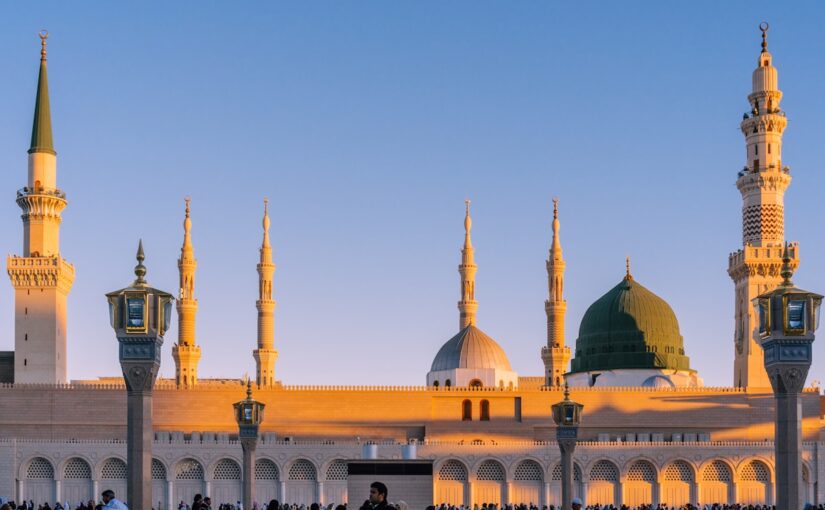
Tajdar-e-Haram (تاجدارِ حرم) is one of the most beloved and widely recited naats in the Islamic world. The title translates to “The Crown of the Sanctuary” — a beautiful reference to Prophet Muhammad (peace be upon him) as the crowning glory of the sacred city of Madinah. This naat expresses deep love, devotion and reverence for the Prophet (PBUH), describing him as the pride of the Haram (the sacred sanctuary) and the ultimate intercessor for humanity.
The naat gained massive popularity through Coke Studio Pakistan’s rendition, performed by the legendary Atif Aslam alongside the Mai Dhai group. The soulful melody combined with powerful Urdu poetry created a spiritual experience that resonated with millions of listeners worldwide. But the naat has been recited for decades in mehfils and gatherings long before its mainstream popularity.
In this post, you will find the complete Tajdar-e-Haram naat lyrics in Urdu, along with Roman English transliteration, English translation and an explanation of its spiritual meaning.
About the Naat
Tajdar-e-Hamar is a naat that belongs to the tradition of “hamd” and “naat” — poetry written in praise of Allah and His Prophet (peace be upon him). The poet uses the metaphor of a king wearing a crown to describe the elevated status of the Prophet among all of creation. The word “taj” means crown, “dar” means possessor or holder, and “haram” refers to the sacred sanctuary of Madinah.
The naat beautifully combines themes of love, longing, and spiritual devotion. It speaks of the Prophet’s exalted station, his role as a mercy to all worlds, and the deep connection believers feel towards him. Each verse is a pearl of wisdom wrapped in the beauty of Urdu poetry.
If you enjoy this naat, you may also like our post on Mera Dil To Hai Madine, another soul-stirring naat about the love for Madinah.
Tajdar-e-Haram — Urdu Lyrics (تاجدارِ حرم)
Verse 1:
تاجدارِ حرم، اے تاجدارِ حرم
دردِ دل کا مداوا، اے تاجدارِ حرم
Verse 2:
آپ کی چوکھٹ پہ سر ہے، آپ کی محبت میں دم ہے
آپ کی رحمت کی خاطر، دل میں سینکڑوں ہی غم ہے
Verse 3:
اے شہہِ مشرق و مغرب، اے محبوبِ الٰہی
چشمِ عالم ہے ترے در پہ، اے تاجدارِ حرم
Verse 4:
بے کسوں کے سہارے، مصطفیٰ تم ہی ہو
درد مندوں کے یارو، مصطفیٰ تم ہی ہو
Verse 5:
تاجدارِ حرم، اے تاجدارِ حرم
دردِ دل کا مداوا، اے تاجدارِ حرم
Verse 6:
آپ کی جلوہ گری سے، روشن ہے ہر اک گلی
مدینے کی ہر گلی میں، بکھری ہے ایک روشنی
Verse 7:
آپ کے طفیل ہی سے، ملتی ہے بخشش
آپ کے صدقے ہی سے، ملتا ہے ہمیں سکون
Verse 8:
یا نبی، یا حبیب، یا شفیع المذنبین
آپ ہی ہو امیدِ عاصیوں، اے تاجدارِ حرم
Verse 9:
جس نے بھی آپ کا در چھوا، وہ کبھی خالی نہیں لوٹا
جو بھی آپ کے در پہ آیا، اسے مانگی ہوئی دولت ملی
Verse 10:
تاجدارِ حرم، اے تاجدارِ حرم
دردِ دل کا مداوا، اے تاجدارِ حرم
Roman English Transliteration
Verse 1:
Tajdar-e-Haram, ae Tajdar-e-Haram
Dard-e-dil ka mudawa, ae Tajdar-e-Haram
Verse 2:
Aap ki chokhat pe sar hai, aap ki mohabbat mein dum hai
Aap ki rehmat ki khatir, dil mein sau sau gham hai
Verse 3:
Ae Shah-e-Mashriq o Maghrib, ae Mahboob-e-Ilahi
Chashm-e-aalam hai tere dar pe, ae Tajdar-e-Haram
Verse 4:
Be-kason ke sahare, Mustafa tum hi ho
Dard-mandon ke yaaro, Mustafa tum hi ho
Verse 5:
Tajdar-e-Haram, ae Tajdar-e-Haram
Dard-e-dil ka mudawa, ae Tajdar-e-Haram
Verse 6:
Aap ki jalwa-gari se, roshan hai har ek gali
Madine ki har gali mein, bikri hai ek roshni
Verse 7:
Aap ke tufail hi se, milti hai bakhshish
Aap ke sadqe hi se, milta hai humein sukoon
Verse 8:
Ya Nabi, ya Habib, ya Shafi-al-Muznibeen
Aap hi ho umeed-e-aasiyon, ae Tajdar-e-Haram
Verse 9:
Jis ne bhi aap ka dar chhua, woh kabhi khaali nahi lota
Jo bhi aap ke dar pe aaya, use maangi hui daulat mili
Verse 10:
Tajdar-e-Haram, ae Tajdar-e-Haram
Dard-e-dil ka mudawa, ae Tajdar-e-Haram
English Translation
Verse 1:
O Crown of the Sacred Sanctuary, O Crown of the Sacred Sanctuary
You are the cure for the pain of my heart, O Crown of the Sacred Sanctuary
Verse 2:
My head is at Your doorstep, my life is in Your love
For the sake of Your mercy, my heart carries countless sorrows
Verse 3:
O King of the East and the West, O Beloved of Allah
The eyes of the world are fixed upon Your door, O Crown of the Sacred Sanctuary
Verse 4:
You are the support of the helpless, O Mustafa (the Chosen One)
You are the friend of the sorrowful, O Mustafa
Verse 5:
O Crown of the Sacred Sanctuary, O Crown of the Sacred Sanctuary
You are the cure for the pain of my heart, O Crown of the Sacred Sanctuary
Verse 6:
Through Your splendour, every street is illuminated
In every street of Madinah, a light is scattered
Verse 7:
It is through Your mediation that forgiveness is granted
It is through Your blessing that we find peace
Verse 8:
O Prophet, O Beloved, O Intercessor for the Sinners
You are the hope of the disobedient, O Crown of the Sacred Sanctuary
Verse 9:
Whoever touched Your door never returned empty-handed
Whoever came to Your door received the treasure they sought
Verse 10:
O Crown of the Sacred Sanctuary, O Crown of the Sacred Sanctuary
You are the cure for the pain of my heart, O Crown of the Sacred Sanctuary
Spiritual Meaning and Significance
Tajdar-e-Haram is more than just a beautiful poem set to music. It is a spiritual journey that takes the believer from the pain of worldly existence to the hope of divine mercy through the intercession of the Prophet Muhammad (peace be upon him). Each verse serves as a reminder of the Prophet’s exalted status and his role as a source of healing for troubled hearts.
The repeated phrase “Tajdar-e-Haram” is both a title and a declaration. It acknowledges the Prophet as the crowned king of the sacred sanctuary, a status that elevates him above all of creation. The naat humbly asks for his attention, his mercy and his intercession.
The line “Dard-e-dil ka mudawa” (the cure for the pain of my heart) reflects the universal human experience of seeking solace. In Islamic spirituality, the love of the Prophet (PBUH) is considered a balm for every kind of sorrow. The naat teaches us that turning our hearts towards the Prophet brings peace and healing.
Verses 6 and 7 speak about the blessings of Madinah and the Prophet’s mediation. The light that fills every street of Madinah is both a physical and spiritual light that guides believers towards truth and righteousness. The belief in “tawassul” (seeking intercession) is beautifully expressed here, reminding Muslims of the Prophet’s promise to intercede for his Ummah on the Day of Judgement.
If you want to explore more naats that express love for the Prophet, read our post on Kaaba Ke Badshah, another beautiful naat praising the Prophet (PBUH).
Cultural Impact
Tajdar-e-Haram achieved mainstream popularity when it was performed on Coke Studio Pakistan. The rendition by Atif Aslam became an instant classic, amassing millions of views on YouTube and being streamed countless times across all platforms. It introduced a new generation to the beauty of naat and Islamic poetry.
The naat is now regularly recited at Islamic gatherings, weddings, and religious events across South Asia and the diaspora. Its universal message of love and devotion transcends cultural boundaries, making it one of the most recognised naats in the world.
For more soul-touching naats, also check out Ya Nabi Salam Alayka, another beloved naat with both Urdu and Arabic verses.
Conclusion
Tajdar-e-Haram is a masterpiece of Islamic devotional poetry. Its words carry the weight of centuries of love for the Prophet Muhammad (peace be upon him). Whether you listen to it in the quiet of your home, in a gathering of believers, or on a crowded commuter train, the naat has the power to transport your heart to the blessed streets of Madinah.
May Allah bless us with the love of His Prophet and grant us the opportunity to visit the sacred sanctuary of Madinah. Ameen.
Tags: Tajdar-e-Haram naat lyrics, Tajdar e Haram lyrics in Urdu, Tajdar e Haram English translation, Tajdar-e-Haram meaning, Atif Aslam naat lyrics, Coke Studio naat lyrics