
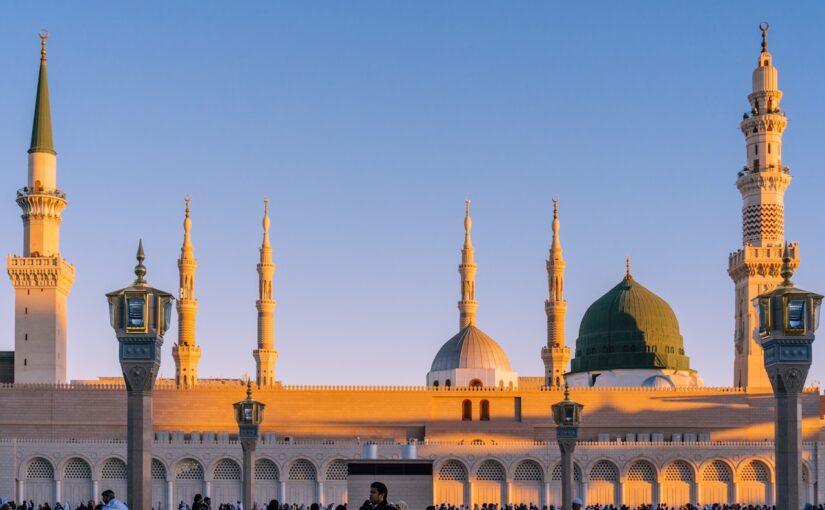
Sallallahu Alal Mustafa — Naat Lyrics in Urdu
صَلَّى اللّٰہُ عَلَى الْمُصْطَفٰی – یہ عربی نعت شریف سمیع یوسف کی آواز میں دنیا بھر میں مشہور ہے، حالانکہ یہ دراصل ایک روایتی عربی نعت ہے جسے مختلف انداز میں پڑھا اور گایا جاتا ہے۔ اس نعت میں حضور نبی اکرم صلی اللہ علیہ وآلہ وسلم کی ذات والا صفات پر درود و سلام پیش کیا گیا ہے۔
نعت کا تعارف (Introduction)
نعت “صَلَّى اللّٰہُ عَلَى الْمُصْطَفٰی” ایک روح پرور کلام ہے جس میں اللہ تعالیٰ سے حضور ﷺ پر درود بھیجنے کی دعا کی گئی ہے۔ یہ نعت محبت رسول ﷺ کا اظہار ہے اور اسے سمیع یوسف جیسے مشہور اسلامی گلوکار نے اپنی خوبصورت آواز میں پیش کیا ہے۔
Background and Meaning
“Sallallahu Alal Mustafa” is a traditional Islamic nasheed that has been performed by countless artists over the centuries. The phrase “Sallallahu Alal Mustafa” itself is derived from the Quranic commandment where Allah says:
إِنَّ اللَّهَ وَمَلَائِكَتَهُ يُصَلُّونَ عَلَى النَّبِيِّ ۚ يَا أَيُّهَا الَّذِينَ آمَنُوا صَلُّوا عَلَيْهِ وَسَلِّمُوا تَسْلِيمًا
(القرآن، سورة الأحزاب: 56)
“Indeed, Allah and His angels send blessings upon the Prophet. O you who believe, send blessings upon him and greet him with peace.” (Quran, Surah Al-Ahzab: 56)
The naat gained massive international popularity when British-Muslim singer Sami Yusuf included it in his debut album “Al-Muallim” (2003). His rendition beautifully blends traditional Arabic vocals with modern instrumentation, introducing this classic piece to a global audience.
Spiritual Significance
This naat holds deep spiritual meaning for Muslims:
- Salawat (Blessings): The recurring phrase “Sallallahu Alal Mustafa” is a form of salawat — sending blessings upon the Prophet. This act is considered one of the most virtuous deeds in Islam.
- Love for the Prophet: Verses like “Ya Habibi Ya Muhammad” express the deep, personal love Muslims have for the Prophet ﷺ, addressing him as “my beloved.”
- Light Metaphor: The comparison of the Prophet ﷺ to the full moon (badr) and light (nur) is a recurring theme in Islamic poetry, symbolizing guidance and spiritual illumination.
- Universal Messenger: “Arusal Khafiqayn” (bridegroom of the East and West) emphasizes that Prophet Muhammad ﷺ was sent as a mercy to all of humanity, not just a specific tribe or region.
The Verse “Ashraqal Badru Alayna”
The verse “Ashraqal Badru Alayna” (The full moon shone upon us) is historically significant. According to Islamic tradition, this verse was composed by the people of Madinah when they welcomed the Prophet ﷺ during his migration (Hijrah) from Makkah. It is one of the oldest known Islamic nasheeds, dating back over 1,400 years. The inclusion of this verse in “Sallallahu Alal Mustafa” connects the listener directly to that blessed moment in Islamic history.
Full Naat Lyrics (Arabic / Urdu Script with English Translation)
صَلَّى اللّٰہُ عَلَى الْمُصْطَفٰی
صَلَّى اللّٰہُ عَلَى الْمُصْطَفٰی
May Allah send blessings upon the Chosen One
صَلَّى اللّٰہُ عَلَى الْمُجْتَبٰی
صَلَّى اللّٰہُ عَلَى الْمُجْتَبٰی
May Allah send blessings upon the Elected One
يَا نَبِيُّ سَلَامٌ عَلَيْكَ
يَا رَسُولُ سَلَامٌ عَلَيْكَ
O Prophet, peace be upon you. O Messenger, peace be upon you.
يَا حَبِيبُ سَلَامٌ عَلَيْكَ
صَلَوَاتُ اللّٰهِ عَلَيْكَ
O Beloved, peace be upon you. The blessings of Allah be upon you.
أَشْرَقَ الْبَدْرُ عَلَيْنَا
فَاخْتَفَتْ مِنْهُ الْبُدُورُ
The full moon shone upon us, and all other moons faded from its sight
مِثْلَ حُسْنِكَ مَا رَأَيْنَا
قَطُّ يَا وَجْهَ السُّرُورِ
We have never seen beauty like yours, O face of joy
أَنْتَ شَمْسٌ أَنْتَ بَدْرٌ
أَنْتَ نُورٌ فَوْقَ نُورِ
You are a sun, you are a moon, you are light upon light
يَا حَبِيبِي يَا مُحَمَّد
يَا عَرُوسَ الْخَافِقَيْنِ
O my beloved, O Muhammad, O bridegroom of the East and West
Popular Renditions
While Sami Yusuf’s version is the most internationally recognized, “Sallallahu Alal Mustafa” has been performed by numerous artists including:
- Sami Yusuf – The most famous rendition from the album “Al-Muallim”
- Miskeen – A popular nasheed artist who has covered this piece
- Various Qawwali artists – Traditional renditions in the Qawwali style
- Mohamed Tarek – An emotional rendition with modern production
Conclusion
“Sallallahu Alal Mustafa” is more than just a beautiful naat — it is a spiritual practice. Every time a believer recites or listens to these words, they are fulfilling the Quranic command to send blessings upon the Prophet ﷺ. The combination of the historical “Ashraqal Badru” verses with the heartfelt “Ya Nabi Salam Alaika” makes this naat a timeless masterpiece of Islamic devotional music.
May Allah grant us the ability to send abundant blessings upon His beloved Prophet Muhammad ﷺ. Ameen.