
Noor Wala Aaya (نور والا آیا) — Full Naat Lyrics in Urdu, English Translation and Meaning

Noor Wala Aaya (نور والا آیا) is a beautiful and soul-stirring naat that celebrates the arrival of Prophet Muhammad (peace be upon him) as a light (noor) for all of humanity. The phrase “Noor Wala” means “the one who brings light,” referring to the Prophet as a guiding light for mankind. This naat is widely recited at Milad gatherings, Islamic events, and in personal devotion across the Muslim world, particularly in South Asia.

The naat captures the joy and excitement of the Prophet’s arrival, describing him as the blessed one who came to illuminate the darkness of ignorance. Its rhythmic verses and uplifting message make it a favourite among both young and old. Below you will find the full Urdu lyrics, English translation, and the spiritual meaning behind this beloved naat.

Full Naat Lyrics in Urdu (مکمل نعت کے اردو بول)

نور والا آیا، نور والا آیا
محمد نور والا، نور والا آیا

استقبال کو سارے، مدینہ سجا رہے ہیں
یثرب کی گلیوں میں، خوشبو بکھیر رہے ہیں
آؤ چلیں استقبال کو، مصطفیٰ کے آگے
سب مسکرا رہے ہیں، سب چھک رہے ہیں پیارے

نور والا آیا، نور والا آیا
محمد نور والا، نور والا آیا

غارِ حرا سے ان کو، رب نے بلایا تھا
امت کی خاطر ان کو، غم تھا ستایا تھا
اس گھڑی خوشی کا عالم، ہر دل میں سمایا ہے
سبز گنبد کے نیچے، ان کا دیا جلایا ہے

نور والا آیا، نور والا آیا
محمد نور والا، نور والا آیا

آنکھوں میں ہے نشہ سا، دل میں ہے مستانی
ہر کوئی کہہ رہا ہے، آیا ہے نورانی
صحرا بھی مسکرایا، پتھر بھی مسکرائے
جنتیں بھی جھوم اٹھیں، جبرائیل مسکرائے

نور والا آیا، نور والا آیا
محمد نور والا، نور والا آیا

صدقے میں ان کے جائیں، صحابی جو ہیں وفادار
ابوبکر و عمر، عثمان و حیدرِ کرار
سب نے نبی کو دیکھا، کھل اٹھے پھول محفل میں
مدینے کی ہر گلی میں، گونجی صدا

نور والا آیا، نور والا آیا
محمد نور والا، نور والا آیا

English Translation

Here is the English translation of Noor Wala Aaya, stanza by stanza:

Refrain:
The one with light has arrived, the one with light has arrived
Muhammad, the bearer of light, the one with light has arrived

Stanza 1:
Everyone is decorating Madina to welcome him
They are spreading fragrance in the streets of Yathrib
Come, let us go to welcome Mustafa
Everyone is smiling, everyone is delighted

Stanza 2:
The Lord called him from the Cave of Hira
He was burdened with grief for the sake of his nation
In this moment, joy has filled every heart
Under the Green Dome, his lamp is lit

Stanza 3:
There is intoxication in the eyes, ecstasy in the heart
Everyone is saying: the radiant one has arrived
The desert smiled, the stones smiled
The heavens rejoiced, Angel Jibrael smiled

Stanza 4:
May we be sacrificed for them, for the loyal companions
Abu Bakr, Umar, Usman, and Haidar-e-Karrar (Ali)
When they all saw the Prophet, the flowers bloomed in the gathering
In every street of Madina, the call echoed…

Spiritual Meaning and Significance

Noor Wala Aaya is a naat that captures the essence of the Prophet’s role as a source of divine light. The repeated refrain “Noor Wala Aaya” is both a celebration and a declaration of faith. The word “noor” (light) is significant in Islamic theology. In the Quran, Allah is described as “the Light of the heavens and the earth” (Surah An-Nur, 24:35), and the Prophet is described as a “light-giving lamp” (Surah Al-Ahzab, 33:46).

The naat beautifully describes the joy of the people of Madina as they prepare to welcome the Prophet. This refers to the historical event of the Hijra (migration) when the Prophet arrived in Madina and was greeted with unprecedented joy by the Ansar (the helpers). The streets were decorated, songs of welcome were sung, and every household wanted the honour of hosting the Prophet.

The reference to the Cave of Hira reminds us of the beginning of revelation, when the first verses of the Quran were revealed to the Prophet. The “burden of grief for the sake of his nation” refers to the Prophet’s deep concern for the spiritual well-being of his followers.

The mention of the four righteous Caliphs Abu Bakr, Umar, Usman, and Ali highlights the unity and love among the early Muslim community. Their joy at seeing the Prophet reflects the deep bond of love that all Muslims feel for their beloved Messenger.

This naat is often recited during the month of Rabi-ul-Awwal, when Muslims around the world celebrate the birth of the Prophet. It is also a popular choice for Milad gatherings and everyday spiritual practice. The uplifting melody and simple yet profound lyrics make it accessible to people of all ages.

For more beautiful naat lyrics and translations, browse our complete collection of naat lyrics or explore our Urdu naat section.

May the love of the Prophet fill your heart with light, just as the naat celebrates. Ameen.
Labbaik Ya Rasoolallah (لبیک یا رسول اللہ) — Full Naat Lyrics in Urdu, English Translation and Meaning

Labbaik Ya Rasoolallah (لبیک یا رسول اللہ) is one of the most powerful and emotionally charged naats in the Islamic tradition. This kalam is a passionate declaration of love, loyalty, and readiness to sacrifice everything for the honor (naamus) of Prophet Muhammad (peace be upon him). The refrain “Labbaik” which means “I am here, I am present” echoes the spirit of total submission and devotion.

This naat has gained immense popularity across the Muslim world, particularly in South Asia, where it is recited at Milad gatherings, Islamic conferences, and personal moments of spiritual reflection. The powerful imagery of sacrificing one’s life, laying down one’s head for the Prophet’s honor, and the call to spread the love of the Prophet in every heart makes this naat a timeless masterpiece of Islamic devotional poetry.

Full Naat Lyrics in Urdu (مکمل نعت کے اردو بول)

Below are the complete lyrics of Labbaik Ya Rasoolallah in authentic Urdu script:

لبیک یا رسول اللہ! لبیک یا رسول اللہ!
لبیک لبیک لبیک یا رسول اللہ!

خود کو مٹا دیں گے، ہم جان لُٹا دیں گے،
ناموسِ آقا پر، ہم سر کٹا دیں گے۔
لبیک لبیک لبیک یا رسول اللہ!

حاضر ہیں، حاضر ہیں، حاضر ہیں ہم!
لبیک لبیک لبیک یا رسول اللہ!

قریہ قریہ، بستی بستی، ذکرِ نبیؐ کا عام کرو،
پیارے آقا کے دیوانو! ہاتھ میں ڈالے ہاتھ چلو،
حبِ نبیؐ کا ہر دل میں، تم جا کے دیپ جلاؤ،
اونچے میں اونچا نبیؐ کا جھنڈا، گھر گھر میں لہراؤ۔

خود کو مٹا دیں گے، ہم جان لُٹا دیں گے،
ناموسِ آقا پر، ہم سر کٹا دیں گے۔
لبیک لبیک لبیک یا رسول اللہ!

حاضر ہیں، حاضر ہیں، حاضر ہیں ہم!
لبیک لبیک لبیک یا رسول اللہ!

ابنِ علیؑ نے کرب و بلا میں، تم کو یہ پیغام دیا،
یاد رکھو، پیارے آقاؐ نے، تم کو پاک نظام دیا،
توڑ دو بازؤں کی قوت کو، ظلم کے ایذاں ڈھاؤ،
اونچے میں اونچا نبیؐ کا جھنڈا، گھر گھر میں لہراؤ۔

خود کو مٹا دیں گے، ہم جان لُٹا دیں گے،
ناموسِ آقا پر، ہم سر کٹا دیں گے۔
لبیک لبیک لبیک یا رسول اللہ!

حاضر ہیں، حاضر ہیں، حاضر ہیں ہم!
لبیک لبیک لبیک یا رسول اللہ!

سبز ہلالی پرچم یارو! ہم کو جان سے پیارا ہے،
اس پر گنبدِ خضریٰ ہو، یہ منشور ہمارا ہے،
اس گنبد کے سائے تلے، تم سارے ایک ہو جاؤ،
نبیؐ کا جھنڈا، امن کا جھنڈا، ہر گھر میں لہراؤ۔

خود کو مٹا دیں گے، ہم جان لُٹا دیں گے،
ناموسِ آقا پر، ہم سر کٹا دیں گے۔
لبیک لبیک لبیک یا رسول اللہ!

حاضر ہیں، حاضر ہیں، حاضر ہیں ہم!
لبیک لبیک لبیک یا رسول اللہ!

لب پہ نعتِ پاک کا نغمہ، کل بھی تھا اور آج بھی ہے،
میرے نبیؐ سے میرا رشتہ، کل بھی تھا اور آج بھی ہے،
بتلا دو تم دشمنِ نبیؐ کو، غیرتِ مسلم زندہ ہے،
دین پہ مر مٹنے کا جذبہ، کل بھی تھا اور آج بھی ہے۔

خود کو مٹا دیں گے، ہم جان لُٹا دیں گے،
ناموسِ آقا پر، ہم سر کٹا دیں گے۔
لبیک لبیک لبیک یا رسول اللہ!

حاضر ہیں، حاضر ہیں، حاضر ہیں ہم!
لبیک لبیک لبیک یا رسول اللہ!

رنگ برنگے جھنڈے چھوڑو، تھام لو گنبد والا،
ہم سے راضی ہو جائے گا، شاہِ مدینہؐ والا،
اس پرچم کے سائے تلے، تم مل کر قدم بڑھاؤ،
اونچے میں اونچا نبیؐ کا جھنڈا، گھر گھر میں لہراؤ۔

خود کو مٹا دیں گے، ہم جان لُٹا دیں گے،
ناموسِ آقا پر، ہم سر کٹا دیں گے۔
لبیک لبیک لبیک یا رسول اللہ!

حاضر ہیں، حاضر ہیں، حاضر ہیں ہم!
لبیک لبیک لبیک یا رسول اللہ!

English Translation

Here is the English translation of Labbaik Ya Rasoolallah, stanza by stanza:

Stanza 1:
Here I am, O Messenger of Allah! Here I am, O Messenger of Allah!
Here I am, here I am, here I am, O Messenger of Allah!
We will erase ourselves, we will sacrifice our lives,
For the honor of our Master, we will lay down our heads.
Here I am, here I am, here I am, O Messenger of Allah!

Refrain:
We are present, we are present, we are present!
Here I am, here I am, here I am, O Messenger of Allah!

Stanza 2:
In every village, in every settlement, spread the remembrance of the Prophet,
O lovers of the beloved Master, walk hand in hand,
Go and light the lamp of love for the Prophet in every heart,
Raise high the flag of the Prophet, wave it in every home.

Stanza 3:
The son of Ali (Imam Hussain) gave you this message in Karbala,
Remember, the beloved Master gave you a pure system,
Break the power of oppression, bring down tyranny,
Raise high the flag of the Prophet, wave it in every home.

Stanza 4:
The flag with the green crescent is dearer to us than life,
Upon it is the Green Dome, this is our manifesto,
Under the shade of this dome, all of you become one,
The flag of the Prophet, the flag of peace, wave in every home.

Stanza 5:
The melody of the sacred naat on my lips, it was there yesterday and it is here today,
My connection with my Prophet, it was there yesterday and it is here today,
Tell the enemy of the Prophet, the honor of Muslims is alive,
The spirit to sacrifice for the faith, it was there yesterday and it is here today.

Stanza 6:
Leave behind the colorful flags, hold onto the one of the Dome,
The King of Madina will be pleased with us,
Under the shade of this flag, take steps together,
Raise high the flag of the Prophet, wave it in every home.

Spiritual Meaning and Significance

Labbaik Ya Rasoolallah is far more than just a naat — it is a spiritual pledge and a declaration of unwavering loyalty. The word “Labbaik” itself carries deep meaning in Islamic tradition. It is the same word pilgrims recite during Hajj: “Labbaik Allahumma Labbaik” (Here I am, O Allah, here I am). By using this sacred term for the Prophet, the poet elevates the love for the Messenger to the highest level of devotion and readiness.

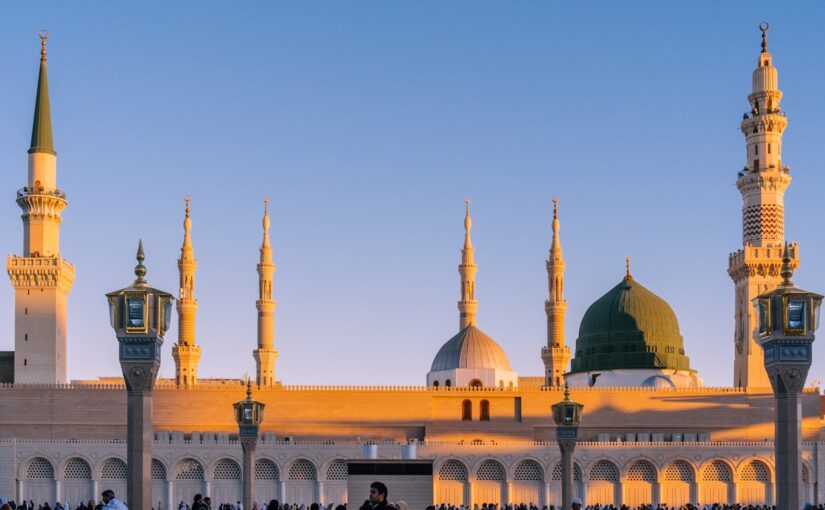
The naat repeatedly emphasizes the theme of sacrifice — “we will erase ourselves, we will sacrifice our lives, we will lay down our heads.” This echoes the spirit of the companions of the Prophet who gave everything for the sake of Islam. The poem calls Muslims to unity under the banner of the Prophet, symbolized by the green dome of Masjid al-Nabawi in Madina.

The reference to Imam Hussain’s message from Karbala is especially powerful. It connects the love of the Prophet with the ultimate sacrifice of his grandson, reminding Muslims that true love demands standing against oppression and injustice. The green dome (Gumbad-e-Khazra) is presented as a unifying symbol — a call to leave aside sectarian divides and gather under the blessed dome of the Prophet’s mosque.

The timeless refrain “kal bhi tha aur aaj bhi hai” (it was there yesterday and it is here today) beautifully captures the eternal nature of the bond between the believer and the Prophet. This love is not bound by time — it transcends centuries, cultures, and borders.

About the Poet and Reciter

The Poet: Allama Nisar Ali Ujagar

Allama Nisar Ali Ujagar is a highly respected Islamic scholar and naat poet from Karachi, Pakistan. Known for his profound and emotionally resonant poetry, he has written many beloved naats that are recited across the Muslim world. His kalaam is characterized by deep love for the Prophet, powerful imagery, and a call to Islamic unity. Hafiz Tahir Qadri has described Ujagar as one of the best contemporary naat poets.

The Reciter: Hafiz Tahir Qadri

Hafiz Muhammad Tahir Qadri is one of the most famous naat reciters in the world. Born on 9th January in Karachi, Pakistan, he developed a passion for reciting naat from childhood. His professional naat career began in 2000 with his first album “Allahu Pukaaray Jaa.” Since then, he has released numerous albums including “Labbaik Ya Rasulallah,” “Taibah Ki Aarzu,” “Dhoom Machaa Dou,” and “Mera Tou Sabb Kuch Mera Nabi Hai.”

Hafiz Tahir Qadri is known for his distinctive, emotional recitation style that moves audiences to tears. He has performed at Mahafil-e-Naat across Pakistan, India, South Africa, and Mauritius. He also runs a successful business, “Tahir Qadri Arabi Abaayahs,” in Karachi and does not use naat recitation as a primary source of income. He was married in Ramadan 2007 in front of the tomb of the Holy Prophet (peace be upon him) in Masjid al-Nabawi, Madina.

His rendition of “Labbaik Ya Rasoolallah” has become iconic, with the powerful chorus echoing in the hearts of millions of believers worldwide.

Tajdar-e-Haram (تاجدارِ حرم) — Full Naat Lyrics in Urdu, English Translation and Meaning

Tajdar-e-Haram (تاجدارِ حرم) is one of the most beloved and widely recited naats in the Islamic world. Made famous by the beautiful voice of Atif Aslam, this naat is a heartfelt praise of Prophet Muhammad (peace be upon him). In this post, we share the full lyrics in Urdu, along with the English translation and the spiritual meaning behind this beautiful composition.

About Tajdar-e-Haram

Tajdar-e-Haram translates to “The Crown of the Haram” or “The King of the Sanctuary.” It refers to Prophet Muhammad (PBUH) as the ruler and crown of the sacred sanctuary of Makkah and Madinah. The naat expresses deep love and devotion for the Prophet and describes him as the beloved of Allah and the intercessor for humanity.

The naat was originally written in Urdu and later set to music by various artists. Atif Aslam’s rendition, released in 2019, became a global sensation and introduced this beautiful naat to a new generation of listeners.

Tajdar-e-Haram Naat Lyrics in Urdu

تاجدارِ حرم، اے شہنشاہِ مدینہ
تیرے در کا میں صدقے، تیری راہ کا میں صدقے

تیرے قدموں کی خاکِ پا بنوں میں تو کیا ہے
تیرے در کا میں گدا، تیری راہ کا میں صدقے

اے شفیع المذنبین، اے رحمت للعالمین
تیرے در کا میں صدقے، تیری راہ کا میں صدقے

مدینے کی گلیوں میں، پھرتا ہوں دیوانہ
تیری یاد میں روتا ہوں، تیرے غم میں ہے جانا

لب پہ آتی ہے دعا بن کے تمنا میری
زندگی شکر سے ہو، تیری محبت میں گزاری

تاجدارِ حرم، اے شہنشاہِ مدینہ
تیرے در کا میں صدقے، تیری راہ کا میں صدقے

English Translation of Tajdar-e-Haram

Verse 1:
O Crown of the Sanctuary, O Emperor of Madinah
I sacrifice myself at your door, I sacrifice myself on your path

Verse 2:
If I could become the dust beneath your feet
I am a beggar at your door, I sacrifice myself on your path

Verse 3:
O intercessor for the sinners, O mercy for all the worlds
I sacrifice myself at your door, I sacrifice myself on your path

Verse 4:
In the streets of Madinah, I wander like a madman
I weep in your memory, my soul yearns for your love

Verse 5:
My wish comes to my lips in the form of a prayer
May my life be lived in gratitude, spent in your love

Chorus:
O Crown of the Sanctuary, O Emperor of Madinah
I sacrifice myself at your door, I sacrifice myself on your path

The Spiritual Meaning of Tajdar-e-Haram

Tajdar-e-Haram is more than just a beautiful naat. It is a expression of deep spiritual love and devotion to Prophet Muhammad (PBUH). The repeated phrase “Tere dar ka mein sadqe, teri rah ka mein sadqe” (I sacrifice myself at your door, I sacrifice myself on your path) shows the singer’s willingness to give everything for the love of the Prophet.

The naat describes the Prophet as the “Shahanshah-e-Madinah” (Emperor of Madinah) and “Tajdar-e-Haram” (Crown of the Sanctuary), highlighting his supreme status in Islam. It also refers to him as “Shafi al-Mudhnibeen” (Intercessor for sinners) and “Rahmat lil-Alameen” (Mercy for all worlds), which are two of his most important titles mentioned in the Quran.

The verses about wandering in the streets of Madinah and weeping in the Prophet’s memory reflect the deep emotional connection that believers feel towards the Prophet and the holy city of Madinah. It is a reminder that true love for the Prophet is expressed through devotion, sacrifice and longing to be close to him.

Why Tajdar-e-Haram Is So Popular

Tajdar-e-Haram has become one of the most popular naats of the modern era for several reasons. First, its melody is beautiful and emotionally moving. Second, the lyrics are simple but profound, making them easy to remember and recite. Third, Atif Aslam’s rendition brought the naat to a global audience, introducing it to millions of people who might not have heard it otherwise.

The naat is now recited at religious gatherings, on social media and in homes around the world. It has become a staple of Islamic devotional music and continues to inspire new generations of Muslims.

Listen to Tajdar-e-Haram

Tajdar-e-Haram is available on YouTube, Spotify and other streaming platforms. Atif Aslam’s official video has received hundreds of millions of views, making it one of the most-watched Islamic songs on the internet.

If you enjoyed this naat, you might also like other popular naats such as Mustafa Jaan-e-Rahmat and Madani Tasveer. You can also read the lyrics for Ya Nabi Salam Alaika and Bhar Do Jholi Meri.

Saason Mein Hai Madina Naat Lyrics in Urdu, English Translation, and Meaning

Introduction

One of the most beloved naats in the Urdu speaking Islamic world, “Saason Mein Hai Madina” (ساٰنسوں میں ہے مدینہ), holds a special place in the hearts of millions. This beautiful naat expresses the deep longing and love that every believer carries for the blessed city of Madina Munawwarah and the Prophet Muhammad ﷺ. Sung by various renowned naat khwans, this naat has become a staple at religious gatherings, Milad un Nabi events, and personal recitations across the globe.

The phrase “Saason Mein Hai Madina” translates to “Madina is in my breath” or “Madina resides in every breath I take.” It beautifully captures the idea that the love of the Prophet ﷺ and his city is not just a feeling but something that permeates the very existence of a believer. Every breath becomes a reminder of that sacred connection.

In this post, we bring you the complete lyrics of this soul stirring naat in Urdu script, along with the English transliteration, word by word translation, and an explanation of its meaning and spiritual significance.

Background and Significance of the Naat

“Saason Mein Hai Madina” belongs to the rich tradition of Urdu naat poetry that emerged from the Indian subcontinent. The exact origins of the poem are not universally documented, but it is widely attributed to the genre of naats that celebrate the love of Madina and the longing to visit the Prophet’s ﷺ city.

The central theme of this naat is ishq-e-Madina, the love for the blessed city. In Islamic spirituality, Madina is not just a geographical location. It is the city of the Prophet ﷺ, the place where the first Muslim community was established, and the site of the Prophet’s ﷺ final resting place in Masjid an-Nabawi. For Muslims around the world, Madina holds a spiritual significance that transcends time and distance.

This naat resonates so deeply because it speaks to the experience of every believer who has ever longed to visit Madina. Whether you have been there many times or you dream of going one day, the feeling of yearning for the Prophet’s ﷺ city is universal among Muslims. The naat gives voice to that yearning in the most beautiful way.

The poetic structure of the naat follows a traditional Urdu metre, making it easy to recite and remember. The repetition of the central refrain reinforces the message that the love of Madina is constant, ever present, and inseparable from the believer’s identity.

Full Naat Lyrics in Urdu

Below are the complete lyrics of “Saason Mein Hai Madina” in beautiful Urdu script. You can read along as you listen to the naat or use this for personal recitation.

ساٰنسوں میں ہے مدینہ — اردو میں مکمل نعت

ساٰنسوں میں ہے مدینہ
دھڑکنوں میں ہے مدینہ
ہے وہی میرا قصہ
ہر ادا میں ہے مدینہ

دل نہیں ہے یہ میرا
یہ تو گھر ہے محبت کا
کس قدر پیار سے ہے
ہر ادا میں مدینہ

مجھ کو یاد ہے جب سے
نور کا شہر پاکی کا
دل میں اک انجمن ہے
جس صدا میں مدینہ

میری نظروں میں ہے بسا
میرے خوابوں میں ہے جگا
ہر طرف ہے جھلکتا
ہر فضا میں مدینہ

کیوں نہ پیار کروں میں
کیوں نہ تم سے لگن ہو
کیوں نہ چاہوں میں تجھ کو
اے سزا میں مدینہ

جب بھی یاد آتا ہے
وہ مقدس سا منظر
اشک بہنے لگتے ہیں
ہر ادا میں مدینہ

اپنی آنکھوں کو بخش دے
یہی اک تمنا ہے
ایک جھلک دکھا دے
اے ضیا میں مدینہ

ساٰنسوں میں ہے مدینہ
دھڑکنوں میں ہے مدینہ
ہے وہی میرا قصہ
ہر ادا میں ہے مدینہ

English Transliteration

For those who cannot read the Urdu script, here is the English transliteration so you can still recite the naat with proper pronunciation.

Verse 1:
Saason mein hai Madina
Dharkanon mein hai Madina
Hai wohi mera qissa
Har ada mein hai Madina

Verse 2:
Dil nahin hai yeh mera
Yeh toh ghar hai mohabbat ka
Kis qadar pyaar se hai
Har ada mein Madina

Verse 3:
Mujh ko yaad hai jab se
Noor ka shehr paaki ka
Dil mein ik anjuman hai
Jis sada mein Madina

Verse 4:
Meri nazron mein hai basa
Mere khwabon mein hai jaga
Har taraf hai jhalakta
Har fiza mein Madina

Verse 5:
Kyun na pyaar karun main
Kyun na tum se lagan ho
Kyun na chahun main tujh ko
Aye saza mein Madina

Verse 6:
Jab bhi yaad aata hai
Woh muqaddas sa manzar
Ashk behne lagte hain
Har ada mein Madina

Verse 7:
Apni aankhon ko bakhsh de
Yahi ik tamanna hai
Ek jhalak dikha de
Aye ziya mein Madina

Chorus:
Saason mein hai Madina
Dharkanon mein hai Madina
Hai wohi mera qissa
Har ada mein Madina

English Translation and Meaning

Verse 1:
Madina is in my breaths
Madina is in my heartbeats
That is my only story
Madina is in every gesture of mine

The opening verse establishes the central theme. The love of Madina is not something external or occasional. It is as constant and essential as breathing and heartbeat. The poet declares that Madina is the only story worth telling, and it shows in every aspect of their being.

Verse 2:
This is not my heart
This is a home of love
With so much affection
Madina is in every gesture

The poet reflects that their heart is no longer their own. It has become a home filled with the love of Madina and the Prophet ﷺ. The heart is transformed into a sacred space where divine love resides.

Verse 3:
Since I remember
The city of light and purity
There is a gathering in my heart
In every call, Madina

Madina is described as a city of light (Noor) and purity. Since the poet became aware of this blessed city, their heart has become a gathering place for spiritual joy.

Verse 4:
It resides in my eyes
It is awake in my dreams
It shines everywhere
Madina is in every atmosphere

The poet sees Madina everywhere. It is not just a memory but a living presence. Whether awake or asleep, Madina is always there, illuminating every environment.

Verse 5:
Why would I not love
Why would I not be devoted to you
Why would I not desire you
O Madina, you are my reward

This verse expresses bewildered love. The poet cannot imagine not loving Madina. The city is described as a reward (saza), suggesting that the love of Madina is itself a gift and a blessing from Allah.

Verse 6:
Whenever I remember
That sacred scene
Tears begin to flow
Madina is in every gesture

The emotional peak of the naat. The memory of Madina is so powerful that it brings the poet to tears. This reflects the deep emotional connection that believers feel for the Prophet’s ﷺ city.

Verse 7:
Grant my eyes
This one wish
Show me one glimpse
O light, Madina

The concluding verse is a heartfelt prayer. The poet asks for the ultimate blessing: to see Madina with their own eyes.

Spiritual Significance

This naat is not just poetry. It is a reflection of a deep spiritual state known in Islamic tradition as shawq (yearning) for the Prophet ﷺ and his city. Scholars have long taught that loving the Prophet ﷺ is an integral part of faith. The Quran says, “Say, [O Muhammad], ‘If you should love Allah, then follow me, [so] Allah will love you and forgive you your sins'” (Surah Al-Imran, 3:31).

Reciting or listening to this naat can be a form of spiritual meditation. It helps the believer focus their heart on the love of the Prophet ﷺ and renew their connection to the sacred city of Madina. Many Muslims listen to this naat regularly as part of their spiritual practice.

Related Naats You May Enjoy

May Allah grant us all the opportunity to visit Madina Munawwarah and fill our hearts with the love of the Prophet Muhammad ﷺ. Ameen.

Aye Sabz Gumbad (اے سبز گنبد) — Full Naat Lyrics in Urdu, English Translation and Meaning

“Aye Sabz Gumbad” (اے سبز گنبد) is one of the most beloved naats in the Islamic world. It is a heartfelt plea addressed to the blessed green dome (gumbad) of the Prophet Muhammad’s (peace be upon him) mosque in Madinah. The naat expresses the deep longing of a believer to visit the sacred city and be in the presence of the Prophet.

The green dome of Masjid al-Nabawi is one of the most recognisable symbols of Islam. For centuries, Muslims have travelled from all corners of the world to stand beneath it and send salutations to the Prophet. This naat captures that emotion beautifully, and that is why it has been recited by countless nasheed artists across the world.

Aye Sabz Gumbad — Urdu Lyrics (اے سبز گنبد — اردو اشعار)

شعر اول:

اے سبز گنبد دے سدا
مجھ کو مدینے کا پتہ
دل ہے تڑپتا مجھ کو بتا
کیوں نہ ملا تیرا نشاں

شعر دوم:

آنکھوں نے دیکھا خواب کئی
دل نے سنے ہیں قصے بھی
بس اک نظر تیرا نشاں
اے شہر احمد دے صدا

شعر سوم:

مدینہ مدینہ مدینہ
مرا دل ہے تیرا دیوانہ
سبز گنبد کی چھاؤں میں
بس ایک جھلک دکھا دے

شعر چہارم:

تڑپتا ہے دل ہر گھڑی
یادوں میں تیری جاگے ہیں
قسمت میں ہو تو آئے گا
یہ بندہ تیرے در پہ

English Translation

Verse 1:
O green dome, call out to me forever,
Show me the way to Madinah.
My heart is restless, tell me,
Why have I not found your sign?

Verse 2:
My eyes have seen many dreams,
My heart has heard many stories.
Just once, let me see your sign,
O city of Ahmad, call out to me.

Verse 3:
Madinah, Madinah, Madinah,
My heart is crazy for you.
Under the shade of the green dome,
Show me just a glimpse.

Verse 4:
My heart yearns every moment,
I am awake in your memories.
If it is written in my fate,
This servant will come to your door.

The Meaning and Background

The green dome, or Sabz Gumbad, is the iconic green-coloured dome built above the tomb of Prophet Muhammad (peace be upon him) in Masjid al-Nabawi in Madinah. Originally, the dome was built by the Mamluk sultan Al-Mansur Qalawun in the 13th century, and it was painted green in 1837 during the Ottoman period. The dome has become a universal symbol of love for the Prophet and a focal point for millions of pilgrims who visit Madinah every year.

This naat speaks to the universal longing that every Muslim feels to visit Madinah and stand before the Prophet’s mosque. It is a song of separation and hope. The poet asks the dome itself to show the way, because the dome represents not just a building, but the spiritual presence of the Prophet that his followers continue to feel centuries after his passing.

Many famous naat reciters have performed Aye Sabz Gumbad, making it widely recognised across South Asia and the wider Muslim world. It is especially popular during gatherings where people express their love for the Prophet and their wish to visit his city.

Why Aye Sabz Gumbad Is So Special

There are few places on earth that hold as much spiritual significance for Muslims as Madinah. The Prophet spent the last ten years of his life there, built the first Muslim community, and is buried in Masjid al-Nabawi. For a believer, visiting Madinah is not just a trip. It is a spiritual journey. This naat captures that feeling better than almost any other. It is simple, emotional, and deeply sincere.

If you love this naat, you may also enjoy other naats that express love for the Prophet. You can explore Tajdar-e-Haram for its powerful praise of the Prophet, or Sultan-e-Madina for another beautiful expression of devotion. Shan-e-Mustafa is also a wonderful naat that celebrates the greatness of the Prophet.

Final Thoughts

Aye Sabz Gumbad is more than just a naat. It is a prayer, a longing, and a hope all wrapped into one. Whether you have been to Madinah or only dream of going, this naat speaks to your heart. Read the lyrics, understand the meaning, and let the words bring you closer to the city of the Prophet.

Madine Chalein (مدینہ چلیں) — Full Naat Lyrics in Urdu, English Translation and Meaning

“Madine Chalein (مدینہ چلیں)” is a soul-stirring Urdu naat that captures the deep spiritual yearning every Muslim feels to visit the blessed city of Madinah Munawwarah. The naat expresses the heart’s overwhelming desire to travel to the city of the Prophet Muhammad ﷺ, to stand at his blessed Rawdah, and to experience the unparalleled peace that descends upon the soul in the shade of the Green Dome. This naat has been popularized by various renowned naat khwans and remains a beloved piece in Islamic devotional poetry.

The Significance of Madinah in Islamic Spirituality

Madinah Munawwarah (the Illuminated City) holds a place in the heart of every believer that is second only to Makkah. It is the city that welcomed the Prophet Muhammad ﷺ when he migrated from Makkah, the city where the first Islamic state was established, and the final resting place of the beloved Messenger of Allah. To visit Madinah is to experience a spiritual tranquility that words cannot fully capture — it is to stand where the Prophet stood, to pray where he prayed, and to send salutations upon him at his blessed grave.

The naat “Madine Chalein” beautifully articulates this longing. Each verse is a heartfelt plea to be granted the blessing of visiting the Prophet’s city, reflecting the deep emotional and spiritual connection between the believer and the beloved Messenger of Allah.

Madine Chalein — Naat Lyrics (Urdu Text)

Below are the complete lyrics of “Madine Chalein” in the original Urdu script along with Roman transliteration and English translation.

Verse 1

Urdu:
مدینے چلیں، مدینے چلیں
نبی کے نگر میں مدینے چلیں
جو جان لگا دے مدینے سے دل
وہ انسان بن جائے انمول پل

Roman Transliteration:
Madine chalein, madine chalein
Nabi ke nagar mein madine chalein
Jo jaan laga de madine se dil
Woh insaan ban jaaye anmol pal

English Translation:
Let us go to Madinah, let us go to Madinah
To the city of the Prophet, let us go to Madinah
The heart that devotes its life to Madinah
That person becomes priceless in an instant

Verse 2

Urdu:
وہ گنبد خضرا کی چھاؤں ہے پیار
وہ روضۂ اطہر کا دیدار ہے یار
جو اک بار دیکھے نبی کا حرم
سمجھ لے یہ دنیا ہے اک اک شگن

Roman Transliteration:
Woh gumbad-e-khazra ki chhaaon hai pyaar
Woh rozah-e-at’har ka deedaar hai yaar
Jo ek baar dekhe Nabi ka haram
Samajh le yeh duniya hai ek ek shagan

English Translation:
The shade of the Green Dome is love itself
The sight of the pure blessed grave is a gift, O friend
The one who sees the Prophet’s sanctuary just once
Realizes this world is but a fleeting moment

Verse 3

Urdu:
مدینے کی گلیوں میں خوشبو ہے کچھ اور
نبی کے درِ پر سلام کا شور
جو روتا ہے یادِ نبی میں کوئی
اسی یاد میں اس کا دل ہے معصوم

Roman Transliteration:
Madine ki galiyon mein khushbu hai kuch aur
Nabi ke dar par salaam ka shor
Jo rota hai yaad-e-Nabi mein koi
Isi yaad mein uss ka dil hai masoom

English Translation:
The streets of Madinah carry a unique fragrance
At the Prophet’s door, there is the clamor of salutations
Whoever weeps in the remembrance of the Prophet
In that remembrance, their heart becomes pure

Verse 4

Urdu:
مدینے چلیں، مدینے چلیں
نبی کے نگر میں مدینے چلیں
جہاں کا سکوں اور جنت کا نشاں
وہاں دل کا سجدہ رہے ہے جواں

Roman Transliteration:
Madine chalein, madine chalein
Nabi ke nagar mein madine chalein
Jahaan ka sukoon aur jannat ka nishaan
Wahaan dil ka sajda rahe hai jawaan

English Translation:
Let us go to Madinah, let us go to Madinah
To the city of the Prophet, let us go to Madinah
Where the world’s peace and paradise’s sign reside
There, the heart’s prostration remains forever young

Verse 5

Urdu:
ذرا سوچو اے دل! یہ کتنی بڑی بات
نبی کا ہے شہر، یہ کتنا انوکھا
یہاں آ کے ہر دل کو ملتا ہے سکون
مدینے کی خاک پہ قربان یہ جان

Roman Transliteration:
Zara socho ae dil! Yeh kitni badi baat
Nabi ka hai shehar, yeh kitna anokha
Yahan aa ke har dil ko milta hai sukoon
Madine ki khaak pe qurban yeh jaan

English Translation:
Think, O heart! How great a matter this is
This is the Prophet’s city — how unique it is
Coming here, every heart finds tranquility
May my life be sacrificed upon the dust of Madinah

The Spiritual Meaning Behind Madine Chalein

“Madine Chalein” is more than just a song or a poem — it is the heartfelt cry of a believer’s soul. The repeated call of “Madine chalein, madine chalein” reflects the urgency and intensity of the spiritual longing to visit the blessed city. This repetition is not poetic redundancy; it mirrors the persistent yearning that echoes in the heart of every Muslim who has yet to visit Madinah or who longs to return.

The naat emphasizes several key spiritual themes:

  • Love for the Prophet ﷺ: The core of the naat is the profound love for Prophet Muhammad ﷺ, which manifests as a desire to be physically present in his city and at his mosque.
  • The Green Dome as a Symbol: The Green Dome (Gumbad-e-Khazra) over the Prophet’s blessed grave is mentioned as a symbol of divine mercy and spiritual shelter. Its shade represents the protection and peace that comes from following the Prophet’s teachings.
  • Madinah as a Place of Inner Transformation: The lyrics suggest that visiting Madinah has the power to transform a person — one who connects their heart to Madinah becomes fundamentally changed at their core.
  • The Fleeting Nature of This World: The naat reminds listeners that this worldly life (duniya) is temporary, and the true treasure lies in the spiritual connection with the Prophet and his city.

The Popularity of Madine Chalein

“Madine Chalein” has been recited by many prominent naat khwans across South Asia and has gained immense popularity in the Islamic world. Its simple yet profound lyrics make it accessible to people of all ages. The naat is frequently recited at Milad gatherings, spiritual conferences, and in homes where families gather to send salutations upon the Prophet. The melody, which varies between different reciters, captures both the joy and the deep emotional longing associated with the thought of visiting Madinah.

What makes this naat particularly special is its universal appeal — whether you have visited Madinah a hundred times or are still waiting for your first opportunity, the words of “Madine Chalein” resonate deeply with your soul. For those who have been blessed to visit, the naat brings back cherished memories of standing before the blessed Rawdah. For those still waiting, it fuels the hope and dua that one day they too will be invited to the city of the beloved Prophet.

Why the Longing for Madinah is So Deep

The love for Madinah is intrinsically tied to the love for the Prophet Muhammad ﷺ. When a Muslim loves someone deeply, they naturally long to visit the places associated with that person, to walk where they walked, and to experience their physical presence in the spaces they once inhabited. Madinah is unique because it houses:

  • Masjid an-Nabawi: The Prophet’s Mosque, which is the second holiest mosque in Islam, where prayer carries multiplied reward.
  • Al-Rawdah al-Sharifah: The blessed garden between the Prophet’s pulpit and his house, described as a garden from the gardens of Paradise.
  • The Blessed Grave: The final resting place of the Prophet Muhammad ﷺ, along with his companions Abu Bakr and Umar (may Allah be pleased with them).
  • The Green Dome: The iconic green dome that has become the most recognizable symbol of Madinah worldwide.

The naat beautifully captures that this longing is not merely sentimental but deeply spiritual — it is the soul’s recognition of where true peace resides, and the heart’s natural inclination toward the place that holds the most beloved of Allah’s creation.

The Power of Naat in Islamic Spirituality

Naat (also spelled na’at) is a genre of devotional poetry that praises the Prophet Muhammad ﷺ. It has a rich tradition stretching back to the time of the companions, notably the famous poet Hassan ibn Thabit (may Allah be pleased with him), whom the Prophet ﷺ himself honored and encouraged. Over the centuries, naat has evolved into a beloved form of Islamic artistic expression, particularly in South Asia, the Arab world, and Turkey.

Naat serves multiple spiritual purposes:

  • Expresses Love: It provides a beautiful medium for expressing the deep love Muslims hold for their Prophet.
  • Strengthens Connection: Reciting and listening to naat strengthens the spiritual connection with the Prophet ﷺ.
  • Spreads Blessings: Many verses of naat include sending salawat (blessings) upon the Prophet, which brings spiritual reward to both the reciter and listener.
  • Preserves Tradition: Naat preserves the linguistic and poetic traditions of Urdu, Persian, Arabic, and other Islamic languages.

“Madine Chalein” stands as a beautiful example of this rich tradition — simple in its expression, yet profound in its emotional and spiritual impact.

Conclusion

“Madine Chalein (مدینہ چلیں)” is more than a naat — it is a prayer, a longing, and a declaration of love for the Prophet Muhammad ﷺ and his blessed city. Its verses remind us that the journey to Madinah is not merely a physical journey but a spiritual one that transforms the heart and soul. Whether you have made the journey or dream of making it one day, this naat speaks to the deepest part of your imaan.

May Allah grant us all the opportunity to visit the blessed city of Madinah, to pray in Masjid an-Nabawi, and to send our salutations upon the beloved Prophet ﷺ at his blessed grave. Ameen.

Recite the kalimah and send salutations upon the Prophet Muhammad ﷺ: اللَّهُمَّ صَلِّ عَلَىٰ مُحَمَّدٍ وَعَلَىٰ آلِ مُحَمَّدٍ

Jo Bhi Madine Jaata Hai – Full Naat Lyrics in Urdu, English Translation and Meaning

“Jo Bhi Madine Jaata Hai” is one of the most beloved Urdu naats that expresses the deep yearning of a believer to visit the holy city of Madina and pay respects at the blessed shrine of Prophet Muhammad ﷺ. The naat beautifully captures the sentiment that whoever goes to Madina returns transformed, their heart forever attached to the Prophet’s city. The lyrics speak of the unique blessings and spiritual peace that await those who make the journey to this sacred land.

About the Naat “Jo Bhi Madine Jaata Hai”

This naat is widely recited across the Urdu-speaking world, especially in South Asia. Its theme revolves around the profound spiritual connection between a believer and Madina Munawwarah. The lyrics describe how Madina is not just a city but a place where the heart finds its true home. The naat reminds listeners that the Prophet’s ﷺ city is a source of endless blessings, and those who visit it experience a transformation that words cannot fully capture.

The poet uses simple yet powerful imagery: the green dome, the radiant city, the peaceful streets of Madina. Each verse builds on the central idea that visiting Madina is a privilege that changes a person forever. The naat resonates deeply with Muslims who long to visit Madina but may not have had the opportunity, as well as those who have been blessed to go and want to relive the experience through these beautiful verses.

Jo Bhi Madine Jaata Hai – Urdu Lyrics

جو بھی مدینے جاتا ہے
وہ اور بن کے آتا ہے

مدینے والے مصطفیٰ ﷺ
جنہیں خدا نے چن لیا

جنہیں ملے مدینہ کا
نصیبہ وہ بھی کیا پائیں

تمنا دل کی پوری ہو
مدینے جانے کا شوق ہو

جو بھی مدینے جاتا ہے
وہ اور بن کے آتا ہے

نبی کے شہر کی گلیاں
ہیں نور سے بھری ہوئی

ہر ایک ذرہ چمک رہا
ہے عشق مصطفیٰ سے

جو بھی مدینے جاتا ہے
وہ اور بن کے آتا ہے

سبز گنبد پے جو نظر پڑے
تو دل کو سکون ملے

روضہ پاک پے جو ہاتھ رکھے
ہر غم دور ہو جائے

جو بھی مدینے جاتا ہے
وہ اور بن کے آتا ہے

Jo Bhi Madine Jaata Hai – English Translation

Verse 1:
Whoever goes to Madina
Returns changed, transformed entirely

Verse 2:
The beloved of Madina, Mustafa ﷺ
The one chosen by Allah Himself

Verse 3:
Those who are blessed with Madina
What fortune do they not receive

Verse 4:
May the heart’s wish be fulfilled
The longing to go to Madina

Chorus:
Whoever goes to Madina
Returns changed, transformed entirely

Verse 5:
The streets of the Prophet’s city
Are filled with divine light

Verse 6:
Every particle shines brightly
With the love of Mustafa

Verse 7:
Whoever goes to Madina
Returns changed, transformed entirely

Verse 8:
When the eye falls upon the green dome
Peace descends upon the heart

Verse 9:
Whoever places a hand on the sacred shrine
Every sorrow disappears

Verse 10:
Whoever goes to Madina
Returns changed, transformed entirely

Meaning and Significance

The central message of “Jo Bhi Madine Jaata Hai” is the transformative spiritual power of visiting Madina Munawwarah. The naat conveys that Madina is not merely a geographical location but a place of profound spiritual significance where the mercy of Allah and the love of His Prophet ﷺ are felt most intensely.

The recurring refrain – that whoever goes to Madina returns as a different person – speaks to the deeply personal spiritual renewal that pilgrims experience. This transformation is not about changing one’s outward appearance but about an inner shift: a heart that was restless finds peace, a soul that was burdened finds relief, and a spirit that was distracted finds focus in the love of the Prophet ﷺ.

The verses highlight specific aspects of Madina: the illuminated streets symbolizing spiritual guidance, the green dome (Sabz Gumbad) representing the resting place of the Prophet ﷺ, and the sacred rawdah where prayers are answered. Each element of the naat serves to deepen the listener’s connection with the Prophet’s ﷺ city and inspire the longing to visit it.

Why This Naat Is So Beloved

Several factors contribute to the enduring popularity of this naat:

  • Universal longing: Every Muslim who loves the Prophet ﷺ carries a deep desire to visit Madina. This naat gives voice to that universal sentiment.
  • Simple yet profound lyrics: The words are easy to remember but carry deep spiritual meaning, making them accessible to people of all ages.
  • Emotional melody: When recited with the traditional tune, the naat evokes powerful emotions of love, longing, and devotion.
  • Transformational theme: The idea that visiting Madina changes a person resonates with everyone who seeks spiritual growth.
  • Connection to the Prophet ﷺ: The naat strengthens the bond between the believer and the Prophet Muhammad ﷺ, which is at the heart of Islamic faith.

Frequently Asked Questions

Who wrote “Jo Bhi Madine Jaata Hai”?

This naat has been recited by various naat khwans over the years. It is a traditional Urdu naat that has been passed down and performed by many artists, with each adding their own unique style to the recitation.

What is the meaning of “Jo Bhi Madine Jaata Hai”?

The title translates to “Whoever Goes to Madina.” The naat is about the spiritual transformation that occurs when a person visits the blessed city of the Prophet Muhammad ﷺ.

Is there a video available for this naat?

Yes, many naat khwans and Islamic channels have recorded versions of this naat available on platforms like YouTube. You can find beautiful recitations with various visual styles, including scenes from Madina Munawwarah and the Prophet’s ﷺ mosque.

Conclusion

“Jo Bhi Madine Jaata Hai” is a timeless naat that continues to touch hearts and inspire love for the Prophet Muhammad ﷺ and his blessed city. Its simple yet powerful message reminds us that Madina is not just a destination but a spiritual journey that transforms everyone who undertakes it with sincere faith and love. May Allah grant us all the opportunity to visit Madina Munawwarah and experience the peace and blessings that await there. Ameen.

Fakhr-e-Maujoodaat (فخر موجودات) – Full Naat Lyrics in Urdu, English Translation and Meaning

Content:
Fakhr-e-Maujoodaat is one of the most beloved naats in the Islamic world. The title translates to “Pride of All Creation” and refers to Prophet Muhammad (peace be upon him). This beautiful naat praises the Prophet as the greatest of all beings created by Allah. In this post, you will find the full Urdu lyrics, Roman English transliteration and English translation with meaning.

About Fakhr-e-Maujoodaat

Fakhr-e-Maujoodaat is a naat written and recited by Qari Muhammad Mohsin Qadri. It became widely popular across Pakistan, India, Bangladesh and the wider Muslim world. The naat describes the Prophet Muhammad (PBUH) as the pride and crown of all creation, a mercy for all worlds and the most beloved of Allah.

The words “Fakhr” means pride or glory, “Maujoodaat” means all existing things or creation. Together, “Fakhr-e-Maujoodaat” means the pride of all creation. This reflects the Islamic belief that Prophet Muhammad (PBUH) is the highest and most honoured being in existence.

This naat is often recited at Milad gatherings, Islamic events and in daily worship. Its melody is simple yet deeply moving, making it accessible for reciters of all ages.

Fakhr-e-Maujoodaat – Urdu Lyrics (فخر موجودات – اردو lyrics)

فخر موجودات ہیں آقا
جلوہ گاہ ذات ہیں آقا

نور کی بارگاہ ہیں آقا
کعبہ و جبرئیل تم پر قربان

سرورِ کل جہاں ہیں آقا
رحمت اللعالمین ہیں آقا

شہہ ہیں مدینہ کے سردار
عظمتوں کی پناہ ہیں آقا

ذرہ ذرہ ہے ان کا دیوانہ
سارے جہاں کی جیون آس ہیں آقا

جن کے صدقے میں یہ کائنات
محبوبِ باری تعالیٰ ہیں آقا

موجود ہر شے ہے ان کی مرہونِ کرم
فخر موجودات ہیں آقا

Fakhr-e-Maujoodaat – Roman English Transliteration

Fakhr-e-maujoodaat hain Aaqa
Jalwa gaah-e-zaat hain Aaqa

Noor ki baar-gah hain Aaqa
Kaaba-o-Jibraeel tum par qurbaan

Sarwar-e-kul jahaan hain Aaqa
Rehmatul-lil-aalameen hain Aaqa

Shah hain Madinay ke sardaar
Azmaton ki panaah hain Aaqa

Zarra zarra hai unka deewana
Saaray jahaan ki jeevan aas hain Aaqa

Jin ke sadqay mein yeh kaainaat
Mahboob-e-baari ta'ala hain Aaqa

Maujood har shay hai un ki marhoon-e-karam
Fakhr-e-maujoodaat hain Aaqa

Fakhr-e-Maujoodaat – English Translation

Our Master is the pride of all creation
Our Master is the manifestation of divine glory

Our Master is the court of divine light
May Kaaba and Gabriel be sacrificed for you

Our Master is the leader of all worlds
Our Master is the mercy for all universes

Our Master is the king and ruler of Madina
Our Master is the refuge of all greatness

Every atom is in love with him
Our Master is the hope of life for the entire world

For whose sake this entire universe exists
Our Master is the beloved of Allah the Almighty

Every existing thing is indebted to his grace
Our Master is the pride of all creation

Meaning and Explanation

Verse 1 – “Fakhr-e-Maujoodaat hai Aaqa, Jalwa gaah-e-zaat hain Aaqa”: This opening line establishes the core message of the naat. The Prophet Muhammad (PBUH) is the pride of everything that exists. He is also described as the “manifestation of divine glory,” meaning that the attributes of Allah are reflected through his character and life. This does not mean divinity — it means the Prophet perfectly reflects Allah’s mercy, wisdom and guidance.

Verse 2 – “Noor ki baar-gah hain Aaqa, Kaaba-o-Jibraeel tum par qurbaan”: The Prophet is described as the court of divine light. The reference to light (noor) connects to the Islamic belief that the Prophet was created from the light of Allah. The poet then declares that even the two most sacred entities — the Kaaba and the Angel Gabriel — are sacrificed for the love of the Prophet. This expresses the highest level of devotion and respect.

Verse 3 – “Sarwar-e-kul jahaan hain Aaqa, Rehmatul-lil-aalameen hain Aaqa”: This verse draws directly from the Quran. Allah describes the Prophet as “Rehmatul-lil-aalameen” (a mercy for all worlds) in Surah Al-Anbiya (21:107). The Prophet’s mercy extends to all beings — humans, animals, believers, non-believers and even the environment.

Verse 4 – “Shah hain Madinay ke sardaar, Azmaton ki panaah hain Aaqa”: The Prophet is the king and leader of Madina, the city where he established the first Islamic state after migration (Hijrah). He is also a refuge and protector of all greatness and dignity. This reflects his role as a leader who protected the weak and upheld justice.

Verse 5 – “Zarra zarra hai unka deewana, Saaray jahaan ki jeevan aas hain Aaqa”: Every atom in the universe is in love with the Prophet. This is a beautiful poetic expression of the universal reverence for the Prophet. The line also says he is the hope of life for the entire world, reflecting the belief that following his teachings leads to success in this life and the next.

Verse 6 – “Jin ke sadqay mein yeh kaainaat, Mahboob-e-baari ta’ala hain Aaqa”: The entire universe exists because of the Prophet. This reflects the traditional Islamic belief that Allah created the universe for the sake of His beloved Prophet. The Prophet is described as “Mahboob-e-baari Ta’ala” — the beloved of Allah the Exalted — a title of immense honour.

Verse 7 – “Maujood har shay hai un ki marhoon-e-karam, Fakhr-e-maujoodaat hain Aaqa”: The naat concludes by saying everything that exists is indebted to the Prophet’s grace and kindness. The final line repeats the opening statement: our Master is the pride of all creation.

Spiritual Significance

Fakhr-e-Maujoodaat is more than just a poem. It is a declaration of love and devotion to the Prophet Muhammad (PBUH). Reciting this naat helps Muslims connect with their faith and remember the Prophet’s exalted status. The naat emphasises key Islamic concepts:

  • The Prophet’s role as a mercy for all worlds
  • His exalted status in Allah’s creation
  • The love of the Prophet as a central part of faith
  • The connection between loving the Prophet and loving Allah

When Is This Naat Recited?

Fakhr-e-Maujoodaat is recited on many occasions:

  • Milad un-Nabi (Eid Milad) gatherings celebrating the Prophet’s birth
  • Friday gatherings and dhikr circles
  • Daily personal worship and meditation
  • Islamic events and conferences
  • Qawwali and naat performances

Frequently Asked Questions

Who wrote Fakhr-e-Maujoodaat?
The naat was written by Qari Muhammad Mohsin Qadri, a well-known naat reciter and poet.

What does Fakhr-e-Maujoodaat mean?
It means “the pride of all creation” or “the glory of everything that exists.” It refers to Prophet Muhammad (PBUH).

Is Fakhr-e-Maujoodaat from the Quran?
No, Fakhr-e-Maujoodaat is a poetic naat written by a human poet. It is not a Quranic verse. However, it draws on Quranic concepts and traditional Islamic teachings about the Prophet.

Can I recite this naat daily?
Yes, reciting naat is a form of worship and remembrance of the Prophet. Many Muslims recite it daily as part of their spiritual practice.

Tajdar-e-Haram (تاجدارِ حرم) – Full Naat Lyrics in Urdu, English Translation and Meaning

Tajdar-e-Haram (تاجدارِ حرم) – Full Naat Lyrics in Urdu, English Translation and Meaning

Tajdar-e-Haram (تاجدارِ حرم) is one of the most beloved naats in the Islamic world. The title translates to “The Crown-Bearer of the Sanctuary,” referring to the Prophet Muhammad (peace be upon him) as the crowned king of the sacred Haram (the Holy Sanctuary in Mecca). This beautiful naat expresses deep love, devotion, and reverence for the Prophet, describing his exalted status and the blessings that come from following his path.

The naat is widely recited at Mehfil-e-Milad gatherings, Islamic conferences, and in personal worship. Its powerful words touch the hearts of millions of Muslims around the world.

Tajdar-e-Haram Naat Lyrics in Urdu (تاجدارِ حرم نعت کے اردو بول)

Verse 1

تاجدارِ حرم ہو تم اپنے کرم کی نظر ہو تم
تم ہو شہہ وقت کے شہنشاہ جہاں کے سردار ہو تم

Verse 2

آپ کے در سے خالی نہ کوئی جاتا ہے
جو بھی آیا ہے مانگ کے جاتا ہے
بے سہاروں کا سہارا ہو تم
بے کسوں کا مددگار ہو تم

Verse 3

تم پہ لاکھوں درود و سلام اے شہہ کامل
تم پہ لاکھوں سلام اے رسولِ معظم
تم پہ لاکھوں سلام اے محبوبِ سبحاں
تم پہ لاکھوں سلام اے شافعِ محشر

Verse 4

دل کو چین نہیں ہے تیری زیارت کے بغیر
آنکھیں رکھتی ہیں نمی تیری حرم کی تصویر
کیسے گزریں گی یہ راتیں تری دید کے بغیر
آؤ اک بار مرے دل میں تم اتر جاؤ

Verse 5

تم رحمتِ عالم ہو تم مہرِ دو عالم ہو
تم مصطفیٰ احمد ہو تم شافعِ محشر ہو
تم نور سے بھرپور ہو تم عرش کے نور ہو
تم سے ہے سارا عالم تم سے ہے سارا عالم

Verse 6

اے تاجدارِ حرم ہو تم اپنے کرم کی نظر ہو تم
تم ہو شہہ وقت کے شہنشاہ جہاں کے سردار ہو تم

Roman Urdu Transliteration

Verse 1:
Tajdar-e-Haram ho tum apne karam ki nazar ho tum
Tum ho shah-e-waqt ke shehanshah jahan ke sardar ho tum

Verse 2:
Aap ke dar se khaali na koi jaata hai
Jo bhi aaya hai maang ke jaata hai
Be saharon ka sahara ho tum
Be kason ka madadgar ho tum

Verse 3:
Tum pe laakhon durood o salaam ae shah-e-kaamil
Tum pe laakhon salaam ae Rasool-e-Muazzam
Tum pe laakhon salaam ae Mahboob-e-Subhaan
Tum pe laakhon salaam ae Shaafi-e-Mahshar

Verse 4:
Dil ko chain nahi hai teri ziyarat ke baghair
Aankhen rakhti hain nami teri haram ki tasveer
Kaise guzrenge ye raatein teri deed ke baghair
Aao ek baar mere dil mein tum utar jaao

Verse 5:
Tum Rehmat-ul-Aalameen ho tum Mehr-e-Do Aalam ho
Tum Mustafa Ahmad ho tum Shaafi-e-Mahshar ho
Tum noor se bharpoor ho tum arsh ke noor ho
Tum se hai saara aalam tum se hai saara aalam

Verse 6:
Ae Tajdar-e-Haram ho tum apne karam ki nazar ho tum
Tum ho shah-e-waqt ke shehanshah jahan ke sardar ho tum

English Translation

Verse 1:
You are the crown-bearer of the Sacred Sanctuary, you are a glance of Your grace
You are the King of the era, the Emperor, the leader of the world

Verse 2:
No one returns empty-handed from Your door
Whoever has come, has come to ask and receive
You are the support of the helpless
You are the helper of the destitute

Verse 3:
Millions of blessings and peace be upon you, O Perfect King
Millions of peace be upon you, O Great Messenger
Millions of peace be upon you, O Beloved of the Almighty
Millions of peace be upon you, O Intercessor on the Day of Judgment

Verse 4:
The heart finds no peace without visiting You
My eyes preserve the moist image of Your sanctuary
How will the nights pass without beholding You?
Come, just once, descend into my heart

Verse 5:
You are Mercy for the Worlds, You are the Sun of Both Worlds
You are Mustafa, You are Ahmad, You are the Intercessor of the Day of Judgment
You are filled with Light, You are the Light of the Throne
The entire universe exists because of You

Verse 6:
O Crown-Bearer of the Sacred Sanctuary, you are a glance of Your grace
You are the King of the era, the Emperor, the leader of the world

Meaning and Background

Tajdar-e-Haram is a deeply spiritual naat that celebrates the lofty status of Prophet Muhammad (PBUH) as both a temporal and spiritual leader. The title “Tajdar-e-Haram” itself establishes the central theme that the Prophet is the crowned sovereign of the sacred precincts of Mecca and Medina.

Verse 1 establishes the Prophet’s royal and spiritual authority. He is described as the crown-bearer of Haram, the king of the era, and the leader of the entire world. This reflects the Islamic belief that the Prophet holds the highest rank among all creation.

Verse 2 focuses on the Prophet’s mercy and generosity. The imagery of his door never turning anyone away empty-handed is a powerful symbol of his compassion. It echoes the Hadith that the Prophet was the most generous of people, especially during Ramadan.

Verse 3 is a beautiful series of salutations, sending blessings upon the Prophet using his various titles: the Perfect King, the Great Messenger, the Beloved of Allah, and the Intercessor on the Day of Judgment. This verse is often recited with great emotion in gatherings.

Verse 4 expresses the deep longing of the believer to visit the Prophet’s sanctuary in Medina. The moist eyes and restless heart reflect the spiritual connection that Muslims feel toward the Prophet’s resting place at Masjid al-Nabawi. The plea “descend into my heart” is a request for spiritual closeness.

Verse 5 uses cosmic imagery. The Prophet is described as “Mercy for the Worlds” (Rehmat-ul-Aalameen), a title taken directly from the Quran (Surah Al-Anbiya 21:107): “And We have not sent you except as a mercy to the worlds.” The verse also calls him the “Sun of Both Worlds” and the “Light of the Throne,” emphasising his spiritual radiance.

The Significance of the Title “Tajdar-e-Haram”

The title “Tajdar-e-Haram” holds special meaning in Islamic devotional poetry. “Taj” means crown, “dar” means possessor or bearer, and “Haram” refers to the sacred sanctuary in Mecca. Together, the title paints the Prophet as the crowned king of the holy city. This imagery is powerful because Mecca is the holiest city in Islam, the direction of prayer, and the destination of the annual Hajj pilgrimage.

In Islamic tradition, the Prophet is not just a messenger but also a spiritual king whose authority extends over both the physical and spiritual realms. The naat beautifully combines these two aspects, showing the Prophet as both majestic and merciful, powerful and compassionate.

When is Tajdar-e-Haram Recited?

  • Mehfil-e-Milad (Mawlid) gatherings worldwide
  • Weekly naat gatherings in mosques
  • Eid Milad-un-Nabi (12 Rabi-ul-Awwal) celebrations
  • Islamic conferences and spiritual retreats
  • Personal worship and daily devotion
  • Wedding ceremonies and religious events

About the Poet

Tajdar-e-Haram is attributed to various poets in the Islamic tradition, and different versions exist across South Asia. The most widely recognised version is associated with the rich tradition of Urdu naat poetry that flourished in the Indian subcontinent. The exact origins of this particular naat are debated, but its popularity has only grown over time, crossing borders and language barriers.

The naat is recited by famous naat khwans (reciters) across Pakistan, India, Bangladesh, and the wider Muslim world, making it one of the most recognised naats in the Urdu language.

For more naat lyrics and translations, you can read our previous posts on Sultan-e-Madina and other beautiful naats.

Sultan-e-Madina (سلطانِ مدینہ) – Full Naat Lyrics in Urdu, English Translation and Meaning

Sultan-e-Madina (سلطانِ مدینہ) is a beautiful naat that praises Prophet Muhammad (PBUH) as the King of Medina. The word “Sultan” means king or ruler, and this naat describes the Prophet’s royal status in the spiritual realm while highlighting his humility and mercy. This naat is popular across the Islamic world and is recited in many gatherings and Mehfil-e-Milad events.

Sultan-e-Madina Naat Lyrics in Urdu

Verse 1

سلطانِ مدینہ شہنشاہِ مدینہ
آقا ہے میرا نبی مصطفیٰ

Verse 2

تیری رحمت سے ہے ساری دنیا آباد
تیرے صدقے میں ہے یہ سارا جہاں

Verse 3

جو بھی آیا تیرے در پہ خالی نہ گیا
بے سہاروں کو تو نے سنبھالا یا رسول

Verse 4

تیری محبت ہے سرمایہ میرا
تیرا در ہے پناہ گاہ میری

Verse 5

مدینے کا ہر ذرہ تجھ پہ فدا
یہ خاک بھی آنکھوں کا نور ہے

Verse 6

اے سلطانِ مدینہ شہنشاہِ مدینہ
آقا ہے میرا نبی مصطفیٰ

Roman Urdu Transliteration

Verse 1:
Sultan-e-Madina, Shehanshah-e-Madina
Aaqa hai mera Nabi Mustafa

Verse 2:
Teri rehmat se hai saari duniya aabaad
Tere sadqay mein hai ye saara jahan

Verse 3:
Jo bhi aaya tere dar pe khaali na gaya
Be saharon ko toone sambhala Ya Rasool

Verse 4:
Teri mohabbat hai sarmaya mera
Tera dar hai panaah gaah meri

Verse 5:
Madine ka har zarra tujh pe fida
Ye khaak bhi aankhon ka noor hai

Verse 6:
Ae Sultan-e-Madina, Shehanshah-e-Madina
Aaqa hai mera Nabi Mustafa

English Translation

Verse 1:
King of Medina, Emperor of Medina
My master is the Prophet Mustafa (PBUH)

Verse 2:
Your mercy has made the whole world prosperous
The entire universe exists because of you

Verse 3:
Whoever came to your door did not leave empty-handed
You supported the helpless, O Messenger of Allah

Verse 4:
Your love is my greatest treasure
Your doorstep is my sanctuary

Verse 5:
Every particle of Medina is sacrificed for you
Even its dust is light for the eyes

Verse 6:
O King of Medina, Emperor of Medina
My master is the Prophet Mustafa (PBUH)

Meaning and Background

The naat Sultan-e-Madina celebrates the Prophet Muhammad’s (PBUH) unique status as both a spiritual king and a merciful guide. The repeated title “Sultan-e-Madina” reminds listeners that the Prophet holds the highest rank in creation, yet his door is always open to those in need.

Verse 1 establishes the central theme: the Prophet is the king, emperor and master. Verse 2 reflects on the concept of Rahmatul Lil Alameen (Mercy to the Worlds). Verse 3 describes the Prophet’s generosity. Verse 4 expresses personal devotion. Verse 5 praises Medina itself. Verse 6 reinforces the central message.

When is Sultan-e-Madina Recited?

  • Mehfil-e-Milad gatherings
  • Daily naat gatherings in mosques
  • Eid Milad-un-Nabi events
  • Personal worship and devotion
  • Islamic conferences

About the Poet

Sultan-e-Madina is a traditional naat that has been passed down through generations. Its exact origin is unknown, but its popularity continues to grow in the digital age.