Ya Shahe Madina (یا شاہ مدینہ) — Full Naat Lyrics in Urdu, English Translation and Meaning

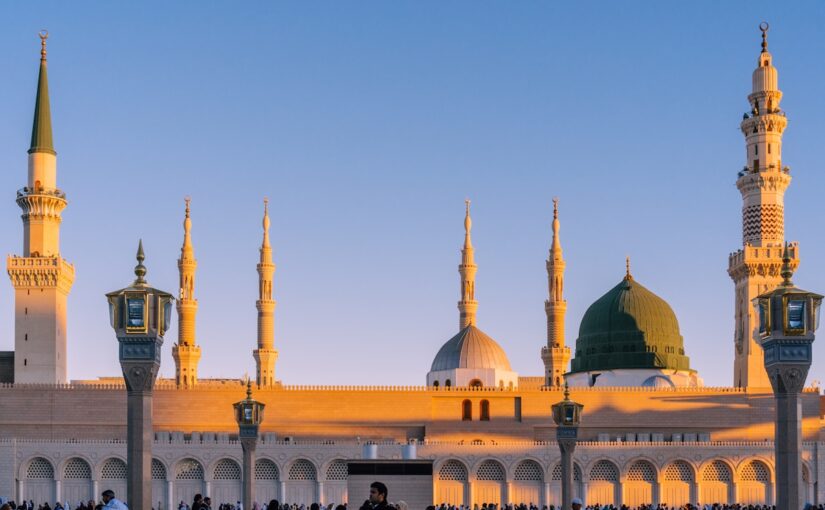
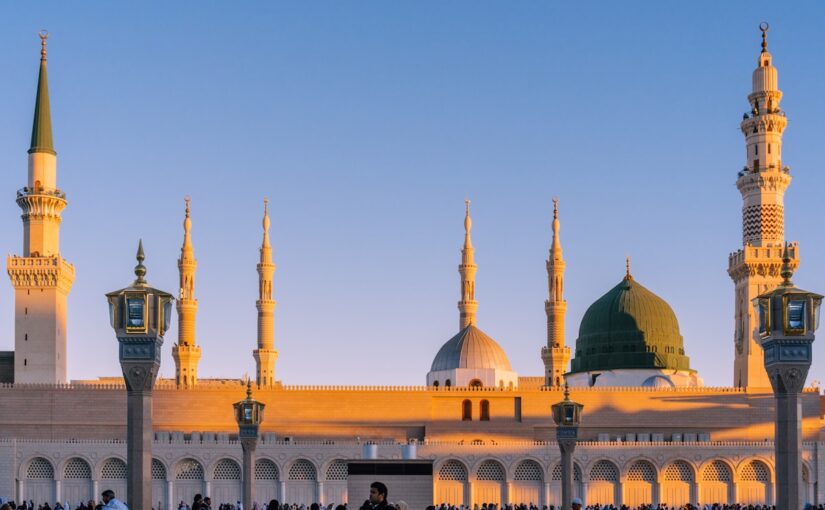
Ya Shahe Madina (یا شاہ مدینہ) is a deeply moving naat that calls upon the Prophet Muhammad (peace be upon him) as the King of Madina. This beautiful naat expresses the believer’s intense longing to be in the blessed city of Madina Munawwarah and to seek the Prophet’s intercession. The phrase “Ya Shahe Madina” translates to “O King of Madina” — a title of immense love and reverence for the Prophet (PBUH).

About the Naat

Ya Shahe Madina is one of the most popular naats in the Urdu-speaking world, widely recited in Pakistan, India, and across the globe. It has been performed by many renowned naat khwans including Owais Raza Qadri, Qari Waheed Zafar Qasmi, and numerous others. The naat captures the essence of a believer’s love for the Prophet Muhammad (PBUH) and the deep yearning to visit his blessed city. Its heartfelt lyrics resonate with millions who hold the love of the Prophet (PBUH) close to their hearts.

The central theme of this naat revolves around seeking the Prophet’s attention and calling upon him as the King of Madina — the one who holds a special status in the court of Allah. It reminds us that the love for the Prophet (PBUH) is the ultimate source of peace and salvation for believers.

Naat Lyrics in Urdu (نعت کے اردو اشعار)

یا شاہ مدینہ یا شاہ مدینہ
مجھ کو مدینہ بلا لو ذرا
بھیجی ہے تمنا دل میں مدینہ
مجھ کو مدینہ بلا لو ذرا

تیری محبت میں ڈوبا ہوا ہوں
تیرے سوا کچھ نہیں ہے مرا
بھول کے دنیا کے سارے تعلّق
مجھ کو مدینہ بلا لو ذرا

آہ بھری ہے یہ میری سدا
درد بھری ہے یہ میری دعا
درد کے مارے کو درد نہ پوچھو
مجھ کو مدینہ بلا لو ذرا

دل ہے میرا مدینے والا
میرا مقدّر مدینے والا
رکھوں گا دم بھر مدینے میں رہ کر
مجھ کو مدینہ بلا لو ذرا

رو رو کے میں نے یہ التجا ہے
کر دے قبول اس کو خدا
بھیجی ہے تمنا دل میں مدینہ
مجھ کو مدینہ بلا لو ذرا

یا شاہ مدینہ یا شاہ مدینہ
مجھ کو مدینہ بلا لو ذرا
بھیجی ہے تمنا دل میں مدینہ
مجھ کو مدینہ بلا لو ذرا

English Translation

Couplet 1:
O King of Madina, O King of Madina
Call me to Madina, just for a while
My heart has sent a longing for Madina
Call me to Madina, just for a while

Couplet 2:
I am drowned in Your love
I have nothing except You
Forgetting all worldly connections
Call me to Madina, just for a while

Couplet 3:
This is my cry filled with passion
This is my prayer filled with pain
Do not ask the pain-stricken about their pain
Call me to Madina, just for a while

Couplet 4:
My heart belongs to Madina
My destiny belongs to Madina
I will stay even for a breath in Madina
Call me to Madina, just for a while

Couplet 5:
Weeping, this is my humble plea
Accept this prayer, O Allah
My heart has sent a longing for Madina
Call me to Madina, just for a while

Couplet 6 (Refrain):
O King of Madina, O King of Madina
Call me to Madina, just for a while
My heart has sent a longing for Madina
Call me to Madina, just for a while

Meaning and Significance

Ya Shahe Madina is much more than a simple naat — it is the heartfelt cry of a believer who yearns for the blessed city of the Prophet Muhammad (PBUH). The naat carries several profound spiritual themes:

  • Love and Devotion: The title “Shahe Madina” (King of Madina) reflects the deep love and reverence Muslims have for the Prophet (PBUH). It recognizes his elevated status as the most beloved of Allah’s creation.
  • Yearning for Spiritual Proximity: The repeated plea “Call me to Madina” represents the believer’s intense desire to be close to the Prophet (PBUH), to visit his mosque, and to stand at his blessed Rawdah.
  • Detachment from Worldly Matters: The lyrics speak of forgetting “all worldly connections” — a reminder that the ultimate goal is spiritual fulfillment, not material gain.
  • Seeking Intercession: The naat reflects the belief that the Prophet (PBUH) is a source of intercession and that visiting Madina brings countless blessings.
  • Humility and Submission: The weeping and pleading tone of the naat demonstrates the believer’s humility before Allah and His Prophet, acknowledging their own spiritual need.

Madina Munawwarah holds a unique place in the heart of every Muslim. It is the city where the Prophet (PBUH) established the first Islamic state, where the revelation continued, and where his blessed body rests in Masjid al-Nabawi beneath the Green Dome. Calling the Prophet (PBUH) the “King of Madina” is a poetic expression of the love that transcends all worldly boundaries.

Benefits of Reciting This Naat

Reciting and listening to Ya Shahe Madina offers many spiritual benefits. It strengthens the love for the Prophet (PBUH) in the heart and brings a sense of peace and tranquility to the soul. Many believers listen to this naat during their daily spiritual routine or when they feel a longing to visit Madina. The naat serves as a reminder of the ultimate goal of every believer — to earn the love of Allah and His Prophet (PBUH) and to be granted the honor of visiting the blessed city. It is particularly comforting for those who have not yet been able to perform Umrah or Hajj, as it keeps the flame of love for Madina alive in their hearts.

More Beautiful Naats

We hope you enjoyed reading the lyrics and translation of Ya Shahe Madina. Explore more beautiful naats on our site:

Final Thoughts

Ya Shahe Madina is a timeless naat that speaks directly to the heart of every believer. Its simple yet emotionally charged words express a longing that every Muslim feels — to be in the presence of the Prophet (PBUH) and to be counted among those who love him. May Allah grant us all the opportunity to visit Madina Munawwarah and to be blessed with the intercession of His beloved Prophet (PBUH). Ameen.


Mein To Madine Ko Jaunga (میں تو مدینے کو جاؤں گا) — Full Naat Lyrics in Urdu, English Translation and Meaning

Mein To Madine Ko Jaunga is a deeply heartfelt naat that expresses a believer’s longing to visit Madina Munawwarah, the city of the Prophet Muhammad (peace be upon him). The naat captures the emotional connection that Muslims feel towards Madina and the desire to stand at the blessed rawdah. This naat is widely recited across the Urdu-speaking world and is especially popular in Pakistan and India during gatherings of naat recitation.

About the Naat

Mein To Madine Ko Jaunga is performed by many well-known naat khwans including Qari Waheed Zafar Qasmi, Owais Raza Qadri, and others. The lyrics speak of the yearning to visit the Prophet’s mosque, to offer Salaam at his blessed resting place, and to experience the spiritual peace that comes from being in Madina. The naat uses simple yet powerful language that resonates with people of all ages.

The central theme of this naat is the believer’s unwavering love for the Prophet Muhammad (PBUH) and the deep desire to visit his city. It reminds listeners that visiting Madina is not just a physical journey but a spiritual one that transforms the heart.

Naat Lyrics in Urdu (نعت کے اردو اشعار)

میں تو مدینے کو جاؤں گا، جا کے مدینے کی خاک بنوں گا
دستِ شفاعت اٹھاؤں گا، دامنِ مصطفیٰ تھاموں گا

مجھ کو نہیں ہے فکرِ جہنم، نہ مجھے حوروں کا ہے شوق
مدینے جا کے مانگوں گا، در پہ نبی کے جھک جاؤں گا

کوئی نہیں ہے میرے نبی جیسا، کوئی نہیں ہے میرے رب جیسا
دونوں جہاں میں سب کو بھلا کر، مدینے والے کو اپناؤں گا

یہ میری آنکھوں کا نور ہے، یہ میرے دل کا سرور ہے
بس ایک نظارہ دیکھ لوں تو، ساری دنیا بھلاؤں گا

رات گئے جب مدینہ پہنچوں، گنبدِ خضریٰ کو دیکھوں
پھر نہیں میں کبھی لوٹوں گا، بس یہی ایک تمنا ہے

آنکھوں میں خواب سجا کے رکھا، دِل میں مدینہ بسا کے رکھا
جب بھی اکیلے بیٹھتا ہوں، رو رو کے یہ دعا مانگتا ہوں

English Translation

Verse 1:
I will go to Madina, I will become the dust of Madina
I will raise my hands for intercession, I will hold onto the hem of Mustafa (PBUH)

Verse 2:
I have no worry about hellfire, nor do I desire heavenly maidens
I will go to Madina and ask, I will bow down at the Prophet’s door

Verse 3:
There is no one like my Prophet, there is no one like my Lord
Forgetting everyone in both worlds, I will embrace the one of Madina

Verse 4:
He is the light of my eyes, He is the joy of my heart
If I can see just one glimpse, I will forget the entire world

Verse 5:
When I reach Madina late at night and see the Green Dome
Then I will never return – this is my only wish

Verse 6:
I have kept the dream in my eyes, I have kept Madina in my heart
Whenever I sit alone, I weep and make this prayer

Meaning and Significance

Mein To Madine Ko Jaunga is more than just a naat – it is a reflection of the deep spiritual love that Muslims hold for the Prophet Muhammad (PBUH) and his city. Madina Munawwarah holds a special place in Islamic history as the city where the Prophet (PBUH) migrated, established the first Islamic state, and where he is buried in the Rawdah Mubarak beneath the Green Dome of Masjid al-Nabawi.

The naat expresses several key themes:

  • Love for the Prophet (PBUH): The core of the naat is the believer’s unconditional love for Muhammad (PBUH), which is a central tenet of faith in Islam.
  • Hope for Intercession: The poet expresses hope that the Prophet (PBUH) will intercede on behalf of believers on the Day of Judgment, a concept rooted in Islamic theology.
  • Detachment from Worldly Desires: The naat teaches that the ultimate goal is not worldly pleasures or even paradise, but the pleasure of Allah and the company of His beloved Prophet.
  • Spiritual Longing: The overwhelming desire to visit Madina represents a spiritual journey that every believer aspires to undertake.

Benefits of Reciting This Naat

Reciting or listening to naats about Madina and the Prophet (PBUH) has many spiritual benefits. It strengthens the love for the Prophet in the heart, brings peace to the soul, and serves as a reminder of the ultimate goal of every Muslim – to earn the pleasure of Allah and the intercession of His Prophet (PBUH). Many believers listen to this naat when they feel spiritually low or when they are planning their travel for Umrah or Hajj.

For more beautiful naat lyrics, you can read other naats on our site including Noor Wala Aaya, Tajdar-e-Haram, and Bhar Do Jholi Meri.

Final Thoughts

Mein To Madine Ko Jaunga is a naat that touches the heart of every believer who longs to visit the blessed city of Madina. Its simple yet profound words remind us of the love we should hold for the Prophet Muhammad (PBUH) and the hope we carry of one day standing at his blessed Rawdah. Whether you are planning your next Umrah or simply sitting at home with longing in your heart, this naat will bring tears to your eyes and peace to your soul.

We hope you enjoyed reading the lyrics, translation, and meaning of this beautiful naat. Please share it with others who love the Prophet (PBUH).

Noor Wala Aaya (نور والا آیا) — Full Naat Lyrics in Urdu, English Translation and Meaning

Noor Wala Aaya (نور والا آیا) is a beautiful and soul-stirring naat that celebrates the arrival of Prophet Muhammad (peace be upon him) as a light (noor) for all of humanity. The phrase “Noor Wala” means “the one who brings light,” referring to the Prophet as a guiding light for mankind. This naat is widely recited at Milad gatherings, Islamic events, and in personal devotion across the Muslim world, particularly in South Asia.

The naat captures the joy and excitement of the Prophet’s arrival, describing him as the blessed one who came to illuminate the darkness of ignorance. Its rhythmic verses and uplifting message make it a favourite among both young and old. Below you will find the full Urdu lyrics, English translation, and the spiritual meaning behind this beloved naat.

Full Naat Lyrics in Urdu (مکمل نعت کے اردو بول)

نور والا آیا، نور والا آیا
محمد نور والا، نور والا آیا

استقبال کو سارے، مدینہ سجا رہے ہیں
یثرب کی گلیوں میں، خوشبو بکھیر رہے ہیں
آؤ چلیں استقبال کو، مصطفیٰ کے آگے
سب مسکرا رہے ہیں، سب چھک رہے ہیں پیارے

نور والا آیا، نور والا آیا
محمد نور والا، نور والا آیا

غارِ حرا سے ان کو، رب نے بلایا تھا
امت کی خاطر ان کو، غم تھا ستایا تھا
اس گھڑی خوشی کا عالم، ہر دل میں سمایا ہے
سبز گنبد کے نیچے، ان کا دیا جلایا ہے

نور والا آیا، نور والا آیا
محمد نور والا، نور والا آیا

آنکھوں میں ہے نشہ سا، دل میں ہے مستانی
ہر کوئی کہہ رہا ہے، آیا ہے نورانی
صحرا بھی مسکرایا، پتھر بھی مسکرائے
جنتیں بھی جھوم اٹھیں، جبرائیل مسکرائے

نور والا آیا، نور والا آیا
محمد نور والا، نور والا آیا

صدقے میں ان کے جائیں، صحابی جو ہیں وفادار
ابوبکر و عمر، عثمان و حیدرِ کرار
سب نے نبی کو دیکھا، کھل اٹھے پھول محفل میں
مدینے کی ہر گلی میں، گونجی صدا

نور والا آیا، نور والا آیا
محمد نور والا، نور والا آیا

English Translation

Here is the English translation of Noor Wala Aaya, stanza by stanza:

Refrain:
The one with light has arrived, the one with light has arrived
Muhammad, the bearer of light, the one with light has arrived

Stanza 1:
Everyone is decorating Madina to welcome him
They are spreading fragrance in the streets of Yathrib
Come, let us go to welcome Mustafa
Everyone is smiling, everyone is delighted

Stanza 2:
The Lord called him from the Cave of Hira
He was burdened with grief for the sake of his nation
In this moment, joy has filled every heart
Under the Green Dome, his lamp is lit

Stanza 3:
There is intoxication in the eyes, ecstasy in the heart
Everyone is saying: the radiant one has arrived
The desert smiled, the stones smiled
The heavens rejoiced, Angel Jibrael smiled

Stanza 4:
May we be sacrificed for them, for the loyal companions
Abu Bakr, Umar, Usman, and Haidar-e-Karrar (Ali)
When they all saw the Prophet, the flowers bloomed in the gathering
In every street of Madina, the call echoed…

Spiritual Meaning and Significance

Noor Wala Aaya is a naat that captures the essence of the Prophet’s role as a source of divine light. The repeated refrain “Noor Wala Aaya” is both a celebration and a declaration of faith. The word “noor” (light) is significant in Islamic theology. In the Quran, Allah is described as “the Light of the heavens and the earth” (Surah An-Nur, 24:35), and the Prophet is described as a “light-giving lamp” (Surah Al-Ahzab, 33:46).

The naat beautifully describes the joy of the people of Madina as they prepare to welcome the Prophet. This refers to the historical event of the Hijra (migration) when the Prophet arrived in Madina and was greeted with unprecedented joy by the Ansar (the helpers). The streets were decorated, songs of welcome were sung, and every household wanted the honour of hosting the Prophet.

The reference to the Cave of Hira reminds us of the beginning of revelation, when the first verses of the Quran were revealed to the Prophet. The “burden of grief for the sake of his nation” refers to the Prophet’s deep concern for the spiritual well-being of his followers.

The mention of the four righteous Caliphs Abu Bakr, Umar, Usman, and Ali highlights the unity and love among the early Muslim community. Their joy at seeing the Prophet reflects the deep bond of love that all Muslims feel for their beloved Messenger.

This naat is often recited during the month of Rabi-ul-Awwal, when Muslims around the world celebrate the birth of the Prophet. It is also a popular choice for Milad gatherings and everyday spiritual practice. The uplifting melody and simple yet profound lyrics make it accessible to people of all ages.

For more beautiful naat lyrics and translations, browse our complete collection of naat lyrics or explore our Urdu naat section.

May the love of the Prophet fill your heart with light, just as the naat celebrates. Ameen.

Tajdar-e-Haram (تاجدارِ حرم) — Full Naat Lyrics in Urdu, English Translation and Meaning

Tajdar-e-Haram (تاجدارِ حرم) is one of the most beloved and widely recited naats in the Islamic world. Made famous by the beautiful voice of Atif Aslam, this naat is a heartfelt praise of Prophet Muhammad (peace be upon him). In this post, we share the full lyrics in Urdu, along with the English translation and the spiritual meaning behind this beautiful composition.

About Tajdar-e-Haram

Tajdar-e-Haram translates to “The Crown of the Haram” or “The King of the Sanctuary.” It refers to Prophet Muhammad (PBUH) as the ruler and crown of the sacred sanctuary of Makkah and Madinah. The naat expresses deep love and devotion for the Prophet and describes him as the beloved of Allah and the intercessor for humanity.

The naat was originally written in Urdu and later set to music by various artists. Atif Aslam’s rendition, released in 2019, became a global sensation and introduced this beautiful naat to a new generation of listeners.

Tajdar-e-Haram Naat Lyrics in Urdu

تاجدارِ حرم، اے شہنشاہِ مدینہ
تیرے در کا میں صدقے، تیری راہ کا میں صدقے

تیرے قدموں کی خاکِ پا بنوں میں تو کیا ہے
تیرے در کا میں گدا، تیری راہ کا میں صدقے

اے شفیع المذنبین، اے رحمت للعالمین
تیرے در کا میں صدقے، تیری راہ کا میں صدقے

مدینے کی گلیوں میں، پھرتا ہوں دیوانہ
تیری یاد میں روتا ہوں، تیرے غم میں ہے جانا

لب پہ آتی ہے دعا بن کے تمنا میری
زندگی شکر سے ہو، تیری محبت میں گزاری

تاجدارِ حرم، اے شہنشاہِ مدینہ
تیرے در کا میں صدقے، تیری راہ کا میں صدقے

English Translation of Tajdar-e-Haram

Verse 1:
O Crown of the Sanctuary, O Emperor of Madinah
I sacrifice myself at your door, I sacrifice myself on your path

Verse 2:
If I could become the dust beneath your feet
I am a beggar at your door, I sacrifice myself on your path

Verse 3:
O intercessor for the sinners, O mercy for all the worlds
I sacrifice myself at your door, I sacrifice myself on your path

Verse 4:
In the streets of Madinah, I wander like a madman
I weep in your memory, my soul yearns for your love

Verse 5:
My wish comes to my lips in the form of a prayer
May my life be lived in gratitude, spent in your love

Chorus:
O Crown of the Sanctuary, O Emperor of Madinah
I sacrifice myself at your door, I sacrifice myself on your path

The Spiritual Meaning of Tajdar-e-Haram

Tajdar-e-Haram is more than just a beautiful naat. It is a expression of deep spiritual love and devotion to Prophet Muhammad (PBUH). The repeated phrase “Tere dar ka mein sadqe, teri rah ka mein sadqe” (I sacrifice myself at your door, I sacrifice myself on your path) shows the singer’s willingness to give everything for the love of the Prophet.

The naat describes the Prophet as the “Shahanshah-e-Madinah” (Emperor of Madinah) and “Tajdar-e-Haram” (Crown of the Sanctuary), highlighting his supreme status in Islam. It also refers to him as “Shafi al-Mudhnibeen” (Intercessor for sinners) and “Rahmat lil-Alameen” (Mercy for all worlds), which are two of his most important titles mentioned in the Quran.

The verses about wandering in the streets of Madinah and weeping in the Prophet’s memory reflect the deep emotional connection that believers feel towards the Prophet and the holy city of Madinah. It is a reminder that true love for the Prophet is expressed through devotion, sacrifice and longing to be close to him.

Why Tajdar-e-Haram Is So Popular

Tajdar-e-Haram has become one of the most popular naats of the modern era for several reasons. First, its melody is beautiful and emotionally moving. Second, the lyrics are simple but profound, making them easy to remember and recite. Third, Atif Aslam’s rendition brought the naat to a global audience, introducing it to millions of people who might not have heard it otherwise.

The naat is now recited at religious gatherings, on social media and in homes around the world. It has become a staple of Islamic devotional music and continues to inspire new generations of Muslims.

Listen to Tajdar-e-Haram

Tajdar-e-Haram is available on YouTube, Spotify and other streaming platforms. Atif Aslam’s official video has received hundreds of millions of views, making it one of the most-watched Islamic songs on the internet.

If you enjoyed this naat, you might also like other popular naats such as Mustafa Jaan-e-Rahmat and Madani Tasveer. You can also read the lyrics for Ya Nabi Salam Alaika and Bhar Do Jholi Meri.

Mustafa Jaan-e-Rahmat (مصطفیٰ جانِ رحمت) — Full Naat Lyrics in Urdu, English Translation and Meaning

Mustafa Jaan-e-Rahmat (مصطفیٰ جانِ رحمت) — Full Naat Lyrics in Urdu, English Translation and Meaning

Mustafa Jaan-e-Rahmat (مصطفیٰ جانِ رحمت) is a soul-stirring naat that has become one of the most beloved devotional hymns in the Urdu-speaking Muslim world. Recited by the renowned Qari Waheed Zafar Qasmi, this naat is a heartfelt tribute to Prophet Muhammad (peace be upon him) — the Chosen One, the Beloved of Allah, and the very embodiment of mercy for all of creation.

The title itself is deeply meaningful. “Mustafa” (مصطفیٰ) means “the Chosen One” — one of the most cherished names of the Prophet Muhammad (PBUH). “Jaan-e-Rahmat” (جانِ رحمت) translates to “the soul of mercy.” Together, the phrase declares that the Prophet is not merely a bearer of mercy but the very soul and essence of mercy itself. This naat beautifully captures the Islamic belief that the Prophet’s arrival was the greatest mercy ever bestowed upon humanity.

In this article, you will find the complete Mustafa Jaan-e-Rahmat naat lyrics in Urdu (Arabic script), an English transliteration for those who cannot read Urdu, an English translation, and an exploration of the naat’s spiritual meaning and significance.

About the Naat “Mustafa Jaan-e-Rahmat”

Mustafa Jaan-e-Rahmat was composed and popularized by Qari Waheed Zafar Qasmi, a highly respected Islamic scholar and naat reciter from Pakistan. Qari Waheed Zafar Qasmi is known for his powerful yet soulful voice and his deep connection to the traditional style of naat recitation. His rendition of this naat has touched countless hearts around the world.

The naat celebrates the birth and life of Prophet Muhammad (PBUH) as a source of endless mercy for all of creation. It describes how the Prophet’s arrival illuminated the world — a light that continues to guide believers to this day. The recurring theme is that no one who ever came to the Prophet’s door returned empty-handed. His generosity, compassion, and mercy were boundless.

Mustafa Jaan-e-Rahmat is not just a poem — it is a declaration of love and a reminder of the Prophet’s exalted station. Every verse reinforces the Islamic understanding that the Prophet Muhammad (PBUH) was sent as a mercy to all the worlds (rahmatan lil-alameen), as stated in the Quran (Surah Al-Anbiya 21:107). The naat invites listeners to reflect on this divine mercy and to deepen their love for the Prophet.

For more beautiful naat lyrics, you can also explore Tajdar-e-Haram, Ya Nabi Salam Alaika, or Bhar Do Jholi Meri on our site.

The Spiritual Significance of Mustafa Jaan-e-Rahmat

The central message of Mustafa Jaan-e-Rahmat revolves around three key themes:

1. The Prophet as a Source of Light: The opening lines describe how the Prophet’s arrival caused a flower of light (noor ka phool) to bloom and shower mercy upon the world. This imagery is deeply rooted in Islamic tradition. The Quran describes the Prophet as a “light-giving lamp” (sirajun muneer). The naat captures this beautifully, reminding believers that the Prophet’s existence was a turning point in human history — darkness was replaced by light, and ignorance gave way to guidance.

2. The Boundless Mercy of the Prophet: The most powerful refrain of the naat is the affirmation that no one who came to the Prophet’s door ever left empty-handed. This is not just a historical statement — it is a living truth for believers. Through his teachings, his intercession (shafa’ah), and his ongoing spiritual presence, the Prophet continues to welcome those who turn to him with love and devotion. The naat encourages believers to place their hopes in the Prophet’s mercy and to seek his intercession.

3. Love for the Prophet as a Path to Allah: The naat naturally leads the listener to a state of love and longing for the Prophet. In Islamic spirituality, love for the Prophet is considered a sign of complete faith. By praising the Prophet’s attributes and describing the blessings he brought, Mustafa Jaan-e-Rahmat helps strengthen this bond of love, which is itself a form of worship.

You may also enjoy Saason Mein Hai Madina and Mujhko Madine Bula Lo, two other deeply moving naats that express longing for the Prophet and the blessed city of Madina.

Mustafa Jaan-e-Rahmat — Urdu Lyrics (مصطفیٰ جانِ رحمت — اردو lyrics)

مصطفیٰ جانِ رحمت کیا دنیا میں آیا
نور کا پھول کھل گیا، رحمت برسا دی

جو بھی آیا ترے در پر، خالی نہ گیا
مصطفیٰ جانِ رحمت، تیری کرم سے

تو وہ مہرباں ہے کہ جس نے سب کو سنبھالا
ہر ایک بے سہارا کو اپنا بنایا

تیرے در پہ جو آیا، اس کو کچھ نہ ملا کیا
تونے تو سب کو دولتِ ایمان سے نوازا

مصطفیٰ جانِ رحمت کیا دنیا میں آیا
نور کا پھول کھل گیا، رحمت برسا دی

تیرے قدموں کی برکت سے بخشش ہوئی ہماری
تیری اُمت کو تونے بخشش کا پروانہ دیا

جو بھی آیا ترے در پر، خالی نہ گیا
مصطفیٰ جانِ رحمت، تیری کرم سے

اے شفیع المذنبین، اے رحمت للعالمین
تیرے صدقے میں ہم سب کو معاف فرما دیں

مصطفیٰ جانِ رحمت کیا دنیا میں آیا
نور کا پھول کھل گیا، رحمت برسا دی

جو بھی آیا ترے در پر، خالی نہ گیا
مصطفیٰ جانِ رحمت، تیری کرم سے

Mustafa Jaan-e-Rahmat — English Transliteration

Mustafa Jaan-e-Rahmat kya duniya mein aaya
Noor ka phool khil gaya, rahmat barsa di

Jo bhi aaya tere dar par, khaali na gaya
Mustafa Jaan-e-Rahmat, teri karam se

Tu woh meharbaan hai ke jis ne sab ko sambhala
Har ek be-sahara ko apna banaya

Tere dar pe jo aaya, usko kuch na mila kya
Tu ne toh sab ko daulat-e-iman se nawaza

Mustafa Jaan-e-Rahmat kya duniya mein aaya
Noor ka phool khil gaya, rahmat barsa di

Tere qadmon ki barkat se bakhshish hui hamari
Terri ummat ko tu ne bakhshish ka parwana diya

Jo bhi aaya tere dar par, khaali na gaya
Mustafa Jaan-e-Rahmat, teri karam se

Ae shafi al-muznibeen, ae rahmat lil-alameen
Tere sadqe mein hum sab ko muaf farma den

Mustafa Jaan-e-Rahmat kya duniya mein aaya
Noor ka phool khil gaya, rahmat barsa di

Jo bhi aaya tere dar par, khaali na gaya
Mustafa Jaan-e-Rahmat, teri karam se

Mustafa Jaan-e-Rahmat — English Translation

Mustafa, the soul of mercy, came into this world
A flower of light bloomed, and mercy showered down

Whoever came to your door did not return empty-handed
Mustafa, the soul of mercy, through your grace

You are the compassionate one who sheltered everyone
You made every helpless soul your own

Did anyone who came to your door leave with nothing?
You blessed everyone with the wealth of faith

Mustafa, the soul of mercy, came into this world
A flower of light bloomed, and mercy showered down

Through the blessing of your footsteps, we were forgiven
To your nation, you gave the charter of forgiveness

Whoever came to your door did not return empty-handed
Mustafa, the soul of mercy, through your grace

O intercessor for the sinners, O mercy for the worlds
For your sake, forgive us all

Mustafa, the soul of mercy, came into this world
A flower of light bloomed, and mercy showered down

Whoever came to your door did not return empty-handed
Mustafa, the soul of mercy, through your grace

The Legacy of Qari Waheed Zafar Qasmi

Qari Waheed Zafar Qasmi is a prominent figure in the world of Islamic naat recitation. Born in Pakistan, he is both a Qari (expert in Quranic recitation) and a naat reciter. His style is characterized by a powerful voice, precise pronunciation, and a deep emotional resonance that connects listeners to the spiritual meaning of the words.

Mustafa Jaan-e-Rahmat is considered one of his signature recitations. The naat’s simple yet profound lyrics, combined with Qari Waheed Zafar Qasmi’s moving delivery, have made it a staple at religious gatherings, milads, and naat programs across the world. It continues to be passed down through generations, recited in homes and mosques alike.

The naat also reflects the rich tradition of Urdu naat poetry, which draws from centuries of Islamic devotional literature. The genre combines classical Urdu poetic forms with Islamic themes, creating a unique art form that is both spiritually uplifting and culturally significant.

For those who appreciate heartfelt naats, we also recommend reading Shah-e-Madina Yaad Aa Rahe Hain or Madani Tasveer, both available with complete lyrics and translations on this site.

Why Mustafa Jaan-e-Rahmat Resonates with Millions

What makes Mustafa Jaan-e-Rahmat so beloved is its accessibility. The language is simple yet profound. It does not require deep knowledge of Islamic theology to understand — anyone can feel its message of love, mercy, and hope. The naat speaks directly to the heart, reminding every believer that the Prophet’s mercy is always available to those who seek it.

The line “Jo bhi aaya tere dar par, khaali na gaya” (Whoever came to your door did not return empty-handed) has become especially iconic. It offers hope to the hopeless and comfort to those in distress. In a world full of uncertainty, this message of unconditional mercy is a source of tremendous spiritual strength.

The naat also beautifully captures the Islamic concept of shafa’ah (intercession). Muslims believe that the Prophet Muhammad (PBUH) will intercede for his nation on the Day of Judgment. The final verse of the naat directly invokes this intercession, asking for forgiveness for the sake of the Prophet. This gives believers a sense of hope and reassurance about their spiritual fate.

If you enjoy exploring naat lyrics and their meanings, check out Mera Dil Badal De for another powerful devotional hymn.

Final Thoughts

Mustafa Jaan-e-Rahmat by Qari Waheed Zafar Qasmi is more than just a naat — it is a spiritual experience. Its words carry the weight of centuries of Islamic tradition while speaking directly to the hearts of modern believers. Whether you recite it in solitude or hear it in a gathering, it has the power to transform your state of mind and bring you closer to the love of the Prophet Muhammad (PBUH).

We hope this article has helped you connect more deeply with this beautiful naat. Bookmark this page so you can return to the lyrics and translations whenever you need spiritual inspiration. Share it with friends and family so they too can benefit from the message of mercy that Mustafa Jaan-e-Rahamt carries.

And remember — just as the naat says, the door of the Prophet is never closed. No one who comes to it with love and sincerity ever leaves empty-handed.

Mera Dil Badal De (میرا دل بدل دے) – Full Naat Lyrics in Urdu, English Translation and Meaning

Introduction

“Mera Dil Badal De” (میرا دل بدل دے) is a beautiful and heartfelt supplication in the form of a naat. It is a plea to Allah to change the heart and fill it with the love of Prophet Muhammad (peace be upon him). The naat is known for its deep emotional appeal and simple yet powerful words that touch the soul of every listener.

This naat is often recited during gatherings of remembrance and at the start of naat evenings. It sets a tone of humility and longing, making it a favourite among those who listen to Islamic devotional poetry.

Below you will find the full lyrics in Urdu, Roman transliteration, English translation, and a brief explanation of the meaning behind this beautiful naat.

Mera Dil Badal De Naat Lyrics in Urdu

میرا دل بدل دے مرا دل بدل دے
یہ دل جو ہے تیرا سنبھال اس کو
دل بدل دے مرا دل بدل دے

تیری چوکھٹ پہ آیا ہوں میں پشت پہ سر رکھے
تیرے در سے نہ جاؤں میں یہ کرم مجھ پہ کر رکھے
میرے گناہوں کی بخشش فرما
میرا دل بدل دے مرا دل بدل دے

تیری رحمت سے کوئی محروم نہیں ہوتا
تیرے در سے کوئی خالی نہیں جاتا
میرے آقا میں بھی آ گیا ہوں
میرا دل بدل دے مرا دل بدل دے

یہ دل ہے بہت برباد مرا
تو ہی سنبھال سکتا ہے اس کو
تیرے در پر آیا ہوں میں
میرا دل بدل دے مرا دل بدل دے

میرے نبی نے بخشش کا وعدہ کیا ہے
تیری رحمت کا دروازہ کھلا ہے
میں نے آ کر تیرا در تھپتھپایا
میرا دل بدل دے مرا دل بدل دے

Roman Transliteration

Mera dil badal de, mira dil badal de
Yeh dil jo hai tera sambhaal is ko
Dil badal de, mira dil badal de

Teri chokhat pe aaya hun main pusht pe sar rakhe
Tere dar se na jaun main ye karam mujh par kar rakhe
Mere gunaahon ki bakhshish farma
Mera dil badal de, mira dil badal de

Teri rehmat se koi mehroom nahi hota
Tere dar se koi khaali nahi jaata
Mere aaqa main bhi aa gaya hun
Mera dil badal de, mira dil badal de

Yeh dil hai bahut barbaad mera
Tu hi sambhaal sakta hai is ko
Tere dar par aaya hun main
Mera dil badal de, mira dil badal de

Mere Nabi ne bakhshish ka wada kiya hai
Teri rehmat ka darwaza khula hai
Main ne aa kar tera dar thapthapaya
Mera dil badal de, mira dil badal de

English Translation

Change my heart, O Lord, change my heart
This heart belongs to You, take care of it
Change my heart, O Lord, change my heart

I have come to Your doorstep, placing my head at Your feet
Do not let me leave Your door empty-handed, grant me this kindness
Forgive my sins
Change my heart, O Lord, change my heart

No one is ever deprived of Your mercy
No one ever leaves Your door empty
My Master, I have come to You
Change my heart, O Lord, change my heart

This heart of mine is in ruins
Only You can mend it
I have come to Your doorstep
Change my heart, O Lord, change my heart

My Prophet has promised forgiveness
Your door of mercy is open
I have knocked at Your door
Change my heart, O Lord, change my heart

Meaning and Background

“Mera Dil Badal De” is a heartfelt supplication that expresses the deepest desire of a believer: to have a pure heart filled with the love of Allah and His Messenger. The repetition of the phrase “mera dil badal de” reflects the urgency and sincerity of this plea.

The naat speaks about coming to the doorstep of the Prophet Muhammad (peace be upon him) with humility, acknowledging one’s sins, and seeking forgiveness. It reminds us that no matter how far we have strayed, the door of mercy is always open for those who turn back with sincerity.

The theme of the heart being “ruined” or “in need of repair” is common in Islamic devotional poetry. It reflects the human struggle with worldly distractions and sins, and the hope that divine mercy can transform the heart. The poet emphasises that only Allah can truly change a person’s heart and guide them to the right path.

This naat draws heavily on the concept of shafa’at (intercession) and the belief that the Prophet Muhammad (peace be upon him) intercedes for his followers. The line about the Prophet promising forgiveness is a reference to this beautiful aspect of Islamic faith.

When Is This Naat Recited?

“Mera Dil Badal De” is commonly recited during:

  • Milad gatherings and naat evenings
  • Friday gatherings and religious events
  • Personal moments of reflection and prayer
  • During the month of Rabi-ul-Awwal

Its simple melody and profound lyrics make it accessible to people of all ages. Many people find comfort in reciting this naat during times of difficulty or when they feel spiritually distant.

For more beautiful naats similar to this one, explore our collection of Hasbi Rabbi lyrics, Suna Hai lyrics, and Rahmatun Lil Alameen lyrics.

Conclusion

“Mera Dil Badal De” is a truly special naat that speaks directly to the heart. Its message of hope, forgiveness, and spiritual transformation is universal. Whether you are listening to it for the first time or the hundredth time, its words have the power to move you and bring you closer to your faith.

We hope this complete lyrics page with Urdu text, English translation, and meaning has been helpful. If you enjoyed this naat, please share it with others who might benefit from its beautiful message.

Saason Mein Hai Madina Naat Lyrics in Urdu, English Translation, and Meaning

Introduction

One of the most beloved naats in the Urdu speaking Islamic world, “Saason Mein Hai Madina” (ساٰنسوں میں ہے مدینہ), holds a special place in the hearts of millions. This beautiful naat expresses the deep longing and love that every believer carries for the blessed city of Madina Munawwarah and the Prophet Muhammad ﷺ. Sung by various renowned naat khwans, this naat has become a staple at religious gatherings, Milad un Nabi events, and personal recitations across the globe.

The phrase “Saason Mein Hai Madina” translates to “Madina is in my breath” or “Madina resides in every breath I take.” It beautifully captures the idea that the love of the Prophet ﷺ and his city is not just a feeling but something that permeates the very existence of a believer. Every breath becomes a reminder of that sacred connection.

In this post, we bring you the complete lyrics of this soul stirring naat in Urdu script, along with the English transliteration, word by word translation, and an explanation of its meaning and spiritual significance.

Background and Significance of the Naat

“Saason Mein Hai Madina” belongs to the rich tradition of Urdu naat poetry that emerged from the Indian subcontinent. The exact origins of the poem are not universally documented, but it is widely attributed to the genre of naats that celebrate the love of Madina and the longing to visit the Prophet’s ﷺ city.

The central theme of this naat is ishq-e-Madina, the love for the blessed city. In Islamic spirituality, Madina is not just a geographical location. It is the city of the Prophet ﷺ, the place where the first Muslim community was established, and the site of the Prophet’s ﷺ final resting place in Masjid an-Nabawi. For Muslims around the world, Madina holds a spiritual significance that transcends time and distance.

This naat resonates so deeply because it speaks to the experience of every believer who has ever longed to visit Madina. Whether you have been there many times or you dream of going one day, the feeling of yearning for the Prophet’s ﷺ city is universal among Muslims. The naat gives voice to that yearning in the most beautiful way.

The poetic structure of the naat follows a traditional Urdu metre, making it easy to recite and remember. The repetition of the central refrain reinforces the message that the love of Madina is constant, ever present, and inseparable from the believer’s identity.

Full Naat Lyrics in Urdu

Below are the complete lyrics of “Saason Mein Hai Madina” in beautiful Urdu script. You can read along as you listen to the naat or use this for personal recitation.

ساٰنسوں میں ہے مدینہ — اردو میں مکمل نعت

ساٰنسوں میں ہے مدینہ
دھڑکنوں میں ہے مدینہ
ہے وہی میرا قصہ
ہر ادا میں ہے مدینہ

دل نہیں ہے یہ میرا
یہ تو گھر ہے محبت کا
کس قدر پیار سے ہے
ہر ادا میں مدینہ

مجھ کو یاد ہے جب سے
نور کا شہر پاکی کا
دل میں اک انجمن ہے
جس صدا میں مدینہ

میری نظروں میں ہے بسا
میرے خوابوں میں ہے جگا
ہر طرف ہے جھلکتا
ہر فضا میں مدینہ

کیوں نہ پیار کروں میں
کیوں نہ تم سے لگن ہو
کیوں نہ چاہوں میں تجھ کو
اے سزا میں مدینہ

جب بھی یاد آتا ہے
وہ مقدس سا منظر
اشک بہنے لگتے ہیں
ہر ادا میں مدینہ

اپنی آنکھوں کو بخش دے
یہی اک تمنا ہے
ایک جھلک دکھا دے
اے ضیا میں مدینہ

ساٰنسوں میں ہے مدینہ
دھڑکنوں میں ہے مدینہ
ہے وہی میرا قصہ
ہر ادا میں ہے مدینہ

English Transliteration

For those who cannot read the Urdu script, here is the English transliteration so you can still recite the naat with proper pronunciation.

Verse 1:
Saason mein hai Madina
Dharkanon mein hai Madina
Hai wohi mera qissa
Har ada mein hai Madina

Verse 2:
Dil nahin hai yeh mera
Yeh toh ghar hai mohabbat ka
Kis qadar pyaar se hai
Har ada mein Madina

Verse 3:
Mujh ko yaad hai jab se
Noor ka shehr paaki ka
Dil mein ik anjuman hai
Jis sada mein Madina

Verse 4:
Meri nazron mein hai basa
Mere khwabon mein hai jaga
Har taraf hai jhalakta
Har fiza mein Madina

Verse 5:
Kyun na pyaar karun main
Kyun na tum se lagan ho
Kyun na chahun main tujh ko
Aye saza mein Madina

Verse 6:
Jab bhi yaad aata hai
Woh muqaddas sa manzar
Ashk behne lagte hain
Har ada mein Madina

Verse 7:
Apni aankhon ko bakhsh de
Yahi ik tamanna hai
Ek jhalak dikha de
Aye ziya mein Madina

Chorus:
Saason mein hai Madina
Dharkanon mein hai Madina
Hai wohi mera qissa
Har ada mein Madina

English Translation and Meaning

Verse 1:
Madina is in my breaths
Madina is in my heartbeats
That is my only story
Madina is in every gesture of mine

The opening verse establishes the central theme. The love of Madina is not something external or occasional. It is as constant and essential as breathing and heartbeat. The poet declares that Madina is the only story worth telling, and it shows in every aspect of their being.

Verse 2:
This is not my heart
This is a home of love
With so much affection
Madina is in every gesture

The poet reflects that their heart is no longer their own. It has become a home filled with the love of Madina and the Prophet ﷺ. The heart is transformed into a sacred space where divine love resides.

Verse 3:
Since I remember
The city of light and purity
There is a gathering in my heart
In every call, Madina

Madina is described as a city of light (Noor) and purity. Since the poet became aware of this blessed city, their heart has become a gathering place for spiritual joy.

Verse 4:
It resides in my eyes
It is awake in my dreams
It shines everywhere
Madina is in every atmosphere

The poet sees Madina everywhere. It is not just a memory but a living presence. Whether awake or asleep, Madina is always there, illuminating every environment.

Verse 5:
Why would I not love
Why would I not be devoted to you
Why would I not desire you
O Madina, you are my reward

This verse expresses bewildered love. The poet cannot imagine not loving Madina. The city is described as a reward (saza), suggesting that the love of Madina is itself a gift and a blessing from Allah.

Verse 6:
Whenever I remember
That sacred scene
Tears begin to flow
Madina is in every gesture

The emotional peak of the naat. The memory of Madina is so powerful that it brings the poet to tears. This reflects the deep emotional connection that believers feel for the Prophet’s ﷺ city.

Verse 7:
Grant my eyes
This one wish
Show me one glimpse
O light, Madina

The concluding verse is a heartfelt prayer. The poet asks for the ultimate blessing: to see Madina with their own eyes.

Spiritual Significance

This naat is not just poetry. It is a reflection of a deep spiritual state known in Islamic tradition as shawq (yearning) for the Prophet ﷺ and his city. Scholars have long taught that loving the Prophet ﷺ is an integral part of faith. The Quran says, “Say, [O Muhammad], ‘If you should love Allah, then follow me, [so] Allah will love you and forgive you your sins'” (Surah Al-Imran, 3:31).

Reciting or listening to this naat can be a form of spiritual meditation. It helps the believer focus their heart on the love of the Prophet ﷺ and renew their connection to the sacred city of Madina. Many Muslims listen to this naat regularly as part of their spiritual practice.

Related Naats You May Enjoy

May Allah grant us all the opportunity to visit Madina Munawwarah and fill our hearts with the love of the Prophet Muhammad ﷺ. Ameen.

Mujhko Madine Bula Lo (مجھکو مدینہ بلا لو) — Full Naat Lyrics in Urdu, English Translation and Meaning

“Mujhko Madine Bula Lo” is one of the most beloved Urdu naats, expressing a deep yearning to visit the city of Medina and the blessed shrine of Prophet Muhammad (peace be upon him). This naat captures the intense love and longing that Muslims feel for the Prophet and his city. Below you will find the full Urdu lyrics, transliteration, English translation, and the spiritual meaning behind this beautiful naat.

About the Naat “Mujhko Madine Bula Lo”

“Mujhko Madine Bula Lo” translates to “Call Me to Medina.” The naat is a heartfelt plea from a devoted believer who longs to visit the holy city of Medina and pay respects at the blessed Rawdah of the Prophet Muhammad (peace be upon him). The poet expresses a deep spiritual connection and an overwhelming desire to be in the presence of the Prophet. This naat has been recited by many famous naat khwans and is widely loved across the Muslim world, particularly in South Asia.

Mujhko Madine Bula Lo — Urdu Lyrics (مجھکو مدینہ بلا لو)

Verse 1:

مجھکو مدینہ بلا لو
مرا دل ہے بے قرار
مجھکو مدینہ بلا لو

Verse 2:

آؤ کہ ہم چلیں مدینے
پیارے نبی کے گھر میں
دل کی مراد پوری ہو
اسی آرزو میں گزرے

Verse 3:

روضۂ پاک پہ جا کر
دل کا سکون پاؤں
آنکھوں سے اشک بہا کر
مانگوں دعا میں گڑگڑا کر

Verse 4:

یہ زندگی بھی کیا ہے
جب تک نہ دیکھوں مدینہ
مجھکو مدینہ بلا لو
مرا دل ہے بے قرار

English Transliteration

Verse 1:
Mujhko Madine Bula Lo
Mera Dil Hai Beqaraar
Mujhko Madine Bula Lo

Verse 2:
Aao Ke Hum Chalein Madine
Pyaare Nabi Ke Ghar Mein
Dil Ki Muraad Poori Ho
Isi Arzoo Mein Guzre

Verse 3:
Roza-e-Paak Pe Ja Kar
Dil Ka Sukoon Paaon
Ankhon Se Ashk Baha Kar
Maangun Dua Mein Garjh Garjh Kar

Verse 4:
Yeh Zindagi Bhi Kya Hai
Jab Tak Na Dekhoon Madina
Mujhko Madine Bula Lo
Mera Dil Hai Beqaraar

English Translation

Verse 1:
Call me to Medina
My heart is restless
Call me to Medina

Verse 2:
Come, let us go to Medina
To the house of the beloved Prophet
May my heart’s desire be fulfilled
My life passes in this longing

Verse 3:
Going to the sacred shrine
I will find peace for my heart
Shedding tears from my eyes
I will beg in my prayers

Verse 4:
What is this life anyway
Until I see Medina
Call me to Medina
My heart is restless

Spiritual Meaning and Significance

“Mujhko Madine Bula Lo” is more than just a poem. It represents the deep spiritual connection Muslims feel towards the Prophet Muhammad (peace be upon him) and the city of Medina. The naat speaks to the soul’s yearning for spiritual fulfillment and the ultimate desire to visit the blessed city where the Prophet is buried.

The repeated refrain “Mujhko Madine Bula Lo” is a humble supplication. The poet is not asking for wealth, fame, or worldly success. The only request is to be invited to Medina, to be in the presence of the Prophet. This reflects the Islamic teaching that visiting the Prophet’s mosque and shrine is one of the greatest blessings a believer can experience.

The line “Mera Dil Hai Beqaraar” (My heart is restless) expresses a spiritual restlessness that can only be calmed by visiting Medina. This is a common theme in Islamic poetry, where the lover (the believer) is restless until they reach the beloved (the Prophet).

The third verse describes the act of visiting the Rawdah (the sacred chamber) and the emotional experience of praying there with tears. In Islamic tradition, the Rawdah is considered one of the gardens of Paradise. Praying there with sincerity is believed to bring great blessings.

When Is This Naat Recited?

“Mujhko Madine Bula Lo” is commonly recited:

  • During gatherings of naat and dhikr (remembrance of Allah)
  • On religious occasions such as Eid Milad un Nabi (the Prophet’s birthday)
  • Before or after performing the Hajj pilgrimage
  • During travel to Medina for Ziyarat (visitation)
  • In personal worship and meditation

Conclusion

“Mujhko Madine Bula Lo” remains one of the most emotionally powerful naats in the Urdu language. Its simple yet profound lyrics capture the essence of a believer’s love for the Prophet Muhammad (peace be upon him). Whether you are planning to visit Medina or simply reading the lyrics from home, this naat brings a sense of peace and spiritual connection. May Allah grant us all the opportunity to visit the blessed city of Medina. Ameen.

Ya Tayyaba (یا طیبہ) — Full Naat Lyrics in Urdu, English Translation and Meaning

“Ya Tayyaba” is a beautiful and heartfelt naat that praises Prophet Muhammad (peace be upon him) by calling upon his pure and blessed name. “Tayyab” means pure, good, and pleasant. When we say “Ya Tayyaba,” we are addressing the Prophet with love and reverence, acknowledging his pure character and noble nature. This naat is recited across the Muslim world, especially in South Asia, during gatherings of love for the Prophet.

Background of Ya Tayyaba

The naat “Ya Tayyaba” is believed to have been written by a revered poet in the praise of the Prophet Muhammad. It has been sung by many famous naat khwans over the years. The lyrics express a deep longing to be in the presence of the Prophet and a desire to visit his blessed city, Madinah. The naat is particularly popular at Milad un-Nabi gatherings and weekly naat meetings.

The poem uses simple but powerful language. It calls the Prophet “Tayyaba” and “Muttaqi” (the pious one), asking him to look upon the one who recites the naat with mercy. It speaks about the pain of separation from Madinah and the hope of being granted a visit to the Prophet’s mosque.

Ya Tayyaba — Full Naat Lyrics in Urdu

Verse 1:

یا طیبہ یا طیبہ یا متقی
دیکھو ہمیں اک نظر یا متقی

Verse 2:

آقا کی نگری میں جاگے ہیں لوگ
راتیں گزرتی ہیں ذکر میں
دل چاہے اب تو چلیں اس طرف
دیکھیں وہ گلیاں وہ گنبد سبز

Verse 3:

یا طیبہ یا طیبہ یا متقی
دیکھو ہمیں اک نظر یا متقی

Verse 4:

ہجر مدینہ کا غم ہے بہت
آنکھوں میں ہے اشکباری سدا
آؤ ہم سب مدینہ چلیں
دیکھیں وہ جلوۂ مصطفیٰ

Verse 5:

یا طیبہ یا طیبہ یا متقی
دیکھو ہمیں اک نظر یا متقی

Verse 6:

دنیا کی فکر میں کھو گئے
غافل ہوئے ہم مدینہ سے
اب تو عنایت کا در کھول دے
بخشش کا پیغام دے یا نبی

Verse 7:

یا طیبہ یا طیبہ یا متقی
دیکھو ہمیں اک نظر یا متقی

Ya Tayyaba — English Translation

Verse 1:

O Pure One, O Pure One, O Pious One
Cast a single glance upon us, O Pious One

Verse 2:

In the city of the Master, people are awake
Nights pass in His remembrance
Now my heart desires to go that way
To see those streets and that green dome

Verse 3:

O Pure One, O Pure One, O Pious One
Cast a single glance upon us, O Pious One

Verse 4:

The pain of separation from Madinah is immense
My eyes are always filled with tears
Come, let us all go to Madinah
And witness the splendour of Mustafa

Verse 5:

O Pure One, O Pure One, O Pious One
Cast a single glance upon us, O Pious One

Verse 6:

We got lost in the worries of this world
We became neglectful of Madinah
Now open the door of Your kindness
Send a message of forgiveness, O Prophet

Verse 7:

O Pure One, O Pure One, O Pious One
Cast a single glance upon us, O Pious One

Spiritual Meaning and Significance

The naat “Ya Tayyaba” carries deep spiritual meaning. It reflects the love and longing that a believer feels for the Prophet Muhammad. The phrase “Ya Tayyaba” itself is an acknowledgment that the Prophet is pure in his character, his lineage, and his message.

The repeated request “cast a single glance upon us” shows the humility of the believer. We are asking not for wealth or status, but simply for the Prophet’s attention and intercession. In Islamic tradition, a single glance from the Prophet can change a person’s life and bring them closer to Allah.

The mention of Madinah and the green dome is a powerful symbol. For Muslims, Madinah is not just a city. It is the city of the Prophet, a place of peace and blessing. The green dome marks the resting place of the Prophet, and seeing it is a deeply emotional experience for pilgrims.

The verse about being “lost in the worries of this world” reminds us of the importance of spiritual connection. It is easy to get caught up in daily life and forget our purpose. This naat calls us back to what truly matters: love for the Prophet and hope for forgiveness.

When to Recite Ya Tayyaba

This naat is suitable for many occasions:

  • Milad un-Nabi celebrations
  • Weekly naat gatherings and mehfils
  • Personal devotion and meditation
  • Travel to Madinah for Umrah or Hajj
  • As a lullaby for children to instil love for the Prophet

The simple and repetitive structure makes it easy to memorise. Many children in Islamic schools learn this naat as one of their first poems in praise of the Prophet.

Similar Naats You May Like

If you enjoyed “Ya Tayyaba,” you may also like these naats on our site:

Final Words

“Ya Tayyaba” is a naat that stays with you. Its melody is gentle, its words are simple, and its meaning is profound. Whether you recite it alone or in a gathering, it brings a sense of peace and connection to the Prophet. We hope these lyrics and translation help you understand and appreciate this beautiful poem.

Madine Chalein (مدینہ چلیں) — Full Naat Lyrics in Urdu, English Translation and Meaning

“Madine Chalein (مدینہ چلیں)” is a soul-stirring Urdu naat that captures the deep spiritual yearning every Muslim feels to visit the blessed city of Madinah Munawwarah. The naat expresses the heart’s overwhelming desire to travel to the city of the Prophet Muhammad ﷺ, to stand at his blessed Rawdah, and to experience the unparalleled peace that descends upon the soul in the shade of the Green Dome. This naat has been popularized by various renowned naat khwans and remains a beloved piece in Islamic devotional poetry.

The Significance of Madinah in Islamic Spirituality

Madinah Munawwarah (the Illuminated City) holds a place in the heart of every believer that is second only to Makkah. It is the city that welcomed the Prophet Muhammad ﷺ when he migrated from Makkah, the city where the first Islamic state was established, and the final resting place of the beloved Messenger of Allah. To visit Madinah is to experience a spiritual tranquility that words cannot fully capture — it is to stand where the Prophet stood, to pray where he prayed, and to send salutations upon him at his blessed grave.

The naat “Madine Chalein” beautifully articulates this longing. Each verse is a heartfelt plea to be granted the blessing of visiting the Prophet’s city, reflecting the deep emotional and spiritual connection between the believer and the beloved Messenger of Allah.

Madine Chalein — Naat Lyrics (Urdu Text)

Below are the complete lyrics of “Madine Chalein” in the original Urdu script along with Roman transliteration and English translation.

Verse 1

Urdu:
مدینے چلیں، مدینے چلیں
نبی کے نگر میں مدینے چلیں
جو جان لگا دے مدینے سے دل
وہ انسان بن جائے انمول پل

Roman Transliteration:
Madine chalein, madine chalein
Nabi ke nagar mein madine chalein
Jo jaan laga de madine se dil
Woh insaan ban jaaye anmol pal

English Translation:
Let us go to Madinah, let us go to Madinah
To the city of the Prophet, let us go to Madinah
The heart that devotes its life to Madinah
That person becomes priceless in an instant

Verse 2

Urdu:
وہ گنبد خضرا کی چھاؤں ہے پیار
وہ روضۂ اطہر کا دیدار ہے یار
جو اک بار دیکھے نبی کا حرم
سمجھ لے یہ دنیا ہے اک اک شگن

Roman Transliteration:
Woh gumbad-e-khazra ki chhaaon hai pyaar
Woh rozah-e-at’har ka deedaar hai yaar
Jo ek baar dekhe Nabi ka haram
Samajh le yeh duniya hai ek ek shagan

English Translation:
The shade of the Green Dome is love itself
The sight of the pure blessed grave is a gift, O friend
The one who sees the Prophet’s sanctuary just once
Realizes this world is but a fleeting moment

Verse 3

Urdu:
مدینے کی گلیوں میں خوشبو ہے کچھ اور
نبی کے درِ پر سلام کا شور
جو روتا ہے یادِ نبی میں کوئی
اسی یاد میں اس کا دل ہے معصوم

Roman Transliteration:
Madine ki galiyon mein khushbu hai kuch aur
Nabi ke dar par salaam ka shor
Jo rota hai yaad-e-Nabi mein koi
Isi yaad mein uss ka dil hai masoom

English Translation:
The streets of Madinah carry a unique fragrance
At the Prophet’s door, there is the clamor of salutations
Whoever weeps in the remembrance of the Prophet
In that remembrance, their heart becomes pure

Verse 4

Urdu:
مدینے چلیں، مدینے چلیں
نبی کے نگر میں مدینے چلیں
جہاں کا سکوں اور جنت کا نشاں
وہاں دل کا سجدہ رہے ہے جواں

Roman Transliteration:
Madine chalein, madine chalein
Nabi ke nagar mein madine chalein
Jahaan ka sukoon aur jannat ka nishaan
Wahaan dil ka sajda rahe hai jawaan

English Translation:
Let us go to Madinah, let us go to Madinah
To the city of the Prophet, let us go to Madinah
Where the world’s peace and paradise’s sign reside
There, the heart’s prostration remains forever young

Verse 5

Urdu:
ذرا سوچو اے دل! یہ کتنی بڑی بات
نبی کا ہے شہر، یہ کتنا انوکھا
یہاں آ کے ہر دل کو ملتا ہے سکون
مدینے کی خاک پہ قربان یہ جان

Roman Transliteration:
Zara socho ae dil! Yeh kitni badi baat
Nabi ka hai shehar, yeh kitna anokha
Yahan aa ke har dil ko milta hai sukoon
Madine ki khaak pe qurban yeh jaan

English Translation:
Think, O heart! How great a matter this is
This is the Prophet’s city — how unique it is
Coming here, every heart finds tranquility
May my life be sacrificed upon the dust of Madinah

The Spiritual Meaning Behind Madine Chalein

“Madine Chalein” is more than just a song or a poem — it is the heartfelt cry of a believer’s soul. The repeated call of “Madine chalein, madine chalein” reflects the urgency and intensity of the spiritual longing to visit the blessed city. This repetition is not poetic redundancy; it mirrors the persistent yearning that echoes in the heart of every Muslim who has yet to visit Madinah or who longs to return.

The naat emphasizes several key spiritual themes:

  • Love for the Prophet ﷺ: The core of the naat is the profound love for Prophet Muhammad ﷺ, which manifests as a desire to be physically present in his city and at his mosque.
  • The Green Dome as a Symbol: The Green Dome (Gumbad-e-Khazra) over the Prophet’s blessed grave is mentioned as a symbol of divine mercy and spiritual shelter. Its shade represents the protection and peace that comes from following the Prophet’s teachings.
  • Madinah as a Place of Inner Transformation: The lyrics suggest that visiting Madinah has the power to transform a person — one who connects their heart to Madinah becomes fundamentally changed at their core.
  • The Fleeting Nature of This World: The naat reminds listeners that this worldly life (duniya) is temporary, and the true treasure lies in the spiritual connection with the Prophet and his city.

The Popularity of Madine Chalein

“Madine Chalein” has been recited by many prominent naat khwans across South Asia and has gained immense popularity in the Islamic world. Its simple yet profound lyrics make it accessible to people of all ages. The naat is frequently recited at Milad gatherings, spiritual conferences, and in homes where families gather to send salutations upon the Prophet. The melody, which varies between different reciters, captures both the joy and the deep emotional longing associated with the thought of visiting Madinah.

What makes this naat particularly special is its universal appeal — whether you have visited Madinah a hundred times or are still waiting for your first opportunity, the words of “Madine Chalein” resonate deeply with your soul. For those who have been blessed to visit, the naat brings back cherished memories of standing before the blessed Rawdah. For those still waiting, it fuels the hope and dua that one day they too will be invited to the city of the beloved Prophet.

Why the Longing for Madinah is So Deep

The love for Madinah is intrinsically tied to the love for the Prophet Muhammad ﷺ. When a Muslim loves someone deeply, they naturally long to visit the places associated with that person, to walk where they walked, and to experience their physical presence in the spaces they once inhabited. Madinah is unique because it houses:

  • Masjid an-Nabawi: The Prophet’s Mosque, which is the second holiest mosque in Islam, where prayer carries multiplied reward.
  • Al-Rawdah al-Sharifah: The blessed garden between the Prophet’s pulpit and his house, described as a garden from the gardens of Paradise.
  • The Blessed Grave: The final resting place of the Prophet Muhammad ﷺ, along with his companions Abu Bakr and Umar (may Allah be pleased with them).
  • The Green Dome: The iconic green dome that has become the most recognizable symbol of Madinah worldwide.

The naat beautifully captures that this longing is not merely sentimental but deeply spiritual — it is the soul’s recognition of where true peace resides, and the heart’s natural inclination toward the place that holds the most beloved of Allah’s creation.

The Power of Naat in Islamic Spirituality

Naat (also spelled na’at) is a genre of devotional poetry that praises the Prophet Muhammad ﷺ. It has a rich tradition stretching back to the time of the companions, notably the famous poet Hassan ibn Thabit (may Allah be pleased with him), whom the Prophet ﷺ himself honored and encouraged. Over the centuries, naat has evolved into a beloved form of Islamic artistic expression, particularly in South Asia, the Arab world, and Turkey.

Naat serves multiple spiritual purposes:

  • Expresses Love: It provides a beautiful medium for expressing the deep love Muslims hold for their Prophet.
  • Strengthens Connection: Reciting and listening to naat strengthens the spiritual connection with the Prophet ﷺ.
  • Spreads Blessings: Many verses of naat include sending salawat (blessings) upon the Prophet, which brings spiritual reward to both the reciter and listener.
  • Preserves Tradition: Naat preserves the linguistic and poetic traditions of Urdu, Persian, Arabic, and other Islamic languages.

“Madine Chalein” stands as a beautiful example of this rich tradition — simple in its expression, yet profound in its emotional and spiritual impact.

Conclusion

“Madine Chalein (مدینہ چلیں)” is more than a naat — it is a prayer, a longing, and a declaration of love for the Prophet Muhammad ﷺ and his blessed city. Its verses remind us that the journey to Madinah is not merely a physical journey but a spiritual one that transforms the heart and soul. Whether you have made the journey or dream of making it one day, this naat speaks to the deepest part of your imaan.

May Allah grant us all the opportunity to visit the blessed city of Madinah, to pray in Masjid an-Nabawi, and to send our salutations upon the beloved Prophet ﷺ at his blessed grave. Ameen.

Recite the kalimah and send salutations upon the Prophet Muhammad ﷺ: اللَّهُمَّ صَلِّ عَلَىٰ مُحَمَّدٍ وَعَلَىٰ آلِ مُحَمَّدٍ