A Beautiful Naat by Junaid Jamshed
“Dono Jahan Ki” is one of the most beloved and well-known naats in the Islamic world. Sung originally by the legendary Junaid Jamshed (may Allah have mercy on him), this naat has touched the hearts of millions of people around the globe. Its simple yet powerful lyrics speak about the love for Prophet Muhammad (peace be upon him) and the blessing he is for all of creation.
In this article, we share the full Urdu lyrics of Dono Jahan Ki, along with Roman English transliteration and a detailed English translation and meaning.
About the Naat
“Dono Jahan Ki” translates to “Of Both Worlds.” The naat describes how the Prophet Muhammad (PBUH) is the greatest blessing for both this world and the hereafter. Every line of this naat expresses deep love, respect and devotion to the final messenger of Allah.
Junaid Jamshed recorded this naat as part of his journey from being a famous pop singer in Pakistan to becoming a beloved Islamic preacher and nasheed artist. His rendition of Dono Jahan Ki remains the most popular version and is recited in homes, mosques and gatherings across the world.
Dono Jahan Ki Urdu Lyrics (دونوں جہاں کی)
دونوں جہاں کی حصہ میں بھیک مانگتا ہوں
مجھ کو عطا ہو مدینہ میں ایک جھونپڑی
یہ نہ سمجھو کہ ہم نے تجھ کو بھلا دیا ہے
تیری طرف سے اب بھی دل کو لگا دیا ہے
کیا بتائیں ہم تجھ کو اے دو جہاں کے تاجدار
کب سے پیاسا ہے ترے در کا ہم کو انتظار
دونوں جہاں کی حصہ میں بھیک مانگتا ہوں
مجھ کو عطا ہو مدینہ میں ایک جھونپڑی
ہم نے مانا کہ گنہگار ہیں بے حد ہم
تیری اک ذات پہ ہم نے تو دل دے دیا ہے
دونوں جہاں کی حصہ میں بھیک مانگتا ہوں
مجھ کو عطا ہو مدینہ میں ایک جھونپڑی
تیری چوکھٹ پہ جو آیا ہے وہ خالی نہ گیا
میرے آقا تیرے در کا یہی ہے رواج
دونوں جہاں کی حصہ میں بھیک مانگتا ہوں
مجھ کو عطا ہو مدینہ میں ایک جھونپڑی
Roman English Transliteration
Dono jahan ki hissa mein bheek maangta hoon
Mujh ko ata ho Madina mein aik jhonpri
Yeh na samjho ke hum ne tujh ko bhula diya hai
Teri taraf se ab bhi dil ko laga diya hai
Kya batayein hum tujh ko ai do jahan ke tajdaar
Kab se pyaasa hai tere dar ka hum ko intezaar
Dono jahan ki hissa mein bheek maangta hoon
Mujh ko ata ho Madina mein aik jhonpri
Hum ne maana ke gunahgaar hain be-hadd hum
Teri aik zaat pe hum ne to dil de diya hai
Dono jahan ki hissa mein bheek maangta hoon
Mujh ko ata ho Madina mein aik jhonpri
Teri chokhat pe jo aaya hai wo khaali na gaya
Mere aaqa tere dar ka yahi hai rawaj
Dono jahan ki hissa mein bheek maangta hoon
Mujh ko ata ho Madina mein aik jhonpri
English Translation and Meaning
Verse 1:
“I beg for my share from both worlds
Grant me a small hut in Madina”
The poet begins by humbly asking for nothing more than a simple dwelling in the blessed city of Madina. This is not a request for wealth, power or worldly status. It is the ultimate desire of a lover of the Prophet (PBUH) to be close to his resting place.
Verse 2:
“Do not think that we have forgotten you
We still keep our heart attached to you”
This verse expresses the constant remembrance of the Prophet (PBUH). Even if a person may commit mistakes or drift away, the love for the Prophet remains in their heart. It is a beautiful reminder that true love never fades.
Verse 3:
“What can we tell you, O crown of both worlds
How long we have been thirsty, waiting at your door”
The Prophet (PBUH) is referred to as the “crown of both worlds” (tajdaar-e-do jahan), meaning he is the most honoured and exalted being in this world and the next. The poet expresses the deep longing to be in the presence of the Prophet.
Verse 4:
“We admit that we are extremely sinful
But on your single being, we have given our hearts”
This is a confession of human weakness and sin, combined with the hope that the love of the Prophet (PBUH) will be enough for salvation. It reflects the Islamic concept that love of the Prophet is a path to forgiveness.
Verse 5:
“Whoever has come to your threshold has not gone empty-handed
My master, this is the tradition of your door”
This verse speaks about the generosity and blessing of the Prophet’s court. No one who asks with a sincere heart is turned away. The Prophet (PBUH) is the greatest intercessor and his door is always open for those who seek.
The Spiritual Message of Dono Jahan Ki
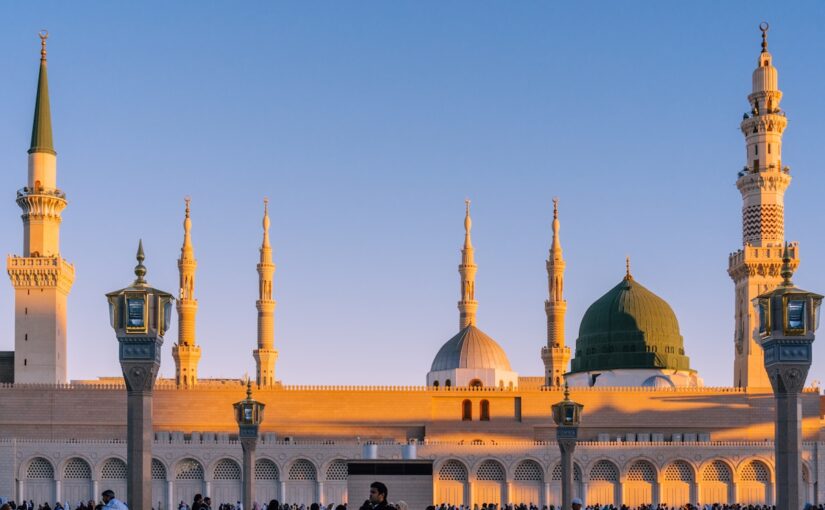
This naat carries a profound spiritual message that resonates with Muslims of all backgrounds. At its heart, the naat is about the ultimate desire to be close to the Prophet Muhammad (PBUH) and to live in the city of Madina.
The repeated request for “a small hut in Madina” is not about a physical dwelling. It is a metaphor for spiritual closeness. It represents the wish to be among the blessed ones who are near the Prophet in this life and the hereafter.
The naat also teaches us humility. The poet does not claim to be worthy or deserving. Instead, they admit their sins and shortcomings. But they hold on to one thing: the love of the Prophet (PBUH). They believe that this love is enough to bring them to the doorstep of mercy.
About Junaid Jamshed
Junaid Jamshed (1964-2016) was a Pakistani singer, songwriter and Islamic preacher. He first gained fame as the lead vocalist of the pop band Vital Signs in the 1980s and 1990s. After leaving the music industry, he dedicated his life to Islamic preaching and recording naats and nasheeds.
His naats, including Dono Jahan Ki, continue to inspire millions of people around the world. He passed away in a plane crash in 2016, but his legacy lives on through his beautiful Islamic recordings.
How to Recite Dono Jahan Ki
This naat is traditionally recited in a slow, emotional style. The melody is gentle and repetitive, making it easy to learn and remember. It is often recited at:
- Milad and Mehfil-e-Naat gatherings
- Islamic events and conferences
- Personal devotion and spiritual reflection
- Family gatherings during Ramadan and other blessed occasions
Conclusion
Dono Jahan Ki is more than just a naat. It is a heartfelt prayer, a declaration of love, and a humble request for the greatest gift a believer can hope for: closeness to the Prophet Muhammad (PBUH).
Whether you recite it in Arabic, Urdu or English, the message remains the same. The love of the Prophet is the light that guides us through both worlds.
*For more beautiful naat lyrics and translations, explore our collection of classic naats including Tajdar-e-Haram and Ya Mustafa.*