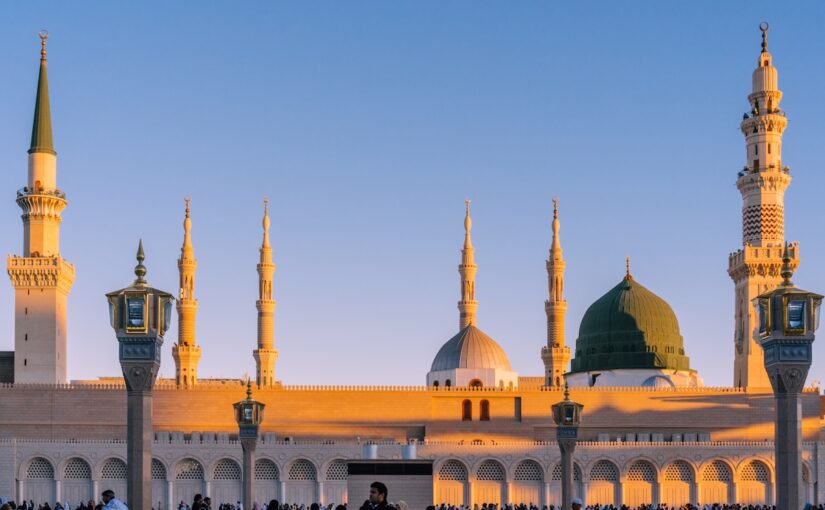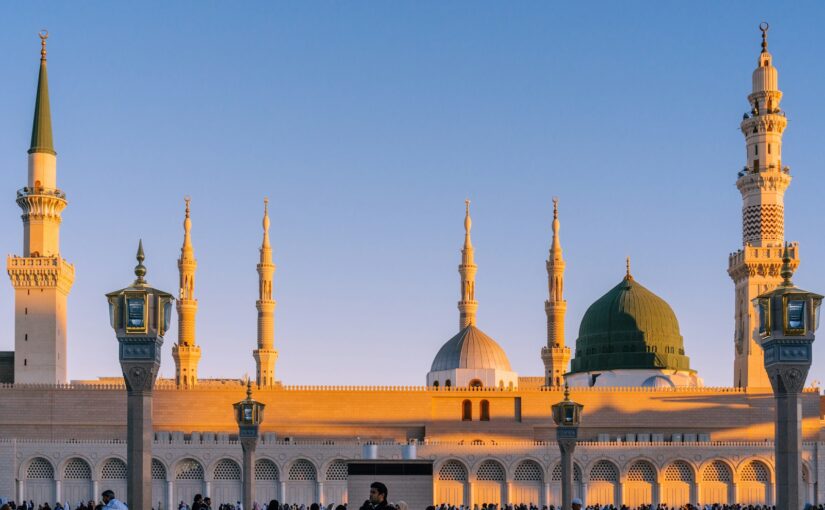
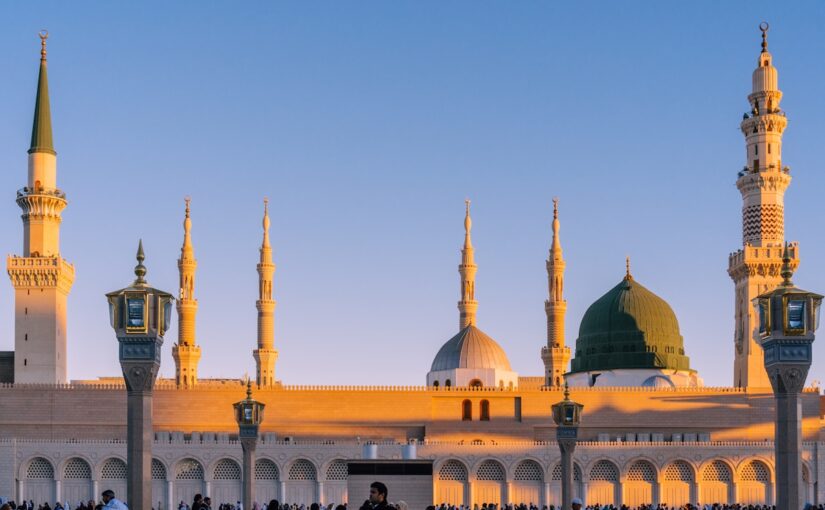
Mustafa Jaan-e-Rahmat (مصطفیٰ جانِ رحمت) — Full Naat Lyrics in Urdu, English Translation and Meaning

Mustafa Jaan-e-Rahmat (مصطفیٰ جانِ رحمت) — Full Naat Lyrics in Urdu, English Translation and Meaning

Mustafa Jaan-e-Rahmat (مصطفیٰ جانِ رحمت) is a soul-stirring naat that has become one of the most beloved devotional hymns in the Urdu-speaking Muslim world. Recited by the renowned Qari Waheed Zafar Qasmi, this naat is a heartfelt tribute to Prophet Muhammad (peace be upon him) — the Chosen One, the Beloved of Allah, and the very embodiment of mercy for all of creation.

The title itself is deeply meaningful. “Mustafa” (مصطفیٰ) means “the Chosen One” — one of the most cherished names of the Prophet Muhammad (PBUH). “Jaan-e-Rahmat” (جانِ رحمت) translates to “the soul of mercy.” Together, the phrase declares that the Prophet is not merely a bearer of mercy but the very soul and essence of mercy itself. This naat beautifully captures the Islamic belief that the Prophet’s arrival was the greatest mercy ever bestowed upon humanity.

In this article, you will find the complete Mustafa Jaan-e-Rahmat naat lyrics in Urdu (Arabic script), an English transliteration for those who cannot read Urdu, an English translation, and an exploration of the naat’s spiritual meaning and significance.

About the Naat “Mustafa Jaan-e-Rahmat”

Mustafa Jaan-e-Rahmat was composed and popularized by Qari Waheed Zafar Qasmi, a highly respected Islamic scholar and naat reciter from Pakistan. Qari Waheed Zafar Qasmi is known for his powerful yet soulful voice and his deep connection to the traditional style of naat recitation. His rendition of this naat has touched countless hearts around the world.

The naat celebrates the birth and life of Prophet Muhammad (PBUH) as a source of endless mercy for all of creation. It describes how the Prophet’s arrival illuminated the world — a light that continues to guide believers to this day. The recurring theme is that no one who ever came to the Prophet’s door returned empty-handed. His generosity, compassion, and mercy were boundless.

Mustafa Jaan-e-Rahmat is not just a poem — it is a declaration of love and a reminder of the Prophet’s exalted station. Every verse reinforces the Islamic understanding that the Prophet Muhammad (PBUH) was sent as a mercy to all the worlds (rahmatan lil-alameen), as stated in the Quran (Surah Al-Anbiya 21:107). The naat invites listeners to reflect on this divine mercy and to deepen their love for the Prophet.

For more beautiful naat lyrics, you can also explore Tajdar-e-Haram, Ya Nabi Salam Alaika, or Bhar Do Jholi Meri on our site.

The Spiritual Significance of Mustafa Jaan-e-Rahmat

The central message of Mustafa Jaan-e-Rahmat revolves around three key themes:

1. The Prophet as a Source of Light: The opening lines describe how the Prophet’s arrival caused a flower of light (noor ka phool) to bloom and shower mercy upon the world. This imagery is deeply rooted in Islamic tradition. The Quran describes the Prophet as a “light-giving lamp” (sirajun muneer). The naat captures this beautifully, reminding believers that the Prophet’s existence was a turning point in human history — darkness was replaced by light, and ignorance gave way to guidance.

2. The Boundless Mercy of the Prophet: The most powerful refrain of the naat is the affirmation that no one who came to the Prophet’s door ever left empty-handed. This is not just a historical statement — it is a living truth for believers. Through his teachings, his intercession (shafa’ah), and his ongoing spiritual presence, the Prophet continues to welcome those who turn to him with love and devotion. The naat encourages believers to place their hopes in the Prophet’s mercy and to seek his intercession.

3. Love for the Prophet as a Path to Allah: The naat naturally leads the listener to a state of love and longing for the Prophet. In Islamic spirituality, love for the Prophet is considered a sign of complete faith. By praising the Prophet’s attributes and describing the blessings he brought, Mustafa Jaan-e-Rahmat helps strengthen this bond of love, which is itself a form of worship.

You may also enjoy Saason Mein Hai Madina and Mujhko Madine Bula Lo, two other deeply moving naats that express longing for the Prophet and the blessed city of Madina.

Mustafa Jaan-e-Rahmat — Urdu Lyrics (مصطفیٰ جانِ رحمت — اردو lyrics)

مصطفیٰ جانِ رحمت کیا دنیا میں آیا
نور کا پھول کھل گیا، رحمت برسا دی

جو بھی آیا ترے در پر، خالی نہ گیا
مصطفیٰ جانِ رحمت، تیری کرم سے

تو وہ مہرباں ہے کہ جس نے سب کو سنبھالا
ہر ایک بے سہارا کو اپنا بنایا

تیرے در پہ جو آیا، اس کو کچھ نہ ملا کیا
تونے تو سب کو دولتِ ایمان سے نوازا

مصطفیٰ جانِ رحمت کیا دنیا میں آیا
نور کا پھول کھل گیا، رحمت برسا دی

تیرے قدموں کی برکت سے بخشش ہوئی ہماری
تیری اُمت کو تونے بخشش کا پروانہ دیا

جو بھی آیا ترے در پر، خالی نہ گیا
مصطفیٰ جانِ رحمت، تیری کرم سے

اے شفیع المذنبین، اے رحمت للعالمین
تیرے صدقے میں ہم سب کو معاف فرما دیں

مصطفیٰ جانِ رحمت کیا دنیا میں آیا
نور کا پھول کھل گیا، رحمت برسا دی

جو بھی آیا ترے در پر، خالی نہ گیا
مصطفیٰ جانِ رحمت، تیری کرم سے

Mustafa Jaan-e-Rahmat — English Transliteration

Mustafa Jaan-e-Rahmat kya duniya mein aaya
Noor ka phool khil gaya, rahmat barsa di

Jo bhi aaya tere dar par, khaali na gaya
Mustafa Jaan-e-Rahmat, teri karam se

Tu woh meharbaan hai ke jis ne sab ko sambhala
Har ek be-sahara ko apna banaya

Tere dar pe jo aaya, usko kuch na mila kya
Tu ne toh sab ko daulat-e-iman se nawaza

Mustafa Jaan-e-Rahmat kya duniya mein aaya
Noor ka phool khil gaya, rahmat barsa di

Tere qadmon ki barkat se bakhshish hui hamari
Terri ummat ko tu ne bakhshish ka parwana diya

Jo bhi aaya tere dar par, khaali na gaya
Mustafa Jaan-e-Rahmat, teri karam se

Ae shafi al-muznibeen, ae rahmat lil-alameen
Tere sadqe mein hum sab ko muaf farma den

Mustafa Jaan-e-Rahmat kya duniya mein aaya
Noor ka phool khil gaya, rahmat barsa di

Jo bhi aaya tere dar par, khaali na gaya
Mustafa Jaan-e-Rahmat, teri karam se

Mustafa Jaan-e-Rahmat — English Translation

Mustafa, the soul of mercy, came into this world
A flower of light bloomed, and mercy showered down

Whoever came to your door did not return empty-handed
Mustafa, the soul of mercy, through your grace

You are the compassionate one who sheltered everyone
You made every helpless soul your own

Did anyone who came to your door leave with nothing?
You blessed everyone with the wealth of faith

Mustafa, the soul of mercy, came into this world
A flower of light bloomed, and mercy showered down

Through the blessing of your footsteps, we were forgiven
To your nation, you gave the charter of forgiveness

Whoever came to your door did not return empty-handed
Mustafa, the soul of mercy, through your grace

O intercessor for the sinners, O mercy for the worlds
For your sake, forgive us all

Mustafa, the soul of mercy, came into this world
A flower of light bloomed, and mercy showered down

Whoever came to your door did not return empty-handed
Mustafa, the soul of mercy, through your grace

The Legacy of Qari Waheed Zafar Qasmi

Qari Waheed Zafar Qasmi is a prominent figure in the world of Islamic naat recitation. Born in Pakistan, he is both a Qari (expert in Quranic recitation) and a naat reciter. His style is characterized by a powerful voice, precise pronunciation, and a deep emotional resonance that connects listeners to the spiritual meaning of the words.

Mustafa Jaan-e-Rahmat is considered one of his signature recitations. The naat’s simple yet profound lyrics, combined with Qari Waheed Zafar Qasmi’s moving delivery, have made it a staple at religious gatherings, milads, and naat programs across the world. It continues to be passed down through generations, recited in homes and mosques alike.

The naat also reflects the rich tradition of Urdu naat poetry, which draws from centuries of Islamic devotional literature. The genre combines classical Urdu poetic forms with Islamic themes, creating a unique art form that is both spiritually uplifting and culturally significant.

For those who appreciate heartfelt naats, we also recommend reading Shah-e-Madina Yaad Aa Rahe Hain or Madani Tasveer, both available with complete lyrics and translations on this site.

Why Mustafa Jaan-e-Rahmat Resonates with Millions

What makes Mustafa Jaan-e-Rahmat so beloved is its accessibility. The language is simple yet profound. It does not require deep knowledge of Islamic theology to understand — anyone can feel its message of love, mercy, and hope. The naat speaks directly to the heart, reminding every believer that the Prophet’s mercy is always available to those who seek it.

The line “Jo bhi aaya tere dar par, khaali na gaya” (Whoever came to your door did not return empty-handed) has become especially iconic. It offers hope to the hopeless and comfort to those in distress. In a world full of uncertainty, this message of unconditional mercy is a source of tremendous spiritual strength.

The naat also beautifully captures the Islamic concept of shafa’ah (intercession). Muslims believe that the Prophet Muhammad (PBUH) will intercede for his nation on the Day of Judgment. The final verse of the naat directly invokes this intercession, asking for forgiveness for the sake of the Prophet. This gives believers a sense of hope and reassurance about their spiritual fate.

If you enjoy exploring naat lyrics and their meanings, check out Mera Dil Badal De for another powerful devotional hymn.

Final Thoughts

Mustafa Jaan-e-Rahmat by Qari Waheed Zafar Qasmi is more than just a naat — it is a spiritual experience. Its words carry the weight of centuries of Islamic tradition while speaking directly to the hearts of modern believers. Whether you recite it in solitude or hear it in a gathering, it has the power to transform your state of mind and bring you closer to the love of the Prophet Muhammad (PBUH).

We hope this article has helped you connect more deeply with this beautiful naat. Bookmark this page so you can return to the lyrics and translations whenever you need spiritual inspiration. Share it with friends and family so they too can benefit from the message of mercy that Mustafa Jaan-e-Rahamt carries.

And remember — just as the naat says, the door of the Prophet is never closed. No one who comes to it with love and sincerity ever leaves empty-handed.


Ya Tayyaba (یا طیبہ) — Full Naat Lyrics in Urdu, English Translation and Meaning

“Ya Tayyaba” is a beautiful and heartfelt naat that praises Prophet Muhammad (peace be upon him) by calling upon his pure and blessed name. “Tayyab” means pure, good, and pleasant. When we say “Ya Tayyaba,” we are addressing the Prophet with love and reverence, acknowledging his pure character and noble nature. This naat is recited across the Muslim world, especially in South Asia, during gatherings of love for the Prophet.

Background of Ya Tayyaba

The naat “Ya Tayyaba” is believed to have been written by a revered poet in the praise of the Prophet Muhammad. It has been sung by many famous naat khwans over the years. The lyrics express a deep longing to be in the presence of the Prophet and a desire to visit his blessed city, Madinah. The naat is particularly popular at Milad un-Nabi gatherings and weekly naat meetings.

The poem uses simple but powerful language. It calls the Prophet “Tayyaba” and “Muttaqi” (the pious one), asking him to look upon the one who recites the naat with mercy. It speaks about the pain of separation from Madinah and the hope of being granted a visit to the Prophet’s mosque.

Ya Tayyaba — Full Naat Lyrics in Urdu

Verse 1:

یا طیبہ یا طیبہ یا متقی
دیکھو ہمیں اک نظر یا متقی

Verse 2:

آقا کی نگری میں جاگے ہیں لوگ
راتیں گزرتی ہیں ذکر میں
دل چاہے اب تو چلیں اس طرف
دیکھیں وہ گلیاں وہ گنبد سبز

Verse 3:

یا طیبہ یا طیبہ یا متقی
دیکھو ہمیں اک نظر یا متقی

Verse 4:

ہجر مدینہ کا غم ہے بہت
آنکھوں میں ہے اشکباری سدا
آؤ ہم سب مدینہ چلیں
دیکھیں وہ جلوۂ مصطفیٰ

Verse 5:

یا طیبہ یا طیبہ یا متقی
دیکھو ہمیں اک نظر یا متقی

Verse 6:

دنیا کی فکر میں کھو گئے
غافل ہوئے ہم مدینہ سے
اب تو عنایت کا در کھول دے
بخشش کا پیغام دے یا نبی

Verse 7:

یا طیبہ یا طیبہ یا متقی
دیکھو ہمیں اک نظر یا متقی

Ya Tayyaba — English Translation

Verse 1:

O Pure One, O Pure One, O Pious One
Cast a single glance upon us, O Pious One

Verse 2:

In the city of the Master, people are awake
Nights pass in His remembrance
Now my heart desires to go that way
To see those streets and that green dome

Verse 3:

O Pure One, O Pure One, O Pious One
Cast a single glance upon us, O Pious One

Verse 4:

The pain of separation from Madinah is immense
My eyes are always filled with tears
Come, let us all go to Madinah
And witness the splendour of Mustafa

Verse 5:

O Pure One, O Pure One, O Pious One
Cast a single glance upon us, O Pious One

Verse 6:

We got lost in the worries of this world
We became neglectful of Madinah
Now open the door of Your kindness
Send a message of forgiveness, O Prophet

Verse 7:

O Pure One, O Pure One, O Pious One
Cast a single glance upon us, O Pious One

Spiritual Meaning and Significance

The naat “Ya Tayyaba” carries deep spiritual meaning. It reflects the love and longing that a believer feels for the Prophet Muhammad. The phrase “Ya Tayyaba” itself is an acknowledgment that the Prophet is pure in his character, his lineage, and his message.

The repeated request “cast a single glance upon us” shows the humility of the believer. We are asking not for wealth or status, but simply for the Prophet’s attention and intercession. In Islamic tradition, a single glance from the Prophet can change a person’s life and bring them closer to Allah.

The mention of Madinah and the green dome is a powerful symbol. For Muslims, Madinah is not just a city. It is the city of the Prophet, a place of peace and blessing. The green dome marks the resting place of the Prophet, and seeing it is a deeply emotional experience for pilgrims.

The verse about being “lost in the worries of this world” reminds us of the importance of spiritual connection. It is easy to get caught up in daily life and forget our purpose. This naat calls us back to what truly matters: love for the Prophet and hope for forgiveness.

When to Recite Ya Tayyaba

This naat is suitable for many occasions:

  • Milad un-Nabi celebrations
  • Weekly naat gatherings and mehfils
  • Personal devotion and meditation
  • Travel to Madinah for Umrah or Hajj
  • As a lullaby for children to instil love for the Prophet

The simple and repetitive structure makes it easy to memorise. Many children in Islamic schools learn this naat as one of their first poems in praise of the Prophet.

Similar Naats You May Like

If you enjoyed “Ya Tayyaba,” you may also like these naats on our site:

Final Words

“Ya Tayyaba” is a naat that stays with you. Its melody is gentle, its words are simple, and its meaning is profound. Whether you recite it alone or in a gathering, it brings a sense of peace and connection to the Prophet. We hope these lyrics and translation help you understand and appreciate this beautiful poem.

Allah Hoo – Complete Naat Lyrics in Urdu with English Translation and Spiritual Meaning

“Allah Hoo” is one of the most famous and spiritually powerful naats in Islamic history. This timeless Sufi kalam (poetry) is a beautiful expression of divine love and the remembrance of Allah. The phrase “Allah Hoo” itself is a form of dhikr (remembrance of God) that resonates deeply within the hearts of believers.

The naat has been recited by countless artists across the world, most famously by the legendary Pakistani singer Nusrat Fateh Ali Khan and later by many others including Qawwal groups and naat khwans. Its universal message of love for the Creator transcends borders and languages, making it one of the most recognised Islamic devotional songs globally.

About the Naat “Allah Hoo”

“Allah Hoo” belongs to the tradition of Sufi poetry that focuses on the love and remembrance of Allah. Unlike naats that specifically praise the Prophet Muhammad (peace be upon him), this kalam is a hamd a piece of poetry directly addressed to Allah, celebrating His names, attributes and boundless mercy.

The repetition of “Allah Hoo” throughout the naat serves as a meditative dhikr, helping listeners focus their hearts and minds on the divine presence. The poetry weaves together themes of divine love, spiritual longing, and the soul’s eternal connection with its Creator.

The naat is particularly popular in South Asia, where it is recited in mosques, mehfils (religious gatherings) and during the month of Ramadan. Its soulful melody and profound lyrics have made it a staple of Islamic spiritual music.

Allah Hoo – Urdu Lyrics

اللہ ہو اللہ ہو
اللہ ہو اللہ ہو
اللہ ہو اللہ ہو
اللہ ہو اللہ ہو

تیرے عشق کی انتہا چاہتا ہوں
مری زندگی تیری رضا چاہتا ہوں

اللہ ہو اللہ ہو
اللہ ہو اللہ ہو

ترے در پہ آ کے میں نے جانا
کہ تیرے سوا کوئی سہارا نہیں ہے

اللہ ہو اللہ ہو
اللہ ہو اللہ ہو

مرے دل میں تو ہے تیری ہی محبت
مری آنکھوں میں تیرا ہی نظارہ ہے

اللہ ہو اللہ ہو
اللہ ہو اللہ ہو

جو بھی تجھ کو پانا چاہے
اس کو دنیا سے بیگانہ ہونا پڑے گا

اللہ ہو اللہ ہو
اللہ ہو اللہ ہو

تیرا ذکر ہے میری زبان کا سرمایہ
تیری حمد ہے میری کہانی کا عنوان

اللہ ہو اللہ ہو
اللہ ہو اللہ ہو

ہر سانس میں تیرا نام ہے یا رب
ہر دھڑکن میں تیرا پیغام ہے یا رب

اللہ ہو اللہ ہو
اللہ ہو اللہ ہو

Allah Hoo – English Translation

Verse 1 (Chorus):
Allah Hoo, Allah Hoo

Verse 2:
I seek the ultimate limit of Your love
My life, I wish for Your pleasure alone

Chorus:
Allah Hoo, Allah Hoo

Verse 3:
Coming to Your door, I have come to realise
That there is no support besides You

Chorus:
Allah Hoo, Allah Hoo

Verse 4:
In my heart there is only Your love
In my eyes there is only Your vision

Chorus:
Allah Hoo, Allah Hoo

Verse 5:
Whoever wishes to find You
Must become detached from the world

Chorus:
Allah Hoo, Allah Hoo

Verse 6:
Your remembrance is the treasure of my tongue
Your praise is the title of my story

Chorus:
Allah Hoo, Allah Hoo

Verse 7:
In every breath is Your name, O Lord
In every heartbeat is Your message, O Lord

Chorus:
Allah Hoo, Allah Hoo

Spiritual Meaning and Significance

The naat “Allah Hoo” is far more than a poem set to music. It is a spiritual practice in itself. The word “Hoo” in Arabic and Persian mysticism represents the essence of the Divine the unseen, the unknowable, the absolute reality of Allah. When a believer repeats “Allah Hoo,” they are not just saying a word; they are calling upon the very essence of God.

The verses express a profound spiritual journey. The poet begins by declaring the desire for the ultimate limit of divine love a love so complete that nothing else matters. This is the goal of every seeker on the spiritual path: to reach a state where the love of Allah fills every corner of the heart and every moment of life is lived in pursuit of His pleasure.

The lines about finding no support except at Allah’s door reflect the core Islamic belief in tawheed (the oneness of God). Everything else is temporary and unreliable. Only Allah is the true source of strength, guidance and mercy. This verse speaks to the humility that comes from true faith the recognition that we are nothing without Him.

The verse about becoming detached from the world to find Allah echoes the Sufi concept of zuhd (detachment). This does not mean abandoning the world entirely, but rather not being attached to worldly things in a way that distracts from the remembrance of God. It is about prioritising the eternal over the temporary.

Why “Allah Hoo” Is So Beloved

Several factors contribute to the enduring popularity of this naat:

  • Universal appeal: The message is simple and powerful, focusing on the love of Allah rather than specific historical events or figures. This makes it accessible to all Muslims regardless of sect or background.
  • Meditative quality: The repetition of “Allah Hoo” creates a rhythmic, meditative effect that helps listeners enter a state of spiritual reflection and peace.
  • Powerful renditions: The naat has been performed by legendary artists whose soulful voices have brought the words to life in unforgettable ways.
  • Emotional connection: The poetry speaks directly to the heart, expressing feelings of love, longing and devotion that every believer can relate to.
  • Ramadan connection: The naat is especially popular during Ramadan and other spiritual occasions, when hearts are more open to worship and remembrance.

Frequently Asked Questions

Who wrote the Allah Hoo naat?

The origins of “Allah Hoo” trace back to the Sufi tradition of South Asia. The exact poet is not always credited, as the kalam has been passed down through generations of Sufi practitioners. It is considered part of the collective spiritual heritage of Islamic mysticism.

What does “Hoo” mean in Allah Hoo?

“Hoo” (ہُو) is an Arabic pronoun meaning “He” and refers to Allah in the context of divine essence. In Sufi terminology, “Hoo” represents the unknowable, absolute reality of God. It is a name that transcends all attributes and descriptions.

Is Allah Hoo a naat or a qawwali?

“Allah Hoo” can be classified as both a naat and a hamd (praise of Allah). In the Sufi tradition, it is often performed as qawwali, but it is also recited as a naat in religious gatherings. The classification depends on the context and the style of performance.

When is the best time to recite Allah Hoo?

The naat can be recited at any time, but like all forms of dhikr, it is especially recommended after prayers, during the early morning hours (tahajjud time) and during Islamic holy months like Ramadan.

Conclusion

“Allah Hoo” is a timeless piece of Islamic devotional poetry that continues to inspire and uplift millions of believers around the world. Its simple yet profound message of divine love and remembrance transcends cultural and linguistic boundaries, reminding us of the ultimate purpose of our existence: to know, love and remember our Creator.

Whether you recite it as a form of dhikr, listen to it for spiritual comfort, or reflect on its meaning for deeper understanding, “Allah Hoo” offers a doorway into the beautiful world of Islamic spirituality. May the remembrance of Allah bring peace to your heart and light to your soul. Ameen.

Labbaik Ya Rasool Allah (لبیک یا رسول اللہ) — Full Naat Lyrics in Urdu, English Translation and Meaning

“Labbaik Ya Rasool Allah (لبیک یا رسول اللہ)” is one of the most beloved and frequently recited naats in the Islamic world. This soul-stirring poem, famously rendered by Owais Raza Qadri, expresses a devotee’s deep love and longing for Prophet Muhammad ﷺ. The phrase “Labbaik Ya Rasool Allah” means “Here I am, O Messenger of Allah” — a powerful declaration of readiness, devotion, and submission to the beloved Prophet. This naat is a staple at milad gatherings, naat evenings, and spiritual assemblies worldwide.

Background and Significance

The phrase “Labbaik” is famously associated with the Hajj pilgrimage, where pilgrims proclaim “Labbaik Allahumma Labbaik” (Here I am, O Allah, here I am). By adapting this sacred call and directing it to the Prophet ﷺ, the naat “Labbaik Ya Rasool Allah” creates a profound link between the devotion of Hajj and the love for the Prophet. It suggests that just as a pilgrim answers the call of Allah, a believer answers the call of His Messenger.

Owais Raza Qadri, a renowned naat khawan from Pakistan, popularised this naat through his heartfelt renditions. His style blends traditional Islamic poetry with a melodious, accessible delivery that resonates with audiences of all ages. The naat has been performed at countless religious gatherings and has been covered by many artists, becoming a timeless classic in the genre of Islamic devotional poetry.

The central theme of “Labbaik Ya Rasool Allah” is the believer’s unwavering love and devotion to the Prophet Muhammad ﷺ. The lyrics speak of coming to Madinah with an open heart, answering the call of the beloved, and finding spiritual peace in the presence of the Prophet. It reflects the deep emotional connection that Muslims feel toward their Prophet — a love that transcends time and space.

Full Urdu Lyrics (مکمل اردو کلام)

Below are the complete lyrics of “Labbaik Ya Rasool Allah” in Urdu script:

لبیک یا رسول اللہ، لبیک یا رسول اللہ

مدینے کی گلیوں میں، چلا ہوں میں سر برہنہ
لبیک یا رسول اللہ، لبیک یا رسول اللہ

در و بام نے پکارا، تجھے اے سخی مدینہ
لبیک یا رسول اللہ، لبیک یا رسول اللہ

تری خاک بھی ہے شفا، تری چاک بھی ہے بینا
لبیک یا رسول اللہ، لبیک یا رسول اللہ

مری جان و دل پہ چھائی، مدینہ کی ہر ادا ہے
لبیک یا رسول اللہ، لبیک یا رسول اللہ

جو تیرے در پہ آیا، وہ کبھی نہ خالی جایا
لبیک یا رسول اللہ، لبیک یا رسول اللہ

یہ مانگی ہے تمنا، تمہارے در کی ٹھوکر
لبیک یا رسول اللہ، لبیک یا رسول اللہ

مرے دل کی ہر دھڑکن، ہے تیرا ہی نام لیتی
لبیک یا رسول اللہ، لبیک یا رسول اللہ

تمہیں یاد کر کے رونا، ہے میری عبادت
لبیک یا رسول اللہ، لبیک یا رسول اللہ

کرم کا ہے اک سہارا، ترے در کے ہو گیا میں
لبیک یا رسول اللہ، لبیک یا رسول اللہ

مدینے سے ہے نسبت، یہی میری پہچان ہے
لبیک یا رسول اللہ، لبیک یا رسول اللہ

Roman English Transliteration

For readers who cannot read Urdu script, here is the Roman English transliteration:

Labbaik Ya Rasool Allah, Labbaik Ya Rasool Allah

Madine ki galiyon mein, chala hoon main sar barehna
Labbaik Ya Rasool Allah, Labbaik Ya Rasool Allah

Dar o baam ne pukara, tujhe aye sakhi Madina
Labbaik Ya Rasool Allah, Labbaik Ya Rasool Allah

Terri khaak bhi hai shifa, terri chaak bhi hai beena
Labbaik Ya Rasool Allah, Labbaik Ya Rasool Allah

Meri jaan o dil pe chhai, Madina ki har ada hai
Labbaik Ya Rasool Allah, Labbaik Ya Rasool Allah

Jo tere dar pe aaya, wo kabhi na khaali jaaya
Labbaik Ya Rasool Allah, Labbaik Ya Rasool Allah

Yeh maangi hai tamanna, tumhare dar ki thokar
Labbaik Ya Rasool Allah, Labbaik Ya Rasool Allah

Mere dil ki har dhadkan, hai tera hi naam leti
Labbaik Ya Rasool Allah, Labbaik Ya Rasool Allah

Tumhein yaad kar ke rona, hai meri ibadat
Labbaik Ya Rasool Allah, Labbaik Ya Rasool Allah

Karam ka hai ek sahaara, tere dar ke ho gaya main
Labbaik Ya Rasool Allah, Labbaik Ya Rasool Allah

Madine se hai nisbat, yahi meri pehchaan hai
Labbaik Ya Rasool Allah, Labbaik Ya Rasool Allah

English Translation (Verse by Verse)

Verse 1: Labbaik Ya Rasool Allah, Labbaik Ya Rasool Allah — Here I am, O Messenger of Allah, here I am, O Messenger of Allah

Verse 2: Madine ki galiyon mein, chala hoon main sar barehna — Through the streets of Madinah, I walk with my head uncovered (in humility)
Labbaik Ya Rasool Allah, Labbaik Ya Rasool Allah — Here I am, O Messenger of Allah

Verse 3: Dar o baam ne pukara, tujhe aye sakhi Madina — Every door and wall has called out to you, O generous one of Madinah
Labbaik Ya Rasool Allah, Labbaik Ya Rasool Allah — Here I am, O Messenger of Allah

Verse 4: Terri khaak bhi hai shifa, terri chaak bhi hai beena — Your dust is a cure, even your torn garment brings sight (spiritual vision)
Labbaik Ya Rasool Allah, Labbaik Ya Rasool Allah — Here I am, O Messenger of Allah

Verse 5: Meri jaan o dil pe chhai, Madina ki har ada hai — Every manner of Madinah has captured my heart and soul
Labbaik Ya Rasool Allah, Labbaik Ya Rasool Allah — Here I am, O Messenger of Allah

Verse 6: Jo tere dar pe aaya, wo kabhi na khaali jaaya — Whoever comes to your doorstep never leaves empty-handed
Labbaik Ya Rasool Allah, Labbaik Ya Rasool Allah — Here I am, O Messenger of Allah

Verse 7: Yeh maangi hai tamanna, tumhare dar ki thokar — This is my only wish: to stumble at your doorstep (to fall prostrate at your threshold)
Labbaik Ya Rasool Allah, Labbaik Ya Rasool Allah — Here I am, O Messenger of Allah

Verse 8: Mere dil ki har dhadkan, hai tera hi naam leti — Every beat of my heart takes your name
Labbaik Ya Rasool Allah, Labbaik Ya Rasool Allah — Here I am, O Messenger of Allah

Verse 9: Tumhein yaad kar ke rona, hai meri ibadat — Crying while remembering you is my worship
Labbaik Ya Rasool Allah, Labbaik Ya Rasool Allah — Here I am, O Messenger of Allah

Verse 10: Karam ka hai ek sahaara, tere dar ke ho gaya main — By Your grace, I have become attached to your doorstep
Labbaik Ya Rasool Allah, Labbaik Ya Rasool Allah — Here I am, O Messenger of Allah

Verse 11: Madine se hai nisbat, yahi meri pehchaan hai — My connection to Madinah is my true identity
Labbaik Ya Rasool Allah, Labbaik Ya Rasool Allah — Here I am, O Messenger of Allah

Themes and Meaning

“Labbaik Ya Rasool Allah” is more than just a naat — it is a spiritual journey expressed through poetry. Several key themes emerge from the verses:

Unconditional Love and Devotion: The refrain “Labbaik Ya Rasool Allah” echoes throughout the naat like a heartbeat. It represents the believer’s unconditional response to the call of the Prophet. Just as a pilgrim responds “Labbaik” to Allah during Hajj, the devotee here responds to the spiritual call of the beloved Prophet ﷺ.

Humility and Self-Surrender: The imagery of walking through Madinah’s streets “with an uncovered head” (sar barehna) is a powerful symbol of humility. In Eastern tradition, covering one’s head is a sign of respect; walking bareheaded signifies complete surrender and vulnerability before the beloved.

Madinah as a Sanctuary: The entire city of Madinah is portrayed as a place of spiritual healing. The dust of Madinah is described as “shifa” (cure), echoing the hadith that the soil of Madinah has healing properties. Even the walls and doors of Madinah call out to the believer, welcoming them to the city of the Prophet.

Call and Response Structure: The naat follows a distinctive call-and-response pattern. Each verse describes a different aspect of love and longing for the Prophet, and each is answered by the powerful refrain “Labbaik Ya Rasool Allah.” This structure makes the naat easy to remember and deeply engaging for listeners, who naturally join in with the refrain during gatherings.

Hope and Generosity: The verse “Jo tere dar pe aaya, wo kabhi na khaali jaaya” (Whoever comes to your doorstep never leaves empty-handed) reflects the Islamic belief in the Prophet’s ﷺ intercession and generosity. It gives hope to believers that their prayers and supplications made through love of the Prophet will not go unanswered.

Why This Naat Matters

“Labbaik Ya Rasool Allah” holds a special place in Islamic devotional tradition for several reasons:

  • Emotional Connection: Its simple yet profound lyrics create an immediate emotional connection with listeners. The repetition of “Labbaik Ya Rasool Allah” allows even those who do not understand Arabic or Urdu to participate in the devotion.
  • Bridge Between Cultures: The naat bridges Arabic Islamic tradition (the word “Labbaik” from Hajj) with Urdu devotional poetry, creating a unique fusion that appeals to South Asian Muslims while remaining rooted in classical Islamic concepts.
  • Spiritual Preparation: Many believers listen to this naat when preparing for Umrah or Hajj, or simply to connect spiritually with the Prophet ﷺ in their daily lives.
  • Community Bonding: The call-and-response nature makes it a staple at milad gatherings, where the entire congregation joins in the refrain, creating a powerful sense of unity and collective devotion.

In essence, this naat is a love letter to the Prophet Muhammad ﷺ — a declaration that the believer is always ready, always present, and always devoted. It reminds us that the love of the Prophet is not just a feeling but a call to action: to be humble, to seek knowledge, to serve others, and to constantly strive to be worthy of his intercession.

More Naat Lyrics You Might Like

If you enjoyed “Labbaik Ya Rasool Allah,” you may also like these naat lyrics:

Conclusion

“Labbaik Ya Rasool Allah (لبیک یا رسول اللہ)” is a timeless naat that continues to inspire millions around the world. Its powerful refrain, profound meaning, and emotional depth make it a true gem of Islamic devotional poetry. Whether recited in solitude or sung in congregation, this naat serves as a reminder of the believer’s eternal connection to the Prophet Muhammad ﷺ — a connection that transcends time, space, and language.

May we all be blessed to visit the blessed city of Madinah and answer the call of the beloved Prophet ﷺ with a sincere “Labbaik.” Ameen.

Mujhe Le Chal Madina (مجھے لے چل مدینہ) — Full Naat Lyrics in Urdu, English Translation and Meaning

Mujhe Le Chal Madina is a beautiful and emotional naat that expresses a deep longing to visit the city of Madina and the blessed mosque of the Prophet Muhammad (peace be upon him). This naat captures the love and yearning that millions of Muslims feel for Madina. In this article, you will find the full lyrics in Urdu, roman English transliteration and the English translation with meaning.

About the Naat

Mujhe Le Chal Madina is a popular naat recited by various naat khwans across the world. The lyrics speak from the heart of a believer who desperately wants to visit the holy city of Madina and offer salaam at the blessed resting place of the Prophet (PBUH). The naat highlights the spiritual connection that Muslims have with Madina and the desire to be in the presence of the Prophet.

The theme of this naat revolves around love for the Prophet Muhammad (PBUH) and the sacred city of Madina. It reminds us of the blessings of visiting the Prophet’s Mosque and the peace that fills the heart when one thinks of Madina.

If you enjoy this naat, you may also like reading Meri Zindagi Hai Madina, another beautiful naat about the love for Madina.

Mujhe Le Chal Madina — Urdu Lyrics (مجھے لے چل مدینہ)

مجھے لے چل مدینہ یا رسول اللہ ﷺ
تری محبتوں میں ڈبو دے یا رسول اللہ ﷺ

مدینہ جانے کو جی کرتا ہے
مدینہ جانے کو دل چاہے
مدینے والے سے ملنے کو
مرا دل بے قرار آئے

مجھے لے چل مدینہ یا رسول اللہ ﷺ
تری محبتوں میں ڈبو دے یا رسول اللہ ﷺ

نظر آئے گا جب مدینہ
تو آنکھیں نم ہو جائیں گی
حرم کا دیدار ہوگا تو
دعائیں لب پہ آئیں گی

مجھے لے چل مدینہ یا رسول اللہ ﷺ
تری محبتوں میں ڈبو دے یا رسول اللہ ﷺ

وہاں گنبد خضریٰ کا سایہ
ہر اک مومن پہ ہے
وہ بخشش کا سامان لے جاتا ہے

مجھے لے چل مدینہ یا رسول اللہ ﷺ
تری محبتوں میں ڈبو دے یا رسول اللہ ﷺ

یہ دنیا ایک فانی ہے
کسی کو ساتھ لے کر نہیں جانی
مدینے جا کے بس جاؤں
یہی ہے آرزو میری

مجھے لے چل مدینہ یا رسول اللہ ﷺ
تری محبتوں میں ڈبو دے یا رسول اللہ ﷺ

Roman English Transliteration

Mujhe le chal Madina ya Rasool Allah ﷺ
Teri mohabbaton mein dooba de ya Rasool Allah ﷺ

Madina jaane ko ji karta hai
Madina jaane ko dil chahe
Madine waley se milne ko
Mera dil beqarar aaye

Mujhe le chal Madina ya Rasool Allah ﷺ
Teri mohabbaton mein dooba de ya Rasool Allah ﷺ

Nazar aayega jab Madina
To aankhen nam ho jayengi
Haram ka deedar hoga to
Duaen lab pe aayengi

Mujhe le chal Madina ya Rasool Allah ﷺ
Teri mohabbaton mein dooba de ya Rasool Allah ﷺ

Wahan gumbad-e-khazra ka saya
Har ek momin par hai
Madine mein jo bhi jaata hai
Woh bakhshish ka samaan le jaata hai

Mujhe le chal Madina ya Rasool Allah ﷺ
Teri mohabbaton mein dooba de ya Rasool Allah ﷺ

Yeh duniya aik faani hai
Kisi ko saath le kar nahi jaani
Madine ja ke bas jaoon
Yahi hai aarzoo meri

Mujhe le chal Madina ya Rasool Allah ﷺ
Teri mohabbaton mein dooba de ya Rasool Allah ﷺ

English Translation

Take me to Madina, O Messenger of Allah ﷺ
Immerse me in Your love, O Messenger of Allah ﷺ

My heart yearns to go to Madina
My soul desires to go to Madina
To meet the one who resides in Madina
My heart becomes restless

Take me to Madina, O Messenger of Allah ﷺ
Immerse me in Your love, O Messenger of Allah ﷺ

When Madina comes into sight
My eyes will fill with tears
When I see the sacred Haram
Supplications will flow from my lips

Take me to Madina, O Messenger of Allah ﷺ
Immerse me in Your love, O Messenger of Allah ﷺ

The shade of the Green Dome
Covers every believer there
Whoever goes to Madina
Carries with them the means of forgiveness

Take me to Madina, O Messenger of Allah ﷺ
Immerse me in Your love, O Messenger of Allah ﷺ

This world is temporary
No one can take anyone along
To settle in Madina forever
That is my only wish

Take me to Madina, O Messenger of Allah ﷺ
Immerse me in Your love, O Messenger of Allah ﷺ

Meaning and Background

The naat “Mujhe Le Chal Madina” is a heartfelt appeal to the Prophet Muhammad (PBUH) to be taken to the blessed city of Madina. The poet expresses a deep spiritual longing that many Muslims feel. Madina is not just a city; it is the home of the Prophet’s Mosque, the place where the early Muslim community was established and the final resting place of the Prophet (PBUH).

The repeated refrain “Ya Rasool Allah” shows the direct address to the Prophet, expressing love and devotion. The mention of the Green Dome refers to the iconic green dome built over the Prophet’s tomb in Masjid al-Nabawi.

The naat also carries a message about the temporary nature of this world. The poet says that this world is temporary and nothing can be taken with us. The ultimate wish is to settle in Madina and be close to the Prophet (PBUH). This reflects the Islamic belief that the love of the Prophet is central to faith.

For more beautiful naats, check out Madina Jaane Ko Dil Karta Hai and Mere Dil Mein Hai Madina.

When to Recite This Naat

Mujhe Le Chal Madina is often recited at Milad gatherings, during Islamic events and at naat competitions. It is also a favourite for personal recitation, especially when someone is preparing for Umrah or Hajj. The emotional tone of the naat makes it suitable for gatherings where the love of the Prophet (PBUH) is celebrated.

You can find many beautiful renditions of this naat on YouTube and Islamic audio platforms. Different reciters bring their own style and emotion to the verses, making each version unique.

For another naat about Madina, you may enjoy Dil Hai Madine Chal.

Mere Aaqa Lyrics in Urdu – میرا آقا کا نعت کلام (Full Translation & Meaning)

Introduction

Mere Aaqa” (میرے آقا) is a deeply emotional and soul-stirring naat in praise of Prophet Muhammad ﷺ. The phrase “Mere Aaqa” translates to “My Master” or “My Lord” — a term of profound love and reverence that a believer addresses to the beloved Prophet. This naat expresses the longing, devotion, and unconditional love that Muslims hold for Rasulullah ﷺ.

The naat speaks of the Prophet as the ultimate source of guidance, mercy, and intercession. Its verses capture the essence of Ishq-e-Rasool — the love for the Prophet — and remind the listener of the spiritual connection that transcends time and space. The lyrics are a heartfelt plea for the Prophet’s intercession and a declaration of unwavering faith.

This beautiful naat is recited in various styles across the Muslim world, often in gatherings of Milad and Qawwali. Its simple yet powerful words make it accessible to people of all ages, allowing everyone to join in the praise of the Greatest of Creation, Sayyidina Muhammad ﷺ.

Urdu Lyrics — میرے آقا کا نعت کلام

میرے آقا، میرے آقا
آپ کی ذات پہ میں نے دل لٹایا
میرے آقا، میرے آقا

آپ کی ذات سے ملتا ہے سکون دل کو
آپ کی یاد سے ملتی ہے راحت جان کو
میرے آقا، میرے آقا

دامنِ مصطفیٰ تھام لیا ہے میں نے
بھیڑ میں آپ ہی کام آئیں گے
میرے آقا، میرے آقا

کیسا ہے کرم آپ کا، کیسی ہے عنایت
میری حسرتوں کا ساماں آپ نے کیا
میرے آقا، میرے آقا

آپ کی نظرِ کرم ہو، آپ کی رحمت ہو
دونوں جہاں میں بس یہی آرزو ہے
میرے آقا، میرے آقا

بے کسوں کے سہارے، غمزدوں کے شریک
آپ کا در ہے پناہ گاہ ہماری
میرے آقا، میرے آقا

جب سانسوں کی ڈور ٹوٹے، جب دنیا سے جانا
آپ کا دامن ہو تھامے، بس یہی دعا ہے
میرے آقا، میرے آقا

Roman Transliteration

Mere Aaqa, Mere Aaqa
Aap ki zaat pe maine dil lutaya
Mere Aaqa, Mere Aaqa

Aap ki zaat se milta hai sukun dil ko
Aap ki yaad se milti hai rahat jaan ko
Mere Aaqa, Mere Aaqa

Daaman-e-Mustafa thaam liya hai meine
Bheer mein aap hi kaam aayenge
Mere Aaqa, Mere Aaqa

Kaisa hai karam aap ka, kaisi hai inaayat
Meri hasrato ka saamaan aap ne kiya
Mere Aaqa, Mere Aaqa

Aap ki nazar-e-karam ho, aap ki rehmat ho
Dono jahaan mein bas yahi aarzoo hai
Mere Aaqa, Mere Aaqa

Bekason ke sahare, ghamzadon ke shareek
Aap ka dar hai panah gaah hamari
Mere Aaqa, Mere Aaqa

Jab saanson ki dor toote, jab duniya se jaana
Aap ka daaman ho thaame, bas yahi dua hai
Mere Aaqa, Mere Aaqa

English Translation

Verse 1:
My Master, My Master
Upon Your being, I have sacrificed my heart
My Master, My Master

Verse 2:
From Your being comes peace to the heart
From Your remembrance comes comfort to the soul
My Master, My Master

Verse 3:
I have grasped the cloak of Mustafa (ﷺ)
In the crowd (of the Day of Judgment), only You will help me
My Master, My Master

Verse 4:
What grace is Yours, what kindness
You have arranged for all my desires
My Master, My Master

Verse 5:
May Your gracious gaze be upon me, may Your mercy be upon me
In both worlds, this is my only wish
My Master, My Master

Verse 6:
Support of the helpless, companion of the sorrowful
Your court is our sanctuary
My Master, My Master

Verse 7:
When the thread of breath breaks, when I must leave this world
May I be holding Your cloak — this is my only prayer
My Master, My Master

Meaning and Significance

The naat “Mere Aaqa” holds a special place in the hearts of Muslims because it reflects the deep, personal connection between a believer and the Prophet Muhammad ﷺ. The repeated refrain “Mere Aaqa” (My Master) is not just a title — it is an acknowledgment of the Prophet’s lofty station and a declaration of servitude to his spiritual leadership.

Each verse of this naat touches upon different aspects of a believer’s relationship with the Prophet:

  • Sacrifice of Heart: The opening lines speak of sacrificing one’s heart upon the Prophet — meaning to dedicate one’s entire being and love to him, as commanded by Allah in the Quran: “Say, if your fathers, your sons… are dearer to you than Allah and His Messenger… then wait until Allah brings about His command” (Quran 9:24).
  • Peace and Comfort: The second verse highlights the peace that comes from the Prophet’s remembrance. This echoes the Quranic verse: “Verily, in the remembrance of Allah do hearts find rest” (Quran 13:28). The Prophet ﷺ is the living embodiment of that remembrance.
  • Holding the Cloak: The imagery of grasping the Prophet’s cloak (daaman-e-Mustafa) is a powerful metaphor for seeking intercession and holding firmly onto the Sunnah. It reflects the belief that the Prophet’s intercession (shafa’ah) will save believers on the Day of Judgement.
  • Divine Grace: The verses about grace and kindness acknowledge that all good in a believer’s life comes through the barakah (blessing) of following the Prophet ﷺ.
  • Final Hope: The concluding verse is perhaps the most emotional — it asks that at the moment of death, the believer’s last attachment be to the Prophet. This reflects the deep desire to die with imaan (faith) and in the love of Rasulullah ﷺ.

Reciting “Mere Aaqa” is a form of dhikr (remembrance) that strengthens one’s spiritual connection. It is often recited in gatherings, before travel, or during times of difficulty as a means of seeking the Prophet’s spiritual assistance. Scholars remind us that while we ask the Prophet for intercession, we recognize that all power ultimately comes from Allah, and the Prophet ﷺ is the chosen means through which Allah’s mercy flows to the believers.

In Islamic tradition, composing and reciting naat is a form of expressing love for the Prophet ﷺ, which is itself an act of worship. The Quran says: “Indeed, Allah and His angels send blessings upon the Prophet. O you who believe, send blessings upon him and greet him with peace” (Quran 33:56). Naat like “Mere Aaqa” are a beautiful way of fulfilling this command.

May Allah grant us the ability to truly love His Prophet ﷺ and to be among those who will be under his blessed banner on the Day of Judgement. Ameen.

Ya Nabi Ya Nabi (یا نبی یا نبی) Full Naat Lyrics in Urdu, English Translation and Meaning

Meaning and Background

Meaning and Background

"Ya Nabi Ya Nabi" is a heartfelt naat that expresses deep love and devotion for Prophet Muhammad (peace be upon him). The repeated refrain "Ya Nabi" which means "O Prophet" reflects the singer's constant remembrance and longing for the Prophet's intercession and blessings.

This naat is traditionally recited in gatherings of Milad-un-Nabi and other Islamic events where Muslims come together to send blessings upon the Prophet. The lyrics convey a sense of humility and spiritual need, emphasising that true happiness comes from following the Prophet's teachings.

The line "Aap ki nazar karam ho to kya kami hai" beautifully captures the belief that if the Prophet looks upon someone with kindness and grace, they lack nothing in this world or the next. It reminds listeners that material wealth is not the true measure of success, but rather spiritual closeness to Allah and His Messenger.

The naat also touches on the concept of tawassul or seeking intercession, which is a common theme in Islamic devotional poetry. The poet expresses total reliance on the Prophet's intercession, asking only at his doorstep and expecting blessings through his love.

The phrase "Bhool kar duniya ki har khushi, Aap ke dar pe aa gaya hoon" highlights the idea that the love of the Prophet transcends all worldly attachments. It encourages believers to prioritise their spiritual connection over temporary material pleasures.

This naat is popular across South Asia and is often recited in both Urdu and regional languages. Its simple yet profound lyrics make it accessible to people of all ages, and it continues to be a favourite at Islamic gatherings, schools and mosques.

The melody typically used for this naat is gentle and emotional, designed to evoke feelings of love and devotion in the listener. Many renowned naat khwans have recorded this piece, and it remains a staple in the repertoires of Islamic vocal artists.

Urdu Lyrics

یا نبی یا نبی یا نبی یا نبی

آپ کی محبتوں کے صدقے میں جی رہا ہوں

یا نبی یا نبی یا نبی یا نبی

آپ ہی کی ذات ہے میری زندگی کا سہارا

دل سے نکلی ہے صدا ہر گھڑی

آپ کے در پہ آ گیا ہوں یارسول اللہ

آپ ہی کے در پہ آ کر مانگیں گے

آپ ہی کے صدقے میں پائیں گے

یا نبی یا نبی یا نبی یا نبی

آپ کی نظر کرم ہو تو کیا کمی ہے

بھول کر دنیا کی ہر خوشی

آپ کے در پہ آ گیا ہوں یا رسول اللہ

Roman Urdu Transliteration

Ya Nabi Ya Nabi Ya Nabi Ya Nabi

Aap ki mohabbaton ke sadqe mein jee raha hoon

Ya Nabi Ya Nabi Ya Nabi Ya Nabi

Aap hi ki zaat hai meri zindagi ka sahara

Dil se nikli hai sada har ghari

Aap ke dar pe aa gaya hoon Ya Rasool Allah

Aap hi ke dar pe aakar maangenge

Aap hi ke sadqe mein payenge

Ya Nabi Ya Nabi Ya Nabi Ya Nabi

Aap ki nazar karam ho to kya kami hai

Bhool kar duniya ki har khushi

Aap ke dar pe aa gaya hoon Ya Rasool Allah

English Translation

O Prophet, O Prophet, O Prophet, O Prophet

I live by the grace of your love

O Prophet, O Prophet, O Prophet, O Prophet

Your being is the support of my life

From my heart rises a call every moment

I have come to your doorstep, O Messenger of Allah

We will ask only at your doorstep

We will receive only through your blessing

O Prophet, O Prophet, O Prophet, O Prophet

If you cast a gracious glance, what could I lack?

Forgetting every worldly happiness

I have come to your doorstep, O Messenger of Allah

Related Naats

Mustafa Jaan e Rehmat – مصطفیٰ جانِ رحمت Naat Lyrics in Urdu, Roman & English

Beautiful mosque architecture at sunset

Mustafa Jaan-e-Rehmat – The Beloved Mercy of the Universe

“Mustafa Jaan-e-Rehmat” (مصطفیٰ جانِ رحمت) is one of the most beloved and widely recited naats in the Islamic world. Meaning “Mustafa (the Chosen One), the very life and soul of mercy,” this naat is a heartfelt tribute to Prophet Muhammad ﷺ, celebrating his exalted status as the most merciful being ever sent to humanity. The lyrics overflow with love, reverence, and longing for the Prophet, making it a staple in every Mehfil-e-Naat across South Asia, the Middle East, and beyond.

The title itself, “Mustafa Jaan-e-Rehmat,” beautifully encapsulates the essence of the Prophet ﷺ — he is not just a messenger but the embodiment of mercy itself. The word “Jaan” (soul/life) signifies that mercy is inseparable from his being; it is his very essence. This naat has been rendered by countless renowned naat khawans including Qari Waheed Zafar Qasmi, Owais Raza Qadri, and many others, each bringing their unique soulful melody to these timeless words.

Urdu Lyrics (اردو lyrics)

Below are the complete Urdu lyrics of “Mustafa Jaan-e-Rehmat”:

مصطفیٰ جانِ رحمت پہ لاکھوں سلام
شمعِ رسالت پہ لاکھوں سلام

ذرہ ذرہ ہے گواہ ان کے کمالات کا
آفتاب و ماہ گواہ ان کے جلالات کا

وہ رحمت للعالمین، رحمتِ دو جہاں
ان کے صدقے میں ہے یہ سارا جہاں

ہر نبی سے وہ افضل، سخی بھی وہ ہے
دین و دنیا کا حاصل، نبی بھی وہ ہے

جو خدا کے محبوب، وہ ہیں محمد ﷺ
ان پہ درود و سلام، لاکھوں درود و سلام

بے کسوں کے والی، غمگساروں کے سہارے
مانگتے ہیں سب درِ مصطفیٰ سے

ان کے در کا بھکاری دولتمندوں کا سردار
جو بھی آیا اس در سے، خالی نہ گیا

مصطفیٰ جانِ رحمت پہ لاکھوں سلام
شمعِ رسالت پہ لاکھوں سلام

مدینے کا وہ شہر، جہاں رحمتیں برستی ہیں
جہاں کے ذرّے ذرّے پہ رحمتِ حق ہے

جس نے ایک بار دیکھ لیا اس شہر کو
اس کی زندگی بدل جاتی ہے، سنور جاتی ہے

اے مصطفیٰ، اے جانِ رحمت
تم پہ سلام، لاکھوں سلام، بے حساب سلام

Roman Urdu Transliteration

For those who cannot read Urdu script, here is the Roman Urdu transliteration:

Mustafa jaan-e-rehmat pe laakhon salaam
Sham-e-risaalat pe laakhon salaam

Zarra zarra hai gawah un ke kamaalaat ka
Aaftaab o maah gawah un ke jalaalaat ka

Woh rahmatul lil aalameen, rahmat-e-doo jahan
Un ke sadqe mein hai yeh saara jahan

Har nabi se woh afzal, sakhi bhi woh hai
Deen o duniya ka haasil, nabi bhi woh hai

Jo Khuda ke mehboob, woh hain Muhammad ﷺ
Un pe durood o salaam, laakhon durood o salaam

Bekason ke waali, ghamgusaaron ke sahaare
Maangte hain sab dar-e-Mustafa se

Un ke dar ka bhikari dolatmandon ka sardar
Jo bhi aaya is dar se, khaali na gaya

Mustafa jaan-e-rehmat pe laakhon salaam
Sham-e-risaalat pe laakhon salaam

Madine ka woh shahr, jahan rahmatein barasti hain
Jahan ke zarre zarre pe rahmat-e-haq hai

Jis ne ek baar dekh liya us shahr ko
Uski zindagi badal jaati hai, sanwar jaati hai

Aye Mustafa, aye jaan-e-rehmat
Tum pe salaam, laakhon salaam, be-hisaab salaam

English Translation (Line by Line)

Mustafa (the Chosen One), the very soul of mercy — millions of salutations upon you
The lamp of prophethood — millions of salutations upon you

Every single atom bears witness to your perfect qualities
The sun and the moon bear witness to your majesty and glory

He is a mercy to all the worlds, mercy for both realms (this world and the Hereafter)
This entire universe exists by virtue of him

He is more excellent than all prophets, and he is the most generous
He is the ultimate goal of both faith and the world, and he is the Prophet

He who is the beloved of God — he is Muhammad ﷺ
Upon him be blessings and peace — millions of blessings and peace

Guardian of the helpless, support of the grief-stricken
Everyone begs at the door of Mustafa

The beggar at his door becomes the leader of the wealthy
Whoever came to this door, never left empty-handed

Mustafa, the soul of mercy — millions of salutations upon you
The lamp of prophethood — millions of salutations upon you

That city of Madinah, where mercies shower down
Every single particle of it is covered by the mercy of God

Whoever has laid eyes upon that city even once
Their life transforms completely, their life becomes beautiful

O Mustafa, O soul of mercy
Upon you be peace — millions of salutations, countless salutations

Meaning and Background

The naat “Mustafa Jaan-e-Rehmat” is steeped in deep Islamic spirituality and the rich tradition of Naat poetry in Urdu. The phrase “Mustafa” (مصطفیٰ) means “the Chosen One” — one of the most beloved names of Prophet Muhammad ﷺ. Combined with “Jaan-e-Rehmat” (soul of mercy), the title captures the Islamic belief that the Prophet ﷺ was sent as a mercy not just to humanity, but to all of creation.

The Qur’an itself declares the Prophet’s ﷺ role as a universal mercy in Surah Al-Anbiya (21:107):

“And We have not sent you, [O Muhammad], except as a mercy to the worlds.”

This verse is the foundational basis of the naat. The poet beautifully expands upon this theme, showing how the Prophet’s ﷺ mercy encompasses every atom of existence — from the smallest particle (zarra) to the sun and moon (aaftaab o maah). The imagery is cosmic in scale, reflecting the universal reach of the Prophet’s ﷺ blessings.

Key Themes Explored in the Naat:

  • Universal Mercy (Rahmatul lil Aalameen): The Prophet ﷺ as a mercy for all creation, not just Muslims or humans, but the entire cosmos.
  • Prophetic Excellence (Afzaliyat): The belief that Prophet Muhammad ﷺ is the most superior of all prophets, a core tenet of Islamic faith.
  • Generosity and Intercession (Sakhaawat aur Shafa’at): The Prophet’s ﷺ unparalleled generosity — no one who turns to him with sincerity leaves empty-handed. This alludes to the concept of intercession on the Day of Judgment.
  • Love for Madinah: A recurring theme in naat poetry, expressing deep longing and reverence for the blessed city where the Prophet ﷺ is buried.
  • Spiritual Transformation: The idea that even a single glance or connection with the Prophet ﷺ or his city can transform a person’s entire life.

The Power of Salam (Salutations):

The recurring refrain “Laakhon Salaam” (millions of salutations) is not mere repetition — it reflects the infinite nature of the love Muslims hold for their Prophet. In Islamic tradition, sending salutations (salawat/durud) upon the Prophet ﷺ is both a commandment from Allah and a deeply spiritual act that brings the believer closer to their beloved Prophet. The Prophet ﷺ himself said, “Whoever sends one salutation upon me, Allah sends ten upon him” (Sahih Muslim).

Literary and Poetic Merit:

This naat employs several poetic devices that elevate it in the Urdu naat tradition:

  • Takrar (Repetition): The repeated “Laakhon Salaam” creates a hypnotic, meditative quality perfect for collective recitation.
  • Tashbih (Simile): The Prophet ﷺ is compared to a lamp (shama) — a source of light and guidance in darkness.
  • Mubaligha (Hyperbole): Cosmic imagery (sun, moon, every atom) emphasizes the infinite scope of the Prophet’s ﷺ greatness.
  • Radeef aur Qafiya: The consistent rhyme scheme makes it musically beautiful and easy to memorize.

Occasions for Recitation:

“Mustafa Jaan-e-Rehmat” is recited on virtually every occasion where naat is performed:

  • Weekly Mehfil-e-Naat gatherings
  • Eid Milad-un-Nabi ﷺ celebrations
  • Eid ul-Fitr and Eid ul-Adha gatherings
  • Urs (death anniversaries) of Sufi saints
  • Marriage ceremonies (as spiritual interlude)
  • Daily personal recitation for spiritual connection

Popular Renditions:

This naat has been performed by many legendary naat khawans. Some of the most beloved renditions include:

  • Qari Waheed Zafar Qasmi — known for his deeply emotional and powerful recitation style
  • Owais Raza Qadri — brings a soulful, melodious quality
  • Mohammad Farhan Ali Qadri — a more contemporary, youthful rendition
  • Junaid Jamshed — the late pop star turned Islamic singer recorded a beautiful version

Each rendition brings its own flavor, yet the core message remains unchanged: an outpouring of love and reverence for the most beloved of Allah’s creation — Prophet Muhammad ﷺ.

The Spiritual Significance of Naat

Naat poetry occupies a special place in Islamic spirituality. Unlike other forms of poetry, naat is considered a form of worship (ibadat) when recited with sincerity and love for the Prophet ﷺ. The great Sufi masters have always emphasized that love for the Prophet ﷺ is the gateway to love for Allah. As the famous saying goes: “Whoever loves my Sunnah, loves me. And whoever loves me, will be with me in Paradise.”

“Mustafa Jaan-e-Rehmat” captures this profound spiritual truth in every verse. It reminds us that the Prophet ﷺ is not a figure of the distant past but a living presence whose mercy and intercession are accessible to believers at all times. The salutations (salam) we send reach him, as the Prophet ﷺ said: “There is no one who sends salutations upon me except that his salutation is brought to me” (Sunan Abu Dawud).

May we all be blessed with the true love of Mustafa ﷺ and the ability to send countless salutations upon him. Ameen.

مصطفیٰ جانِ رحمت پہ لاکھوں سلام
شمعِ رسالت پہ لاکھوں سلام

Phir Milne Ko Dil Chahta Hai (پھر ملنے کو دل چاہتا ہے) — Full Naat Lyrics in Urdu, English Translation and Meaning

About the Naat “Phir Milne Ko Dil Chahta Hai”

“Phir Milne Ko Dil Chahta Hai” is a beautiful and emotional Urdu naat that expresses the deep longing of a believer to visit the blessed city of Madinah and be in the presence of Prophet Muhammad (peace be upon him). The poet pours their heart out, describing the ache in the soul to once again experience the spiritual peace that comes from visiting the Prophet’s mosque. This naat is widely recited in the South Asian Islamic tradition, especially in Pakistan and India, and is beloved for its heartfelt lyrics and simple yet profound message.

The naat speaks to every Muslim who has visited Madinah and left with a part of their heart still there, or who dreams of going one day. It captures the feeling of yearning that every believer carries for the city of the Prophet.

Naat Lyrics in Urdu (نعت کے اردو اشعار)

پھر ملنے کو دل چاہتا ہے
مدینے چلنے کو دل چاہتا ہے

تمہارے در پر اپنے آقا
جھکنے کو دل چاہتا ہے

حرم کی گلیوں میں جانا ہے
گنبد پہ سلام پھیرنا ہے
ادھر جانے کو دل چاہتا ہے
ادھر مرنے کو دل چاہتا ہے

تمہاری محفل میں بیٹھ کر
ثنا پڑھنی ہے تمہاری
تمہیں یاد کرنے کو دل چاہتا ہے
تمہیں یاد آنے کو دل چاہتا ہے

مدینے والے مدینے والے
ذرا ہم کو بھی بلا لو
تمہارے در پر آ کے بیٹھیں
یہ آرزو دل میں جاگی ہے

نظر جھکائے کھڑے ہیں ہم
ادب سے سر کو جھکائے ہیں
بس اب تو مدینے چلنا ہے
یہی تمنا دل میں باقی ہے

مجھے تو یاد ہے اک پل بھی
وہ گنبد خضریٰ کا نظارہ
پھر دیکھنے کو دل چاہتا ہے
پھر آنے کو دل چاہتا ہے

خدا تمہیں سلامت رکھے
محمد مصطفیٰ تم ہو
ہمارے دل کی دھڑکن ہو
ہماری جان تم ہو

شفاعت کا سہارا ہے
بس التجا یہی ہے
مرنا تو مدینے میں ہے
مٹنا تو مدینے میں ہے

English Translation of the Naat

Phir Milne Ko Dil Chahta Hai

The heart desires to meet again
The heart longs to go to Madinah

At your doorstep, O my Master
The heart yearns to bow down

I want to walk through the streets of the Haram
I want to circle the Green Dome with salutations
The heart longs to go there
The heart wants to be there

Sitting in your blessed gathering
I want to recite your praise
The heart yearns to remember you
The heart longs for your remembrance

O dwellers of Madinah, O people of Madinah
Please call me as well
I want to come and sit at your doorstep
This wish has awakened in my heart

With eyes lowered, I stand here
With humility, I bow my head
Now I must go to Madinah
This is the only desire left in my heart

I remember even a single moment
Of the sight of the Green Dome
The heart yearns to see it again
The heart longs to return once more

May God keep you safe
You are Muhammad Mustafa
You are the beat of my heart
You are my very life

Your intercession is my only support
This is my only plea
Let me die in Madinah
Let my end be in Madinah

Meaning and Background of the Naat

This naat centers on one of the most profound emotions in Islamic spirituality: the love for Prophet Muhammad (peace be upon him) and the longing to be near him. The city of Madinah holds a special place in every Muslim’s heart because it is the city where the Prophet established the first Islamic state, built the Masjid an-Nabawi, and spent the last ten years of his blessed life. His blessed grave is located inside the mosque under the Green Dome, making Madinah one of the holiest cities in Islam.

The phrase “Phir Milne Ko Dil Chahta Hai” (The heart desires to meet again) reflects the experience of countless Muslims who visit Madinah and leave with an overwhelming desire to return. There is a famous saying among pilgrims: when you visit Makkah, you leave with the feeling that your duty is done, but when you visit Madinah, you leave with your heart still there, yearning to return.

The line about the Green Dome (Gumbad-e-Khizra) is especially poignant. The Green Dome is the iconic green-coloured dome built over the Prophet’s grave. Seeing it for the first time is an emotional experience that many describe as indescribable. The poet expresses this by saying even a single memory of that sight makes the heart ache to see it again.

The naat also beautifully expresses humility and surrender. The poet stands with lowered eyes and bowed head at the Prophet’s doorstep, recognising that the Prophet’s status is far above any human comparison. The plea “Let me die in Madinah” is a common prayer among Muslims who wish to be buried in the blessed city of the Prophet.

This naat is often recited at religious gatherings, especially during Milad-un-Nabi (the Prophet’s birthday) and other Islamic events. Its simple, repetitive structure makes it easy to memorise and recite, while its deep emotional content resonates with Muslims of all ages and backgrounds.

Spiritual Significance of Madinah in Islam

Madinah is mentioned in the Quran as the place that purified the believers and is described as “the good land.” The Prophet himself said, “Between my house and my pulpit is a garden from the gardens of Paradise.” Visiting Madinah and praying in Masjid an-Nabawi carries immense spiritual reward. According to authentic hadith, one prayer in the Prophet’s mosque is better than one thousand prayers elsewhere, except for Masjid al-Haram in Makkah.

The love for Madinah is not just about a physical place. It represents love for the Prophet, his teachings, and the beautiful way of life he brought. When a believer recites this naat, they are not just expressing a wish to travel. They are expressing a spiritual connection that transcends time and distance.

Popular Reciters of This Naat

This naat has been recited by many famous naat khwans over the years. Some of the most well-known renditions include those by Owais Raza Qadri, whose melodious voice has made this naat popular across the world. Other reciters include Junaid Jamshed, Farhan Ali Waris, and the Qawwal brothers of the Nusrat Fateh Ali Khan tradition. Each reciter brings their own emotional style to the naat, but the core message remains the same: a deep, heartfelt longing for the blessed city of Madinah and its beloved Prophet.

Related Posts You Might Like

Phir Milne Ko Dil Chahta Hai (پھر ملنے کو دل چاہتا ہے) — Full Naat Lyrics in Urdu, English Translation and Meaning

About the Naat “Phir Milne Ko Dil Chahta Hai”

“Phir Milne Ko Dil Chahta Hai” is a beautiful and emotional Urdu naat that expresses the deep longing of a believer to visit the blessed city of Madinah and be in the presence of Prophet Muhammad (peace be upon him). The poet pours their heart out, describing the ache in the soul to once again experience the spiritual peace that comes from visiting the Prophet’s mosque. This naat is widely recited in the South Asian Islamic tradition, especially in Pakistan and India, and is beloved for its heartfelt lyrics and simple yet profound message.

The naat speaks to every Muslim who has visited Madinah and left with a part of their heart still there, or who dreams of going one day. It captures the feeling of yearning that every believer carries for the city of the Prophet.

Naat Lyrics in Urdu (نعت کے اردو اشعار)

پھر ملنے کو دل چاہتا ہے
مدینے چلنے کو دل چاہتا ہے

تمہارے در پر اپنے آقا
جھکنے کو دل چاہتا ہے

حرم کی گلیوں میں جانا ہے
گنبد پہ سلام پھیرنا ہے
ادھر جانے کو دل چاہتا ہے
ادھر مرنے کو دل چاہتا ہے

تمہاری محفل میں بیٹھ کر
ثنا پڑھنی ہے تمہاری
تمہیں یاد کرنے کو دل چاہتا ہے
تمہیں یاد آنے کو دل چاہتا ہے

مدینے والے مدینے والے
ذرا ہم کو بھی بلا لو
تمہارے در پر آ کے بیٹھیں
یہ آرزو دل میں جاگی ہے

نظر جھکائے کھڑے ہیں ہم
ادب سے سر کو جھکائے ہیں
بس اب تو مدینے چلنا ہے
یہی تمنا دل میں باقی ہے

مجھے تو یاد ہے اک پل بھی
وہ گنبد خضریٰ کا نظارہ
پھر دیکھنے کو دل چاہتا ہے
پھر آنے کو دل چاہتا ہے

خدا تمہیں سلامت رکھے
محمد مصطفیٰ تم ہو
ہمارے دل کی دھڑکن ہو
ہماری جان تم ہو

شفاعت کا سہارا ہے
بس التجا یہی ہے
مرنا تو مدینے میں ہے
مٹنا تو مدینے میں ہے

English Translation of the Naat

Phir Milne Ko Dil Chahta Hai

The heart desires to meet again
The heart longs to go to Madinah

At your doorstep, O my Master
The heart yearns to bow down

I want to walk through the streets of the Haram
I want to circle the Green Dome with salutations
The heart longs to go there
The heart wants to be there

Sitting in your blessed gathering
I want to recite your praise
The heart yearns to remember you
The heart longs for your remembrance

O dwellers of Madinah, O people of Madinah
Please call me as well
I want to come and sit at your doorstep
This wish has awakened in my heart

With eyes lowered, I stand here
With humility, I bow my head
Now I must go to Madinah
This is the only desire left in my heart

I remember even a single moment
Of the sight of the Green Dome
The heart yearns to see it again
The heart longs to return once more

May God keep you safe
You are Muhammad Mustafa
You are the beat of my heart
You are my very life

Your intercession is my only support
This is my only plea
Let me die in Madinah
Let my end be in Madinah

Meaning and Background of the Naat

This naat centers on one of the most profound emotions in Islamic spirituality: the love for Prophet Muhammad (peace be upon him) and the longing to be near him. The city of Madinah holds a special place in every Muslim’s heart because it is the city where the Prophet established the first Islamic state, built the Masjid an-Nabawi, and spent the last ten years of his blessed life. His blessed grave is located inside the mosque under the Green Dome, making Madinah one of the holiest cities in Islam.

The phrase “Phir Milne Ko Dil Chahta Hai” (The heart desires to meet again) reflects the experience of countless Muslims who visit Madinah and leave with an overwhelming desire to return. There is a famous saying among pilgrims: when you visit Makkah, you leave with the feeling that your duty is done, but when you visit Madinah, you leave with your heart still there, yearning to return.

The line about the Green Dome (Gumbad-e-Khizra) is especially poignant. The Green Dome is the iconic green-coloured dome built over the Prophet’s grave. Seeing it for the first time is an emotional experience that many describe as indescribable. The poet expresses this by saying even a single memory of that sight makes the heart ache to see it again.

The naat also beautifully expresses humility and surrender. The poet stands with lowered eyes and bowed head at the Prophet’s doorstep, recognising that the Prophet’s status is far above any human comparison. The plea “Let me die in Madinah” is a common prayer among Muslims who wish to be buried in the blessed city of the Prophet.

This naat is often recited at religious gatherings, especially during Milad-un-Nabi (the Prophet’s birthday) and other Islamic events. Its simple, repetitive structure makes it easy to memorise and recite, while its deep emotional content resonates with Muslims of all ages and backgrounds.

Spiritual Significance of Madinah in Islam

Madinah is mentioned in the Quran as the place that purified the believers and is described as “the good land.” The Prophet himself said, “Between my house and my pulpit is a garden from the gardens of Paradise.” Visiting Madinah and praying in Masjid an-Nabawi carries immense spiritual reward. According to authentic hadith, one prayer in the Prophet’s mosque is better than one thousand prayers elsewhere, except for Masjid al-Haram in Makkah.

The love for Madinah is not just about a physical place. It represents love for the Prophet, his teachings, and the beautiful way of life he brought. When a believer recites this naat, they are not just expressing a wish to travel. They are expressing a spiritual connection that transcends time and distance.

Popular Reciters of This Naat

This naat has been recited by many famous naat khwans over the years. Some of the most well-known renditions include those by Owais Raza Qadri, whose melodious voice has made this naat popular across the world. Other reciters include Junaid Jamshed, Farhan Ali Waris, and the Qawwal brothers of the Nusrat Fateh Ali Khan tradition. Each reciter brings their own emotional style to the naat, but the core message remains the same: a deep, heartfelt longing for the blessed city of Madinah and its beloved Prophet.

Related Posts You Might Like