
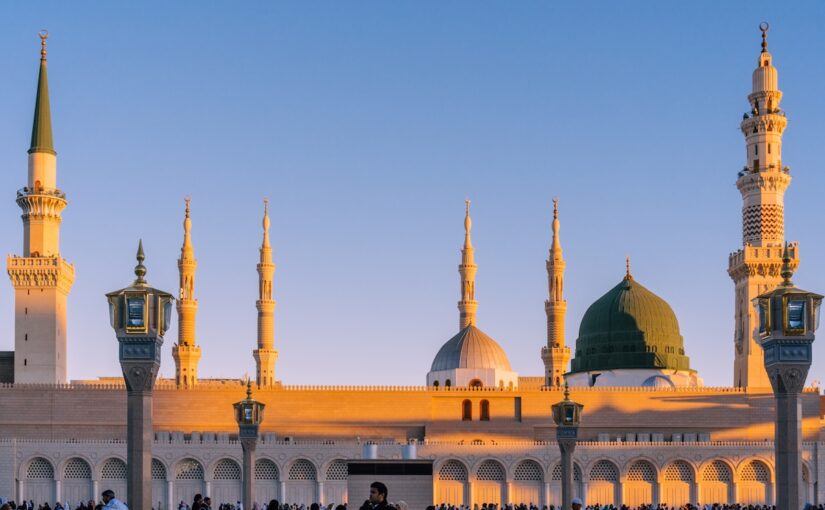
Ya Ilahi (یا الہی) is a deeply moving Islamic hamd — a devotional poem that directly addresses Allah (SWT) with love, humility, and absolute submission. Recited across the Muslim world in gatherings, mosques, and personal moments of reflection, this naat captures the essence of a believer’s relationship with their Creator: one of surrender, hope, and unwavering trust.
In this post, we present the full Ya Ilahi lyrics in Urdu (Arabic script), along with Roman transliteration for non-Urdu speakers, and a verse-by-verse English translation to help you connect with the meaning of every line.
Ya Ilahi (یا الہی) — The Naat Lyrics
Verse 1 — In Urdu (Arabic Script)
یا الہی یا الہی
تیرا در بہت پیارا
تیرے در پہ آیا ہوں
مرے دل نے پکارا
Roman Transliteration
Ya Ilahi, Ya Ilahi
Tera dar bahut pyara
Tere dar pe aaya hoon
Mere dil ne pukara
English Translation
O my God, O my God,
Your court is so beloved,
I have come to Your doorstep,
My heart has called out to You.
Verse 2 — In Urdu (Arabic Script)
یا الہی یا الہی
تجھ کو دل سے مانا
تو ہے رب سبحانی
تیرے سوا نہ جانا
Roman Transliteration
Ya Ilahi, Ya Ilahi
Tujh ko dil se mana
Tu hai Rab Subhani
Tere siwa na jaana
English Translation
O my God, O my God,
I have accepted You with my heart,
You are the Lord, the Glorious,
I know none apart from You.
Verse 3 — In Urdu (Arabic Script)
یا الہی یا الہی
تو ہے غفور رحیمی
مجھ گنہگار کو بخش
تو ہے عین کریمی
Roman Transliteration
Ya Ilahi, Ya Ilahi
Tu hai Ghafoor Raheemi
Mujh gunahgar ko bakhsh
Tu hai ain Kareemi
English Translation
O my God, O my God,
You are the Oft-Forgiving, the Most Merciful,
Forgive me, this sinful one,
You are the essence of Generosity.
Verse 4 — In Urdu (Arabic Script)
یا الہی یا الہی
تو ہے رازق کریم
مجھ کو دے سمجھ کے
صبر و شکر عظیم
Roman Transliteration
Ya Ilahi, Ya Ilahi
Tu hai Raziq Kareem
Mujh ko de samajh ke
Sabr o shukr azeem
English Translation
O my God, O my God,
You are the Generous Provider,
Grant me, with understanding,
Great patience and gratitude.
Verse 5 — In Urdu (Arabic Script)
یا الہی یا الہی
تو ہے نور الہدیٰ
راستہ دکھا دے مجھ کو
تیری راہ ہے ہدایت
Roman Transliteration
Ya Ilahi, Ya Ilahi
Tu hai Noor-ul-Huda
Rasta dikha de mujh ko
Teri rah hai hidayat
English Translation
O my God, O my God,
You are the Light of Guidance,
Show me the path,
Your way is the true guidance.
Verse 6 — In Urdu (Arabic Script)
یا الہی یا الہی
دل کو سکون عطا کر
درد کو دوائی دے
مجھ کو اپنا بنا لے
ہے یہی التجا در
Roman Transliteration
Ya Ilahi, Ya Ilahi
Dil ko sukoon ata kar
Dard ko dawa de
Mujh ko apna bana le
Yeh hai iltija dar
English Translation
O my God, O my God,
Grant peace to my heart,
Give cure to my pain,
Make me Yours,
This is my earnest plea at Your door.
The Spiritual Meaning and Significance of Ya Ilahi
The naat “Ya Ilahi” is more than poetry — it is a soul-stirring conversation between the believer and their Creator. Every line of this hamd reflects the core teachings of Islam: Tawheed (the Oneness of Allah), Tawbah (repentance), and Tawakkul (trust in Allah).
Complete Submission to the Divine
The opening line “Tera dar bahut pyara” (Your court is so beloved) sets the tone of the entire poem. In Islamic spirituality, the “door” or “court” of Allah symbolizes the ultimate sanctuary — a place where the helpless find shelter, the sinful seek forgiveness, and the broken find healing. Coming to Allah’s door with an open heart is the essence of sincere worship (Ibadah).
The Power of Repentance
The verse “Tu hai Ghafoor Raheemi, mujh gunahgar ko bakhsh” (You are the Oft-Forgiving, the Most Merciful, forgive me, this sinful one) is a beautiful expression of the Islamic concept of repentance. Allah describes Himself in the Quran as Al-Ghafoor (The Ever-Forgiving) and Ar-Raheem (The Most Merciful). This verse reminds the believer that no matter how great one’s sins may be, Allah’s mercy is infinitely greater. As the Quran says: “Say, O My servants who have transgressed against themselves, do not despair of the mercy of Allah. Indeed, Allah forgives all sins” (Quran 39:53).
Seeking Guidance and Light
When the poet says “Tu hai Noor-ul-Huda, rasta dikha de mujh ko” (You are the Light of Guidance, show me the path), it echoes one of the most frequent prayers in the Quran: “Ihdinas-siratal mustaqeem” (Guide us to the straight path) from Surah Al-Fatiha. This is a recognition that human efforts alone are insufficient — true guidance comes only from Allah.
Patience and Gratitude
The request for “Sabr o shukr azeem” (great patience and gratitude) reflects two pillars of the Islamic spiritual journey. The Quran repeatedly pairs patience (Sabr) with gratitude (Shukr) as qualities of the successful believer. Together, they form the foundation of a life lived in conscious awareness of Allah.
Inner Peace and Healing
The closing verses turn to a deeply personal supplication: “Dil ko sukoon ata kar, dard ko dawa de” (Grant peace to my heart, give cure to my pain). This speaks to the human condition — we all carry hidden wounds, anxieties, and struggles. The naat reminds us that the ultimate source of healing is not in material things but in turning to Allah. As the Quran assures: “Verily, in the remembrance of Allah do hearts find rest” (Quran 13:28).
Why Ya Ilahi Resonates Across the Muslim World
Ya Ilahi has been recited by countless voices across generations — from humble village mosques to grand Islamic gatherings. Its beauty lies in its simplicity: the words are easy to memorize, yet they carry profound spiritual depth. Anyone, from a young child memorizing their first naat to an elderly person reflecting on a lifetime of faith, can find meaning in these lines.
The naat transcends cultural and linguistic boundaries. While originally composed in Urdu, its message is universal — the longing of the human soul for its Creator. The repetition of “Ya Ilahi” (O my God) throughout the poem mirrors the rhythm of dhikr (remembrance of Allah), making it not just a poem to read, but a meditation to experience.
Final Reflections
The naat Ya Ilahi is a timeless reminder of what matters most: our relationship with Allah. In a world filled with distractions, material pursuits, and temporary attachments, this hamd calls us back to the One who never leaves us. It is a prayer for forgiveness, a plea for guidance, a request for patience, and a yearning for peace — all wrapped in the simple, repeated call: Ya Ilahi.
We hope this post helps you connect more deeply with the meaning of these beautiful words. Whether you recite them in solitude, in congregation, or simply reflect on their meaning, may the light of Ya Ilahi illuminate your heart.
Download or share this naat: Bookmark this page, share it with family and friends, and keep the spirit of Ya Ilahi alive.
Allahumma inni as’aluka birahmatikal lati wasi’at kulla shay’in an taghfira li.