
Allah Hoo – Complete Naat Lyrics in Urdu with English Translation and Spiritual Meaning

“Allah Hoo” is one of the most famous and spiritually powerful naats in Islamic history. This timeless Sufi kalam (poetry) is a beautiful expression of divine love and the remembrance of Allah. The phrase “Allah Hoo” itself is a form of dhikr (remembrance of God) that resonates deeply within the hearts of believers.

The naat has been recited by countless artists across the world, most famously by the legendary Pakistani singer Nusrat Fateh Ali Khan and later by many others including Qawwal groups and naat khwans. Its universal message of love for the Creator transcends borders and languages, making it one of the most recognised Islamic devotional songs globally.

About the Naat “Allah Hoo”

“Allah Hoo” belongs to the tradition of Sufi poetry that focuses on the love and remembrance of Allah. Unlike naats that specifically praise the Prophet Muhammad (peace be upon him), this kalam is a hamd a piece of poetry directly addressed to Allah, celebrating His names, attributes and boundless mercy.

The repetition of “Allah Hoo” throughout the naat serves as a meditative dhikr, helping listeners focus their hearts and minds on the divine presence. The poetry weaves together themes of divine love, spiritual longing, and the soul’s eternal connection with its Creator.

The naat is particularly popular in South Asia, where it is recited in mosques, mehfils (religious gatherings) and during the month of Ramadan. Its soulful melody and profound lyrics have made it a staple of Islamic spiritual music.

Allah Hoo – Urdu Lyrics

اللہ ہو اللہ ہو
اللہ ہو اللہ ہو
اللہ ہو اللہ ہو
اللہ ہو اللہ ہو

تیرے عشق کی انتہا چاہتا ہوں
مری زندگی تیری رضا چاہتا ہوں

اللہ ہو اللہ ہو
اللہ ہو اللہ ہو

ترے در پہ آ کے میں نے جانا
کہ تیرے سوا کوئی سہارا نہیں ہے

اللہ ہو اللہ ہو
اللہ ہو اللہ ہو

مرے دل میں تو ہے تیری ہی محبت
مری آنکھوں میں تیرا ہی نظارہ ہے

اللہ ہو اللہ ہو
اللہ ہو اللہ ہو

جو بھی تجھ کو پانا چاہے
اس کو دنیا سے بیگانہ ہونا پڑے گا

اللہ ہو اللہ ہو
اللہ ہو اللہ ہو

تیرا ذکر ہے میری زبان کا سرمایہ
تیری حمد ہے میری کہانی کا عنوان

اللہ ہو اللہ ہو
اللہ ہو اللہ ہو

ہر سانس میں تیرا نام ہے یا رب
ہر دھڑکن میں تیرا پیغام ہے یا رب

اللہ ہو اللہ ہو
اللہ ہو اللہ ہو

Allah Hoo – English Translation

Verse 1 (Chorus):
Allah Hoo, Allah Hoo

Verse 2:
I seek the ultimate limit of Your love
My life, I wish for Your pleasure alone

Chorus:
Allah Hoo, Allah Hoo

Verse 3:
Coming to Your door, I have come to realise
That there is no support besides You

Chorus:
Allah Hoo, Allah Hoo

Verse 4:
In my heart there is only Your love
In my eyes there is only Your vision

Chorus:
Allah Hoo, Allah Hoo

Verse 5:
Whoever wishes to find You
Must become detached from the world

Chorus:
Allah Hoo, Allah Hoo

Verse 6:
Your remembrance is the treasure of my tongue
Your praise is the title of my story

Chorus:
Allah Hoo, Allah Hoo

Verse 7:
In every breath is Your name, O Lord
In every heartbeat is Your message, O Lord

Chorus:
Allah Hoo, Allah Hoo

Spiritual Meaning and Significance

The naat “Allah Hoo” is far more than a poem set to music. It is a spiritual practice in itself. The word “Hoo” in Arabic and Persian mysticism represents the essence of the Divine the unseen, the unknowable, the absolute reality of Allah. When a believer repeats “Allah Hoo,” they are not just saying a word; they are calling upon the very essence of God.

The verses express a profound spiritual journey. The poet begins by declaring the desire for the ultimate limit of divine love a love so complete that nothing else matters. This is the goal of every seeker on the spiritual path: to reach a state where the love of Allah fills every corner of the heart and every moment of life is lived in pursuit of His pleasure.

The lines about finding no support except at Allah’s door reflect the core Islamic belief in tawheed (the oneness of God). Everything else is temporary and unreliable. Only Allah is the true source of strength, guidance and mercy. This verse speaks to the humility that comes from true faith the recognition that we are nothing without Him.

The verse about becoming detached from the world to find Allah echoes the Sufi concept of zuhd (detachment). This does not mean abandoning the world entirely, but rather not being attached to worldly things in a way that distracts from the remembrance of God. It is about prioritising the eternal over the temporary.

Why “Allah Hoo” Is So Beloved

Several factors contribute to the enduring popularity of this naat:

  • Universal appeal: The message is simple and powerful, focusing on the love of Allah rather than specific historical events or figures. This makes it accessible to all Muslims regardless of sect or background.
  • Meditative quality: The repetition of “Allah Hoo” creates a rhythmic, meditative effect that helps listeners enter a state of spiritual reflection and peace.
  • Powerful renditions: The naat has been performed by legendary artists whose soulful voices have brought the words to life in unforgettable ways.
  • Emotional connection: The poetry speaks directly to the heart, expressing feelings of love, longing and devotion that every believer can relate to.
  • Ramadan connection: The naat is especially popular during Ramadan and other spiritual occasions, when hearts are more open to worship and remembrance.

Frequently Asked Questions

Who wrote the Allah Hoo naat?

The origins of “Allah Hoo” trace back to the Sufi tradition of South Asia. The exact poet is not always credited, as the kalam has been passed down through generations of Sufi practitioners. It is considered part of the collective spiritual heritage of Islamic mysticism.

What does “Hoo” mean in Allah Hoo?

“Hoo” (ہُو) is an Arabic pronoun meaning “He” and refers to Allah in the context of divine essence. In Sufi terminology, “Hoo” represents the unknowable, absolute reality of God. It is a name that transcends all attributes and descriptions.

Is Allah Hoo a naat or a qawwali?

“Allah Hoo” can be classified as both a naat and a hamd (praise of Allah). In the Sufi tradition, it is often performed as qawwali, but it is also recited as a naat in religious gatherings. The classification depends on the context and the style of performance.

When is the best time to recite Allah Hoo?

The naat can be recited at any time, but like all forms of dhikr, it is especially recommended after prayers, during the early morning hours (tahajjud time) and during Islamic holy months like Ramadan.

Conclusion

“Allah Hoo” is a timeless piece of Islamic devotional poetry that continues to inspire and uplift millions of believers around the world. Its simple yet profound message of divine love and remembrance transcends cultural and linguistic boundaries, reminding us of the ultimate purpose of our existence: to know, love and remember our Creator.

Whether you recite it as a form of dhikr, listen to it for spiritual comfort, or reflect on its meaning for deeper understanding, “Allah Hoo” offers a doorway into the beautiful world of Islamic spirituality. May the remembrance of Allah bring peace to your heart and light to your soul. Ameen.
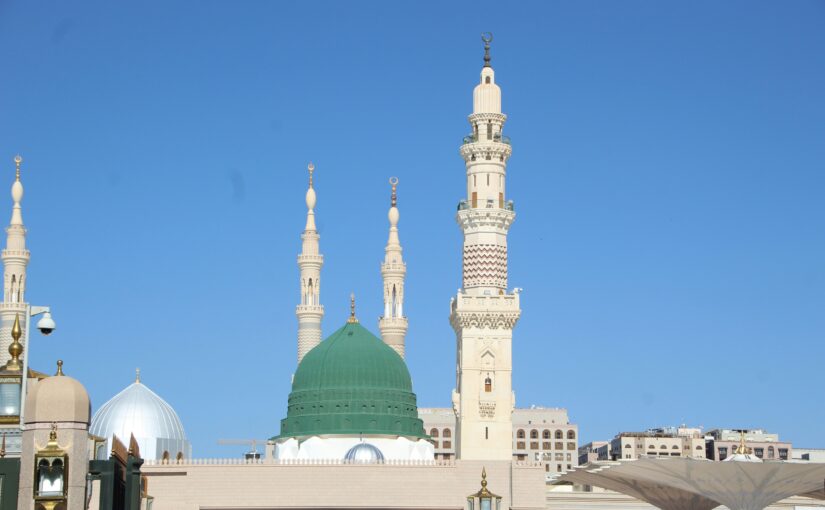
Fakhr-e-Maujoodaat (فخر موجودات) – Full Naat Lyrics in Urdu, English Translation and Meaning

Content:
Fakhr-e-Maujoodaat is one of the most beloved naats in the Islamic world. The title translates to “Pride of All Creation” and refers to Prophet Muhammad (peace be upon him). This beautiful naat praises the Prophet as the greatest of all beings created by Allah. In this post, you will find the full Urdu lyrics, Roman English transliteration and English translation with meaning.

About Fakhr-e-Maujoodaat

Fakhr-e-Maujoodaat is a naat written and recited by Qari Muhammad Mohsin Qadri. It became widely popular across Pakistan, India, Bangladesh and the wider Muslim world. The naat describes the Prophet Muhammad (PBUH) as the pride and crown of all creation, a mercy for all worlds and the most beloved of Allah.

The words “Fakhr” means pride or glory, “Maujoodaat” means all existing things or creation. Together, “Fakhr-e-Maujoodaat” means the pride of all creation. This reflects the Islamic belief that Prophet Muhammad (PBUH) is the highest and most honoured being in existence.

This naat is often recited at Milad gatherings, Islamic events and in daily worship. Its melody is simple yet deeply moving, making it accessible for reciters of all ages.

Fakhr-e-Maujoodaat – Urdu Lyrics (فخر موجودات – اردو lyrics)

فخر موجودات ہیں آقا
جلوہ گاہ ذات ہیں آقا

نور کی بارگاہ ہیں آقا
کعبہ و جبرئیل تم پر قربان

سرورِ کل جہاں ہیں آقا
رحمت اللعالمین ہیں آقا

شہہ ہیں مدینہ کے سردار
عظمتوں کی پناہ ہیں آقا

ذرہ ذرہ ہے ان کا دیوانہ
سارے جہاں کی جیون آس ہیں آقا

جن کے صدقے میں یہ کائنات
محبوبِ باری تعالیٰ ہیں آقا

موجود ہر شے ہے ان کی مرہونِ کرم
فخر موجودات ہیں آقا

Fakhr-e-Maujoodaat – Roman English Transliteration

Fakhr-e-maujoodaat hain Aaqa
Jalwa gaah-e-zaat hain Aaqa

Noor ki baar-gah hain Aaqa
Kaaba-o-Jibraeel tum par qurbaan

Sarwar-e-kul jahaan hain Aaqa
Rehmatul-lil-aalameen hain Aaqa

Shah hain Madinay ke sardaar
Azmaton ki panaah hain Aaqa

Zarra zarra hai unka deewana
Saaray jahaan ki jeevan aas hain Aaqa

Jin ke sadqay mein yeh kaainaat
Mahboob-e-baari ta'ala hain Aaqa

Maujood har shay hai un ki marhoon-e-karam
Fakhr-e-maujoodaat hain Aaqa

Fakhr-e-Maujoodaat – English Translation

Our Master is the pride of all creation
Our Master is the manifestation of divine glory

Our Master is the court of divine light
May Kaaba and Gabriel be sacrificed for you

Our Master is the leader of all worlds
Our Master is the mercy for all universes

Our Master is the king and ruler of Madina
Our Master is the refuge of all greatness

Every atom is in love with him
Our Master is the hope of life for the entire world

For whose sake this entire universe exists
Our Master is the beloved of Allah the Almighty

Every existing thing is indebted to his grace
Our Master is the pride of all creation

Meaning and Explanation

Verse 1 – “Fakhr-e-Maujoodaat hai Aaqa, Jalwa gaah-e-zaat hain Aaqa”: This opening line establishes the core message of the naat. The Prophet Muhammad (PBUH) is the pride of everything that exists. He is also described as the “manifestation of divine glory,” meaning that the attributes of Allah are reflected through his character and life. This does not mean divinity — it means the Prophet perfectly reflects Allah’s mercy, wisdom and guidance.

Verse 2 – “Noor ki baar-gah hain Aaqa, Kaaba-o-Jibraeel tum par qurbaan”: The Prophet is described as the court of divine light. The reference to light (noor) connects to the Islamic belief that the Prophet was created from the light of Allah. The poet then declares that even the two most sacred entities — the Kaaba and the Angel Gabriel — are sacrificed for the love of the Prophet. This expresses the highest level of devotion and respect.

Verse 3 – “Sarwar-e-kul jahaan hain Aaqa, Rehmatul-lil-aalameen hain Aaqa”: This verse draws directly from the Quran. Allah describes the Prophet as “Rehmatul-lil-aalameen” (a mercy for all worlds) in Surah Al-Anbiya (21:107). The Prophet’s mercy extends to all beings — humans, animals, believers, non-believers and even the environment.

Verse 4 – “Shah hain Madinay ke sardaar, Azmaton ki panaah hain Aaqa”: The Prophet is the king and leader of Madina, the city where he established the first Islamic state after migration (Hijrah). He is also a refuge and protector of all greatness and dignity. This reflects his role as a leader who protected the weak and upheld justice.

Verse 5 – “Zarra zarra hai unka deewana, Saaray jahaan ki jeevan aas hain Aaqa”: Every atom in the universe is in love with the Prophet. This is a beautiful poetic expression of the universal reverence for the Prophet. The line also says he is the hope of life for the entire world, reflecting the belief that following his teachings leads to success in this life and the next.

Verse 6 – “Jin ke sadqay mein yeh kaainaat, Mahboob-e-baari ta’ala hain Aaqa”: The entire universe exists because of the Prophet. This reflects the traditional Islamic belief that Allah created the universe for the sake of His beloved Prophet. The Prophet is described as “Mahboob-e-baari Ta’ala” — the beloved of Allah the Exalted — a title of immense honour.

Verse 7 – “Maujood har shay hai un ki marhoon-e-karam, Fakhr-e-maujoodaat hain Aaqa”: The naat concludes by saying everything that exists is indebted to the Prophet’s grace and kindness. The final line repeats the opening statement: our Master is the pride of all creation.

Spiritual Significance

Fakhr-e-Maujoodaat is more than just a poem. It is a declaration of love and devotion to the Prophet Muhammad (PBUH). Reciting this naat helps Muslims connect with their faith and remember the Prophet’s exalted status. The naat emphasises key Islamic concepts:

  • The Prophet’s role as a mercy for all worlds
  • His exalted status in Allah’s creation
  • The love of the Prophet as a central part of faith
  • The connection between loving the Prophet and loving Allah

When Is This Naat Recited?

Fakhr-e-Maujoodaat is recited on many occasions:

  • Milad un-Nabi (Eid Milad) gatherings celebrating the Prophet’s birth
  • Friday gatherings and dhikr circles
  • Daily personal worship and meditation
  • Islamic events and conferences
  • Qawwali and naat performances

Frequently Asked Questions

Who wrote Fakhr-e-Maujoodaat?
The naat was written by Qari Muhammad Mohsin Qadri, a well-known naat reciter and poet.

What does Fakhr-e-Maujoodaat mean?
It means “the pride of all creation” or “the glory of everything that exists.” It refers to Prophet Muhammad (PBUH).

Is Fakhr-e-Maujoodaat from the Quran?
No, Fakhr-e-Maujoodaat is a poetic naat written by a human poet. It is not a Quranic verse. However, it draws on Quranic concepts and traditional Islamic teachings about the Prophet.

Can I recite this naat daily?
Yes, reciting naat is a form of worship and remembrance of the Prophet. Many Muslims recite it daily as part of their spiritual practice.

Shan-e-Mustafa (شانِ مصطفیٰ) Full Naat Lyrics in Urdu, English Translation and Meaning

Shan-e-Mustafa (شانِ مصطفیٰ) is a famous Urdu naat that praises the excellence, glory and greatness of the Prophet Muhammad (peace be upon him). The phrase “Shan-e-Mustafa” translates to “The Glory of Mustafa” — Mustafa being one of the beloved names of the Prophet, meaning “The Chosen One.” This naat beautifully describes the high status and spiritual rank bestowed upon the Prophet by Allah Almighty.

Background and Meaning

“Shan-e-Mustafa” is more than just a naat — it is a heartfelt expression of love, reverence and devotion toward the Prophet Muhammad (PBUH). The poet uses vivid imagery and profound spiritual language to describe the Prophet’s exalted station. The naat emphasizes that the Prophet’s greatness is recognized not only by humans but also by angels, the heavens and all of creation.

In Islamic tradition, the concept of Shan (شأن) refers to the dignity, honor and elevated rank of a person. When combined with Mustafa, it encapsulates the belief that Prophet Muhammad (PBUH) holds the highest station among all prophets and creation. The Quran itself refers to this exalted rank in several verses, including:

“And indeed, you are of a great moral character.” (Quran 68:4)

“And We have raised high your remembrance.” (Quran 94:4)

The naat “Shan-e-Mustafa” draws from this deep well of Quranic and Islamic tradition, translating it into beautiful Urdu poetry that stirs the heart and strengthens the bond between the believer and the Beloved Prophet.

Shan-e-Mustafa Naat Lyrics in Urdu (شانِ مصطفیٰ نعت کے اردو بول)

نعتِ شانِ مصطفیٰ ہے شغل ہر جنّ و ملک
بہرِ تعظیمِ محمد سر جھکاتا ہے فلک

چاند تاروں کو ملی نورِ محمد کی چمک
مشک و گل نے پائی ہے گیسوئے احمد کی مہک

اے خدا عشقِ محمد سے ہمیں سرشار رکھ
ہاتھ میں تھامے رہیں ہم ان کا دامن حشر تک

ناز ہم کرتے رہیں گے اپنی قسمت پر سدا
یا الہٰی پھر دکھا دے سبز گنبد کی جھلک

خواب ہی میں چہرہء انور دکھا دیجے حضور
یا رسول اللہ رہیں محروم آخر کب تلک

شرک و بدعت شرک و بدعت کوئی بکتا ہی رہے
نظمی پڑھتا ہی رہے گا نعتِ احمد بے جھجک

Shan-e-Mustafa Naat English Translation

Verse 1:
The naat of Shan-e-Mustafa is the occupation of every jinn and angel
For the veneration of Muhammad, the heavens bow their heads

Verse 2:
The moon and stars received the radiance of Muhammad’s light
The musk and rose have acquired the fragrance of Ahmad’s locks

Verse 3:
O God, keep us intoxicated with the love of Muhammad
May we hold onto the hem of His cloak until the Day of Judgment

Verse 4:
We will forever boast of our good fortune
O Lord, show us once again the glimpse of the Green Dome

Verse 5:
Even if only in a dream, show us Your radiant face, O Presence
O Messenger of Allah, how long must we remain deprived?

Verse 6:
Let anyone keep accusing of shirk and bid’ah
Nazmi will keep reciting the naat of Ahmad without hesitation

The Significance of Shan-e-Mustafa

The naat “Shan-e-Mustafa” holds a special place in the hearts of those who recite and listen to it. Each verse is a testament to the unparalleled love that Muslims hold for their Prophet. The opening line sets the tone beautifully — it declares that even the unseen creation of jinn and angels occupy themselves with the praise of the Prophet’s glory. This is not exaggeration; it is a reflection of Islamic teachings that all of creation acknowledges the Prophet’s lofty station.

The second verse is particularly powerful, using natural imagery — the moon, stars, musk and roses — to illustrate how the Prophet’s blessed influence permeates all of existence. The reference to “Muhammad’s light” (Noor-e-Muhammad) is a concept deeply rooted in Islamic mysticism, referring to the primordial light from which all creation was brought into being.

The plea in the third verse — to remain intoxicated with the love of Muhammad — captures the essence of spiritual devotion. The poet asks to hold onto the Prophet’s cloak until the Day of Judgment, symbolizing steadfastness in following the Sunnah and the unbreakable bond between the believer and the Beloved.

The Green Dome: A Symbol of Love

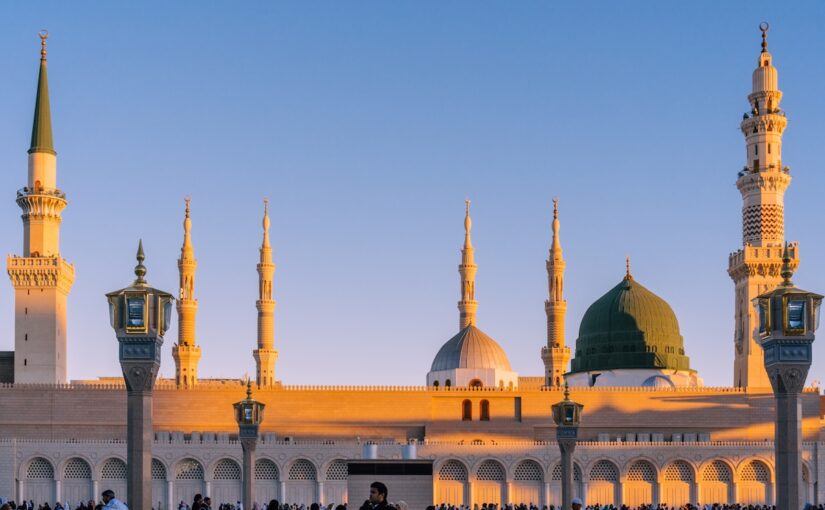
The fourth verse contains a heartfelt request to see the Green Dome (Sabz Gumbad) again. The Green Dome of Masjid al-Nabawi in Medina, which marks the blessed resting place of the Prophet Muhammad (PBUH), is a powerful symbol for Muslims worldwide. To visit it is the dream of every believer. The poet’s yearning to see it again reflects the deep spiritual attachment that defines the relationship between the Muslim ummah and their Prophet.

The fifth verse continues this theme of longing, asking to see the Prophet’s radiant face even if only in a dream. This is a common theme in Islamic devotional poetry — the belief that seeing the Prophet in a dream is a genuine spiritual experience, as the Prophet himself said: “Whoever sees me in a dream has truly seen me, for Satan cannot take my form.”

Understanding the Closing Verse

The final verse takes a firm stance. The poet anticipates criticism from those who might label such devotion as shirk (associating partners with Allah) or bid’ah (innovation). To this, the response is resolute — regardless of such accusations, the recitation of the Prophet’s praise will continue without hesitation. This verse reflects a long-standing debate within Islamic circles about the permissibility of naat and mawlid, and the poet firmly places himself in the camp of those who see praising the Prophet as a form of worship and expression of love.

The Poet: Who Wrote Shan-e-Mustafa?

The naat “Shan-e-Mustafa” is often attributed to the renowned poet Nazmi (نظمی), as referenced in the final verse of the naat itself. Nazmi was a beloved naat poet and reciter from Pakistan whose works continue to be recited in naat gatherings across the world. His poetry is characterized by its deep spiritual emotion, musical rhythm and unwavering devotion to the Prophet Muhammad (PBUH). Many of his naats remain popular in homes, mosques and religious gatherings throughout South Asia.

Why Shan-e-Mustafa Matters Today

In a world filled with distractions and materialism, naats like “Shan-e-Mustafa” serve as spiritual anchors. They remind believers of their purpose, their love for their Prophet and the ultimate goal of seeking Allah’s pleasure. The naat is not merely poetry — it is a form of worship, a meditation on divine love and a declaration of faith.

For those who recite it, “Shan-e-Mustafa” is a means of drawing closer to the Prophet. For those who listen, it is a source of peace and spiritual nourishment. The naat transcends time and geography, connecting Muslims across generations in their shared love for the Chosen One.

Whether you are listening to it in a quiet gathering at home or in a large congregation at a mosque, “Shan-e-Mustafa” has the power to move hearts and bring tears to the eyes. It is a beautiful reminder that the love of the Prophet Muhammad (PBUH) is the greatest gift a believer can carry in their heart.

How to Recite Shan-e-Mustafa

Like all naats, “Shan-e-Mustafa” is best recited with sincerity and understanding. Take time to read the translation and grasp the meaning of each verse. When you recite, focus on the words and let the love they carry fill your heart. The melody should be gentle and respectful, matching the devotional nature of the poetry.

The naat is often recited in the traditional Urdu naat style with a soft, melodious tune. It can be recited solo or in a group setting. Many online platforms offer audio and video recordings of “Shan-e-Mustafa” by various naat khawans that you can listen to and learn from.

Conclusion

“Shan-e-Mustafa (شانِ مصطفیٰ)” is more than just a naat — it is a declaration of love, a spiritual journey and a celebration of the greatest human being to ever walk the earth. Its words capture the essence of what it means to love the Prophet Muhammad (PBUH) and to recognize his exalted status. Whether you are a lifelong admirer of naat or discovering it for the first time, “Shan-e-Mustafa” offers a profound and moving experience that will stay with you long after the last verse has been recited.

May Allah grant us all the opportunity to truly understand and embody the love of the Prophet Muhammad (PBUH) that this naat so beautifully expresses. Ameen.

Maa Baap Ki Dua (ماں باپ کی دعا) – Full Naat Lyrics in Urdu, Roman Translation and Meaning

Maa Baap Ki Dua (ماں باپ کی دعا) is a beautiful and heartfelt naat that speaks about the power of a mother and father’s prayer. In Islam, the dua (supplication) of parents for their children holds a special status — it is among the prayers that are never rejected. This naat beautifully captures the love, sacrifice, and spiritual significance of parental blessings. Below you will find the full Urdu lyrics, Roman/transliteration, English translation, and a deeper look into the meaning of this touching kalam.

The Significance of Maa Baap Ki Dua in Islam

In Islamic teachings, the dua of parents for their children is among the most powerful and accepted forms of supplication. The Prophet Muhammad (peace be upon him) said: “Three prayers are certainly answered: the prayer of the oppressed, the prayer of the traveler, and the prayer of a parent for their child.” (Sunan Ibn Majah, Hadith 3862).

This naat, Maa Baap Ki Dua, serves as a beautiful reminder of this profound blessing. It encourages children to seek the prayers of their parents and reminds parents of the power their duas carry. Whether it is a mother praying for her child’s success, guidance, and protection, or a father supplicating for his children’s well-being — these prayers become a shield and a source of countless blessings.

The relationship between parents and children in Islam is deeply sacred. The Quran commands: “And your Lord has decreed that you worship none but Him, and that you be dutiful to your parents” (Surah Al-Isra, 17:23). This naat echoes that divine instruction, highlighting how the love and prayers of parents are among the greatest treasures a child can possess.

Maa Baap Ki Dua Naat Lyrics in Urdu (ماں باپ کی دعا نعت کے بول)

Here are the complete Urdu lyrics (نعت کے بول) of Maa Baap Ki Dua in Nastaliq script:

ماں باپ کی دعا ہوتی ہے قبول
ہر لمحہ ان کا دل کرتا ہے تول

رب کریم ان کی ہر دعا سنتا ہے
مانگے جو بھی وہ دے کر چھوڑتا ہے

ماں کی دعا کبھی خالی نہیں جاتی
باپ کی دعا بھی رتبہ پاتی

اللہ ان کے قدموں میں جنت رکھے
دنیا و عقبیٰ میں عزت رکھے

کاش ہم بھی ان کے دل میں جگہ پائیں
دعاؤں میں ان کی ہمیں یاد رکھیں

ماں کی دعا میرے سر کا سایہ
باپ کا سایہ میرے دل کا مایہ

دونوں جہاں کی خوشیاں ان کے قدموں میں
ان کی دعاؤں کی برکت ہو ہر گھر میں

Maa Baap Ki Dua Roman/Transliteration Lyrics

For those who cannot read Urdu script, here is the Roman transliteration of the naat:

Maa baap ki dua hoti hai qabool
Har lamha unka dil karta hai tol

Rab-e-Kareem unki har dua sunta hai
Maange jo bhi woh de kar chhorta hai

Maa ki dua kabhi khaali nahi jaati
Baap ki dua bhi rutba paati

Allah unke qadmo mein jannat rakhe
Duniya wa uqba mein izzat rakhe

Kaash hum bhi unke dil mein jagah paayein
Duaon mein unki hamein yaad rakhein

Maa ki dua mere sar ka saaya
Baap ka saaya mere dil ka maaya

Dono jahan ki khushiyan unke qadmo mein
Unki duaon ki barkat ho har ghar mein

Maa Baap Ki Dua English Translation

The English translation of this beautiful naat carries a deep and emotional message:

The prayer of a mother and father is always accepted
Every moment their heart watches over us

The Gracious Lord listens to every prayer of theirs
Whatever they ask for, He bestows upon them

A mother's prayer never returns empty
A father's prayer too attains its rank

May Allah place Paradise beneath their feet
May He grant them honour in this world and the next

If only we could find a place in their hearts
May they remember us in their prayers

A mother's prayer is the shade over my head
A father's protection is the treasure of my heart

The joys of both worlds lie at their feet
May the blessings of their prayers fill every home

The Deep Meaning Behind Maa Baap Ki Dua

This naat is a heartfelt tribute to the unconditional love and spiritual power of parents. Every verse reflects the intimate bond between a child and their parents, and the immense value of their supplications in the sight of Allah Almighty.

1. The Acceptance of Parental Prayers

The opening lines — “Maa baap ki dua hoti hai qabool” — immediately establish the central theme: the dua of parents is always answered. This is not just poetic expression but is rooted in authentic Islamic teachings. The Prophet (PBUH) explicitly stated that a parent’s prayer for their child is among the three duas that are never rejected. This gives parents an immense responsibility and children a powerful reason to seek their parents’ blessings.

2. The Watchful Heart of Parents

“Har lamha unka dil karta hai tol” beautifully describes how a parent’s heart constantly measures, weighs, and worries about their child’s well-being. From the moment a child is born, a parent’s heart never rests — always concerned, always caring, always praying. This line resonates with anyone who has experienced a parent’s unconditional love.

3. Mother and Father — Equal in Dignity

The naat honours both mother and father equally. While the mother’s prayer is described as never returning empty, the father’s prayer is said to attain its proper rank. Islam gives both parents immense status, though the mother is given special mention in multiple hadith (the famous saying of the Prophet: “Your mother, your mother, your mother, then your father”). This naat beautifully balances this teaching.

4. Paradise Beneath Their Feet

The line “Allah unke qadmo mein jannat rakhe” echoes the famous hadith: “Paradise lies at the feet of the mother” (Sunan an-Nasai). This verse expresses a dua for parents — that Allah grants them Paradise — while also reminding children that serving parents is the path to Jannah.

5. Seeking a Place in Their Hearts

The plea “Kaash hum bhi unke dil mein jagah paayein” expresses a beautiful humility — the child’s earnest desire to be remembered in their parents’ prayers. It reflects the deep understanding that a parent’s dua is a treasure more valuable than any worldly wealth.

The Power of a Mother’s Dua

In Islamic tradition, the mother holds an especially elevated position. The Quran describes the mother’s sacrifice during pregnancy and nursing with profound reverence. The dua of a mother is described as being particularly powerful because it comes from a heart filled with selfless love — love that expects nothing in return except the well-being of the child.

Many Islamic scholars have highlighted stories from the lives of the prophets and pious predecessors where the prayers of mothers changed destinies. The Prophet Musa (AS) was saved by his mother’s trust in Allah. The Prophet Isa (AS) was blessed through his mother Maryam’s devotion. And countless ordinary believers have witnessed miracles unfold through the duas of their mothers.

The Authority of a Father’s Supplication

A father’s dua carries its own unique weight. As the head of the household, a father’s supplication for his children’s guidance, strength, and character is a powerful force. The Prophet Ibrahim (AS) is the ultimate example — his duas for his children and descendants are recorded in the Quran and continue to bring blessings to this day. The naat honours this equal yet distinct status of the father’s prayer.

Lessons from Maa Baap Ki Dua Naat

  • Seek your parents’ blessings: Before any major decision in life, ask your parents to pray for you. Their dua can open doors that seem impossible.
  • Be dutiful to your parents: This naat reminds us that serving parents is not just a moral duty but a spiritual investment. The Prophet (PBUH) said: “A person is not from us who does not show mercy to our young and respect to our elders.”
  • Never give up on your parents’ prayers: Even when life feels difficult, remember that your mother and father are praying for you. Their duas are a constant source of divine support.
  • Pray for your parents: Just as they pray for you, you should also make dua for them — especially after they have passed away. The Prophet (PBUH) said: “When a person dies, all their deeds come to an end except three: ongoing charity, beneficial knowledge, and a righteous child who prays for them.” (Sahih Muslim)
  • Respect both parents equally: The naat beautifully honours both mother and father. While the mother’s love is often celebrated more, the father’s quiet sacrifices are equally precious in the sight of Allah.

The Blessings of Parental Prayer in Daily Life

Muslims around the world have experienced countless blessings through the prayers of their parents. Whether it is success in exams, finding a righteous spouse, overcoming illness, or achieving career goals — the duas of parents have been the unseen force behind many life victories. This naat encourages us to never take those prayers for granted.

In our busy modern lives, it is easy to forget the quiet power of a mother’s nightly prayer or a father’s silent supplication. Maa Baap Ki Dua brings us back to this essential truth: the most powerful force in the universe is activated by the sincere prayer of a parent.

Related Naats About Parents

If you enjoyed this naat, you may also appreciate other Islamic naats and kalam that celebrate the love of parents:

  • Maa Ke Qadmo Mein Jannat – The famous hadith about mothers
  • Hasbi Rabbi – A powerful supplication in verse
  • Suna Hai – A beloved naat about the Prophet (PBUH)
  • Dono Jahan Ki – A classic naat about seeking Allah’s mercy

Final Words

Maa Baap Ki Dua (ماں باپ کی دعا) is more than just a naat — it is a spiritual reminder of the most precious relationship in our lives. The lyrics carry a timeless message that resonates with every child and every parent. Whether you listen to it for spiritual elevation, emotional comfort, or simply to reflect on the beauty of parental love, this kalam will surely touch your heart.

May Allah Almighty bless all parents with health, happiness, and Jannatul Firdaus. And may He make us among those children who honour their parents, seek their pleasure, and are remembered in their prayers — in this life and the next. Ameen.

If you found this post meaningful, please share it with others. Let the beautiful message of Maa Baap Ki Dua spread far and wide, reminding everyone of the incredible power of a parent’s love and prayer.

Suna Hai (سنا ہے) — Full Naat Lyrics in Urdu, English Translation and Meaning

# Suna Hai (سنا ہے) — Full Naat Lyrics in Urdu, English Translation and Meaning

“Suna Hai” is one of the most beloved naats in the Islamic world, famously recited by Owais Raza Qadri. The opening line “Suna hai log usay dewana kehtay hain” has become iconic among naat lovers. This beautiful kalam expresses the deep love and longing of a believer for Prophet Muhammad (peace be upon him).

The naat reflects the theme that those who truly love the Prophet are often considered “mad” by the world, but their madness is one of devotion and spiritual connection. In this article, we present the full lyrics in Urdu, Roman Urdu transliteration, English translation and the deeper meaning behind this soul-stirring naat.

## About the Naat

Suna Hai was originally written by the renowned poet Syed Muhammad Saeed Rifai. The kalam gained massive popularity when Owais Raza Qadri recited it at various gatherings. Today, it is one of the most requested naats at mehfils around the world.

The naat captures the beautiful paradox of loving the Prophet. To the outside world, a lover of Muhammad appears crazy or foolish. But in reality, this love is the highest form of spiritual attainment. The poet describes how the lover finds peace only in the remembrance of the Prophet and longs to be in Madina.

## Suna Hai Naat Lyrics in Urdu

سنا ہے لوگ اسے دیوانہ کہتے ہیں
مجھے اپنا بنا لو مرا زمانہ کہتے ہیں

یہ عشق ہے کہ محبت کا ایک نشہ ہے
مجھے تو آپ کی گلی کا آشیانہ کہتے ہیں

مدینہ شہر ہے پاکیزہ یہ ہے اہلِ صفا کا
یہاں تو خاک کو بھی لوگ دانہ کہتے ہیں

وہ پیار کرتے ہیں مجھ سے اتنا کہ دنیا والے
محبت میں مجھے اپنا دیوانہ کہتے ہیں

یہ کون سی ہے محبت یہ کیسا ہے نشہ
کہ مجھ کو لوگ مرا آپ دیوانہ کہتے ہیں

حضور آپ سے نسبت ہے اور پھر کیا غم
میں آپ کا ہوں مجھے اپنا زمانہ کہتے ہیں

## Suna Hai Naat Lyrics in Roman Urdu

Suna hai log usay dewana kehtay hain
Mujhe apna bana lo mera zamana kehtay hain

Yeh ishq hai ke mohabbat ka ek nashe hai
Mujhe toh aap ki gali ka aashiyana kehtay hain

Madina shehar hai paakeezah yeh hai ahl-e-safa ka
Yahan toh khaak ko bhi log daanah kehtay hain

Woh pyaar kartay hain mujhse itna ke duniya walay
Mohabbat mein mujhe apna dewana kehtay hain

Yeh kaun si hai mohabbat yeh kaisa hai nasha
Ke mujh ko log mera aap dewana kehtay hain

Huzoor aap se nisbat hai aur phir kya gham
Mein aap ka hoon mujhe apna zamana kehtay hain

## Suna Hai Naat Translation in English

I have heard that people call him mad (crazy with love)
Make me your own, though the world calls me yours

This is love, this is the intoxication of devotion
They say my home is in your street, O Prophet

Madina is a pure city, it belongs to the people of purity
Even its dust is considered precious by the people

He loves me so much that the people of the world
In their observation, call me mad for my love of him

What kind of love is this, what intoxication is this
That people call me mad for my beloved

When I have a connection with you, O Prophet, what sorrow can I have
I belong to you, though the world claims me as theirs

## Deeper Meaning and Message

The naat Suna Hai carries several layers of spiritual meaning. At its core, it celebrates the beautiful madness of loving the Prophet. The poet is aware that the world sees this love as irrational. But for the believer, this love is the most rational thing in existence.

### The Madness of Love

When someone falls deeply in love with the Prophet, their priorities change. They no longer care about worldly status or material wealth. Their only desire is to be close to the beloved. The world calls this madness. But in Islamic spirituality, this is the highest state of faith. The poet embraces this label proudly.

### The Purity of Madina

Madina is described as a city of purity. The phrase “even its dust is precious” reflects the deep reverence Muslims have for the city of the Prophet. Every particle of Madina is blessed because it was touched by the Prophet’s presence. This is why believers long to visit Madina and consider it sacred.

### Complete Trust in the Prophet

The final verse expresses complete trust. When you have a connection with the Prophet, you have no reason to fear or grieve. The love of the Prophet overshadows all worldly concerns. This is the ultimate comfort for a believer.

## Popular Reciters of Suna Hai

While Owais Raza Qadri’s rendition is the most famous, many other reciters have performed this naat beautifully. Some of the popular versions include:

– Owais Raza Qadri (original and most popular version)
– Javed Iqbal Qadri
– Qari Asif Hussain
– Atta Ullah Khan Niazi
– Irfan Haider

Each reciter brings their own style to the naat while preserving its emotional depth and spiritual essence.

## When to Recite This Naat

Suna Hai is often recited at mehfils, Islamic gatherings and during the month of Rabi-ul-Awwal, which marks the birth of the Prophet. It is also commonly played on religious occasions and is a favourite at naat competitions.

Many Muslims listen to this naat daily as part of their morning or evening routine. Its soothing melody and heartfelt words make it perfect for spiritual reflection.

## Final Reflection

Suna Hai is more than just a naat. It is a declaration of love that transcends logic. The poet proudly accepts being called mad because his madness is for the greatest of all creation. For anyone seeking to understand the depth of love Muslims have for Prophet Muhammad, this naat captures it perfectly.

May Allah grant us all the love of His beloved Prophet and give us the opportunity to visit Madina. Ameen.

**Keywords:** Suna Hai naat lyrics, Owais Raza Qadri naat, Urdu naat lyrics with English translation, Islamic naat kalam, naat about Prophet Muhammad, Madina love poetry

**Tags:** Suna Hai, Owais Raza Qadri, Naat, Islamic Poetry, Urdu Naat Lyrics

Ya Ilahi (یا الہی) — Full Naat Lyrics in Urdu, English Translation and Meaning

Ya Ilahi (یا الہی) is a deeply moving Islamic hamd — a devotional poem that directly addresses Allah (SWT) with love, humility, and absolute submission. Recited across the Muslim world in gatherings, mosques, and personal moments of reflection, this naat captures the essence of a believer’s relationship with their Creator: one of surrender, hope, and unwavering trust.

In this post, we present the full Ya Ilahi lyrics in Urdu (Arabic script), along with Roman transliteration for non-Urdu speakers, and a verse-by-verse English translation to help you connect with the meaning of every line.

Ya Ilahi (یا الہی) — The Naat Lyrics

Verse 1 — In Urdu (Arabic Script)

یا الہی یا الہی
تیرا در بہت پیارا
تیرے در پہ آیا ہوں
مرے دل نے پکارا

Roman Transliteration

Ya Ilahi, Ya Ilahi
Tera dar bahut pyara
Tere dar pe aaya hoon
Mere dil ne pukara

English Translation

O my God, O my God,
Your court is so beloved,
I have come to Your doorstep,
My heart has called out to You.


Verse 2 — In Urdu (Arabic Script)

یا الہی یا الہی
تجھ کو دل سے مانا
تو ہے رب سبحانی
تیرے سوا نہ جانا

Roman Transliteration

Ya Ilahi, Ya Ilahi
Tujh ko dil se mana
Tu hai Rab Subhani
Tere siwa na jaana

English Translation

O my God, O my God,
I have accepted You with my heart,
You are the Lord, the Glorious,
I know none apart from You.


Verse 3 — In Urdu (Arabic Script)

یا الہی یا الہی
تو ہے غفور رحیمی
مجھ گنہگار کو بخش
تو ہے عین کریمی

Roman Transliteration

Ya Ilahi, Ya Ilahi
Tu hai Ghafoor Raheemi
Mujh gunahgar ko bakhsh
Tu hai ain Kareemi

English Translation

O my God, O my God,
You are the Oft-Forgiving, the Most Merciful,
Forgive me, this sinful one,
You are the essence of Generosity.


Verse 4 — In Urdu (Arabic Script)

یا الہی یا الہی
تو ہے رازق کریم
مجھ کو دے سمجھ کے
صبر و شکر عظیم

Roman Transliteration

Ya Ilahi, Ya Ilahi
Tu hai Raziq Kareem
Mujh ko de samajh ke
Sabr o shukr azeem

English Translation

O my God, O my God,
You are the Generous Provider,
Grant me, with understanding,
Great patience and gratitude.


Verse 5 — In Urdu (Arabic Script)

یا الہی یا الہی
تو ہے نور الہدیٰ
راستہ دکھا دے مجھ کو
تیری راہ ہے ہدایت

Roman Transliteration

Ya Ilahi, Ya Ilahi
Tu hai Noor-ul-Huda
Rasta dikha de mujh ko
Teri rah hai hidayat

English Translation

O my God, O my God,
You are the Light of Guidance,
Show me the path,
Your way is the true guidance.


Verse 6 — In Urdu (Arabic Script)

یا الہی یا الہی
دل کو سکون عطا کر
درد کو دوائی دے
مجھ کو اپنا بنا لے
ہے یہی التجا در

Roman Transliteration

Ya Ilahi, Ya Ilahi
Dil ko sukoon ata kar
Dard ko dawa de
Mujh ko apna bana le
Yeh hai iltija dar

English Translation

O my God, O my God,
Grant peace to my heart,
Give cure to my pain,
Make me Yours,
This is my earnest plea at Your door.


The Spiritual Meaning and Significance of Ya Ilahi

The naat “Ya Ilahi” is more than poetry — it is a soul-stirring conversation between the believer and their Creator. Every line of this hamd reflects the core teachings of Islam: Tawheed (the Oneness of Allah), Tawbah (repentance), and Tawakkul (trust in Allah).

Complete Submission to the Divine

The opening line “Tera dar bahut pyara” (Your court is so beloved) sets the tone of the entire poem. In Islamic spirituality, the “door” or “court” of Allah symbolizes the ultimate sanctuary — a place where the helpless find shelter, the sinful seek forgiveness, and the broken find healing. Coming to Allah’s door with an open heart is the essence of sincere worship (Ibadah).

The Power of Repentance

The verse “Tu hai Ghafoor Raheemi, mujh gunahgar ko bakhsh” (You are the Oft-Forgiving, the Most Merciful, forgive me, this sinful one) is a beautiful expression of the Islamic concept of repentance. Allah describes Himself in the Quran as Al-Ghafoor (The Ever-Forgiving) and Ar-Raheem (The Most Merciful). This verse reminds the believer that no matter how great one’s sins may be, Allah’s mercy is infinitely greater. As the Quran says: “Say, O My servants who have transgressed against themselves, do not despair of the mercy of Allah. Indeed, Allah forgives all sins” (Quran 39:53).

Seeking Guidance and Light

When the poet says “Tu hai Noor-ul-Huda, rasta dikha de mujh ko” (You are the Light of Guidance, show me the path), it echoes one of the most frequent prayers in the Quran: “Ihdinas-siratal mustaqeem” (Guide us to the straight path) from Surah Al-Fatiha. This is a recognition that human efforts alone are insufficient — true guidance comes only from Allah.

Patience and Gratitude

The request for “Sabr o shukr azeem” (great patience and gratitude) reflects two pillars of the Islamic spiritual journey. The Quran repeatedly pairs patience (Sabr) with gratitude (Shukr) as qualities of the successful believer. Together, they form the foundation of a life lived in conscious awareness of Allah.

Inner Peace and Healing

The closing verses turn to a deeply personal supplication: “Dil ko sukoon ata kar, dard ko dawa de” (Grant peace to my heart, give cure to my pain). This speaks to the human condition — we all carry hidden wounds, anxieties, and struggles. The naat reminds us that the ultimate source of healing is not in material things but in turning to Allah. As the Quran assures: “Verily, in the remembrance of Allah do hearts find rest” (Quran 13:28).

Why Ya Ilahi Resonates Across the Muslim World

Ya Ilahi has been recited by countless voices across generations — from humble village mosques to grand Islamic gatherings. Its beauty lies in its simplicity: the words are easy to memorize, yet they carry profound spiritual depth. Anyone, from a young child memorizing their first naat to an elderly person reflecting on a lifetime of faith, can find meaning in these lines.

The naat transcends cultural and linguistic boundaries. While originally composed in Urdu, its message is universal — the longing of the human soul for its Creator. The repetition of “Ya Ilahi” (O my God) throughout the poem mirrors the rhythm of dhikr (remembrance of Allah), making it not just a poem to read, but a meditation to experience.

Final Reflections

The naat Ya Ilahi is a timeless reminder of what matters most: our relationship with Allah. In a world filled with distractions, material pursuits, and temporary attachments, this hamd calls us back to the One who never leaves us. It is a prayer for forgiveness, a plea for guidance, a request for patience, and a yearning for peace — all wrapped in the simple, repeated call: Ya Ilahi.

We hope this post helps you connect more deeply with the meaning of these beautiful words. Whether you recite them in solitude, in congregation, or simply reflect on their meaning, may the light of Ya Ilahi illuminate your heart.

Download or share this naat: Bookmark this page, share it with family and friends, and keep the spirit of Ya Ilahi alive.

Allahumma inni as’aluka birahmatikal lati wasi’at kulla shay’in an taghfira li.

Chand Chand Sai Dikhte Hain – چاند چاند سے دکھتے ہیں • Naat Lyrics

Chand Chand Sai Dikhte Hain Naat – چاند چاند سے دکھتے ہیں

“Chand Chand Sai Dikhte Hain” is a heartfelt Urdu Naat that beautifully describes the radiant beauty and noble character of Prophet Muhammad ﷺ. The poet uses the metaphor of the moon (chand) — the most beautiful and luminous object in the night sky — to convey that the Prophet’s ﷺ blessed face outshines even the brightest moons. Every verse is overflowing with ishq-e-Rasool (love for the Prophet), making it a beloved Naat recited in Mehfil-e-Naat gatherings around the world.

This Naat reminds us that when we look at the Prophet ﷺ, we see a light that no worldly beauty can match. The moon, though beautiful, is humbled in comparison to the Noor-e-Mujassam (embodied light) of the Beloved of Allah.

Continue reading Chand Chand Sai Dikhte Hain – چاند چاند سے دکھتے ہیں • Naat Lyrics

Phir Milne Ko Dil Chahta Hai (پھر ملنے کو دل چاہتا ہے) — Full Naat Lyrics in Urdu, English Translation and Meaning

About the Naat “Phir Milne Ko Dil Chahta Hai”

“Phir Milne Ko Dil Chahta Hai” is a beautiful and emotional Urdu naat that expresses the deep longing of a believer to visit the blessed city of Madinah and be in the presence of Prophet Muhammad (peace be upon him). The poet pours their heart out, describing the ache in the soul to once again experience the spiritual peace that comes from visiting the Prophet’s mosque. This naat is widely recited in the South Asian Islamic tradition, especially in Pakistan and India, and is beloved for its heartfelt lyrics and simple yet profound message.

The naat speaks to every Muslim who has visited Madinah and left with a part of their heart still there, or who dreams of going one day. It captures the feeling of yearning that every believer carries for the city of the Prophet.

Naat Lyrics in Urdu (نعت کے اردو اشعار)

پھر ملنے کو دل چاہتا ہے
مدینے چلنے کو دل چاہتا ہے

تمہارے در پر اپنے آقا
جھکنے کو دل چاہتا ہے

حرم کی گلیوں میں جانا ہے
گنبد پہ سلام پھیرنا ہے
ادھر جانے کو دل چاہتا ہے
ادھر مرنے کو دل چاہتا ہے

تمہاری محفل میں بیٹھ کر
ثنا پڑھنی ہے تمہاری
تمہیں یاد کرنے کو دل چاہتا ہے
تمہیں یاد آنے کو دل چاہتا ہے

مدینے والے مدینے والے
ذرا ہم کو بھی بلا لو
تمہارے در پر آ کے بیٹھیں
یہ آرزو دل میں جاگی ہے

نظر جھکائے کھڑے ہیں ہم
ادب سے سر کو جھکائے ہیں
بس اب تو مدینے چلنا ہے
یہی تمنا دل میں باقی ہے

مجھے تو یاد ہے اک پل بھی
وہ گنبد خضریٰ کا نظارہ
پھر دیکھنے کو دل چاہتا ہے
پھر آنے کو دل چاہتا ہے

خدا تمہیں سلامت رکھے
محمد مصطفیٰ تم ہو
ہمارے دل کی دھڑکن ہو
ہماری جان تم ہو

شفاعت کا سہارا ہے
بس التجا یہی ہے
مرنا تو مدینے میں ہے
مٹنا تو مدینے میں ہے

English Translation of the Naat

Phir Milne Ko Dil Chahta Hai

The heart desires to meet again
The heart longs to go to Madinah

At your doorstep, O my Master
The heart yearns to bow down

I want to walk through the streets of the Haram
I want to circle the Green Dome with salutations
The heart longs to go there
The heart wants to be there

Sitting in your blessed gathering
I want to recite your praise
The heart yearns to remember you
The heart longs for your remembrance

O dwellers of Madinah, O people of Madinah
Please call me as well
I want to come and sit at your doorstep
This wish has awakened in my heart

With eyes lowered, I stand here
With humility, I bow my head
Now I must go to Madinah
This is the only desire left in my heart

I remember even a single moment
Of the sight of the Green Dome
The heart yearns to see it again
The heart longs to return once more

May God keep you safe
You are Muhammad Mustafa
You are the beat of my heart
You are my very life

Your intercession is my only support
This is my only plea
Let me die in Madinah
Let my end be in Madinah

Meaning and Background of the Naat

This naat centers on one of the most profound emotions in Islamic spirituality: the love for Prophet Muhammad (peace be upon him) and the longing to be near him. The city of Madinah holds a special place in every Muslim’s heart because it is the city where the Prophet established the first Islamic state, built the Masjid an-Nabawi, and spent the last ten years of his blessed life. His blessed grave is located inside the mosque under the Green Dome, making Madinah one of the holiest cities in Islam.

The phrase “Phir Milne Ko Dil Chahta Hai” (The heart desires to meet again) reflects the experience of countless Muslims who visit Madinah and leave with an overwhelming desire to return. There is a famous saying among pilgrims: when you visit Makkah, you leave with the feeling that your duty is done, but when you visit Madinah, you leave with your heart still there, yearning to return.

The line about the Green Dome (Gumbad-e-Khizra) is especially poignant. The Green Dome is the iconic green-coloured dome built over the Prophet’s grave. Seeing it for the first time is an emotional experience that many describe as indescribable. The poet expresses this by saying even a single memory of that sight makes the heart ache to see it again.

The naat also beautifully expresses humility and surrender. The poet stands with lowered eyes and bowed head at the Prophet’s doorstep, recognising that the Prophet’s status is far above any human comparison. The plea “Let me die in Madinah” is a common prayer among Muslims who wish to be buried in the blessed city of the Prophet.

This naat is often recited at religious gatherings, especially during Milad-un-Nabi (the Prophet’s birthday) and other Islamic events. Its simple, repetitive structure makes it easy to memorise and recite, while its deep emotional content resonates with Muslims of all ages and backgrounds.

Spiritual Significance of Madinah in Islam

Madinah is mentioned in the Quran as the place that purified the believers and is described as “the good land.” The Prophet himself said, “Between my house and my pulpit is a garden from the gardens of Paradise.” Visiting Madinah and praying in Masjid an-Nabawi carries immense spiritual reward. According to authentic hadith, one prayer in the Prophet’s mosque is better than one thousand prayers elsewhere, except for Masjid al-Haram in Makkah.

The love for Madinah is not just about a physical place. It represents love for the Prophet, his teachings, and the beautiful way of life he brought. When a believer recites this naat, they are not just expressing a wish to travel. They are expressing a spiritual connection that transcends time and distance.

Popular Reciters of This Naat

This naat has been recited by many famous naat khwans over the years. Some of the most well-known renditions include those by Owais Raza Qadri, whose melodious voice has made this naat popular across the world. Other reciters include Junaid Jamshed, Farhan Ali Waris, and the Qawwal brothers of the Nusrat Fateh Ali Khan tradition. Each reciter brings their own emotional style to the naat, but the core message remains the same: a deep, heartfelt longing for the blessed city of Madinah and its beloved Prophet.

Related Posts You Might Like

Phir Milne Ko Dil Chahta Hai (پھر ملنے کو دل چاہتا ہے) — Full Naat Lyrics in Urdu, English Translation and Meaning

About the Naat “Phir Milne Ko Dil Chahta Hai”

“Phir Milne Ko Dil Chahta Hai” is a beautiful and emotional Urdu naat that expresses the deep longing of a believer to visit the blessed city of Madinah and be in the presence of Prophet Muhammad (peace be upon him). The poet pours their heart out, describing the ache in the soul to once again experience the spiritual peace that comes from visiting the Prophet’s mosque. This naat is widely recited in the South Asian Islamic tradition, especially in Pakistan and India, and is beloved for its heartfelt lyrics and simple yet profound message.

The naat speaks to every Muslim who has visited Madinah and left with a part of their heart still there, or who dreams of going one day. It captures the feeling of yearning that every believer carries for the city of the Prophet.

Naat Lyrics in Urdu (نعت کے اردو اشعار)

پھر ملنے کو دل چاہتا ہے
مدینے چلنے کو دل چاہتا ہے

تمہارے در پر اپنے آقا
جھکنے کو دل چاہتا ہے

حرم کی گلیوں میں جانا ہے
گنبد پہ سلام پھیرنا ہے
ادھر جانے کو دل چاہتا ہے
ادھر مرنے کو دل چاہتا ہے

تمہاری محفل میں بیٹھ کر
ثنا پڑھنی ہے تمہاری
تمہیں یاد کرنے کو دل چاہتا ہے
تمہیں یاد آنے کو دل چاہتا ہے

مدینے والے مدینے والے
ذرا ہم کو بھی بلا لو
تمہارے در پر آ کے بیٹھیں
یہ آرزو دل میں جاگی ہے

نظر جھکائے کھڑے ہیں ہم
ادب سے سر کو جھکائے ہیں
بس اب تو مدینے چلنا ہے
یہی تمنا دل میں باقی ہے

مجھے تو یاد ہے اک پل بھی
وہ گنبد خضریٰ کا نظارہ
پھر دیکھنے کو دل چاہتا ہے
پھر آنے کو دل چاہتا ہے

خدا تمہیں سلامت رکھے
محمد مصطفیٰ تم ہو
ہمارے دل کی دھڑکن ہو
ہماری جان تم ہو

شفاعت کا سہارا ہے
بس التجا یہی ہے
مرنا تو مدینے میں ہے
مٹنا تو مدینے میں ہے

English Translation of the Naat

Phir Milne Ko Dil Chahta Hai

The heart desires to meet again
The heart longs to go to Madinah

At your doorstep, O my Master
The heart yearns to bow down

I want to walk through the streets of the Haram
I want to circle the Green Dome with salutations
The heart longs to go there
The heart wants to be there

Sitting in your blessed gathering
I want to recite your praise
The heart yearns to remember you
The heart longs for your remembrance

O dwellers of Madinah, O people of Madinah
Please call me as well
I want to come and sit at your doorstep
This wish has awakened in my heart

With eyes lowered, I stand here
With humility, I bow my head
Now I must go to Madinah
This is the only desire left in my heart

I remember even a single moment
Of the sight of the Green Dome
The heart yearns to see it again
The heart longs to return once more

May God keep you safe
You are Muhammad Mustafa
You are the beat of my heart
You are my very life

Your intercession is my only support
This is my only plea
Let me die in Madinah
Let my end be in Madinah

Meaning and Background of the Naat

This naat centers on one of the most profound emotions in Islamic spirituality: the love for Prophet Muhammad (peace be upon him) and the longing to be near him. The city of Madinah holds a special place in every Muslim’s heart because it is the city where the Prophet established the first Islamic state, built the Masjid an-Nabawi, and spent the last ten years of his blessed life. His blessed grave is located inside the mosque under the Green Dome, making Madinah one of the holiest cities in Islam.

The phrase “Phir Milne Ko Dil Chahta Hai” (The heart desires to meet again) reflects the experience of countless Muslims who visit Madinah and leave with an overwhelming desire to return. There is a famous saying among pilgrims: when you visit Makkah, you leave with the feeling that your duty is done, but when you visit Madinah, you leave with your heart still there, yearning to return.

The line about the Green Dome (Gumbad-e-Khizra) is especially poignant. The Green Dome is the iconic green-coloured dome built over the Prophet’s grave. Seeing it for the first time is an emotional experience that many describe as indescribable. The poet expresses this by saying even a single memory of that sight makes the heart ache to see it again.

The naat also beautifully expresses humility and surrender. The poet stands with lowered eyes and bowed head at the Prophet’s doorstep, recognising that the Prophet’s status is far above any human comparison. The plea “Let me die in Madinah” is a common prayer among Muslims who wish to be buried in the blessed city of the Prophet.

This naat is often recited at religious gatherings, especially during Milad-un-Nabi (the Prophet’s birthday) and other Islamic events. Its simple, repetitive structure makes it easy to memorise and recite, while its deep emotional content resonates with Muslims of all ages and backgrounds.

Spiritual Significance of Madinah in Islam

Madinah is mentioned in the Quran as the place that purified the believers and is described as “the good land.” The Prophet himself said, “Between my house and my pulpit is a garden from the gardens of Paradise.” Visiting Madinah and praying in Masjid an-Nabawi carries immense spiritual reward. According to authentic hadith, one prayer in the Prophet’s mosque is better than one thousand prayers elsewhere, except for Masjid al-Haram in Makkah.

The love for Madinah is not just about a physical place. It represents love for the Prophet, his teachings, and the beautiful way of life he brought. When a believer recites this naat, they are not just expressing a wish to travel. They are expressing a spiritual connection that transcends time and distance.

Popular Reciters of This Naat

This naat has been recited by many famous naat khwans over the years. Some of the most well-known renditions include those by Owais Raza Qadri, whose melodious voice has made this naat popular across the world. Other reciters include Junaid Jamshed, Farhan Ali Waris, and the Qawwal brothers of the Nusrat Fateh Ali Khan tradition. Each reciter brings their own emotional style to the naat, but the core message remains the same: a deep, heartfelt longing for the blessed city of Madinah and its beloved Prophet.

Related Posts You Might Like

Noor-e-Mujassam (نور مجسم) — Full Naat Lyrics in Urdu, English Translation and Meaning

Introduction to Noor-e-Mujassam

“Noor-e-Mujassam” (نور مجسم) is a beautiful and spiritually uplifting naat that describes Prophet Muhammad (peace be upon him) as “embodied light.” The title translates to “The Embodied Light” or “Light Incarnate,” referring to the Islamic belief that the Prophet was created from the divine light of Allah. This naat is widely recited across the Muslim world, particularly in South Asia, and is beloved for its profound spiritual meaning and poetic beauty.

The naat draws from the Islamic tradition that the Prophet Muhammad (صلى الله عليه وسلم) was not just a human being but a mercy to all worlds (Rahmatun Lil’Alameen) and was created from the light of Allah. The verses express deep love, reverence and longing for the Prophet, making it a favourite among devotees who recite it in gatherings, mosques and at home.

Noor-e-Mujassam — Urdu Lyrics (نور مجسم)

نور مجسم ہو تم، نور مجسم ہو تم
سچے ہو مقدم ہو تم، نور مجسم ہو تم

تم ذاتِ خدا نہیں ہو، پر نورِ خدا ہو تم
تم اور نہیں کوئی، ہر شے سے جدا ہو تم

اے شہرِ مدینہ کے سلطان، اے محبوبِ خدا
تم لاکھ سزاوارِ ثنا، تم مستحقِ ثنا

تم ہو ختمِ رسل، تم ہو شافعِ کل
تم در پہ جو آئے کبھی، خالی نہ گیا

تم نور سے ہو پیدا، باقی سب مٹی کے
تم جانِ تمام انبیا، تم جانِ وفا

اے شافعِ محشر، اے رحمتِ عالم
تمہارے سوا کس کے آگے جھکیں یہ سر

تمہیں اللہ نے رحمت بنا کر بھیجا
تمام جہاں کے لیے، تم ہو رحمتِ ناز

مدینہ مدینہ، تمہارا مدینہ
ہر آنکھ کا نور ہے، ہر دل کا قرینہ

Noor-e-Mujassam — English Translation

You are embodied light, You are embodied light
You are true and foremost, You are embodied light

You are not the essence of God, but you are the light of God
You are unlike anyone, separate from all creation

O King of Madinah, O Beloved of God
You are worthy of a thousand praises, You deserve all glorification

You are the Seal of the Prophets, You are the Intercessor for all
Whoever comes to your door, never returns empty-handed

You were created from light, while all others are from clay
You are the soul of all prophets, You are the essence of loyalty

O Intercessor of the Day of Judgment, O Mercy to the Worlds
Before whom else should we bow our heads except you?

Allah sent you as a mercy
For all the worlds, you are the cherished mercy

Madinah, Madinah, your Madinah
Is the light of every eye, the adornment of every heart

The Spiritual Meaning and Significance

The title “Noor-e-Mujassam” carries deep spiritual meaning in Islamic theology. The concept of the Prophet Muhammad (peace be upon him) being “embodied light” comes from several hadith (Prophetic traditions) that describe his creation from light. One well-known hadith states that “Allah created His Prophet from His light” (Allahumma innaka khalaqta nabiyyaka min nurika).

This does not mean that the Prophet (PBUH) is divine or a part of Allah. Islamic theology is clear on the absolute oneness of Allah (Tawheed). Rather, it means that the Prophet was created from a special, exalted light that distinguishes him from all other creation. His physical form was human, but his spiritual essence was light.

The naat beautifully expresses this concept. It says “You are not the essence of God, but you are the light of God.” This draws a clear distinction between the Creator and the creation, while honouring the special status of the Prophet.

The Praise of the Prophet in Islamic Poetry

Naat poetry has a long and rich tradition in Islam, dating back to the time of the Prophet himself. The famous poet Hassan ibn Thabit (RA) was the first to compose poetry in praise of the Prophet, with the Prophet’s own approval. Since then, countless poets across the Muslim world have expressed their love for the Prophet through poetry.

Urdu naat poetry, in particular, has flourished over the past few centuries. Poets like Maulana Rumi, Imam Busiri (author of Qasidah Burdah), Ahmad Raza Khan and countless others have contributed to this rich tradition. Noor-e-Mujassam stands in this tradition, using beautiful imagery and heartfelt language to express the poet’s love and devotion.

The naat uses several key themes common in Islamic praise poetry:

  • Light (Nur): Referring to the Prophet as light, following the Quranic verse that speaks of “a light from Allah” (Surah Al-Maida, 5:15)
  • Intercession (Shafa’ah): The belief that the Prophet will intercede for his followers on the Day of Judgment
  • Mercy (Rahmah): The Quran describes the Prophet as “a mercy to the worlds” (Surah Al-Anbiya, 21:107)
  • Madinah: The city of the Prophet, which holds a special place in the hearts of Muslims
  • Seal of the Prophets (Khatam un-Nabiyyin): Affirming that Muhammad (PBUH) is the final prophet

When and Where to Recite This Naat

Noor-e-Mujassam is typically recited at:

  • Milad gatherings — Celebrations of the Prophet’s birth
  • Qawwali and naat nights — Spiritual gatherings featuring devotional music and poetry
  • Fajr time prayers — Many devotees recite naats in the early morning
  • Jumu’ah (Friday) gatherings — Before or after Friday prayers
  • Personal worship — As part of daily dhikr (remembrance of Allah) and meditation

The naat is recited in a slow, melodious tone that allows the listener to reflect on the meaning of each verse. Its rhythmic structure makes it easy to memorise and recite from the heart.

Key Islamic Concepts in This Naat

Nur (نور): Light — In Islamic mysticism, nur represents divine guidance and spiritual illumination. The Prophet is described as a source of light that guides humanity out of darkness.

Shafa’ah (شفاعت): Intercession — The belief that on the Day of Judgment, the Prophet will intercede on behalf of his followers. This is a source of great hope and comfort for Muslims.

Rahmah (رحمت): Mercy — The Prophet’s mission was one of mercy. He was sent not just for Muslims but for all of humanity and all of creation.

Khatam un-Nabiyyin (خاتم النبیین): Seal of the Prophets — This affirms the finality of Prophethood with Muhammad (PBUH). This is a core belief in Islam.

Madinah (مدینہ): The City of the Prophet — Madinah holds immense spiritual significance as the city where the Prophet established the first Islamic state and where his blessed tomb is located.

Conclusion

Noor-e-Mujassam is more than just a poem. It is a spiritual expression of love, devotion and reverence for the Prophet Muhammad (peace be upon him). Its verses carry deep theological meaning while remaining accessible to all who recite it. Whether you are a lifelong student of Islamic spirituality or someone discovering naat poetry for the first time, Noor-e-Mujassam offers a beautiful window into the heart of Islamic devotional tradition.

May the recitation of this naat bring peace to your heart and draw you closer to the light of the Prophet (PBUH). Ameen.