
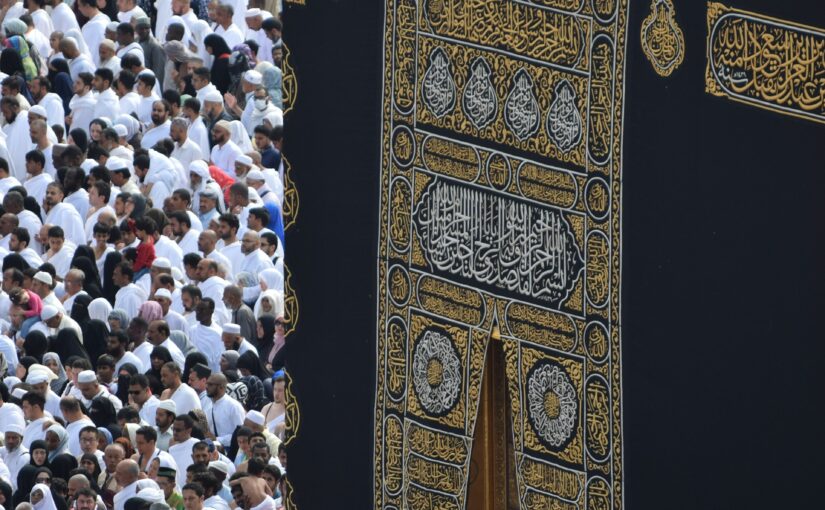
**Kaaba Ke Badshah (کعبہ کے بادشاہ)** is one of the most beloved naats in the Islamic world, famously recited by the renowned naat khwan Owais Raza Qadri. This beautiful naat is a heartfelt tribute to Prophet Muhammad (peace be upon him), describing him as the King of the Kaaba and the beloved of Allah. The naat captures the deep love and reverence that Muslims feel for the Prophet, using powerful imagery of Mecca, Madina, and the Kaaba.
In this post, you will find the complete Urdu lyrics of Kaaba Ke Badshah, along with the English transliteration, translation, and the spiritual meaning behind this beautiful naat.
—
## About the Naat
Kaaba Ke Badshah was popularised by Owais Raza Qadri, a famous Pakistani naat khwan known for his soulful voice and deeply moving renditions. The naat has become a staple at milads, naat gatherings, and Islamic events around the world. Its simple yet profound lyrics make it accessible to people of all ages, while its message of love for the Prophet resonates with Muslims everywhere.
The central theme of the naat is the unmatched status of Prophet Muhammad (PBUH). It describes him as the king of the Kaaba, the beloved of Allah, and the greatest of all creation. The naat also expresses a deep longing to visit the holy cities of Mecca and Madina, a feeling shared by Muslims around the world.
—
## Kaaba Ke Badshah — Urdu Lyrics (کعبہ کے بادشاہ)
**Verse 1:**
کعبہ کے بادشاہ آگئے
کعبہ کے بادشاہ آگئے
مدینہ کے شہنشاہ آگئے
مدینہ کے شہنشاہ آگئے
**Verse 2:**
محبوب خدا آگئے
محبوب خدا آگئے
آقا دو جہاں آگئے
آقا دو جہاں آگئے
**Verse 3:**
نور سے جگمگایا حرم
نور سے جگمگایا حرم
مکی مدنی مصطفیٰ صلی اللہ علیہ وسلم
مکی مدنی مصطفیٰ صلی اللہ علیہ وسلم
**Verse 4:**
سبز گنبد پہ سلام
سبز گنبد پہ سلام
اے شہنشاہ مدینہ سلام
اے شہنشاہ مدینہ سلام
**Verse 5:**
دل ہے مدینے چل
دل ہے مدینے چل
یاد ہے تجھ کو یا نبی
دل ہے مدینے چل
**Verse 6:**
میری نگاہیں تجھ پہ فدا
میری نگاہیں تجھ پہ فدا
میرا دل تجھ پہ فدا
میرا دل تجھ پہ فدا
—
## English Transliteration
**Verse 1:**
Kaaba ke badshah aagaye
Kaaba ke badshah aagaye
Madina ke shahanshah aagaye
Madina ke shahanshah aagaye
**Verse 2:**
Mahbood-e-Khuda aagaye
Mahbood-e-Khuda aagaye
Aaqa do jahan aagaye
Aaqa do jahan aagaye
**Verse 3:**
Noor se jagmagaya haram
Noor se jagmagaya haram
Makki Madani Mustafa sallallahu alayhi wasallam
Makki Madani Mustafa sallallahu alayhi wasallam
**Verse 4:**
Sabz gumbad pe salam
Sabz gumbad pe salam
Aye shahanshah-e-Madina salam
Aye shahanshah-e-Madina salam
**Verse 5:**
Dil hai Madine chal
Dil hai Madine chal
Yaad hai tujh ko ya nabi
Dil hai Madine chal
**Verse 6:**
Meri nigaahein tujh pe fida
Meri nigaahein tujh pe fida
Mera dil tujh pe fida
Mera dil tujh pe fida
—
## English Translation
**Verse 1:**
The King of the Kaaba has arrived
The King of the Kaaba has arrived
The Emperor of Madina has arrived
The Emperor of Madina has arrived
**Verse 2:**
The beloved of Allah has arrived
The beloved of Allah has arrived
The Master of both worlds has arrived
The Master of both worlds has arrived
**Verse 3:**
The sanctuary shines with light
The sanctuary shines with light
The Makki and Madani Mustafa, peace be upon him
The Makki and Madani Mustafa, peace be upon him
**Verse 4:**
Peace be upon the green dome
Peace be upon the green dome
O Emperor of Madina, peace be upon you
O Emperor of Madina, peace be upon you
**Verse 5:**
My heart wants to go to Madina
My heart wants to go to Madina
Do you remember me, O Prophet?
My heart wants to go to Madina
**Verse 6:**
My gaze is sacrificed for you
My gaze is sacrificed for you
My heart is sacrificed for you
My heart is sacrificed for you
—
## Meaning and Background
**The Symbolism of “Kaaba Ke Badshah”**
The title “Kaaba Ke Badshah” translates to “The King of the Kaaba.” This is a beautiful metaphor that highlights the special connection between Prophet Muhammad (PBUH) and the Kaaba, the holiest site in Islam. The Prophet was born in Mecca, the city of the Kaaba, and it was to the Kaaba that he turned in prayer throughout his life.
**The Green Dome**
The reference to the “green dome” (sabz gumbad) in Verse 4 is a direct reference to the Green Dome of the Prophet’s Mosque in Madina. This green-painted dome sits above the tomb of the Prophet Muhammad (PBUH) and is one of the most recognisable symbols in the Islamic world. When naat khwans sing “Sabz gumbad pe salam,” they are sending greetings of peace to the Prophet resting beneath that dome.
**The Longing for Madina**
Verses 5 and 6 express a deep emotional longing to visit Madina and the Prophet’s mosque. This theme of Ishq-e-Mustafa (love for the Prophet) is central to many naats. The lyrics capture the feeling of every Muslim who yearns to stand before the Prophet’s mosque, offer prayers there, and send salutations to the Prophet.
**Sacrifice and Devotion**
The repeated phrase “fida” (sacrificed) in Verse 6 expresses total devotion. The singer declares that their gaze, their heart, and their entire being are sacrificed for the Prophet. This level of devotion reflects the deep love that Muslims hold for Prophet Muhammad (PBUH), who is described in the Quran as “a mercy to all the worlds.”
—
## When to Recite Kaaba Ke Badshah
This naat is commonly recited on various occasions including:
– **Milad un-Nabi** celebrations of the Prophet’s birthday
– **Friday gatherings** as a way to send blessings upon the Prophet
– **Islamic events and conferences** where naat is performed
– **Personal worship** as a form of meditation and spiritual connection
– **Travel to Madina** often recited by pilgrims visiting the Prophet’s mosque
The naat’s uplifting melody and heartfelt lyrics make it suitable for both solo recitation and group performances.
—
## About the Reciter: Owais Raza Qadri
Owais Raza Qadri is one of the most famous naat khwans in the world. Born in Pakistan, he began reciting naat at a young age and gained international fame for his beautiful voice and emotional style. His renditions of classics like “Kaaba Ke Badshah,” “Tajdar-e-Haram,” and “Mere Aaqa Ka Darbar” are loved by millions around the world.
Owais Raza Qadri’s naats are known for their clarity, emotional depth, and the way they connect listeners to the spiritual message of Islam. He has performed at venues around the world and continues to be one of the most influential naat reciters of his generation.
—
## Conclusion
Kaaba Ke Badshah is a beautiful naat that captures the essence of love for Prophet Muhammad (PBUH). Its simple lyrics carry deep meaning, and its melody touches the hearts of listeners. Whether you are a lifelong admirer of naat or discovering this beautiful form of Islamic poetry for the first time, Kaaba Ke Badshah is a perfect example of why naat holds such a special place in Islamic culture.
We hope this complete guide with Urdu lyrics, English transliteration, and translation helps you understand and appreciate this beautiful naat even more. Share it with friends and family, and may our love for the Prophet continue to grow.
**Internal Links:**
– Tajdar-e-Haram full naat lyrics with Urdu and English translation
– Mere Aaqa Ka Darbar naat lyrics with Urdu and English translation
– Sabz Gumbad Wale naat lyrics