
Introduction
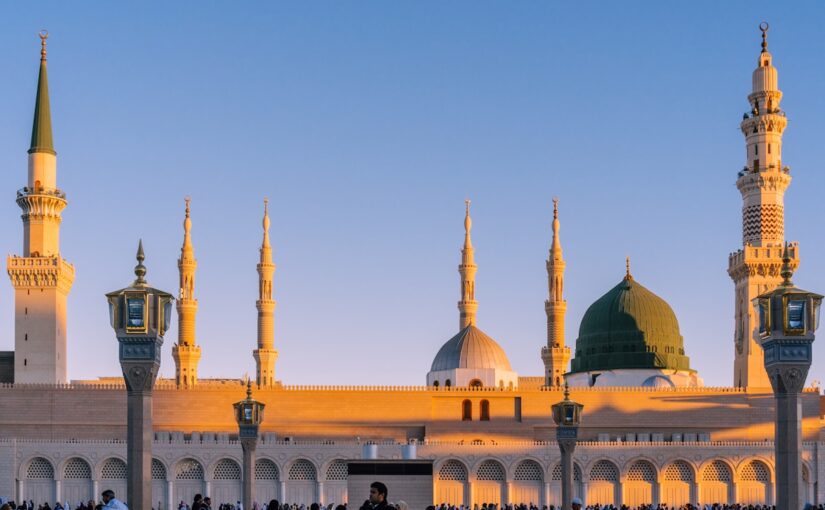
“Mujhe Aane De Madine” (مجھے آنے دے مدینے) is one of the most beloved and emotionally powerful naats in the Islamic world. This beautiful naat is a heartfelt plea from a believer who longs to visit the sacred city of Madina Munawwara and be in the blessed presence of Prophet Muhammad ﷺ. The naat expresses the deep yearning and spiritual restlessness that every Muslim feels for the city of the Prophet — a longing that can only be satisfied by standing at the Rawza Mubarak and offering salutations to the Beloved ﷺ.
This naat was popularised by the world-renowned naat khwan Owais Raza Qadri, whose soul-stirring voice and emotional delivery have made this naat a staple at milad gatherings, mehfils, and Islamic events around the globe. Owais Raza Qadri, a Pakistani naat khwan known for his powerful yet soothing voice, has recorded numerous naats that have touched the hearts of millions. His recitation of “Mujhe Aane De Madine” is particularly famous for capturing the raw emotion of a devotee who cannot bear to stay away from Madina any longer.
The naat belongs to the genre of “Madina naats” — devotional poems that express love and longing for the city of the Prophet ﷺ. These naats hold a special place in Islamic devotional poetry because Madina is not just a city; it is the home of the Prophet, the place where the Quran was completed, and the site of Masjid al-Nabawi, the second holiest mosque in Islam.
In this post, we share the full Urdu lyrics of Mujhe Aane De Madine along with Roman English transliteration, word-by-word English translation, and the deeper spiritual meaning behind this moving naat.
Mujhe Aane De Madine (مجھے آنے دے مدینے) — Full Urdu Lyrics
Verse 1
مجھے آنے دے مدینے، مجھے آنے دے مدینے
مجھے آنے دے مدینے، مجھے آنے دے مدینے
ترے در پر جو بھی آتا ہے، وہ خالی نہیں جاتا
مجھے آنے دے مدینے، مجھے آنے دے مدینے
Verse 2
مری آنکھوں نے ترا روضہ ابھی دیکھا نہیں لیکن
تری یادوں نے مجھ کو ایسے رلایا ہے کچھ ایسے
مرا دل چاہتا ہے اب میں تیرے شہر میں جا کر
کروں نعتِ رسول اور پھر وہیں پر میں مر جاؤں
مجھے آنے دے مدینے، مجھے آنے دے مدینے
Verse 3
ترے کوچے کی خاک اپنی آنکھوں کا سرمہ بناؤں
ترے در پر جھکا کے سر، خدا سے مانگ لوں میں سب کچھ
مری قسمت سنور جائے اگر تو ایک بار مجھ کو
بلا لے اپنے در پر تو، نبی کے شہر میں جا کر
مجھے آنے دے مدینے، مجھے آنے دے مدینے
Verse 4
یہ دنیا کی محبتیں جھوٹی ہیں، سب جھوٹی ہیں
تری محبتوں میں ہے سچائی، تری محبتوں میں ہے وفا
مرے آقا ﷺ تیرے در کا میں دیوانہ ہوں
مجھے مدینے بلا لو، مجھے مدینے بلا لو
مجھے آنے دے مدینے، مجھے آنے دے مدینے
Verse 5
میں گنہگار ہوں، میں ناچیز ہوں، میں ناکام ہوں
مگر تیری محبت ہے مرے دل میں، تیرا نام ہے ہونٹوں پہ
اسی امید پر آیا ہوں تیرے در پہ جنابِ رسالت ﷺ
کہ مجھ کو اپنی نظر کرم سے نواز دو، مجھے مدینے بلا لو
مجھے آنے دے مدینے، مجھے آنے دے مدینے
Verse 6
مری ساری تمنا ہے، مری ساری آرزو ہے
کہ میں اک بار چلوں مدینے، کروں طواف روضے کا
کروں سلام تمہیں اے شہنشاہِ مدینہ ﷺ
مری جان نثار ہو تیری نعلین پہ، مرا دل فدا ہو
مجھے آنے دے مدینے، مجھے آنے دے مدینے
Roman English Transliteration
Verse 1
Mujhe aane de Madine, mujhe aane de Madine
Mujhe aane de Madine, mujhe aane de Madine
Tere dar par jo bhi aata hai, woh khaali nahi jaata
Mujhe aane de Madine, mujhe aane de Madine
Verse 2
Meri aankhon ne tera roza abhi dekha nahi lekin
Teri yaadon ne mujh ko aise rulaaya hai kuch aise
Mera dil chahta hai ab main tere sheher mein ja kar
Karoon naat-e-Rasool aur phir wahin par main mar jaaon
Mujhe aane de Madine, mujhe aane de Madine
Verse 3
Tere koche ki khaak apni aankhon ka surma banaaun
Tere dar par jhuka ke sar, Khuda se maang loon main sab kuch
Meri qismat sanwar jaaye agar tu ek baar mujh ko
Bula le apne dar par tu, Nabi ke sheher mein ja kar
Mujhe aane de Madine, mujhe aane de Madine
Verse 4
Yeh duniya ki muhabbatein jhooti hain, sab jhooti hain
Teri muhabbaton mein hai sachchai, teri muhabbaton mein hai wafa
Mere Aaqa ﷺ tere dar ka main deewana hoon
Mujhe Madine bula lo, mujhe Madine bula lo
Mujhe aane de Madine, mujhe aane de Madine
Verse 5
Main gunehgaar hoon, main naacheez hoon, main naakaam hoon
Magar teri mohabbat hai mere dil mein, tera naam hai honton par
Isi umeed par aaya hoon tere dar par janaab-e-risalat ﷺ
Ke mujh ko apni nazar-e-karam se nawaz do, mujhe Madine bula lo
Mujhe aane de Madine, mujhe aane de Madine
Verse 6
Meri saari tamanna hai, meri saari aarzu hai
Ke main ek baar chaloon Madine, karoon tawaaf-e-roza ka
Karoon salaam tumhein ae shahanshah-e-Madina ﷺ
Meri jaan nisaar ho teri naalain par, mera dil fida ho
Mujhe aane de Madine, mujhe aane de Madine
English Translation
Verse 1
Let me come to Madina, let me come to Madina
Let me come to Madina, let me come to Madina
Whoever comes to Your door does not return empty-handed
Let me come to Madina, let me come to Madina
Verse 2
My eyes have not yet seen your blessed shrine, but
Your memories have made me weep like never before
My heart now desires that I go to your city
And recite the praise of the Messenger, and then breathe my last right there
Let me come to Madina, let me come to Madina
Verse 3
I want to make the dust of your alleyway the kohl of my eyes
And bowing my head at your door, ask Allah for everything
My fate would be transformed if You, just once,
Call me to your door, to the city of the Prophet
Let me come to Madina, let me come to Madina
Verse 4
The loves of this world are all false, entirely false
In Your love is truth, in Your love is loyalty
My Master ﷺ, I am crazed for Your door
Call me to Madina, call me to Madina
Let me come to Madina, let me come to Madina
Verse 5
I am a sinner, I am worthless, I am a failure
But Your love is in my heart, Your name is on my lips
With this hope I have come to Your door, O Prophet of Allah ﷺ
That You honour me with Your gracious glance, call me to Madina
Let me come to Madina, let me come to Madina
Verse 6
My every wish, my every desire is
That I walk once in Madina, perform the circumambulation of the blessed shrine
I send salutations to You, O King of Madina ﷺ
May my soul be sacrificed on Your sandals, may my heart be devoted
Let me come to Madina, let me come to Madina
Meaning and Significance
“Mujhe Aane De Madine” is more than just a naat — it is a window into the soul of a believer who is deeply in love with the Prophet Muhammad ﷺ and His city. Every verse of this naat carries profound spiritual meaning:
The Longing for Madina
At its core, this naat is about the spiritual longing that every Muslim feels for Madina Munawwara. This is not merely a desire to travel to a beautiful city; it is a deep, almost unbearable yearning to be in the place where the Prophet ﷺ lived, prayed, and is buried. The repeated refrain “Mujhe aane de Madine” is the desperate cry of a heart that cannot rest until it reaches its destination.
Hope in Divine Mercy
The line “Tere dar par jo bhi aata hai, woh khaali nahi jaata” reflects the Islamic belief that no one who turns to the Prophet ﷺ with sincere love is ever turned away. The Prophet is Rahmat-ul-lil-Alameen (a mercy to all worlds), and seeking his intercession and blessings is a cherished tradition in Islamic spirituality.
The Desire for a Blessed End
One of the most poignant verses expresses the wish to die in Madina after reciting the praise of the Prophet ﷺ. This reflects the widespread belief among Muslims that dying in Madina — the sacred city of the Prophet — is among the greatest blessings a believer can receive. It is also a reminder of the importance of ending one’s life in a state of imaan and love for the Prophet.
Worldly Love vs. Divine Love
The naat contrasts the fleeting, often deceptive loves of this world with the pure, eternal love for the Prophet ﷺ. This is a recurring theme in Islamic devotional poetry — the idea that only love for Allah and His Messenger is true and lasting, while all worldly attachments are temporary and ultimately unsatisfying.
The Dust of Madina as Spiritual Medicine
The image of making the dust of Madina’s alleyways into kohl for one’s eyes is a powerful metaphor. In Islamic tradition, the soil of Madina is considered blessed because it surrounds the resting place of the Prophet ﷺ. The poet wants to fill their very sight with the essence of Madina, symbolising a desire to see everything through the lens of love for the Prophet.
Humility and Hope
Throughout the naat, the poet acknowledges their sins, shortcomings, and unworthiness. Yet they do not lose hope. They come to the door of the Prophet ﷺ with full confidence that mercy awaits them. This balance between khauf (fear of Allah) and raja (hope in Allah’s mercy) is a hallmark of authentic Islamic spirituality.
Who Made It Popular?
The naat “Mujhe Aane De Madine” gained widespread popularity largely through the emotional recitation of Owais Raza Qadri, one of the most famous naat khwans of the modern era. Born in Karachi, Pakistan, Owais Raza Qadri has been reciting naats since childhood and has released hundreds of naats that are beloved across the globe. His unique style combines a powerful voice with deep emotional expression, making listeners feel the words as if they were their own.
Other notable reciters who have performed this naat include various artists from the subcontinent, but Owais Raza Qadri’s rendition remains the most recognised and cherished version.
Conclusion
“Mujhe Aane De Madine (مجھے آنے دے مدینے)” is a naat that speaks directly to the heart of every Muslim who loves the Prophet Muhammad ﷺ and longs to visit his blessed city. It reminds us that the ultimate destination of every believer is not just a physical place, but a spiritual station — a state of being close to the Beloved ﷺ.
May Allah grant us all the opportunity to visit Madina Munawwara, to offer our salaam at the Rawza Mubarak, and to be counted among those who love the Prophet ﷺ with all their hearts. Ameen.
If you enjoyed this naat, please share it with your family and friends. May the love of the Prophet ﷺ fill our hearts and guide us on the straight path.