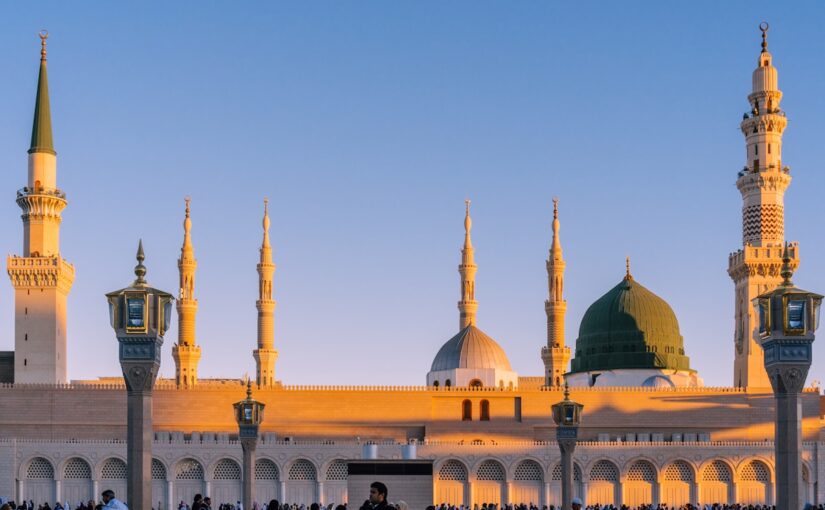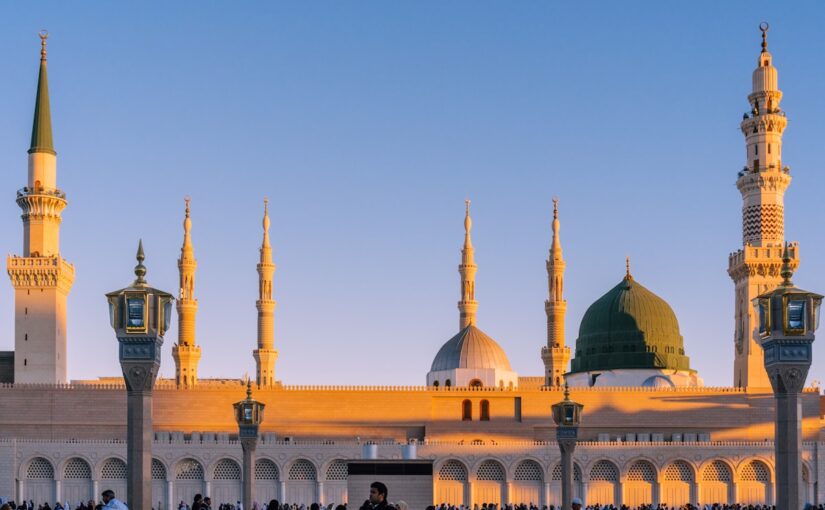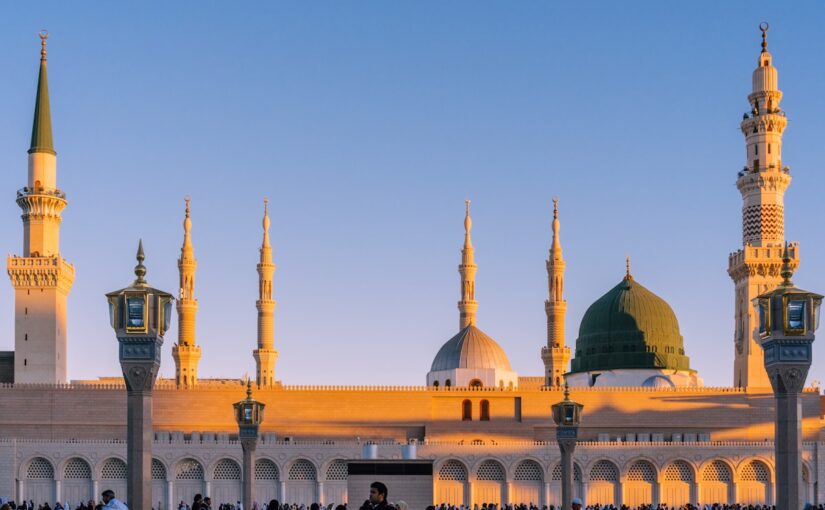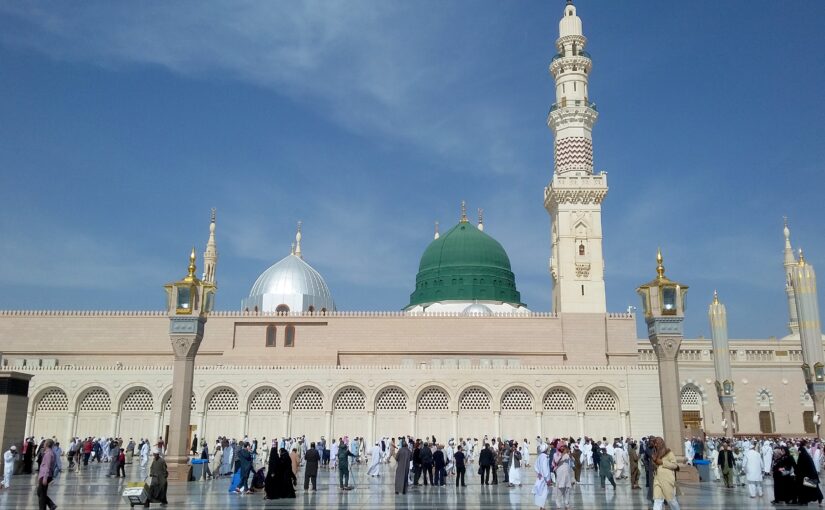

Mere Dil Mein Hai Yaade Muhammad (میرے دل میں ہے یاد محمد) — Full Naat Lyrics in Urdu, English Translation and Meaning

One of the most cherished naats in the modern Islamic world, “Mere Dil Mein Hai Yaade Muhammad” (میرے دل میں ہے یاد محمد), holds a special place in the hearts of millions. Sung by the renowned naat khwan Alhaj Owais Raza Qadri, this soulful naat expresses the profound love and devotion a believer carries for the Prophet Muhammad ﷺ. Every verse resonates with the deep spiritual connection that defines true faith — the remembrance of the Beloved Prophet and the blessed city of Madina.

Background and Significance of the Naat

“Mere Dil Mein Hai Yaade Muhammad” translates to “In my heart is the remembrance of Muhammad”. This naat beautifully captures the essence of what it means to live with the Prophet ﷺ in one’s heart at all times. The poet speaks of a heart that, though broken by worldly affairs, becomes a sanctuary for the King of both worlds — the Prophet Muhammad ﷺ.

The naat was popularized by Owais Raza Qadri, a globally respected naat khwan from Pakistan. Owais Qadri is known for his melodious voice and has been a regular feature at major religious gatherings around the world, including the annual Urs celebrations, Eid Milad un Nabi conferences, and international Islamic events. His rendition of this naat has amassed millions of views online, making it one of the most widely recited and listened-to naats among Urdu-speaking Muslims worldwide.

The composition draws heavily from the Islamic tradition of Ishq-e-Rasool (love for the Prophet) — a central concept in Islamic spirituality. The Quran itself commands believers: “Say, [O Muhammad], ‘If you should love Allah, then follow me, [so] Allah will love you and forgive you your sins'” (Surah Al-Imran, 3:31). This naat is a poetic expression of that very command — following the Prophet ﷺ not just in action, but in heart and soul.

The Poet and the Naat Khwan

While the original poet of this naat is not widely documented, the piece belongs to the rich tradition of Urdu naat poetry that emerged from the Indian subcontinent. Urdu naat poetry has been a powerful medium of expressing love for the Prophet ﷺ for centuries, with poets like Ahmed Raza Khan Barelvi, Maulana Altaf Hussain Hali, and many others contributing to this sacred genre.

Owais Raza Qadri, born in 1977 in Faisalabad, Pakistan, is one of the most recognizable voices in the world of naat today. He began reciting naats at a young age and gained widespread fame through his powerful yet soothing recitations. He traces his spiritual lineage to the Qadri order of Sufism. His naats, including “Mere Dil Mein Hai Yaade Muhammad”, “Tajdar-e-Haram”, “Maa Ke Bheje Hue”, and many others, have become staples at religious gatherings worldwide.

Full Naat Lyrics in Urdu

Below are the complete lyrics of this beautiful naat in Urdu script, followed by the English transliteration and translation.

میرے دل میں ہے یاد محمد — اردو میں مکمل نعت

میرے دل میں ہے یاد محمد
میرے ہونٹوں پہ ذکر مدینہ
تاجدارِ حرم کے کرم سے
آ گیا زندگی کا قرینہ

میرے دل میں ہے یاد محمد…

دل شکستہ ہے میرا تو کیا غم
اس میں رہتے ہیں شاہِ دو عالم
جب سے مہمان ہوئے ہیں وہ دل میں
دل میرا بن گیا ہے مدینہ

میرے دل میں ہے یاد محمد…

مجھکو طوفان کی موجوں کا کیا ڈر
وہ گزر جائے گا رخ بدل کر
نہ خدائے ہے میرے جب محمد
کیسے ڈوبے گا میرا سفینہ

میرے دل میں ہے یاد محمد…

ہر خطا پہ میری چشم پوشی
ہر طلب پہ عطاؤں کی بارش
مجھ گناہگار پر کس قدر ہے
مہرباں تاجدارِ مدینہ

میرے دل میں ہے یاد محمد…

دولتِ عشق سے دل غنی ہے
میری قسمت ہے رشکِ سکندر
قابلِ فخر ہے موت میری
قابلِ فخر ہے میرا جینا

میرے دل میں ہے یاد محمد…

English Transliteration of the Naat

Verse 1:
Mere dil mein hai yaade Muhammad
Mere honton pe zikre Madina
Tajdaare Haram ke karam se
Aa gaya zindagi ka qareena

Mere dil mein hai yaade Muhammad…

Verse 2:
Dil shikasta hai mera to kya gham
Is mein rehte hain Shahe Do Aalam
Jab se mehmaan huwe hain woh dil mein
Dil mera ban gaya hai Madina

Mere dil mein hai yaade Muhammad…

Verse 3:
Mujhko toofaan ki maujon ka kya dar
Woh guzar jayega rukh badal kar
Na Khuda hai mere jab Muhammad
Kaise dubega mera safeena

Mere dil mein hai yaade Muhammad…

Verse 4:
Har khata par meri chashm poshi
Har talab par ataao ki baarish
Mujh gunahgaar par kis qadar hai
Meherbaan Tajdaare Madina

Mere dil mein hai yaade Muhammad…

Verse 5:
Daulate ishq se dil ghani hai
Meri qismat hai rashke Sikandar
Qabile fakhr hai maut meri
Qabile fakhr hai mera jeena

Mere dil mein hai yaade Muhammad…

English Translation and Meaning

Verse 1:
In my heart resides the remembrance of Muhammad,
On my lips is the mention of Madina.
By the grace of the Custodian of the Sanctuary (the Prophet ﷺ),
My life has found its true rhythm and purpose.

This opening verse sets the tone for the entire naat. The poet declares that the Prophet ﷺ and the blessed city of Madina are not distant concepts but living realities in his daily existence. The “Custodian of the Sanctuary” refers to the Prophet ﷺ, and through his grace, life has found meaning and direction.

Verse 2:
What grief if my heart is broken?
For within it dwells the King of both worlds.
Ever since He became a guest in my heart,
My heart itself has become Madina.

A deeply moving verse — the poet says that even if worldly troubles break his heart, it matters little because the greatest honor anyone can have is to carry the love of the Prophet ﷺ within. The heart becomes a sacred space, transformed into Madina itself by the presence of the Beloved ﷺ.

Verse 3:
What fear have I of the waves of the storm?
They will pass, changing their course.
When Muhammad ﷺ is my Protector,
How could my ship ever sink?

This verse draws on the powerful metaphor of a ship navigating stormy seas. Life’s trials and tribulations are like turbulent waves, but with the Prophet ﷺ as one’s protector, no storm can cause lasting harm. It echoes the Islamic concept of tawakkul (trust in Allah) and intercession through the Prophet’s ﷺ love.

Verse 4:
For every mistake of mine, You turn a blind eye,
For every request, Your blessings rain down.
O Custodian of Madina, how gracious You are
To a sinner like me!

The poet acknowledges his own shortcomings and sins, marveling at the endless mercy and generosity of the Prophet ﷺ. This reflects the Islamic teaching that the Prophet ﷺ was sent as a “mercy to all worlds” (Rahmatun lil Alameen). The verse reminds the listener that divine mercy outweighs human failings.

Verse 5:
My heart is enriched by the wealth of love,
My fortune is the envy of Alexander the Great.
My death is worthy of pride,
And my life is worthy of pride.

The concluding verse elevates spiritual wealth above all material riches. The love of the Prophet ﷺ is a treasure greater than any kingdom — even Alexander’s legendary empire pales in comparison. Both life and death become honorable when lived in the light of this love.

Spiritual Significance of the Naat

This naat is not merely poetry — it is a reflection of the spiritual state (haal) that every believer aspires to reach. The constant remembrance of the Prophet ﷺ, the longing for Madina, and the trust in his intercession are all deeply rooted in Islamic tradition.

In Islamic spirituality, the act of reciting or listening to naat is considered a form of dhikr (remembrance of Allah and His Messenger). The Quran says: “And We have raised high your remembrance” (Surah Al-Inshirah, 94:4), a verse that many scholars interpret as referring to the elevated status of the Prophet’s ﷺ name being mentioned alongside Allah’s.

The love for Madina expressed in this naat is also significant. Madina Munawwara is the city where the Prophet ﷺ established the first Islamic state and where his blessed resting place (Raudha Mubarak) is located. The Prophet ﷺ said: “Between my house and my pulpit is a garden from the gardens of Paradise” (Bukhari). For believers, Madina represents the pinnacle of spiritual longing.

Why This Naat Resonates So Deeply

“Mere Dil Mein Hai Yaade Muhammad” has become a beloved naat for several reasons:

  • Universal theme: The longing for the Prophet ﷺ and Madina is a sentiment shared by Muslims across all cultures and languages.
  • Emotional depth: The lyrics speak directly to the heart, acknowledging human weakness while celebrating divine mercy.
  • Melodic composition: Owais Raza Qadri’s rendition uses a soulful melody that enhances the emotional impact of the words.
  • Accessible language: The Urdu is simple yet profound, making it easy for speakers and learners alike to connect with the meaning.
  • Repeatability: The refrain structure makes it easy to remember and recite, encouraging personal dhikr.

How to Recite This Naat

For those who wish to recite this naat in their daily worship or at religious gatherings:

  • Recite with wudu (ablution) for added spiritual purity
  • Face the Qibla direction if possible
  • Recite Durood Shareef (salutations upon the Prophet ﷺ) before and after
  • Reflect on the meaning of each verse as you recite
  • Maintain a respectful tone, understanding that naat is a form of devotion

This naat is particularly popular during Eid Milad un Nabi celebrations, Friday gatherings, and at the end of Quran recitation events. Many also include it in their daily morning or evening dhikr routines.

Frequently Asked Questions

Q: Who sang “Mere Dil Mein Hai Yaade Muhammad”?
A: This naat is most famously sung by Alhaj Owais Raza Qadri.

Q: What does “Mere Dil Mein Hai Yaade Muhammad” mean?
A: It means “In my heart is the remembrance of Muhammad.”

Q: Is this naat suitable for daily recitation?
A: Yes, this naat is perfect for daily personal devotion and recitation.

Q: Can non-Urdu speakers recite this naat?
A: Absolutely. The English transliteration provided above makes it accessible to all who wish to recite it with proper pronunciation.

May the love of the Prophet Muhammad ﷺ always remain in our hearts, and may the beautiful city of Madina always be on our lips. Ameen.

Sallu Ala Muhammad (صلوا علی محمد) — Full Naat Lyrics in Urdu, English Translation and Meaning

Sallu Ala Muhammad (صلوا علی محمد) — Full Naat Lyrics in Urdu, English Translation and Meaning

“Sallu Ala Muhammad” is a beautiful and widely recited naat that calls upon believers to send blessings upon the Prophet Muhammad (peace be upon him). The title translates to “Send Blessings Upon Muhammad,” and the lyrics express deep love, devotion and reverence for the final messenger of Islam.

This naat is popular across the Muslim world and is often recited at Milad gatherings, Islamic conferences and daily gatherings. Its simple yet powerful message reminds Muslims of the importance of sending salawat (blessings) upon the Prophet.

Background and Significance

The phrase “Sallu Ala Muhammad” is directly inspired by the Quranic verse in Surah Al-Ahzab (33:56): “Indeed, Allah and His angels send blessings upon the Prophet. O you who have believed, ask blessings upon him and salute him with a worthy greeting.” This naat puts that divine command into poetic form, making it easy for believers to remember and recite.

The naat is known for its soulful melody and easy-to-remember lyrics. It is often recited by famous naat reciters across Pakistan, India and the Gulf region. The repetitive chorus makes it particularly popular at gatherings where large groups join in collective remembrance.

Urdu Lyrics (اردو lyrics)

صلوا علی محمد
صلوا علی محمد
صلوا علی محمد
محمد مصطفیٰ ﷺ

آپ کا در ہے اعلیٰ
آپ کا رتبہ عالی
آپ ہے شاہِ والا
محمد مصطفیٰ ﷺ

آپ پہ لاکھوں سلام
آپ پہ لاکھوں درود
آپ ہے رحمتِ عام
محمد مصطفیٰ ﷺ

آپ سے ملتا ہے نور
آپ سے پاتا ہے نور
آپ ہے بحرِ طہور
محمد مصطفیٰ ﷺ

آپ ہے شافعِ محشر
آپ ہے ساقیِ کوثر
آپ ہے رحمتِ باور
محمد مصطفیٰ ﷺ

آپ کا اخلاق عظیم
آپ ہے خلقِ عظیم
آپ ہے شہہ دارِ کلیم
محمد مصطفیٰ ﷺ

میری حاجت ہے یہی
میری طاقت ہے یہی
آپ سے نسبت ہے یہی
محمد مصطفیٰ ﷺ

صلوا علی محمد
صلوا علی محمد
صلوا علی محمد
محمد مصطفیٰ ﷺ

Roman Urdu Transliteration

Sallu Ala Muhammad
Sallu Ala Muhammad
Sallu Ala Muhammad
Muhammad Mustafa ﷺ

Aap ka dar hai aala
Aap ka rutba aali
Aap hai Shah-e-waala
Muhammad Mustafa ﷺ

Aap pe laakhon salaam
Aap pe laakhon durood
Aap hai rehmat-e-aam
Muhammad Mustafa ﷺ

Aap se milta hai noor
Aap se paata hai noor
Aap hai behr-e-tahoor
Muhammad Mustafa ﷺ

Aap hai shafe-e-mahshar
Aap hai saaqi-e-kauthar
Aap hai rehmat-e-baawar
Muhammad Mustafa ﷺ

Aap ka akhlaq azeem
Aap hai khulq-e-azeem
Aap hai shah daare kaleem
Muhammad Mustafa ﷺ

Meri haajat hai yehi
Meri taaqat hai yehi
Aap se nisbat hai yehi
Muhammad Mustafa ﷺ

Sallu Ala Muhammad
Sallu Ala Muhammad
Sallu Ala Muhammad
Muhammad Mustafa ﷺ

English Translation

Verse 1 (Chorus):
Send blessings upon Muhammad
Muhammad, the Chosen One ﷺ

Verse 2:
Your station is the highest
Your rank is the most exalted
You are the noble King
Muhammad, the Chosen One ﷺ

Verse 3:
Millions of salutations upon you
Millions of blessings upon you
You are mercy for all creation
Muhammad, the Chosen One ﷺ

Verse 4:
From you comes divine light
From you is light received
You are the ocean of purity
Muhammad, the Chosen One ﷺ

Verse 5:
You are the intercessor on Judgment Day
You are the giver of the River of Kauthar
You are the embodiment of mercy
Muhammad, the Chosen One ﷺ

Verse 6:
Your character is magnificent
You possess the greatest morality
You are the lord of the one spoken to (Moses)
Muhammad, the Chosen One ﷺ

Verse 7:
This is my only wish
This is my only strength
To be connected to you
Muhammad, the Chosen One ﷺ

Verse 8 (Chorus):
Send blessings upon Muhammad
Muhammad, the Chosen One ﷺ

Meaning and Spiritual Message

The central theme of “Sallu Ala Muhammad” is the importance of sending salawat (blessings) upon the Prophet Muhammad. Each verse highlights a different aspect of the Prophet’s exalted status: his high rank in the sight of Allah, his role as a mercy to all creation, his intercession on the Day of Judgment, and his noble character.

The repeated chorus acts as a meditation, drawing the believer into a state of remembrance and love. The verses move from praising the Prophet’s external virtues to expressing the believer’s deep personal need for connection with him.

The line “Meri haajat hai yehi, meri taaqat hai yehi, aap se nisbat hai yehi” is particularly moving. It translates to “This is my only wish, this is my only strength, to be connected to you.” This expresses the core of Islamic spirituality: that the believer’s ultimate aspiration is to be close to the Prophet and, through him, to Allah.

When to Recite This Naat

“Sallu Ala Muhammad” is suitable for recitation at any time. It is commonly recited during Milad-un-Nabi celebrations, at weekly gatherings for dhikr and salawat, and as part of morning and evening prayers. Many Muslims also recite it while travelling or during moments of personal reflection.

The simplicity of the lyrics makes it accessible to people of all ages. Children often learn this naat as one of their first, and it remains a favourite throughout life.

Labbaik Ya Rasool Allah (لبیک یا رسول اللہ) — Full Naat Lyrics in Urdu, English Translation and Meaning

“Labbaik Ya Rasool Allah (لبیک یا رسول اللہ)” is one of the most beloved and frequently recited naats in the Islamic world. This soul-stirring poem, famously rendered by Owais Raza Qadri, expresses a devotee’s deep love and longing for Prophet Muhammad ﷺ. The phrase “Labbaik Ya Rasool Allah” means “Here I am, O Messenger of Allah” — a powerful declaration of readiness, devotion, and submission to the beloved Prophet. This naat is a staple at milad gatherings, naat evenings, and spiritual assemblies worldwide.

Background and Significance

The phrase “Labbaik” is famously associated with the Hajj pilgrimage, where pilgrims proclaim “Labbaik Allahumma Labbaik” (Here I am, O Allah, here I am). By adapting this sacred call and directing it to the Prophet ﷺ, the naat “Labbaik Ya Rasool Allah” creates a profound link between the devotion of Hajj and the love for the Prophet. It suggests that just as a pilgrim answers the call of Allah, a believer answers the call of His Messenger.

Owais Raza Qadri, a renowned naat khawan from Pakistan, popularised this naat through his heartfelt renditions. His style blends traditional Islamic poetry with a melodious, accessible delivery that resonates with audiences of all ages. The naat has been performed at countless religious gatherings and has been covered by many artists, becoming a timeless classic in the genre of Islamic devotional poetry.

The central theme of “Labbaik Ya Rasool Allah” is the believer’s unwavering love and devotion to the Prophet Muhammad ﷺ. The lyrics speak of coming to Madinah with an open heart, answering the call of the beloved, and finding spiritual peace in the presence of the Prophet. It reflects the deep emotional connection that Muslims feel toward their Prophet — a love that transcends time and space.

Full Urdu Lyrics (مکمل اردو کلام)

Below are the complete lyrics of “Labbaik Ya Rasool Allah” in Urdu script:

لبیک یا رسول اللہ، لبیک یا رسول اللہ

مدینے کی گلیوں میں، چلا ہوں میں سر برہنہ
لبیک یا رسول اللہ، لبیک یا رسول اللہ

در و بام نے پکارا، تجھے اے سخی مدینہ
لبیک یا رسول اللہ، لبیک یا رسول اللہ

تری خاک بھی ہے شفا، تری چاک بھی ہے بینا
لبیک یا رسول اللہ، لبیک یا رسول اللہ

مری جان و دل پہ چھائی، مدینہ کی ہر ادا ہے
لبیک یا رسول اللہ، لبیک یا رسول اللہ

جو تیرے در پہ آیا، وہ کبھی نہ خالی جایا
لبیک یا رسول اللہ، لبیک یا رسول اللہ

یہ مانگی ہے تمنا، تمہارے در کی ٹھوکر
لبیک یا رسول اللہ، لبیک یا رسول اللہ

مرے دل کی ہر دھڑکن، ہے تیرا ہی نام لیتی
لبیک یا رسول اللہ، لبیک یا رسول اللہ

تمہیں یاد کر کے رونا، ہے میری عبادت
لبیک یا رسول اللہ، لبیک یا رسول اللہ

کرم کا ہے اک سہارا، ترے در کے ہو گیا میں
لبیک یا رسول اللہ، لبیک یا رسول اللہ

مدینے سے ہے نسبت، یہی میری پہچان ہے
لبیک یا رسول اللہ، لبیک یا رسول اللہ

Roman English Transliteration

For readers who cannot read Urdu script, here is the Roman English transliteration:

Labbaik Ya Rasool Allah, Labbaik Ya Rasool Allah

Madine ki galiyon mein, chala hoon main sar barehna
Labbaik Ya Rasool Allah, Labbaik Ya Rasool Allah

Dar o baam ne pukara, tujhe aye sakhi Madina
Labbaik Ya Rasool Allah, Labbaik Ya Rasool Allah

Terri khaak bhi hai shifa, terri chaak bhi hai beena
Labbaik Ya Rasool Allah, Labbaik Ya Rasool Allah

Meri jaan o dil pe chhai, Madina ki har ada hai
Labbaik Ya Rasool Allah, Labbaik Ya Rasool Allah

Jo tere dar pe aaya, wo kabhi na khaali jaaya
Labbaik Ya Rasool Allah, Labbaik Ya Rasool Allah

Yeh maangi hai tamanna, tumhare dar ki thokar
Labbaik Ya Rasool Allah, Labbaik Ya Rasool Allah

Mere dil ki har dhadkan, hai tera hi naam leti
Labbaik Ya Rasool Allah, Labbaik Ya Rasool Allah

Tumhein yaad kar ke rona, hai meri ibadat
Labbaik Ya Rasool Allah, Labbaik Ya Rasool Allah

Karam ka hai ek sahaara, tere dar ke ho gaya main
Labbaik Ya Rasool Allah, Labbaik Ya Rasool Allah

Madine se hai nisbat, yahi meri pehchaan hai
Labbaik Ya Rasool Allah, Labbaik Ya Rasool Allah

English Translation (Verse by Verse)

Verse 1: Labbaik Ya Rasool Allah, Labbaik Ya Rasool Allah — Here I am, O Messenger of Allah, here I am, O Messenger of Allah

Verse 2: Madine ki galiyon mein, chala hoon main sar barehna — Through the streets of Madinah, I walk with my head uncovered (in humility)
Labbaik Ya Rasool Allah, Labbaik Ya Rasool Allah — Here I am, O Messenger of Allah

Verse 3: Dar o baam ne pukara, tujhe aye sakhi Madina — Every door and wall has called out to you, O generous one of Madinah
Labbaik Ya Rasool Allah, Labbaik Ya Rasool Allah — Here I am, O Messenger of Allah

Verse 4: Terri khaak bhi hai shifa, terri chaak bhi hai beena — Your dust is a cure, even your torn garment brings sight (spiritual vision)
Labbaik Ya Rasool Allah, Labbaik Ya Rasool Allah — Here I am, O Messenger of Allah

Verse 5: Meri jaan o dil pe chhai, Madina ki har ada hai — Every manner of Madinah has captured my heart and soul
Labbaik Ya Rasool Allah, Labbaik Ya Rasool Allah — Here I am, O Messenger of Allah

Verse 6: Jo tere dar pe aaya, wo kabhi na khaali jaaya — Whoever comes to your doorstep never leaves empty-handed
Labbaik Ya Rasool Allah, Labbaik Ya Rasool Allah — Here I am, O Messenger of Allah

Verse 7: Yeh maangi hai tamanna, tumhare dar ki thokar — This is my only wish: to stumble at your doorstep (to fall prostrate at your threshold)
Labbaik Ya Rasool Allah, Labbaik Ya Rasool Allah — Here I am, O Messenger of Allah

Verse 8: Mere dil ki har dhadkan, hai tera hi naam leti — Every beat of my heart takes your name
Labbaik Ya Rasool Allah, Labbaik Ya Rasool Allah — Here I am, O Messenger of Allah

Verse 9: Tumhein yaad kar ke rona, hai meri ibadat — Crying while remembering you is my worship
Labbaik Ya Rasool Allah, Labbaik Ya Rasool Allah — Here I am, O Messenger of Allah

Verse 10: Karam ka hai ek sahaara, tere dar ke ho gaya main — By Your grace, I have become attached to your doorstep
Labbaik Ya Rasool Allah, Labbaik Ya Rasool Allah — Here I am, O Messenger of Allah

Verse 11: Madine se hai nisbat, yahi meri pehchaan hai — My connection to Madinah is my true identity
Labbaik Ya Rasool Allah, Labbaik Ya Rasool Allah — Here I am, O Messenger of Allah

Themes and Meaning

“Labbaik Ya Rasool Allah” is more than just a naat — it is a spiritual journey expressed through poetry. Several key themes emerge from the verses:

Unconditional Love and Devotion: The refrain “Labbaik Ya Rasool Allah” echoes throughout the naat like a heartbeat. It represents the believer’s unconditional response to the call of the Prophet. Just as a pilgrim responds “Labbaik” to Allah during Hajj, the devotee here responds to the spiritual call of the beloved Prophet ﷺ.

Humility and Self-Surrender: The imagery of walking through Madinah’s streets “with an uncovered head” (sar barehna) is a powerful symbol of humility. In Eastern tradition, covering one’s head is a sign of respect; walking bareheaded signifies complete surrender and vulnerability before the beloved.

Madinah as a Sanctuary: The entire city of Madinah is portrayed as a place of spiritual healing. The dust of Madinah is described as “shifa” (cure), echoing the hadith that the soil of Madinah has healing properties. Even the walls and doors of Madinah call out to the believer, welcoming them to the city of the Prophet.

Call and Response Structure: The naat follows a distinctive call-and-response pattern. Each verse describes a different aspect of love and longing for the Prophet, and each is answered by the powerful refrain “Labbaik Ya Rasool Allah.” This structure makes the naat easy to remember and deeply engaging for listeners, who naturally join in with the refrain during gatherings.

Hope and Generosity: The verse “Jo tere dar pe aaya, wo kabhi na khaali jaaya” (Whoever comes to your doorstep never leaves empty-handed) reflects the Islamic belief in the Prophet’s ﷺ intercession and generosity. It gives hope to believers that their prayers and supplications made through love of the Prophet will not go unanswered.

Why This Naat Matters

“Labbaik Ya Rasool Allah” holds a special place in Islamic devotional tradition for several reasons:

  • Emotional Connection: Its simple yet profound lyrics create an immediate emotional connection with listeners. The repetition of “Labbaik Ya Rasool Allah” allows even those who do not understand Arabic or Urdu to participate in the devotion.
  • Bridge Between Cultures: The naat bridges Arabic Islamic tradition (the word “Labbaik” from Hajj) with Urdu devotional poetry, creating a unique fusion that appeals to South Asian Muslims while remaining rooted in classical Islamic concepts.
  • Spiritual Preparation: Many believers listen to this naat when preparing for Umrah or Hajj, or simply to connect spiritually with the Prophet ﷺ in their daily lives.
  • Community Bonding: The call-and-response nature makes it a staple at milad gatherings, where the entire congregation joins in the refrain, creating a powerful sense of unity and collective devotion.

In essence, this naat is a love letter to the Prophet Muhammad ﷺ — a declaration that the believer is always ready, always present, and always devoted. It reminds us that the love of the Prophet is not just a feeling but a call to action: to be humble, to seek knowledge, to serve others, and to constantly strive to be worthy of his intercession.

More Naat Lyrics You Might Like

If you enjoyed “Labbaik Ya Rasool Allah,” you may also like these naat lyrics:

Conclusion

“Labbaik Ya Rasool Allah (لبیک یا رسول اللہ)” is a timeless naat that continues to inspire millions around the world. Its powerful refrain, profound meaning, and emotional depth make it a true gem of Islamic devotional poetry. Whether recited in solitude or sung in congregation, this naat serves as a reminder of the believer’s eternal connection to the Prophet Muhammad ﷺ — a connection that transcends time, space, and language.

May we all be blessed to visit the blessed city of Madinah and answer the call of the beloved Prophet ﷺ with a sincere “Labbaik.” Ameen.

Suna Hai (سنا ہے) — Full Naat Lyrics in Urdu, English Translation and Meaning

# Suna Hai (سنا ہے) — Full Naat Lyrics in Urdu, English Translation and Meaning

“Suna Hai” is one of the most beloved naats in the Islamic world, famously recited by Owais Raza Qadri. The opening line “Suna hai log usay dewana kehtay hain” has become iconic among naat lovers. This beautiful kalam expresses the deep love and longing of a believer for Prophet Muhammad (peace be upon him).

The naat reflects the theme that those who truly love the Prophet are often considered “mad” by the world, but their madness is one of devotion and spiritual connection. In this article, we present the full lyrics in Urdu, Roman Urdu transliteration, English translation and the deeper meaning behind this soul-stirring naat.

## About the Naat

Suna Hai was originally written by the renowned poet Syed Muhammad Saeed Rifai. The kalam gained massive popularity when Owais Raza Qadri recited it at various gatherings. Today, it is one of the most requested naats at mehfils around the world.

The naat captures the beautiful paradox of loving the Prophet. To the outside world, a lover of Muhammad appears crazy or foolish. But in reality, this love is the highest form of spiritual attainment. The poet describes how the lover finds peace only in the remembrance of the Prophet and longs to be in Madina.

## Suna Hai Naat Lyrics in Urdu

سنا ہے لوگ اسے دیوانہ کہتے ہیں
مجھے اپنا بنا لو مرا زمانہ کہتے ہیں

یہ عشق ہے کہ محبت کا ایک نشہ ہے
مجھے تو آپ کی گلی کا آشیانہ کہتے ہیں

مدینہ شہر ہے پاکیزہ یہ ہے اہلِ صفا کا
یہاں تو خاک کو بھی لوگ دانہ کہتے ہیں

وہ پیار کرتے ہیں مجھ سے اتنا کہ دنیا والے
محبت میں مجھے اپنا دیوانہ کہتے ہیں

یہ کون سی ہے محبت یہ کیسا ہے نشہ
کہ مجھ کو لوگ مرا آپ دیوانہ کہتے ہیں

حضور آپ سے نسبت ہے اور پھر کیا غم
میں آپ کا ہوں مجھے اپنا زمانہ کہتے ہیں

## Suna Hai Naat Lyrics in Roman Urdu

Suna hai log usay dewana kehtay hain
Mujhe apna bana lo mera zamana kehtay hain

Yeh ishq hai ke mohabbat ka ek nashe hai
Mujhe toh aap ki gali ka aashiyana kehtay hain

Madina shehar hai paakeezah yeh hai ahl-e-safa ka
Yahan toh khaak ko bhi log daanah kehtay hain

Woh pyaar kartay hain mujhse itna ke duniya walay
Mohabbat mein mujhe apna dewana kehtay hain

Yeh kaun si hai mohabbat yeh kaisa hai nasha
Ke mujh ko log mera aap dewana kehtay hain

Huzoor aap se nisbat hai aur phir kya gham
Mein aap ka hoon mujhe apna zamana kehtay hain

## Suna Hai Naat Translation in English

I have heard that people call him mad (crazy with love)
Make me your own, though the world calls me yours

This is love, this is the intoxication of devotion
They say my home is in your street, O Prophet

Madina is a pure city, it belongs to the people of purity
Even its dust is considered precious by the people

He loves me so much that the people of the world
In their observation, call me mad for my love of him

What kind of love is this, what intoxication is this
That people call me mad for my beloved

When I have a connection with you, O Prophet, what sorrow can I have
I belong to you, though the world claims me as theirs

## Deeper Meaning and Message

The naat Suna Hai carries several layers of spiritual meaning. At its core, it celebrates the beautiful madness of loving the Prophet. The poet is aware that the world sees this love as irrational. But for the believer, this love is the most rational thing in existence.

### The Madness of Love

When someone falls deeply in love with the Prophet, their priorities change. They no longer care about worldly status or material wealth. Their only desire is to be close to the beloved. The world calls this madness. But in Islamic spirituality, this is the highest state of faith. The poet embraces this label proudly.

### The Purity of Madina

Madina is described as a city of purity. The phrase “even its dust is precious” reflects the deep reverence Muslims have for the city of the Prophet. Every particle of Madina is blessed because it was touched by the Prophet’s presence. This is why believers long to visit Madina and consider it sacred.

### Complete Trust in the Prophet

The final verse expresses complete trust. When you have a connection with the Prophet, you have no reason to fear or grieve. The love of the Prophet overshadows all worldly concerns. This is the ultimate comfort for a believer.

## Popular Reciters of Suna Hai

While Owais Raza Qadri’s rendition is the most famous, many other reciters have performed this naat beautifully. Some of the popular versions include:

– Owais Raza Qadri (original and most popular version)
– Javed Iqbal Qadri
– Qari Asif Hussain
– Atta Ullah Khan Niazi
– Irfan Haider

Each reciter brings their own style to the naat while preserving its emotional depth and spiritual essence.

## When to Recite This Naat

Suna Hai is often recited at mehfils, Islamic gatherings and during the month of Rabi-ul-Awwal, which marks the birth of the Prophet. It is also commonly played on religious occasions and is a favourite at naat competitions.

Many Muslims listen to this naat daily as part of their morning or evening routine. Its soothing melody and heartfelt words make it perfect for spiritual reflection.

## Final Reflection

Suna Hai is more than just a naat. It is a declaration of love that transcends logic. The poet proudly accepts being called mad because his madness is for the greatest of all creation. For anyone seeking to understand the depth of love Muslims have for Prophet Muhammad, this naat captures it perfectly.

May Allah grant us all the love of His beloved Prophet and give us the opportunity to visit Madina. Ameen.

**Keywords:** Suna Hai naat lyrics, Owais Raza Qadri naat, Urdu naat lyrics with English translation, Islamic naat kalam, naat about Prophet Muhammad, Madina love poetry

**Tags:** Suna Hai, Owais Raza Qadri, Naat, Islamic Poetry, Urdu Naat Lyrics

Mujhe Aane De Madine (مجھے آنے دے مدینے) — Full Naat Lyrics in Urdu, Roman & English

Introduction

“Mujhe Aane De Madine” (مجھے آنے دے مدینے) is one of the most beloved and emotionally powerful naats in the Islamic world. This beautiful naat is a heartfelt plea from a believer who longs to visit the sacred city of Madina Munawwara and be in the blessed presence of Prophet Muhammad ﷺ. The naat expresses the deep yearning and spiritual restlessness that every Muslim feels for the city of the Prophet — a longing that can only be satisfied by standing at the Rawza Mubarak and offering salutations to the Beloved ﷺ.

This naat was popularised by the world-renowned naat khwan Owais Raza Qadri, whose soul-stirring voice and emotional delivery have made this naat a staple at milad gatherings, mehfils, and Islamic events around the globe. Owais Raza Qadri, a Pakistani naat khwan known for his powerful yet soothing voice, has recorded numerous naats that have touched the hearts of millions. His recitation of “Mujhe Aane De Madine” is particularly famous for capturing the raw emotion of a devotee who cannot bear to stay away from Madina any longer.

The naat belongs to the genre of “Madina naats” — devotional poems that express love and longing for the city of the Prophet ﷺ. These naats hold a special place in Islamic devotional poetry because Madina is not just a city; it is the home of the Prophet, the place where the Quran was completed, and the site of Masjid al-Nabawi, the second holiest mosque in Islam.

In this post, we share the full Urdu lyrics of Mujhe Aane De Madine along with Roman English transliteration, word-by-word English translation, and the deeper spiritual meaning behind this moving naat.


Mujhe Aane De Madine (مجھے آنے دے مدینے) — Full Urdu Lyrics

Verse 1

مجھے آنے دے مدینے، مجھے آنے دے مدینے

ترے در پر جو بھی آتا ہے، وہ خالی نہیں جاتا
مجھے آنے دے مدینے، مجھے آنے دے مدینے

Verse 2

مری آنکھوں نے ترا روضہ ابھی دیکھا نہیں لیکن
تری یادوں نے مجھ کو ایسے رلایا ہے کچھ ایسے

مرا دل چاہتا ہے اب میں تیرے شہر میں جا کر
کروں نعتِ رسول اور پھر وہیں پر میں مر جاؤں

مجھے آنے دے مدینے، مجھے آنے دے مدینے

Verse 3

ترے کوچے کی خاک اپنی آنکھوں کا سرمہ بناؤں
ترے در پر جھکا کے سر، خدا سے مانگ لوں میں سب کچھ

مری قسمت سنور جائے اگر تو ایک بار مجھ کو
بلا لے اپنے در پر تو، نبی کے شہر میں جا کر

مجھے آنے دے مدینے، مجھے آنے دے مدینے

Verse 4

یہ دنیا کی محبتیں جھوٹی ہیں، سب جھوٹی ہیں
تری محبتوں میں ہے سچائی، تری محبتوں میں ہے وفا

مرے آقا ﷺ تیرے در کا میں دیوانہ ہوں
مجھے مدینے بلا لو، مجھے مدینے بلا لو

مجھے آنے دے مدینے، مجھے آنے دے مدینے

Verse 5

میں گنہگار ہوں، میں ناچیز ہوں، میں ناکام ہوں
مگر تیری محبت ہے مرے دل میں، تیرا نام ہے ہونٹوں پہ

اسی امید پر آیا ہوں تیرے در پہ جنابِ رسالت ﷺ
کہ مجھ کو اپنی نظر کرم سے نواز دو، مجھے مدینے بلا لو

مجھے آنے دے مدینے، مجھے آنے دے مدینے

Verse 6

مری ساری تمنا ہے، مری ساری آرزو ہے
کہ میں اک بار چلوں مدینے، کروں طواف روضے کا

کروں سلام تمہیں اے شہنشاہِ مدینہ ﷺ
مری جان نثار ہو تیری نعلین پہ، مرا دل فدا ہو

مجھے آنے دے مدینے، مجھے آنے دے مدینے


Roman English Transliteration

Verse 1

Mujhe aane de Madine, mujhe aane de Madine

Tere dar par jo bhi aata hai, woh khaali nahi jaata
Mujhe aane de Madine, mujhe aane de Madine

Verse 2

Meri aankhon ne tera roza abhi dekha nahi lekin
Teri yaadon ne mujh ko aise rulaaya hai kuch aise

Mera dil chahta hai ab main tere sheher mein ja kar
Karoon naat-e-Rasool aur phir wahin par main mar jaaon

Mujhe aane de Madine, mujhe aane de Madine

Verse 3

Tere koche ki khaak apni aankhon ka surma banaaun
Tere dar par jhuka ke sar, Khuda se maang loon main sab kuch

Meri qismat sanwar jaaye agar tu ek baar mujh ko
Bula le apne dar par tu, Nabi ke sheher mein ja kar

Mujhe aane de Madine, mujhe aane de Madine

Verse 4

Yeh duniya ki muhabbatein jhooti hain, sab jhooti hain
Teri muhabbaton mein hai sachchai, teri muhabbaton mein hai wafa

Mere Aaqa ﷺ tere dar ka main deewana hoon
Mujhe Madine bula lo, mujhe Madine bula lo

Mujhe aane de Madine, mujhe aane de Madine

Verse 5

Main gunehgaar hoon, main naacheez hoon, main naakaam hoon
Magar teri mohabbat hai mere dil mein, tera naam hai honton par

Isi umeed par aaya hoon tere dar par janaab-e-risalat ﷺ
Ke mujh ko apni nazar-e-karam se nawaz do, mujhe Madine bula lo

Mujhe aane de Madine, mujhe aane de Madine

Verse 6

Meri saari tamanna hai, meri saari aarzu hai
Ke main ek baar chaloon Madine, karoon tawaaf-e-roza ka

Karoon salaam tumhein ae shahanshah-e-Madina ﷺ
Meri jaan nisaar ho teri naalain par, mera dil fida ho

Mujhe aane de Madine, mujhe aane de Madine


English Translation

Verse 1

Let me come to Madina, let me come to Madina

Whoever comes to Your door does not return empty-handed
Let me come to Madina, let me come to Madina

Verse 2

My eyes have not yet seen your blessed shrine, but
Your memories have made me weep like never before

My heart now desires that I go to your city
And recite the praise of the Messenger, and then breathe my last right there

Let me come to Madina, let me come to Madina

Verse 3

I want to make the dust of your alleyway the kohl of my eyes
And bowing my head at your door, ask Allah for everything

My fate would be transformed if You, just once,
Call me to your door, to the city of the Prophet

Let me come to Madina, let me come to Madina

Verse 4

The loves of this world are all false, entirely false
In Your love is truth, in Your love is loyalty

My Master ﷺ, I am crazed for Your door
Call me to Madina, call me to Madina

Let me come to Madina, let me come to Madina

Verse 5

I am a sinner, I am worthless, I am a failure
But Your love is in my heart, Your name is on my lips

With this hope I have come to Your door, O Prophet of Allah ﷺ
That You honour me with Your gracious glance, call me to Madina

Let me come to Madina, let me come to Madina

Verse 6

My every wish, my every desire is
That I walk once in Madina, perform the circumambulation of the blessed shrine

I send salutations to You, O King of Madina ﷺ
May my soul be sacrificed on Your sandals, may my heart be devoted

Let me come to Madina, let me come to Madina


Meaning and Significance

“Mujhe Aane De Madine” is more than just a naat — it is a window into the soul of a believer who is deeply in love with the Prophet Muhammad ﷺ and His city. Every verse of this naat carries profound spiritual meaning:

The Longing for Madina

At its core, this naat is about the spiritual longing that every Muslim feels for Madina Munawwara. This is not merely a desire to travel to a beautiful city; it is a deep, almost unbearable yearning to be in the place where the Prophet ﷺ lived, prayed, and is buried. The repeated refrain “Mujhe aane de Madine” is the desperate cry of a heart that cannot rest until it reaches its destination.

Hope in Divine Mercy

The line “Tere dar par jo bhi aata hai, woh khaali nahi jaata” reflects the Islamic belief that no one who turns to the Prophet ﷺ with sincere love is ever turned away. The Prophet is Rahmat-ul-lil-Alameen (a mercy to all worlds), and seeking his intercession and blessings is a cherished tradition in Islamic spirituality.

The Desire for a Blessed End

One of the most poignant verses expresses the wish to die in Madina after reciting the praise of the Prophet ﷺ. This reflects the widespread belief among Muslims that dying in Madina — the sacred city of the Prophet — is among the greatest blessings a believer can receive. It is also a reminder of the importance of ending one’s life in a state of imaan and love for the Prophet.

Worldly Love vs. Divine Love

The naat contrasts the fleeting, often deceptive loves of this world with the pure, eternal love for the Prophet ﷺ. This is a recurring theme in Islamic devotional poetry — the idea that only love for Allah and His Messenger is true and lasting, while all worldly attachments are temporary and ultimately unsatisfying.

The Dust of Madina as Spiritual Medicine

The image of making the dust of Madina’s alleyways into kohl for one’s eyes is a powerful metaphor. In Islamic tradition, the soil of Madina is considered blessed because it surrounds the resting place of the Prophet ﷺ. The poet wants to fill their very sight with the essence of Madina, symbolising a desire to see everything through the lens of love for the Prophet.

Humility and Hope

Throughout the naat, the poet acknowledges their sins, shortcomings, and unworthiness. Yet they do not lose hope. They come to the door of the Prophet ﷺ with full confidence that mercy awaits them. This balance between khauf (fear of Allah) and raja (hope in Allah’s mercy) is a hallmark of authentic Islamic spirituality.


Who Made It Popular?

The naat “Mujhe Aane De Madine” gained widespread popularity largely through the emotional recitation of Owais Raza Qadri, one of the most famous naat khwans of the modern era. Born in Karachi, Pakistan, Owais Raza Qadri has been reciting naats since childhood and has released hundreds of naats that are beloved across the globe. His unique style combines a powerful voice with deep emotional expression, making listeners feel the words as if they were their own.

Other notable reciters who have performed this naat include various artists from the subcontinent, but Owais Raza Qadri’s rendition remains the most recognised and cherished version.


Conclusion

“Mujhe Aane De Madine (مجھے آنے دے مدینے)” is a naat that speaks directly to the heart of every Muslim who loves the Prophet Muhammad ﷺ and longs to visit his blessed city. It reminds us that the ultimate destination of every believer is not just a physical place, but a spiritual station — a state of being close to the Beloved ﷺ.

May Allah grant us all the opportunity to visit Madina Munawwara, to offer our salaam at the Rawza Mubarak, and to be counted among those who love the Prophet ﷺ with all their hearts. Ameen.

If you enjoyed this naat, please share it with your family and friends. May the love of the Prophet ﷺ fill our hearts and guide us on the straight path.

Mustafa Jaan e Rehmat – مصطفیٰ جانِ رحمت Naat Lyrics in Urdu, Roman & English

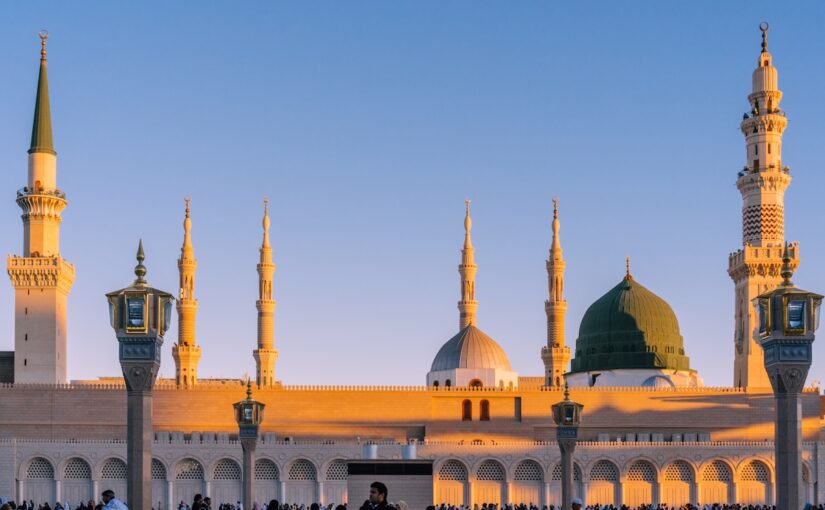
Beautiful mosque architecture at sunset

Mustafa Jaan-e-Rehmat – The Beloved Mercy of the Universe

“Mustafa Jaan-e-Rehmat” (مصطفیٰ جانِ رحمت) is one of the most beloved and widely recited naats in the Islamic world. Meaning “Mustafa (the Chosen One), the very life and soul of mercy,” this naat is a heartfelt tribute to Prophet Muhammad ﷺ, celebrating his exalted status as the most merciful being ever sent to humanity. The lyrics overflow with love, reverence, and longing for the Prophet, making it a staple in every Mehfil-e-Naat across South Asia, the Middle East, and beyond.

The title itself, “Mustafa Jaan-e-Rehmat,” beautifully encapsulates the essence of the Prophet ﷺ — he is not just a messenger but the embodiment of mercy itself. The word “Jaan” (soul/life) signifies that mercy is inseparable from his being; it is his very essence. This naat has been rendered by countless renowned naat khawans including Qari Waheed Zafar Qasmi, Owais Raza Qadri, and many others, each bringing their unique soulful melody to these timeless words.

Urdu Lyrics (اردو lyrics)

Below are the complete Urdu lyrics of “Mustafa Jaan-e-Rehmat”:

مصطفیٰ جانِ رحمت پہ لاکھوں سلام
شمعِ رسالت پہ لاکھوں سلام

ذرہ ذرہ ہے گواہ ان کے کمالات کا
آفتاب و ماہ گواہ ان کے جلالات کا

وہ رحمت للعالمین، رحمتِ دو جہاں
ان کے صدقے میں ہے یہ سارا جہاں

ہر نبی سے وہ افضل، سخی بھی وہ ہے
دین و دنیا کا حاصل، نبی بھی وہ ہے

جو خدا کے محبوب، وہ ہیں محمد ﷺ
ان پہ درود و سلام، لاکھوں درود و سلام

بے کسوں کے والی، غمگساروں کے سہارے
مانگتے ہیں سب درِ مصطفیٰ سے

ان کے در کا بھکاری دولتمندوں کا سردار
جو بھی آیا اس در سے، خالی نہ گیا

مصطفیٰ جانِ رحمت پہ لاکھوں سلام
شمعِ رسالت پہ لاکھوں سلام

مدینے کا وہ شہر، جہاں رحمتیں برستی ہیں
جہاں کے ذرّے ذرّے پہ رحمتِ حق ہے

جس نے ایک بار دیکھ لیا اس شہر کو
اس کی زندگی بدل جاتی ہے، سنور جاتی ہے

اے مصطفیٰ، اے جانِ رحمت
تم پہ سلام، لاکھوں سلام، بے حساب سلام

Roman Urdu Transliteration

For those who cannot read Urdu script, here is the Roman Urdu transliteration:

Mustafa jaan-e-rehmat pe laakhon salaam
Sham-e-risaalat pe laakhon salaam

Zarra zarra hai gawah un ke kamaalaat ka
Aaftaab o maah gawah un ke jalaalaat ka

Woh rahmatul lil aalameen, rahmat-e-doo jahan
Un ke sadqe mein hai yeh saara jahan

Har nabi se woh afzal, sakhi bhi woh hai
Deen o duniya ka haasil, nabi bhi woh hai

Jo Khuda ke mehboob, woh hain Muhammad ﷺ
Un pe durood o salaam, laakhon durood o salaam

Bekason ke waali, ghamgusaaron ke sahaare
Maangte hain sab dar-e-Mustafa se

Un ke dar ka bhikari dolatmandon ka sardar
Jo bhi aaya is dar se, khaali na gaya

Mustafa jaan-e-rehmat pe laakhon salaam
Sham-e-risaalat pe laakhon salaam

Madine ka woh shahr, jahan rahmatein barasti hain
Jahan ke zarre zarre pe rahmat-e-haq hai

Jis ne ek baar dekh liya us shahr ko
Uski zindagi badal jaati hai, sanwar jaati hai

Aye Mustafa, aye jaan-e-rehmat
Tum pe salaam, laakhon salaam, be-hisaab salaam

English Translation (Line by Line)

Mustafa (the Chosen One), the very soul of mercy — millions of salutations upon you
The lamp of prophethood — millions of salutations upon you

Every single atom bears witness to your perfect qualities
The sun and the moon bear witness to your majesty and glory

He is a mercy to all the worlds, mercy for both realms (this world and the Hereafter)
This entire universe exists by virtue of him

He is more excellent than all prophets, and he is the most generous
He is the ultimate goal of both faith and the world, and he is the Prophet

He who is the beloved of God — he is Muhammad ﷺ
Upon him be blessings and peace — millions of blessings and peace

Guardian of the helpless, support of the grief-stricken
Everyone begs at the door of Mustafa

The beggar at his door becomes the leader of the wealthy
Whoever came to this door, never left empty-handed

Mustafa, the soul of mercy — millions of salutations upon you
The lamp of prophethood — millions of salutations upon you

That city of Madinah, where mercies shower down
Every single particle of it is covered by the mercy of God

Whoever has laid eyes upon that city even once
Their life transforms completely, their life becomes beautiful

O Mustafa, O soul of mercy
Upon you be peace — millions of salutations, countless salutations

Meaning and Background

The naat “Mustafa Jaan-e-Rehmat” is steeped in deep Islamic spirituality and the rich tradition of Naat poetry in Urdu. The phrase “Mustafa” (مصطفیٰ) means “the Chosen One” — one of the most beloved names of Prophet Muhammad ﷺ. Combined with “Jaan-e-Rehmat” (soul of mercy), the title captures the Islamic belief that the Prophet ﷺ was sent as a mercy not just to humanity, but to all of creation.

The Qur’an itself declares the Prophet’s ﷺ role as a universal mercy in Surah Al-Anbiya (21:107):

“And We have not sent you, [O Muhammad], except as a mercy to the worlds.”

This verse is the foundational basis of the naat. The poet beautifully expands upon this theme, showing how the Prophet’s ﷺ mercy encompasses every atom of existence — from the smallest particle (zarra) to the sun and moon (aaftaab o maah). The imagery is cosmic in scale, reflecting the universal reach of the Prophet’s ﷺ blessings.

Key Themes Explored in the Naat:

  • Universal Mercy (Rahmatul lil Aalameen): The Prophet ﷺ as a mercy for all creation, not just Muslims or humans, but the entire cosmos.
  • Prophetic Excellence (Afzaliyat): The belief that Prophet Muhammad ﷺ is the most superior of all prophets, a core tenet of Islamic faith.
  • Generosity and Intercession (Sakhaawat aur Shafa’at): The Prophet’s ﷺ unparalleled generosity — no one who turns to him with sincerity leaves empty-handed. This alludes to the concept of intercession on the Day of Judgment.
  • Love for Madinah: A recurring theme in naat poetry, expressing deep longing and reverence for the blessed city where the Prophet ﷺ is buried.
  • Spiritual Transformation: The idea that even a single glance or connection with the Prophet ﷺ or his city can transform a person’s entire life.

The Power of Salam (Salutations):

The recurring refrain “Laakhon Salaam” (millions of salutations) is not mere repetition — it reflects the infinite nature of the love Muslims hold for their Prophet. In Islamic tradition, sending salutations (salawat/durud) upon the Prophet ﷺ is both a commandment from Allah and a deeply spiritual act that brings the believer closer to their beloved Prophet. The Prophet ﷺ himself said, “Whoever sends one salutation upon me, Allah sends ten upon him” (Sahih Muslim).

Literary and Poetic Merit:

This naat employs several poetic devices that elevate it in the Urdu naat tradition:

  • Takrar (Repetition): The repeated “Laakhon Salaam” creates a hypnotic, meditative quality perfect for collective recitation.
  • Tashbih (Simile): The Prophet ﷺ is compared to a lamp (shama) — a source of light and guidance in darkness.
  • Mubaligha (Hyperbole): Cosmic imagery (sun, moon, every atom) emphasizes the infinite scope of the Prophet’s ﷺ greatness.
  • Radeef aur Qafiya: The consistent rhyme scheme makes it musically beautiful and easy to memorize.

Occasions for Recitation:

“Mustafa Jaan-e-Rehmat” is recited on virtually every occasion where naat is performed:

  • Weekly Mehfil-e-Naat gatherings
  • Eid Milad-un-Nabi ﷺ celebrations
  • Eid ul-Fitr and Eid ul-Adha gatherings
  • Urs (death anniversaries) of Sufi saints
  • Marriage ceremonies (as spiritual interlude)
  • Daily personal recitation for spiritual connection

Popular Renditions:

This naat has been performed by many legendary naat khawans. Some of the most beloved renditions include:

  • Qari Waheed Zafar Qasmi — known for his deeply emotional and powerful recitation style
  • Owais Raza Qadri — brings a soulful, melodious quality
  • Mohammad Farhan Ali Qadri — a more contemporary, youthful rendition
  • Junaid Jamshed — the late pop star turned Islamic singer recorded a beautiful version

Each rendition brings its own flavor, yet the core message remains unchanged: an outpouring of love and reverence for the most beloved of Allah’s creation — Prophet Muhammad ﷺ.

The Spiritual Significance of Naat

Naat poetry occupies a special place in Islamic spirituality. Unlike other forms of poetry, naat is considered a form of worship (ibadat) when recited with sincerity and love for the Prophet ﷺ. The great Sufi masters have always emphasized that love for the Prophet ﷺ is the gateway to love for Allah. As the famous saying goes: “Whoever loves my Sunnah, loves me. And whoever loves me, will be with me in Paradise.”

“Mustafa Jaan-e-Rehmat” captures this profound spiritual truth in every verse. It reminds us that the Prophet ﷺ is not a figure of the distant past but a living presence whose mercy and intercession are accessible to believers at all times. The salutations (salam) we send reach him, as the Prophet ﷺ said: “There is no one who sends salutations upon me except that his salutation is brought to me” (Sunan Abu Dawud).

May we all be blessed with the true love of Mustafa ﷺ and the ability to send countless salutations upon him. Ameen.

مصطفیٰ جانِ رحمت پہ لاکھوں سلام
شمعِ رسالت پہ لاکھوں سلام

Meri Zindagi Hai Madina (میری زندگی ہے مدینہ) Full Naat Lyrics in Urdu, English Translation and Meaning

Meri Zindagi Hai Madina (میری زندگی ہے مدینہ) meaning “My Life is Madina” is a deeply emotional and popular Urdu naat recited by the renowned naat khwan Owais Raza Qadri. This naat expresses the profound love and devotion of a believer towards Madina Munawwarah, the blessed city of Prophet Muhammad. The lyrics speak of a heart that lives for Madina, a soul that longs to be in the presence of the Prophet, and a life that finds its true meaning in the love of the Holy Prophet.

Owais Raza Qadri, known for his soulful and heartfelt recitation, has touched millions of hearts worldwide with this naat. Meri Zindagi Hai Madina is often recited at gatherings, in mosques, and during personal moments of devotion. It captures the essence of what Madina means to a believer not just a city, but a spiritual home.

In this article, we present the full Urdu lyrics of Meri Zindagi Hai Madina along with English translation and a detailed explanation of its meaning and spiritual significance.

The Meaning of Meri Zindagi Hai Madina

The title Meri Zindagi Hai Madina translates to “My Life is Madina”. This phrase captures the essence of a believer existence a life devoted to the love of Prophet Muhammad and the blessed city where he is buried. Madina is not just a geographical location in this context; it represents the spiritual destination of every Muslim heart.

The naat emphasises several key themes:

  • The all-consuming love for Prophet Muhammad
  • The longing to visit and live in Madina Munawwarah
  • The recognition that true peace and happiness come from devotion to the Prophet
  • The willingness to sacrifice everything for the sake of the beloved Prophet

Meri Zindagi Hai Madina Naat Lyrics Full Urdu Text

میری زندگی ہے مدینہ میری زندگی ہے مدینہ
مرے دل کی دھڑکن ہے مدینہ ہاں میری زندگی ہے مدینہ

نہیں جانتا مجھے کوئی اور نہ جانے میرا مداوا کوئی
مری التجا ہے یا نبی مجھے دیدار کردو مدینہ کا

مجھے چھوڑ کر نہ جانا کبھی میں ہوں تم پہ فدا یا نبی
مری جان لے لو یا رسول اللہ مگر مت بھلانا مدینہ مجھے

مری آنکھوں میں بسے مدینہ مرے خوابوں میں ہے مدینہ
مرے سانسوں میں ہے مدینہ ہاں میری زندگی ہے مدینہ

مدینے کی گلیوں میں اے مرے نبی ملاقات ہوگی کسی دن
مری آنکھوں کو راحت ملے گی یہی آرزو ہے مدینہ کی

جہاں روضہ ہے نبی کا وہیں میرا گھر ہے مدینہ
مری جنت ہے مدینہ ہاں میری زندگی ہے مدینہ

کبھی تو سنا اے مرے مولا مرے دل کی پکار
یہاں آنے کی ہے التجا مجھے ہو جائے دیدار

تمہیں چھوڑ کر نہ جائیں گے ہم اے مرے شہہ مدینہ
مری روح رہے گی تمہارے در پہ مری زندگی ہے مدینہ

English Translation of Meri Zindagi Hai Madina

Urdu Verse English Translation
میری زندگی ہے مدینہ میری زندگی ہے مدینہ
مرے دل کی دھڑکن ہے مدینہ ہاں میری زندگی ہے مدینہ
My life is Madina, my life is Madina.
The heartbeat of my heart is Madina, yes, my life is Madina.
نہیں جانتا مجھے کوئی اور نہ جانے میرا مداوا کوئی
مری التجا ہے یا نبی مجھے دیدار کردو مدینہ کا
No one knows me, and no one knows my cure.
My plea is, O Prophet, grant me the vision of Madina.
مجھے چھوڑ کر نہ جانا کبھی میں ہوں تم پہ فدا یا نبی
مری جان لے لو یا رسول اللہ مگر مت بھلانا مدینہ مجھے
Never leave me, I sacrifice myself for you, O Prophet.
Take my life, O Messenger of Allah, but do not let me forget Madina.
مری آنکھوں میں بسے مدینہ مرے خوابوں میں ہے مدینہ
مرے سانسوں میں ہے مدینہ ہاں میری زندگی ہے مدینہ
Madina resides in my eyes, Madina is in my dreams.
Madina is in my breath, yes, my life is Madina.
مدینے کی گلیوں میں اے مرے نبی ملاقات ہوگی کسی دن
مری آنکھوں کو راحت ملے گی یہی آرزو ہے مدینہ کی
In the streets of Madina, O my Prophet, I will meet you one day.
My eyes will find peace, this is the wish of Madina.
جہاں روضہ ہے نبی کا وہیں میرا گھر ہے مدینہ
مری جنت ہے مدینہ ہاں میری زندگی ہے مدینہ
Where the shrine of the Prophet is, there my home is Madina.
My paradise is Madina, yes, my life is Madina.
کبھی تو سنا اے مرے مولا مرے دل کی پکار
یہاں آنے کی ہے التجا مجھے ہو جائے دیدار
Listen sometime, O my Master, to the call of my heart.
My plea is to come here, grant me the blessed vision.
تمہیں چھوڑ کر نہ جائیں گے ہم اے مرے شہہ مدینہ
مری روح رہے گی تمہارے در پہ مری زندگی ہے مدینہ
We will never leave you, O my King of Madina.
My soul will remain at your doorstep, my life is Madina.

The Spiritual Significance of Meri Zindagi Hai Madina

The love for Madina is not just a sentimental feeling in Islam. It is a deep spiritual connection that every Muslim is encouraged to develop. Prophet Muhammad himself said, “Ibrahim declared Makkah sacred, and I declare Madina sacred.” This makes Madina one of the two holiest cities in Islam, alongside Makkah.

This naat captures that love perfectly. The repeated phrase “Meri Zindagi Hai Madina” is not a literal statement that the singer lives in Madina. Instead, it means that the city of Madina and everything it represents the Prophet, his teachings, his love, his sunnah is the very essence of the believer existence. The believer life revolves around this love, just as a planet revolves around the sun.

The naat also speaks to the universal longing that every Muslim feels the desire to visit the Rawdah and to stand before the blessed grave of Rasoolullah. This is one of the greatest spiritual aspirations for a believer, and the naat gives voice to this beautiful longing.

Why This Naat Is So Popular

  • Simple yet profound lyrics: The words are easy to understand but carry deep spiritual meaning
  • Emotional melody: The tune of this naat is both soulful and easy to remember
  • Universal theme: Every Muslim, regardless of their background, can relate to the longing for Madina
  • Powerful recitation by Owais Raza Qadri: His voice adds an unmatched emotional depth to the words

If you enjoyed this naat, you may also like other popular naats such as Tajdar-e-Haram and Suna Hai Jis Ka Naam Hai Muhammad, both available with full lyrics and translations on our site.

How to Recite This Naat

Meri Zindagi Hai Madina is typically recited in a slow, melodious style. The repetition of the title phrase at the beginning sets a reflective tone. The verses that follow build emotional intensity as the singer expresses their deep love and longing for the Prophet and the blessed city of Madina.

This naat is suitable for any gathering where naat is recited, including mehfils, Milad gatherings, and personal worship. It is also popular for listening during travel, especially for those journeying to Madina for pilgrimage.

Final Thoughts

Meri Zindagi Hai Madina is more than just a naat. It is a declaration of love, a spiritual aspiration, and a reminder of what truly matters in life. The love of Prophet Muhammad and the city of Madina is at the heart of Islamic spirituality, and this naat captures that love in the most beautiful way.

We hope this article with the full Urdu lyrics, English translation, and meaning helps you connect more deeply with this beautiful naat. Share it with friends and family, and may Allah grant us all the opportunity to visit Madina Munawwarah.

For more naat lyrics, explore our collection of Labbaik Ya Rasool Allah and Ya Habibi Ya Muhammad.

Tajdar-e-Haram (تاجدارِ حرم) – Full Naat Lyrics in Urdu, English Translation and Meaning

Tajdar-e-Haram – The Crown of the Sanctuary

Tajdar-e-Haram (تاجدارِ حرم) — meaning “The Crown of the Sanctuary” — is one of the most beloved and widely recited Urdu naats in the Islamic world. Composed and recited by the renowned naat khwan Owais Raza Qadri, this naat is a heartfelt tribute to Prophet Muhammad ﷺ, the beloved of Allah, the chief of all prophets, and the crown of the sacred sanctuary of Makkah and Madinah.

Owais Raza Qadri, a Pakistani naat reciter and scholar, is celebrated for his soulful voice and devotion to the Prophet ﷺ. His naats have reached millions across the globe, and Tajdar-e-Haram stands as one of his most iconic works. The naat speaks directly to the Prophet ﷺ, acknowledging his unparalleled status and expressing the deep love and reverence felt by his followers.

In this article, we present the full Urdu lyrics of Tajdar-e-Haram along with English translation and a detailed explanation of its meaning and significance.

Continue reading Tajdar-e-Haram (تاجدارِ حرم) – Full Naat Lyrics in Urdu, English Translation and Meaning

Ya Mustafa (یا مصطفیٰ) — Full Naat Lyrics in Urdu, English Translation and Meaning

“Ya Mustafa” (یا مصطفیٰ) is one of the most beloved and widely recited naats in the Islamic world. Sung by the renowned naat reciter Owais Raza Qadri, this soul-stirring naat is a heartfelt call to the Prophet Muhammad ﷺ, expressing deep love, devotion, and an unshakable bond between the believer and the final Messenger of Allah. The melody’s emotional depth combined with the powerful Urdu lyrics has made it a staple at religious gatherings, Mehfil-e-Naat events, and Ramadan special programs across the globe.

Owais Raza Qadri, a British-born naat khuwan of Pakistani descent, is a prominent figure in the world of Islamic nasheeds and naats. Known for his passionate delivery and soulful voice, Owais Raza Qadri has recorded hundreds of naats including other classics like “Mere Aaqa Ka Darbar,” “Tajdar-e-Haram,” and “Mustafa Jaane Rehmat.” His rendition of “Ya Mustafa” has amassed millions of views online and continues to inspire millions of Muslims to express their love for the Prophet Muhammad ﷺ through poetry and melody.

In this article, we present the complete lyrics of “Ya Mustafa” in both Urdu script and Roman English transliteration, along with a detailed English translation and explanation of its powerful verses. Whether you are looking to learn this beautiful naat by heart or seeking a deeper understanding of its words, this guide has everything you need.

Ya Mustafa Lyrics in Urdu (یا مصطفیٰ نعت کے اردو اشعار)

Below are the full Urdu lyrics of Ya Mustafa recited by Owais Raza Qadri:

یا مصطفیٰ یا مصطفیٰ
میرے نبی مصطفیٰ ﷺ
یا مصطفیٰ یا مصطفیٰ
میرے نبی مصطفیٰ ﷺ

یاد ہے تجھ کو وہ گھڑی
جب نہ تھا کوئی جدھر
آدم و حوا تھے نہیں
نہ تھا کوئی بشر

تھی نہ عرش و کرسی و لوح
نہ تھا قلم و رقم
نہ فلک نہ تھی زمیں
نہ تھا شمس و قمر

تھی نہ کوئی مخلوق تھی
نہ تھا لیل و نہار
نہ تھیں جنت و جہنم
نہ ثواب نہ وزر

تھا نہ کوئی شے وجود میں
سوائے ذات زوالفقار
تھی نہ کوئی دوسری ذات
نہ کوئی دوسرا جہاں

تب بھی تھے تمؐ اور اب بھی ہو
یا مصطفیٰ یا مصطفیٰ
میرے نبی مصطفیٰ ﷺ

یا مصطفیٰ یا مصطفیٰ
میرے نبی مصطفیٰ ﷺ
یا مصطفیٰ یا مصطفیٰ
میرے نبی مصطفیٰ ﷺ

پھر جب اِس دنیا میں
تشریف لائے آپؐ
خاتم النبیین ہو کر
ختم ہوئی نبوت

مکہ سے مدینہ تک
نور کا سفر تھا جاری
دشمنوں کو بھی بخش دیا
ایسے تھے ہم سے پیارے

ہر اک دکھ میں ہوگی مدد
جو پکارے گا تمؐ کو
تمؐ تو رحمت ہو خدا کی
حشر میں بھی یاد رکھنا

یا مصطفیٰ یا مصطفیٰ
میرے نبی مصطفیٰ ﷺ
یا مصطفیٰ یا مصطفیٰ
میرے نبی مصطفیٰ ﷺ

Ya Mustafa English Translation

Here is the English translation of the Ya Mustafa naat, line by line:

Ya Mustafa, Ya Mustafa
Mere Nabi Mustafa ﷺ
Ya Mustafa, Ya Mustafa
Mere Nabi Mustafa ﷺ

O Mustafa! O Mustafa!
My Prophet Mustafa ﷺ
O Mustafa! O Mustafa!
My Prophet Mustafa ﷺ

Yaad hai tujh ko woh ghari
Jab na tha koi jidhar
Aadam o Hawwa thay nahi
Na tha koi bashar

Do you remember that moment
When there was no one around
Neither Adam nor Eve existed
Nor any human being

Thi nah Arsh o Kursi o Loh
Na tha Qalam o Raqam
Na falak na thi zameen
Na tha Shams o Qamar

There was no Throne, no Footstool, no Tablet
No Pen, no writing
No sky, no earth
No sun, no moon

Thi na koi makhlooq thi
Na tha Lail o Nahaar
Na thin Jannat o Jahannam
Na sawaab na wazr

No creation existed
Neither night nor day
Neither Paradise nor Hell
No reward, no sin

Tha na koi shai wujood mein
Sawaey Zaat-e-Zulaf-e-Yaar
Thi na koi doosri zaat
Na koi doosra jahan

Nothing existed in the universe
Except the Divine Being of the Beloved
There was no other being
No other world

Tab bhi thay tum aur ab bhi ho
Ya Mustafa, Ya Mustafa
Mere Nabi Mustafa ﷺ

Even then you existed, and even now you exist
O Mustafa! O Mustafa!
My Prophet Mustafa ﷺ

Phir jab is duniya mein
Tashreef laaye aap
Khatam-un-Nabiyyeen ho kar
Khatam hui nubuwwat

Then when in this world
You arrived with honour
As the Seal of the Prophets
Prophethood was completed

Makkah se Madinah tak
Noor ka safar tha jaari
Dushmano ko bhi bakhsh diya
Aisay thay hum say pyaare

From Makkah to Madinah
The journey of light continued
Even enemies were forgiven
Such was the love you had for us

Har ik dukh mein hogi madad
Jo pukaare ga tumhen
Tum to rehmat ho Khuda ki
Hashar mein bhi yaad rakhna

In every sorrow there will be help
If one calls upon you
You are the mercy of Allah
Remember us on the Day of Judgment too

Ya Mustafa, Ya Mustafa
Mere Nabi Mustafa ﷺ
Ya Mustafa, Ya Mustafa
Mere Nabi Mustafa ﷺ

O Mustafa! O Mustafa!
My Prophet Mustafa ﷺ
O Mustafa! O Mustafa!
My Prophet Mustafa ﷺ

Meaning and Background of Ya Mustafa Naat

The title “Ya Mustafa” means “O Mustafa” — “Mustafa” (مصطفیٰ) being one of the most beloved names of the Prophet Muhammad ﷺ, meaning “The Chosen One” or “The Elect.” This name reflects the Islamic belief that Allah chose Prophet Muhammad ﷺ above all of creation to be the final messenger and mercy to mankind.

The opening verses of the naat take the listener on a profound spiritual journey — back to a time before creation itself. The poet describes a state when nothing existed except Allah: no heavens, no earth, no angels, no humans, no Paradise, no Hell. And yet, even in that pre-eternal state, the blessed soul of Prophet Muhammad ﷺ was already present. This is a beautiful reference to the famous hadith in which the Prophet ﷺ said, “I was a prophet when Adam was between water and clay” (Sunan Tirmidhi).

The naat then moves through time — describing the Prophet’s ﷺ arrival in this world as the Seal of the Prophets, his migration from Makkah to Madinah (the Hijrah), his unparalleled forgiveness even towards his enemies, and finally, the believer’s plea for his intercession (Shafa’ah) on the Day of Judgment. The recurring chorus “Tab bhi thay tum aur ab bhi ho” — “Even then you were, and even now you are” — beautifully connects the pre-eternal existence of the Prophet ﷺ with his continuing presence and spiritual guidance in the hearts of believers today.

This naat is widely performed in mosques, Islamic schools, and at Milad-un-Nabi gatherings around the world. It resonates deeply because it captures both the cosmic significance of the Prophet ﷺ — his existence before time — and his deeply personal, merciful relationship with every believer. The line “Har ik dukh mein hogi madad, jo pukaare ga tumhen” (In every sorrow there will be help, if one calls upon you) is particularly moving, reflecting the deep trust and reliance that Muslims place in the intercession and love of the Prophet Muhammad ﷺ.

More Beautiful Naats You Might Like

If you enjoyed the Ya Mustafa lyrics, you may also like these similar naats:

These naats, also popularized by Owais Raza Qadri and other renowned reciters, share the same themes of love, devotion, and reverence for the Prophet Muhammad ﷺ. Each one is a unique expression of the spiritual bond between the believer and the Chosen One.

May Allah bless us with the love of His beloved Prophet ﷺ and grant us his intercession on the Day of Judgment. Ameen.

Mere Dil Mein Hai Madina (میرے دل میں ہے مدینہ) — Full Naat Lyrics in Urdu, English Translation and Meaning

Introduction

Mere Dil Mein Hai Madina” (میرے دل میں ہے مدینہ) is a deeply touching Urdu naat that expresses the profound love and longing a believer feels for the blessed city of Madina Munawwarah and the Prophet Muhammad ﷺ. The title translates to “My Heart Holds Madina” — a powerful declaration that the love of Madina is not just a passing emotion but something ingrained in the very core of a believer’s being.

This beautiful naat has been widely popularized by the renowned naat khwan Owais Raza Qadri, whose soulful voice and heartfelt rendition have made it a favourite at mehfil-e-naat gatherings around the world. The naat captures the universal yearning that every Muslim carries — the desire to visit the city of the Prophet ﷺ, to stand at his blessed Rawza, and to feel the spiritual peace that only Madina can offer.

In this post, we present the complete Urdu lyrics of “Mere Dil Mein Hai Madina” with full English translation and an exploration of the spiritual meaning behind the verses.


Mere Dil Mein Hai Madina — Urdu Lyrics (میرے دل میں ہے مدینہ مکمل اُردو نعت)

Verse 1

میرے دل میں ہے مدینہ، میرے دل میں ہے مدینہ

مجھ کو یاد آ رہا ہے، اپنا شہرِ مصطفیٰ
میرے دل میں ہے مدینہ، میرے دل میں ہے مدینہ

Verse 2

وہ نگارِ مدینہ، میرے دل کا چین ہے
جس نے دیکھا اس کو وہ، کبھی غمگین نہیں

میرے دل میں ہے مدینہ، میرے دل میں ہے مدینہ

Verse 3

آرزو ہے دل کی اب، مدینے میں جا کے رہوں
روضۂ احمد پہ میں، جا کے ہمیشہ ہی رہوں

میرے دل میں ہے مدینہ، میرے دل میں ہے مدینہ

Verse 4

اس قدر پیار ہے مدینہ تجھ سے
جیسے دریا کو پیار ہے پانی سے

میرے دل میں ہے مدینہ، میرے دل میں ہے مدینہ


Mere Dil Mein Hai Madina — English Translation (Line by Line)

Verse 1

My heart holds Madina, my heart holds Madina

I am reminded of our city of Mustafa (SAW)
My heart holds Madina, my heart holds Madina

Verse 2

The beloved of Madina is the peace of my heart
Whoever has seen him is never sorrowful

My heart holds Madina, my heart holds Madina

Verse 3

My heart’s desire now is to go and live in Madina
To go and forever remain at the Rawza of Ahmad (SAW)

My heart holds Madina, my heart holds Madina

Verse 4

I love you, Madina, to such an extent
As a river loves its water

My heart holds Madina, my heart holds Madina


Meaning and Spiritual Background

The Significance of “Mere Dil Mein Hai Madina”

This naat is a beautiful expression of ishq-e-Mustafa (love for the Prophet ﷺ) and the deep emotional connection that Muslims have with the city of Madina. The repeated refrain “Mere Dil Mein Hai Madina” serves as a mantra of devotion — a constant reminder that the love of the Prophet’s city resides in the heart at all times, through every joy and every sorrow.

The Yearning for Madina

The opening verse — “Mujh ko yaad aa raha hai, apna shahr-e-Mustafa” (I am reminded of our city of Mustafa) — speaks to the deep spiritual pull that Madina exerts on the believer’s heart. Even for those who have never visited, the love for Madina is innate, placed there by Allah as a sign of faith. The Prophet ﷺ himself said: “Iman (faith) returns to Madina just as a snake returns to its hole” (Bukhari and Muslim).

The Healing Power of the Prophet’s City

Verse 2 beautifully expresses that the “beloved of Madina” (a reference to the Prophet ﷺ or to the city itself) is the peace of the heart, and those who have seen it are never sad again. This reflects the spiritual reality that visiting Madina and the Rawza Mubarak brings a profound sense of peace and contentment that stays with a person for a lifetime.

Desire to Dwell Near the Prophet ﷺ

Verse 3 expresses the ultimate aspiration of a believer: to go and live in Madina, to remain forever at the blessed Rawza of the Prophet Muhammad ﷺ. This is not just a physical desire but a spiritual one — to be close to the one whose intercession (shafa’at) every believer hopes for on the Day of Judgment.

The Depth of Love

The final verse uses a beautiful metaphor — loving Madina like a river loves its water. This speaks to the natural, inseparable, and life-giving nature of this love. Just as a river cannot exist without water, a believer’s heart cannot be complete without the love of Madina and the Prophet ﷺ.

About the Reciter: Owais Raza Qadri

Owais Raza Qadri is one of the most celebrated naat reciters in the Islamic world. Born in Karachi, Pakistan, he is known for his melodious voice and deeply emotional renditions of naat. His recitation of “Mere Dil Mein Hai Madina” has touched millions of hearts, and his recordings are widely shared and listened to during Islamic gatherings and in daily worship. He represents the Sufi tradition of devotion through poetry and music, continuing the legacy of great naat poets and reciters.

Where This Naat is Recited

“Mere Dil Mein Hai Madina” is commonly recited at:

  • Mehfil-e-Naat (gatherings for naat recitation)
  • Milad un-Nabi (celebrations of the Prophet’s birthday)
  • Urs and Sufi gatherings
  • Daily acts of worship — many Muslims listen to this naat as part of their daily routine to keep the love of the Prophet ﷺ alive in their hearts
  • Travel to Madina — it is often recited during journeys for Umrah and Hajj, especially when approaching the holy city

Conclusion

“Mere Dil Mein Hai Madina” is more than just a naat — it is a declaration of love, a prayer, and a reminder of the spiritual home that every believer carries in their heart. The verses speak to the soul, reminding us that no matter where we are in the world, Madina lives within us. May Allah bless us all with the opportunity to visit the blessed city of the Prophet ﷺ and may He keep the love of Madina alive in our hearts forever. Ameen.