
Introduction
“Badr-e-Duja” (بدرِ دُجیٰ) is one of the most beloved and widely recited naats in the Islamic world, particularly in South Asia. The title “Badr-e-Duja” translates to “The Full Moon of the Dark Night” and is one of the many beautiful titles of Prophet Muhammad (peace be upon him). This naat has been made immensely popular by the renowned naat khwan Owais Raza Qadri, whose soulful rendition touches the hearts of millions.
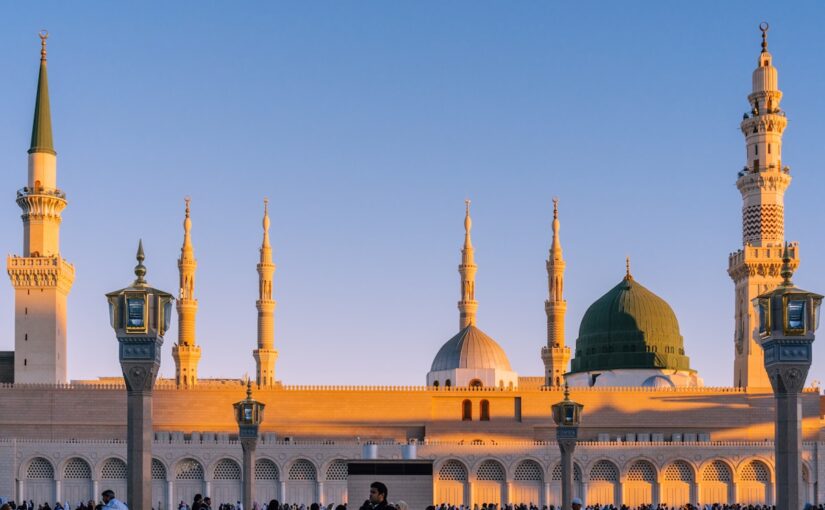
The naat is a poetic expression of deep love and veneration for the Prophet, comparing his radiant presence to a full moon that illuminates the darkness. It speaks of the city of Madina, the spiritual home of every Muslim, and the unique blessings that the Prophet brought to humanity. Every verse of Badr-e-Duja is filled with the poet’s longing to visit Madina and witness the blessed presence of the Prophet.
In this article, we present the complete lyrics of Badr-e-Duja in Urdu script, Roman Urdu transliteration, and English translation, along with an exploration of the naat’s meaning and spiritual significance.
Badr-e-Duja Naat Lyrics in Urdu, Roman Urdu and English Translation
Verse 1
Urdu:
بدرِ دُجیٰ جلوہ گر ہے شہرِ مدینہ میں
یعنی وہ آفتابِ رسالت ہے مدینہ میں
Roman Urdu:
Badr-e-duja jalwa gar hai shehr-e-Madina mein
Yani woh aftaab-e-risalat hai Madina mein
English Translation:
The full moon of the dark night shines brightly in the city of Madina
Meaning that the sun of prophethood resides in Madina
Verse 2
Urdu:
جس نے خدا سے پایا تھا عشق و وفا کا در
اس شہر میں ہے سرورِ کونین کا گہر
Roman Urdu:
Jis ne Khuda se paya tha ishq-o-wafa ka dar
Is shehr mein hai sarwar-e-kaunain ka guhar
English Translation:
The one who received the treasure of love and loyalty from God
In this city is the jewel of the master of both worlds
Verse 3
Urdu:
مدینہ وہ مقامِ محبوبِ خدا ہے
جہاں رحمتِ عالم کا ہر قدم پتہ ہے
Roman Urdu:
Madina woh maqam-e-mahbub-e-Khuda hai
Jahan rehmat-e-aalam ka har qadam pata hai
English Translation:
Madina is the station of the beloved of God
Where every step reveals the mercy for the worlds
Verse 4
Urdu:
وہ شہر کہ جس کی گلیوں میں چاند رستہ دکھاتا ہے
وہ شہر کہ جس کی فضاؤں میں نور برساتا ہے
Roman Urdu:
Woh shehr ke jis ki galiyon mein chaand rasta dikhata hai
Woh shehr ke jis ki fizaon mein noor barsata hai
English Translation:
That city in whose streets the moon shows the way
That city in whose atmosphere light showers down
Verse 5
Urdu:
یہ شہرِ مدینہ ہے اے دوستو یہاں دل آباد ہوتے ہیں
ذرا سوچو اس شہر میں آنے سے کیسے غم برباد ہوتے ہیں
Roman Urdu:
Yeh shehr-e-Madina hai ae dosto yahan dil aabaad hote hain
Zara socho is shehr mein aane se kaise ghum barbaad hote hain
English Translation:
This is the city of Madina, O friends, here hearts become prosperous
Just think how coming to this city destroys all sorrows
Verse 6
Urdu:
بدرِ دجیٰ کا نظارہ ہے یا رب کتنا حسین
نورِ محمد کا یہ جلوہ ہے کتنا حسین
Roman Urdu:
Badr-e-duja ka nazara hai ya Rab kitna haseen
Noor-e-Muhammad ka yeh jalwa hai kitna haseen
English Translation:
The sight of the full moon of the dark night is so beautiful, O Lord
This manifestation of the light of Muhammad is so beautiful
Meaning and Background of Badr-e-Duja
“Badr-e-Duja” is a compound Arabic phrase. “Badr” (بدر) means full moon, and “Duja” (دجیٰ) means the dark night. Together, “Badr-e-Duja” refers to the full moon that rises in a pitch-black night, providing complete illumination. This is a metaphorical reference to Prophet Muhammad (peace be upon him) who came as a guiding light in a world that was spiritually dark — a time when ignorance, oppression, and moral decay had spread across Arabia.
The Prophet is described as the full moon because just as the moon does not create its own light but reflects the sun, the Prophet perfectly reflected the divine light and guidance of Allah. His arrival illuminated the world with truth, justice, and compassion, dispelling the darkness of ignorance and sin.
The naat repeatedly invokes the city of Madina, which was the destination of the Prophet’s migration (Hijrah) and became the center of the Islamic civilization. Madina is not just a geographical location in the context of this naat; it represents a spiritual sanctuary where the Prophet’s presence continues to be felt by believers who visit his blessed city.
History of the Naat
Badr-e-Duja was written by a poet deeply devoted to the Prophet and was originally composed in Urdu and Persian-influenced Urdu. While the exact origin of the poem can be traced to traditional Islamic poetry circles in South Asia, it was the legendary Owais Raza Qadri who catapulted this naat to global fame. Owais Raza Qadri, a Pakistani naat khwan known for his powerful and emotional recitation style, recorded and performed Badr-e-Duja at countless gatherings, making it one of the most recognizable naats in the world.
Owais Raza Qadri belongs to the Qadri spiritual order and has been a prominent figure in the world of naat recitation for decades. His distinctive voice, combined with his deep spiritual connection to the words he recites, brings the poetry of Badr-e-Duja to life. His renditions of this naat have been viewed millions of times on platforms like YouTube and are played at Milad gatherings, Mehfil-e-Naat events, and Islamic conferences worldwide.
The naat has become a staple at religious gatherings in Pakistan, India, Bangladesh, the United Kingdom, and the United States, wherever South Asian Muslims have established communities. It is often recited at the conclusion of major Islamic events, and its verses are memorized by countless devotees.
Spiritual Significance of the Verses
The spiritual depth of Badr-e-Duja lies in its central metaphor of light and darkness. Throughout Islamic theology, the Prophet Muhammad (peace be upon him) is described as a source of divine light. The Quran itself refers to him as a “light-giving lamp” (siraj-e-muneer). The naat builds on this concept, describing the Prophet as the full moon of a dark night — the most brilliant source of light in the darkest of times.
The mention of Madina in every verse is significant. In Islamic spirituality, Madina holds a unique place as the city where the Prophet built his mosque, established the first Islamic state, and where his blessed body rests in the Rawdah. Visiting Madina is considered a profound spiritual experience, and the naat captures this longing that every believer feels to stand in the presence of the Prophet’s city.
The verses speak of hearts becoming prosperous and sorrows being destroyed upon entering Madina. This reflects the Islamic belief that visiting the Prophet’s mosque and city brings immense blessings, peace, and spiritual healing. Many Muslims who have visited Madina testify to an indescribable feeling of peace and tranquility that descends upon them, which the naat beautifully articulates.
The repeated emphasis on the “noor” or light of Muhammad in the naat reminds believers that the Prophet’s teachings continue to illuminate the path of humanity. Even today, his message of mercy, justice, and compassion guides billions of people around the world.
In essence, Badr-e-Duja is not just a poem or a song; it is a spiritual journey. It takes the listener from the darkness of worldly concerns into the illuminating presence of the Prophet, offering solace, hope, and a renewed connection with the divine through love of His messenger.