
Ya Habibi Ya Muhammad (یا حبیبی یا محمد) is a soul-stirring Islamic naat that expresses deep love and devotion for the Prophet Muhammad ﷺ. This beautiful naat calls out to the beloved Prophet with the affectionate title “Habibi” (My Beloved), reflecting the intense spiritual connection that believers feel. Below are the full Urdu lyrics, Roman Urdu transliteration, and English translation.
Ya Habibi Ya Muhammad Naat Lyrics in Urdu
The complete Ya Habibi Ya Muhammad naat lyrics in Urdu with full script:
یا حبیبی یا محمد ﷺ

یا حبیبی یا محمد ﷺ
اپنی محبت کا صدقہ دے دے

یا رسول اللہ ﷺ
اپنی امت کا صدقہ دے دے

دل میں ہے جذبہ مدینے کا
شوق ہے دیدارِ نبی کا

دردِ فرقت نے بے قرار کیا
ہجر کی راتوں نے بے حال کیا

آؤ چلیں مدینے کی طرف
یہ پکارے ہے دل ہمیشہ

نور کا دریا ہے روضہ تیرا
جنت کا ٹکڑا ہے گنبد سبز

میرا نبی سب سے حسین ہے
نور سے پاک اس کا دامن ہے

مجھ کو بھی آقا اپنا بنا لیں
دردِ دل کا مداوا کر دیں

یا حبیبی یا محمد ﷺ
اپنی محبت کا صدقہ دے دے

یا رسول اللہ ﷺ
اپنی امت کا صدقہ دے دے
Roman Urdu Transliteration
For those who cannot read Urdu script, here is the Roman Urdu transliteration of Ya Habibi Ya Muhammad:
Ya Habibi Ya Muhammad (SAW)

Ya habibi ya Muhammad (SAW)
Apni mohabbat ka sadqa de de

Ya Rasool Allah (SAW)
Apni ummat ka sadqa de de

Dil mein hai jazba Madine ka
Shauq hai deedar-e-Nabi ka

Dard-e-furqat ne beqarar kiya
Hijr ki raaton ne behaal kiya

Aao chalein Madine ki taraf
Ye pukare hai dil hamesha

Noor ka dariya hai roza tera
Jannat ka tukda hai gumbad-e-sabz

Mera Nabi sab se haseen hai
Noor se paak uss ka daman hai

Mujh ko bhi Aaqa apna bana lein
Dard-e-dil ka madawa kar dein

Ya habibi ya Muhammad (SAW)
Apni mohabbat ka sadqa de de

Ya Rasool Allah (SAW)
Apni ummat ka sadqa de de
English Translation of Ya Habibi Ya Muhammad
Below is the English translation of each verse of this beautiful naat:
یا حبیبی یا محمد ﷺ — اپنی محبت کا صدقہ دے دے
O my Beloved, O Muhammad ﷺ — Grant me the blessing of your love
یا رسول اللہ ﷺ — اپنی امت کا صدقہ دے دے
O Messenger of Allah ﷺ — Bless your Ummah (community)
دل میں ہے جذبہ مدینے کا — شوق ہے دیدارِ نبی کا
My heart yearns for Madinah — I long to see the Prophet’s blessed face
دردِ فرقت نے بے قرار کیا — ہجر کی راتوں نے بے حال کیا
The pain of separation has left me restless — The nights of distance have drained me
آؤ چلیں مدینے کی طرف — یہ پکارے ہے دل ہمیشہ
Come, let us journey towards Madinah — This is what my heart always calls out
نور کا دریا ہے روضہ تیرا — جنت کا ٹکڑا ہے گنبد سبز
Your blessed resting place is a river of light — The green dome is a piece of Paradise
میرا نبی سب سے حسین ہے — نور سے پاک اس کا دامن ہے
My Prophet is the most beautiful of all — His cloak is pure, made of divine light
مجھ کو بھی آقا اپنا بنا لیں — دردِ دل کا مداوا کر دیں
O Master, make me Your own — Heal the pain within my heart
Meaning and Background
The naat “Ya Habibi Ya Muhammad” (یا حبیبی یا محمد) is a beautiful expression of love and devotion to Prophet Muhammad ﷺ. The phrase “Ya Habibi” translates to “O My Beloved,” a deeply personal and affectionate address that reflects the intimate relationship between a believer and the Prophet.
The Significance of “Habibi” in Islamic Tradition
In Islamic spirituality, the term “Habib” (beloved) holds profound significance. Allah Himself refers to Prophet Muhammad ﷺ as His Habib. The Prophet ﷺ is the beloved of Allah, and through this naat, believers express their own love and devotion by addressing him with this cherished title. This naat reminds us that love for the Prophet is not merely an emotion but a central pillar of faith (iman).
The Themes of the Naat
1. Longing for Madinah: The naat beautifully expresses the deep yearning to visit the blessed city of Madinah and the Prophet’s ﷺ mosque (Masjid-e-Nabwi). This longing (shauq) is a recurring theme in Islamic poetry and reflects the spiritual connection Muslims feel toward the city of the Prophet.
2. The Pain of Separation: Verses about “dard-e-furqat” (pain of separation) and “hijr ki raatein” (nights of distance) capture the emotional state of a believer who has not yet been blessed with a visit to the Prophet’s ﷺ resting place. This spiritual yearning is a form of divine love.
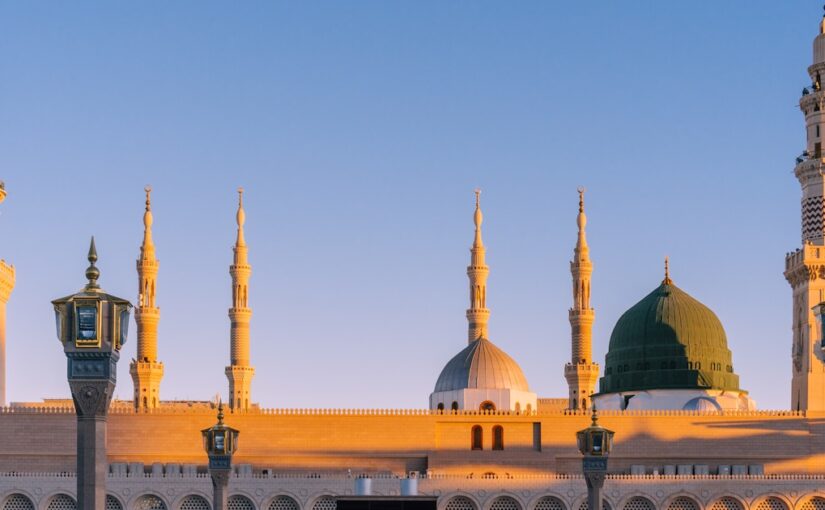
3. The Green Dome: The reference to “gumbad-e-sabz” (the green dome) is a powerful symbol. The iconic green dome of Masjid-e-Nabwi in Madinah marks the sacred resting place of Prophet Muhammad ﷺ. Describing it as “a piece of Paradise” and “a river of light” reflects the deep reverence Muslims hold for this site.
4. Seeking Intercession: The repeated refrain “Ya Rasool Allah, apni ummat ka sadqa de de” is a plea for the Prophet’s ﷺ intercession and blessings upon the entire Muslim Ummah. It reflects the belief in the Prophet’s ﷺ role as a mercy to all worlds (Rahmatun Lil’Alameen).
Who Recites Ya Habibi Ya Muhammad?
This naat has been recited by several renowned naat khwans (reciters) across the Islamic world. It is particularly popular in South Asia (Pakistan and India) where naat gatherings (mehfils) are common. Various renditions exist with minor variations in the verses, but the core message of love and devotion to the Prophet ﷺ remains consistent. The naat is often recited during:
- Eid Milad-un-Nabi (celebrations of the Prophet’s ﷺ birth)
- Friday gatherings and spiritual mehfils
- Personal devotion and dhikr sessions
- Travel preparations for Umrah and Hajj
Spiritual Benefits of Reciting This Naat
Reciting naats like Ya Habibi Ya Muhammad is considered a highly rewarding act in Islamic tradition. The benefits include:
- Strengthening love for the Prophet ﷺ: Regular recitation deepens one’s emotional and spiritual connection with the Prophet.
- Increasing iman (faith): Reflecting on the Prophet’s ﷺ qualities through poetry strengthens belief.
- Finding peace: The rhythmic verses and spiritual content bring calm to the heart.
- Seeking intercession: The verses serve as a means of requesting the Prophet’s ﷺ blessings.
- Community bonding: Reciting in gatherings fosters unity and shared spirituality.
The Green Dome of Madinah: A Symbol of Love
The mention of the “green dome” (گنبد سبز / gumbad-e-sabz) in this naat is especially poignant. The iconic green dome of Masjid-e-Nabwi is one of the most recognizable symbols in Islam. Originally built during the Mamluk period and later painted green during the Ottoman era, it stands as a visual reminder of the Prophet’s ﷺ presence in Madinah. For millions of Muslims who cannot visit, seeing images of the green dome brings comfort and a sense of connection to the beloved Prophet.
This naat captures that sentiment perfectly — the dome is described as “a piece of Paradise” because the Prophet ﷺ said, “Between my house and my pulpit is a garden from the gardens of Paradise” (Riyad al-Jannah).
Conclusion
Ya Habibi Ya Muhammad (یا حبیبی یا محمد) is more than just a naat — it is a heartfelt prayer, a declaration of love, and an expression of the deep spiritual connection between a believer and the Prophet Muhammad ﷺ. Whether recited in solitude or in a gathering, its words carry the power to move hearts and bring souls closer to the beloved Prophet.
May we all be blessed with the opportunity to visit the blessed city of Madinah and the sacred resting place of the Prophet Muhammad ﷺ. Ameen.
Read more Islamic naat lyrics, Urdu poetry, and spiritual content on Naatlines.com.