
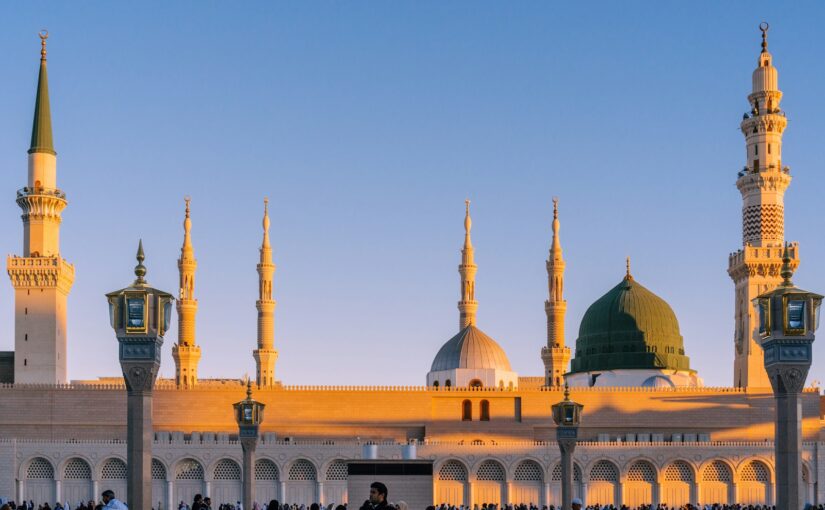
Aaqa Ke Sadqe Mein (آقا کے صدقے میں) – An Overview
“Aaqa Ke Sadqe Mein” (also known as “Tere Sadqe Mein Aaqa”) is one of the most beloved Urdu naats of the modern era. The title translates to “For the Sake of My Master” — a heartfelt expression of devotion to the Prophet Muhammad (peace be upon him). The naat beautifully illustrates how through the blessed arrival of the Prophet ﷺ, the whole world received the gift of Islam. Its powerful refrain — “Hasbi Rabbi Jallallah, Ma fi Qalbi Ghairullah, Noor-e-Muhammad Sallallah, La Ilaha Illallah” — has become iconic among naat enthusiasts worldwide.
Who Popularised This Naat?
This naat was popularised by the immensely talented Asad Raza Attari, a young naat reciter known for his soft, melodious voice that touches the hearts of listeners. His rendition of “Tere Sadqe Mein Aaqa” gained widespread fame through Al-Ghosia production in 2018. The naat has since been covered by many other renowned naat khwans including Hafiz Bilal Qadri and Aramish Munir, but Asad Raza Attari’s original version remains the most cherished.
Meaning and Theme
The core theme of “Aaqa Ke Sadqe Mein” is the transformative power of Prophet Muhammad’s ﷺ message. The naat takes us through several pivotal moments in Islamic history:
- The story of Abu Jahl — the staunch polytheist who arrogantly challenged the Prophet ﷺ by hiding pebbles in his fist, only to witness a miracle when the pebbles themselves proclaimed La Ilaha Illallah.
- The conversion of Umar (RA) — how he found his sister reciting the Quran and was so moved by the divine words that his heart instantly proclaimed faith.
- The story of Bilal (RA) — the Abyssinian slave whose unshakable faith in the Oneness of Allah, even under the torture of a heavy stone on his chest, became a timeless example of devotion.
- The transformation from idol worship to Tawheed — how the world was steeped in polytheism until the Prophet ﷺ arrived and shattered every idol.
Throughout the naat, the refrain anchors the listener in the declaration of Tawheed — reminding us that the ultimate reality is Allah’s oneness and that Prophet Muhammad ﷺ is His beloved messenger.
Aaqa Ke Sadqe Mein – Full Urdu Lyrics (آقا کے صدقے میں – مکمل اردو نعت) 🤲
Verse 1
Urdu:
تیرے صدقے میں آقا سارے جہاں کو دین ملا
بے دینوں نے کلمہ پڑھا لا الہ الا اللہ
English Translation:
For the sake of my Master, the entire world received the faith.
Even the faithless recited the kalima: La Ilaha Illallah.
Refrain (Chorus)
Urdu:
حسبی ربی جل اللہ – مافی قلبی غیر اللہ
نور محمد ﷺ صل اللہ – لا الہ الا اللہ
English Translation:
Sufficient for me is my Lord, Allah is Majestic — there is none in my heart but Allah.
The light of Muhammad ﷺ — blessings of Allah — there is no god but Allah.
Verse 2 – The Story of Abu Jahl
Urdu:
سمٹے نبی، ابو جہل گیا، آقا سے اس نے یہ کہا
گر ہو نبی بتلاؤ ذرا، میری مُٹھی میں ہے کیا
آقا کا فرمان ہوا، اور فضلِ رحمن ہوا
مُٹھی سے پتھر بولا لا الہ الا اللہ
English Translation:
Abu Jahl approached the Prophet and said, “If you are a prophet, tell me what is in my fist.”
The command of the Master came, and by the grace of the Most Merciful,
The pebbles in his fist proclaimed: La Ilaha Illallah.
Verse 3 – The Conversion of Umar (RA)
Urdu:
اپنی بہن سے بولے عمر، یہ تو بتا کیا کرتی تھی
میرے آنے سے پہلے، کیا چپکے چپکے پڑھتی تھی
بہن نے جب قرآن پڑھا، سن کے کلامِ پاکِ خدا
دل یہ عمر کا بول اٹھا لا الہ الا اللہ
English Translation:
Umar said to his sister, “Tell me, what were you reciting secretly before I arrived?”
When his sister recited the Quran, upon hearing the pure words of God,
The heart of Umar cried out: La Ilaha Illallah.
Verse 4 – The Story of Bilal (RA)
Urdu:
وہ جو بلالِ حبشی ہیں سرورِ دین کا پیارا ہے
دنیا کے ہر عاشق کی آنکھوں کا وہ تارا ہے
ظلم ہوئے کتنے ان پر، سینے پہ رکھا پتھر
پھر بھی لب پہ جاری تھا لا الہ الا اللہ
English Translation:
Bilal the Abyssinian — beloved of the Leader of the Faith —
He is the star in the eyes of every lover in the world.
So many cruelties were inflicted upon him, a stone placed on his chest,
Yet his lips kept reciting: La Ilaha Illallah.
Verse 5 – The Era of Idolatry
Urdu:
دنیا کے انسان سبھی شرک و بدعت کرتے تھے
رب کے تھے بندے پھر بھی بُت کی عبادت کرتے تھے
بُت خانے ہیں ٹھہرائے، میرے نبی ہیں جب آئے
کہنے لگی مخلوقِ خدا لا الہ الا اللہ
English Translation:
All of humanity was steeped in polytheism and innovation,
They were servants of the Lord yet worshipped idols.
Idol houses stood firm, but when my Prophet came,
All of God’s creation began to say: La Ilaha Illallah.
Verse 6 – All of Creation Glorifies Allah
Urdu:
گلشن کلمہ پڑھتے ہیں، چڑیا کلمہ پڑھتی ہے
دنیا کی مخلوق سبھی، ذکرِ خدا کا کرتی ہے
کہتے سبھی ہیں جن و بشر، کہتا شجر ہے، کہتا حجر
کہتا ہے پتا پتا لا الہ الا اللہ
English Translation:
Gardens recite the kalima, the sparrow recites the kalima,
All of creation engages in the remembrance of God.
Jinn and mankind all proclaim, the trees declare, the stones declare,
Every single leaf proclaims: La Ilaha Illallah.
Final Verse
Urdu:
تیرے صدقے میں آقا سارے جہاں کو دین ملا
بے دینوں نے کلمہ پڑھا لا الہ الا اللہ
English Translation:
For the sake of my Master, the entire world received the faith.
Even the faithless recited the kalima: La Ilaha Illallah.
The Refrain (Hasbi Rabbi Jallallah) – Explained
The refrain of this naat holds deep spiritual significance:
- حسبی ربی (Hasbi Rabbi) — “My Lord is sufficient for me.” This is a declaration of complete trust in Allah, echoing the words the Prophet ﷺ himself would recite in times of difficulty.
- جل اللہ (Jallallah) — “Allah is Majestic.” A recognition of Allah’s supreme majesty and glory.
- مافی قلبی غیر اللہ (Ma fi Qalbi Ghairullah) — “There is none in my heart but Allah.” A powerful affirmation of pure, untainted love for the Creator alone.
- نور محمد ﷺ صل اللہ (Noor-e-Muhammad Sallallah) — “The light of Muhammad, blessings of Allah be upon him.” Acknowledging the Prophet ﷺ as the blessed light sent as mercy to all worlds.
- لا الہ الا اللہ (La Ilaha Illallah) — “There is no god but Allah.” The foundation of Islamic faith — the declaration of Tawheed.
Together, this refrain beautifully weaves together love for Allah and love for His Prophet ﷺ — the essence of Islamic spirituality.
Why This Naat Is So Beloved
“Aaqa Ke Sadqe Mein” has become a staple at naat gatherings, mehfils, and Islamic events across the globe. Its popularity stems from several factors:
- Powerful storytelling: Each verse narrates a pivotal moment from Islamic history, making it both spiritually uplifting and educational.
- Emotional depth: The naat evokes deep emotions of love for the Prophet ﷺ and a longing to connect with the early days of Islam.
- Memorable refrain: “Hasbi Rabbi Jallallah” is easy to remember and deeply resonant, making audiences join in during gatherings.
- Melodious composition: Asad Raza Attari’s soulful rendition has made this naat accessible to people of all ages.
Whether you are listening to it for the first time or the hundredth, “Aaqa Ke Sadqe Mein” has the power to move hearts and strengthen faith. The message is timeless — that through the blessed arrival of Prophet Muhammad ﷺ, the world was illuminated with the light of Tawheed, and that light continues to shine in the hearts of believers today.
Download and Share
You can listen to the full naat by Asad Raza Attari on YouTube. Share these lyrics with friends and family so they too can enjoy the beauty of this heartfelt tribute to the Prophet Muhammad ﷺ. May Allah accept our love for His beloved Prophet and grant us the ability to follow his blessed teachings. Ameen.
Note: All lyrics are transcribed to the best of our knowledge. If you notice any corrections, please let us know so we can update the post.