
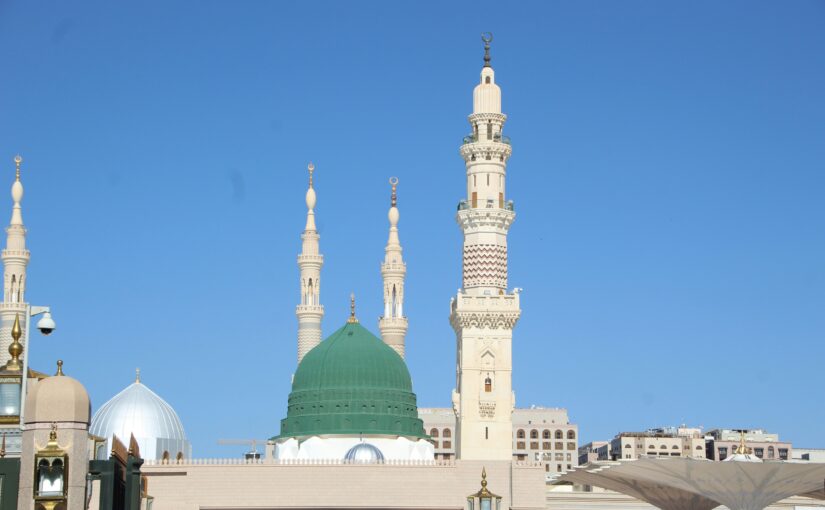
Shan-e-Mustafa (شانِ مصطفیٰ) is a famous Urdu naat that praises the excellence, glory and greatness of the Prophet Muhammad (peace be upon him). The phrase “Shan-e-Mustafa” translates to “The Glory of Mustafa” — Mustafa being one of the beloved names of the Prophet, meaning “The Chosen One.” This naat beautifully describes the high status and spiritual rank bestowed upon the Prophet by Allah Almighty.
Background and Meaning
“Shan-e-Mustafa” is more than just a naat — it is a heartfelt expression of love, reverence and devotion toward the Prophet Muhammad (PBUH). The poet uses vivid imagery and profound spiritual language to describe the Prophet’s exalted station. The naat emphasizes that the Prophet’s greatness is recognized not only by humans but also by angels, the heavens and all of creation.
In Islamic tradition, the concept of Shan (شأن) refers to the dignity, honor and elevated rank of a person. When combined with Mustafa, it encapsulates the belief that Prophet Muhammad (PBUH) holds the highest station among all prophets and creation. The Quran itself refers to this exalted rank in several verses, including:
“And indeed, you are of a great moral character.” (Quran 68:4)
“And We have raised high your remembrance.” (Quran 94:4)
The naat “Shan-e-Mustafa” draws from this deep well of Quranic and Islamic tradition, translating it into beautiful Urdu poetry that stirs the heart and strengthens the bond between the believer and the Beloved Prophet.
Shan-e-Mustafa Naat Lyrics in Urdu (شانِ مصطفیٰ نعت کے اردو بول)
نعتِ شانِ مصطفیٰ ہے شغل ہر جنّ و ملک
بہرِ تعظیمِ محمد سر جھکاتا ہے فلک
چاند تاروں کو ملی نورِ محمد کی چمک
مشک و گل نے پائی ہے گیسوئے احمد کی مہک
اے خدا عشقِ محمد سے ہمیں سرشار رکھ
ہاتھ میں تھامے رہیں ہم ان کا دامن حشر تک
ناز ہم کرتے رہیں گے اپنی قسمت پر سدا
یا الہٰی پھر دکھا دے سبز گنبد کی جھلک
خواب ہی میں چہرہء انور دکھا دیجے حضور
یا رسول اللہ رہیں محروم آخر کب تلک
شرک و بدعت شرک و بدعت کوئی بکتا ہی رہے
نظمی پڑھتا ہی رہے گا نعتِ احمد بے جھجک
Shan-e-Mustafa Naat English Translation
Verse 1:
The naat of Shan-e-Mustafa is the occupation of every jinn and angel
For the veneration of Muhammad, the heavens bow their heads
Verse 2:
The moon and stars received the radiance of Muhammad’s light
The musk and rose have acquired the fragrance of Ahmad’s locks
Verse 3:
O God, keep us intoxicated with the love of Muhammad
May we hold onto the hem of His cloak until the Day of Judgment
Verse 4:
We will forever boast of our good fortune
O Lord, show us once again the glimpse of the Green Dome
Verse 5:
Even if only in a dream, show us Your radiant face, O Presence
O Messenger of Allah, how long must we remain deprived?
Verse 6:
Let anyone keep accusing of shirk and bid’ah
Nazmi will keep reciting the naat of Ahmad without hesitation
The Significance of Shan-e-Mustafa
The naat “Shan-e-Mustafa” holds a special place in the hearts of those who recite and listen to it. Each verse is a testament to the unparalleled love that Muslims hold for their Prophet. The opening line sets the tone beautifully — it declares that even the unseen creation of jinn and angels occupy themselves with the praise of the Prophet’s glory. This is not exaggeration; it is a reflection of Islamic teachings that all of creation acknowledges the Prophet’s lofty station.
The second verse is particularly powerful, using natural imagery — the moon, stars, musk and roses — to illustrate how the Prophet’s blessed influence permeates all of existence. The reference to “Muhammad’s light” (Noor-e-Muhammad) is a concept deeply rooted in Islamic mysticism, referring to the primordial light from which all creation was brought into being.
The plea in the third verse — to remain intoxicated with the love of Muhammad — captures the essence of spiritual devotion. The poet asks to hold onto the Prophet’s cloak until the Day of Judgment, symbolizing steadfastness in following the Sunnah and the unbreakable bond between the believer and the Beloved.
The Green Dome: A Symbol of Love
The fourth verse contains a heartfelt request to see the Green Dome (Sabz Gumbad) again. The Green Dome of Masjid al-Nabawi in Medina, which marks the blessed resting place of the Prophet Muhammad (PBUH), is a powerful symbol for Muslims worldwide. To visit it is the dream of every believer. The poet’s yearning to see it again reflects the deep spiritual attachment that defines the relationship between the Muslim ummah and their Prophet.
The fifth verse continues this theme of longing, asking to see the Prophet’s radiant face even if only in a dream. This is a common theme in Islamic devotional poetry — the belief that seeing the Prophet in a dream is a genuine spiritual experience, as the Prophet himself said: “Whoever sees me in a dream has truly seen me, for Satan cannot take my form.”
Understanding the Closing Verse
The final verse takes a firm stance. The poet anticipates criticism from those who might label such devotion as shirk (associating partners with Allah) or bid’ah (innovation). To this, the response is resolute — regardless of such accusations, the recitation of the Prophet’s praise will continue without hesitation. This verse reflects a long-standing debate within Islamic circles about the permissibility of naat and mawlid, and the poet firmly places himself in the camp of those who see praising the Prophet as a form of worship and expression of love.
The Poet: Who Wrote Shan-e-Mustafa?
The naat “Shan-e-Mustafa” is often attributed to the renowned poet Nazmi (نظمی), as referenced in the final verse of the naat itself. Nazmi was a beloved naat poet and reciter from Pakistan whose works continue to be recited in naat gatherings across the world. His poetry is characterized by its deep spiritual emotion, musical rhythm and unwavering devotion to the Prophet Muhammad (PBUH). Many of his naats remain popular in homes, mosques and religious gatherings throughout South Asia.
Why Shan-e-Mustafa Matters Today
In a world filled with distractions and materialism, naats like “Shan-e-Mustafa” serve as spiritual anchors. They remind believers of their purpose, their love for their Prophet and the ultimate goal of seeking Allah’s pleasure. The naat is not merely poetry — it is a form of worship, a meditation on divine love and a declaration of faith.
For those who recite it, “Shan-e-Mustafa” is a means of drawing closer to the Prophet. For those who listen, it is a source of peace and spiritual nourishment. The naat transcends time and geography, connecting Muslims across generations in their shared love for the Chosen One.
Whether you are listening to it in a quiet gathering at home or in a large congregation at a mosque, “Shan-e-Mustafa” has the power to move hearts and bring tears to the eyes. It is a beautiful reminder that the love of the Prophet Muhammad (PBUH) is the greatest gift a believer can carry in their heart.
How to Recite Shan-e-Mustafa
Like all naats, “Shan-e-Mustafa” is best recited with sincerity and understanding. Take time to read the translation and grasp the meaning of each verse. When you recite, focus on the words and let the love they carry fill your heart. The melody should be gentle and respectful, matching the devotional nature of the poetry.
The naat is often recited in the traditional Urdu naat style with a soft, melodious tune. It can be recited solo or in a group setting. Many online platforms offer audio and video recordings of “Shan-e-Mustafa” by various naat khawans that you can listen to and learn from.
Conclusion
“Shan-e-Mustafa (شانِ مصطفیٰ)” is more than just a naat — it is a declaration of love, a spiritual journey and a celebration of the greatest human being to ever walk the earth. Its words capture the essence of what it means to love the Prophet Muhammad (PBUH) and to recognize his exalted status. Whether you are a lifelong admirer of naat or discovering it for the first time, “Shan-e-Mustafa” offers a profound and moving experience that will stay with you long after the last verse has been recited.
May Allah grant us all the opportunity to truly understand and embody the love of the Prophet Muhammad (PBUH) that this naat so beautifully expresses. Ameen.