
Mera Dil Badal De (میرا دل بدل دے) – Naat Lyrics, English Translation and Meaning
The heartfelt naat “Mera Dil Badal De” (میرا دل بدل دے – Change My Heart) is a deeply emotional supplication in which the poet turns to Allah Almighty, pleading for a transformation of the heart. The poet asks that his heart be filled with the love of the Holy Prophet Muhammad (peace be upon him) and cleansed of all worldly attachments. This naat beautifully captures the yearning of a believer who recognizes his own shortcomings and seeks divine mercy through the wasila (mediation) of the beloved Prophet. It is widely recited across the subcontinent, especially during gatherings of naat and dhikr, and has been rendered by various renowned voices including Rahat Fateh Ali Khan.
In the verses below, the poet expresses the desire to become a devoted servant of the Prophet, to be freed from the distractions of this world, and to attain the honour of being counted among the true lovers of the Prophet (PBUH). Each couplet reveals a soul in search of spiritual purification and a closer bond with the Prophet’s blessed way of life.
Urdu Lyrics | Mera Dil Badal De
میرا دل بدل دے مری جان بدل دے
مجھے اپنا بنا کر میرا مان بدل دے
تری رحمتوں کے سوا کچھ نہیں ہے
میرا رب ہے تو غفور و رحیم
مجھے دیدار کا شوق دے دے محمدﷺ
مرے دل میں جگہ دے مدینہ شہر کی
مجھے تو نے بنا ہے اپنا گنہگار
تو ہی بخش دے میری خطاؤں کو
مرے دل میں بھی دے دے نبی ﷺ کا تمنا
مری آنکھوں میں دے دے مدینے کا نظارہ
مدینے کا ہر ذرہ مجھے یاد آتا ہے
گلی گلی میں ہوتی ہے سرکارﷺ کی باتیں
میرے دل کو تجلی سے منور کر دے
مجھے در پہ بلا کر مری قسمت جاگے
یہ دنیا ہے فانی, نہیں ہے ٹھکانہ
مجھے آخرت میں دے مدینے کا ٹھکانہ
میرا دل بدل دے مری جان بدل دے
مجھے اپنا بنا کر میرا مان بدل دے
English Transliteration
Mera dil badal de, meri jaan badal de
Mujhe apna bana kar, mera maan badal de
Terii rahmaton ke siwa kuch nahin hai
Mera Rab hai tu Ghafoor o Raheem
Mujhe didaar ka shauq de de Muhammad (PBUH)
Mere dil mein jagah de Madina sheher ki
Mujhe tu ne banaya hai apna gunahgaar
Tu hi bakhsh de meri khataaon ko
Mere dil mein bhi de de Nabi (PBUH) ka tamanna
Meri aankhon mein de de Madine ka nazara
Madine ka har zarra mujhe yaad aata hai
Gali gali mein hoti hai Sarkar (PBUH) ki baatein
Mere dil ko tajalli se munawar kar de
Mujhe dar pe bula kar meri qismat jaage
Yeh duniya hai faani, nahin hai thikana
Mujhe aakhirat mein de Madine ka thikana
Mera dil badal de, meri jaan badal de
Mujhe apna bana kar, mera maan badal de
English Translation
Verse 1: Change my heart, change my soul. Make me Your own and transform my pride.
Verse 2: I have nothing other than Your mercy. My Lord, You are the Oft-Forgiving, the Most Merciful.
Verse 3: Grant me the yearning to behold the blessed sight of Muhammad (PBUH). Place in my heart a longing for the city of Madina.
Verse 4: You have made me a sinner. Only You can forgive my faults and transgressions.
Verse 5: Place within my heart the desire for the Prophet (PBUH), and in my eyes the vision of Madina.
Verse 6: Every particle of Madina brings back memories. In every street, people speak of the beloved Prophet (PBUH).
Verse 7: Illuminate my heart with Your divine light. Call me to Your doorstep so my fortune may awaken.
Verse 8: This world is temporary, it is no permanent abode. Grant me a place near Madina in the Hereafter.
Verse 9: Change my heart, change my soul. Make me Your own and transform my pride.
Background and Meaning
The naat “Mera Dil Badal De” is a poetic supplication that captures the essence of tawbah (repentance) and tawakkul (reliance on Allah). The central theme revolves around the believer’s desire for inner transformation. The poet acknowledges that the heart is prone to worldly distractions and sins, and only through divine intervention can it be purified and redirected toward the love of the Prophet Muhammad (PBUH).
The repeated refrain – “Change my heart, change my soul” – underscores the urgency of spiritual renewal. This is not merely a request for forgiveness; it is a plea for a complete reorientation of one’s being. The poet wants to shed arrogance (maan), embrace humility, and become a devoted servant of the Prophet’s household and teachings.
The lyrics reference several key Islamic concepts:
- Tawbah (Repentance): The poet openly admits to being a sinner and seeks forgiveness directly from Allah, acknowledging His attributes as Al-Ghafoor (the Oft-Forgiving) and Ar-Raheem (the Most Merciful).
- Ishq-e-Mustafa (Love of the Prophet): The deepest desire expressed is to have the love of Prophet Muhammad (PBUH) firmly rooted in the heart. This love is seen as the ultimate means of attaining closeness to Allah.
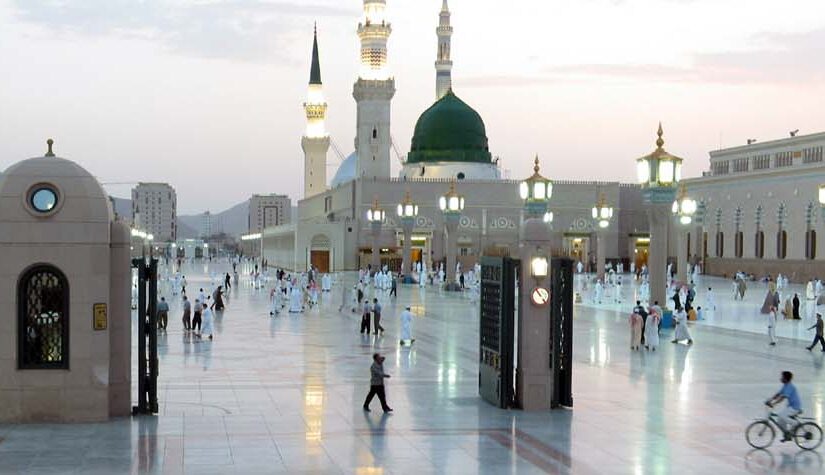
- Madina and the Prophet’s Mosque: The city of Madina holds a special spiritual place in the heart of every Muslim. The poet longs to visit, to see, and ultimately to be granted a place in Madina not just in this world but in the Hereafter.
- Dunya vs Aakhirah: The naat contrasts the temporary nature of this worldly life with the eternal abode of the Hereafter. The poet chooses the latter, specifically hoping for a place near the Prophet in Madina.
- Tajalli (Divine Illumination): The request for the heart to be illuminated with divine light (tajalli) reflects the Sufi concept of spiritual purification and inner enlightenment.
This naat is often recited in mehfil-e-naat (naat gatherings) across Pakistan and India, and its soulful melody has made it a favourite among listeners of all ages. The sincerity of the lyrics resonates deeply with those seeking spiritual closeness to the Prophet (PBUH) and a meaningful connection with Allah.
May Allah grant us all the ability to love His Prophet (PBUH) with a sincere heart, and may He grant us the honour of visiting Madina and being counted among the true lovers of the Prophet (PBUH). Ameen.