Beshak Beshak (بیشک بیشک) – Full Naat Lyrics in Urdu, English Translation and Meaning

Introduction

“Beshak Beshak” (بیشک بیشک) is one of the most beloved Urdu naats popularised by the legendary Junaid Jamshed (R.A.). The title translates to “Indeed, Indeed” or “Without Doubt, Without Doubt” in English. This soul-stirring naat is a heartfelt declaration of faith in the supreme greatness of Prophet Muhammad (peace be upon him). Junaid Jamshed, formerly a famous pop singer who later dedicated his life to Islamic devotion, recited this naat with such passion and sincerity that it continues to touch the hearts of millions around the world.

The naat beautifully expresses unwavering belief in the Prophet’s lofty status, his intercession, and his unparalleled position in creation. Every verse reinforces the message of complete submission and love for the final Messenger of Allah.

Beshak Beshak Naat Lyrics in Urdu (بیشک بیشک نعت کے اردو اشعار)

بیشک بیشک بیشک بیشک
محمد مصطفیٰ ﷺ پر لاکھوں سلام

بیشک بیشک بیشک بیشک
محمد مصطفیٰ ﷺ پر لاکھوں درود

ہر شے پہ غالب ہے ان کا وجود
نور خدا ہے ان کا ظہور

جو بھی انہیں دے ، اللہ کا نور
ہر دل میں بسے ان کا سرور

آقا ہیں دو عالم کے وہ سردار
شافع ہیں وہ روزِ نشور

اللہ نے رکھی ان کی قسم
قرآن میں جس کا ہے ظہور

جو بھی پکارے ان کا نام
پاتا ہے وہ رب کا کرم

دل سے جو ان پر درود پڑھے
اللہ اسے بخشے قصور

اے کاش مدینے کی گلیوں میں

آ کر مرے اشک ہوں نثار

بیشک بیشک بیشک بیشک
محمد مصطفیٰ ﷺ پر لاکھوں سلام

بیشک بیشک بیشک بیشک
محمد مصطفیٰ ﷺ پر لاکھوں درود

English Translation of Beshak Beshak

Verse 1:
Indeed, indeed, indeed, indeed
Millions of salutations upon Muhammad Mustafa (peace be upon him)

Verse 2:
Indeed, indeed, indeed, indeed
Millions of blessings upon Muhammad Mustafa (peace be upon him)

Verse 3:
His existence prevails over everything
His manifestation is the light of God

Verse 4:
Whoever gives to them, it is the light of Allah
In every heart resides their serenity

Verse 5:
He is the master and leader of both worlds
He is the intercessor on the Day of Resurrection

Verse 6:
Allah has sworn by him
Whose appearance is mentioned in the Quran

Verse 7:
Whoever calls upon his name
Receives the grace of the Lord

Verse 8:
Whoever recites blessings upon him from the heart
Allah forgives their shortcomings

Verse 9:
Oh, would that in the streets of Madina
My tears could be scattered as offerings

Verse 10 (Chorus):
Indeed, indeed, indeed, indeed
Millions of salutations upon Muhammad Mustafa (peace be upon him)

Meaning and Spiritual Significance

“Beshak Beshak” is more than just a naat; it is a spiritual affirmation of faith. The repeated word “Beshak” (بیشک) means “without any doubt” or “indeed,” serving as a powerful declaration of certainty in the Prophet’s exalted status. Each verse reinforces different aspects of the Prophet Muhammad’s (PBUH) greatness and the believer’s love for him.

The naat emphasises several key themes:

Unwavering Faith: The refrain “Beshak” removes all traces of doubt from the heart, affirming that the Prophet (PBUH) is indeed the greatest of creation, the beloved of Allah, and the seal of all prophets.

Intercession (Shafa’at): The lyrics highlight the Prophet’s role as the intercessor on the Day of Judgment, a core belief that brings comfort to every believer. The hope of being among those who receive his intercession is a recurring spiritual theme.

Love for Madina: The longing for Madina, the city of the Prophet, expressed in the closing verses reflects the deep emotional connection every believer feels towards the blessed city and the sacred Rawdah.

Salawat and Blessings: The naat encourages the recitation of durood (blessings) upon the Prophet, which is not only a form of worship but also a means of attaining Allah’s forgiveness and mercy.

Junaid Jamshed’s rendition of this naat carries an emotional weight that resonates deeply. His journey from a pop icon to a devoted Islamic preacher adds profound sincerity to every word he recites. The naat has become a staple in mehfil-e-naat gatherings, Ramadan specials, and personal devotional playlists worldwide.

Audio and Video

You can listen to Junaid Jamshed’s powerful recitation of “Beshak Beshak” on YouTube and various Islamic audio platforms. The naat is available in studio-recorded versions as well as live mehfil recordings. For the best experience, listen with headphones and follow along with the Urdu lyrics above to fully absorb the spiritual depth of this beautiful naat.

Please note: We do not host audio or video files directly. Search “Beshak Beshak Junaid Jamshed” on your preferred Islamic audio platform or YouTube to listen to the full naat.


Madina Jaane Ko Dil Karta Hai (مدینہ جانے کو دل کرتا ہے) — Full Naat Lyrics in Urdu, English Translation and Meaning

Introduction

“Madina Jaane Ko Dil Karta Hai” is a deeply emotional naat that expresses the burning desire of a believer to visit the blessed city of Madina Munawwarah. The poet beautifully captures the longing to see the Roza of Prophet Muhammad (peace be upon him) and to walk the streets where the beloved Prophet once walked.

This naat is popular in the Urdu-speaking world and is often recited at Mehfil-e-Naat gatherings, especially before the Hajj and Umrah season when many believers plan their journey to Saudi Arabia.

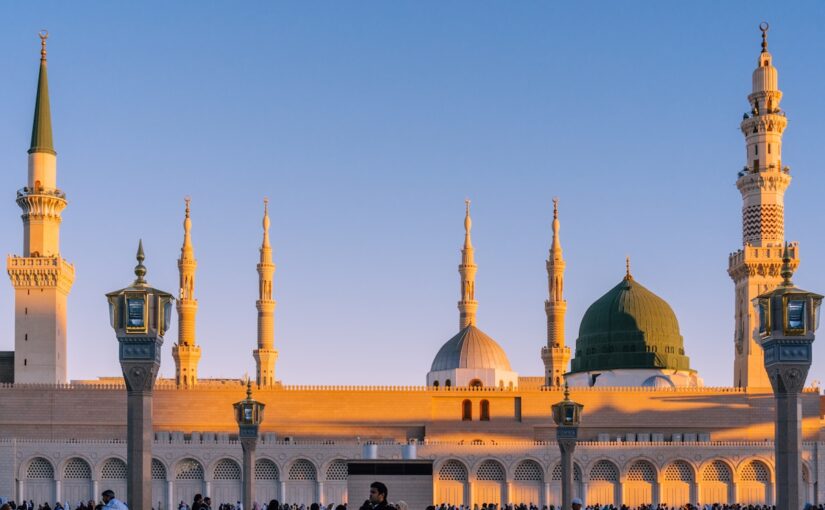
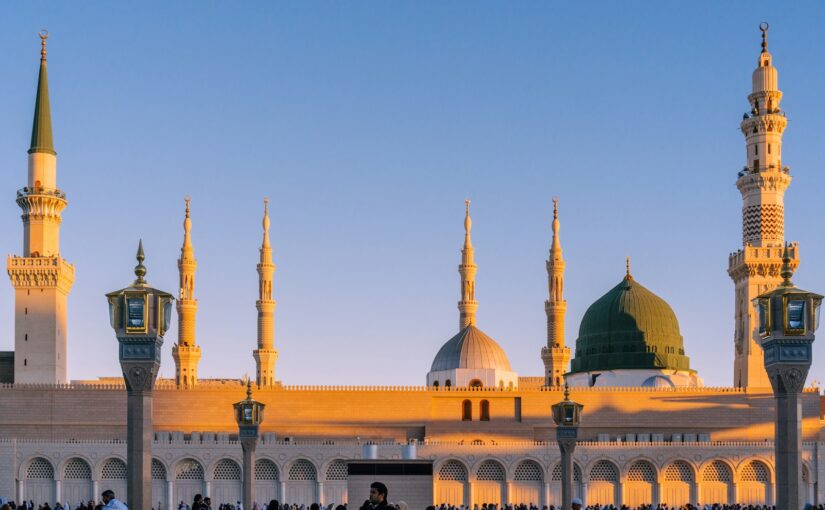
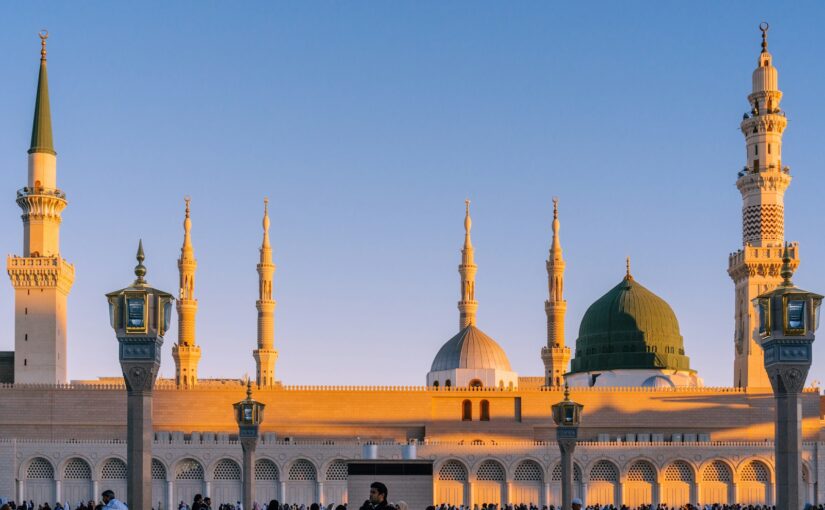
The lyrics speak of a heart that is restless, a soul that craves the peace of Madina, and eyes that long to see the green dome of Masjid-e-Nabawi. It is a naat that resonates with anyone who has visited Madina or dreams of visiting one day.

Madina Jaane Ko Dil Karta Hai — Full Naat Lyrics in Urdu

مدینہ جانے کو دل کرتا ہے

نبی کے در پہ جانا ہے
شفاعت کا بہانہ ہے
مدینہ جانے کو دل کرتا ہے

وہاں کے گلیوں میں جانا ہے
گلستاں میں نہانا ہے
مدینہ جانے کو دل کرتا ہے

وہاں گنبد ہے سبز رنگ
جہاں رحمت ہے بے سنگ
مدینہ جانے کو دل کرتا ہے

وہاں روتے ہیں گناہگار
بہتی ہے آنکھوں سے دھار
مدینہ جانے کو دل کرتا ہے

وہاں بخشش کا سامان ہے
ہر دکھ کا وہاں علاج ہے
مدینہ جانے کو دل کرتا ہے

وہاں آقا کا روضہ ہے
جہاں سارا ہے جلوہ ہے
مدینہ جانے کو دل کرتا ہے

Madina Jaane Ko Dil Karta Hai — English Transliteration

Madina jaane ko dil karta hai

Nabi ke dar pe jaana hai
Shafa’at ka bahaana hai
Madina jaane ko dil karta hai

Wahan ki galiyon mein jaana hai
Gulistaan mein nahaana hai
Madina jaane ko dil karta hai

Wahan gumbad hai sabz rang
Jahan rehmat hai be-sang
Madina jaane ko dil karta hai

Wahan rote hain gunaahgaar
Behti hai aankhon se dhaar
Madina jaane ko dil karta hai

Wahan bakhshish ka saamaan hai
Har dukh ka wahan ilaaj hai
Madina jaane ko dil karta hai

Wahan Aaqa ka roza hai
Jahan saara hai jalwa hai
Madina jaane ko dil karta hai

English Translation

Verse 1:
My heart yearns to go to Madina

Verse 2:
I must go to the doorstep of the Prophet
It is an excuse to seek intercession
My heart yearns to go to Madina

Verse 3:
I must walk through its streets
I must bathe in its garden-like atmosphere
My heart yearns to go to Madina

Verse 4:
There is a green dome there
Where blessings are limitless
My heart yearns to go to Madina

Verse 5:
There the sinners weep
Streams flow from their eyes
My heart yearns to go to Madina

Verse 6:
There is provision for forgiveness there
Every sorrow has a cure there
My heart yearns to go to Madina

Verse 7:
There is the resting place of our Master
Where all splendour resides
My heart yearns to go to Madina

Meaning and Background

This naat captures the deep spiritual longing that every Muslim feels for Madina Munawwarah, the city of the Prophet Muhammad (peace be upon him). The repeated refrain “Madina jaane ko dil karta hai” (My heart yearns to go to Madina) reflects an emotional and spiritual pull that transcends time and distance.

The poet describes the deep desire to visit the Prophet’s mosque, to stand at his blessed grave, and to seek intercession (shafa’at). The green dome (gumbad-e-sabz) of Masjid-e-Nabawi is mentioned as a symbol of divine mercy and blessing.

There is a beautiful contrast in the poem: the sinners weeping in repentance and the boundless mercy they hope to receive. This reflects the Islamic teaching that the Prophet’s city is a place of spiritual healing and forgiveness.

If you enjoyed this naat, you might also like other beautiful naats such as Meri Zindagi Hai Madina, Mere Dil Mein Hai Madina, or Keh Do Madine Jaana Hai.

May Allah grant us all the opportunity to visit the blessed city of Madina and the sacred mosque of the Prophet, Ameen.

Noor-e-Mujassam (نور مجسم) — Full Naat Lyrics in Urdu, English Translation and Meaning

Introduction to Noor-e-Mujassam

“Noor-e-Mujassam” (نور مجسم) is a beautiful and spiritually uplifting naat that describes Prophet Muhammad (peace be upon him) as “embodied light.” The title translates to “The Embodied Light” or “Light Incarnate,” referring to the Islamic belief that the Prophet was created from the divine light of Allah. This naat is widely recited across the Muslim world, particularly in South Asia, and is beloved for its profound spiritual meaning and poetic beauty.

The naat draws from the Islamic tradition that the Prophet Muhammad (صلى الله عليه وسلم) was not just a human being but a mercy to all worlds (Rahmatun Lil’Alameen) and was created from the light of Allah. The verses express deep love, reverence and longing for the Prophet, making it a favourite among devotees who recite it in gatherings, mosques and at home.

Noor-e-Mujassam — Urdu Lyrics (نور مجسم)

نور مجسم ہو تم، نور مجسم ہو تم
سچے ہو مقدم ہو تم، نور مجسم ہو تم

تم ذاتِ خدا نہیں ہو، پر نورِ خدا ہو تم
تم اور نہیں کوئی، ہر شے سے جدا ہو تم

اے شہرِ مدینہ کے سلطان، اے محبوبِ خدا
تم لاکھ سزاوارِ ثنا، تم مستحقِ ثنا

تم ہو ختمِ رسل، تم ہو شافعِ کل
تم در پہ جو آئے کبھی، خالی نہ گیا

تم نور سے ہو پیدا، باقی سب مٹی کے
تم جانِ تمام انبیا، تم جانِ وفا

اے شافعِ محشر، اے رحمتِ عالم
تمہارے سوا کس کے آگے جھکیں یہ سر

تمہیں اللہ نے رحمت بنا کر بھیجا
تمام جہاں کے لیے، تم ہو رحمتِ ناز

مدینہ مدینہ، تمہارا مدینہ
ہر آنکھ کا نور ہے، ہر دل کا قرینہ

Noor-e-Mujassam — English Translation

You are embodied light, You are embodied light
You are true and foremost, You are embodied light

You are not the essence of God, but you are the light of God
You are unlike anyone, separate from all creation

O King of Madinah, O Beloved of God
You are worthy of a thousand praises, You deserve all glorification

You are the Seal of the Prophets, You are the Intercessor for all
Whoever comes to your door, never returns empty-handed

You were created from light, while all others are from clay
You are the soul of all prophets, You are the essence of loyalty

O Intercessor of the Day of Judgment, O Mercy to the Worlds
Before whom else should we bow our heads except you?

Allah sent you as a mercy
For all the worlds, you are the cherished mercy

Madinah, Madinah, your Madinah
Is the light of every eye, the adornment of every heart

The Spiritual Meaning and Significance

The title “Noor-e-Mujassam” carries deep spiritual meaning in Islamic theology. The concept of the Prophet Muhammad (peace be upon him) being “embodied light” comes from several hadith (Prophetic traditions) that describe his creation from light. One well-known hadith states that “Allah created His Prophet from His light” (Allahumma innaka khalaqta nabiyyaka min nurika).

This does not mean that the Prophet (PBUH) is divine or a part of Allah. Islamic theology is clear on the absolute oneness of Allah (Tawheed). Rather, it means that the Prophet was created from a special, exalted light that distinguishes him from all other creation. His physical form was human, but his spiritual essence was light.

The naat beautifully expresses this concept. It says “You are not the essence of God, but you are the light of God.” This draws a clear distinction between the Creator and the creation, while honouring the special status of the Prophet.

The Praise of the Prophet in Islamic Poetry

Naat poetry has a long and rich tradition in Islam, dating back to the time of the Prophet himself. The famous poet Hassan ibn Thabit (RA) was the first to compose poetry in praise of the Prophet, with the Prophet’s own approval. Since then, countless poets across the Muslim world have expressed their love for the Prophet through poetry.

Urdu naat poetry, in particular, has flourished over the past few centuries. Poets like Maulana Rumi, Imam Busiri (author of Qasidah Burdah), Ahmad Raza Khan and countless others have contributed to this rich tradition. Noor-e-Mujassam stands in this tradition, using beautiful imagery and heartfelt language to express the poet’s love and devotion.

The naat uses several key themes common in Islamic praise poetry:

  • Light (Nur): Referring to the Prophet as light, following the Quranic verse that speaks of “a light from Allah” (Surah Al-Maida, 5:15)
  • Intercession (Shafa’ah): The belief that the Prophet will intercede for his followers on the Day of Judgment
  • Mercy (Rahmah): The Quran describes the Prophet as “a mercy to the worlds” (Surah Al-Anbiya, 21:107)
  • Madinah: The city of the Prophet, which holds a special place in the hearts of Muslims
  • Seal of the Prophets (Khatam un-Nabiyyin): Affirming that Muhammad (PBUH) is the final prophet

When and Where to Recite This Naat

Noor-e-Mujassam is typically recited at:

  • Milad gatherings — Celebrations of the Prophet’s birth
  • Qawwali and naat nights — Spiritual gatherings featuring devotional music and poetry
  • Fajr time prayers — Many devotees recite naats in the early morning
  • Jumu’ah (Friday) gatherings — Before or after Friday prayers
  • Personal worship — As part of daily dhikr (remembrance of Allah) and meditation

The naat is recited in a slow, melodious tone that allows the listener to reflect on the meaning of each verse. Its rhythmic structure makes it easy to memorise and recite from the heart.

Key Islamic Concepts in This Naat

Nur (نور): Light — In Islamic mysticism, nur represents divine guidance and spiritual illumination. The Prophet is described as a source of light that guides humanity out of darkness.

Shafa’ah (شفاعت): Intercession — The belief that on the Day of Judgment, the Prophet will intercede on behalf of his followers. This is a source of great hope and comfort for Muslims.

Rahmah (رحمت): Mercy — The Prophet’s mission was one of mercy. He was sent not just for Muslims but for all of humanity and all of creation.

Khatam un-Nabiyyin (خاتم النبیین): Seal of the Prophets — This affirms the finality of Prophethood with Muhammad (PBUH). This is a core belief in Islam.

Madinah (مدینہ): The City of the Prophet — Madinah holds immense spiritual significance as the city where the Prophet established the first Islamic state and where his blessed tomb is located.

Conclusion

Noor-e-Mujassam is more than just a poem. It is a spiritual expression of love, devotion and reverence for the Prophet Muhammad (peace be upon him). Its verses carry deep theological meaning while remaining accessible to all who recite it. Whether you are a lifelong student of Islamic spirituality or someone discovering naat poetry for the first time, Noor-e-Mujassam offers a beautiful window into the heart of Islamic devotional tradition.

May the recitation of this naat bring peace to your heart and draw you closer to the light of the Prophet (PBUH). Ameen.

Meri Zindagi Hai Madina (میری زندگی ہے مدینہ) Full Naat Lyrics in Urdu, English Translation and Meaning

Meri Zindagi Hai Madina (میری زندگی ہے مدینہ) meaning “My Life is Madina” is a deeply emotional and popular Urdu naat recited by the renowned naat khwan Owais Raza Qadri. This naat expresses the profound love and devotion of a believer towards Madina Munawwarah, the blessed city of Prophet Muhammad. The lyrics speak of a heart that lives for Madina, a soul that longs to be in the presence of the Prophet, and a life that finds its true meaning in the love of the Holy Prophet.

Owais Raza Qadri, known for his soulful and heartfelt recitation, has touched millions of hearts worldwide with this naat. Meri Zindagi Hai Madina is often recited at gatherings, in mosques, and during personal moments of devotion. It captures the essence of what Madina means to a believer not just a city, but a spiritual home.

In this article, we present the full Urdu lyrics of Meri Zindagi Hai Madina along with English translation and a detailed explanation of its meaning and spiritual significance.

The Meaning of Meri Zindagi Hai Madina

The title Meri Zindagi Hai Madina translates to “My Life is Madina”. This phrase captures the essence of a believer existence a life devoted to the love of Prophet Muhammad and the blessed city where he is buried. Madina is not just a geographical location in this context; it represents the spiritual destination of every Muslim heart.

The naat emphasises several key themes:

  • The all-consuming love for Prophet Muhammad
  • The longing to visit and live in Madina Munawwarah
  • The recognition that true peace and happiness come from devotion to the Prophet
  • The willingness to sacrifice everything for the sake of the beloved Prophet

Meri Zindagi Hai Madina Naat Lyrics Full Urdu Text

میری زندگی ہے مدینہ میری زندگی ہے مدینہ
مرے دل کی دھڑکن ہے مدینہ ہاں میری زندگی ہے مدینہ

نہیں جانتا مجھے کوئی اور نہ جانے میرا مداوا کوئی
مری التجا ہے یا نبی مجھے دیدار کردو مدینہ کا

مجھے چھوڑ کر نہ جانا کبھی میں ہوں تم پہ فدا یا نبی
مری جان لے لو یا رسول اللہ مگر مت بھلانا مدینہ مجھے

مری آنکھوں میں بسے مدینہ مرے خوابوں میں ہے مدینہ
مرے سانسوں میں ہے مدینہ ہاں میری زندگی ہے مدینہ

مدینے کی گلیوں میں اے مرے نبی ملاقات ہوگی کسی دن
مری آنکھوں کو راحت ملے گی یہی آرزو ہے مدینہ کی

جہاں روضہ ہے نبی کا وہیں میرا گھر ہے مدینہ
مری جنت ہے مدینہ ہاں میری زندگی ہے مدینہ

کبھی تو سنا اے مرے مولا مرے دل کی پکار
یہاں آنے کی ہے التجا مجھے ہو جائے دیدار

تمہیں چھوڑ کر نہ جائیں گے ہم اے مرے شہہ مدینہ
مری روح رہے گی تمہارے در پہ مری زندگی ہے مدینہ

English Translation of Meri Zindagi Hai Madina

Urdu Verse English Translation
میری زندگی ہے مدینہ میری زندگی ہے مدینہ
مرے دل کی دھڑکن ہے مدینہ ہاں میری زندگی ہے مدینہ
My life is Madina, my life is Madina.
The heartbeat of my heart is Madina, yes, my life is Madina.
نہیں جانتا مجھے کوئی اور نہ جانے میرا مداوا کوئی
مری التجا ہے یا نبی مجھے دیدار کردو مدینہ کا
No one knows me, and no one knows my cure.
My plea is, O Prophet, grant me the vision of Madina.
مجھے چھوڑ کر نہ جانا کبھی میں ہوں تم پہ فدا یا نبی
مری جان لے لو یا رسول اللہ مگر مت بھلانا مدینہ مجھے
Never leave me, I sacrifice myself for you, O Prophet.
Take my life, O Messenger of Allah, but do not let me forget Madina.
مری آنکھوں میں بسے مدینہ مرے خوابوں میں ہے مدینہ
مرے سانسوں میں ہے مدینہ ہاں میری زندگی ہے مدینہ
Madina resides in my eyes, Madina is in my dreams.
Madina is in my breath, yes, my life is Madina.
مدینے کی گلیوں میں اے مرے نبی ملاقات ہوگی کسی دن
مری آنکھوں کو راحت ملے گی یہی آرزو ہے مدینہ کی
In the streets of Madina, O my Prophet, I will meet you one day.
My eyes will find peace, this is the wish of Madina.
جہاں روضہ ہے نبی کا وہیں میرا گھر ہے مدینہ
مری جنت ہے مدینہ ہاں میری زندگی ہے مدینہ
Where the shrine of the Prophet is, there my home is Madina.
My paradise is Madina, yes, my life is Madina.
کبھی تو سنا اے مرے مولا مرے دل کی پکار
یہاں آنے کی ہے التجا مجھے ہو جائے دیدار
Listen sometime, O my Master, to the call of my heart.
My plea is to come here, grant me the blessed vision.
تمہیں چھوڑ کر نہ جائیں گے ہم اے مرے شہہ مدینہ
مری روح رہے گی تمہارے در پہ مری زندگی ہے مدینہ
We will never leave you, O my King of Madina.
My soul will remain at your doorstep, my life is Madina.

The Spiritual Significance of Meri Zindagi Hai Madina

The love for Madina is not just a sentimental feeling in Islam. It is a deep spiritual connection that every Muslim is encouraged to develop. Prophet Muhammad himself said, “Ibrahim declared Makkah sacred, and I declare Madina sacred.” This makes Madina one of the two holiest cities in Islam, alongside Makkah.

This naat captures that love perfectly. The repeated phrase “Meri Zindagi Hai Madina” is not a literal statement that the singer lives in Madina. Instead, it means that the city of Madina and everything it represents the Prophet, his teachings, his love, his sunnah is the very essence of the believer existence. The believer life revolves around this love, just as a planet revolves around the sun.

The naat also speaks to the universal longing that every Muslim feels the desire to visit the Rawdah and to stand before the blessed grave of Rasoolullah. This is one of the greatest spiritual aspirations for a believer, and the naat gives voice to this beautiful longing.

Why This Naat Is So Popular

  • Simple yet profound lyrics: The words are easy to understand but carry deep spiritual meaning
  • Emotional melody: The tune of this naat is both soulful and easy to remember
  • Universal theme: Every Muslim, regardless of their background, can relate to the longing for Madina
  • Powerful recitation by Owais Raza Qadri: His voice adds an unmatched emotional depth to the words

If you enjoyed this naat, you may also like other popular naats such as Tajdar-e-Haram and Suna Hai Jis Ka Naam Hai Muhammad, both available with full lyrics and translations on our site.

How to Recite This Naat

Meri Zindagi Hai Madina is typically recited in a slow, melodious style. The repetition of the title phrase at the beginning sets a reflective tone. The verses that follow build emotional intensity as the singer expresses their deep love and longing for the Prophet and the blessed city of Madina.

This naat is suitable for any gathering where naat is recited, including mehfils, Milad gatherings, and personal worship. It is also popular for listening during travel, especially for those journeying to Madina for pilgrimage.

Final Thoughts

Meri Zindagi Hai Madina is more than just a naat. It is a declaration of love, a spiritual aspiration, and a reminder of what truly matters in life. The love of Prophet Muhammad and the city of Madina is at the heart of Islamic spirituality, and this naat captures that love in the most beautiful way.

We hope this article with the full Urdu lyrics, English translation, and meaning helps you connect more deeply with this beautiful naat. Share it with friends and family, and may Allah grant us all the opportunity to visit Madina Munawwarah.

For more naat lyrics, explore our collection of Labbaik Ya Rasool Allah and Ya Habibi Ya Muhammad.

Mere Maula (میرے مولا) – Complete Urdu Lyrics & English Translation

Mere Maula (میرے مولا) – Complete Urdu Lyrics & English Translation

Mere Maula” (میرے مولا), meaning “My Master” or “My Lord,” is one of the most soul-stirring naats in the Urdu language. The naat is a heartfelt plea to Allah — a beautiful blend of Hamd (praise of Allah) and Naat (praise of the Prophet ﷺ). Its lyrics talk about seeking the protection and mercy of the Almighty, expressing the singer’s complete reliance on the Creator.

Background of Mere Maula

The naat Mere Maula was popularised by the legendary Pakistani singer Junaid Jamshed (1964–2016). Junaid Jamshed was originally a pop icon — the lead vocalist of Pakistan’s biggest pop band, Vital Signs, famous for hits like “Dil Dil Pakistan.” After leaving the music industry in the early 2000s, he dedicated his life to Islamic preaching and nasheed/naat recitation. His journey from pop stardom to becoming a respected religious figure inspired millions.

Junaid Jamshed’s rendition of “Mere Maula” touched hearts across South Asia. With his soft, emotional voice and sincere delivery, he captured the longing of a believer seeking Allah’s mercy. The naat became a staple at religious gatherings, Islamic conferences, and continues to be widely shared on YouTube and social media platforms.

The lyrics of Mere Maula are traditionally attributed to various Islamic poets. The naat uses simple yet profound Urdu phrases that resonate deeply with listeners — making it accessible even to those who may not be fluent in Arabic or complex poetic forms.

Why Mere Maula Is So Beloved

  • Emotional depth: The naat expresses total submission and reliance on Allah — something every believer understands at a personal level.
  • Simple yet powerful lyrics: The words are easy to remember but carry deep spiritual meaning.
  • Junaid Jamshed’s unique legacy: His personal story of transformation adds layers of meaning to the performance.
  • Universality: The theme of seeking the Master’s mercy transcends cultural and linguistic boundaries.

Mere Maula – Full Urdu Lyrics (مکمل اردو نعت)

Verse 1

Urdu:
میرے مولا میرا غم دور کر دے
میرے دل سے میرا غم دور کر دے
مجھے اپنا بنا لے یا الٰہی
اپنے در سے کبھی نہ دور کر دے

English Translation:
My Master, remove my sorrow from me
Remove the grief from my heart
Make me Your own, O my Lord
Never cast me away from Your door

Verse 2

Urdu:
جو بھی تجھ سے مانگتا ہے وہ پاتا ہے
مجھ کو تو نے در پہ اپنے بلا لیا
بے کسوں کا تو ہے سہارا یا الٰہی
میرے مولا میرا غم دور کر دے

English Translation:
Whoever asks from You, receives
You called me to Your doorstep
You are the support of the helpless, O my Lord
My Master, remove my sorrow from me

Verse 3

Urdu:
تیرے در سے جو بھی خالی لوٹتا ہے
اس کو سمجھو وہ نادان ہے دیوانہ
مجھ کو اپنا بنا لے یا الٰہی
اپنے در سے کبھی نہ دور کر دے

English Translation:
Whoever returns empty-handed from Your door
Know that they are foolish, not mad with love
Make me Your own, O my Lord
Never cast me away from Your door

Verse 4

Urdu:
تیرے در کے سوا میرا کوئی نہیں ہے
تو ہی میرا ہے تو ہی میرا سہارا
مجھ کو اپنا بنا لے یا الٰہی
میرے مولا میرا غم دور کر دے

English Translation:
I have no one except Your door
You are mine, and You are my support
Make me Your own, O my Lord
My Master, remove my sorrow from me

Verse 5

Urdu:
تیرے در پہ جو آیا وہ خالی نہ گیا
بھر کے اس کو تو نے اپنی بخشش سے دیا
درد والو نے تجھ سے درد سارے پا لئے
میرے مولا میرا غم دور کر دے

English Translation:
Whoever came to Your door never left empty
You filled them with Your forgiveness
Those in pain received all their cure from You
My Master, remove my sorrow from me

Verse 6

Urdu:
مجھ کو تو نے اپنی رحمت سے نوازا
اپنے در سے لگا کر اپنا بنا لیا
میں گنہگار ہوں لیکن تو ہے غفار
میرے مولا میرا غم دور کر دے

English Translation:
You blessed me with Your mercy
You attached me to Your door and made me Your own
I am a sinner, but You are the Oft-Forgiving
My Master, remove my sorrow from me

Meaning and Explanation

The naat “Mere Maula” is structured as a direct conversation between the believer and Allah (ﷻ). Unlike naats that focus exclusively on praising the Prophet ﷺ, this piece is primarily a Hamd — expressing the singer’s deep emotional connection with the Creator.

Key themes:

  • Submission and reliance: The repeated plea “Mere Maula” establishes a relationship of total trust and dependence on Allah.
  • Seeking forgiveness: “I am a sinner, but You are the Oft-Forgiving” — this reflects the Islamic concept of Tawbah (repentance) and the believer’s hope in Allah’s infinite mercy.
  • Attachment to Allah’s door: The imagery of being attached to Allah’s door (dar) symbolizes seeking nearness to the Divine — a central theme in Islamic spirituality.
  • Comfort in times of hardship: The refrain “remove my sorrow” speaks to the universal human experience of grief and the comfort found in turning to the Divine.

The naat draws its power from its simplicity. It doesn’t use complex metaphors or heavy Arabic vocabulary. Instead, it speaks directly to the heart in everyday Urdu — making its message accessible to everyone, from scholars to common people.

Junaid Jamshed – The Voice Behind the Naat

Junaid Jamshed (1964–2016) was a remarkable figure in Pakistan’s cultural and religious landscape. Born in Karachi, he studied at the prestigious NED University and later formed the band Vital Signs in 1986. The band’s debut album included the iconic “Dil Dil Pakistan,” which became an unofficial national anthem.

In the early 2000s, Junaid underwent a profound spiritual transformation. He left the music industry, grew a beard, and began using his voice exclusively for Islamic content. He became a naat khawan (naat reciter) and a preacher, delivering lectures across Pakistan and internationally.

His rendition of “Mere Maula” is perhaps his most famous naat. The sincerity in his voice reflects his own spiritual journey — from worldly fame to complete devotion to the Creator. Junaid Jamshed tragically died in a plane crash near Havelian in December 2016, but his voice continues to inspire millions who listen to “Mere Maula” in their moments of solitude and prayer.

Conclusion

“Mere Maula” remains one of the most cherished Islamic devotional songs in the Urdu-speaking world. Its timeless message of submission, hope, and reliance on Allah resonates across generations. Whether you are going through a difficult time or simply seeking spiritual connection, this naat offers comfort and reminds us that the door of the Almighty is always open for those who seek Him.

May Allah accept our prayers and grant us the ability to always remember Him in times of ease and hardship. Ameen.

Note: All lyrics are transcribed to the best of our knowledge. Please inform us of any corrections you may find.

Madina Madina (مدینہ مدینہ) — Full Naat Lyrics in Urdu, English Translation and Meaning

Introduction

Madina Madina (مدینہ مدینہ) is one of the most beloved and widely recited naats in the Islamic world. This beautiful poetic composition expresses the deep love, longing, and spiritual attachment that Muslims feel for Madina Munawwarah — the blessed city of Prophet Muhammad (peace be upon him). The naat has been performed by numerous renowned naat khwans across the globe and continues to move hearts with its soulful melody and heartfelt words.

The phrase “Madina Madina” is a passionate call to the holy city, reflecting the yearning of every believer who wishes to visit the Rawdah Mubarak and offer salutations at the blessed shrine. This naat is especially popular during religious gatherings, Mehfil-e-Milaad, and in the month of Rabi-ul-Awwal when Muslims around the world celebrate the birth of the Prophet (PBUH). Its simple yet profound lyrics resonate with people of all ages and backgrounds, making it a staple in naat collections worldwide.

مدینہ مدینہ — اردو lyrics

مدینہ مدینہ مدینہ مدینہ

مدینے کا نظارہ دل چاہتا ہے
مدینے میں جا کر میں آنکھیں بچھا دوں

مدینہ مدینہ مدینہ مدینہ

جو آیا مدینے میں بخشش ہوئی ہے
مدینہ مدینہ مدینہ مدینہ

مدینے کی گلیوں میں آنسو بہا دوں
مدینے کی خاک اپنی آنکھوں میں لگ لوں

مدینہ مدینہ مدینہ مدینہ

مدینے میں ہے میرے آقا کا روضہ
مدینے میں جا کر سلام عرض کروں

مدینہ مدینہ مدینہ مدینہ

Romanized Transliteration

Madeena Madeena Madeena Madeena

Madeene ka nazaara dil chahta hai
Madeene mein jaakar main aankhen bichha doon

Madeena Madeena Madeena Madeena

Jo aaya Madeene mein bakhshish hui hai
Kisi ne kaha hai kisi ne suna hai

Madeena Madeena Madeena Madeena

Madeene ki galiyon mein aansoo bahaa doon
Madeene ki khaak apni aankhon mein lag loon

Madeena Madeena Madeena Madeena

Madeene mein hai mere Aaqa ka rouza
Madeene mein jaakar salaam arz karoon

Madeena Madeena Madeena Madeena

English Translation

Verse 1:
Madeena, Madeena, Madeena, Madeena —
My heart yearns to behold the sight of Madina.
Let me go to Madina and lay down my eyes (as an offering).

Verse 2:
Whoever has come to Madina has been blessed —
This is what someone has said, and someone has heard.

Verse 3:
Let me shed tears in the streets of Madina,
Let me apply the dust of Madina to my eyes.

Verse 4:
In Madina lies the sacred resting place of my Master,
Let me go to Madina and present my salaams.

Meaning and Background

The naat “Madina Madina” is a powerful expression of the spiritual longing that every Muslim feels towards the holy city of Madina Munawwarah. This city holds an unparalleled place in Islamic history and in the hearts of believers. It was the city that welcomed Prophet Muhammad (PBUH) during his migration (Hijra) from Makkah and became the center of the first Islamic state.

The lyrics beautifully capture several profound themes:

Longing for the Beloved City: The repeated chorus of “Madina Madina” is not merely a name but a heartfelt cry of love. It echoes the sentiment of millions of Muslims who have grown up hearing stories of the Prophet’s city and yearn to visit it at least once in their lifetime. The desire to “lay down one’s eyes” speaks to the ultimate submission and humility before the sacred precincts.

The Gift of Forgiveness: The naat mentions that whoever comes to Madina receives forgiveness. This refers to the immense spiritual blessings associated with visiting the Prophet’s mosque (Masjid an-Nabawi). It is narrated in authentic hadith that one prayer in Masjid an-Nabawi is better than a thousand prayers elsewhere. The atmosphere of Madina is believed to be filled with divine mercy and blessings.

Tears of Love: The reference to shedding tears in the streets of Madina reflects the emotional intensity of visiting a place so deeply connected to the Prophet’s life. Many pilgrims describe being moved to tears when they first see the green dome of the Prophet’s mosque. These tears are not of sorrow but of overwhelming love and spiritual connection.

Dust of Madina: Applying the dust of Madina to one’s eyes is a poetic expression of seeking blessings (tabarruk) from the sacred earth. This practice has been observed by Muslims throughout history, treating the soil of Madina with reverence because of its connection to the Prophet (PBUH).

The Sacred Rawdah: The naat culminates with the most profound truth — that in Madina lies the Rawdah Mubarak, the blessed resting place of Prophet Muhammad (PBUH). The Rawdah is described in hadith as one of the gardens of Paradise. Presenting salaam at the Rawdah is the culmination of every pilgrim’s journey, fulfilling the deep desire to greet the Prophet (PBUH) directly.

When and Where It Is Recited

“Madina Madina” is typically recited:

  • During Mehfil-e-Milaad gatherings celebrating the birth of the Prophet (PBUH)
  • At naat khwani events and Islamic musical gatherings
  • In the month of Rabi-ul-Awwal
  • On the occasion of Urs and other religious commemorations
  • By pilgrims traveling to or returning from Madina
  • In daily gatherings of dhikr and remembrance

Conclusion

“Madina Madina” remains one of the most cherished naats in the Urdu-speaking Muslim world. Its simple yet deeply emotional lyrics capture the universal love that Muslims hold for the city of the Prophet (PBUH). Whether recited in a quiet gathering or sung in a large congregation, this naat has the power to move hearts and remind believers of the ultimate goal — to be among those who are blessed to visit Madina and present their respects at the Rawdah of the beloved Prophet (peace be upon him). May Allah grant us all the opportunity to visit Madina Munawwarah. Ameen.

Popular Renditions of Madina Madina

The naat “Madina Madina” has been performed by countless naat khwans over the decades, each bringing their unique style and emotion to the recitation. Some of the most beloved renditions include those by Qari Waheed Zafar Qasmi, whose soulful voice adds a layer of spiritual depth to the lyrics. His rendition has become the most widely recognized version across the Indian subcontinent and is often played in homes, mosques, and Islamic gatherings.

Other notable reciters include Owais Raza Qadri, whose energetic and passionate style brings a different flavor to the naat, and Hafiz Ahmed Raza Qadri, whose melodious rendition has garnered millions of listeners online. In recent years, younger naat khwans have also recorded contemporary versions of this classic, introducing it to new generations. The naat has also been performed by international artists and featured in various Islamic music compilations.

The Spiritual Significance of Madina

To truly understand the depth of this naat, one must appreciate what Madina means in the Islamic spiritual tradition. Madina Munawwarah (the illuminated city) is not just a geographical location but a spiritual sanctuary. It is the city where the Prophet Muhammad (PBUH) built the first mosque, established the first Islamic community, and where he spent the last ten years of his blessed life. The very air of Madina is believed to carry barakah (divine blessings), and every corner of the city is steeped in sacred history.

The Prophet (PBUH) said, “Between my house and my pulpit is a garden from the gardens of Paradise” (Bukhari). This area, known as the Rawdah, is the heart of Masjid an-Nabawi and the focal point of every pilgrim’s visit. The love for Madina is so deeply ingrained in Muslim consciousness that even those who have never visited feel a profound connection to it – a connection beautifully expressed in the simple yet powerful refrain of “Madina Madina.”

Shah-e-Madina (شاہ مدینہ) – Owais Raza Qadri | Full Naat Lyrics & Translation

Shah-e-Madina (شاہ مدینہ) is one of the most beloved naats recited by Owais Raza Qadri. This beautiful tribute to the Holy Prophet ﷺ has touched millions of hearts across the world. With its soul-stirring melody and profound words, the naat expresses deep love and reverence for the King of Madina — Prophet Muhammad ﷺ.

The naat was originally written by the famous poet Syed Muhammad Sultan Rizvi and later popularized globally by Owais Raza Qadri’s powerful and emotional recitation. It is frequently recited at mehfils (spiritual gatherings) around the world, especially during the month of Rabi-ul-Awwal.

Urdu Lyrics (اشعار)

Verse 1

شاہ مدینہ شاہ مدینہ
Shah-e-Madina, Shah-e-Madina
King of Madina, King of Madina

تیرے در سے کوئی خالی نہ گیا
Tere dar se koi khaali na gaya
No one returned empty-handed from your door

Verse 2

تیری چوکھٹ پہ جو آیا ہے سلامت رہا
Terii chokhat pe jo aaya hai salaamat raha
Whoever came to your threshold remained safe

تیرا در ہر غم کا مداوا ہے مدینہ
Tera dar har gham ka madawa hai Madina
Your door is the cure for every sorrow, O Madina

Verse 3

اے شاہ مدینہ مجھے تیری پناہ
Aey Shah-e-Madina mujhe teri panaah
O King of Madina, grant me your refuge

تیرے در سے بڑھ کر نہیں کوئی جاہ
Tere dar se badh kar nahi koi jaah
There is no status greater than your doorstep

Verse 4

ہے بس ایک ہی التجا اے نبی
Hai bas ek hi iltija aey Nabi
I have just one plea, O Prophet

مجھے اپنی امت میں شامل کریں
Mujhe apni ummat mein shaamil karein
Include me in your Ummah (community)

Verse 5

ہے طلب صرف مدینہ ، ہے تمنا مدینہ
Hai talab sirf Madina, hai tamanna Madina
My desire is only Madina, my wish is Madina

ہر گھڑی یاد ہے مجھ کو وہ فضا ئے مدینہ
Har ghari yaad hai mujh ko woh faza-e-Madina
Every moment I remember the atmosphere of Madina

Verse 6

جس نے دیکھا اسے پھر بھول نہیں پاتا
Jis ne dekha use phir bhool nahi paata
Whoever saw it can never forget it

کوئی حسرت نہ رہی دل میں وہاں آنے کے بعد
Koi hasrat nah rahi dil mein wahan aane ke baad
No desire remains in the heart after arriving there

Verse 7

اے شاہ مدینہ مجھے بلا لو مدینہ
Aey Shah-e-Madina mujhe bula lo Madina
O King of Madina, call me to Madina

مجھے دیدارِ حبیبؐ کا شوق ہے بہت
Mujhe didaar-e-Habeeb ka shauq hai bohat
I long so much to see the Beloved Prophet ﷺ

Meaning and Significance

“Shah-e-Madina” translates to “The King of Madina,” a title of deep reverence for Prophet Muhammad ﷺ. The naat is a heartfelt expression of a believer’s longing to visit the blessed city of Madina and to be in the presence of the Prophet ﷺ.

The opening line, “Shah-e-Madina, Shah-e-Madina”, is an emotional cry that immediately draws the listener into a state of spiritual reflection. It is not merely a repetition of words but a declaration of love and allegiance to the greatest of Allah’s creations.

One of the most poignant themes in the naat is the supplication for refuge at the Prophet’s doorstep. The line “Aey Shah-e-Madina mujhe teri panaah” reflects the deep Islamic belief that seeking closeness to the Prophet ﷺ is a means of drawing closer to Allah Himself. It echoes the Quranic verse: “And if they had come to you when they wronged themselves… they would have found Allah Accepting of repentance and Merciful” (Quran 4:64).

The naat also beautifully captures the emotional pain of separation from Madina — a feeling well known to anyone who has visited the holy city and left with a longing to return. The verse “Har ghari yaad hai mujh ko woh faza-e-Madina” speaks to this universal experience of the Muslim heart.

Owais Raza Qadri, the renowned Naat Khwan from Pakistan, has become synonymous with this naat. His distinctive voice and passionate delivery have made “Shah-e-Madina” a staple at naat gatherings worldwide. Born in 1974 in Faisalabad, Owais Raza Qadri is one of the most celebrated naat reciters of the modern era, with millions of followers across the globe.

The poet Syed Muhammad Sultan Rizvi wrote the lyrics with such depth that every verse carries layers of meaning — from the simple longing of a devotee to the profound spiritual station of the Prophet ﷺ. The naat reminds believers that the door of the Prophet ﷺ is always open, and no one who comes with sincere love is ever turned away.

In a world filled with anxiety and uncertainty, “Shah-e-Madina” offers solace. Its repeated invocation of the Prophet’s name acts as a spiritual anchor, calming the heart and renewing faith. The naat is more than poetry — it is a supplication, a love letter, and a declaration of faith all woven together.

Listening to or reciting this naat is considered a form of dhikr (remembrance), bringing barakah (blessings) and spiritual peace. Many Muslims make it a daily practice to listen to “Shah-e-Madina” as part of their morning or evening routines, finding in it a connection to the Prophet ﷺ that transcends time and distance.

May Allah grant us all the opportunity to visit the blessed city of Madina and be counted among the followers of the beloved Prophet Muhammad ﷺ. Ameen.

Allah Hoo (اللہ ہو) — Naat Lyrics in Urdu with English Translation and Meaning

Introduction to Allah Hoo (اللہ ہو)

“Allah Hoo” (اللہ ہو) is one of the most loved and widely recited Islamic naats in the Urdu-speaking world. This powerful naat is a simple yet deep expression of devotion to Allah. The phrase “Allah Hoo” itself is a form of dhikr (remembrance of Allah) that has been used by Muslims for centuries. The naat focuses entirely on the oneness of Allah, His mercy and the soul’s longing for its Creator.

Unlike many naats that praise Prophet Muhammad (peace be upon him), Allah Hoo is a naat e ilahi written directly in praise of Allah Almighty. Its repetitive, rhythmic structure makes it easy to remember and deeply moving to recite. Many people around the world know this naat by heart, even if they do not speak Urdu.

Background of the Naat

The naat “Allah Hoo” is attributed to various Sufi traditions and has been popularised by many famous naat khwans (reciters) including Qari Waheed Zafar Qasmi, Owais Raza Qadri and others. The exact origin of the naat is difficult to trace, as it emerged from the oral traditions of Sufi poetry and has been passed down through generations.

The naat reflects the core Islamic concept of tawheed (the oneness of Allah). The repetition of “Allah Hoo” is a form of dhikr that helps the believer connect with Allah on a deep spiritual level. In Sufi tradition, the name “Allah” is considered the greatest name of Allah (Ism-e-Azam), and reciting it with presence of heart brings the soul closer to its Creator.

Allah Hoo (اللہ ہو) Naat Lyrics in Urdu

اللہ ہو، اللہ ہو، اللہ ہو

اللہ ہو، اللہ ہو، اللہ ہو

تیری رحمت کے دریا بہتے ہیں ہر سو
تیرے فضلوں کے سائے ہیں ہر گھڑی
تیری ذات سے روشن ہے سارا جہاں
تیرے در پہ جھکے سب کی پیشانی

اللہ ہو، اللہ ہو، اللہ ہو

تو ہی رب ہے، تو ہی مالک ہے
تو ہی قادر، تو ہی رازق ہے
تیرے در سے جو بھی خالی گیا
اسے دنیا نے کبھی سنبھالا نہیں

اللہ ہو، اللہ ہو، اللہ ہو

تیرے ذکر سے دل کو سکون ملے
تیری یاد میں راتیں جاگیں
تیرے در سے جو بھی مانگا اس نے
تیرے خزانے نے کبھی ٹوکرا نہیں

اللہ ہو، اللہ ہو، اللہ ہو

دل کی دھڑکن میں تیرا نام ہے
ہر سانس میں تیرا پیغام ہے
تیرے بغیر جی نہیں لگتا
تو ہی مقصود، تو ہی مراد ہے

اللہ ہو، اللہ ہو، اللہ ہو

English Transliteration

Allah Hoo, Allah Hoo, Allah Hoo

Teri rahmat ke dariya behte hain har soo
Tere fazlo ke saaye hain har ghari
Teri zaat se roshan hai saara jahaan
Tere dar pe jhuke sab ki peshaani

Allah Hoo, Allah Hoo, Allah Hoo

Tu hi Rab hai, tu hi Maalik hai
Tu hi Qaadir, tu hi Raaziq hai
Tere dar se jo bhi khaali gaya
Use duniya ne kabhi sambhala nahi

Allah Hoo, Allah Hoo, Allah Hoo

Tere zikr se dil ko sakoon mile
Teri yaad mein raatein jaagein
Tere dar se jo bhi maanga usne
Tere khazaane ne kabhi thukraya nahi

Allah Hoo, Allah Hoo, Allah Hoo

Dil ki dharkan mein tera naam hai
Har saans mein tera payghaam hai
Tere baghair jee nahi lagta
Tu hi maqsood, tu hi muraad hai

Allah Hoo, Allah Hoo, Allah Hoo

English Translation

Allah Hoo, Allah Hoo, Allah Hoo
Allah is the One, Allah is the One, Allah is the One

Rivers of Your mercy flow everywhere
The shadows of Your blessings are with me every moment
The entire universe is illuminated by Your being
Every forehead bows at Your door

Allah Hoo, Allah Hoo, Allah Hoo
Allah is the One, Allah is the One, Allah is the One

You are the Lord, You are the Master
You are the All-Powerful, You are the Provider
Whoever left Your door empty-handed
The world could never take care of them

Allah Hoo, Allah Hoo, Allah Hoo
Allah is the One, Allah is the One, Allah is the One

The heart finds peace through Your remembrance
Nights are spent awake in Your love
Whoever asked from Your door
Your treasure never turned them away

Allah Hoo, Allah Hoo, Allah Hoo
Allah is the One, Allah is the One, Allah is the One

Your name is in every heartbeat
Your message is in every breath
Life feels incomplete without You
You are the purpose, You are the desire

Allah Hoo, Allah Hoo, Allah Hoo
Allah is the One, Allah is the One, Allah is the One

Meaning and Significance

The naat “Allah Hoo” carries a profound spiritual message. The repetition of “Allah Hoo” throughout the naat serves as a form of meditation. By repeating the name of Allah, the believer’s heart becomes focused on the Divine, leaving behind worldly concerns and distractions.

The verses describe several important aspects of Islamic belief:

  • Allah’s Mercy: The naat begins by describing the rivers of mercy flowing from Allah. This reminds us that Allah’s mercy is vast and available to everyone.
  • Allah as Sustainer: The verses describe Allah as the Provider (Raaziq) and the All-Powerful (Qaadir), reminding us that everything we have comes from Him alone.
  • Reliance on Allah: The naat teaches us that true support comes only from Allah. Those who turn away from Him find no real help in the world.
  • The Power of Dhikr: The act of remembering Allah brings peace to the heart, as stated in the Quran: “Verily, in the remembrance of Allah do hearts find rest” (Surah Ar-Ra’d, verse 28).

This naat is often recited in gatherings of dhikr and spiritual assemblies. Its simple yet profound message makes it accessible to people of all ages. Children learn it easily, and elders recite it with deep emotion. The naat transcends cultural boundaries and is loved by Urdu-speaking Muslims around the world.

When to Recite Allah Hoo

There is no fixed time for reciting this naat. It can be recited at any time as a form of dhikr and meditation. Many people find it particularly beneficial to recite:

  • In the early morning after Fajr prayer
  • During moments of stress or anxiety
  • In gatherings of dhikr and spiritual reflection
  • Before sleeping as a form of evening remembrance
  • During difficult times when seeking comfort from Allah

Popular Reciters

The naat “Allah Hoo” has been recited by many famous naat khwans. Some notable recitations include:

  • Qari Waheed Zafar Qasmi – known for his soulful and emotional recitation
  • Owais Raza Qadri – popular among younger audiences
  • Muhammad Nabeel – a rising voice in naat recitation
  • Hamza Saleem – known for his melodious renditions

Each reciter brings their own style to the naat, but the core message remains the same – the love and devotion to Allah, the One and Only.

For more naat lyrics and translations, check out our other posts including Ya Nabi Salam Alaika, Hasbi Rabbi and Tajdar-e-Haram.

Maa Ke Qadmo Mein Jannat (ماں کے قدموں میں جنت) — Naat Lyrics in Urdu, English Translation and Meaning

Introduction

The beautiful naat “Maa Ke Qadmo Mein Jannat” (ماں کے قدموں میں جنت) translates to “Paradise lies at the feet of mothers.” This phrase echoes one of the most beloved sayings of the Prophet Muhammad (peace be upon him), who taught that Paradise is found under the feet of mothers — a profound reminder of the honour, reverence, and status that Islam grants to mothers.

The famous hadith that this naat draws from is narrated by Ahmad and others: “Paradise lies at the feet of mothers” (al-Jannah tahta aqdaamil ummahaati). This single teaching has inspired countless poets, scholars, and believers throughout Islamic history. In this naat, the poet beautifully weaves together the themes of maternal love, divine mercy, and devotion to the Prophet (PBUH).

This naat is especially beloved because it speaks to the heart of every believer — reminding us that the love we have for our mothers is a reflection of the mercy of Allah (SWT). It calls us to honour our mothers not just with words, but with actions, service, and unwavering love.

Background and Meaning

“Maa Ke Qadmo Mein Jannat” is a spiritual masterpiece that blends the Islamic teaching of honouring mothers with deep love for the Prophet Muhammad (PBUH). The naat opens with the declaration that Paradise lies at the feet of mothers — a direct reference to the hadith — and then expands into a broader message about seeking Allah’s pleasure through loving and serving one’s parents.

In Islamic tradition, the status of a mother is unparalleled. The Qur’an commands believers to treat their parents with the utmost kindness, especially mothers, who bear the hardships of pregnancy, childbirth, and nurturing. Allah says in the Qur’an: “And We have enjoined upon man goodness to his parents. His mother carried him with hardship and gave birth to him with hardship” (Surah Al-Ahqaf 46:15).

The poet of this naat uses the hadith as a central theme, reminding listeners that the path to Jannah is made easier through the love, care, and respect we show to our mothers. Each verse reflects on the sacrifices mothers make and the eternal reward that awaits those who cherish them.

At the same time, the naat expresses devotion to the Prophet (PBUH), recognising him as the ultimate source of guidance. The poem reminds us that loving the Prophet and loving our parents are not separate acts of worship — they are beautifully connected, both leading us closer to Allah’s mercy and to Paradise.

Naat Lyrics — Maa Ke Qadmo Mein Jannat

Verse 1

Urdu:
ماں کے قدموں میں جنت ہے یہ فرمایا نبی نے
جو سمجھا اس اشارے کو وہ پایا رہِ منزل کو

Translation:
Paradise lies at the feet of mothers, the Prophet declared
Whoever understood this sign found the path to their goal

Verse 2

Urdu:
جو ماں کی خدمت کرے وہ بندہ ہے اللہ کا
اس کی جھولی میں رحمت ہے وہ دیکھے رخِ والا کو

Translation:
Whoever serves their mother is a servant of Allah
In their lap lies mercy — they behold the face of the Most High

Verse 3

Urdu:
ماں کا دکھ سہہ کر پلنے والے بڑے نصیبوں والے
رب نے ان کے آنسوؤں میں رکھی ہے دولتِ کامل کو

Translation:
Those raised through a mother’s hardship are truly fortunate
In their tears, Allah has placed the treasure of completeness

Verse 4

Urdu:
ماں کی دعا سے ملتی ہے بخشش اور رحمت
اس کی آہ سحرگاہی نہیں جاتی بے اثر کو

Translation:
Through a mother’s prayer comes forgiveness and mercy
Her pre-dawn sigh does not go without effect

Verse 5

Urdu:
جو بھی کرے ماں کی خدمت، رب کرے اس کی حفاظت
دونوں جہاں میں ملے اس کو عزت اور سرفرازی

Translation:
Whoever serves their mother, may Allah protect them
In both worlds they shall receive honour and exaltation

Verse 6

Urdu:
یا نبی، تیرے صدقے میں آئی ماں کو عزت
تو نے سکھایا سب کو مقام ماں کا پہچاننا

Translation:
O Prophet, through your blessing came honour for mothers
You taught everyone to recognise the station of a mother

Meaning and Explanation

“Maa Ke Qadmo Mein Jannat” is more than just a poem — it is a spiritual reminder that resonates deeply with every Muslim. The naat captures the essence of Islamic teachings about mothers: that serving them is a form of worship, that their prayers are a source of blessings, and that their love is a glimpse of the Divine mercy.

The hadith “Paradise lies at the feet of mothers” is often interpreted in two ways. First, literally: that a mother’s pleasure is a doorway to Paradise, and obeying her leads to Allah’s reward. Second, metaphorically: that the love, patience, and sacrifices of a mother are a reflection of the mercy that believers hope to find in the Hereafter. The naat beautifully explores both meanings.

Each verse builds on this foundation. The poet reminds us that serving our mother is serving Allah, and that her prayers carry a weight no other intercession can match. The pre-dawn prayer of a mother — the sahr — is a recurring theme in Islamic poetry, symbolising the quiet, selfless devotion that mothers embody. The tears of a mother are not wasted; they are treasures in the sight of Allah.

The naat also ties this message to the love of the Prophet Muhammad (PBUH). It acknowledges that it was the Prophet himself who elevated the status of mothers, in a time when women were often mistreated and disregarded. Through his teachings, mothers were given honour, dignity, and a place of unparalleled reverence in the Muslim community.

This naat resonates with Muslims across the world because it touches on universal human emotions — the love for a mother, the desire for her approval, and the ache of her absence. It reminds us that the bond between a mother and child is one of the most sacred relationships in Islam, and that nurturing this bond brings us closer to Allah and to Paradise.

Conclusion

“Maa Ke Qadmo Mein Jannat” is a timeless naat that speaks to the heart of every believer. It calls us to reflect on the immense blessing of having a mother and the profound responsibility we have to honour her. Through its gentle verses, the naat reminds us that the path to Paradise does not always require grand gestures — sometimes, it begins with a kind word, a loving touch, and a life of service to the one who carried us.

May Allah grant us the ability to honour our mothers, forgive our shortcomings towards them, and reunite us with them in Jannah. And may the love of our mothers be a means for us to experience the mercy of our Creator. Ameen.

Read more Naat lyrics in Urdu and English at NaatLines.com.

Ae Mere Ham Nafas (اے میرے ہم نفس) — Naat Lyrics in Urdu, English Translation and Meaning

The Heartfelt Plea of a Devoted Soul

“Ae Mere Ham Nafas” (اے میرے ہم نفس) is a deeply moving Urdu naat recited by the legendary Junaid Jamshed (رحمۃ اللہ علیہ). The title translates to “O My Companion of the Soul” — a poignant address to Prophet Muhammad ﷺ, the beloved of Allah and the ultimate companion of every believing heart.

This naat captures the essence of a believer’s longing — the yearning to be in the blessed presence of the Prophet ﷺ, to have one’s spiritual ailments healed by his mercy, and to be counted among his devoted followers on the Day of Judgment. Junaid Jamshed, known for his soulful voice and heartfelt delivery, brings these verses to life with an emotional depth that moves listeners to tears.

The naat speaks of the believer’s desperate need for the Prophet’s intercession (شفاعت) and the overwhelming love that defines the relationship between a Muslim and their beloved Nabi ﷺ.

Ae Mere Ham Nafas Naat Lyrics in Urdu (اے میرے ہم نفس کے بول)

Below are the complete lyrics of the naat in Urdu script:

اے میرے ہم نفس، اپنا بنا لے مجھ کو
تیرے در سے بڑھ کر، کوئی اور نہیں ہے

اے میرے ہم نفس، اپنا بنا لے مجھ کو
تیرے دم سے ہے میرا جینا

مجھ کو مدینے بلا لو کبھی
دو گھڑی دیدار کرا دو کبھی

اے میرے ہم نفس، اپنا بنا لے مجھ کو
تیری چوکھٹ پے آیا ہوں میں
تیرے در کا بھکاری ہوں میں

دل کو قرار آتا ہے
تیری گلی میں جا کے
غم ہی غم ہیں دنیا میں
سکون ملتا ہے تیرے در پے آ کے

اے میرے ہم نفس، اپنا بنا لے مجھ کو
تیرے صدقے میں نے سب کچھ پایا
تیرے در سے مجھ کو سب کچھ ملتا ہے

Roman Urdu Transliteration

For those who cannot read the Urdu script, here is the Roman Urdu transliteration of “Ae Mere Ham Nafas”:

Ae mere ham nafas, apna bana le mujh ko
Tere dar se badh kar, koi aur nahi hai

Ae mere ham nafas, apna bana le mujh ko
Tere dam se hai mera jeena

Mujh ko Madine bula lo kabhi
Do ghadi deedar kara do kabhi

Ae mere ham nafas, apna bana le mujh ko
Teri chokhat pe aaya hoon main
Tere dar ka bhikari hoon main

Dil ko qarar aata hai
Teri gali mein ja ke
Gham hi gham hain duniya mein
Sukoon milta hai tere dar pe aa ke

Ae mere ham nafas, apna bana le mujh ko
Tere sadqe mein ney sab kuchh paaya
Tere dar se mujh ko sab kuchh milta hai

English Translation of Ae Mere Ham Nafas

Here is the English translation of the naat, verse by verse:

O my soul-companion, make me your own
There is none greater than your threshold

O my soul-companion, make me your own
My very existence depends upon you

Call me to Madinah someday
Grant me the blessing of your sight for just a moment

O my soul-companion, make me your own
I have come to your doorstep
I am a beggar at your court

My heart finds rest
Only when I walk through your streets
This world is filled with sorrows
Peace comes only when I arrive at your door

O my soul-companion, make me your own
Through your blessing I have received everything
From your threshold I am granted all that I need

The Theme and Meaning of Ae Mere Ham Nafas

“Ae Mere Ham Nafas” is a naat that beautifully expresses the deep spiritual connection between a believer and the Prophet Muhammad ﷺ. The phrase “ham nafas” (ہم نفس) literally means “one who shares the same breath” — implying an intimate bond of love and companionship.

The naat is essentially a heartfelt supplication (دعا) where the devotee begs the Prophet ﷺ to accept them as their own. It acknowledges that no one can match the status and mercy of the Prophet ﷺ, and the only true peace in this world comes from being close to him — both physically and spiritually.

Key Themes in the Naat

1. Spiritual Longing (اشتیاق): The poet expresses an intense desire to visit Madinah Munawwarah and be blessed with the vision of the Prophet’s ﷺ blessed resting place. This is a common theme in Islamic devotional poetry — the yearning for ziyarat (visitation) to the Prophet’s ﷺ mosque.

2. Humility and Begging (انکساری): The believer describes themselves as a “bhikari” (beggar) at the Prophet’s ﷺ doorstep. This reflects the Islamic concept that all goodness, mercy, and blessings come through the wasila (means) of the Prophet ﷺ.

3. Seeking Peace (سکون): The naat highlights that true peace of heart can only be found in the love of the Prophet ﷺ and in visiting his blessed city. In a world filled with trials and tribulations, the Prophet’s ﷺ companionship is the ultimate source of comfort.

4. The Prophet’s Intercession (شفاعت): Implicit throughout the naat is the hope for the Prophet’s ﷺ intercession on the Day of Judgment — the greatest gift a believer can hope for.

About Junaid Jamshed (رحمۃ اللہ علیہ)

Junaid Jamshed (1964–2016) was a legendary Pakistani singer who later became a prominent Islamic preacher and naat reciter. After his days as the lead vocalist of the iconic pop band Vital Signs, he dedicated his life to Islam and produced some of the most beloved naats of the modern era. His albums like Jalwa-e-Janan, Badi uz Zaman, and Mera Dil Badal De continue to inspire millions around the world. He tragically passed away in the PIA Flight 661 crash in 2016, but his spiritual legacy lives on through his soulful naats.

Listen to Ae Mere Ham Nafas

To truly appreciate the beauty of this naat, we recommend listening to Junaid Jamshed’s original rendition. His voice carries the emotion and devotion that words alone cannot capture. The naat is available on various Islamic audio platforms and YouTube.

Other Beautiful Naats by Junaid Jamshed

If you enjoyed “Ae Mere Ham Nafas”, you may also like these other beautiful naats by the same artist:

Final Thoughts

“Ae Mere Ham Nafas” is more than just a naat — it is the cry of every believing soul that longs for the companionship and intercession of the Prophet Muhammad ﷺ. In a world of uncertainty and pain, this beautiful kalaam reminds us that true peace lies in loving the Prophet ﷺ and striving to follow his blessed path.

May Allah ﷻ grant us all the ability to visit the blessed city of Madinah Munawwarah, to be blessed with the Prophet’s ﷺ intercession, and to be counted among his true followers. Ameen.

Note: The lyrics above are transcribed to the best of our knowledge from the famous rendition by Junaid Jamshed (رحمۃ اللہ علیہ). If you notice any variations, please feel free to reach out so we can update our records.