
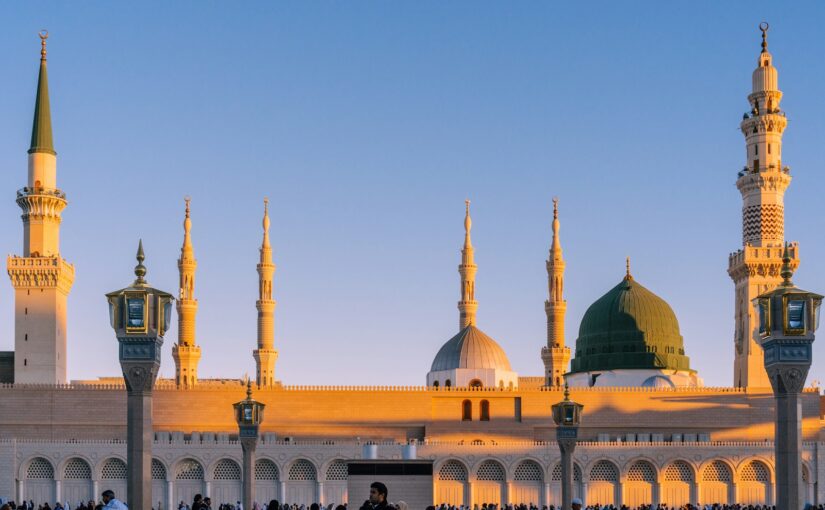
“Ya Ghausul Wara” (یا غوث الوریٰ) is one of the most famous and beloved manqbat recited in praise of Ghaus-e-Azam, Sheikh Abdul Qadir Jilani (Radi Allahu Anhu). This soul-stirring devotional poem invokes the blessings and intercession of the great Sufi saint who is revered across the Islamic world as the “Pole of Saints” (Qutb al-Auliya). The phrase “Ya Ghausul Wara” translates to “O Helper of Mankind,” and the manqbat captures the deep love, devotion, and reliance that millions of devotees place in the spiritual station of Ghaus-e-Azam.
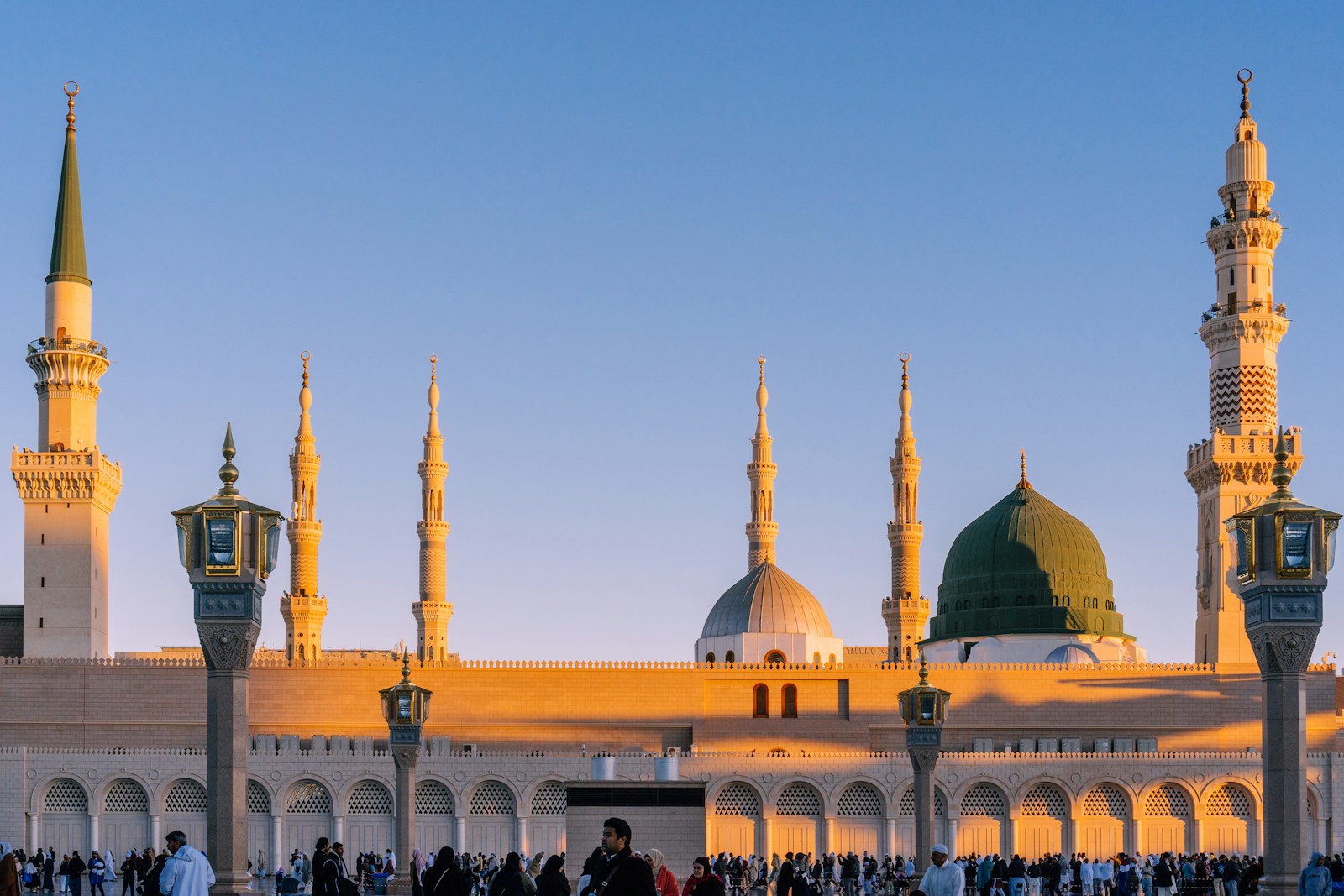
Ya Ghausul Wara — The Manqbat Lyrics in Urdu
Below are the complete lyrics of this blessed manqbat in Urdu, presented with Roman Urdu transliteration and English translation for each verse. This manqbat is traditionally recited at Mehfil-e-Milad gatherings, especially in the Indian subcontinent, and is beloved by followers of the Qadiri order.
Verse 1 — The Opening Call
یا غوث الوریٰ یا غوث الوریٰ
یا غوث الوریٰ یا غوث الوریٰRoman Urdu: Ya Ghausul Wara, Ya Ghausul Wara, Ya Ghausul Wara, Ya Ghausul Wara
Translation: O Helper of Mankind, O Helper of Mankind, O Helper of Mankind, O Helper of Mankind
The manqbat opens with the powerful refrain “Ya Ghausul Wara” — a direct call upon Ghaus-e-Azam Sheikh Abdul Qadir Jilani (RA), invoking his title as the universal helper. This repetition creates a meditative, trance-like rhythm that draws the devotee into a state of spiritual concentration (tawajjuh). The title “Ghausul Wara” (غوث الوریٰ) is an Arabic phrase meaning “The Helper/Succorer of All Creation.” The very utterance of this sacred name is believed by devotees to bring spiritual peace and blessings.
Verse 2 — The Emperor of Baghdad
شہنشاہِ بغداد ہیں دستگیر
غمِ دل کا علاج تم سے ہےRoman Urdu: Shahanshah-e-Baghdad hain Dastagir, Gham-e-dil ka ilaaj tum se hai
Translation: He is the Emperor of Baghdad, the Holder of Hands, The cure for the heart’s sorrow is from You alone.
This verse establishes the supreme spiritual status of Ghaus-e-Azam. “Shahanshah-e-Baghdad” (Emperor of Baghdad) refers to his station as the spiritual sovereign of the city that was once the capital of the Islamic world. “Dastagir” (دستگیر) means “one who holds hands” — a compassionate figure who reaches out to those who are spiritually fallen. The second line acknowledges that only through his intercession can the ailments of the heart be cured.
Verse 3 — The Ocean of Generosity
بحرِ جود و کرم ہو تم اے غوث
تم پہ قربان جاں ہو میرے غوثRoman Urdu: Behr-e-jood o karam ho tum ae Ghous, Tum pe qurban jaan ho mere Ghous
Translation: You are an ocean of generosity and grace, O Ghous, My soul is sacrificed upon You, O my Ghous.
Ghaus-e-Azam is described as an ocean (behr) of generosity (jood) and grace (karam). This is a recurring theme in Sufi poetry — saints are seen as channels through which Allah’s boundless mercy flows to humanity. The poet declares willing sacrifice of the soul (jaan) in devotion, echoing the Islamic concept of fana (annihilation in the love of the beloved).
Verse 4 — The Helper of the Helpless
ہر مصیبت میں کام آتے ہو تم
بے سہاروں کا تم ہو سہاراRoman Urdu: Har museebat mein kaam aate ho tum, Be-saharon ka tum ho sahara
Translation: In every hardship You come to aid, You are the support for those without support.
This verse beautifully captures the belief in the intercession (tawassul) of the saints. “Be-saharon ka sahara” (support of the unsupported) is a phrase that resonates deeply with those who feel alone in their struggles. The verse affirms that Ghaus-e-Azam is a refuge for the distressed — a core reason why millions have turned to him for spiritual and worldly help for over 800 years. His shrine in Baghdad continues to be a beacon of hope for the hopeless.
Verse 5 — The Door of Hope
تیرے در پر جو بھی آیا غوث
خالی ہاتھ نہ کوئی لوٹاRoman Urdu: Tere dar par jo bhi aaya Ghous, Khaali haath na koi lota
Translation: Whoever came to Your door, O Ghous, No one returned empty-handed.
The “door” (dar) of the saint is a powerful metaphor in Islamic spirituality — it represents the spiritual threshold through which blessings are distributed. This verse echoes the famous saying attributed to Ghaus-e-Azam: “My door is open to all; whoever comes to me shall not be disappointed.” It gives profound hope to every devotee who approaches with sincerity, teaching that the mercy of Allah flows through His beloved saints without discrimination.
Verse 6 — The Guide on the Path
رہبرِ راہِ خدا ہو تم غوث
طریقِ حق کے تم ہو رہنماRoman Urdu: Rehber-e-raah-e-Khuda ho tum Ghous, Tareeq-e-haq ke tum ho rehnuma
Translation: You are the guide on the path to Allah, O Ghous, Of the path of Truth, You are the leader.
This verse acknowledges the fundamental role of Ghaus-e-Azam as a spiritual guide (rehber) on the path to Allah. The Qadiri order, founded by his teachings, has guided countless seekers toward spiritual realization over the centuries. The phrase “tareeq-e-haq” (path of Truth) refers to the Sufi path (tariqah) that leads to divine reality (haqiqah). Sheikh Abdul Qadir Jilani’s famous work “Futuh al-Ghayb” (Revelations of the Unseen) remains a foundational text for spiritual seekers worldwide.
Verse 7 — The Night of Blessings
شبِ برات و شبِ قدر میں
فضا تمہارے ذکر سے مہکتی ہےRoman Urdu: Shab-e-Barat o shab-e-qadr mein, Faza tumhare zikr se mehakti hai
Translation: On the Night of Forgiveness and the Night of Power, The atmosphere is fragrant with Your remembrance.
Referring to two of the holiest nights in Islam — Shab-e-Barat (the Night of Forgiveness, 15th of Shaban) and Shab-e-Qadr (the Night of Power in Ramadan) — this verse suggests that the spiritual ambiance of these blessed nights is permeated with the remembrance (zikr) of Ghaus-e-Azam. It reflects the profound belief in Sufi tradition that the awliya (saints) have a spiritual presence and intercessory role during these sacred times.
Verse 8 — The Final Supplication
مجھ کو اپنی پناہ میں لے لو غوث
تم پہ قربان میری جان و دلRoman Urdu: Mujh ko apni panah mein le lo Ghous, Tum pe qurban meri jaan o dil
Translation: Take me into Your protection, O Ghous, My life and heart are sacrificed upon You.
The manqbat concludes with a heartfelt plea for spiritual protection (panah). The devotee offers both life (jaan) and heart (dil) — their entire existence — in devotion. This final verse ties the entire poem together: it began with calling upon the Helper, and ends with surrendering completely to his protective care. It is a complete spiritual journey from invocation to submission.
Background: Who is Ghaus-e-Azam?
Sheikh Abdul Qadir Jilani (1077–1166 CE / 470–561 AH), reverently known as Ghaus-e-Azam (the Greatest Helper) and Muhiyuddin (Reviver of Religion), was born in the Persian province of Gilan (modern-day Iran). He spent most of his life in Baghdad, where he became one of the most renowned Hanbali scholars, preachers, and Sufi masters in Islamic history. His lectures attracted thousands of students and seekers from across the Muslim world.
The title “Ghausul Wara” comes from Arabic: “Ghaus” (غوث) meaning “helper” or “succorer,” and “Wara” (وریٰ) meaning “mankind” or “creation.” Thus “Ghausul Wara” means “The Helper of All Mankind.” This title reflects his unparalleled reputation as a spiritual savior who responds to anyone who calls upon him with sincere faith.
The Qadiri order (Silsila Qadiriyya) is one of the oldest and most widespread Sufi orders in the world, with millions of followers across South Asia, the Middle East, Africa, and Southeast Asia. His shrine (dargah) in Baghdad remains a major center of pilgrimage, attracting devotees from around the globe who seek blessings and spiritual fulfillment.
Spiritual Significance of This Manqbat
Manqbat (منقبت) is a genre of Islamic devotional poetry that praises the awliya (saints) and spiritual masters. Unlike naat (which is exclusively for Prophet Muhammad ﷺ), manqbat can praise any revered figure in Islam. The recitation of “Ya Ghausul Wara” is believed to bring spiritual blessings (barakah), relief from difficulties, and protection from harm.
Key themes in this manqbat include:
- Tawassul (Intercession): Seeking the saint’s intercession with Allah, a practice accepted in mainstream Islamic spirituality based on Quranic verses about seeking wasila (means of approach).
- Wilayah (Sainthood): Affirming the spiritual station of Ghaus-e-Azam as the Qutb (spiritual axis) of his time, upon whom the spiritual order of the world depends.
- Spiritual Protection: The belief that saints can provide protection (panah) to their devotees from both worldly and spiritual harm.
- Generosity and Mercy: Ghaus-e-Azam’s reputation as an ocean of generosity who never turns away a sincere seeker.
- Love and Devotion: The intense spiritual love (ishq) between the devotee and the saint, which serves as a bridge to divine love.
The Legacy of Ghaus-e-Azam in Islamic Spirituality
Sheikh Abdul Qadir Jilani’s teachings emphasized strict adherence to the Quran and Sunnah alongside spiritual purification of the heart. His most famous saying — “My foot is on the neck of every saint of Allah” — reflects his supreme spiritual station (maqam) in the hierarchy of awliya. He is known for thousands of miracles (karamat) that were witnessed during his lifetime and continue to be reported by devotees who visit his shrine.
The manqbat “Ya Ghausul Wara” continues to be recited in homes, mosques, and Sufi gatherings (dhikr circles) around the world, especially in Pakistan, India, Bangladesh, Turkey, Malaysia, Indonesia, and among diaspora communities in Europe and America. Its simple yet powerful verses, coupled with its haunting melody, make it accessible to both the learned scholar and the common devotee.
Conclusion
Ya Ghausul Wara is more than just a devotional poem — it is a spiritual lifeline for millions who find comfort in calling upon the Helper of Mankind. The manqbat encapsulates the deep bond of love (ishq) between the murid (disciple) and the murshid (spiritual guide), a relationship that lies at the heart of Islamic spirituality. Whether recited to seek help in times of distress, to find spiritual peace, or simply to express love for the saint, this manqbat remains a timeless treasure of Islamic devotional literature.
May Allah bless us with the love of His awliya and grant us the ability to follow the path of spiritual purification. Ameen.