

Mera Dil Badal De (میرا دل بدل دے) – Full Naat Lyrics in Urdu, English Translation and Meaning

Introduction

“Mera Dil Badal De” (میرا دل بدل دے) is a beautiful and heartfelt supplication in the form of a naat. It is a plea to Allah to change the heart and fill it with the love of Prophet Muhammad (peace be upon him). The naat is known for its deep emotional appeal and simple yet powerful words that touch the soul of every listener.

This naat is often recited during gatherings of remembrance and at the start of naat evenings. It sets a tone of humility and longing, making it a favourite among those who listen to Islamic devotional poetry.

Below you will find the full lyrics in Urdu, Roman transliteration, English translation, and a brief explanation of the meaning behind this beautiful naat.

Mera Dil Badal De Naat Lyrics in Urdu

میرا دل بدل دے مرا دل بدل دے
یہ دل جو ہے تیرا سنبھال اس کو
دل بدل دے مرا دل بدل دے

تیری چوکھٹ پہ آیا ہوں میں پشت پہ سر رکھے
تیرے در سے نہ جاؤں میں یہ کرم مجھ پہ کر رکھے
میرے گناہوں کی بخشش فرما
میرا دل بدل دے مرا دل بدل دے

تیری رحمت سے کوئی محروم نہیں ہوتا
تیرے در سے کوئی خالی نہیں جاتا
میرے آقا میں بھی آ گیا ہوں
میرا دل بدل دے مرا دل بدل دے

یہ دل ہے بہت برباد مرا
تو ہی سنبھال سکتا ہے اس کو
تیرے در پر آیا ہوں میں
میرا دل بدل دے مرا دل بدل دے

میرے نبی نے بخشش کا وعدہ کیا ہے
تیری رحمت کا دروازہ کھلا ہے
میں نے آ کر تیرا در تھپتھپایا
میرا دل بدل دے مرا دل بدل دے

Roman Transliteration

Mera dil badal de, mira dil badal de
Yeh dil jo hai tera sambhaal is ko
Dil badal de, mira dil badal de

Teri chokhat pe aaya hun main pusht pe sar rakhe
Tere dar se na jaun main ye karam mujh par kar rakhe
Mere gunaahon ki bakhshish farma
Mera dil badal de, mira dil badal de

Teri rehmat se koi mehroom nahi hota
Tere dar se koi khaali nahi jaata
Mere aaqa main bhi aa gaya hun
Mera dil badal de, mira dil badal de

Yeh dil hai bahut barbaad mera
Tu hi sambhaal sakta hai is ko
Tere dar par aaya hun main
Mera dil badal de, mira dil badal de

Mere Nabi ne bakhshish ka wada kiya hai
Teri rehmat ka darwaza khula hai
Main ne aa kar tera dar thapthapaya
Mera dil badal de, mira dil badal de

English Translation

Change my heart, O Lord, change my heart
This heart belongs to You, take care of it
Change my heart, O Lord, change my heart

I have come to Your doorstep, placing my head at Your feet
Do not let me leave Your door empty-handed, grant me this kindness
Forgive my sins
Change my heart, O Lord, change my heart

No one is ever deprived of Your mercy
No one ever leaves Your door empty
My Master, I have come to You
Change my heart, O Lord, change my heart

This heart of mine is in ruins
Only You can mend it
I have come to Your doorstep
Change my heart, O Lord, change my heart

My Prophet has promised forgiveness
Your door of mercy is open
I have knocked at Your door
Change my heart, O Lord, change my heart

Meaning and Background

“Mera Dil Badal De” is a heartfelt supplication that expresses the deepest desire of a believer: to have a pure heart filled with the love of Allah and His Messenger. The repetition of the phrase “mera dil badal de” reflects the urgency and sincerity of this plea.

The naat speaks about coming to the doorstep of the Prophet Muhammad (peace be upon him) with humility, acknowledging one’s sins, and seeking forgiveness. It reminds us that no matter how far we have strayed, the door of mercy is always open for those who turn back with sincerity.

The theme of the heart being “ruined” or “in need of repair” is common in Islamic devotional poetry. It reflects the human struggle with worldly distractions and sins, and the hope that divine mercy can transform the heart. The poet emphasises that only Allah can truly change a person’s heart and guide them to the right path.

This naat draws heavily on the concept of shafa’at (intercession) and the belief that the Prophet Muhammad (peace be upon him) intercedes for his followers. The line about the Prophet promising forgiveness is a reference to this beautiful aspect of Islamic faith.

When Is This Naat Recited?

“Mera Dil Badal De” is commonly recited during:

  • Milad gatherings and naat evenings
  • Friday gatherings and religious events
  • Personal moments of reflection and prayer
  • During the month of Rabi-ul-Awwal

Its simple melody and profound lyrics make it accessible to people of all ages. Many people find comfort in reciting this naat during times of difficulty or when they feel spiritually distant.

For more beautiful naats similar to this one, explore our collection of Hasbi Rabbi lyrics, Suna Hai lyrics, and Rahmatun Lil Alameen lyrics.

Conclusion

“Mera Dil Badal De” is a truly special naat that speaks directly to the heart. Its message of hope, forgiveness, and spiritual transformation is universal. Whether you are listening to it for the first time or the hundredth time, its words have the power to move you and bring you closer to your faith.

We hope this complete lyrics page with Urdu text, English translation, and meaning has been helpful. If you enjoyed this naat, please share it with others who might benefit from its beautiful message.
Tajdar-e-Haram (تاجدارِ حرم) — Full Naat Lyrics in Urdu, English Translation and Meaning

Introduction

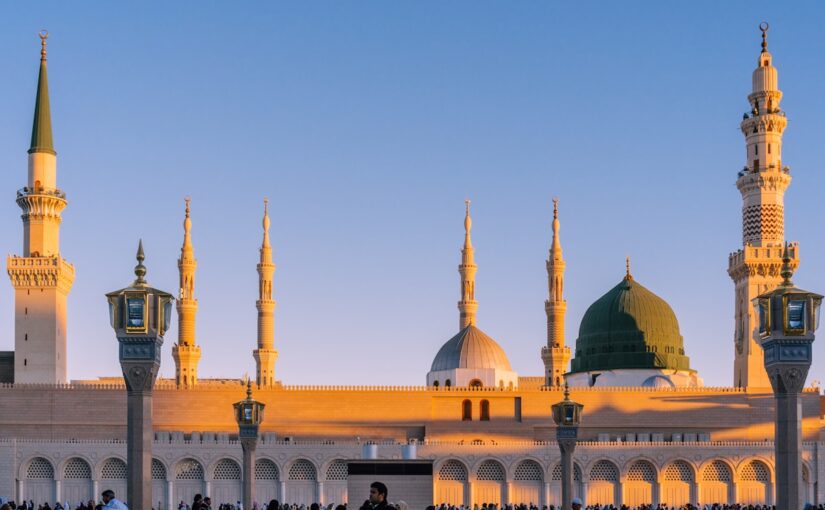
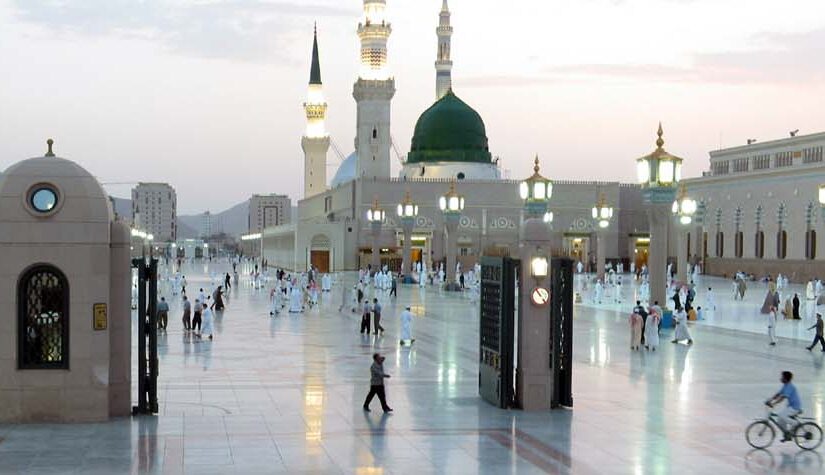
Tajdar-e-Haram (تاجدارِ حرم) is one of the most beloved and widely recited naats in the Islamic world. The title translates to “The Crown of the Sanctuary” — a beautiful reference to Prophet Muhammad (peace be upon him) as the crowning glory of the sacred city of Madinah. This naat expresses deep love, devotion and reverence for the Prophet (PBUH), describing him as the pride of the Haram (the sacred sanctuary) and the ultimate intercessor for humanity.

The naat gained massive popularity through Coke Studio Pakistan’s rendition, performed by the legendary Atif Aslam alongside the Mai Dhai group. The soulful melody combined with powerful Urdu poetry created a spiritual experience that resonated with millions of listeners worldwide. But the naat has been recited for decades in mehfils and gatherings long before its mainstream popularity.

In this post, you will find the complete Tajdar-e-Haram naat lyrics in Urdu, along with Roman English transliteration, English translation and an explanation of its spiritual meaning.

About the Naat

Tajdar-e-Hamar is a naat that belongs to the tradition of “hamd” and “naat” — poetry written in praise of Allah and His Prophet (peace be upon him). The poet uses the metaphor of a king wearing a crown to describe the elevated status of the Prophet among all of creation. The word “taj” means crown, “dar” means possessor or holder, and “haram” refers to the sacred sanctuary of Madinah.

The naat beautifully combines themes of love, longing, and spiritual devotion. It speaks of the Prophet’s exalted station, his role as a mercy to all worlds, and the deep connection believers feel towards him. Each verse is a pearl of wisdom wrapped in the beauty of Urdu poetry.

If you enjoy this naat, you may also like our post on Mera Dil To Hai Madine, another soul-stirring naat about the love for Madinah.

Tajdar-e-Haram — Urdu Lyrics (تاجدارِ حرم)

Verse 1:

تاجدارِ حرم، اے تاجدارِ حرم

دردِ دل کا مداوا، اے تاجدارِ حرم

Verse 2:

آپ کی چوکھٹ پہ سر ہے، آپ کی محبت میں دم ہے

آپ کی رحمت کی خاطر، دل میں سینکڑوں ہی غم ہے

Verse 3:

اے شہہِ مشرق و مغرب، اے محبوبِ الٰہی

چشمِ عالم ہے ترے در پہ، اے تاجدارِ حرم

Verse 4:

بے کسوں کے سہارے، مصطفیٰ تم ہی ہو

درد مندوں کے یارو، مصطفیٰ تم ہی ہو

Verse 5:

تاجدارِ حرم، اے تاجدارِ حرم

دردِ دل کا مداوا، اے تاجدارِ حرم

Verse 6:

آپ کی جلوہ گری سے، روشن ہے ہر اک گلی

مدینے کی ہر گلی میں، بکھری ہے ایک روشنی

Verse 7:

آپ کے طفیل ہی سے، ملتی ہے بخشش

آپ کے صدقے ہی سے، ملتا ہے ہمیں سکون

Verse 8:

یا نبی، یا حبیب، یا شفیع المذنبین

آپ ہی ہو امیدِ عاصیوں، اے تاجدارِ حرم

Verse 9:

جس نے بھی آپ کا در چھوا، وہ کبھی خالی نہیں لوٹا

جو بھی آپ کے در پہ آیا، اسے مانگی ہوئی دولت ملی

Verse 10:

تاجدارِ حرم، اے تاجدارِ حرم

دردِ دل کا مداوا، اے تاجدارِ حرم

Roman English Transliteration

Verse 1:

Tajdar-e-Haram, ae Tajdar-e-Haram

Dard-e-dil ka mudawa, ae Tajdar-e-Haram

Verse 2:

Aap ki chokhat pe sar hai, aap ki mohabbat mein dum hai

Aap ki rehmat ki khatir, dil mein sau sau gham hai

Verse 3:

Ae Shah-e-Mashriq o Maghrib, ae Mahboob-e-Ilahi

Chashm-e-aalam hai tere dar pe, ae Tajdar-e-Haram

Verse 4:

Be-kason ke sahare, Mustafa tum hi ho

Dard-mandon ke yaaro, Mustafa tum hi ho

Verse 5:

Tajdar-e-Haram, ae Tajdar-e-Haram

Dard-e-dil ka mudawa, ae Tajdar-e-Haram

Verse 6:

Aap ki jalwa-gari se, roshan hai har ek gali

Madine ki har gali mein, bikri hai ek roshni

Verse 7:

Aap ke tufail hi se, milti hai bakhshish

Aap ke sadqe hi se, milta hai humein sukoon

Verse 8:

Ya Nabi, ya Habib, ya Shafi-al-Muznibeen

Aap hi ho umeed-e-aasiyon, ae Tajdar-e-Haram

Verse 9:

Jis ne bhi aap ka dar chhua, woh kabhi khaali nahi lota

Jo bhi aap ke dar pe aaya, use maangi hui daulat mili

Verse 10:

Tajdar-e-Haram, ae Tajdar-e-Haram

Dard-e-dil ka mudawa, ae Tajdar-e-Haram

English Translation

Verse 1:

O Crown of the Sacred Sanctuary, O Crown of the Sacred Sanctuary

You are the cure for the pain of my heart, O Crown of the Sacred Sanctuary

Verse 2:

My head is at Your doorstep, my life is in Your love

For the sake of Your mercy, my heart carries countless sorrows

Verse 3:

O King of the East and the West, O Beloved of Allah

The eyes of the world are fixed upon Your door, O Crown of the Sacred Sanctuary

Verse 4:

You are the support of the helpless, O Mustafa (the Chosen One)

You are the friend of the sorrowful, O Mustafa

Verse 5:

O Crown of the Sacred Sanctuary, O Crown of the Sacred Sanctuary

You are the cure for the pain of my heart, O Crown of the Sacred Sanctuary

Verse 6:

Through Your splendour, every street is illuminated

In every street of Madinah, a light is scattered

Verse 7:

It is through Your mediation that forgiveness is granted

It is through Your blessing that we find peace

Verse 8:

O Prophet, O Beloved, O Intercessor for the Sinners

You are the hope of the disobedient, O Crown of the Sacred Sanctuary

Verse 9:

Whoever touched Your door never returned empty-handed

Whoever came to Your door received the treasure they sought

Verse 10:

O Crown of the Sacred Sanctuary, O Crown of the Sacred Sanctuary

You are the cure for the pain of my heart, O Crown of the Sacred Sanctuary

Spiritual Meaning and Significance

Tajdar-e-Haram is more than just a beautiful poem set to music. It is a spiritual journey that takes the believer from the pain of worldly existence to the hope of divine mercy through the intercession of the Prophet Muhammad (peace be upon him). Each verse serves as a reminder of the Prophet’s exalted status and his role as a source of healing for troubled hearts.

The repeated phrase “Tajdar-e-Haram” is both a title and a declaration. It acknowledges the Prophet as the crowned king of the sacred sanctuary, a status that elevates him above all of creation. The naat humbly asks for his attention, his mercy and his intercession.

The line “Dard-e-dil ka mudawa” (the cure for the pain of my heart) reflects the universal human experience of seeking solace. In Islamic spirituality, the love of the Prophet (PBUH) is considered a balm for every kind of sorrow. The naat teaches us that turning our hearts towards the Prophet brings peace and healing.

Verses 6 and 7 speak about the blessings of Madinah and the Prophet’s mediation. The light that fills every street of Madinah is both a physical and spiritual light that guides believers towards truth and righteousness. The belief in “tawassul” (seeking intercession) is beautifully expressed here, reminding Muslims of the Prophet’s promise to intercede for his Ummah on the Day of Judgement.

If you want to explore more naats that express love for the Prophet, read our post on Kaaba Ke Badshah, another beautiful naat praising the Prophet (PBUH).

Cultural Impact

Tajdar-e-Haram achieved mainstream popularity when it was performed on Coke Studio Pakistan. The rendition by Atif Aslam became an instant classic, amassing millions of views on YouTube and being streamed countless times across all platforms. It introduced a new generation to the beauty of naat and Islamic poetry.

The naat is now regularly recited at Islamic gatherings, weddings, and religious events across South Asia and the diaspora. Its universal message of love and devotion transcends cultural boundaries, making it one of the most recognised naats in the world.

For more soul-touching naats, also check out Ya Nabi Salam Alayka, another beloved naat with both Urdu and Arabic verses.

Conclusion

Tajdar-e-Haram is a masterpiece of Islamic devotional poetry. Its words carry the weight of centuries of love for the Prophet Muhammad (peace be upon him). Whether you listen to it in the quiet of your home, in a gathering of believers, or on a crowded commuter train, the naat has the power to transport your heart to the blessed streets of Madinah.

May Allah bless us with the love of His Prophet and grant us the opportunity to visit the sacred sanctuary of Madinah. Ameen.

Tags: Tajdar-e-Haram naat lyrics, Tajdar e Haram lyrics in Urdu, Tajdar e Haram English translation, Tajdar-e-Haram meaning, Atif Aslam naat lyrics, Coke Studio naat lyrics

Mera Dil Badal De (میرا دل بدل دے) – Naat Lyrics, English Translation and Meaning

Mera Dil Badal De (میرا دل بدل دے) – Naat Lyrics, English Translation and Meaning

The heartfelt naat “Mera Dil Badal De” (میرا دل بدل دے – Change My Heart) is a deeply emotional supplication in which the poet turns to Allah Almighty, pleading for a transformation of the heart. The poet asks that his heart be filled with the love of the Holy Prophet Muhammad (peace be upon him) and cleansed of all worldly attachments. This naat beautifully captures the yearning of a believer who recognizes his own shortcomings and seeks divine mercy through the wasila (mediation) of the beloved Prophet. It is widely recited across the subcontinent, especially during gatherings of naat and dhikr, and has been rendered by various renowned voices including Rahat Fateh Ali Khan.

In the verses below, the poet expresses the desire to become a devoted servant of the Prophet, to be freed from the distractions of this world, and to attain the honour of being counted among the true lovers of the Prophet (PBUH). Each couplet reveals a soul in search of spiritual purification and a closer bond with the Prophet’s blessed way of life.

Urdu Lyrics | Mera Dil Badal De

میرا دل بدل دے مری جان بدل دے
مجھے اپنا بنا کر میرا مان بدل دے

تری رحمتوں کے سوا کچھ نہیں ہے
میرا رب ہے تو غفور و رحیم

مجھے دیدار کا شوق دے دے محمدﷺ
مرے دل میں جگہ دے مدینہ شہر کی

مجھے تو نے بنا ہے اپنا گنہگار
تو ہی بخش دے میری خطاؤں کو

مرے دل میں بھی دے دے نبی ﷺ کا تمنا
مری آنکھوں میں دے دے مدینے کا نظارہ

مدینے کا ہر ذرہ مجھے یاد آتا ہے
گلی گلی میں ہوتی ہے سرکارﷺ کی باتیں

میرے دل کو تجلی سے منور کر دے
مجھے در پہ بلا کر مری قسمت جاگے

یہ دنیا ہے فانی, نہیں ہے ٹھکانہ
مجھے آخرت میں دے مدینے کا ٹھکانہ

میرا دل بدل دے مری جان بدل دے
مجھے اپنا بنا کر میرا مان بدل دے

English Transliteration

Mera dil badal de, meri jaan badal de
Mujhe apna bana kar, mera maan badal de

Terii rahmaton ke siwa kuch nahin hai
Mera Rab hai tu Ghafoor o Raheem

Mujhe didaar ka shauq de de Muhammad (PBUH)
Mere dil mein jagah de Madina sheher ki

Mujhe tu ne banaya hai apna gunahgaar
Tu hi bakhsh de meri khataaon ko

Mere dil mein bhi de de Nabi (PBUH) ka tamanna
Meri aankhon mein de de Madine ka nazara

Madine ka har zarra mujhe yaad aata hai
Gali gali mein hoti hai Sarkar (PBUH) ki baatein

Mere dil ko tajalli se munawar kar de
Mujhe dar pe bula kar meri qismat jaage

Yeh duniya hai faani, nahin hai thikana
Mujhe aakhirat mein de Madine ka thikana

Mera dil badal de, meri jaan badal de
Mujhe apna bana kar, mera maan badal de

English Translation

Verse 1: Change my heart, change my soul. Make me Your own and transform my pride.

Verse 2: I have nothing other than Your mercy. My Lord, You are the Oft-Forgiving, the Most Merciful.

Verse 3: Grant me the yearning to behold the blessed sight of Muhammad (PBUH). Place in my heart a longing for the city of Madina.

Verse 4: You have made me a sinner. Only You can forgive my faults and transgressions.

Verse 5: Place within my heart the desire for the Prophet (PBUH), and in my eyes the vision of Madina.

Verse 6: Every particle of Madina brings back memories. In every street, people speak of the beloved Prophet (PBUH).

Verse 7: Illuminate my heart with Your divine light. Call me to Your doorstep so my fortune may awaken.

Verse 8: This world is temporary, it is no permanent abode. Grant me a place near Madina in the Hereafter.

Verse 9: Change my heart, change my soul. Make me Your own and transform my pride.

Background and Meaning

The naat “Mera Dil Badal De” is a poetic supplication that captures the essence of tawbah (repentance) and tawakkul (reliance on Allah). The central theme revolves around the believer’s desire for inner transformation. The poet acknowledges that the heart is prone to worldly distractions and sins, and only through divine intervention can it be purified and redirected toward the love of the Prophet Muhammad (PBUH).

The repeated refrain – “Change my heart, change my soul” – underscores the urgency of spiritual renewal. This is not merely a request for forgiveness; it is a plea for a complete reorientation of one’s being. The poet wants to shed arrogance (maan), embrace humility, and become a devoted servant of the Prophet’s household and teachings.

The lyrics reference several key Islamic concepts:

  • Tawbah (Repentance): The poet openly admits to being a sinner and seeks forgiveness directly from Allah, acknowledging His attributes as Al-Ghafoor (the Oft-Forgiving) and Ar-Raheem (the Most Merciful).
  • Ishq-e-Mustafa (Love of the Prophet): The deepest desire expressed is to have the love of Prophet Muhammad (PBUH) firmly rooted in the heart. This love is seen as the ultimate means of attaining closeness to Allah.
  • Madina and the Prophet’s Mosque: The city of Madina holds a special spiritual place in the heart of every Muslim. The poet longs to visit, to see, and ultimately to be granted a place in Madina not just in this world but in the Hereafter.
  • Dunya vs Aakhirah: The naat contrasts the temporary nature of this worldly life with the eternal abode of the Hereafter. The poet chooses the latter, specifically hoping for a place near the Prophet in Madina.
  • Tajalli (Divine Illumination): The request for the heart to be illuminated with divine light (tajalli) reflects the Sufi concept of spiritual purification and inner enlightenment.

This naat is often recited in mehfil-e-naat (naat gatherings) across Pakistan and India, and its soulful melody has made it a favourite among listeners of all ages. The sincerity of the lyrics resonates deeply with those seeking spiritual closeness to the Prophet (PBUH) and a meaningful connection with Allah.

May Allah grant us all the ability to love His Prophet (PBUH) with a sincere heart, and may He grant us the honour of visiting Madina and being counted among the true lovers of the Prophet (PBUH). Ameen.