Mere Aaqa Ka Darbar (میرے آقا کا دربار) — Full Naat Lyrics in Urdu, English Translation and Meaning

Introduction

“Mere Aaqa Ka Darbar” (میرے آقا کا دربار) is an original naat written in the traditional style of Islamic devotional poetry, celebrating the blessed court and presence of Prophet Muhammad (peace be upon him). The title translates to “The Court of My Master” — a heartfelt expression of love and reverence for the final messenger of Allah.

This naat captures the essence of a believer’s longing to stand at the Prophet’s doorstep, to be counted among his humble servants, and to find salvation through his intercession. It draws inspiration from centuries of naat tradition, echoing themes found in classic works while expressing them in fresh, soul-stirring verses.

Like many beloved naats, “Mere Aaqa Ka Darbar” is ideal for recitation at Mehfil-e-Milad gatherings, Islamic conferences, and in personal devotion. Its verses speak directly to the heart, reminding us of the infinite mercy and love that the Prophet (PBUH) brought to humanity.
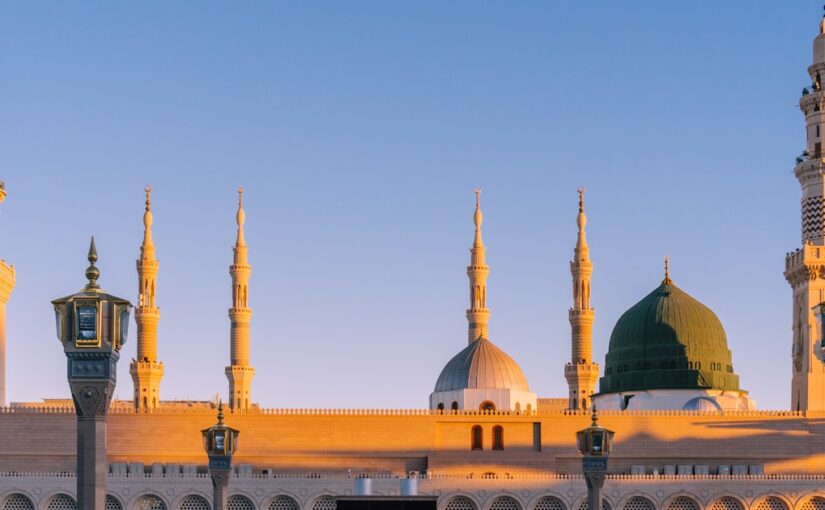
Beautiful green dome of a mosque against a clear blue sky, symbolizing Islamic spirituality and devotion

Full Urdu Lyrics — Mere Aaqa Ka Darbar (میرے آقا کا دربار)

Below are the complete lyrics of Mere Aaqa Ka Darbar in Urdu script. Each verse is presented in the traditional style of naat recitation.

Verse 1

میرے آقا کا دربار ہے کیا کہنا
ہر غمزدہ کا غمخوار ہے کیا کہنا

جو بھی آیا اس در پہ خالی نہ لوٹا
بے شک وہ کریم و غفار ہے کیا کہنا

Verse 2

مدینے کی گلیوں میں اک بار بلا لو
مجھے خاکِ درِ یار میں ملا دو

میری آنکھوں کو دیدار کا شوق ہے ورنہ
یہ دنیا تو بس اک خمار ہے کیا کہنا

Verse 3

تیرے در پہ آ کر میں نے مانگی ہے بخشش
تیری چوکھٹ پہ رکھ دی ہے یہ جانِ ناچیز

جس نے تجھ کو پا لیا اس نے سب کچھ پایا
تیری محبت ہی اک تاج و تخت و تار ہے کیا کہنا

Verse 4

اے شہہِ دیں ، اے رحمتِ عالم
تیرے صدقے میں آیا ہے ہر بے کس و بے درماں

تیرے قدموں کی خاک اپنی آنکھوں کا نور
تیرا در ہی میرا قبلہ و امن و قرار ہے کیا کہنا

Verse 5

جب تذکرہ ہوتا ہے تیرے حسن کا اے محبوب
پھول جھڑتے ہیں الفاظ سے، چاندنی برستی ہے

تجھے رب نے رحمت بنا کر بھیجا ہے
تو خود اک آیت و احکام و اخبار ہے کیا کہنا

Verse 6

میری پیشانی پہ تیرے در کا نشان ہو
میرے سینے میں تیری محبت کا ایمان ہو

دونوں جہاں میں یہی میرا کاروبار ہے
تیرا دامن ہی میرا اعتبار ہے کیا کہنا

Verse 7

جو تجھ سے رشتہ جوڑ لے وہ کبھی بھٹکتا نہیں
جو تیرے در کا مانگنے والا ہو وہ مرتا نہیں

تیری محفل میں بیٹھ کر جو سر جھکا دے
اس کے لئے جنت کا در بار بار ہے کیا کہنا

Verse 8

یا نبی العربی ، یا شفیع المذنبین
آپ کے صدقے میں ملتی ہے ہر غم کی دوا

جس نے آپ کا واسطہ دیا دربارِ حق میں
اس کی حاجت رائیگاں نہ گنوار ہے کیا کہنا

Chorus (Refrain)

میرے آقا کا دربار ہے کیا کہنا
ہر غمزدہ کا غمخوار ہے کیا کہنا

جو بھی آیا اس در پہ خالی نہ لوٹا
بے شک وہ کریم و غفار ہے کیا کہنا

English Translation of Mere Aaqa Ka Darbar

Verse 1 Translation

What can I say about the court of my Master!
The Comforter of every sorrowful soul — what can I say!

Whoever came to this doorstep did not return empty-handed
Indeed, He is the Generous and the All-Forgiving — what can I say!

Verse 2 Translation

Call me once to the streets of Madina
Let me be mixed with the sacred dust of my Beloved’s doorstep

My eyes yearn for the blessed vision — otherwise
This world is nothing but a passing intoxication — what can I say!

Verse 3 Translation

I came to your door seeking forgiveness
I placed this humble soul at your threshold

Whoever found You has found everything
Your love alone is crown, throne, and treasure — what can I say!

Verse 4 Translation

O Leader of Faith, O Mercy to the Worlds
Through your mediation, every helpless and destitute one finds hope

The dust of your blessed feet is the light of my eyes
Your door is my qibla, my peace, my solace — what can I say!

Verse 5 Translation

When Your beauty is mentioned, O Beloved
Flowers fall from words, moonlight descends

Your Lord sent You as a mercy
You Yourself are a living sign, a command, a message — what can I say!

Verse 6 Translation

May the mark of Your doorstep be on my forehead
May the faith of Your love reside in my chest

In both worlds, this is my only trade
Your庇护 is my sole reliance — what can I say!

Verse 7 Translation

Whoever connects with You never goes astray
Whoever begs at Your door never truly dies

Whoever bows their head in Your assembly
For them, the gates of paradise open again and again — what can I say!

Verse 8 Translation

O Prophet of the Arabs, O Intercessor for the Sinners
Through Your mediation comes the cure for every sorrow

Whoever invoked Your name in the Court of Truth
Their need was never wasted nor lost — what can I say!

Chorus Translation

What can I say about the court of my Master!
The Comforter of every sorrowful soul — what can I say!

Whoever came to this doorstep did not return empty-handed
Indeed, He is the Generous and the All-Forgiving — what can I say!

Background and Spiritual Significance

The naat “Mere Aaqa Ka Darbar” draws from the deep well of Islamic spirituality that revolves around love for the Prophet Muhammad (peace be upon him). The repeated refrain “kya kehna” (کیا کہنا / what can I say!) expresses the poet’s recognition that words can never fully capture the magnificence of the Prophet’s station.

The central metaphor of the “darbar” (court/doorstep) is a powerful one in Islamic poetry. It represents the Prophet’s role as an intercessor and a source of divine mercy. In Islamic tradition, the Prophet (PBUH) said: “I am the city of knowledge, and Ali is its gate”, but the concept extends beyond — the Prophet’s very being is a door to Divine mercy. To stand at his doorstep is to stand at the threshold of salvation.

Key themes in this naat include:

  • Intercession (Shafa’at): The belief that the Prophet (PBUH) will intercede for his followers on the Day of Judgment is a cornerstone of Sunni Islamic theology. The naat repeatedly alludes to seeking forgiveness through the Prophet’s mediation.
  • Love for Madina: The longing to visit the Prophet’s city and mosque is a recurring theme. The streets of Madina are sacred because they were walked by the best of creation.
  • Spiritual Poverty (Faquir): The poet presents himself as a beggar at the Prophet’s door — not in material terms, but in spiritual ones. This is the highest form of humility in Islamic mysticism.
  • The Prophet’s Beauty (Husn-e-Nabwi): Reference to the Prophet’s physical and spiritual beauty, a common theme in naat poetry that draws from the rich tradition of describing his blessed appearance.

When and Where to Recite This Naat

“Mere Aaqa Ka Darbar” is suitable for a wide range of Islamic gatherings:

  • Mehfil-e-Milad: Celebrations of the Prophet’s birth (12th Rabi’ al-Awwal) where naats are the centerpiece of the gathering.
  • Eid Milad-un-Nabi: Public processions and conferences marking the Prophet’s birthday.
  • Weekly Durood gatherings: Many communities hold Thursday night or Friday gatherings for Durood and naat recitation.
  • Personal devotion: The naat can be recited during personal worship and moments of spiritual reflection.
  • Islamic events and conferences: Suitable for opening or closing segments.

Why Original Naats Matter

While classic naats like “Tajdar-e-Haram” and “Ya Nabi Salam Alaika” hold an irreplaceable place in Islamic devotional literature, the tradition of writing new naats keeps the spirit of praise alive. Every era produces poets who express their love for the Prophet (PBUH) in their own language, style, and cultural context. This naat stands in that proud tradition — original verses, rooted in authentic Islamic spirituality, written for the contemporary believer.

The Urdu language, with its rich poetic heritage from Ghalib, Iqbal, and the countless poets of the subcontinent, provides an especially beautiful medium for naat writing. The fusion of Persian, Arabic, Turkish, and local vernaculars creates a tapestry of expression uniquely suited to devotional poetry.

Conclusion

“Mere Aaqa Ka Darbar (میرے آقا کا دربار)” is more than just a naat — it is a spiritual journey, a heartfelt plea, and a declaration of love for the final messenger of Allah. Its verses remind us that the Prophet’s door is always open, his mercy always flowing, and his intercession always available to those who sincerely seek it.

May Allah grant us the honor of visiting the Prophet’s blessed city, of standing at his sacred doorstep, and of being counted among his followers on the Day of Judgment. Ameen.
Ya Ghausul Wara (یا غوث الوریٰ) — Manqbat Lyrics in Urdu, English Translation and Meaning

“Ya Ghausul Wara” (یا غوث الوریٰ) is one of the most famous and beloved manqbat recited in praise of Ghaus-e-Azam, Sheikh Abdul Qadir Jilani (Radi Allahu Anhu). This soul-stirring devotional poem invokes the blessings and intercession of the great Sufi saint who is revered across the Islamic world as the “Pole of Saints” (Qutb al-Auliya). The phrase “Ya Ghausul Wara” translates to “O Helper of Mankind,” and the manqbat captures the deep love, devotion, and reliance that millions of devotees place in the spiritual station of Ghaus-e-Azam.

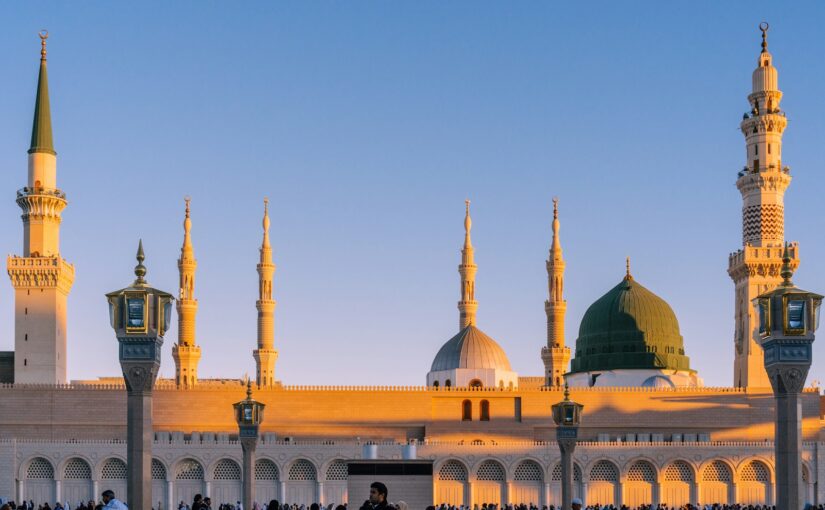
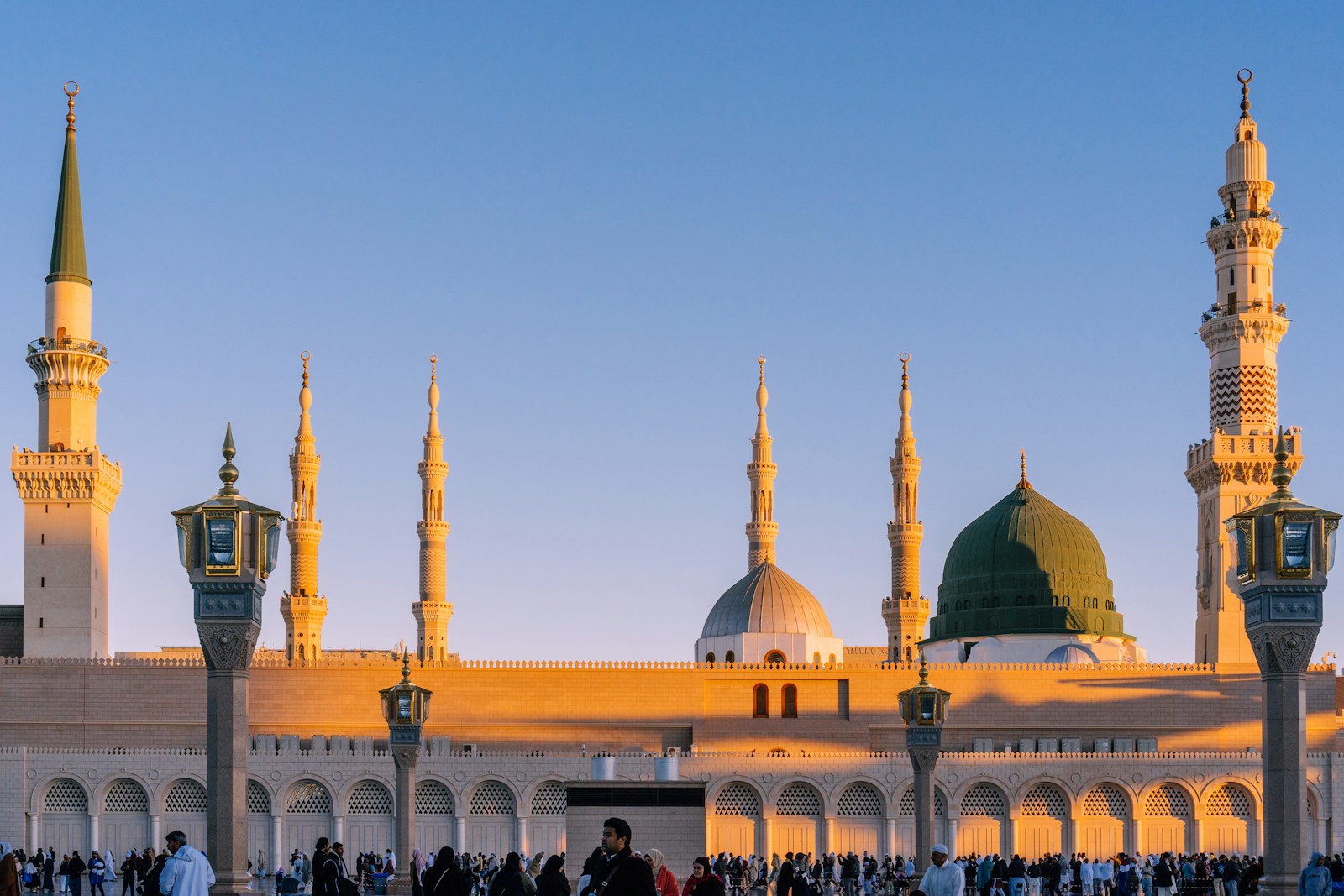
Ya Ghausul Wara manqbat - Beautiful Islamic mosque architecture representing spiritual devotion to Ghaus-e-Azam

Ya Ghausul Wara — The Manqbat Lyrics in Urdu

Below are the complete lyrics of this blessed manqbat in Urdu, presented with Roman Urdu transliteration and English translation for each verse. This manqbat is traditionally recited at Mehfil-e-Milad gatherings, especially in the Indian subcontinent, and is beloved by followers of the Qadiri order.

Verse 1 — The Opening Call

یا غوث الوریٰ یا غوث الوریٰ

Roman Urdu: Ya Ghausul Wara, Ya Ghausul Wara, Ya Ghausul Wara, Ya Ghausul Wara
Translation: O Helper of Mankind, O Helper of Mankind, O Helper of Mankind, O Helper of Mankind

The manqbat opens with the powerful refrain “Ya Ghausul Wara” — a direct call upon Ghaus-e-Azam Sheikh Abdul Qadir Jilani (RA), invoking his title as the universal helper. This repetition creates a meditative, trance-like rhythm that draws the devotee into a state of spiritual concentration (tawajjuh). The title “Ghausul Wara” (غوث الوریٰ) is an Arabic phrase meaning “The Helper/Succorer of All Creation.” The very utterance of this sacred name is believed by devotees to bring spiritual peace and blessings.

Verse 2 — The Emperor of Baghdad

شہنشاہِ بغداد ہیں دستگیر
غمِ دل کا علاج تم سے ہے

Roman Urdu: Shahanshah-e-Baghdad hain Dastagir, Gham-e-dil ka ilaaj tum se hai
Translation: He is the Emperor of Baghdad, the Holder of Hands, The cure for the heart’s sorrow is from You alone.

This verse establishes the supreme spiritual status of Ghaus-e-Azam. “Shahanshah-e-Baghdad” (Emperor of Baghdad) refers to his station as the spiritual sovereign of the city that was once the capital of the Islamic world. “Dastagir” (دستگیر) means “one who holds hands” — a compassionate figure who reaches out to those who are spiritually fallen. The second line acknowledges that only through his intercession can the ailments of the heart be cured.

Verse 3 — The Ocean of Generosity

بحرِ جود و کرم ہو تم اے غوث
تم پہ قربان جاں ہو میرے غوث

Roman Urdu: Behr-e-jood o karam ho tum ae Ghous, Tum pe qurban jaan ho mere Ghous
Translation: You are an ocean of generosity and grace, O Ghous, My soul is sacrificed upon You, O my Ghous.

Ghaus-e-Azam is described as an ocean (behr) of generosity (jood) and grace (karam). This is a recurring theme in Sufi poetry — saints are seen as channels through which Allah’s boundless mercy flows to humanity. The poet declares willing sacrifice of the soul (jaan) in devotion, echoing the Islamic concept of fana (annihilation in the love of the beloved).

Verse 4 — The Helper of the Helpless

ہر مصیبت میں کام آتے ہو تم
بے سہاروں کا تم ہو سہارا

Roman Urdu: Har museebat mein kaam aate ho tum, Be-saharon ka tum ho sahara
Translation: In every hardship You come to aid, You are the support for those without support.

This verse beautifully captures the belief in the intercession (tawassul) of the saints. “Be-saharon ka sahara” (support of the unsupported) is a phrase that resonates deeply with those who feel alone in their struggles. The verse affirms that Ghaus-e-Azam is a refuge for the distressed — a core reason why millions have turned to him for spiritual and worldly help for over 800 years. His shrine in Baghdad continues to be a beacon of hope for the hopeless.

Verse 5 — The Door of Hope

تیرے در پر جو بھی آیا غوث
خالی ہاتھ نہ کوئی لوٹا

Roman Urdu: Tere dar par jo bhi aaya Ghous, Khaali haath na koi lota
Translation: Whoever came to Your door, O Ghous, No one returned empty-handed.

The “door” (dar) of the saint is a powerful metaphor in Islamic spirituality — it represents the spiritual threshold through which blessings are distributed. This verse echoes the famous saying attributed to Ghaus-e-Azam: “My door is open to all; whoever comes to me shall not be disappointed.” It gives profound hope to every devotee who approaches with sincerity, teaching that the mercy of Allah flows through His beloved saints without discrimination.

Verse 6 — The Guide on the Path

رہبرِ راہِ خدا ہو تم غوث
طریقِ حق کے تم ہو رہنما

Roman Urdu: Rehber-e-raah-e-Khuda ho tum Ghous, Tareeq-e-haq ke tum ho rehnuma
Translation: You are the guide on the path to Allah, O Ghous, Of the path of Truth, You are the leader.

This verse acknowledges the fundamental role of Ghaus-e-Azam as a spiritual guide (rehber) on the path to Allah. The Qadiri order, founded by his teachings, has guided countless seekers toward spiritual realization over the centuries. The phrase “tareeq-e-haq” (path of Truth) refers to the Sufi path (tariqah) that leads to divine reality (haqiqah). Sheikh Abdul Qadir Jilani’s famous work “Futuh al-Ghayb” (Revelations of the Unseen) remains a foundational text for spiritual seekers worldwide.

Verse 7 — The Night of Blessings

شبِ برات و شبِ قدر میں
فضا تمہارے ذکر سے مہکتی ہے

Roman Urdu: Shab-e-Barat o shab-e-qadr mein, Faza tumhare zikr se mehakti hai
Translation: On the Night of Forgiveness and the Night of Power, The atmosphere is fragrant with Your remembrance.

Referring to two of the holiest nights in Islam — Shab-e-Barat (the Night of Forgiveness, 15th of Shaban) and Shab-e-Qadr (the Night of Power in Ramadan) — this verse suggests that the spiritual ambiance of these blessed nights is permeated with the remembrance (zikr) of Ghaus-e-Azam. It reflects the profound belief in Sufi tradition that the awliya (saints) have a spiritual presence and intercessory role during these sacred times.

Verse 8 — The Final Supplication

مجھ کو اپنی پناہ میں لے لو غوث
تم پہ قربان میری جان و دل

Roman Urdu: Mujh ko apni panah mein le lo Ghous, Tum pe qurban meri jaan o dil
Translation: Take me into Your protection, O Ghous, My life and heart are sacrificed upon You.

The manqbat concludes with a heartfelt plea for spiritual protection (panah). The devotee offers both life (jaan) and heart (dil) — their entire existence — in devotion. This final verse ties the entire poem together: it began with calling upon the Helper, and ends with surrendering completely to his protective care. It is a complete spiritual journey from invocation to submission.

Background: Who is Ghaus-e-Azam?

Sheikh Abdul Qadir Jilani (1077–1166 CE / 470–561 AH), reverently known as Ghaus-e-Azam (the Greatest Helper) and Muhiyuddin (Reviver of Religion), was born in the Persian province of Gilan (modern-day Iran). He spent most of his life in Baghdad, where he became one of the most renowned Hanbali scholars, preachers, and Sufi masters in Islamic history. His lectures attracted thousands of students and seekers from across the Muslim world.

The title “Ghausul Wara” comes from Arabic: “Ghaus” (غوث) meaning “helper” or “succorer,” and “Wara” (وریٰ) meaning “mankind” or “creation.” Thus “Ghausul Wara” means “The Helper of All Mankind.” This title reflects his unparalleled reputation as a spiritual savior who responds to anyone who calls upon him with sincere faith.

The Qadiri order (Silsila Qadiriyya) is one of the oldest and most widespread Sufi orders in the world, with millions of followers across South Asia, the Middle East, Africa, and Southeast Asia. His shrine (dargah) in Baghdad remains a major center of pilgrimage, attracting devotees from around the globe who seek blessings and spiritual fulfillment.

Spiritual Significance of This Manqbat

Manqbat (منقبت) is a genre of Islamic devotional poetry that praises the awliya (saints) and spiritual masters. Unlike naat (which is exclusively for Prophet Muhammad ﷺ), manqbat can praise any revered figure in Islam. The recitation of “Ya Ghausul Wara” is believed to bring spiritual blessings (barakah), relief from difficulties, and protection from harm.

Key themes in this manqbat include:

  • Tawassul (Intercession): Seeking the saint’s intercession with Allah, a practice accepted in mainstream Islamic spirituality based on Quranic verses about seeking wasila (means of approach).
  • Wilayah (Sainthood): Affirming the spiritual station of Ghaus-e-Azam as the Qutb (spiritual axis) of his time, upon whom the spiritual order of the world depends.
  • Spiritual Protection: The belief that saints can provide protection (panah) to their devotees from both worldly and spiritual harm.
  • Generosity and Mercy: Ghaus-e-Azam’s reputation as an ocean of generosity who never turns away a sincere seeker.
  • Love and Devotion: The intense spiritual love (ishq) between the devotee and the saint, which serves as a bridge to divine love.

The Legacy of Ghaus-e-Azam in Islamic Spirituality

Sheikh Abdul Qadir Jilani’s teachings emphasized strict adherence to the Quran and Sunnah alongside spiritual purification of the heart. His most famous saying — “My foot is on the neck of every saint of Allah” — reflects his supreme spiritual station (maqam) in the hierarchy of awliya. He is known for thousands of miracles (karamat) that were witnessed during his lifetime and continue to be reported by devotees who visit his shrine.

The manqbat “Ya Ghausul Wara” continues to be recited in homes, mosques, and Sufi gatherings (dhikr circles) around the world, especially in Pakistan, India, Bangladesh, Turkey, Malaysia, Indonesia, and among diaspora communities in Europe and America. Its simple yet powerful verses, coupled with its haunting melody, make it accessible to both the learned scholar and the common devotee.

Conclusion

Ya Ghausul Wara is more than just a devotional poem — it is a spiritual lifeline for millions who find comfort in calling upon the Helper of Mankind. The manqbat encapsulates the deep bond of love (ishq) between the murid (disciple) and the murshid (spiritual guide), a relationship that lies at the heart of Islamic spirituality. Whether recited to seek help in times of distress, to find spiritual peace, or simply to express love for the saint, this manqbat remains a timeless treasure of Islamic devotional literature.

May Allah bless us with the love of His awliya and grant us the ability to follow the path of spiritual purification. Ameen.

Salam Ya Mustafa (السلام علیک یا مصطفیٰ) — Naat Lyrics in Urdu, English Translation and Meaning

About the Naat ‘Salam Ya Mustafa’

‘Salam Ya Mustafa’ (السلام علیک یا مصطفیٰ) is one of the most beloved and widely recited naats in the Islamic world. The title translates to “Peace Be Upon You, O Mustafa” (Mustafa being one of the names of Prophet Muhammad ﷺ, meaning “The Chosen One”).

This naat is a heartfelt expression of love, devotion, and longing for the Prophet Muhammad ﷺ. It is recited by millions of Muslims around the world, especially in South Asia, and is known for its soulful melody and deep emotional impact.

The naat was popularised by famous naat khwans (reciters) and is often heard at gatherings, mosques, and during religious events. Its simple yet profound lyrics make it accessible to people of all ages.

Salam Ya Mustafa — Full Urdu Lyrics

السلام علیک یا مصطفیٰ
السلام علیک یا مجتبیٰ

السلام علیک یا حبیبی
السلام علیک یا شفیع المذنبین

السلام علیک یا طاہر
السلام علیک یا طاہر

السلام علیک یا نور
السلام علیک یا سراج المنیر

السلام علیک یا رحمتہ للعالمین
السلام علیک یا نعمتہ للمؤمنین

السلام علیک یا خیر البریہ
السلام علیک یا خیر الوریٰ

السلام علیک یا شمس الہدیٰ
السلام علیک یا صاحب المعراج

السلام علیک یا صاحب الوسیلہ
السلام علیک یا صاحب الفضیلہ

السلام علیک یا رؤوف الرحیم
السلام علیک یا شفیع عظیم

السلام علیک یا خاتم النبیین
السلام علیک یا امام المرسلین

السلام علیک یا حبیب اللہ
السلام علیک یا نبی اللہ

السلام علیک یا رسول اللہ
السلام علیک یا خلیل اللہ

English Transliteration

Assalamu Alaika Ya Mustafa
Assalamu Alaika Ya Mujtaba

Assalamu Alaika Ya Habibi
Assalamu Alaika Ya Shafi-al-Muznibeen

Assalamu Alaika Ya Tahir

Assalamu Alaika Ya Noor
Assalamu Alaika Ya Siraj-al-Muneer

Assalamu Alaika Ya Rahmatan Lil Alameen
Assalamu Alaika Ya Ni’matan Lil Mu’mineen

Assalamu Alaika Ya Khayr-al-Bariyyah
Assalamu Alaika Ya Khayr-al-Wara

Assalamu Alaika Ya Shams-al-Huda
Assalamu Alaika Ya Sahib-al-Miraj

Assalamu Alaika Ya Sahib-al-Waseelah
Assalamu Alaika Ya Sahib-al-Fadeelah

Assalamu Alaika Ya Ra’oof-ar-Raheem
Assalamu Alaika Ya Shafi-e-Azeem

Assalamu Alaika Ya Khatam-an-Nabiyyeen
Assalamu Alaika Ya Imam-al-Mursaleen

Assalamu Alaika Ya Habib-Allah
Assalamu Alaika Ya Nabi-Allah

Assalamu Alaika Ya Rasool-Allah
Assalamu Alaika Ya Khalil-Allah

English Translation

Salam Ya Mustafa: Peace be upon you, O Mustafa (the Chosen One)

Salam Ya Mujtaba: Peace be upon you, O Mujtaba (the Selected One)

Salam Ya Habibi: Peace be upon you, O my Beloved

Salam Ya Shafi-al-Muznibeen: Peace be upon you, O Intercessor for the sinners

Salam Ya Tahir: Peace be upon you, O Pure One

Salam Ya Noor: Peace be upon you, O Light

Salam Ya Siraj-al-Muneer: Peace be upon you, O Bright Lamp

Salam Ya Rahmatan Lil Alameen: Peace be upon you, O Mercy for all the worlds

Salam Ya Ni’matan Lil Mu’mineen: Peace be upon you, O Blessing for the believers

Salam Ya Khayr-al-Bariyyah: Peace be upon you, O Best of Creation

Salam Ya Shams-al-Huda: Peace be upon you, O Sun of Guidance

Salam Ya Sahib-al-Miraj: Peace be upon you, O Owner of the Ascension

Salam Ya Sahib-al-Waseelah: Peace be upon you, O Owner of the Intercession

Salam Ya Ra’oof-ar-Raheem: Peace be upon you, O Most Kind, Most Merciful

Salam Ya Shafi-e-Azeem: Peace be upon you, O Great Intercessor

Salam Ya Khatam-an-Nabiyyeen: Peace be upon you, O Seal of the Prophets

Salam Ya Imam-al-Mursaleen: Peace be upon you, O Leader of the Messengers

Salam Ya Habib-Allah: Peace be upon you, O Beloved of Allah

Salam Ya Rasool-Allah: Peace be upon you, O Messenger of Allah

The Meaning and Significance

‘Salam Ya Mustafa’ is not just a naat; it is a continuous salutation and greeting to the Prophet Muhammad ﷺ. Each line of the naat begins with “Assalamu Alaika” (Peace be upon you), which is the Islamic greeting of peace. By reciting this naat, the believer sends salutations of peace and blessings upon the Prophet.

The naat uses many of the beautiful names and attributes of the Prophet ﷺ found in the Quran and Hadith. Each name highlights a different aspect of his blessed personality:

  • Mustafa and Mujtaba: Both mean “the Chosen One,” emphasising that Allah chose the Prophet for his noble mission.
  • Noor and Siraj-al-Muneer: The Quran describes the Prophet as a “light” and a “bright lamp” (Surah Al-Ahzab 33:46).
  • Rahmatan Lil Alameen: This is directly from the Quran (Surah Al-Anbiya 21:107), where Allah says, “And We have not sent you except as a mercy to the worlds.”
  • Khatam-an-Nabiyyeen: The Seal of the Prophets, meaning he is the final Prophet sent by Allah (Surah Al-Ahzab 33:40).
  • Shafi (Intercessor): The Prophet will intercede for his followers on the Day of Judgment.

This naat is often recited in gatherings of dhikr (remembrance of Allah) and on special occasions like Milad-un-Nabi (the Prophet’s birthday). Its repetitive structure makes it easy to learn and recite, even for children, while its profound meanings provide deep spiritual nourishment.

You may also enjoy reading other naats on our site, such as Ya Nabi Salam Alayka and Tajdar-e-Haram for more beautiful poetry in praise of the Prophet ﷺ.

When to Recite ‘Salam Ya Mustafa’

There is no fixed time for reciting this naat. Muslims recite it at any time as a form of devotion and love for the Prophet ﷺ. However, it is particularly popular:

  • During gatherings of naat and dhikr
  • On Friday nights and other blessed nights
  • During the month of Rabi-ul-Awwal (the month of the Prophet’s birth)
  • After prayers as a form of salawat (sending blessings upon the Prophet)
  • At spiritual gatherings and urs (death anniversaries of saints)

Check out more naat lyrics in our Naat collection and Naat Lyrics section for other beautiful poems.