
Sallu Ala Muhammad (صلوا علی محمد) — Full Naat Lyrics in Urdu, English Translation and Meaning

Sallu Ala Muhammad (صلوا علی محمد) — Full Naat Lyrics in Urdu, English Translation and Meaning

“Sallu Ala Muhammad” is a beautiful and widely recited naat that calls upon believers to send blessings upon the Prophet Muhammad (peace be upon him). The title translates to “Send Blessings Upon Muhammad,” and the lyrics express deep love, devotion and reverence for the final messenger of Islam.

This naat is popular across the Muslim world and is often recited at Milad gatherings, Islamic conferences and daily gatherings. Its simple yet powerful message reminds Muslims of the importance of sending salawat (blessings) upon the Prophet.

Background and Significance

The phrase “Sallu Ala Muhammad” is directly inspired by the Quranic verse in Surah Al-Ahzab (33:56): “Indeed, Allah and His angels send blessings upon the Prophet. O you who have believed, ask blessings upon him and salute him with a worthy greeting.” This naat puts that divine command into poetic form, making it easy for believers to remember and recite.

The naat is known for its soulful melody and easy-to-remember lyrics. It is often recited by famous naat reciters across Pakistan, India and the Gulf region. The repetitive chorus makes it particularly popular at gatherings where large groups join in collective remembrance.

Urdu Lyrics (اردو lyrics)

صلوا علی محمد
صلوا علی محمد
صلوا علی محمد
محمد مصطفیٰ ﷺ

آپ کا در ہے اعلیٰ
آپ کا رتبہ عالی
آپ ہے شاہِ والا
محمد مصطفیٰ ﷺ

آپ پہ لاکھوں سلام
آپ پہ لاکھوں درود
آپ ہے رحمتِ عام
محمد مصطفیٰ ﷺ

آپ سے ملتا ہے نور
آپ سے پاتا ہے نور
آپ ہے بحرِ طہور
محمد مصطفیٰ ﷺ

آپ ہے شافعِ محشر
آپ ہے ساقیِ کوثر
آپ ہے رحمتِ باور
محمد مصطفیٰ ﷺ

آپ کا اخلاق عظیم
آپ ہے خلقِ عظیم
آپ ہے شہہ دارِ کلیم
محمد مصطفیٰ ﷺ

میری حاجت ہے یہی
میری طاقت ہے یہی
آپ سے نسبت ہے یہی
محمد مصطفیٰ ﷺ

صلوا علی محمد
صلوا علی محمد
صلوا علی محمد
محمد مصطفیٰ ﷺ

Roman Urdu Transliteration

Sallu Ala Muhammad
Sallu Ala Muhammad
Sallu Ala Muhammad
Muhammad Mustafa ﷺ

Aap ka dar hai aala
Aap ka rutba aali
Aap hai Shah-e-waala
Muhammad Mustafa ﷺ

Aap pe laakhon salaam
Aap pe laakhon durood
Aap hai rehmat-e-aam
Muhammad Mustafa ﷺ

Aap se milta hai noor
Aap se paata hai noor
Aap hai behr-e-tahoor
Muhammad Mustafa ﷺ

Aap hai shafe-e-mahshar
Aap hai saaqi-e-kauthar
Aap hai rehmat-e-baawar
Muhammad Mustafa ﷺ

Aap ka akhlaq azeem
Aap hai khulq-e-azeem
Aap hai shah daare kaleem
Muhammad Mustafa ﷺ

Meri haajat hai yehi
Meri taaqat hai yehi
Aap se nisbat hai yehi
Muhammad Mustafa ﷺ

Sallu Ala Muhammad
Sallu Ala Muhammad
Sallu Ala Muhammad
Muhammad Mustafa ﷺ

English Translation

Verse 1 (Chorus):
Send blessings upon Muhammad
Muhammad, the Chosen One ﷺ

Verse 2:
Your station is the highest
Your rank is the most exalted
You are the noble King
Muhammad, the Chosen One ﷺ

Verse 3:
Millions of salutations upon you
Millions of blessings upon you
You are mercy for all creation
Muhammad, the Chosen One ﷺ

Verse 4:
From you comes divine light
From you is light received
You are the ocean of purity
Muhammad, the Chosen One ﷺ

Verse 5:
You are the intercessor on Judgment Day
You are the giver of the River of Kauthar
You are the embodiment of mercy
Muhammad, the Chosen One ﷺ

Verse 6:
Your character is magnificent
You possess the greatest morality
You are the lord of the one spoken to (Moses)
Muhammad, the Chosen One ﷺ

Verse 7:
This is my only wish
This is my only strength
To be connected to you
Muhammad, the Chosen One ﷺ

Verse 8 (Chorus):
Send blessings upon Muhammad
Muhammad, the Chosen One ﷺ

Meaning and Spiritual Message

The central theme of “Sallu Ala Muhammad” is the importance of sending salawat (blessings) upon the Prophet Muhammad. Each verse highlights a different aspect of the Prophet’s exalted status: his high rank in the sight of Allah, his role as a mercy to all creation, his intercession on the Day of Judgment, and his noble character.

The repeated chorus acts as a meditation, drawing the believer into a state of remembrance and love. The verses move from praising the Prophet’s external virtues to expressing the believer’s deep personal need for connection with him.

The line “Meri haajat hai yehi, meri taaqat hai yehi, aap se nisbat hai yehi” is particularly moving. It translates to “This is my only wish, this is my only strength, to be connected to you.” This expresses the core of Islamic spirituality: that the believer’s ultimate aspiration is to be close to the Prophet and, through him, to Allah.

When to Recite This Naat

“Sallu Ala Muhammad” is suitable for recitation at any time. It is commonly recited during Milad-un-Nabi celebrations, at weekly gatherings for dhikr and salawat, and as part of morning and evening prayers. Many Muslims also recite it while travelling or during moments of personal reflection.

The simplicity of the lyrics makes it accessible to people of all ages. Children often learn this naat as one of their first, and it remains a favourite throughout life.


Mustafa Jaan e Rehmat – مصطفیٰ جانِ رحمت Naat Lyrics in Urdu, Roman & English

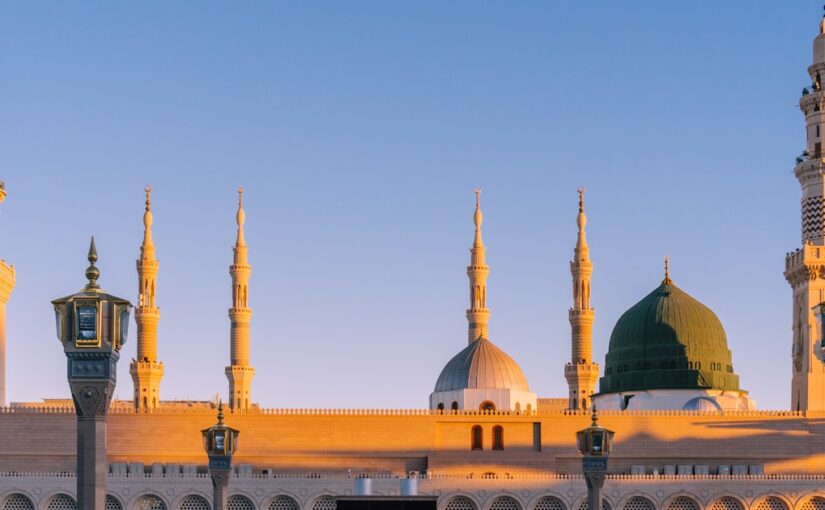
Beautiful mosque architecture at sunset

Mustafa Jaan-e-Rehmat – The Beloved Mercy of the Universe

“Mustafa Jaan-e-Rehmat” (مصطفیٰ جانِ رحمت) is one of the most beloved and widely recited naats in the Islamic world. Meaning “Mustafa (the Chosen One), the very life and soul of mercy,” this naat is a heartfelt tribute to Prophet Muhammad ﷺ, celebrating his exalted status as the most merciful being ever sent to humanity. The lyrics overflow with love, reverence, and longing for the Prophet, making it a staple in every Mehfil-e-Naat across South Asia, the Middle East, and beyond.

The title itself, “Mustafa Jaan-e-Rehmat,” beautifully encapsulates the essence of the Prophet ﷺ — he is not just a messenger but the embodiment of mercy itself. The word “Jaan” (soul/life) signifies that mercy is inseparable from his being; it is his very essence. This naat has been rendered by countless renowned naat khawans including Qari Waheed Zafar Qasmi, Owais Raza Qadri, and many others, each bringing their unique soulful melody to these timeless words.

Urdu Lyrics (اردو lyrics)

Below are the complete Urdu lyrics of “Mustafa Jaan-e-Rehmat”:

مصطفیٰ جانِ رحمت پہ لاکھوں سلام
شمعِ رسالت پہ لاکھوں سلام

ذرہ ذرہ ہے گواہ ان کے کمالات کا
آفتاب و ماہ گواہ ان کے جلالات کا

وہ رحمت للعالمین، رحمتِ دو جہاں
ان کے صدقے میں ہے یہ سارا جہاں

ہر نبی سے وہ افضل، سخی بھی وہ ہے
دین و دنیا کا حاصل، نبی بھی وہ ہے

جو خدا کے محبوب، وہ ہیں محمد ﷺ
ان پہ درود و سلام، لاکھوں درود و سلام

بے کسوں کے والی، غمگساروں کے سہارے
مانگتے ہیں سب درِ مصطفیٰ سے

ان کے در کا بھکاری دولتمندوں کا سردار
جو بھی آیا اس در سے، خالی نہ گیا

مصطفیٰ جانِ رحمت پہ لاکھوں سلام
شمعِ رسالت پہ لاکھوں سلام

مدینے کا وہ شہر، جہاں رحمتیں برستی ہیں
جہاں کے ذرّے ذرّے پہ رحمتِ حق ہے

جس نے ایک بار دیکھ لیا اس شہر کو
اس کی زندگی بدل جاتی ہے، سنور جاتی ہے

اے مصطفیٰ، اے جانِ رحمت
تم پہ سلام، لاکھوں سلام، بے حساب سلام

Roman Urdu Transliteration

For those who cannot read Urdu script, here is the Roman Urdu transliteration:

Mustafa jaan-e-rehmat pe laakhon salaam
Sham-e-risaalat pe laakhon salaam

Zarra zarra hai gawah un ke kamaalaat ka
Aaftaab o maah gawah un ke jalaalaat ka

Woh rahmatul lil aalameen, rahmat-e-doo jahan
Un ke sadqe mein hai yeh saara jahan

Har nabi se woh afzal, sakhi bhi woh hai
Deen o duniya ka haasil, nabi bhi woh hai

Jo Khuda ke mehboob, woh hain Muhammad ﷺ
Un pe durood o salaam, laakhon durood o salaam

Bekason ke waali, ghamgusaaron ke sahaare
Maangte hain sab dar-e-Mustafa se

Un ke dar ka bhikari dolatmandon ka sardar
Jo bhi aaya is dar se, khaali na gaya

Mustafa jaan-e-rehmat pe laakhon salaam
Sham-e-risaalat pe laakhon salaam

Madine ka woh shahr, jahan rahmatein barasti hain
Jahan ke zarre zarre pe rahmat-e-haq hai

Jis ne ek baar dekh liya us shahr ko
Uski zindagi badal jaati hai, sanwar jaati hai

Aye Mustafa, aye jaan-e-rehmat
Tum pe salaam, laakhon salaam, be-hisaab salaam

English Translation (Line by Line)

Mustafa (the Chosen One), the very soul of mercy — millions of salutations upon you
The lamp of prophethood — millions of salutations upon you

Every single atom bears witness to your perfect qualities
The sun and the moon bear witness to your majesty and glory

He is a mercy to all the worlds, mercy for both realms (this world and the Hereafter)
This entire universe exists by virtue of him

He is more excellent than all prophets, and he is the most generous
He is the ultimate goal of both faith and the world, and he is the Prophet

He who is the beloved of God — he is Muhammad ﷺ
Upon him be blessings and peace — millions of blessings and peace

Guardian of the helpless, support of the grief-stricken
Everyone begs at the door of Mustafa

The beggar at his door becomes the leader of the wealthy
Whoever came to this door, never left empty-handed

Mustafa, the soul of mercy — millions of salutations upon you
The lamp of prophethood — millions of salutations upon you

That city of Madinah, where mercies shower down
Every single particle of it is covered by the mercy of God

Whoever has laid eyes upon that city even once
Their life transforms completely, their life becomes beautiful

O Mustafa, O soul of mercy
Upon you be peace — millions of salutations, countless salutations

Meaning and Background

The naat “Mustafa Jaan-e-Rehmat” is steeped in deep Islamic spirituality and the rich tradition of Naat poetry in Urdu. The phrase “Mustafa” (مصطفیٰ) means “the Chosen One” — one of the most beloved names of Prophet Muhammad ﷺ. Combined with “Jaan-e-Rehmat” (soul of mercy), the title captures the Islamic belief that the Prophet ﷺ was sent as a mercy not just to humanity, but to all of creation.

The Qur’an itself declares the Prophet’s ﷺ role as a universal mercy in Surah Al-Anbiya (21:107):

“And We have not sent you, [O Muhammad], except as a mercy to the worlds.”

This verse is the foundational basis of the naat. The poet beautifully expands upon this theme, showing how the Prophet’s ﷺ mercy encompasses every atom of existence — from the smallest particle (zarra) to the sun and moon (aaftaab o maah). The imagery is cosmic in scale, reflecting the universal reach of the Prophet’s ﷺ blessings.

Key Themes Explored in the Naat:

  • Universal Mercy (Rahmatul lil Aalameen): The Prophet ﷺ as a mercy for all creation, not just Muslims or humans, but the entire cosmos.
  • Prophetic Excellence (Afzaliyat): The belief that Prophet Muhammad ﷺ is the most superior of all prophets, a core tenet of Islamic faith.
  • Generosity and Intercession (Sakhaawat aur Shafa’at): The Prophet’s ﷺ unparalleled generosity — no one who turns to him with sincerity leaves empty-handed. This alludes to the concept of intercession on the Day of Judgment.
  • Love for Madinah: A recurring theme in naat poetry, expressing deep longing and reverence for the blessed city where the Prophet ﷺ is buried.
  • Spiritual Transformation: The idea that even a single glance or connection with the Prophet ﷺ or his city can transform a person’s entire life.

The Power of Salam (Salutations):

The recurring refrain “Laakhon Salaam” (millions of salutations) is not mere repetition — it reflects the infinite nature of the love Muslims hold for their Prophet. In Islamic tradition, sending salutations (salawat/durud) upon the Prophet ﷺ is both a commandment from Allah and a deeply spiritual act that brings the believer closer to their beloved Prophet. The Prophet ﷺ himself said, “Whoever sends one salutation upon me, Allah sends ten upon him” (Sahih Muslim).

Literary and Poetic Merit:

This naat employs several poetic devices that elevate it in the Urdu naat tradition:

  • Takrar (Repetition): The repeated “Laakhon Salaam” creates a hypnotic, meditative quality perfect for collective recitation.
  • Tashbih (Simile): The Prophet ﷺ is compared to a lamp (shama) — a source of light and guidance in darkness.
  • Mubaligha (Hyperbole): Cosmic imagery (sun, moon, every atom) emphasizes the infinite scope of the Prophet’s ﷺ greatness.
  • Radeef aur Qafiya: The consistent rhyme scheme makes it musically beautiful and easy to memorize.

Occasions for Recitation:

“Mustafa Jaan-e-Rehmat” is recited on virtually every occasion where naat is performed:

  • Weekly Mehfil-e-Naat gatherings
  • Eid Milad-un-Nabi ﷺ celebrations
  • Eid ul-Fitr and Eid ul-Adha gatherings
  • Urs (death anniversaries) of Sufi saints
  • Marriage ceremonies (as spiritual interlude)
  • Daily personal recitation for spiritual connection

Popular Renditions:

This naat has been performed by many legendary naat khawans. Some of the most beloved renditions include:

  • Qari Waheed Zafar Qasmi — known for his deeply emotional and powerful recitation style
  • Owais Raza Qadri — brings a soulful, melodious quality
  • Mohammad Farhan Ali Qadri — a more contemporary, youthful rendition
  • Junaid Jamshed — the late pop star turned Islamic singer recorded a beautiful version

Each rendition brings its own flavor, yet the core message remains unchanged: an outpouring of love and reverence for the most beloved of Allah’s creation — Prophet Muhammad ﷺ.

The Spiritual Significance of Naat

Naat poetry occupies a special place in Islamic spirituality. Unlike other forms of poetry, naat is considered a form of worship (ibadat) when recited with sincerity and love for the Prophet ﷺ. The great Sufi masters have always emphasized that love for the Prophet ﷺ is the gateway to love for Allah. As the famous saying goes: “Whoever loves my Sunnah, loves me. And whoever loves me, will be with me in Paradise.”

“Mustafa Jaan-e-Rehmat” captures this profound spiritual truth in every verse. It reminds us that the Prophet ﷺ is not a figure of the distant past but a living presence whose mercy and intercession are accessible to believers at all times. The salutations (salam) we send reach him, as the Prophet ﷺ said: “There is no one who sends salutations upon me except that his salutation is brought to me” (Sunan Abu Dawud).

May we all be blessed with the true love of Mustafa ﷺ and the ability to send countless salutations upon him. Ameen.

مصطفیٰ جانِ رحمت پہ لاکھوں سلام
شمعِ رسالت پہ لاکھوں سلام

Salam Ya Mustafa (السلام علیک یا مصطفیٰ) — Naat Lyrics in Urdu, English Translation and Meaning

About the Naat ‘Salam Ya Mustafa’

‘Salam Ya Mustafa’ (السلام علیک یا مصطفیٰ) is one of the most beloved and widely recited naats in the Islamic world. The title translates to “Peace Be Upon You, O Mustafa” (Mustafa being one of the names of Prophet Muhammad ﷺ, meaning “The Chosen One”).

This naat is a heartfelt expression of love, devotion, and longing for the Prophet Muhammad ﷺ. It is recited by millions of Muslims around the world, especially in South Asia, and is known for its soulful melody and deep emotional impact.

The naat was popularised by famous naat khwans (reciters) and is often heard at gatherings, mosques, and during religious events. Its simple yet profound lyrics make it accessible to people of all ages.

Salam Ya Mustafa — Full Urdu Lyrics

السلام علیک یا مصطفیٰ
السلام علیک یا مجتبیٰ

السلام علیک یا حبیبی
السلام علیک یا شفیع المذنبین

السلام علیک یا طاہر
السلام علیک یا طاہر

السلام علیک یا نور
السلام علیک یا سراج المنیر

السلام علیک یا رحمتہ للعالمین
السلام علیک یا نعمتہ للمؤمنین

السلام علیک یا خیر البریہ
السلام علیک یا خیر الوریٰ

السلام علیک یا شمس الہدیٰ
السلام علیک یا صاحب المعراج

السلام علیک یا صاحب الوسیلہ
السلام علیک یا صاحب الفضیلہ

السلام علیک یا رؤوف الرحیم
السلام علیک یا شفیع عظیم

السلام علیک یا خاتم النبیین
السلام علیک یا امام المرسلین

السلام علیک یا حبیب اللہ
السلام علیک یا نبی اللہ

السلام علیک یا رسول اللہ
السلام علیک یا خلیل اللہ

English Transliteration

Assalamu Alaika Ya Mustafa
Assalamu Alaika Ya Mujtaba

Assalamu Alaika Ya Habibi
Assalamu Alaika Ya Shafi-al-Muznibeen

Assalamu Alaika Ya Tahir

Assalamu Alaika Ya Noor
Assalamu Alaika Ya Siraj-al-Muneer

Assalamu Alaika Ya Rahmatan Lil Alameen
Assalamu Alaika Ya Ni’matan Lil Mu’mineen

Assalamu Alaika Ya Khayr-al-Bariyyah
Assalamu Alaika Ya Khayr-al-Wara

Assalamu Alaika Ya Shams-al-Huda
Assalamu Alaika Ya Sahib-al-Miraj

Assalamu Alaika Ya Sahib-al-Waseelah
Assalamu Alaika Ya Sahib-al-Fadeelah

Assalamu Alaika Ya Ra’oof-ar-Raheem
Assalamu Alaika Ya Shafi-e-Azeem

Assalamu Alaika Ya Khatam-an-Nabiyyeen
Assalamu Alaika Ya Imam-al-Mursaleen

Assalamu Alaika Ya Habib-Allah
Assalamu Alaika Ya Nabi-Allah

Assalamu Alaika Ya Rasool-Allah
Assalamu Alaika Ya Khalil-Allah

English Translation

Salam Ya Mustafa: Peace be upon you, O Mustafa (the Chosen One)

Salam Ya Mujtaba: Peace be upon you, O Mujtaba (the Selected One)

Salam Ya Habibi: Peace be upon you, O my Beloved

Salam Ya Shafi-al-Muznibeen: Peace be upon you, O Intercessor for the sinners

Salam Ya Tahir: Peace be upon you, O Pure One

Salam Ya Noor: Peace be upon you, O Light

Salam Ya Siraj-al-Muneer: Peace be upon you, O Bright Lamp

Salam Ya Rahmatan Lil Alameen: Peace be upon you, O Mercy for all the worlds

Salam Ya Ni’matan Lil Mu’mineen: Peace be upon you, O Blessing for the believers

Salam Ya Khayr-al-Bariyyah: Peace be upon you, O Best of Creation

Salam Ya Shams-al-Huda: Peace be upon you, O Sun of Guidance

Salam Ya Sahib-al-Miraj: Peace be upon you, O Owner of the Ascension

Salam Ya Sahib-al-Waseelah: Peace be upon you, O Owner of the Intercession

Salam Ya Ra’oof-ar-Raheem: Peace be upon you, O Most Kind, Most Merciful

Salam Ya Shafi-e-Azeem: Peace be upon you, O Great Intercessor

Salam Ya Khatam-an-Nabiyyeen: Peace be upon you, O Seal of the Prophets

Salam Ya Imam-al-Mursaleen: Peace be upon you, O Leader of the Messengers

Salam Ya Habib-Allah: Peace be upon you, O Beloved of Allah

Salam Ya Rasool-Allah: Peace be upon you, O Messenger of Allah

The Meaning and Significance

‘Salam Ya Mustafa’ is not just a naat; it is a continuous salutation and greeting to the Prophet Muhammad ﷺ. Each line of the naat begins with “Assalamu Alaika” (Peace be upon you), which is the Islamic greeting of peace. By reciting this naat, the believer sends salutations of peace and blessings upon the Prophet.

The naat uses many of the beautiful names and attributes of the Prophet ﷺ found in the Quran and Hadith. Each name highlights a different aspect of his blessed personality:

  • Mustafa and Mujtaba: Both mean “the Chosen One,” emphasising that Allah chose the Prophet for his noble mission.
  • Noor and Siraj-al-Muneer: The Quran describes the Prophet as a “light” and a “bright lamp” (Surah Al-Ahzab 33:46).
  • Rahmatan Lil Alameen: This is directly from the Quran (Surah Al-Anbiya 21:107), where Allah says, “And We have not sent you except as a mercy to the worlds.”
  • Khatam-an-Nabiyyeen: The Seal of the Prophets, meaning he is the final Prophet sent by Allah (Surah Al-Ahzab 33:40).
  • Shafi (Intercessor): The Prophet will intercede for his followers on the Day of Judgment.

This naat is often recited in gatherings of dhikr (remembrance of Allah) and on special occasions like Milad-un-Nabi (the Prophet’s birthday). Its repetitive structure makes it easy to learn and recite, even for children, while its profound meanings provide deep spiritual nourishment.

You may also enjoy reading other naats on our site, such as Ya Nabi Salam Alayka and Tajdar-e-Haram for more beautiful poetry in praise of the Prophet ﷺ.

When to Recite ‘Salam Ya Mustafa’

There is no fixed time for reciting this naat. Muslims recite it at any time as a form of devotion and love for the Prophet ﷺ. However, it is particularly popular:

  • During gatherings of naat and dhikr
  • On Friday nights and other blessed nights
  • During the month of Rabi-ul-Awwal (the month of the Prophet’s birth)
  • After prayers as a form of salawat (sending blessings upon the Prophet)
  • At spiritual gatherings and urs (death anniversaries of saints)

Check out more naat lyrics in our Naat collection and Naat Lyrics section for other beautiful poems.