
Mere Aaqa Madine Mein Mujhe Bhi Ab Bula Lijiye (میرے آقا مدینے میں مجھے بھی اب بلا لیجیے) — Full Naat Lyrics in Urdu, English Translation and Meaning

One of the most heart-touching and soulful naats ever recited, “Mere Aaqa Madine Mein Mujhe Bhi Ab Bula Lijiye” (میرے آقا مدینے میں مجھے بھی اب بلا لیجیے) is a beloved Urdu naat popularized by the renowned naat reciter Hafiz Ahmed Raza Qadri. This naat is a deeply emotional plea — a lover of the Prophet Muhammad ﷺ begging to be called to Madina, to be blessed with a glimpse of the Rawza Mubarak, and to spend the rest of their days in the blessed city. Every verse is soaked in longing, devotion, and an overwhelming desire to be in the presence of the Beloved ﷺ.

Background and Spiritual Significance

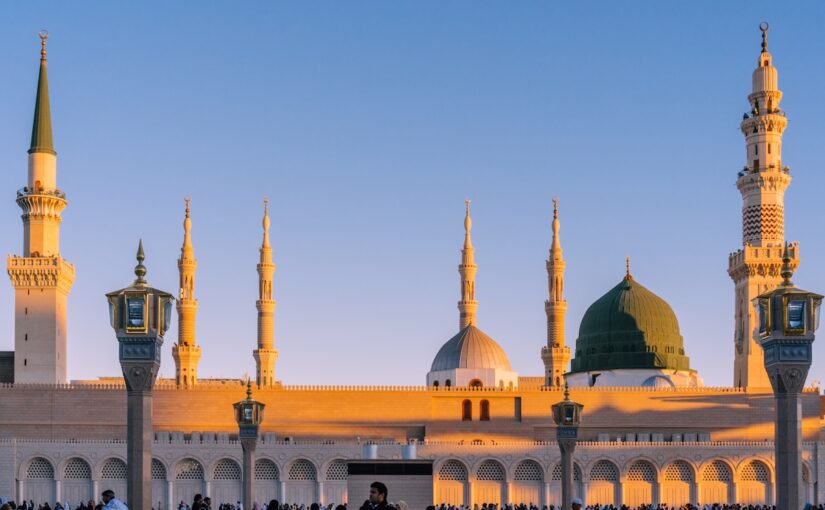
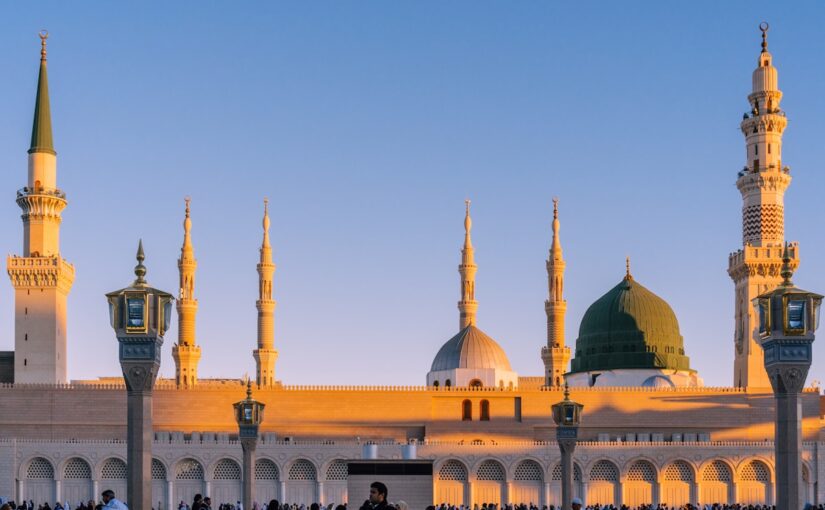
The naat Mere Aaqa Madine Mein captures the essence of Ishq-e-Rasool (love for the Prophet). It reflects the deep yearning that every believer carries in their heart — the desire to visit the holy city of Madina, to stand before the blessed Rawza of the Prophet Muhammad ﷺ, and to be buried in the sacred soil of Jannatul Baqi. The poet speaks not just of a visit but of being permanently settled in Madina, under the shade of the Green Dome (Gumbad-e-Khazra). It is a moving expression of spiritual homelessness in this world and a longing for the ultimate home — the company of the Prophet ﷺ in the Hereafter.

In Islamic spirituality, the love for Madina Munawwara is considered a sign of true faith. The Prophet ﷺ himself said: “Iman is to Madina what a snake is to its hole” (Bukhari). This naat echoes that tradition — it is not merely a poem but a supplication, a continuous plea for divine acceptance and proximity to the Chosen One ﷺ.

The recitation by Hafiz Ahmed Raza Qadri adds layers of emotion and spiritual depth. His gentle yet passionate voice transports the listener into a state of spiritual ecstasy, making this one of the most recited naats in homes, mosques, and religious gatherings across the globe.

Mere Aaqa Madine Mein — Urdu Lyrics (میرے آقا مدینے میں مجھے بھی اب بلا لیجیے)

Below are the complete Urdu lyrics of this beautiful naat in proper Arabic script:

میرے آقا مدینے میں مجھے بھی اب بلا لیجیے
ترستی ہیں مری آنکھیں مجھے روضہ دکھا دیجیے

مہکتی ہیں وہ راہیں جن سے آقا آپ ہیں گزرے
مجھے بھی ان گلی کوچوں میں رہنے کی جگہ دیجیے

لڑی سانسوں کی یہ آقا نہ جانے کب بکھر جائے
بلا لیجیے مدینے اور قدموں میں بسا لیجیے

دکھوں نے گھیر رکھا ہے غموں کی دھوپ ہے سر پر
ٹھکانہ گنبدِ خضریٰ کے سائے میں عطا کیجیے

مواجہ سامنے ہو جس گھڑی یہ دم نکل جائے
بقیۂ پاک ہی آقا میرا مدفن بنا دیجیے

عقیدت سے بنا نعلین جس در سیّدہ (رض) آئی
مجھے بھی سیّد شہدا کی وہ چوکھٹ دکھا دیجیے

کبھی میں جالیوں تھاموں بسا کر پنجتن دل میں
علی (رض) و فاطمہ حسنین (رض) کا صدقہ عطا کیجیے

ستاروں کہکشاؤں سے مدینے کی غبار اچھی
میسر ہو اگر قطبِؐ تو آنکھوں سے لگا لیجیے

میرے آقا مدینے میں مجھے بھی اب بلا لیجیے
ترستی ہیں مری آنکھیں مجھے روضہ دکھا دیجیے

English Translation (Line by Line)

Here is the English translation of each verse, capturing both the literal meaning and the spiritual essence:

Verse 1:
O my Master, please call me to Madina now,
My eyes are restless — show me the Blessed Rawza (shrine).

Verse 2:
The paths You once walked are fragrant with blessings,
Grant me a place to live in those streets and alleys.

Verse 3:
This string of breaths, my Master, may shatter any moment,
Call me to Madina and settle me at Your feet.

Verse 4:
Sorrows surround me, the heat of grief burns my head,
Grant me shelter in the shade of the Green Dome.

Verse 5:
The moment my soul departs while facing Your blessed presence,
O Master, make the pure soil of Baqi my eternal resting place.

Verse 6:
At the doorstep where Sayyida Fatima (RA) placed her blessed slippers with devotion,
Show me that threshold of the Leader of Martyrs (Sayyiduna Hamza RA).

Verse 7:
Let me hold the lattice screens, enshrining the Panjtan in my heart,
Grant me through the blessings of Ali (RA), Fatima (RA), Hasan and Husayn (RA).

Verse 8:
The dust of Madina is better than stars and galaxies,
If I am granted even a speck of it, let me place it upon my eyes.

Themes and Spiritual Reflections

This naat is rich in spiritual themes that resonate deeply with Muslims around the world. Here are some of the key themes explored in the poetry:

  • Longing for Madina: The central theme is the deep, aching desire to visit the city of the Prophet ﷺ. This longing is a hallmark of true love for the Prophet.
  • The Fragility of Life: The poet reflects on how life is like a string of breaths that can break at any moment. This awareness of mortality drives the urgency of the plea.
  • Seeking Intercession: The repeated refrain “Mere Aaqa” (My Master) is a humble plea for the Prophet’s intercession and spiritual closeness.
  • Love for Ahl al-Bayt: References to Ali, Fatima, Hasan, and Husayn (RA) show the deep reverence for the Prophet’s family, which is an integral part of Islamic devotion.
  • Value of Sacred Soil: The line about Madina’s dust being better than stars reflects the profound spiritual value attached to the blessed city and everything connected to the Prophet ﷺ.
  • Yearning for the Hereafter: The request to be buried in Jannatul Baqi shows the hope of being resurrected among the righteous in Madina.

About the Reciter: Hafiz Ahmed Raza Qadri

Hafiz Ahmed Raza Qadri is one of the most celebrated naat reciters of the modern era. Born in Pakistan, he is known for his melodious and emotionally charged recitations that move millions of hearts worldwide. His renditions of naats such as Mere Aaqa Madine Mein, Tajdar-e-Haram, and Mere Dil Mein Hai Yaade Muhammad have become iconic. He belongs to the Qadri spiritual order and his recitations are deeply rooted in the tradition of Ahl al-Sunnat wa al-Jama’at. His voice has the rare ability to convey both the joy of love and the pain of separation from the Beloved ﷺ.

Why This Naat Is So Popular

The popularity of “Mere Aaqa Madine Mein” can be attributed to several factors:

  • Relatable Emotion: Every Muslim who has never visited Madina or who longs to return feels these words in their heart. The naat gives voice to that universal yearning.
  • Simple Yet Profound: The language is simple enough for anyone to understand, yet the meaning is spiritually profound.
  • Melodious Composition: The composition by Hafiz Ahmed Raza Qadri is hauntingly beautiful and easy to memorize.
  • Perfect for Gatherings: It is frequently recited at Milad gatherings, naat nights, and spiritual assemblies (mehfils).

The Virtue of Reciting and Listening to Naat

Reciting or listening to naat (poetry in praise of the Prophet Muhammad ﷺ) is a meritorious act in Islam. The Prophet ﷺ said: “Whoever glorifies Allah, Allah will honor him. Whoever praises the Prophet, the Prophet will intercede for him.” Great Islamic scholars like Imam Busiri (author of Qasida Burda), Allama Iqbal, and Ahmed Raza Khan Barelvi have written extensively in praise of the Prophet ﷺ. The tradition of naat goes back to the companions of the Prophet ﷺ, most notably Hassan ibn Thabit (RA), who was the poet of the Prophet and whose verses were praised by the Prophet himself.

When we recite or listen to naats like “Mere Aaqa Madine Mein,” we are not just enjoying beautiful poetry — we are connecting spiritually with the Prophet ﷺ, renewing our love for him, and strengthening our faith. It is an act of worship when done with sincerity and devotion.

How to Use This Naat in Your Daily Spiritual Practice

  • Morning Dhikr: Recite a few verses after Fajr prayer to start your day with love for the Prophet ﷺ.
  • Before Travel: Recite this naat before embarking on a journey, especially if you are planning to visit Madina.
  • Family Gatherings: Share the lyrics and translation with family to spread the blessings.
  • Memorization: The simple rhyme scheme makes it easy to memorize. Try learning one verse each day.
  • Sending Salawat: After reciting the naat, send salawat (durood) upon the Prophet ﷺ to multiply the blessings.

May Allah ﷻ grant us all the opportunity to visit the blessed city of Madina Munawwara, to witness the blessed Rawza of the Prophet Muhammad ﷺ, and to die in the state of Iman. Ameen.

Read more Urdu Naat lyrics with English translation on Naatlines.com.

Allah Hoo – Complete Naat Lyrics in Urdu with English Translation and Spiritual Meaning

“Allah Hoo” is one of the most famous and spiritually powerful naats in Islamic history. This timeless Sufi kalam (poetry) is a beautiful expression of divine love and the remembrance of Allah. The phrase “Allah Hoo” itself is a form of dhikr (remembrance of God) that resonates deeply within the hearts of believers.

The naat has been recited by countless artists across the world, most famously by the legendary Pakistani singer Nusrat Fateh Ali Khan and later by many others including Qawwal groups and naat khwans. Its universal message of love for the Creator transcends borders and languages, making it one of the most recognised Islamic devotional songs globally.

About the Naat “Allah Hoo”

“Allah Hoo” belongs to the tradition of Sufi poetry that focuses on the love and remembrance of Allah. Unlike naats that specifically praise the Prophet Muhammad (peace be upon him), this kalam is a hamd a piece of poetry directly addressed to Allah, celebrating His names, attributes and boundless mercy.

The repetition of “Allah Hoo” throughout the naat serves as a meditative dhikr, helping listeners focus their hearts and minds on the divine presence. The poetry weaves together themes of divine love, spiritual longing, and the soul’s eternal connection with its Creator.

The naat is particularly popular in South Asia, where it is recited in mosques, mehfils (religious gatherings) and during the month of Ramadan. Its soulful melody and profound lyrics have made it a staple of Islamic spiritual music.

Allah Hoo – Urdu Lyrics

اللہ ہو اللہ ہو
اللہ ہو اللہ ہو
اللہ ہو اللہ ہو
اللہ ہو اللہ ہو

تیرے عشق کی انتہا چاہتا ہوں
مری زندگی تیری رضا چاہتا ہوں

اللہ ہو اللہ ہو
اللہ ہو اللہ ہو

ترے در پہ آ کے میں نے جانا
کہ تیرے سوا کوئی سہارا نہیں ہے

اللہ ہو اللہ ہو
اللہ ہو اللہ ہو

مرے دل میں تو ہے تیری ہی محبت
مری آنکھوں میں تیرا ہی نظارہ ہے

اللہ ہو اللہ ہو
اللہ ہو اللہ ہو

جو بھی تجھ کو پانا چاہے
اس کو دنیا سے بیگانہ ہونا پڑے گا

اللہ ہو اللہ ہو
اللہ ہو اللہ ہو

تیرا ذکر ہے میری زبان کا سرمایہ
تیری حمد ہے میری کہانی کا عنوان

اللہ ہو اللہ ہو
اللہ ہو اللہ ہو

ہر سانس میں تیرا نام ہے یا رب
ہر دھڑکن میں تیرا پیغام ہے یا رب

اللہ ہو اللہ ہو
اللہ ہو اللہ ہو

Allah Hoo – English Translation

Verse 1 (Chorus):
Allah Hoo, Allah Hoo

Verse 2:
I seek the ultimate limit of Your love
My life, I wish for Your pleasure alone

Chorus:
Allah Hoo, Allah Hoo

Verse 3:
Coming to Your door, I have come to realise
That there is no support besides You

Chorus:
Allah Hoo, Allah Hoo

Verse 4:
In my heart there is only Your love
In my eyes there is only Your vision

Chorus:
Allah Hoo, Allah Hoo

Verse 5:
Whoever wishes to find You
Must become detached from the world

Chorus:
Allah Hoo, Allah Hoo

Verse 6:
Your remembrance is the treasure of my tongue
Your praise is the title of my story

Chorus:
Allah Hoo, Allah Hoo

Verse 7:
In every breath is Your name, O Lord
In every heartbeat is Your message, O Lord

Chorus:
Allah Hoo, Allah Hoo

Spiritual Meaning and Significance

The naat “Allah Hoo” is far more than a poem set to music. It is a spiritual practice in itself. The word “Hoo” in Arabic and Persian mysticism represents the essence of the Divine the unseen, the unknowable, the absolute reality of Allah. When a believer repeats “Allah Hoo,” they are not just saying a word; they are calling upon the very essence of God.

The verses express a profound spiritual journey. The poet begins by declaring the desire for the ultimate limit of divine love a love so complete that nothing else matters. This is the goal of every seeker on the spiritual path: to reach a state where the love of Allah fills every corner of the heart and every moment of life is lived in pursuit of His pleasure.

The lines about finding no support except at Allah’s door reflect the core Islamic belief in tawheed (the oneness of God). Everything else is temporary and unreliable. Only Allah is the true source of strength, guidance and mercy. This verse speaks to the humility that comes from true faith the recognition that we are nothing without Him.

The verse about becoming detached from the world to find Allah echoes the Sufi concept of zuhd (detachment). This does not mean abandoning the world entirely, but rather not being attached to worldly things in a way that distracts from the remembrance of God. It is about prioritising the eternal over the temporary.

Why “Allah Hoo” Is So Beloved

Several factors contribute to the enduring popularity of this naat:

  • Universal appeal: The message is simple and powerful, focusing on the love of Allah rather than specific historical events or figures. This makes it accessible to all Muslims regardless of sect or background.
  • Meditative quality: The repetition of “Allah Hoo” creates a rhythmic, meditative effect that helps listeners enter a state of spiritual reflection and peace.
  • Powerful renditions: The naat has been performed by legendary artists whose soulful voices have brought the words to life in unforgettable ways.
  • Emotional connection: The poetry speaks directly to the heart, expressing feelings of love, longing and devotion that every believer can relate to.
  • Ramadan connection: The naat is especially popular during Ramadan and other spiritual occasions, when hearts are more open to worship and remembrance.

Frequently Asked Questions

Who wrote the Allah Hoo naat?

The origins of “Allah Hoo” trace back to the Sufi tradition of South Asia. The exact poet is not always credited, as the kalam has been passed down through generations of Sufi practitioners. It is considered part of the collective spiritual heritage of Islamic mysticism.

What does “Hoo” mean in Allah Hoo?

“Hoo” (ہُو) is an Arabic pronoun meaning “He” and refers to Allah in the context of divine essence. In Sufi terminology, “Hoo” represents the unknowable, absolute reality of God. It is a name that transcends all attributes and descriptions.

Is Allah Hoo a naat or a qawwali?

“Allah Hoo” can be classified as both a naat and a hamd (praise of Allah). In the Sufi tradition, it is often performed as qawwali, but it is also recited as a naat in religious gatherings. The classification depends on the context and the style of performance.

When is the best time to recite Allah Hoo?

The naat can be recited at any time, but like all forms of dhikr, it is especially recommended after prayers, during the early morning hours (tahajjud time) and during Islamic holy months like Ramadan.

Conclusion

“Allah Hoo” is a timeless piece of Islamic devotional poetry that continues to inspire and uplift millions of believers around the world. Its simple yet profound message of divine love and remembrance transcends cultural and linguistic boundaries, reminding us of the ultimate purpose of our existence: to know, love and remember our Creator.

Whether you recite it as a form of dhikr, listen to it for spiritual comfort, or reflect on its meaning for deeper understanding, “Allah Hoo” offers a doorway into the beautiful world of Islamic spirituality. May the remembrance of Allah bring peace to your heart and light to your soul. Ameen.

Tajdar-e-Haram (تاجدارِ حرم) – Full Naat Lyrics in Urdu, English Translation and Meaning

Tajdar-e-Haram (تاجدارِ حرم) – Full Naat Lyrics in Urdu, English Translation and Meaning

Tajdar-e-Haram (تاجدارِ حرم) is one of the most beloved naats in the Islamic world. The title translates to “The Crown-Bearer of the Sanctuary,” referring to the Prophet Muhammad (peace be upon him) as the crowned king of the sacred Haram (the Holy Sanctuary in Mecca). This beautiful naat expresses deep love, devotion, and reverence for the Prophet, describing his exalted status and the blessings that come from following his path.

The naat is widely recited at Mehfil-e-Milad gatherings, Islamic conferences, and in personal worship. Its powerful words touch the hearts of millions of Muslims around the world.

Tajdar-e-Haram Naat Lyrics in Urdu (تاجدارِ حرم نعت کے اردو بول)

Verse 1

تاجدارِ حرم ہو تم اپنے کرم کی نظر ہو تم
تم ہو شہہ وقت کے شہنشاہ جہاں کے سردار ہو تم

Verse 2

آپ کے در سے خالی نہ کوئی جاتا ہے
جو بھی آیا ہے مانگ کے جاتا ہے
بے سہاروں کا سہارا ہو تم
بے کسوں کا مددگار ہو تم

Verse 3

تم پہ لاکھوں درود و سلام اے شہہ کامل
تم پہ لاکھوں سلام اے رسولِ معظم
تم پہ لاکھوں سلام اے محبوبِ سبحاں
تم پہ لاکھوں سلام اے شافعِ محشر

Verse 4

دل کو چین نہیں ہے تیری زیارت کے بغیر
آنکھیں رکھتی ہیں نمی تیری حرم کی تصویر
کیسے گزریں گی یہ راتیں تری دید کے بغیر
آؤ اک بار مرے دل میں تم اتر جاؤ

Verse 5

تم رحمتِ عالم ہو تم مہرِ دو عالم ہو
تم مصطفیٰ احمد ہو تم شافعِ محشر ہو
تم نور سے بھرپور ہو تم عرش کے نور ہو
تم سے ہے سارا عالم تم سے ہے سارا عالم

Verse 6

اے تاجدارِ حرم ہو تم اپنے کرم کی نظر ہو تم
تم ہو شہہ وقت کے شہنشاہ جہاں کے سردار ہو تم

Roman Urdu Transliteration

Verse 1:
Tajdar-e-Haram ho tum apne karam ki nazar ho tum
Tum ho shah-e-waqt ke shehanshah jahan ke sardar ho tum

Verse 2:
Aap ke dar se khaali na koi jaata hai
Jo bhi aaya hai maang ke jaata hai
Be saharon ka sahara ho tum
Be kason ka madadgar ho tum

Verse 3:
Tum pe laakhon durood o salaam ae shah-e-kaamil
Tum pe laakhon salaam ae Rasool-e-Muazzam
Tum pe laakhon salaam ae Mahboob-e-Subhaan
Tum pe laakhon salaam ae Shaafi-e-Mahshar

Verse 4:
Dil ko chain nahi hai teri ziyarat ke baghair
Aankhen rakhti hain nami teri haram ki tasveer
Kaise guzrenge ye raatein teri deed ke baghair
Aao ek baar mere dil mein tum utar jaao

Verse 5:
Tum Rehmat-ul-Aalameen ho tum Mehr-e-Do Aalam ho
Tum Mustafa Ahmad ho tum Shaafi-e-Mahshar ho
Tum noor se bharpoor ho tum arsh ke noor ho
Tum se hai saara aalam tum se hai saara aalam

Verse 6:
Ae Tajdar-e-Haram ho tum apne karam ki nazar ho tum
Tum ho shah-e-waqt ke shehanshah jahan ke sardar ho tum

English Translation

Verse 1:
You are the crown-bearer of the Sacred Sanctuary, you are a glance of Your grace
You are the King of the era, the Emperor, the leader of the world

Verse 2:
No one returns empty-handed from Your door
Whoever has come, has come to ask and receive
You are the support of the helpless
You are the helper of the destitute

Verse 3:
Millions of blessings and peace be upon you, O Perfect King
Millions of peace be upon you, O Great Messenger
Millions of peace be upon you, O Beloved of the Almighty
Millions of peace be upon you, O Intercessor on the Day of Judgment

Verse 4:
The heart finds no peace without visiting You
My eyes preserve the moist image of Your sanctuary
How will the nights pass without beholding You?
Come, just once, descend into my heart

Verse 5:
You are Mercy for the Worlds, You are the Sun of Both Worlds
You are Mustafa, You are Ahmad, You are the Intercessor of the Day of Judgment
You are filled with Light, You are the Light of the Throne
The entire universe exists because of You

Verse 6:
O Crown-Bearer of the Sacred Sanctuary, you are a glance of Your grace
You are the King of the era, the Emperor, the leader of the world

Meaning and Background

Tajdar-e-Haram is a deeply spiritual naat that celebrates the lofty status of Prophet Muhammad (PBUH) as both a temporal and spiritual leader. The title “Tajdar-e-Haram” itself establishes the central theme that the Prophet is the crowned sovereign of the sacred precincts of Mecca and Medina.

Verse 1 establishes the Prophet’s royal and spiritual authority. He is described as the crown-bearer of Haram, the king of the era, and the leader of the entire world. This reflects the Islamic belief that the Prophet holds the highest rank among all creation.

Verse 2 focuses on the Prophet’s mercy and generosity. The imagery of his door never turning anyone away empty-handed is a powerful symbol of his compassion. It echoes the Hadith that the Prophet was the most generous of people, especially during Ramadan.

Verse 3 is a beautiful series of salutations, sending blessings upon the Prophet using his various titles: the Perfect King, the Great Messenger, the Beloved of Allah, and the Intercessor on the Day of Judgment. This verse is often recited with great emotion in gatherings.

Verse 4 expresses the deep longing of the believer to visit the Prophet’s sanctuary in Medina. The moist eyes and restless heart reflect the spiritual connection that Muslims feel toward the Prophet’s resting place at Masjid al-Nabawi. The plea “descend into my heart” is a request for spiritual closeness.

Verse 5 uses cosmic imagery. The Prophet is described as “Mercy for the Worlds” (Rehmat-ul-Aalameen), a title taken directly from the Quran (Surah Al-Anbiya 21:107): “And We have not sent you except as a mercy to the worlds.” The verse also calls him the “Sun of Both Worlds” and the “Light of the Throne,” emphasising his spiritual radiance.

The Significance of the Title “Tajdar-e-Haram”

The title “Tajdar-e-Haram” holds special meaning in Islamic devotional poetry. “Taj” means crown, “dar” means possessor or bearer, and “Haram” refers to the sacred sanctuary in Mecca. Together, the title paints the Prophet as the crowned king of the holy city. This imagery is powerful because Mecca is the holiest city in Islam, the direction of prayer, and the destination of the annual Hajj pilgrimage.

In Islamic tradition, the Prophet is not just a messenger but also a spiritual king whose authority extends over both the physical and spiritual realms. The naat beautifully combines these two aspects, showing the Prophet as both majestic and merciful, powerful and compassionate.

When is Tajdar-e-Haram Recited?

  • Mehfil-e-Milad (Mawlid) gatherings worldwide
  • Weekly naat gatherings in mosques
  • Eid Milad-un-Nabi (12 Rabi-ul-Awwal) celebrations
  • Islamic conferences and spiritual retreats
  • Personal worship and daily devotion
  • Wedding ceremonies and religious events

About the Poet

Tajdar-e-Haram is attributed to various poets in the Islamic tradition, and different versions exist across South Asia. The most widely recognised version is associated with the rich tradition of Urdu naat poetry that flourished in the Indian subcontinent. The exact origins of this particular naat are debated, but its popularity has only grown over time, crossing borders and language barriers.

The naat is recited by famous naat khwans (reciters) across Pakistan, India, Bangladesh, and the wider Muslim world, making it one of the most recognised naats in the Urdu language.

For more naat lyrics and translations, you can read our previous posts on Sultan-e-Madina and other beautiful naats.

Labbaik Ya Rasool Allah (لبیک یا رسول اللہ) — Full Naat Lyrics in Urdu, English Translation and Meaning

“Labbaik Ya Rasool Allah (لبیک یا رسول اللہ)” is one of the most beloved and frequently recited naats in the Islamic world. This soul-stirring poem, famously rendered by Owais Raza Qadri, expresses a devotee’s deep love and longing for Prophet Muhammad ﷺ. The phrase “Labbaik Ya Rasool Allah” means “Here I am, O Messenger of Allah” — a powerful declaration of readiness, devotion, and submission to the beloved Prophet. This naat is a staple at milad gatherings, naat evenings, and spiritual assemblies worldwide.

Background and Significance

The phrase “Labbaik” is famously associated with the Hajj pilgrimage, where pilgrims proclaim “Labbaik Allahumma Labbaik” (Here I am, O Allah, here I am). By adapting this sacred call and directing it to the Prophet ﷺ, the naat “Labbaik Ya Rasool Allah” creates a profound link between the devotion of Hajj and the love for the Prophet. It suggests that just as a pilgrim answers the call of Allah, a believer answers the call of His Messenger.

Owais Raza Qadri, a renowned naat khawan from Pakistan, popularised this naat through his heartfelt renditions. His style blends traditional Islamic poetry with a melodious, accessible delivery that resonates with audiences of all ages. The naat has been performed at countless religious gatherings and has been covered by many artists, becoming a timeless classic in the genre of Islamic devotional poetry.

The central theme of “Labbaik Ya Rasool Allah” is the believer’s unwavering love and devotion to the Prophet Muhammad ﷺ. The lyrics speak of coming to Madinah with an open heart, answering the call of the beloved, and finding spiritual peace in the presence of the Prophet. It reflects the deep emotional connection that Muslims feel toward their Prophet — a love that transcends time and space.

Full Urdu Lyrics (مکمل اردو کلام)

Below are the complete lyrics of “Labbaik Ya Rasool Allah” in Urdu script:

لبیک یا رسول اللہ، لبیک یا رسول اللہ

مدینے کی گلیوں میں، چلا ہوں میں سر برہنہ
لبیک یا رسول اللہ، لبیک یا رسول اللہ

در و بام نے پکارا، تجھے اے سخی مدینہ
لبیک یا رسول اللہ، لبیک یا رسول اللہ

تری خاک بھی ہے شفا، تری چاک بھی ہے بینا
لبیک یا رسول اللہ، لبیک یا رسول اللہ

مری جان و دل پہ چھائی، مدینہ کی ہر ادا ہے
لبیک یا رسول اللہ، لبیک یا رسول اللہ

جو تیرے در پہ آیا، وہ کبھی نہ خالی جایا
لبیک یا رسول اللہ، لبیک یا رسول اللہ

یہ مانگی ہے تمنا، تمہارے در کی ٹھوکر
لبیک یا رسول اللہ، لبیک یا رسول اللہ

مرے دل کی ہر دھڑکن، ہے تیرا ہی نام لیتی
لبیک یا رسول اللہ، لبیک یا رسول اللہ

تمہیں یاد کر کے رونا، ہے میری عبادت
لبیک یا رسول اللہ، لبیک یا رسول اللہ

کرم کا ہے اک سہارا، ترے در کے ہو گیا میں
لبیک یا رسول اللہ، لبیک یا رسول اللہ

مدینے سے ہے نسبت، یہی میری پہچان ہے
لبیک یا رسول اللہ، لبیک یا رسول اللہ

Roman English Transliteration

For readers who cannot read Urdu script, here is the Roman English transliteration:

Labbaik Ya Rasool Allah, Labbaik Ya Rasool Allah

Madine ki galiyon mein, chala hoon main sar barehna
Labbaik Ya Rasool Allah, Labbaik Ya Rasool Allah

Dar o baam ne pukara, tujhe aye sakhi Madina
Labbaik Ya Rasool Allah, Labbaik Ya Rasool Allah

Terri khaak bhi hai shifa, terri chaak bhi hai beena
Labbaik Ya Rasool Allah, Labbaik Ya Rasool Allah

Meri jaan o dil pe chhai, Madina ki har ada hai
Labbaik Ya Rasool Allah, Labbaik Ya Rasool Allah

Jo tere dar pe aaya, wo kabhi na khaali jaaya
Labbaik Ya Rasool Allah, Labbaik Ya Rasool Allah

Yeh maangi hai tamanna, tumhare dar ki thokar
Labbaik Ya Rasool Allah, Labbaik Ya Rasool Allah

Mere dil ki har dhadkan, hai tera hi naam leti
Labbaik Ya Rasool Allah, Labbaik Ya Rasool Allah

Tumhein yaad kar ke rona, hai meri ibadat
Labbaik Ya Rasool Allah, Labbaik Ya Rasool Allah

Karam ka hai ek sahaara, tere dar ke ho gaya main
Labbaik Ya Rasool Allah, Labbaik Ya Rasool Allah

Madine se hai nisbat, yahi meri pehchaan hai
Labbaik Ya Rasool Allah, Labbaik Ya Rasool Allah

English Translation (Verse by Verse)

Verse 1: Labbaik Ya Rasool Allah, Labbaik Ya Rasool Allah — Here I am, O Messenger of Allah, here I am, O Messenger of Allah

Verse 2: Madine ki galiyon mein, chala hoon main sar barehna — Through the streets of Madinah, I walk with my head uncovered (in humility)
Labbaik Ya Rasool Allah, Labbaik Ya Rasool Allah — Here I am, O Messenger of Allah

Verse 3: Dar o baam ne pukara, tujhe aye sakhi Madina — Every door and wall has called out to you, O generous one of Madinah
Labbaik Ya Rasool Allah, Labbaik Ya Rasool Allah — Here I am, O Messenger of Allah

Verse 4: Terri khaak bhi hai shifa, terri chaak bhi hai beena — Your dust is a cure, even your torn garment brings sight (spiritual vision)
Labbaik Ya Rasool Allah, Labbaik Ya Rasool Allah — Here I am, O Messenger of Allah

Verse 5: Meri jaan o dil pe chhai, Madina ki har ada hai — Every manner of Madinah has captured my heart and soul
Labbaik Ya Rasool Allah, Labbaik Ya Rasool Allah — Here I am, O Messenger of Allah

Verse 6: Jo tere dar pe aaya, wo kabhi na khaali jaaya — Whoever comes to your doorstep never leaves empty-handed
Labbaik Ya Rasool Allah, Labbaik Ya Rasool Allah — Here I am, O Messenger of Allah

Verse 7: Yeh maangi hai tamanna, tumhare dar ki thokar — This is my only wish: to stumble at your doorstep (to fall prostrate at your threshold)
Labbaik Ya Rasool Allah, Labbaik Ya Rasool Allah — Here I am, O Messenger of Allah

Verse 8: Mere dil ki har dhadkan, hai tera hi naam leti — Every beat of my heart takes your name
Labbaik Ya Rasool Allah, Labbaik Ya Rasool Allah — Here I am, O Messenger of Allah

Verse 9: Tumhein yaad kar ke rona, hai meri ibadat — Crying while remembering you is my worship
Labbaik Ya Rasool Allah, Labbaik Ya Rasool Allah — Here I am, O Messenger of Allah

Verse 10: Karam ka hai ek sahaara, tere dar ke ho gaya main — By Your grace, I have become attached to your doorstep
Labbaik Ya Rasool Allah, Labbaik Ya Rasool Allah — Here I am, O Messenger of Allah

Verse 11: Madine se hai nisbat, yahi meri pehchaan hai — My connection to Madinah is my true identity
Labbaik Ya Rasool Allah, Labbaik Ya Rasool Allah — Here I am, O Messenger of Allah

Themes and Meaning

“Labbaik Ya Rasool Allah” is more than just a naat — it is a spiritual journey expressed through poetry. Several key themes emerge from the verses:

Unconditional Love and Devotion: The refrain “Labbaik Ya Rasool Allah” echoes throughout the naat like a heartbeat. It represents the believer’s unconditional response to the call of the Prophet. Just as a pilgrim responds “Labbaik” to Allah during Hajj, the devotee here responds to the spiritual call of the beloved Prophet ﷺ.

Humility and Self-Surrender: The imagery of walking through Madinah’s streets “with an uncovered head” (sar barehna) is a powerful symbol of humility. In Eastern tradition, covering one’s head is a sign of respect; walking bareheaded signifies complete surrender and vulnerability before the beloved.

Madinah as a Sanctuary: The entire city of Madinah is portrayed as a place of spiritual healing. The dust of Madinah is described as “shifa” (cure), echoing the hadith that the soil of Madinah has healing properties. Even the walls and doors of Madinah call out to the believer, welcoming them to the city of the Prophet.

Call and Response Structure: The naat follows a distinctive call-and-response pattern. Each verse describes a different aspect of love and longing for the Prophet, and each is answered by the powerful refrain “Labbaik Ya Rasool Allah.” This structure makes the naat easy to remember and deeply engaging for listeners, who naturally join in with the refrain during gatherings.

Hope and Generosity: The verse “Jo tere dar pe aaya, wo kabhi na khaali jaaya” (Whoever comes to your doorstep never leaves empty-handed) reflects the Islamic belief in the Prophet’s ﷺ intercession and generosity. It gives hope to believers that their prayers and supplications made through love of the Prophet will not go unanswered.

Why This Naat Matters

“Labbaik Ya Rasool Allah” holds a special place in Islamic devotional tradition for several reasons:

  • Emotional Connection: Its simple yet profound lyrics create an immediate emotional connection with listeners. The repetition of “Labbaik Ya Rasool Allah” allows even those who do not understand Arabic or Urdu to participate in the devotion.
  • Bridge Between Cultures: The naat bridges Arabic Islamic tradition (the word “Labbaik” from Hajj) with Urdu devotional poetry, creating a unique fusion that appeals to South Asian Muslims while remaining rooted in classical Islamic concepts.
  • Spiritual Preparation: Many believers listen to this naat when preparing for Umrah or Hajj, or simply to connect spiritually with the Prophet ﷺ in their daily lives.
  • Community Bonding: The call-and-response nature makes it a staple at milad gatherings, where the entire congregation joins in the refrain, creating a powerful sense of unity and collective devotion.

In essence, this naat is a love letter to the Prophet Muhammad ﷺ — a declaration that the believer is always ready, always present, and always devoted. It reminds us that the love of the Prophet is not just a feeling but a call to action: to be humble, to seek knowledge, to serve others, and to constantly strive to be worthy of his intercession.

More Naat Lyrics You Might Like

If you enjoyed “Labbaik Ya Rasool Allah,” you may also like these naat lyrics:

Conclusion

“Labbaik Ya Rasool Allah (لبیک یا رسول اللہ)” is a timeless naat that continues to inspire millions around the world. Its powerful refrain, profound meaning, and emotional depth make it a true gem of Islamic devotional poetry. Whether recited in solitude or sung in congregation, this naat serves as a reminder of the believer’s eternal connection to the Prophet Muhammad ﷺ — a connection that transcends time, space, and language.

May we all be blessed to visit the blessed city of Madinah and answer the call of the beloved Prophet ﷺ with a sincere “Labbaik.” Ameen.

Ya Nabi Ya Nabi (یا نبی یا نبی) Full Naat Lyrics in Urdu, English Translation and Meaning

Meaning and Background

Meaning and Background

"Ya Nabi Ya Nabi" is a heartfelt naat that expresses deep love and devotion for Prophet Muhammad (peace be upon him). The repeated refrain "Ya Nabi" which means "O Prophet" reflects the singer's constant remembrance and longing for the Prophet's intercession and blessings.

This naat is traditionally recited in gatherings of Milad-un-Nabi and other Islamic events where Muslims come together to send blessings upon the Prophet. The lyrics convey a sense of humility and spiritual need, emphasising that true happiness comes from following the Prophet's teachings.

The line "Aap ki nazar karam ho to kya kami hai" beautifully captures the belief that if the Prophet looks upon someone with kindness and grace, they lack nothing in this world or the next. It reminds listeners that material wealth is not the true measure of success, but rather spiritual closeness to Allah and His Messenger.

The naat also touches on the concept of tawassul or seeking intercession, which is a common theme in Islamic devotional poetry. The poet expresses total reliance on the Prophet's intercession, asking only at his doorstep and expecting blessings through his love.

The phrase "Bhool kar duniya ki har khushi, Aap ke dar pe aa gaya hoon" highlights the idea that the love of the Prophet transcends all worldly attachments. It encourages believers to prioritise their spiritual connection over temporary material pleasures.

This naat is popular across South Asia and is often recited in both Urdu and regional languages. Its simple yet profound lyrics make it accessible to people of all ages, and it continues to be a favourite at Islamic gatherings, schools and mosques.

The melody typically used for this naat is gentle and emotional, designed to evoke feelings of love and devotion in the listener. Many renowned naat khwans have recorded this piece, and it remains a staple in the repertoires of Islamic vocal artists.

Urdu Lyrics

یا نبی یا نبی یا نبی یا نبی

آپ کی محبتوں کے صدقے میں جی رہا ہوں

یا نبی یا نبی یا نبی یا نبی

آپ ہی کی ذات ہے میری زندگی کا سہارا

دل سے نکلی ہے صدا ہر گھڑی

آپ کے در پہ آ گیا ہوں یارسول اللہ

آپ ہی کے در پہ آ کر مانگیں گے

آپ ہی کے صدقے میں پائیں گے

یا نبی یا نبی یا نبی یا نبی

آپ کی نظر کرم ہو تو کیا کمی ہے

بھول کر دنیا کی ہر خوشی

آپ کے در پہ آ گیا ہوں یا رسول اللہ

Roman Urdu Transliteration

Ya Nabi Ya Nabi Ya Nabi Ya Nabi

Aap ki mohabbaton ke sadqe mein jee raha hoon

Ya Nabi Ya Nabi Ya Nabi Ya Nabi

Aap hi ki zaat hai meri zindagi ka sahara

Dil se nikli hai sada har ghari

Aap ke dar pe aa gaya hoon Ya Rasool Allah

Aap hi ke dar pe aakar maangenge

Aap hi ke sadqe mein payenge

Ya Nabi Ya Nabi Ya Nabi Ya Nabi

Aap ki nazar karam ho to kya kami hai

Bhool kar duniya ki har khushi

Aap ke dar pe aa gaya hoon Ya Rasool Allah

English Translation

O Prophet, O Prophet, O Prophet, O Prophet

I live by the grace of your love

O Prophet, O Prophet, O Prophet, O Prophet

Your being is the support of my life

From my heart rises a call every moment

I have come to your doorstep, O Messenger of Allah

We will ask only at your doorstep

We will receive only through your blessing

O Prophet, O Prophet, O Prophet, O Prophet

If you cast a gracious glance, what could I lack?

Forgetting every worldly happiness

I have come to your doorstep, O Messenger of Allah

Related Naats

Allah Hu Allah Hu (اللہ ہو اللہ ہو) – Complete Naat Lyrics in Urdu, English Translation and Meaning

“Allah Hu Allah Hu” is a beloved Islamic naat that praises the oneness and greatness of Allah. The phrase “Allahu” (اللہ) is the Arabic name for God, and repeating it with devotion is a form of dhikr (remembrance of Allah). This naat is often recited in gatherings and is known for its simple yet powerful repetition that touches the heart.

Below you will find the full lyrics in Urdu, alongside the English transliteration and translation, as well as an explanation of the meaning behind this beautiful naat.

Allah Hu Allah Hu Naat Lyrics in Urdu (اللہ ہو اللہ ہو – اردو lyrics)

اللہ ہو اللہ ہو
اللہ ہو اللہ ہو
اللہ ہو اللہ ہو
اللہ ہو اللہ ہو

تُو ہی ربِّ جلیل ہے
تُو ہی واحد وکیل ہے
تُو ہی بے نیاز و منزہ ہے
تُو ہی صمد ابدی ہے

اللہ ہو اللہ ہو
اللہ ہو اللہ ہو
اللہ ہو اللہ ہو
اللہ ہو اللہ ہو

نہ کوئی تیرا ہمسر ہے
نہ کوئی تیرا نظیر ہے
تُو ہی اول و آخر ہے
تُو ہی باطن و ظاہر ہے

اللہ ہو اللہ ہو
اللہ ہو اللہ ہو
اللہ ہو اللہ ہو
اللہ ہو اللہ ہو

تُو ہی پیدا کرنے والا
تُو ہی پالنے والا
تُو ہی معاف کرنے والا
تُو ہی رحم کرنے والا

اللہ ہو اللہ ہو
اللہ ہو اللہ ہو
اللہ ہو اللہ ہو
اللہ ہو اللہ ہو

English Transliteration

Allah Hu Allah Hu
Allah Hu Allah Hu
Allah Hu Allah Hu
Allah Hu Allah Hu

Tu hi Rabb-e-Jaleel hai
Tu hi Wahid Wakeel hai
Tu hi Bay-Niaz-o-Munazzah hai
Tu hi Samad Abadi hai

Allah Hu Allah Hu
Allah Hu Allah Hu
Allah Hu Allah Hu
Allah Hu Allah Hu

Na koi tera Humsar hai
Na koi tera Nazir hai
Tu hi Awwal-o-Aakhir hai
Tu hi Batin-o-Zahir hai

Allah Hu Allah Hu
Allah Hu Allah Hu
Allah Hu Allah Hu
Allah Hu Allah Hu

Tu hi paida karne wala
Tu hi paalne wala
Tu hi maaf karne wala
Tu hi reham karne wala

Allah Hu Allah Hu
Allah Hu Allah Hu
Allah Hu Allah Hu
Allah Hu Allah Hu

English Translation

Allah Hu Allah Hu – He is Allah, He is Allah

Tu hi Rabb-e-Jaleel hai – You alone are the Majestic Lord
Tu hi Wahid Wakeel hai – You alone are the One and only Guardian
Tu hi Bay-Niaz-o-Munazzah hai – You alone are free from all needs and are Pure
Tu hi Samad Abadi hai – You alone are the Eternal, Self-Sufficient

Na koi tera Humsar hai – There is none equal to You
Na koi tera Nazir hai – There is none comparable to You
Tu hi Awwal-o-Aakhir hai – You alone are the First and the Last
Tu hi Batin-o-Zahir hai – You alone are the Hidden and the Manifest

Tu hi paida karne wala – You alone are the Creator
Tu hi paalne wala – You alone are the Sustainer
Tu hi maaf karne wala – You alone are the Forgiver
Tu hi reham karne wala – You alone are the Merciful

Meaning and Background

“Allah Hu Allah Hu” is more than just a song or poem. It is a form of dhikr (remembrance of Allah) that has been recited by Muslims for centuries. The repetition of Allah’s name is considered a powerful spiritual practice that brings peace to the heart and strengthens one’s connection with the Creator.

The lyrics affirm the core Islamic belief in Tawheed (the oneness of Allah). Each verse highlights different attributes of Allah as described in the Quran. The naat draws heavily from Quranic descriptions of Allah, particularly from Surah Al-Ikhlas (Chapter 112), which states: “Say, He is Allah, the One. Allah, the Eternal, Self-Sufficient. He neither begets nor is born, nor is there to Him any equivalent.”

This naat is popular across the Muslim world and is recited in various styles by different naat khwans (reciters). The simple structure makes it easy to memorise and recite, while the deep meaning provides spiritual nourishment.

For more naat lyrics and their meanings, explore our collection including Meri Zindagi Hai Madina, Tajdar-e-Haram and Ya Mustafa.

Why This Naat Matters

The “Allah Hu” naat holds a special place in Islamic devotional poetry. Its repetitive structure makes it ideal for group recitation and gatherings. The focus on Allah’s names and attributes serves as a reminder of His mercy, power and closeness to those who remember Him.

Reciting or listening to this naat can bring a sense of calm and spiritual focus. Many Muslims include it in their daily routine as part of morning or evening dhikr. The melody varies between reciters, but the core message remains the same: Allah is One, and He is worthy of all praise.

Frequently Asked Questions

Who wrote the Allah Hu Allah Hu naat?
The exact origin of this naat is not known, as it has been passed down through oral tradition. It belongs to the category of traditional Islamic nasheeds that focus on the attributes of Allah.

Is this naat from the Quran?
The phrases are inspired by Quranic descriptions of Allah, particularly from Surah Al-Ikhlas, Ayat-ul-Kursi and other verses that describe Allah’s attributes. The composition itself is not a direct Quranic verse but is based on Islamic teachings.

Can children recite this naat?
Yes, this naat is very popular among children because of its simple, repetitive structure. Many Islamic schools and madrasas teach it to young students as an introduction to devotional poetry.

Keh Do Madine Jaana Hai (کہ دو مدینے جانا ہے) — Full Naat Lyrics in Urdu, English Translation and Meaning

Introduction

The love for Madina, the city of the Prophet Muhammad ﷺ, runs deep in the hearts of Muslims around the world. “Keh Do Madine Jaana Hai” (کہ دو مدینے جانا ہے) is a heartfelt Urdu naat that beautifully expresses the yearning of a believer to visit the holy city of Madina Munawwarah and the blessed Rawza of the Prophet ﷺ. The naat captures the deep emotional connection and longing that every Muslim feels for the city that welcomed the final Messenger of Allah.

In this post, we present the complete Urdu lyrics in Arabic script along with the English translation and background of this soulful naat.


Keh Do Madine Jaana Hai — Urdu Lyrics (کہ دو مدینے جانا ہے)

Verse 1

کہ دو مدینے جانا ہے
مجھے اب تو زمانے بھر سے
کہ دو مدینے جانا ہے

کہ دو مدینے جانا ہے
یہ دل کہہ رہا ہے ہر گھڑی
مدینے کا دیوانہ ہے
کہ دو مدینے جانا ہے

Verse 2

نبی ﷺ کے روضے پہ جانا ہے
اسی آرزو میں جینا ہے
دکھا دے جلوہ اک مرتبہ
بس اتنا ہی تو تمنا ہے

کہ دو مدینے جانا ہے
کہ دو مدینے جانا ہے

Verse 3

وہاں سبز گنبد کی چھاؤں میں
بچھڑے دل بھی مل جاتے ہیں
جو بھی گیا وہ خالی نہ گیا
دربارِ نبی سے کچھ پا کے گیا

کہ دو مدینے جانا ہے
کہ دو مدینے جانا ہے

Verse 4

محبت میں ہو ایسی مستی
کہ یادِ نبی سے دل بستی
دلِ بے قرار کو قرار ملے
مدینے کی گلیوں میں گھومتے ہوئے

کہ دو مدینے جانا ہے
کہ دو مدینے جانا ہے

Verse 5

نگاہیں بچھائے بیٹھے ہیں
تمنا دل میں سجاتے ہیں
کوئی پیغام لے آئے مدینے سے
بس اتنی سی آرزو جگاتی ہے

کہ دو مدینے جانا ہے
کہ دو مدینے جانا ہے

Verse 6

صبا سے کہہ دو چلیں مدینے
خوشبو بن کے بکھریں مدینے
رحمتوں کی بارش برسے ہر طرف
مٹ جائیں گناہ سب دھل کے مدینے

کہ دو مدینے جانا ہے
مجھے اب تو زمانے بھر سے
کہ دو مدینے جانا ہے


English Translation

Verse 1

Tell me, I must go to Madina
Away from everyone in this world
Tell me, I must go to Madina

Tell me, I must go to Madina
This heart utters it every moment
It has gone mad for Madina
Tell me, I must go to Madina

Verse 2

I yearn to visit the blessed Rawza of the Prophet ﷺ
This is the desire I live for
Show me Your splendour just once
This alone is my wish

Tell me, I must go to Madina

Verse 3

Under the shade of the green dome there
Even broken hearts become whole
No one returns empty-handed
They gain something from the court of the Prophet

Tell me, I must go to Madina

Verse 4

In this love is such intoxication
That the heart dwells in the remembrance of the Prophet
This restless heart finds peace
While strolling through the streets of Madina

Tell me, I must go to Madina

Verse 5

We sit with eyes wide in anticipation
Nurturing longing in our hearts
If only a message would come from Madina
This small wish keeps me going

Tell me, I must go to Madina

Verse 6

Tell the morning breeze, let us go to Madina
Scatter like fragrance in Madina
May mercy rain all around
May all sins wash away in Madina

Tell me, I must go to Madina
Away from everyone in this world
Tell me, I must go to Madina


Meaning and Background

About This Naat

Keh Do Madine Jaana Hai” is a beautiful original naat sharif that reflects the profound love and attachment that Muslims feel for the blessed city of Madina Munawwarah. The naat captures the universal yearning of believers to visit the city where the Prophet Muhammad ﷺ established the first Islamic state and where his blessed soul rests in the Rawza Mubarak beneath the iconic green dome of Masjid an-Nabawi.

The Central Themes

Yearning for Madina

The recurring refrain “کہ دو مدینے جانا ہے” (Tell me, I must go to Madina) echoes throughout the naat as a cry of the heart. It reflects the spiritual longing that every believer experiences — a pull towards the city that is blessed by Allah’s final revelation and the presence of His beloved Prophet. This yearning is not just physical travel but a metaphor for spiritual journey and closeness to the Divine.

The Green Dome (سبز گنبد)

The iconic green dome of Masjid an-Nabawi is mentioned as a symbol of hope and healing. The naat beautifully conveys that those who visit the Prophet’s ﷺ mosque with sincere faith find their hearts mended and their prayers answered. The dome has become one of the most recognized symbols of Islam and represents the spiritual centre of the Muslim world.

Desire for Forgiveness and Mercy

The final verses speak of rain as a metaphor for divine mercy washing away sins. This reflects the Islamic belief that visiting Madina and the Prophet’s ﷺ mosque is a means of seeking forgiveness and drawing closer to Allah. The Prophet ﷺ said, “One prayer in this mosque of mine is better than a thousand prayers elsewhere” (Sahih Bukhari).

Spiritual Significance of Madina

Madina Munawwarah (the Illuminated City) holds a special place in the hearts of Muslims. It was to Madina that the Prophet Muhammad ﷺ migrated (Hijrah) in 622 CE, and it became the base from which Islam spread across the Arabian Peninsula. The city is home to:

  • Masjid an-Nabawi — The Prophet’s Mosque, the second holiest mosque in Islam
  • Rawza Mubarak — The blessed resting place of the Prophet Muhammad ﷺ
  • Jannat al-Baqi — The historic cemetery where many companions are buried
  • Masjid Quba — The first mosque built in Islamic history
  • Masjid al-Qiblatain — The mosque with two qiblas

Why We Recite Naat

Naat is a form of Islamic poetry that praises the Prophet Muhammad ﷺ. It is a way of expressing love, devotion, and gratitude to the one whom Allah has described as “a mercy to all the worlds” (Rahmatun Lil’Alameen). Reciting naat is considered a virtuous act that strengthens one’s faith and brings peace to the heart. The tradition of naat recitation goes back to the time of the Companions, including the famous poet Hassaan ibn Thabit (RA), who recited poetry in praise of the Prophet ﷺ with his approval.

May Allah grant us all the opportunity to visit the blessed city of Madina Munawwarah and the sacred Rawza of the Prophet Muhammad ﷺ. Ameen.

Gunahon Ki Aadat Chhuda Mere Maula (گناہوں کی عادت چھڑا میرے مولا) — Full Naat Lyrics in Urdu, English Translation and Meaning

Gunahon Ki Aadat Chhuda Mere Maula — Full Naat Lyrics in Urdu, English Translation and Meaning

The Naat “Gunahon Ki Aadat Chhuda Mere Maula” (گناہوں کی عادت چھڑا میرے مولا) is one of the most heartfelt and emotional supplications (munajat) in Islamic devotional poetry. Written and recited by the renowned Alhaj Owais Raza Qadri, this powerful naat has also been beautifully rendered by Hafiz Tahir Qadri. The kalam is a humble plea to Allah ﷻ — a sincere cry for forgiveness, guidance, and spiritual transformation.

In this post, we present the complete lyrics in Urdu, Roman English transliteration, and English translation with the deep meaning behind each verse.


About the Naat: “Gunahon Ki Aadat Chhuda Mere Maula”

This is not just a naat — it is a munajat (a whispered prayer). The poet Owais Raza Qadri pours his heart out, confessing human weakness and seeking Allah’s mercy. Each verse is a conversation between a humble servant and his Lord. The naat draws heavily from Quranic concepts like “Ud’ooni” (Call upon Me, I will respond to you — Surah Ghafir 40:60) and the balance between Allah’s justice and His infinite mercy.

The beauty of this kalam lies in its raw honesty. The poet does not pretend to be pious — he admits his faults, his bad habits, his sins, and then places his hope entirely in Allah’s mercy. This makes it deeply relatable for anyone on a spiritual journey.

Recited widely in mehfils, tahajjud prayers, and personal devotion, this naat has touched millions of hearts across the globe.

Video


گناہوں کی عادت چھڑا میرے مولا — اردو lyrics

گناہوں کی عادت چھڑا، میرے مولا
مجھے نیک انسان بنا، میرے مولا!

میری سابقہ ہر خطا، میرے مولا!
تو رحمت سے اپنی مٹا، میرے مولا!

تو قدرت سے اپنی بدل نیکیوں سے
ہر ایک میری لغزش خطا، میرے مولا!

جو تجھ کو، جو تیرے نبی کو پسند ہے
مجھے ایسا بندہ بنا، میرے مولا!

تو مسجود میرا، میں ساجد ہوں تیرا
تو مالک، میں بندہ تیرا، میرے مولا!

تو مطلوب میرا، میں طالب ہوں تیرا
مجھے دے دے اپنی ولا، میرے مولا!

ہے “اُدعونی” فرمان قرآن میں تیرا
تو سن لے میری التجا، میرے مولا!

تو لے گا اگر عدل سے کام اپنے
میں ہوں مستحق نار کا، میرے مولا!

جو رحمت تیری شاملِ حال ہو تو
ٹھکانہ ہے جنت میرا، میرے مولا!

تجھے تو خبر ہے میں کتنا برا ہوں
تو عیبوں کو میرے چھپا، میرے مولا!

میری تا قیامت جو نسلیں ہوں، یا رب!
ہوں سب عاشقِ مصطفیٰ، میرے مولا!

نہ محتاج کر تُو جہاں میں کسی کا
مجھے مفلسی سے بچا، میرے مولا!

رُلا تو مجھے بس غمِ مصطفیٰ میں
نہ دنیا کے غم میں رُلا، میرے مولا!

جنہوں نے کہا ہے دعاؤں کا مجھ سے
تو کر دے سبھی کا بھلا، میرے مولا!

ہیں کعبے پہ نظریں عُبیدِ رضا کی
ہو مقبول ہر ایک دعا، میرے مولا!

✍️ شاعر: اویس رضا قادری


English Transliteration (Roman Urdu)

Gunahon ki aadat chhuda, mere Maula
Mujhe nek insaan bana, mere Maula!

Meri sabiqa har khata, mere Maula!
Tu rehmat se apni mita, mere Maula!

Tu qudrat se apni badal nekiyon se
Har ik meri lagzish khata, mere Maula!

Jo tujh ko, jo tere Nabi ko pasand hai
Mujhe aisa banda bana, mere Maula!

Tu masjood mera, main saajid hoon tera
Tu Maalik, main banda tera, mere Maula!

Tu matloob mera, main taalib hoon tera
Mujhe de de apni wila, mere Maula!

Hai “Ud’ooni” farmaan Qur’an mein tera
Tu sun le meri iltijaa, mere Maula!

Tu lega agar ‘adl se kaam apne
Main hoon mustahiqq naar ka, mere Maula!

Jo rehmat teri shaamil-e-haal ho to
Thikaana hai jannat mera, mere Maula!

Tujhe to khabar hai main kitna bura hoon
Tu ‘aibon ko mere chhupa, mere Maula!

Meri taa-Qayamat jo naslen ho, ya Rab!
Hon sab ‘aashiq-e-Mustafa, mere Maula!

Na mohtaaj kar tu jahaan mein kisi ka
Mujhe muflisi se bacha, mere Maula!

Rula tu mujhe bas gham-e-Mustafa mein
Na duniya ke gham mein rula, mere Maula!

Jinhon ne kaha hai duaon ka mujhse
Tu karde sabhi ka bhala, mere Maula!

Hain Ka’be pe nazrein ‘Ubaid-e-Raza ki
Ho maqbool har ik du’aa, mere Maula!

✍️ Poet: Owais Raza Qadri


English Translation (Word-by-Word Meaning)

Verse 1

Gunahon ki aadat chhuda, mere Maula — Rid me of the habit of sins, my Lord
Mujhe nek insaan bana, mere Maula — Make me a righteous person, my Lord

Verse 2

Meri sabiqa har khata, mere Maula — Every past mistake of mine, my Lord
Tu rehmat se apni mita, mere Maula — Erase it with Your mercy, my Lord

Verse 3

Tu qudrat se apni badal nekiyon se — Through Your power, change with good deeds
Har ik meri lagzish khata, mere Maula — Every slip and error of mine, my Lord

Verse 4

Jo tujh ko, jo tere Nabi ko pasand hai — Whatever pleases You and Your Prophet
Mujhe aisa banda bana, mere Maula — Make me such a servant, my Lord

Verse 5

Tu masjood mera, main saajid hoon tera — You are my object of worship, I am the one who prostrates to You
Tu Maalik, main banda tera, mere Maula — You are the Master, I am Your servant, my Lord

Verse 6

Tu matloob mera, main taalib hoon tera — You are my goal, I am the seeker of You
Mujhe de de apni wila, mere Maula — Grant me Your closeness/protection, my Lord

Verse 7

Hai “Ud’ooni” farmaan Qur’an mein tera — “Call upon Me” is Your command in the Quran
Tu sun le meri iltijaa, mere Maula — So listen to my plea, my Lord

Verse 8

Tu lega agar ‘adl se kaam apne — If You deal with justice
Main hoon mustahiqq naar ka, mere Maula — I deserve the Fire, my Lord

Verse 9

Jo rehmat teri shaamil-e-haal ho to — But if Your mercy embraces my state
Thikaana hai jannat mera, mere Maula — Then Paradise is my destination, my Lord

Verse 10

Tujhe to khabar hai main kitna bura hoon — You already know how bad I am
Tu ‘aibon ko mere chhupa, mere Maula — Hide my faults, my Lord

Verse 11

Meri taa-Qayamat jo naslen ho, ya Rab — All my generations until Qayamat, O Lord
Hon sab ‘aashiq-e-Mustafa, mere Maula — May they all be lovers of Mustafa ﷺ, my Lord

Verse 12

Na mohtaaj kar tu jahaan mein kisi ka — Do not make me dependent on anyone in this world
Mujhe muflisi se bacha, mere Maula — Save me from poverty, my Lord

Verse 13

Rula tu mujhe bas gham-e-Mustafa mein — Let me weep only in the sorrow of Mustafa ﷺ
Na duniya ke gham mein rula, mere Maula — Do not make me weep in worldly grief, my Lord

Verse 14

Jinhon ne kaha hai duaon ka mujhse — Those who have asked me for prayers
Tu karde sabhi ka bhala, mere Maula — Do good to all of them, my Lord

Verse 15

Hain Ka’be pe nazrein ‘Ubaid-e-Raza ki — Ubaid-e-Raza’s gaze is upon the Kaaba
Ho maqbool har ik du’aa, mere Maula — May every prayer be accepted, my Lord

(The poet refers to himself as ‘Ubaid-e-Raza — the servant of Raza, a pen name of Owais Raza Qadri)


Meaning and Background

The naat “Gunahon Ki Aadat Chhuda Mere Maula” is a profound spiritual supplication that reflects the core of Islamic repentance (tawbah). Let’s explore its deeper meaning:

1. The Theme of Repentance

The opening verse immediately strikes at the heart of human struggle — bad habits and sins. The poet does not ask for mere forgiveness but for a complete transformation: “Rid me of the habit of sins.” This reflects the Islamic concept that true repentance is not just saying “I’m sorry” but actively changing one’s lifestyle.

2. Balancing Hope and Fear (Khauf and Raja)

Verse 8 beautifully balances Allah’s justice and mercy: “If You deal with justice, I deserve the Fire. But if Your mercy embraces my state, then Paradise is my destination.” This is classic Islamic spirituality — a believer walks between fear of Allah’s justice and hope in His infinite mercy.

3. Quranic Reference (Ud’ooni)

Verse 7 directly references the Quranic verse: “And your Lord says: Call upon Me; I will respond to you.” (Surah Ghafir 40:60). This makes the naat deeply rooted in Islamic scripture and reminds the listener that Allah Himself has invited us to make dua.

4. Love of the Prophet ﷺ

The poet asks that all his descendants remain lovers of Prophet Muhammad ﷺ, showing that true faith is not just personal but generational. The longing to cry in the love of Mustafa ﷺ rather than in worldly grief shows profound spiritual prioritization.

5. Humility and Self-Awareness

Throughout the naat, the poet displays remarkable humility: “You already know how bad I am” and “Hide my faults.” This vulnerability is what makes the naat so powerful — it is the honest cry of a soul that knows its shortcomings but refuses to lose hope in Allah’s mercy.

6. Concern for Others

In the later verses, the poet does not only pray for himself but also for those who have asked him for prayers, showing selflessness and community spirit — a beautiful Islamic value.

About the Poet: Owais Raza Qadri

Alhaj Owais Raza Qadri is one of the most beloved naat khwans (reciters) in the Islamic world. Born in Karachi, Pakistan, he belongs to the Qadri Sufi order and has been reciting naats since childhood. His unique style combines emotional depth with classical melody. Some of his most famous naats include Tajdar-e-Haram, Shah-e-Madina, and of course, Gunahon Ki Aadat Chhuda Mere Maula. His kalam is known for its poetic beauty, spiritual depth, and accessibility to common people.

When to Recite This Naat

  • Tahajjud Prayer: The quiet hours of the night are perfect for this heartfelt munajat
  • After Isha: A beautiful way to end the day with repentance
  • In Mehfils: Popular in gatherings of devotional poetry
  • Personal Dua: For those seeking spiritual transformation

FAQs

Who wrote “Gunahon Ki Aadat Chhuda Mere Maula”?

The naat was written by Alhaj Owais Raza Qadri, who is both the poet and the original reciter.

Who else has recited this naat?

Hafiz Tahir Qadri has also recited this naat beautifully, giving it his own emotional touch.

What is the meaning of “Mere Maula”?

“Mere Maula” means “My Lord” or “My Master” — referring to Allah ﷻ.

Is this a naat or a dua?

It is a munajat (supplication) in the form of a naat — a devotional poem that is both praise and prayer combined.


May Allah ﷻ accept this humble effort and grant us the ability to leave our sins and become righteous. Ameen.

If you found this post beneficial, please share it with others and remember us in your duas.

Mere Aaqa Ka Darbar (میرے آقا کا دربار) — Full Naat Lyrics in Urdu, English Translation and Meaning

Introduction

“Mere Aaqa Ka Darbar” (میرے آقا کا دربار) is an original naat written in the traditional style of Islamic devotional poetry, celebrating the blessed court and presence of Prophet Muhammad (peace be upon him). The title translates to “The Court of My Master” — a heartfelt expression of love and reverence for the final messenger of Allah.

This naat captures the essence of a believer’s longing to stand at the Prophet’s doorstep, to be counted among his humble servants, and to find salvation through his intercession. It draws inspiration from centuries of naat tradition, echoing themes found in classic works while expressing them in fresh, soul-stirring verses.

Like many beloved naats, “Mere Aaqa Ka Darbar” is ideal for recitation at Mehfil-e-Milad gatherings, Islamic conferences, and in personal devotion. Its verses speak directly to the heart, reminding us of the infinite mercy and love that the Prophet (PBUH) brought to humanity.

Beautiful green dome of a mosque against a clear blue sky, symbolizing Islamic spirituality and devotion

Full Urdu Lyrics — Mere Aaqa Ka Darbar (میرے آقا کا دربار)

Below are the complete lyrics of Mere Aaqa Ka Darbar in Urdu script. Each verse is presented in the traditional style of naat recitation.

Verse 1

میرے آقا کا دربار ہے کیا کہنا
ہر غمزدہ کا غمخوار ہے کیا کہنا

جو بھی آیا اس در پہ خالی نہ لوٹا
بے شک وہ کریم و غفار ہے کیا کہنا

Verse 2

مدینے کی گلیوں میں اک بار بلا لو
مجھے خاکِ درِ یار میں ملا دو

میری آنکھوں کو دیدار کا شوق ہے ورنہ
یہ دنیا تو بس اک خمار ہے کیا کہنا

Verse 3

تیرے در پہ آ کر میں نے مانگی ہے بخشش
تیری چوکھٹ پہ رکھ دی ہے یہ جانِ ناچیز

جس نے تجھ کو پا لیا اس نے سب کچھ پایا
تیری محبت ہی اک تاج و تخت و تار ہے کیا کہنا

Verse 4

اے شہہِ دیں ، اے رحمتِ عالم
تیرے صدقے میں آیا ہے ہر بے کس و بے درماں

تیرے قدموں کی خاک اپنی آنکھوں کا نور
تیرا در ہی میرا قبلہ و امن و قرار ہے کیا کہنا

Verse 5

جب تذکرہ ہوتا ہے تیرے حسن کا اے محبوب
پھول جھڑتے ہیں الفاظ سے، چاندنی برستی ہے

تجھے رب نے رحمت بنا کر بھیجا ہے
تو خود اک آیت و احکام و اخبار ہے کیا کہنا

Verse 6

میری پیشانی پہ تیرے در کا نشان ہو
میرے سینے میں تیری محبت کا ایمان ہو

دونوں جہاں میں یہی میرا کاروبار ہے
تیرا دامن ہی میرا اعتبار ہے کیا کہنا

Verse 7

جو تجھ سے رشتہ جوڑ لے وہ کبھی بھٹکتا نہیں
جو تیرے در کا مانگنے والا ہو وہ مرتا نہیں

تیری محفل میں بیٹھ کر جو سر جھکا دے
اس کے لئے جنت کا در بار بار ہے کیا کہنا

Verse 8

یا نبی العربی ، یا شفیع المذنبین
آپ کے صدقے میں ملتی ہے ہر غم کی دوا

جس نے آپ کا واسطہ دیا دربارِ حق میں
اس کی حاجت رائیگاں نہ گنوار ہے کیا کہنا

Chorus (Refrain)

میرے آقا کا دربار ہے کیا کہنا
ہر غمزدہ کا غمخوار ہے کیا کہنا

جو بھی آیا اس در پہ خالی نہ لوٹا
بے شک وہ کریم و غفار ہے کیا کہنا

English Translation of Mere Aaqa Ka Darbar

Verse 1 Translation

What can I say about the court of my Master!
The Comforter of every sorrowful soul — what can I say!

Whoever came to this doorstep did not return empty-handed
Indeed, He is the Generous and the All-Forgiving — what can I say!

Verse 2 Translation

Call me once to the streets of Madina
Let me be mixed with the sacred dust of my Beloved’s doorstep

My eyes yearn for the blessed vision — otherwise
This world is nothing but a passing intoxication — what can I say!

Verse 3 Translation

I came to your door seeking forgiveness
I placed this humble soul at your threshold

Whoever found You has found everything
Your love alone is crown, throne, and treasure — what can I say!

Verse 4 Translation

O Leader of Faith, O Mercy to the Worlds
Through your mediation, every helpless and destitute one finds hope

The dust of your blessed feet is the light of my eyes
Your door is my qibla, my peace, my solace — what can I say!

Verse 5 Translation

When Your beauty is mentioned, O Beloved
Flowers fall from words, moonlight descends

Your Lord sent You as a mercy
You Yourself are a living sign, a command, a message — what can I say!

Verse 6 Translation

May the mark of Your doorstep be on my forehead
May the faith of Your love reside in my chest

In both worlds, this is my only trade
Your庇护 is my sole reliance — what can I say!

Verse 7 Translation

Whoever connects with You never goes astray
Whoever begs at Your door never truly dies

Whoever bows their head in Your assembly
For them, the gates of paradise open again and again — what can I say!

Verse 8 Translation

O Prophet of the Arabs, O Intercessor for the Sinners
Through Your mediation comes the cure for every sorrow

Whoever invoked Your name in the Court of Truth
Their need was never wasted nor lost — what can I say!

Chorus Translation

What can I say about the court of my Master!
The Comforter of every sorrowful soul — what can I say!

Whoever came to this doorstep did not return empty-handed
Indeed, He is the Generous and the All-Forgiving — what can I say!

Background and Spiritual Significance

The naat “Mere Aaqa Ka Darbar” draws from the deep well of Islamic spirituality that revolves around love for the Prophet Muhammad (peace be upon him). The repeated refrain “kya kehna” (کیا کہنا / what can I say!) expresses the poet’s recognition that words can never fully capture the magnificence of the Prophet’s station.

The central metaphor of the “darbar” (court/doorstep) is a powerful one in Islamic poetry. It represents the Prophet’s role as an intercessor and a source of divine mercy. In Islamic tradition, the Prophet (PBUH) said: “I am the city of knowledge, and Ali is its gate”, but the concept extends beyond — the Prophet’s very being is a door to Divine mercy. To stand at his doorstep is to stand at the threshold of salvation.

Key themes in this naat include:

  • Intercession (Shafa’at): The belief that the Prophet (PBUH) will intercede for his followers on the Day of Judgment is a cornerstone of Sunni Islamic theology. The naat repeatedly alludes to seeking forgiveness through the Prophet’s mediation.
  • Love for Madina: The longing to visit the Prophet’s city and mosque is a recurring theme. The streets of Madina are sacred because they were walked by the best of creation.
  • Spiritual Poverty (Faquir): The poet presents himself as a beggar at the Prophet’s door — not in material terms, but in spiritual ones. This is the highest form of humility in Islamic mysticism.
  • The Prophet’s Beauty (Husn-e-Nabwi): Reference to the Prophet’s physical and spiritual beauty, a common theme in naat poetry that draws from the rich tradition of describing his blessed appearance.

When and Where to Recite This Naat

“Mere Aaqa Ka Darbar” is suitable for a wide range of Islamic gatherings:

  • Mehfil-e-Milad: Celebrations of the Prophet’s birth (12th Rabi’ al-Awwal) where naats are the centerpiece of the gathering.
  • Eid Milad-un-Nabi: Public processions and conferences marking the Prophet’s birthday.
  • Weekly Durood gatherings: Many communities hold Thursday night or Friday gatherings for Durood and naat recitation.
  • Personal devotion: The naat can be recited during personal worship and moments of spiritual reflection.
  • Islamic events and conferences: Suitable for opening or closing segments.

Why Original Naats Matter

While classic naats like “Tajdar-e-Haram” and “Ya Nabi Salam Alaika” hold an irreplaceable place in Islamic devotional literature, the tradition of writing new naats keeps the spirit of praise alive. Every era produces poets who express their love for the Prophet (PBUH) in their own language, style, and cultural context. This naat stands in that proud tradition — original verses, rooted in authentic Islamic spirituality, written for the contemporary believer.

The Urdu language, with its rich poetic heritage from Ghalib, Iqbal, and the countless poets of the subcontinent, provides an especially beautiful medium for naat writing. The fusion of Persian, Arabic, Turkish, and local vernaculars creates a tapestry of expression uniquely suited to devotional poetry.

Conclusion

“Mere Aaqa Ka Darbar (میرے آقا کا دربار)” is more than just a naat — it is a spiritual journey, a heartfelt plea, and a declaration of love for the final messenger of Allah. Its verses remind us that the Prophet’s door is always open, his mercy always flowing, and his intercession always available to those who sincerely seek it.

May Allah grant us the honor of visiting the Prophet’s blessed city, of standing at his sacred doorstep, and of being counted among his followers on the Day of Judgment. Ameen.