
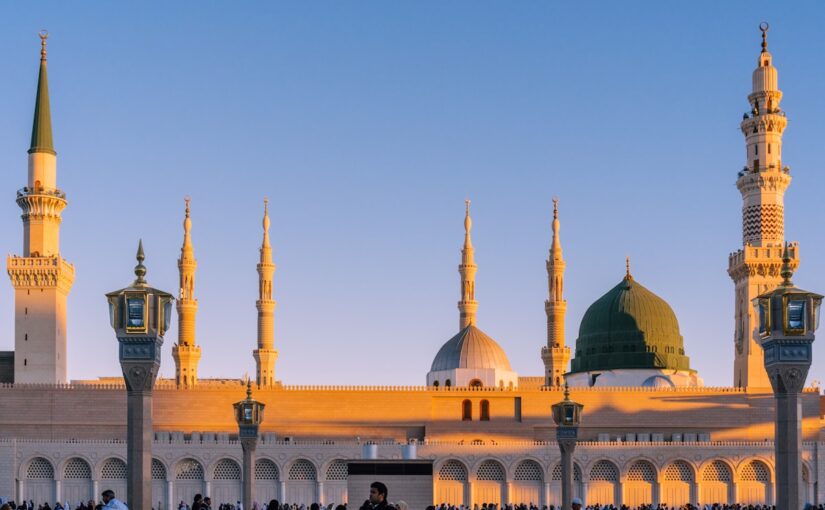
Tajdar-e-Haram – The Crown of the Sanctuary
Tajdar-e-Haram (تاجدارِ حرم) — meaning “The Crown of the Sanctuary” — is one of the most beloved and widely recited Urdu naats in the Islamic world. Composed and recited by the renowned naat khwan Owais Raza Qadri, this naat is a heartfelt tribute to Prophet Muhammad ﷺ, the beloved of Allah, the chief of all prophets, and the crown of the sacred sanctuary of Makkah and Madinah.
Owais Raza Qadri, a Pakistani naat reciter and scholar, is celebrated for his soulful voice and devotion to the Prophet ﷺ. His naats have reached millions across the globe, and Tajdar-e-Haram stands as one of his most iconic works. The naat speaks directly to the Prophet ﷺ, acknowledging his unparalleled status and expressing the deep love and reverence felt by his followers.
In this article, we present the full Urdu lyrics of Tajdar-e-Haram along with English translation and a detailed explanation of its meaning and significance.
The Meaning of Tajdar-e-Haram
The title Tajdar-e-Haram translates to “The Crown of the Sanctuary”. The word Tajdar (تاجدار) means “one who wears a crown” — a king or sovereign. Haram (حرم) refers to the sacred sanctuaries of Makkah and Madinah. Together, the phrase honours Prophet Muhammad ﷺ as the sovereign and crown of these most holy places — a king whose throne is not of this world but of divine love and spiritual eminence.
The naat emphasizes several key themes:
- The unique and unparalleled station of Prophet Muhammad ﷺ among all prophets
- The complete love and devotion owed to him by his followers
- The spiritual journey towards understanding the Prophet’s greatness
- The contrast between worldly kings and the spiritual sovereignty of the Prophet
Tajdar-e-Haram Naat Lyrics (تاجدارِ حرم نعت) — Full Urdu Text
Below is the complete Urdu text of Tajdar-e-Haram in the Arabic/Urdu script:
تاجدارِ حرم ہو تم ہی نہیں اے مکی مدنی
نہیں جس کو تمہارا پتہ وہ کسی کا نہیں
ہو تم ہی نبی ہو تم ہی ولی ہو تم ہی رسول
تم ہی ہو سارے جہاں کی کوکبِ نیکونما
دل جو تجھ سے لگا لیا اس نے سب کچھ پا لیا
دل جو تجھ سے نہ لگ سکا اس کو کچھ بھی نہ ملا
اور بھی ہیں انبیا مگر ان کا اپنا ہے مقام
تم ہو سیدِ دوعالم تم ہو شہہِ اولا
تم ہو عینِ عینِ عینِ عشقِ حق تم ہو محمدی
تم ہو شہہ تم ہو شفیع روزِ جزا تم ہو محمدی
پھر نہ پوچھو حال دل ہائے بے قرار و بے اماں
درد کی بارش ہوئی وہ بھی رواں سینے میں جاں
رات دن ہے انتظار دید کا ہو جائے جب
وہ حسین وقت جب ہم تم سے ملیں اے مکی مدنی
یا رسول اللہ یا نبی یا حبیب اللہ یا غنی
لب پہ آیا درد کا نغمہ یہی اے مکی مدنی
ہجر میں تیرے فغاں اٹھتی ہے دل سے ناگہاں
غم نہ کر تو اے فقیر وہ بھی کبھی ہوگا یہاں
درد کی شام ڈھلے گی اور تری بزم آئے گی
تاجدارِ حرم کا چاند جب چمکے گا وہاں
English Translation of Tajdar-e-Haram
Here is the English translation of each couplet, so that non-Urdu readers can also appreciate the beauty and depth of this naat:
| Urdu Couplet | English Translation |
|---|---|
| تاجدارِ حرم ہو تم ہی نہیں اے مکی مدنی نہیں جس کو تمہارا پتہ وہ کسی کا نہیں |
O (Prophet) of Makkah and Madinah, You alone are the Crown of the Sanctuary. One who does not know your address belongs to no one. |
| ہو تم ہی نبی ہو تم ہی ولی ہو تم ہی رسول تم ہی ہو سارے جہاں کی کوکبِ نیکونما |
You are the Prophet, you are the saint, you are the Messenger. You alone are the auspicious star of all the worlds. |
| دل جو تجھ سے لگا لیا اس نے سب کچھ پا لیا دل جو تجھ سے نہ لگ سکا اس کو کچھ بھی نہ ملا |
The heart that attached itself to you found everything. The heart that could not connect to you found nothing at all. |
| اور بھی ہیں انبیا مگر ان کا اپنا ہے مقام تم ہو سیدِ دوعالم تم ہو شہہِ اولا |
There are other prophets too, but each has their own station. You are the leader of both worlds, you are the king of the foremost. |
| تم ہو عینِ عینِ عینِ عشقِ حق تم ہو محمدی تم ہو شہہ تم ہو شفیع روزِ جزا تم ہو محمدی |
You are the very essence of the love of Truth, you are Muhammadi. You are the king, you are the intercessor on the Day of Recompense, you are Muhammadi. |
| پھر نہ پوچھو حال دل ہائے بے قرار و بے اماں درد کی بارش ہوئی وہ بھی رواں سینے میں جاں |
Do not ask about the state of a heart so restless and insecure. A rain of pain has fallen, and it flows within the chest like life itself. |
| رات دن ہے انتظار دید کا ہو جائے جب وہ حسین وقت جب ہم تم سے ملیں اے مکی مدنی |
Day and night we await the vision — when will that blessed time come When we meet you, O (Prophet) of Makkah and Madinah? |
| یا رسول اللہ یا نبی یا حبیب اللہ یا غنی لب پہ آیا درد کا نغمہ یہی اے مکی مدنی |
O Messenger of Allah, O Prophet, O Beloved of Allah, O Generous One. This song of pain has come to my lips, O (Prophet) of Makkah and Madinah. |
| ہجر میں تیرے فغاں اٹھتی ہے دل سے ناگہاں غم نہ کر تو اے فقیر وہ بھی کبھی ہوگا یہاں |
In your separation, laments rise unexpectedly from the heart. Do not grieve, O poor one — that day too will come. |
| درد کی شام ڈھلے گی اور تری بزم آئے گی تاجدارِ حرم کا چاند جب چمکے گا وہاں |
The evening of pain will pass, and your gathering will arrive. When the moon of the Crown of the Sanctuary shines there. |
Background and Significance
Tajdar-e-Haram was originally written and recited by Owais Raza Qadri, a prominent Pakistani naat khwan (reciter of naats) who belongs to the Qadri spiritual order. Born in 1974 in Karachi, Pakistan, Owais Raza Qadri has become one of the most recognizable voices in Islamic devotional music. His style combines traditional Urdu naat recitation with a melodic, soul-stirring delivery that appeals to audiences of all ages.
The naat draws heavily from traditional Islamic theology concerning the elevated status of Prophet Muhammad ﷺ. The opening couplet sets the tone — addressing the Prophet as the “Crown of the Sanctuary” and emphasizing that knowing him is essential to finding one’s spiritual identity. The verse “Nahi jis ko tumhara pata woh kisi ka nahi” (One who does not know your address belongs to no one) is particularly powerful, suggesting that recognition of the Prophet ﷺ is fundamental to spiritual belonging.
The naat also beautifully expresses the Sunni Islamic belief in the Prophet’s ﷺ role as intercessor (Shafi) on the Day of Judgment, referring to him as “Shafe-e-roz-e-jaza” — the intercessor on the Day of Recompense. This reflects a core theological concept in Islam where Prophet Muhammad ﷺ is granted the unique honour of interceding for his Ummah (community) on the Day of Judgment.
Another prominent theme is the pain of separation (hijr) from the Prophet ﷺ — a common motif in Islamic devotional poetry. The reciter expresses longing to visit Madinah and be in the presence of the Prophet, a sentiment shared by millions of Muslims worldwide who yearn to visit the Rawdah (the sacred chamber) in Masjid al-Nabawi.
The Poetic Style
Tajdar-e-Haram follows the traditional Urdu naat form — a genre of poetry specifically written in praise of Prophet Muhammad ﷺ. The poem uses a consistent rhyming scheme (qafiya) and metre (bahr), making it suitable for both recitation and melodic chanting. The use of direct address — speaking to the Prophet as though he is present — creates an intimate, personal connection that is characteristic of classical Urdu naat poetry.
The naat employs rich metaphorical language, including imagery of crowns, stars, moons, gardens, and sanctuaries. The Prophet ﷺ is described as the “auspicious star of all the worlds” — a light that guides humanity. The mention of “the moon of the Crown of the Sanctuary” in the final couplet reinforces the theme of spiritual illumination.
Why Tajdar-e-Haram Is So Beloved
Tajdar-e-Haram has achieved remarkable popularity across South Asia and the global Muslim diaspora for several reasons:
- Soulful melody: Owais Raza Qadri’s recitation is deeply emotional and moving, touching the hearts of listeners
- Accessible language: The Urdu is relatively simple yet profoundly meaningful, making it easy for audiences to understand and connect with
- Universal themes: Love, longing, devotion, and hope — emotions that resonate with every believer
- Strong theological foundation: The naat is rooted in authentic Islamic teachings about the Prophet’s ﷺ status and role
- Memorable refrain: The repeated address “Ae Makki Madani” (O Prophet of Makkah and Madinah) creates a rhythmic anchor that listeners remember and repeat
Listen to Tajdar-e-Haram
Tajdar-e-Haram by Owais Raza Qadri is available on all major streaming platforms including YouTube, Spotify, and Apple Music. The recitation by Owais Raza Qadri himself remains the most popular version, though many other naat khwans have also performed their own renditions. The naat has been viewed millions of times on YouTube and is regularly recited at religious gatherings, milads, and naat competitions worldwide.
Conclusion
Tajdar-e-Haram is more than just a naat — it is a heartfelt expression of love, devotion, and longing for Prophet Muhammad ﷺ. Its beautiful lyrics, profound meaning, and soulful rendition have made it a timeless classic in Islamic devotional literature. Whether you are listening to it for the first time or reciting it from memory, Tajdar-e-Haram has a way of touching the soul and bringing one closer to the beloved Prophet ﷺ.
We hope this article with full Urdu lyrics and English translation helps you understand and appreciate the depth of this beautiful naat. Share it with fellow Muslims and keep the love of the Prophet ﷺ alive in your hearts.
اللہم صل علی محمد و علی آل محمد
O Allah, send blessings upon Muhammad and upon the family of Muhammad