
Hasbi Rabbi (حسبي ربي) Full Naat Lyrics in Urdu, English Translation and Meaning

Introduction to Hasbi Rabbi

“Hasbi Rabbi” (حسبي ربي) is one of the most beloved Islamic naats of the modern era, made famous by the British-Muslim singer Sami Yusuf. The title translates to “My Lord is Sufficient for Me” — a powerful declaration of Tawheed (the oneness of Allah) and complete reliance on the Creator. The naat is built around the beautiful Arabic phrase “حسبي ربي جل الله” (Hasbi Rabbi Jallallah), which means “My Lord is sufficient for me, Glorified is Allah.”

Released as part of Sami Yusuf’s debut album Al-Mu’allim in 2003, this nasheed/naat quickly became a global phenomenon. It has been recited in homes, mosques, and Islamic events worldwide. The simple yet profound lyrics, combined with a captivating melody, have made “Hasbi Rabbi” a timeless classic in Islamic devotional music.

Background and Significance

The phrase “Hasbi Rabbi Jallallah” has deep roots in Islamic spirituality. It echoes the Quranic teaching:

“Hasbunallahu wa ni’mal wakeel” — “Allah is sufficient for us and the best disposer of affairs” (Surah Aal-e-Imran 3:173)

Sami Yusuf, born in 1980 to Azerbaijani parents, rose to fame with this very track. The naat’s universal appeal lies in its simplicity — it doesn’t require complex musical arrangements to move the heart. The repetition of Allah’s name and the declaration of His sufficiency resonates with believers across all ages and backgrounds.

Over the years, “Hasbi Rabbi” has been covered by countless artists and nasheed groups. It remains a staple at Islamic gatherings, spiritual retreats, and especially during Ramadan and Eid celebrations. The naat’s message of relying solely on Allah for all needs and protection is a fundamental Islamic concept that every Muslim can connect with.

Full Urdu Lyrics — Hasbi Rabbi Naat

Below are the complete Hasbi Rabbi naat lyrics in Urdu script:

حسبي ربي جل اللہ
ما فی قلبی غیر اللہ
نور محمد صلی اللہ
لا الہ الا اللہ

حسبي ربي جل اللہ
ما فی قلبی غیر اللہ
نور محمد صلی اللہ
لا الہ الا اللہ

حسبي ربي جل اللہ
ما فی قلبی غیر اللہ
نور محمد صلی اللہ
لا الہ الا اللہ

اللہ اللہ اللہ اللہ
نور محمد صلی اللہ
اللہ اللہ اللہ اللہ
لا الہ الا اللہ

اللہ اللہ اللہ اللہ
نور محمد صلی اللہ
اللہ اللہ اللہ اللہ
لا الہ الا اللہ

حسبي ربي جل اللہ
ما فی قلبی غیر اللہ
نور محمد صلی اللہ
لا الہ الا اللہ

Roman Urdu Transliteration

For those who cannot read Arabic/Urdu script, here is the Roman Urdu transliteration:

Verse 1:
Hasbi Rabbi Jallallah
Ma fi qalbi ghairullah
Noor-e-Muhammad Sallallahu
La ilaha illallah

Verse 2:
Hasbi Rabbi Jallallah
Ma fi qalbi ghairullah
Noor-e-Muhammad Sallallahu
La ilaha illallah

Verse 3:
Hasbi Rabbi Jallallah
Ma fi qalbi ghairullah
Noor-e-Muhammad Sallallahu
La ilaha illallah

Chorus:
Allah, Allah, Allah, Allah
Noor-e-Muhammad Sallallahu
Allah, Allah, Allah, Allah
La ilaha illallah

Repeat Chorus

Final Verse:
Hasbi Rabbi Jallallah
Ma fi qalbi ghairullah
Noor-e-Muhammad Sallallahu
La ilaha illallah

English Translation — Verse by Verse

Here is the meaning of each line in English:

Hasbi Rabbi Jallallah

“My Lord is sufficient for me. Glorified is Allah.”
This opening line is the heart of the naat. “Hasbi” comes from the Arabic root meaning “sufficiency.” The believer declares that Allah alone is enough — enough for protection, enough for provision, enough for everything. “Jallallah” is an exclamation of Allah’s majesty and glory.

Ma fi qalbi ghairullah

“There is nothing in my heart except Allah.”
This line speaks of pure Tawheed — the purification of the heart from all attachments except the love of Allah. It is a state of spiritual excellence where the heart is emptied of worldly distractions and filled entirely with devotion to the Creator.

Noor-e-Muhammad Sallallahu

“The light of Muhammad, peace be upon him.”
This refers to the concept of Nur-e-Muhammadi — the primordial light of the Prophet Muhammad, which according to Islamic tradition was the first creation of Allah. It is through this blessed light that all of creation came into being. The addition of the blessing shows reverence and love for the Prophet.

La ilaha illallah

“There is no god but Allah.”
The most fundamental declaration in Islam — the Kalimah Tayyibah. It is the essence of Tawheed, the first pillar of faith, and the key to Paradise. This phrase is the foundation upon which the entire religion of Islam is built.

Allah, Allah, Allah, Allah

“Allah, Allah, Allah, Allah”
The beautiful repetition of Allah’s name — a form of Dhikr (remembrance of Allah). The repetition helps the heart focus and find peace through the remembrance of the Divine. This is a common practice in Islamic spirituality, rooted in the Quranic command: “Remember Allah with much remembrance” (Surah Al-Ahzab 33:41).

Meaning and Spiritual Message

The profound spiritual message of “Hasbi Rabbi” can be summarized in three key themes:

1. Tawheed — The Oneness of Allah

The naat revolves entirely around the concept of Tawheed. From the opening declaration “Hasbi Rabbi” (My Lord is sufficient for me) to the powerful “La ilaha illallah” (There is no god but Allah), the entire composition is a celebration of the oneness of the Creator. It reminds the believer that true sufficiency, peace, and fulfillment are found only in Allah.

2. Love for the Prophet

The line “Noor-e-Muhammad Sallallahu” beautifully combines love for the Prophet with the declaration of Allah’s oneness. In Islamic spirituality, love for the Prophet is an essential part of faith. The Prophet said: “None of you truly believes until I am more beloved to him than his father, his child, and all of mankind.” This naat expresses that love in its purest form.

3. Dhikr — Remembrance of Allah

The repeated chanting of “Allah, Allah” in the chorus is a form of Dhikr that helps believers connect with their Creator. The Quran says: “Verily, in the remembrance of Allah do hearts find rest” (Surah Ar-Ra’d 13:28). This naat serves as both a devotional song and a spiritual exercise — a way to purify the heart and draw closer to Allah.

When and Where It Is Commonly Recited

“Hasbi Rabbi” has become an integral part of Islamic devotional practice across the globe. It is most commonly recited in the following settings:

  • During Ramadan: The naat is frequently played during iftar gatherings, Tarawih breaks, and Ramadan spiritual programs.
  • Mawlid al-Nabi (Eid Milad-un-Nabi): Celebrations of the Prophet’s birth often feature this naat prominently.
  • Eid al-Fitr and Eid al-Adha: Family gatherings and community events during Eids include this uplifting naat.
  • Spiritual retreats and Halaqas: Islamic study circles often begin or end with this naat to create a spiritually charged atmosphere.
  • Morning and evening routines: Many Muslims listen to Hasbi Rabbi as part of their daily adhkar (remembrances).
  • Educational institutions: Islamic schools and madrasas teach this naat to students for morning assemblies and events.
  • Online and social media: The naat has millions of views on YouTube and is widely shared across Islamic content platforms.

Conclusion

“Hasbi Rabbi (Hasbi Rabbi)” is more than just a beautiful melody — it is a spiritual masterpiece that encapsulates the very essence of Islamic faith. The combination of Tawheed, love for the Prophet, and the power of Dhikr makes it a transformative experience for listeners. Whether you are hearing it for the first time or the hundredth time, its message penetrates the heart and reminds us of the ultimate truth: Allah is sufficient for us, and there is no deity worthy of worship except Him.

May Allah bless us with the ability to internalize the message of this beautiful naat and live our lives in complete reliance on Him alone. Ameen.


Keywords: Hasbi Rabbi, Hasbi Rabbi naat, Hasbi Rabbi lyrics, Sami Yusuf naat, Islamic nasheed, Urdu naat lyrics, Arabic naat translation, Hasbi Rabbi Jallallah meaning, Islamic devotional music


Mustafa Jaan e Rehmat – مصطفیٰ جانِ رحمت Naat Lyrics in Urdu, Roman & English

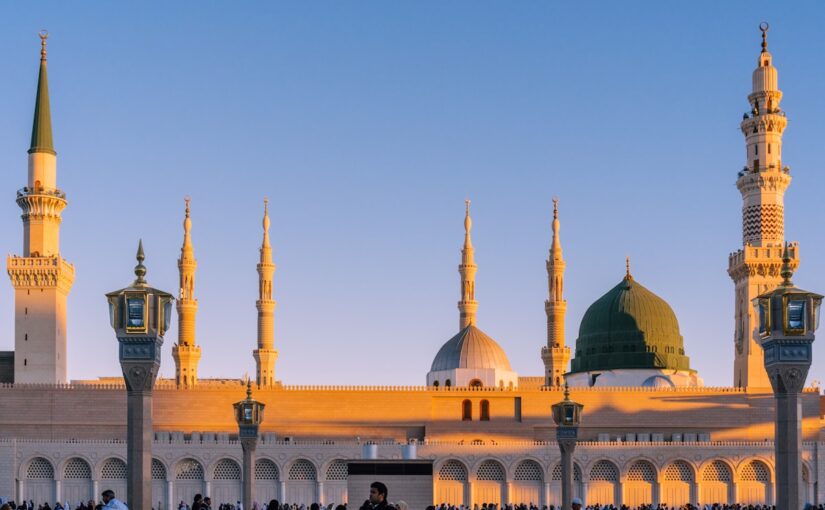
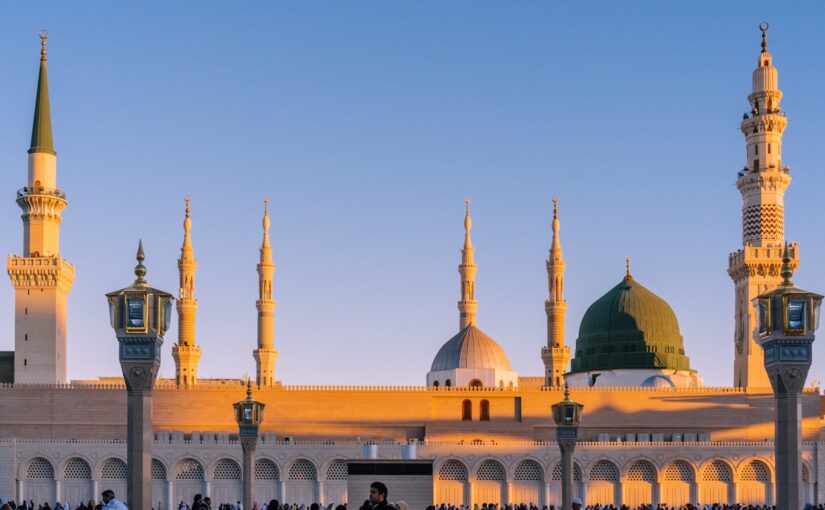
Beautiful mosque architecture at sunset

Mustafa Jaan-e-Rehmat – The Beloved Mercy of the Universe

“Mustafa Jaan-e-Rehmat” (مصطفیٰ جانِ رحمت) is one of the most beloved and widely recited naats in the Islamic world. Meaning “Mustafa (the Chosen One), the very life and soul of mercy,” this naat is a heartfelt tribute to Prophet Muhammad ﷺ, celebrating his exalted status as the most merciful being ever sent to humanity. The lyrics overflow with love, reverence, and longing for the Prophet, making it a staple in every Mehfil-e-Naat across South Asia, the Middle East, and beyond.

The title itself, “Mustafa Jaan-e-Rehmat,” beautifully encapsulates the essence of the Prophet ﷺ — he is not just a messenger but the embodiment of mercy itself. The word “Jaan” (soul/life) signifies that mercy is inseparable from his being; it is his very essence. This naat has been rendered by countless renowned naat khawans including Qari Waheed Zafar Qasmi, Owais Raza Qadri, and many others, each bringing their unique soulful melody to these timeless words.

Urdu Lyrics (اردو lyrics)

Below are the complete Urdu lyrics of “Mustafa Jaan-e-Rehmat”:

مصطفیٰ جانِ رحمت پہ لاکھوں سلام
شمعِ رسالت پہ لاکھوں سلام

ذرہ ذرہ ہے گواہ ان کے کمالات کا
آفتاب و ماہ گواہ ان کے جلالات کا

وہ رحمت للعالمین، رحمتِ دو جہاں
ان کے صدقے میں ہے یہ سارا جہاں

ہر نبی سے وہ افضل، سخی بھی وہ ہے
دین و دنیا کا حاصل، نبی بھی وہ ہے

جو خدا کے محبوب، وہ ہیں محمد ﷺ
ان پہ درود و سلام، لاکھوں درود و سلام

بے کسوں کے والی، غمگساروں کے سہارے
مانگتے ہیں سب درِ مصطفیٰ سے

ان کے در کا بھکاری دولتمندوں کا سردار
جو بھی آیا اس در سے، خالی نہ گیا

مصطفیٰ جانِ رحمت پہ لاکھوں سلام
شمعِ رسالت پہ لاکھوں سلام

مدینے کا وہ شہر، جہاں رحمتیں برستی ہیں
جہاں کے ذرّے ذرّے پہ رحمتِ حق ہے

جس نے ایک بار دیکھ لیا اس شہر کو
اس کی زندگی بدل جاتی ہے، سنور جاتی ہے

اے مصطفیٰ، اے جانِ رحمت
تم پہ سلام، لاکھوں سلام، بے حساب سلام

Roman Urdu Transliteration

For those who cannot read Urdu script, here is the Roman Urdu transliteration:

Mustafa jaan-e-rehmat pe laakhon salaam
Sham-e-risaalat pe laakhon salaam

Zarra zarra hai gawah un ke kamaalaat ka
Aaftaab o maah gawah un ke jalaalaat ka

Woh rahmatul lil aalameen, rahmat-e-doo jahan
Un ke sadqe mein hai yeh saara jahan

Har nabi se woh afzal, sakhi bhi woh hai
Deen o duniya ka haasil, nabi bhi woh hai

Jo Khuda ke mehboob, woh hain Muhammad ﷺ
Un pe durood o salaam, laakhon durood o salaam

Bekason ke waali, ghamgusaaron ke sahaare
Maangte hain sab dar-e-Mustafa se

Un ke dar ka bhikari dolatmandon ka sardar
Jo bhi aaya is dar se, khaali na gaya

Mustafa jaan-e-rehmat pe laakhon salaam
Sham-e-risaalat pe laakhon salaam

Madine ka woh shahr, jahan rahmatein barasti hain
Jahan ke zarre zarre pe rahmat-e-haq hai

Jis ne ek baar dekh liya us shahr ko
Uski zindagi badal jaati hai, sanwar jaati hai

Aye Mustafa, aye jaan-e-rehmat
Tum pe salaam, laakhon salaam, be-hisaab salaam

English Translation (Line by Line)

Mustafa (the Chosen One), the very soul of mercy — millions of salutations upon you
The lamp of prophethood — millions of salutations upon you

Every single atom bears witness to your perfect qualities
The sun and the moon bear witness to your majesty and glory

He is a mercy to all the worlds, mercy for both realms (this world and the Hereafter)
This entire universe exists by virtue of him

He is more excellent than all prophets, and he is the most generous
He is the ultimate goal of both faith and the world, and he is the Prophet

He who is the beloved of God — he is Muhammad ﷺ
Upon him be blessings and peace — millions of blessings and peace

Guardian of the helpless, support of the grief-stricken
Everyone begs at the door of Mustafa

The beggar at his door becomes the leader of the wealthy
Whoever came to this door, never left empty-handed

Mustafa, the soul of mercy — millions of salutations upon you
The lamp of prophethood — millions of salutations upon you

That city of Madinah, where mercies shower down
Every single particle of it is covered by the mercy of God

Whoever has laid eyes upon that city even once
Their life transforms completely, their life becomes beautiful

O Mustafa, O soul of mercy
Upon you be peace — millions of salutations, countless salutations

Meaning and Background

The naat “Mustafa Jaan-e-Rehmat” is steeped in deep Islamic spirituality and the rich tradition of Naat poetry in Urdu. The phrase “Mustafa” (مصطفیٰ) means “the Chosen One” — one of the most beloved names of Prophet Muhammad ﷺ. Combined with “Jaan-e-Rehmat” (soul of mercy), the title captures the Islamic belief that the Prophet ﷺ was sent as a mercy not just to humanity, but to all of creation.

The Qur’an itself declares the Prophet’s ﷺ role as a universal mercy in Surah Al-Anbiya (21:107):

“And We have not sent you, [O Muhammad], except as a mercy to the worlds.”

This verse is the foundational basis of the naat. The poet beautifully expands upon this theme, showing how the Prophet’s ﷺ mercy encompasses every atom of existence — from the smallest particle (zarra) to the sun and moon (aaftaab o maah). The imagery is cosmic in scale, reflecting the universal reach of the Prophet’s ﷺ blessings.

Key Themes Explored in the Naat:

  • Universal Mercy (Rahmatul lil Aalameen): The Prophet ﷺ as a mercy for all creation, not just Muslims or humans, but the entire cosmos.
  • Prophetic Excellence (Afzaliyat): The belief that Prophet Muhammad ﷺ is the most superior of all prophets, a core tenet of Islamic faith.
  • Generosity and Intercession (Sakhaawat aur Shafa’at): The Prophet’s ﷺ unparalleled generosity — no one who turns to him with sincerity leaves empty-handed. This alludes to the concept of intercession on the Day of Judgment.
  • Love for Madinah: A recurring theme in naat poetry, expressing deep longing and reverence for the blessed city where the Prophet ﷺ is buried.
  • Spiritual Transformation: The idea that even a single glance or connection with the Prophet ﷺ or his city can transform a person’s entire life.

The Power of Salam (Salutations):

The recurring refrain “Laakhon Salaam” (millions of salutations) is not mere repetition — it reflects the infinite nature of the love Muslims hold for their Prophet. In Islamic tradition, sending salutations (salawat/durud) upon the Prophet ﷺ is both a commandment from Allah and a deeply spiritual act that brings the believer closer to their beloved Prophet. The Prophet ﷺ himself said, “Whoever sends one salutation upon me, Allah sends ten upon him” (Sahih Muslim).

Literary and Poetic Merit:

This naat employs several poetic devices that elevate it in the Urdu naat tradition:

  • Takrar (Repetition): The repeated “Laakhon Salaam” creates a hypnotic, meditative quality perfect for collective recitation.
  • Tashbih (Simile): The Prophet ﷺ is compared to a lamp (shama) — a source of light and guidance in darkness.
  • Mubaligha (Hyperbole): Cosmic imagery (sun, moon, every atom) emphasizes the infinite scope of the Prophet’s ﷺ greatness.
  • Radeef aur Qafiya: The consistent rhyme scheme makes it musically beautiful and easy to memorize.

Occasions for Recitation:

“Mustafa Jaan-e-Rehmat” is recited on virtually every occasion where naat is performed:

  • Weekly Mehfil-e-Naat gatherings
  • Eid Milad-un-Nabi ﷺ celebrations
  • Eid ul-Fitr and Eid ul-Adha gatherings
  • Urs (death anniversaries) of Sufi saints
  • Marriage ceremonies (as spiritual interlude)
  • Daily personal recitation for spiritual connection

Popular Renditions:

This naat has been performed by many legendary naat khawans. Some of the most beloved renditions include:

  • Qari Waheed Zafar Qasmi — known for his deeply emotional and powerful recitation style
  • Owais Raza Qadri — brings a soulful, melodious quality
  • Mohammad Farhan Ali Qadri — a more contemporary, youthful rendition
  • Junaid Jamshed — the late pop star turned Islamic singer recorded a beautiful version

Each rendition brings its own flavor, yet the core message remains unchanged: an outpouring of love and reverence for the most beloved of Allah’s creation — Prophet Muhammad ﷺ.

The Spiritual Significance of Naat

Naat poetry occupies a special place in Islamic spirituality. Unlike other forms of poetry, naat is considered a form of worship (ibadat) when recited with sincerity and love for the Prophet ﷺ. The great Sufi masters have always emphasized that love for the Prophet ﷺ is the gateway to love for Allah. As the famous saying goes: “Whoever loves my Sunnah, loves me. And whoever loves me, will be with me in Paradise.”

“Mustafa Jaan-e-Rehmat” captures this profound spiritual truth in every verse. It reminds us that the Prophet ﷺ is not a figure of the distant past but a living presence whose mercy and intercession are accessible to believers at all times. The salutations (salam) we send reach him, as the Prophet ﷺ said: “There is no one who sends salutations upon me except that his salutation is brought to me” (Sunan Abu Dawud).

May we all be blessed with the true love of Mustafa ﷺ and the ability to send countless salutations upon him. Ameen.

مصطفیٰ جانِ رحمت پہ لاکھوں سلام
شمعِ رسالت پہ لاکھوں سلام

Tajdar-e-Haram (تاجدارِ حرم) – Full Naat Lyrics in Urdu, English Translation and Meaning

Tajdar-e-Haram – The Crown of the Sanctuary

Tajdar-e-Haram (تاجدارِ حرم) — meaning “The Crown of the Sanctuary” — is one of the most beloved and widely recited Urdu naats in the Islamic world. Composed and recited by the renowned naat khwan Owais Raza Qadri, this naat is a heartfelt tribute to Prophet Muhammad ﷺ, the beloved of Allah, the chief of all prophets, and the crown of the sacred sanctuary of Makkah and Madinah.

Owais Raza Qadri, a Pakistani naat reciter and scholar, is celebrated for his soulful voice and devotion to the Prophet ﷺ. His naats have reached millions across the globe, and Tajdar-e-Haram stands as one of his most iconic works. The naat speaks directly to the Prophet ﷺ, acknowledging his unparalleled status and expressing the deep love and reverence felt by his followers.

In this article, we present the full Urdu lyrics of Tajdar-e-Haram along with English translation and a detailed explanation of its meaning and significance.

Continue reading Tajdar-e-Haram (تاجدارِ حرم) – Full Naat Lyrics in Urdu, English Translation and Meaning

An Nabi Sallu Alaih (النبی صلوا علیہ) – Complete Urdu Lyrics & English Translation

Introduction

“An Nabi Sallu Alaih” (اَلنَّبِی صَلُّو عَلَیہ) — also widely known as “Sallu Ala Nabi” (صلو علی النبی) — is one of the most beloved and frequently recited naats in the Urdu-speaking world. Made famous by the soulful voice of Tayyab Raza Qadri, this naat has become a staple in mehfils, mosques, and spiritual gatherings across Pakistan, India, Bangladesh, and the global Muslim diaspora.

The naat is a powerful call to send salutations (durood) upon the Prophet Muhammad ﷺ. Its refrain — “An Nabi Sallu Alaih, Salawatullah Alaih” — echoes the Qur’anic command in Surah Al-Ahzab (33:56): “Indeed, Allah and His angels send blessings upon the Prophet. O you who believe, send blessings upon him and greet him with peace.”

What makes this naat particularly special is its emotional depth. It doesn’t just praise the Prophet ﷺ; it expresses a deep personal longing — a desire to be close to him, to be forgiven through his intercession, and to find peace in his remembrance. The repeated refrain of “Ya Rasulallah, Ya Habiballah” (O Messenger of Allah, O Beloved of Allah) is a cry of love that resonates with millions.

In this article, we bring you the complete Urdu lyrics of “An Nabi Sallu Alaih” along with their English translation and the deeper meaning behind this timeless devotional masterpiece.

Background and Significance

“An Nabi Sallu Alaih” is more than just a naat — it is a devotional practice. The act of reciting durood (salutations) upon the Prophet ﷺ carries immense spiritual reward. The Prophet ﷺ himself said: “Whoever sends one blessing upon me, Allah sends ten blessings upon him.” (Sahih Muslim)

This naat beautifully combines Arabic and Urdu verses. The Arabic portions call upon all present to send salutations, while the Urdu verses express the poet’s personal devotion. The phrase “Tum Pe Karoron Durood” (Thousands of millions of blessings upon you) is repeated throughout, emphasizing the boundless love and reverence Muslims hold for their Prophet.

The naat also references key events and attributes of the Prophet ﷺ:

  • Shaqqul Qamar (splitting of the moon) — one of the Prophet’s ﷺ greatest miracles
  • Kaabe ke Badrud Duja — referring to the Prophet as the full moon of the Kaaba
  • Tayba ke Shamsud Duha — referring to him as the sun of brightness in Madina
  • Shafi-e-Roze Jaza — his role as intercessor on the Day of Judgment
  • Dafe Jumla Bala — the remover of all calamities

The naat was popularized in the modern era by Tayyab Raza Qadri, whose melodious rendition touches the hearts of listeners. Many other renowned naat reciters — including Owais Raza Qadri, Amjad Sabri, and Farhan Ali Qadri — have also performed this kalam, each bringing their unique style to this beloved composition.

Full Lyrics in Urdu (اَلنَّبِی صَلُّو عَلَیہ — مکمل اردو میں)

یا رسول اللّٰہ یا رسول اللّٰہ
یا حبیب اللّٰہ یا حبیب اللّٰہ

اَلنَّبِی صَلُّو عَلَیہ صَلَواۃُ اللّٰہ عَلَیہ
وَ یَنَالُ البَرَکاۃ کُلُّ مَن صَلّٰی عَلَیہ

اَلنَّبِی صَلُّو عَلَیہ صَلَواۃُ اللّٰہ عَلَیہ
وَ یَنَالُ البَرَکاۃ کُلُّ مَن صَلّٰی عَلَیہ

اَلنَّبِی یا حَاضِرِین اِعلَمُو عِلمَ الیقین
اَنَّ رَبُّ العَالَمِین فَرَضٰی صَلّٰی عَلَیہ

اللّٰہ اللّٰہ اللّٰہ اللّٰہ اللّٰہ اللّٰہ اللّٰہ اللّہ

اَلنَّبِی صَلُّو عَلَیہ صَلَواۃُ اللّٰہ عَلَیہ
وَ یَنَالُ البَرَکاۃ کُلُّ مَن صَلّٰی عَلَیہ

کعبے کے بدرالدجا تم پہ کروڑوں درود
طیبہ کے شمس الضحیٰ تم پہ کروڑوں درود
شافعٔ روز جزا تم پہ کروڑوں درود
دافعٔ جملہ بلا تم پہ کروڑوں درود

یا رسول اللّٰہ یا رسول اللّٰہ
یا حبیب اللّٰہ یا حبیب اللّٰہ

اَلنَّبِی یا مَن حَضَر اَلنَّبِی خَیرُ البشر
مَن لَّہٗ شَقُّ القَمَر وَ نَزِل سَلَّم عَلَیہ

اللّٰہ اللّٰہ اللّٰہ اللّٰہ اللّٰہ اللّٰہ اللّٰہ اللّہ

دل کرو ٹھنڈا میرا وہ کف پا چاند سا
سینے پر رکھ دو ذرا تم پہ کروڑوں درود
ذات ہوئی انتخاب وصف ہوئے لاجواب
نام ہوا مصطفیٰ تم پہ کروڑوں درود

یا رسول اللّٰہ یا رسول اللّٰہ
یا حبیب اللّٰہ یا حبیب اللّٰہ

اَلنَّبِی ذَاڪ العَرُوس ذِکرُہٗ یُحیِی النَفُوس
اَلنَّصَارٰ وَالمَجُوس اَسّلَمُو عَلٰی یَدَیہ

اللّٰہ اللّٰہ اللّٰہ اللّٰہ اللّٰہ اللّٰہ اللّٰہ اللّہ

بے ہنر بے تمیز کس کو ہوئے ہیں عزیز
ایک تمہارے سوا تم پہ کروڑوں درود
آس ہے کوئی نہ پاس اک تمہاری ہے آس
بس یہی آسرا تم پہ کروڑوں درود

یا رسول اللّٰہ یا رسول اللّٰہ
یا حبیب اللّٰہ یا حبیب اللّٰہ

سینہ ہے کہ داغ داغ کہہ دو کرے باغ باغ
طیبہ سے آکے صبا تم پہ کروڑوں درود

یا رسول اللّٰہ یا رسول اللّٰہ
یا حبیب اللّٰہ یا حبیب اللّٰہ

اَلنَّبِی صَلُّو عَلَیہ صَلَواۃُ اللّٰہ عَلَیہ
وَ یَنَالُ البَرَکاۃ کُلُّ مَن صَلّٰی عَلَیہ

تم سے جہاں کا نظام تم پہ کروڑوں درود
تم پہ کروڑوں ثنا تم پہ کروڑوں درود
تم ہو جوادو کریم تم ہو رؤوفو رحیم
بھیک ہو داتا عطا تم پہ کروڑوں درود

خلق کے حاکم ہو تم رزق کے قاسم ہو تم
تم سے ملا جو ملا تم پہ کروڑوں درود
نافی و دافع ہو تم شافی و رافع ہو تم
تم سے بس افزوں خدا تم پہ کروڑوں درود

بارش کرم کی بھرے بھولے نعم کے چمن
ایسی چلا دو ہوا تم پہ کروڑوں درود
کیوں کہوں بے کس ہوں میں کیوں کہوں بے بس ہوں میں
تم ہو میں تم پہ فدا تم پہ کروڑوں درود

یا رسول اللّٰہ یا رسول اللّٰہ
یا حبیب اللّٰہ یا حبیب اللّٰہ

اَلنَّبِی ذَاڪ المَلِیح قَولُہٗ قَولٌ صَحِیح
وَالقُرآن شَیئٌ فَصِیح الَّذِی اُنزِل عَلَیہ

اللّٰہ اللّٰہ اللّٰہ اللّٰہ اللّٰہ اللّٰہ اللّٰہ اللّہ

کرکے تمہارے گناہ مانگے تمہاری پناہ
تم کہو دامن میں آ تم پہ کروڑوں درود
ہم نے خطا میں نہ کی تم نے عطا میں نہ کی
کوئی کمی سرورا تم پہ کروڑوں درود

آنکھ عطا کیجیے اس میں ضیا کیجیے
جلد قریب آگیا تم پہ کروڑوں درود
کام وہ لے لیجیے تم کو جو راضی کرے
ٹھیک ہے نامہ رضا تم پہ کروڑوں درود

یا رسول اللّٰہ یا رسول اللّٰہ
یا حبیب اللّٰہ یا حبیب اللّٰہ

وَالحَسَن تُمَّ الحُسَین لِی رَیحَانَتَین
فَاطِمَہ قُرَّۃُ العَین جَدُّہُم صَلُّو عَلَیہ

اللّٰہ اللّٰہ اللّٰہ اللّٰہ اللّٰہ اللّٰہ اللّٰہ اللّہ

یہ عبید ادنیٰ غلام تیرا ہے خیر الانام
وقت مدحت کے لیے اس کی ہو عمر تمام

یا رسول اللّٰہ یا رسول اللّٰہ
یا حبیب اللّٰہ یا حبیب اللّٰہ

English Translation (Verse by Verse)

Below is the English translation of “An Nabi Sallu Alaih” verse by verse:

Verse (Romanized) English Translation
Ya Rasulallah, Ya Rasulallah
Ya Habiballah, Ya Habiballah
O Messenger of Allah! O Messenger of Allah!
O Beloved of Allah! O Beloved of Allah!
An Nabi Sallu Alaih, Salawatullah Alaih
Wa Yanaalul Baraka, Kullu Man Salla Alaih
O Prophet, send blessings upon him, Allah’s blessings be upon him
And whoever sends blessings upon him attains blessings
An Nabi Ya Hadireen, Ilamu Ilmal Yaqeen
Anna Rabbal Alameen, Wa Rala Salla Alaih
O Prophet! O those present! Know with certainty of knowledge
That the Lord of the Worlds has ordained to send blessings upon him
Kaabe Ke Badrud Duja, Tum Pe Karoron Durood
Tayba Ke Shamsud Duha, Tum Pe Karoron Durood
O full moon of the Kaaba’s darkness, millions of blessings upon you
O sun of brightness of Tayba (Madina), millions of blessings upon you
Shafiye Roze Jaza, Tum Pe Karoron Durood
Dafeye Jumla Bala, Tum Pe Karoron Durood
O intercessor on the Day of Recompense, millions of blessings upon you
O remover of all calamities, millions of blessings upon you
An Nabi Ya Man Hadar, An Nabi Khairul Bashar
Man Lahu Shaqqul Qamar, Wa Nazil Sallim Alaih
O Prophet, O the one who is present, O Prophet, the best of humankind
For whom the moon was split — send peace upon him
Dil Karo Thandha Mera Wo Kafe Pa Chaand Sa
Seene Pe Rakdo Zara, Tum Pe Karoron Durood
Cool my heart with that moon-like footstep
Place it on my chest just a little — millions of blessings upon you
Zaat Hui Intikhab, Wasf Huwe La Jawab
Naam Huwa Mustafa, Tum Pe Karoron Durood
Your being was chosen, your attributes are matchless
Your name became Mustafa (the Chosen One) — millions of blessings upon you
Be Hunar Be Tameez Kis Ke Huwe Hain Azeez
Ik Tumhare Siwa, Tum Pe Karoron Durood
Who else is precious to the unskilled and the rude?
No one except you — millions of blessings upon you
Aas Hai Koi Na Paas, Ik Tumhari Hai Aas
Bas Yahi Aasra, Tum Pe Karoron Durood
There is no hope nearby, only hope in you
This is our only support — millions of blessings upon you
Tum Se Jahan Ka Nizam, Tum Pe Karoron Durood
Tum Pe Karoron Sana, Tum Pe Karoron Durood
The universe’s order is through you — millions of blessings upon you
Millions of praises upon you, millions of blessings upon you
An Nabi Dhakal Maleeh, Qawaluhu Qawlu Saheeh
Wal Quran Shaiun Faseeh, Alladee Unzil Alaih
O Prophet of beautiful character, whose speech is true speech
And the Quran is an eloquent discourse that was revealed to him
Wal Hasan Tummal Husain, Lin Raihaanatain
Fathima Qurratu Ayn, Jadduhum Sallo Alaih
And Hasan and Husain are two sweet basil flowers
Fatima is the delight of the eye — their grandfather, send blessings upon him
Ye Ubaid Adna Ghulam, Tera Hai Khairul Anam
Waqt Midhat Ke Liye, Is Ki Ho Umr Tamam
This Ubaid is a lowly slave, yours, O Best of Creation
May his entire life be spent in praise of you

The Deeper Meaning

At its heart, “An Nabi Sallu Alaih” is a naat about longing and love. The poet, Ubaid (whose pen name appears in the final verse), expresses a profound yearning for the Prophet’s ﷺ presence. The line “Dil Karo Thandha Mera Wo Kafe Pa Chaand Sa / Seene Pe Rakdo Zara” is particularly moving — it asks the Prophet to place his blessed feet on the poet’s chest, a metaphor for the spiritual peace that comes from closeness to the Prophet ﷺ.

The repeated phrase “Tum Pe Karoron Durood” is not just a refrain but a meditation. Each repetition deepens the spiritual connection, reminding the listener that no amount of blessings is ever enough for the one who was sent as a mercy to all worlds (Rahmatan Lil Alameen).

The naat also acknowledges human weakness and the need for intercession. Lines like “Karke Tumhare Gunaah, Maange Tumhari Panaah” (Having committed sins, we seek your shelter) reflect the humility of the believer who recognizes their shortcomings but finds hope in the Prophet’s ﷺ mercy and intercession.

There is also a beautiful reference to the Prophet’s ﷺ family — Hasan, Husain, and Fatima — reminding us that love for the Prophet ﷺ is inseparable from love for his blessed household (Ahl al-Bayt).

Why This Naat Resonates So Deeply

Several factors contribute to the immense popularity of “An Nabi Sallu Alaih”:

  1. Universal Theme: The act of sending durood is a core Islamic practice. This naat makes it musical and emotional, transforming a religious obligation into a heartfelt expression of love.
  2. Bilingual Beauty: The seamless blend of Arabic (the language of revelation) and Urdu (the language of the heart for South Asian Muslims) makes it accessible to a wide audience.
  3. Emotional Progression: The naat begins with a call to send blessings, moves through praise and descriptions of the Prophet’s ﷺ attributes, then deepens into personal longing and confession, and ends with a prayer for the poet’s life to be spent in praise.
  4. Melodious Renditions: Tayyab Raza Qadri’s rendition, with its soft, emotional delivery, has made this naat a favorite across generations. It is equally popular on YouTube, TikTok, and in live mehfils.

Conclusion

“An Nabi Sallu Alaih” is more than a naat — it is a spiritual journey. From the opening call of “Ya Rasulallah” to the closing prayer for a life spent in praise, it takes the believer through love, longing, humility, and hope. Every verse is a thread in the fabric of devotion, woven together by the central act of sending blessings upon the Prophet Muhammad ﷺ.

Whether you recite it, listen to it, or simply reflect on its meaning, this naat has the power to transform your spiritual state. As the poet says: “Tum Se Jahan Ka Nizam, Tum Pe Karoron Durood” — the order of the universe is through you, so upon you be millions of blessings.

May we all be blessed to recite durood in abundance and be among those who receive the Prophet’s ﷺ intercession on the Day of Judgment. Ameen.