
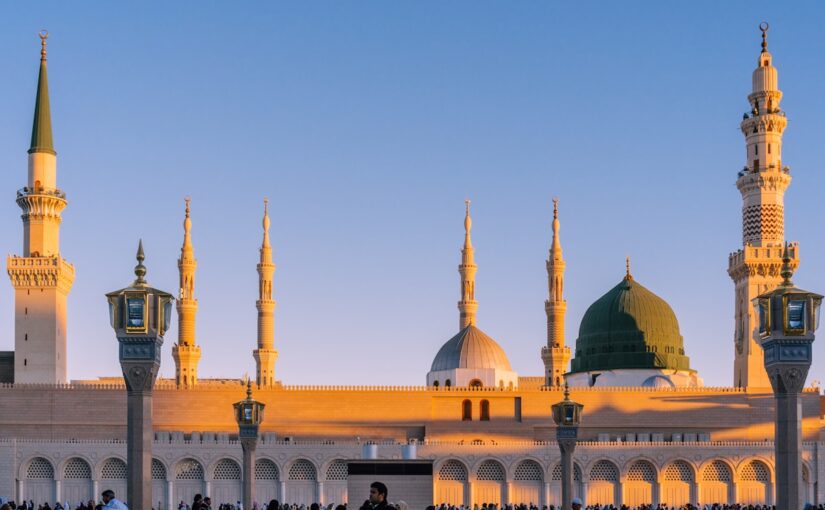
Tajdar-e-Haram (تاجدارِ حرم) is one of the most beloved and spiritually uplifting naats in the Islamic world. This beautiful composition, popularised by the acclaimed naat khwan Owais Raza Qadri, is a heartfelt tribute to Prophet Muhammad (peace be upon him). The title translates to “The Crown of the Haram” – a reference to the Prophet’s supreme status as the crown of the sacred sanctuary. The naat has touched millions of hearts across the globe and is recited in Mehfil-e-Milaad gatherings, at mosques, and in personal devotion. Its powerful lyrics express love, devotion, and the deep yearning to be in the blessed presence of the Prophet.
Full Urdu Lyrics of Tajdar-e-Haram
Below are the complete lyrics of Tajdar-e-Haram in Urdu script. Each verse is presented as it is traditionally recited.
Verse 1
تاجدارِ حرم اے تاجدارِ حرم
اپنے در سے نہ مجھ کو نکال ساقیِ کوثر
تاجدارِ حرم اے تاجدارِ حرم
مجھ کو بخشش کا اک ذریعہ بتا دے ساقیِ کوثر
تاجدارِ حرم اے تاجدارِ حرم
مجھے درکار ہے اک جھلک تیرے دیدار کی
تاجدارِ حرم اے تاجدارِ حرم
تیری چوکھٹ پہ ہیں سب کے سب در بہ در
Verse 2
جو تجھ کو پا لے وہ کھو نہیں سکتا
جو تجھ سے جا لگے وہ رو نہیں سکتا
تیرے در کا فقیر بن جاوں تو کیا بات ہے
تیری محبت میں جیوں اور مروں تو کیا بات ہے
تاجدارِ حرم اے تاجدارِ حرم
اپنے در سے نہ مجھ کو نکال ساقیِ کوثر
Verse 3
مدینے کی گلیوں میں اک روز آؤں گا
تیرے قدموں کی خاک اپنی آنکھوں میں لگاؤں گا
تیری محفل میں جا کے میں بیٹھوں گا
تیرے در پہ جا کے میں سر جھکاؤں گا
تاجدارِ حرم اے تاجدارِ حرم
مجھ کو بخشش کا اک ذریعہ بتا دے ساقیِ کوثر
Chorus (Refrain)
تاجدارِ حرم اے تاجدارِ حرم
تیری چوکھٹ پہ ہیں سب کے سب در بہ در
تاجدارِ حرم اے تاجدارِ حرم
اپنے در سے نہ مجھ کو نکال ساقیِ کوثر
English Translation of Tajdar-e-Haram
Verse 1 Translation
O Crown of the Haram, O Crown of the Haram
Do not turn me away from your door, O Saqi of Kawthar
O Crown of the Haram, O Crown of the Haram
Show me some means of forgiveness, O Saqi of Kawthar
O Crown of the Haram, O Crown of the Haram
I seek just one glimpse of your blessed sight
O Crown of the Haram, O Crown of the Haram
At your threshold, everyone stands as a humble beggar
Verse 2 Translation
Whoever finds you can never be lost
Whoever clings to you can never weep
If I become a beggar at your door, what a blessing
If I live and die in your love, what a blessing
O Crown of the Haram, O Crown of the Haram
Do not turn me away from your door, O Saqi of Kawthar
Verse 3 Translation
One day I will walk through the streets of Madina
I will apply the dust of your blessed feet to my eyes
I will sit in your blessed gathering
I will bow my head at your sacred door
O Crown of the Haram, O Crown of the Haram
Show me some means of forgiveness, O Saqi of Kawthar
Chorus Translation
O Crown of the Haram, O Crown of the Haram
At your threshold, everyone stands as a humble beggar
O Crown of the Haram, O Crown of the Haram
Do not turn me away from your door, O Saqi of Kawthar
Meaning and Spiritual Significance
Tajdar-e-Haram is far more than a poetic composition. It carries deep spiritual meaning that resonates with every believer. The term “Tajdar-e-Haram” – the Crown of the Haram – refers to Prophet Muhammad (PBUH) as the most honoured being in the sacred sanctuary. This phrase itself reflects the belief that the Prophet holds the highest status in all of creation.
The repeated reference to “Saqi of Kawthar” is particularly significant. In Islamic tradition, Al-Kawthar is a river in Paradise promised to the Prophet (PBUH). Calling the Prophet the “Saqi” or cupbearer of Kawthar symbolises his role as the intercessor and the source of spiritual nourishment for his followers. The believer is asking not to be turned away from the Prophet’s door – a metaphor for seeking the Prophet’s intercession and being included among his followers on the Day of Judgement.
The plea “Show me some means of forgiveness” highlights a central theme of the naat: human weakness and the need for divine mercy. The believer acknowledges their shortcomings and turns to the Prophet as the means (wasila) through which they hope to attain Allah’s forgiveness. This reflects the Islamic concept of tawassul – seeking closeness to Allah through the love and reverence of His beloved Prophet.
The imagery in verse 3 of walking through the streets of Madina, applying the dust of the Prophet’s footsteps to one’s eyes, and bowing at his door, expresses the deep yearning that every Muslim feels to visit the blessed city of Madina Munawwarah and the Rawdah Mubarak. These lines capture the emotional and spiritual longing that lies at the heart of Islamic devotion.
The naat also teaches humility. The line “At your threshold, everyone stands as a humble beggar” reminds us that regardless of worldly status, every person is spiritually dependent on the mercy of Allah and the intercession of His Prophet.
When to Recite This Naat
Tajdar-e-Haram can be recited at any time, but it holds special significance on the following occasions:
- During Mehfil-e-Milaad gatherings celebrating the birth of the Prophet (PBUH)
- In the blessed month of Rabi-ul-Awwal
- On Fridays (Jumma) as part of devotional recitation
- During personal worship and spiritual reflection
- Before or after visiting the Prophet’s Mosque in Madina
- At Islamic events and religious conferences
- As part of daily dhikr and remembrance of the Prophet (PBUH)
The naat is particularly moving when recited with devotion and understanding of its meaning. Many people find that listening to or reciting Tajdar-e-Haram brings a sense of peace, spiritual connection, and emotional closeness to the Prophet Muhammad (PBUH).
Whether you are learning it for the first time or have recited it countless times, Tajdar-e-Haram remains a timeless expression of love for the Prophet (PBUH) and a beautiful means of seeking spiritual elevation.