
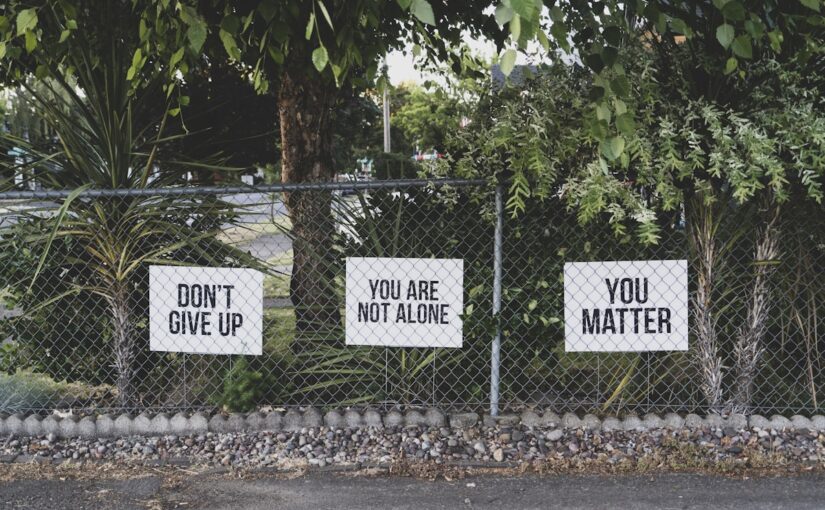
Gunahon Ki Aadat Chhuda Mere Maula — Full Naat Lyrics in Urdu, English Translation and Meaning
The Naat “Gunahon Ki Aadat Chhuda Mere Maula” (گناہوں کی عادت چھڑا میرے مولا) is one of the most heartfelt and emotional supplications (munajat) in Islamic devotional poetry. Written and recited by the renowned Alhaj Owais Raza Qadri, this powerful naat has also been beautifully rendered by Hafiz Tahir Qadri. The kalam is a humble plea to Allah ﷻ — a sincere cry for forgiveness, guidance, and spiritual transformation.
In this post, we present the complete lyrics in Urdu, Roman English transliteration, and English translation with the deep meaning behind each verse.
About the Naat: “Gunahon Ki Aadat Chhuda Mere Maula”
This is not just a naat — it is a munajat (a whispered prayer). The poet Owais Raza Qadri pours his heart out, confessing human weakness and seeking Allah’s mercy. Each verse is a conversation between a humble servant and his Lord. The naat draws heavily from Quranic concepts like “Ud’ooni” (Call upon Me, I will respond to you — Surah Ghafir 40:60) and the balance between Allah’s justice and His infinite mercy.
The beauty of this kalam lies in its raw honesty. The poet does not pretend to be pious — he admits his faults, his bad habits, his sins, and then places his hope entirely in Allah’s mercy. This makes it deeply relatable for anyone on a spiritual journey.
Recited widely in mehfils, tahajjud prayers, and personal devotion, this naat has touched millions of hearts across the globe.
Video
گناہوں کی عادت چھڑا میرے مولا — اردو lyrics
گناہوں کی عادت چھڑا، میرے مولا
مجھے نیک انسان بنا، میرے مولا!
میری سابقہ ہر خطا، میرے مولا!
تو رحمت سے اپنی مٹا، میرے مولا!
تو قدرت سے اپنی بدل نیکیوں سے
ہر ایک میری لغزش خطا، میرے مولا!
جو تجھ کو، جو تیرے نبی کو پسند ہے
مجھے ایسا بندہ بنا، میرے مولا!
تو مسجود میرا، میں ساجد ہوں تیرا
تو مالک، میں بندہ تیرا، میرے مولا!
تو مطلوب میرا، میں طالب ہوں تیرا
مجھے دے دے اپنی ولا، میرے مولا!
ہے “اُدعونی” فرمان قرآن میں تیرا
تو سن لے میری التجا، میرے مولا!
تو لے گا اگر عدل سے کام اپنے
میں ہوں مستحق نار کا، میرے مولا!
جو رحمت تیری شاملِ حال ہو تو
ٹھکانہ ہے جنت میرا، میرے مولا!
تجھے تو خبر ہے میں کتنا برا ہوں
تو عیبوں کو میرے چھپا، میرے مولا!
میری تا قیامت جو نسلیں ہوں، یا رب!
ہوں سب عاشقِ مصطفیٰ، میرے مولا!
نہ محتاج کر تُو جہاں میں کسی کا
مجھے مفلسی سے بچا، میرے مولا!
رُلا تو مجھے بس غمِ مصطفیٰ میں
نہ دنیا کے غم میں رُلا، میرے مولا!
جنہوں نے کہا ہے دعاؤں کا مجھ سے
تو کر دے سبھی کا بھلا، میرے مولا!
ہیں کعبے پہ نظریں عُبیدِ رضا کی
ہو مقبول ہر ایک دعا، میرے مولا!
✍️ شاعر: اویس رضا قادری
English Transliteration (Roman Urdu)
Gunahon ki aadat chhuda, mere Maula
Mujhe nek insaan bana, mere Maula!
Meri sabiqa har khata, mere Maula!
Tu rehmat se apni mita, mere Maula!
Tu qudrat se apni badal nekiyon se
Har ik meri lagzish khata, mere Maula!
Jo tujh ko, jo tere Nabi ko pasand hai
Mujhe aisa banda bana, mere Maula!
Tu masjood mera, main saajid hoon tera
Tu Maalik, main banda tera, mere Maula!
Tu matloob mera, main taalib hoon tera
Mujhe de de apni wila, mere Maula!
Hai “Ud’ooni” farmaan Qur’an mein tera
Tu sun le meri iltijaa, mere Maula!
Tu lega agar ‘adl se kaam apne
Main hoon mustahiqq naar ka, mere Maula!
Jo rehmat teri shaamil-e-haal ho to
Thikaana hai jannat mera, mere Maula!
Tujhe to khabar hai main kitna bura hoon
Tu ‘aibon ko mere chhupa, mere Maula!
Meri taa-Qayamat jo naslen ho, ya Rab!
Hon sab ‘aashiq-e-Mustafa, mere Maula!
Na mohtaaj kar tu jahaan mein kisi ka
Mujhe muflisi se bacha, mere Maula!
Rula tu mujhe bas gham-e-Mustafa mein
Na duniya ke gham mein rula, mere Maula!
Jinhon ne kaha hai duaon ka mujhse
Tu karde sabhi ka bhala, mere Maula!
Hain Ka’be pe nazrein ‘Ubaid-e-Raza ki
Ho maqbool har ik du’aa, mere Maula!
✍️ Poet: Owais Raza Qadri
English Translation (Word-by-Word Meaning)
Verse 1
Gunahon ki aadat chhuda, mere Maula — Rid me of the habit of sins, my Lord
Mujhe nek insaan bana, mere Maula — Make me a righteous person, my Lord
Verse 2
Meri sabiqa har khata, mere Maula — Every past mistake of mine, my Lord
Tu rehmat se apni mita, mere Maula — Erase it with Your mercy, my Lord
Verse 3
Tu qudrat se apni badal nekiyon se — Through Your power, change with good deeds
Har ik meri lagzish khata, mere Maula — Every slip and error of mine, my Lord
Verse 4
Jo tujh ko, jo tere Nabi ko pasand hai — Whatever pleases You and Your Prophet
Mujhe aisa banda bana, mere Maula — Make me such a servant, my Lord
Verse 5
Tu masjood mera, main saajid hoon tera — You are my object of worship, I am the one who prostrates to You
Tu Maalik, main banda tera, mere Maula — You are the Master, I am Your servant, my Lord
Verse 6
Tu matloob mera, main taalib hoon tera — You are my goal, I am the seeker of You
Mujhe de de apni wila, mere Maula — Grant me Your closeness/protection, my Lord
Verse 7
Hai “Ud’ooni” farmaan Qur’an mein tera — “Call upon Me” is Your command in the Quran
Tu sun le meri iltijaa, mere Maula — So listen to my plea, my Lord
Verse 8
Tu lega agar ‘adl se kaam apne — If You deal with justice
Main hoon mustahiqq naar ka, mere Maula — I deserve the Fire, my Lord
Verse 9
Jo rehmat teri shaamil-e-haal ho to — But if Your mercy embraces my state
Thikaana hai jannat mera, mere Maula — Then Paradise is my destination, my Lord
Verse 10
Tujhe to khabar hai main kitna bura hoon — You already know how bad I am
Tu ‘aibon ko mere chhupa, mere Maula — Hide my faults, my Lord
Verse 11
Meri taa-Qayamat jo naslen ho, ya Rab — All my generations until Qayamat, O Lord
Hon sab ‘aashiq-e-Mustafa, mere Maula — May they all be lovers of Mustafa ﷺ, my Lord
Verse 12
Na mohtaaj kar tu jahaan mein kisi ka — Do not make me dependent on anyone in this world
Mujhe muflisi se bacha, mere Maula — Save me from poverty, my Lord
Verse 13
Rula tu mujhe bas gham-e-Mustafa mein — Let me weep only in the sorrow of Mustafa ﷺ
Na duniya ke gham mein rula, mere Maula — Do not make me weep in worldly grief, my Lord
Verse 14
Jinhon ne kaha hai duaon ka mujhse — Those who have asked me for prayers
Tu karde sabhi ka bhala, mere Maula — Do good to all of them, my Lord
Verse 15
Hain Ka’be pe nazrein ‘Ubaid-e-Raza ki — Ubaid-e-Raza’s gaze is upon the Kaaba
Ho maqbool har ik du’aa, mere Maula — May every prayer be accepted, my Lord
(The poet refers to himself as ‘Ubaid-e-Raza — the servant of Raza, a pen name of Owais Raza Qadri)
Meaning and Background
The naat “Gunahon Ki Aadat Chhuda Mere Maula” is a profound spiritual supplication that reflects the core of Islamic repentance (tawbah). Let’s explore its deeper meaning:
1. The Theme of Repentance
The opening verse immediately strikes at the heart of human struggle — bad habits and sins. The poet does not ask for mere forgiveness but for a complete transformation: “Rid me of the habit of sins.” This reflects the Islamic concept that true repentance is not just saying “I’m sorry” but actively changing one’s lifestyle.
2. Balancing Hope and Fear (Khauf and Raja)
Verse 8 beautifully balances Allah’s justice and mercy: “If You deal with justice, I deserve the Fire. But if Your mercy embraces my state, then Paradise is my destination.” This is classic Islamic spirituality — a believer walks between fear of Allah’s justice and hope in His infinite mercy.
3. Quranic Reference (Ud’ooni)
Verse 7 directly references the Quranic verse: “And your Lord says: Call upon Me; I will respond to you.” (Surah Ghafir 40:60). This makes the naat deeply rooted in Islamic scripture and reminds the listener that Allah Himself has invited us to make dua.
4. Love of the Prophet ﷺ
The poet asks that all his descendants remain lovers of Prophet Muhammad ﷺ, showing that true faith is not just personal but generational. The longing to cry in the love of Mustafa ﷺ rather than in worldly grief shows profound spiritual prioritization.
5. Humility and Self-Awareness
Throughout the naat, the poet displays remarkable humility: “You already know how bad I am” and “Hide my faults.” This vulnerability is what makes the naat so powerful — it is the honest cry of a soul that knows its shortcomings but refuses to lose hope in Allah’s mercy.
6. Concern for Others
In the later verses, the poet does not only pray for himself but also for those who have asked him for prayers, showing selflessness and community spirit — a beautiful Islamic value.
About the Poet: Owais Raza Qadri
Alhaj Owais Raza Qadri is one of the most beloved naat khwans (reciters) in the Islamic world. Born in Karachi, Pakistan, he belongs to the Qadri Sufi order and has been reciting naats since childhood. His unique style combines emotional depth with classical melody. Some of his most famous naats include Tajdar-e-Haram, Shah-e-Madina, and of course, Gunahon Ki Aadat Chhuda Mere Maula. His kalam is known for its poetic beauty, spiritual depth, and accessibility to common people.
When to Recite This Naat
- Tahajjud Prayer: The quiet hours of the night are perfect for this heartfelt munajat
- After Isha: A beautiful way to end the day with repentance
- In Mehfils: Popular in gatherings of devotional poetry
- Personal Dua: For those seeking spiritual transformation
FAQs
Who wrote “Gunahon Ki Aadat Chhuda Mere Maula”?
The naat was written by Alhaj Owais Raza Qadri, who is both the poet and the original reciter.
Who else has recited this naat?
Hafiz Tahir Qadri has also recited this naat beautifully, giving it his own emotional touch.
What is the meaning of “Mere Maula”?
“Mere Maula” means “My Lord” or “My Master” — referring to Allah ﷻ.
Is this a naat or a dua?
It is a munajat (supplication) in the form of a naat — a devotional poem that is both praise and prayer combined.
May Allah ﷻ accept this humble effort and grant us the ability to leave our sins and become righteous. Ameen.
If you found this post beneficial, please share it with others and remember us in your duas.