Ya Shahe Madina (یا شاہ مدینہ) — Full Naat Lyrics in Urdu, English Translation and Meaning

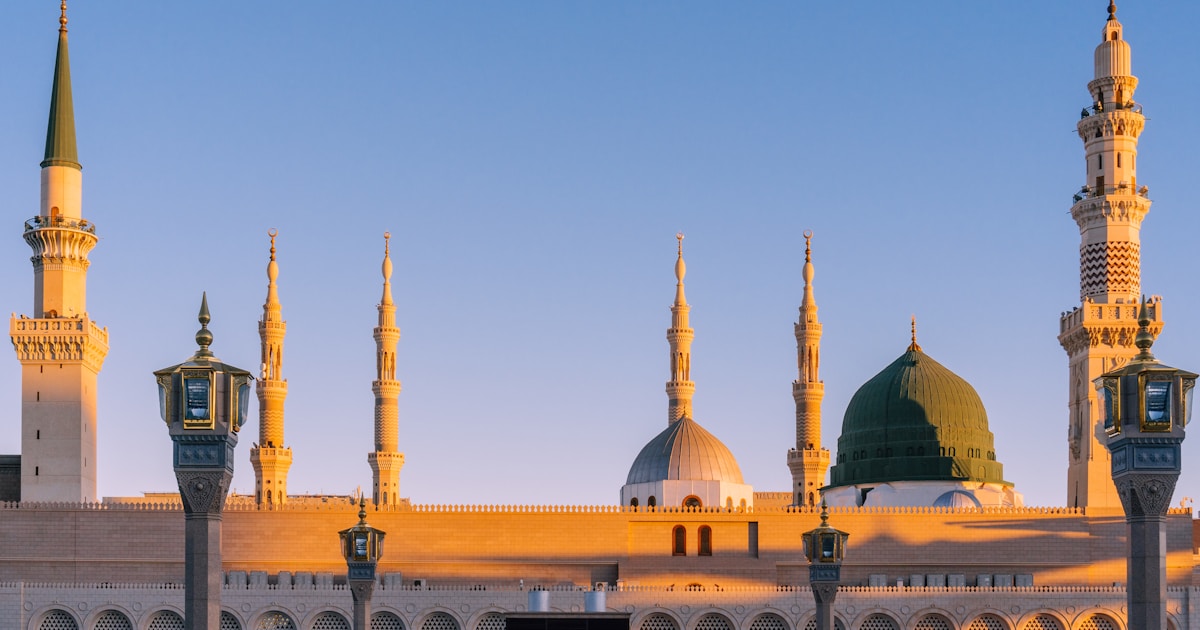
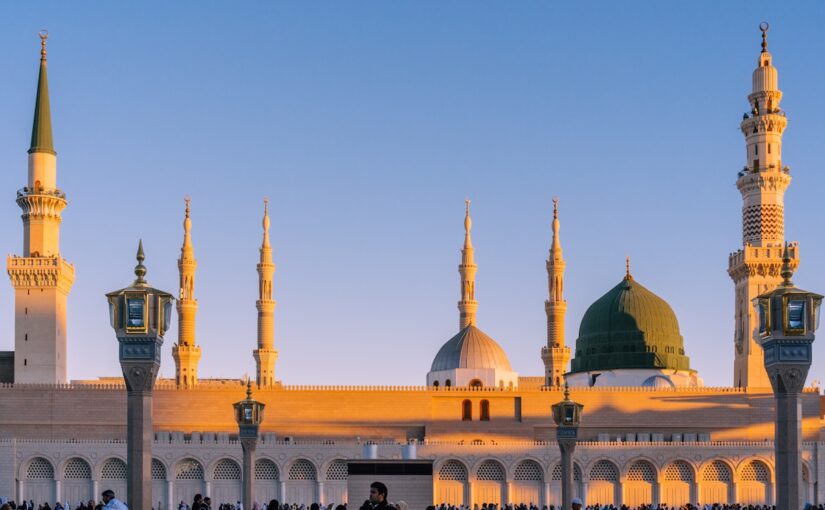
Ya Shahe Madina (یا شاہ مدینہ) is a deeply moving naat that calls upon the Prophet Muhammad (peace be upon him) as the King of Madina. This beautiful naat expresses the believer’s intense longing to be in the blessed city of Madina Munawwarah and to seek the Prophet’s intercession. The phrase “Ya Shahe Madina” translates to “O King of Madina” — a title of immense love and reverence for the Prophet (PBUH).

About the Naat

Ya Shahe Madina is one of the most popular naats in the Urdu-speaking world, widely recited in Pakistan, India, and across the globe. It has been performed by many renowned naat khwans including Owais Raza Qadri, Qari Waheed Zafar Qasmi, and numerous others. The naat captures the essence of a believer’s love for the Prophet Muhammad (PBUH) and the deep yearning to visit his blessed city. Its heartfelt lyrics resonate with millions who hold the love of the Prophet (PBUH) close to their hearts.

The central theme of this naat revolves around seeking the Prophet’s attention and calling upon him as the King of Madina — the one who holds a special status in the court of Allah. It reminds us that the love for the Prophet (PBUH) is the ultimate source of peace and salvation for believers.

Naat Lyrics in Urdu (نعت کے اردو اشعار)

یا شاہ مدینہ یا شاہ مدینہ
مجھ کو مدینہ بلا لو ذرا
بھیجی ہے تمنا دل میں مدینہ
مجھ کو مدینہ بلا لو ذرا

تیری محبت میں ڈوبا ہوا ہوں
تیرے سوا کچھ نہیں ہے مرا
بھول کے دنیا کے سارے تعلّق
مجھ کو مدینہ بلا لو ذرا

آہ بھری ہے یہ میری سدا
درد بھری ہے یہ میری دعا
درد کے مارے کو درد نہ پوچھو
مجھ کو مدینہ بلا لو ذرا

دل ہے میرا مدینے والا
میرا مقدّر مدینے والا
رکھوں گا دم بھر مدینے میں رہ کر
مجھ کو مدینہ بلا لو ذرا

رو رو کے میں نے یہ التجا ہے
کر دے قبول اس کو خدا
بھیجی ہے تمنا دل میں مدینہ
مجھ کو مدینہ بلا لو ذرا

یا شاہ مدینہ یا شاہ مدینہ
مجھ کو مدینہ بلا لو ذرا
بھیجی ہے تمنا دل میں مدینہ
مجھ کو مدینہ بلا لو ذرا

English Translation

Couplet 1:
O King of Madina, O King of Madina
Call me to Madina, just for a while
My heart has sent a longing for Madina
Call me to Madina, just for a while

Couplet 2:
I am drowned in Your love
I have nothing except You
Forgetting all worldly connections
Call me to Madina, just for a while

Couplet 3:
This is my cry filled with passion
This is my prayer filled with pain
Do not ask the pain-stricken about their pain
Call me to Madina, just for a while

Couplet 4:
My heart belongs to Madina
My destiny belongs to Madina
I will stay even for a breath in Madina
Call me to Madina, just for a while

Couplet 5:
Weeping, this is my humble plea
Accept this prayer, O Allah
My heart has sent a longing for Madina
Call me to Madina, just for a while

Couplet 6 (Refrain):
O King of Madina, O King of Madina
Call me to Madina, just for a while
My heart has sent a longing for Madina
Call me to Madina, just for a while

Meaning and Significance

Ya Shahe Madina is much more than a simple naat — it is the heartfelt cry of a believer who yearns for the blessed city of the Prophet Muhammad (PBUH). The naat carries several profound spiritual themes:

  • Love and Devotion: The title “Shahe Madina” (King of Madina) reflects the deep love and reverence Muslims have for the Prophet (PBUH). It recognizes his elevated status as the most beloved of Allah’s creation.
  • Yearning for Spiritual Proximity: The repeated plea “Call me to Madina” represents the believer’s intense desire to be close to the Prophet (PBUH), to visit his mosque, and to stand at his blessed Rawdah.
  • Detachment from Worldly Matters: The lyrics speak of forgetting “all worldly connections” — a reminder that the ultimate goal is spiritual fulfillment, not material gain.
  • Seeking Intercession: The naat reflects the belief that the Prophet (PBUH) is a source of intercession and that visiting Madina brings countless blessings.
  • Humility and Submission: The weeping and pleading tone of the naat demonstrates the believer’s humility before Allah and His Prophet, acknowledging their own spiritual need.

Madina Munawwarah holds a unique place in the heart of every Muslim. It is the city where the Prophet (PBUH) established the first Islamic state, where the revelation continued, and where his blessed body rests in Masjid al-Nabawi beneath the Green Dome. Calling the Prophet (PBUH) the “King of Madina” is a poetic expression of the love that transcends all worldly boundaries.

Benefits of Reciting This Naat

Reciting and listening to Ya Shahe Madina offers many spiritual benefits. It strengthens the love for the Prophet (PBUH) in the heart and brings a sense of peace and tranquility to the soul. Many believers listen to this naat during their daily spiritual routine or when they feel a longing to visit Madina. The naat serves as a reminder of the ultimate goal of every believer — to earn the love of Allah and His Prophet (PBUH) and to be granted the honor of visiting the blessed city. It is particularly comforting for those who have not yet been able to perform Umrah or Hajj, as it keeps the flame of love for Madina alive in their hearts.

More Beautiful Naats

We hope you enjoyed reading the lyrics and translation of Ya Shahe Madina. Explore more beautiful naats on our site:

Final Thoughts

Ya Shahe Madina is a timeless naat that speaks directly to the heart of every believer. Its simple yet emotionally charged words express a longing that every Muslim feels — to be in the presence of the Prophet (PBUH) and to be counted among those who love him. May Allah grant us all the opportunity to visit Madina Munawwarah and to be blessed with the intercession of His beloved Prophet (PBUH). Ameen.

Mein To Madine Ko Jaunga (میں تو مدینے کو جاؤں گا) — Full Naat Lyrics in Urdu, English Translation and Meaning

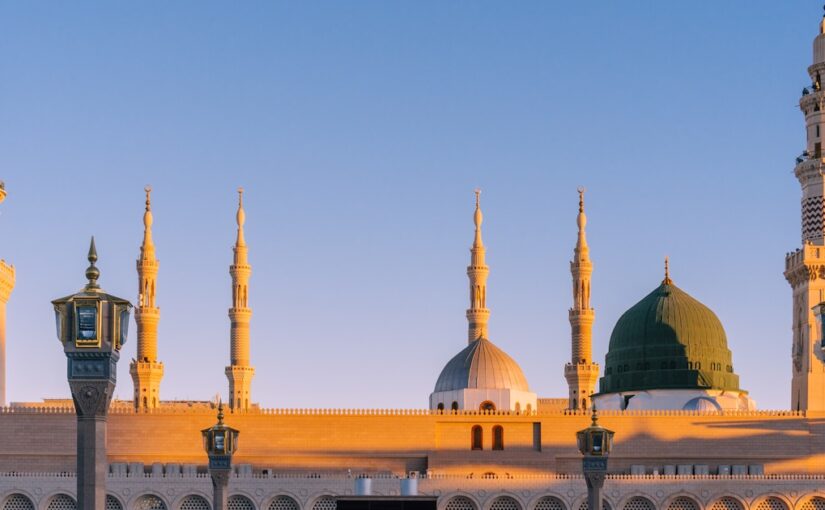
Mein To Madine Ko Jaunga is a deeply heartfelt naat that expresses a believer’s longing to visit Madina Munawwarah, the city of the Prophet Muhammad (peace be upon him). The naat captures the emotional connection that Muslims feel towards Madina and the desire to stand at the blessed rawdah. This naat is widely recited across the Urdu-speaking world and is especially popular in Pakistan and India during gatherings of naat recitation.

About the Naat

Mein To Madine Ko Jaunga is performed by many well-known naat khwans including Qari Waheed Zafar Qasmi, Owais Raza Qadri, and others. The lyrics speak of the yearning to visit the Prophet’s mosque, to offer Salaam at his blessed resting place, and to experience the spiritual peace that comes from being in Madina. The naat uses simple yet powerful language that resonates with people of all ages.

The central theme of this naat is the believer’s unwavering love for the Prophet Muhammad (PBUH) and the deep desire to visit his city. It reminds listeners that visiting Madina is not just a physical journey but a spiritual one that transforms the heart.

Naat Lyrics in Urdu (نعت کے اردو اشعار)

میں تو مدینے کو جاؤں گا، جا کے مدینے کی خاک بنوں گا
دستِ شفاعت اٹھاؤں گا، دامنِ مصطفیٰ تھاموں گا

مجھ کو نہیں ہے فکرِ جہنم، نہ مجھے حوروں کا ہے شوق
مدینے جا کے مانگوں گا، در پہ نبی کے جھک جاؤں گا

کوئی نہیں ہے میرے نبی جیسا، کوئی نہیں ہے میرے رب جیسا
دونوں جہاں میں سب کو بھلا کر، مدینے والے کو اپناؤں گا

یہ میری آنکھوں کا نور ہے، یہ میرے دل کا سرور ہے
بس ایک نظارہ دیکھ لوں تو، ساری دنیا بھلاؤں گا

رات گئے جب مدینہ پہنچوں، گنبدِ خضریٰ کو دیکھوں
پھر نہیں میں کبھی لوٹوں گا، بس یہی ایک تمنا ہے

آنکھوں میں خواب سجا کے رکھا، دِل میں مدینہ بسا کے رکھا
جب بھی اکیلے بیٹھتا ہوں، رو رو کے یہ دعا مانگتا ہوں

English Translation

Verse 1:
I will go to Madina, I will become the dust of Madina
I will raise my hands for intercession, I will hold onto the hem of Mustafa (PBUH)

Verse 2:
I have no worry about hellfire, nor do I desire heavenly maidens
I will go to Madina and ask, I will bow down at the Prophet’s door

Verse 3:
There is no one like my Prophet, there is no one like my Lord
Forgetting everyone in both worlds, I will embrace the one of Madina

Verse 4:
He is the light of my eyes, He is the joy of my heart
If I can see just one glimpse, I will forget the entire world

Verse 5:
When I reach Madina late at night and see the Green Dome
Then I will never return – this is my only wish

Verse 6:
I have kept the dream in my eyes, I have kept Madina in my heart
Whenever I sit alone, I weep and make this prayer

Meaning and Significance

Mein To Madine Ko Jaunga is more than just a naat – it is a reflection of the deep spiritual love that Muslims hold for the Prophet Muhammad (PBUH) and his city. Madina Munawwarah holds a special place in Islamic history as the city where the Prophet (PBUH) migrated, established the first Islamic state, and where he is buried in the Rawdah Mubarak beneath the Green Dome of Masjid al-Nabawi.

The naat expresses several key themes:

  • Love for the Prophet (PBUH): The core of the naat is the believer’s unconditional love for Muhammad (PBUH), which is a central tenet of faith in Islam.
  • Hope for Intercession: The poet expresses hope that the Prophet (PBUH) will intercede on behalf of believers on the Day of Judgment, a concept rooted in Islamic theology.
  • Detachment from Worldly Desires: The naat teaches that the ultimate goal is not worldly pleasures or even paradise, but the pleasure of Allah and the company of His beloved Prophet.
  • Spiritual Longing: The overwhelming desire to visit Madina represents a spiritual journey that every believer aspires to undertake.

Benefits of Reciting This Naat

Reciting or listening to naats about Madina and the Prophet (PBUH) has many spiritual benefits. It strengthens the love for the Prophet in the heart, brings peace to the soul, and serves as a reminder of the ultimate goal of every Muslim – to earn the pleasure of Allah and the intercession of His Prophet (PBUH). Many believers listen to this naat when they feel spiritually low or when they are planning their travel for Umrah or Hajj.

For more beautiful naat lyrics, you can read other naats on our site including Noor Wala Aaya, Tajdar-e-Haram, and Bhar Do Jholi Meri.

Final Thoughts

Mein To Madine Ko Jaunga is a naat that touches the heart of every believer who longs to visit the blessed city of Madina. Its simple yet profound words remind us of the love we should hold for the Prophet Muhammad (PBUH) and the hope we carry of one day standing at his blessed Rawdah. Whether you are planning your next Umrah or simply sitting at home with longing in your heart, this naat will bring tears to your eyes and peace to your soul.

We hope you enjoyed reading the lyrics, translation, and meaning of this beautiful naat. Please share it with others who love the Prophet (PBUH).

Tajdar-e-Haram (تاجدارِ حرم) — Full Naat Lyrics in Urdu, English Translation and Meaning

Tajdar-e-Haram Naat Lyrics - Islamic Naat in Urdu with English Translation

Introduction

Tajdar-e-Haram (تاجدارِ حرم) — meaning “Crown of the Sacred Sanctuary” — is one of the most beloved Islamic naats in the Urdu-speaking world. Written by the renowned Pakistani naat poet Syed Muhammad Iqbal (a different poet from Allama Iqbal), this naat is a heartfelt tribute to Prophet Muhammad (peace be upon him).

The title itself, Tajdar-e-Haram, refers to the Prophet as the crown and ornament of the sacred sanctuary — a metaphor for his supreme status in the eyes of his followers. The naat beautifully expresses the deep love, devotion, and spiritual connection that believers feel for the Prophet, with Madina Munawwarah as the eternal backdrop of this love.

Below you will find the complete lyrics in Urdu, a Roman/transliteration version for pronunciation, and an English translation with explanation of each verse.

Tajdar-e-Haram — The Poet and Background

Syed Muhammad Iqbal is a celebrated naat poet from Pakistan whose works are recited at naat gatherings and religious events across the subcontinent. His poetry is known for its simplicity, deep reverence, and musical flow. Unlike Allama Iqbal’s philosophical and reformist poetry, Syed Muhammad Iqbal’s naats focus purely on love, praise, and devotion to the Prophet Muhammad (PBUH).

Tajdar-e-Haram has been recited by countless qawwals and naat khwans, including popular renditions by Qari Waheed Zafar, Owais Raza Qadri, and others. Its melody and words have made it a staple at mehfil-e-naat gatherings worldwide.

Tajdar-e-Haram (تاجدارِ حرم) — Full Naat Lyrics

Verse 1

تاجدارِ حرم ہو نگاہِ کرم
ہم پہ ہو آپ کا سایہ کم کم

Tajdar-e-Haram ho nigah-e-karam
Hum pe ho aap ka saaya kam kam

Translation: O Crown of the Sacred Sanctuary, bestow a gracious glance. Let your shadow fall upon us, even if just a little.

Meaning: The poet addresses the Prophet as the crown of Haram (the sacred precincts of Makkah and Madina) and humbly requests even a small portion of his merciful attention and protection.

Verse 2

آپ آقا ہیں ہمارے مدینے والے
کیا کریں گے ہم تم بن سہارے مدینے والے

Aap aaqa hain hamaare Madine waale
Kya karenge hum tum bin sahaare Madine waale

Translation: You are our master, the one from Madina. What will we do without your support, O one from Madina.

Meaning: This verse acknowledges the Prophet as the ultimate leader (aaqa) and the one associated with Madina. It expresses complete dependence on his intercession and spiritual support, asking rhetorically how believers would survive without him.

Verse 3

چاند کہتا ہے تجھے دیکھ کے چاندی ہو گیا
یہ مدینہ ہے یہاں ہر کوئی دیوانہ ہو گیا

Chaand kehta hai tujhe dekh ke chaandi ho gaya
Yeh Madina hai yahan har koi deewana ho gaya

Translation: The moon says, “Seeing you, it turned silver.” This is Madina, where everyone has become enchanted.

Meaning: A beautiful poetic metaphor — the moon itself acknowledges the radiance of the Prophet’s face and says it has turned silver (pale) in comparison. The second line captures the overwhelming spiritual atmosphere of Madina where everyone falls deeply in love with the Prophet.

Verse 4

کتنا خوب ہے نظارہ تمہارے چہرے کا
آپ ہی ہو ہمارا معبود و پیارا

Kitna khoob hai nazaara tumhaare chehre ka
Aap hi ho hamaara mabood o pyaara

Translation: How beautiful is the sight of your face. You alone are our beloved and adored.

Meaning: The poet marvels at the blessed appearance of the Prophet and declares that he is both the object of love (pyaara) and the one worthy of devotion. The word mabood (meaning worshipped or adored) is used in the context of reverential love, not in the sense of divine worship — a common devotional expression in naat poetry.

The Spiritual Significance of Tajdar-e-Haram

Tajdar-e-Haram is more than just poetry — it is a spiritual expression of ishq-e-rasi (love for the Prophet). This love is considered a central tenet of Islamic faith. The naat reminds believers of the Prophet’s role as a mercy to all worlds (Rehmat-ul-Aalameen) and the importance of seeking his intercession (shafa’at).

Each verse builds on the theme of humble supplication. The poet does not ask for worldly riches or status — instead, the request is for a glance of mercy (nigah-e-karam) and the shadow of protection (saaya). This reflects the core of Islamic spirituality: the believer’s ultimate aspiration is closeness to the Prophet and, through him, to Allah.

The mention of Madina in multiple verses is significant. For Muslims, Madina is not just a city — it is the city of the Prophet, the place where he lived, taught, and is buried. It holds a sacred place in the hearts of believers, and visiting it (ziyarat) is considered a tremendous blessing.

Why This Naat is So Popular

Several factors contribute to the enduring popularity of Tajdar-e-Haram:

  • Simple yet profound lyrics: The words are easy to understand but carry deep meaning, making them accessible to people of all ages.
  • Beautiful rhythm: The meter of the poem lends itself well to various musical and vocal renditions, from slow, soulful recitations to energetic qawwali performances.
  • Universal appeal: The themes of love, devotion, and longing for the Prophet resonate across cultures and Islamic traditions.
  • Memorable refrain: The opening line “Tajdar-e-Haram ho nigah-e-karam” is instantly recognizable to anyone familiar with Urdu naat.

Frequently Asked Questions

Who wrote Tajdar-e-Haram?

Tajdar-e-Haram was written by Syed Muhammad Iqbal, a well-known naat poet from Pakistan. He is distinct from the philosopher-poet Allama Muhammad Iqbal.

What does Tajdar-e-Haram mean?

Tajdar-e-Haram translates to “Crown of the Sacred Sanctuary” — referring to the Prophet Muhammad (PBUH) as the crown and ornament of the holy precincts of Makkah and Madina.

Is Tajdar-e-Haram in the Quran?

No, Tajdar-e-Haram is a naat (devotional poem) written in praise of the Prophet Muhammad (PBUH). It is not from the Quran but is a popular composition recited by Muslims around the world.

Can I use these lyrics for my naat recitation?

Yes, the lyrics of Tajdar-e-Haram are widely shared and recited. You are welcome to use them for personal recitation, mehfil-e-naat, or qawwali performances.

Conclusion

Tajdar-e-Haram remains one of the most cherished naats in the Urdu language. Its simple yet powerful verses capture the essence of a believer’s love for the Prophet Muhammad (PBUH). Whether recited in a quiet gathering or sung in a grand qawwali, its words continue to touch hearts and inspire devotion.

We hope this complete lyrics page with Urdu text, Roman transliteration, and English translation helps you understand and appreciate the beauty of this timeless naat.