
Ya Shahe Madina (یا شاہ مدینہ) — Full Naat Lyrics in Urdu, English Translation and Meaning

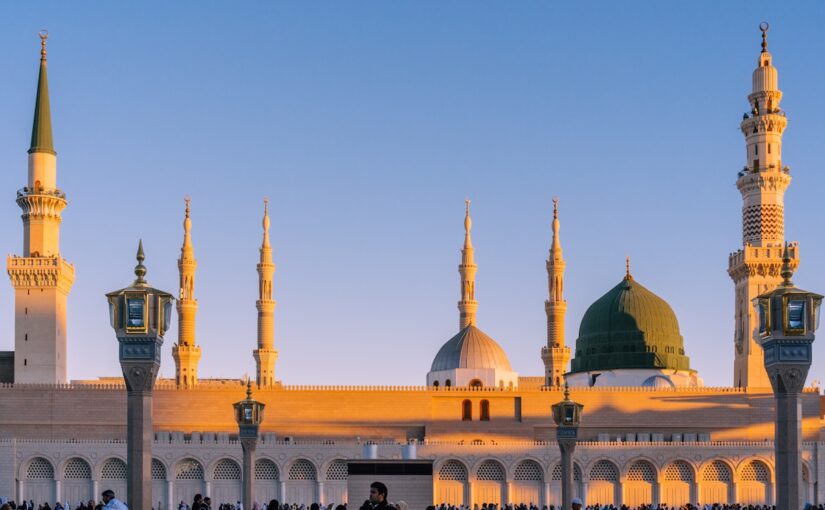
Ya Shahe Madina (یا شاہ مدینہ) is a deeply moving naat that calls upon the Prophet Muhammad (peace be upon him) as the King of Madina. This beautiful naat expresses the believer’s intense longing to be in the blessed city of Madina Munawwarah and to seek the Prophet’s intercession. The phrase “Ya Shahe Madina” translates to “O King of Madina” — a title of immense love and reverence for the Prophet (PBUH).

About the Naat

Ya Shahe Madina is one of the most popular naats in the Urdu-speaking world, widely recited in Pakistan, India, and across the globe. It has been performed by many renowned naat khwans including Owais Raza Qadri, Qari Waheed Zafar Qasmi, and numerous others. The naat captures the essence of a believer’s love for the Prophet Muhammad (PBUH) and the deep yearning to visit his blessed city. Its heartfelt lyrics resonate with millions who hold the love of the Prophet (PBUH) close to their hearts.

The central theme of this naat revolves around seeking the Prophet’s attention and calling upon him as the King of Madina — the one who holds a special status in the court of Allah. It reminds us that the love for the Prophet (PBUH) is the ultimate source of peace and salvation for believers.

Naat Lyrics in Urdu (نعت کے اردو اشعار)

یا شاہ مدینہ یا شاہ مدینہ
مجھ کو مدینہ بلا لو ذرا
بھیجی ہے تمنا دل میں مدینہ
مجھ کو مدینہ بلا لو ذرا

تیری محبت میں ڈوبا ہوا ہوں
تیرے سوا کچھ نہیں ہے مرا
بھول کے دنیا کے سارے تعلّق
مجھ کو مدینہ بلا لو ذرا

آہ بھری ہے یہ میری سدا
درد بھری ہے یہ میری دعا
درد کے مارے کو درد نہ پوچھو
مجھ کو مدینہ بلا لو ذرا

دل ہے میرا مدینے والا
میرا مقدّر مدینے والا
رکھوں گا دم بھر مدینے میں رہ کر
مجھ کو مدینہ بلا لو ذرا

رو رو کے میں نے یہ التجا ہے
کر دے قبول اس کو خدا
بھیجی ہے تمنا دل میں مدینہ
مجھ کو مدینہ بلا لو ذرا

یا شاہ مدینہ یا شاہ مدینہ
مجھ کو مدینہ بلا لو ذرا
بھیجی ہے تمنا دل میں مدینہ
مجھ کو مدینہ بلا لو ذرا

English Translation

Couplet 1:
O King of Madina, O King of Madina
Call me to Madina, just for a while
My heart has sent a longing for Madina
Call me to Madina, just for a while

Couplet 2:
I am drowned in Your love
I have nothing except You
Forgetting all worldly connections
Call me to Madina, just for a while

Couplet 3:
This is my cry filled with passion
This is my prayer filled with pain
Do not ask the pain-stricken about their pain
Call me to Madina, just for a while

Couplet 4:
My heart belongs to Madina
My destiny belongs to Madina
I will stay even for a breath in Madina
Call me to Madina, just for a while

Couplet 5:
Weeping, this is my humble plea
Accept this prayer, O Allah
My heart has sent a longing for Madina
Call me to Madina, just for a while

Couplet 6 (Refrain):
O King of Madina, O King of Madina
Call me to Madina, just for a while
My heart has sent a longing for Madina
Call me to Madina, just for a while

Meaning and Significance

Ya Shahe Madina is much more than a simple naat — it is the heartfelt cry of a believer who yearns for the blessed city of the Prophet Muhammad (PBUH). The naat carries several profound spiritual themes:

  • Love and Devotion: The title “Shahe Madina” (King of Madina) reflects the deep love and reverence Muslims have for the Prophet (PBUH). It recognizes his elevated status as the most beloved of Allah’s creation.
  • Yearning for Spiritual Proximity: The repeated plea “Call me to Madina” represents the believer’s intense desire to be close to the Prophet (PBUH), to visit his mosque, and to stand at his blessed Rawdah.
  • Detachment from Worldly Matters: The lyrics speak of forgetting “all worldly connections” — a reminder that the ultimate goal is spiritual fulfillment, not material gain.
  • Seeking Intercession: The naat reflects the belief that the Prophet (PBUH) is a source of intercession and that visiting Madina brings countless blessings.
  • Humility and Submission: The weeping and pleading tone of the naat demonstrates the believer’s humility before Allah and His Prophet, acknowledging their own spiritual need.

Madina Munawwarah holds a unique place in the heart of every Muslim. It is the city where the Prophet (PBUH) established the first Islamic state, where the revelation continued, and where his blessed body rests in Masjid al-Nabawi beneath the Green Dome. Calling the Prophet (PBUH) the “King of Madina” is a poetic expression of the love that transcends all worldly boundaries.

Benefits of Reciting This Naat

Reciting and listening to Ya Shahe Madina offers many spiritual benefits. It strengthens the love for the Prophet (PBUH) in the heart and brings a sense of peace and tranquility to the soul. Many believers listen to this naat during their daily spiritual routine or when they feel a longing to visit Madina. The naat serves as a reminder of the ultimate goal of every believer — to earn the love of Allah and His Prophet (PBUH) and to be granted the honor of visiting the blessed city. It is particularly comforting for those who have not yet been able to perform Umrah or Hajj, as it keeps the flame of love for Madina alive in their hearts.

More Beautiful Naats

We hope you enjoyed reading the lyrics and translation of Ya Shahe Madina. Explore more beautiful naats on our site:

Final Thoughts

Ya Shahe Madina is a timeless naat that speaks directly to the heart of every believer. Its simple yet emotionally charged words express a longing that every Muslim feels — to be in the presence of the Prophet (PBUH) and to be counted among those who love him. May Allah grant us all the opportunity to visit Madina Munawwarah and to be blessed with the intercession of His beloved Prophet (PBUH). Ameen.


Mein To Madine Ko Jaunga (میں تو مدینے کو جاؤں گا) — Full Naat Lyrics in Urdu, English Translation and Meaning

Mein To Madine Ko Jaunga is a deeply heartfelt naat that expresses a believer’s longing to visit Madina Munawwarah, the city of the Prophet Muhammad (peace be upon him). The naat captures the emotional connection that Muslims feel towards Madina and the desire to stand at the blessed rawdah. This naat is widely recited across the Urdu-speaking world and is especially popular in Pakistan and India during gatherings of naat recitation.

About the Naat

Mein To Madine Ko Jaunga is performed by many well-known naat khwans including Qari Waheed Zafar Qasmi, Owais Raza Qadri, and others. The lyrics speak of the yearning to visit the Prophet’s mosque, to offer Salaam at his blessed resting place, and to experience the spiritual peace that comes from being in Madina. The naat uses simple yet powerful language that resonates with people of all ages.

The central theme of this naat is the believer’s unwavering love for the Prophet Muhammad (PBUH) and the deep desire to visit his city. It reminds listeners that visiting Madina is not just a physical journey but a spiritual one that transforms the heart.

Naat Lyrics in Urdu (نعت کے اردو اشعار)

میں تو مدینے کو جاؤں گا، جا کے مدینے کی خاک بنوں گا
دستِ شفاعت اٹھاؤں گا، دامنِ مصطفیٰ تھاموں گا

مجھ کو نہیں ہے فکرِ جہنم، نہ مجھے حوروں کا ہے شوق
مدینے جا کے مانگوں گا، در پہ نبی کے جھک جاؤں گا

کوئی نہیں ہے میرے نبی جیسا، کوئی نہیں ہے میرے رب جیسا
دونوں جہاں میں سب کو بھلا کر، مدینے والے کو اپناؤں گا

یہ میری آنکھوں کا نور ہے، یہ میرے دل کا سرور ہے
بس ایک نظارہ دیکھ لوں تو، ساری دنیا بھلاؤں گا

رات گئے جب مدینہ پہنچوں، گنبدِ خضریٰ کو دیکھوں
پھر نہیں میں کبھی لوٹوں گا، بس یہی ایک تمنا ہے

آنکھوں میں خواب سجا کے رکھا، دِل میں مدینہ بسا کے رکھا
جب بھی اکیلے بیٹھتا ہوں، رو رو کے یہ دعا مانگتا ہوں

English Translation

Verse 1:
I will go to Madina, I will become the dust of Madina
I will raise my hands for intercession, I will hold onto the hem of Mustafa (PBUH)

Verse 2:
I have no worry about hellfire, nor do I desire heavenly maidens
I will go to Madina and ask, I will bow down at the Prophet’s door

Verse 3:
There is no one like my Prophet, there is no one like my Lord
Forgetting everyone in both worlds, I will embrace the one of Madina

Verse 4:
He is the light of my eyes, He is the joy of my heart
If I can see just one glimpse, I will forget the entire world

Verse 5:
When I reach Madina late at night and see the Green Dome
Then I will never return – this is my only wish

Verse 6:
I have kept the dream in my eyes, I have kept Madina in my heart
Whenever I sit alone, I weep and make this prayer

Meaning and Significance

Mein To Madine Ko Jaunga is more than just a naat – it is a reflection of the deep spiritual love that Muslims hold for the Prophet Muhammad (PBUH) and his city. Madina Munawwarah holds a special place in Islamic history as the city where the Prophet (PBUH) migrated, established the first Islamic state, and where he is buried in the Rawdah Mubarak beneath the Green Dome of Masjid al-Nabawi.

The naat expresses several key themes:

  • Love for the Prophet (PBUH): The core of the naat is the believer’s unconditional love for Muhammad (PBUH), which is a central tenet of faith in Islam.
  • Hope for Intercession: The poet expresses hope that the Prophet (PBUH) will intercede on behalf of believers on the Day of Judgment, a concept rooted in Islamic theology.
  • Detachment from Worldly Desires: The naat teaches that the ultimate goal is not worldly pleasures or even paradise, but the pleasure of Allah and the company of His beloved Prophet.
  • Spiritual Longing: The overwhelming desire to visit Madina represents a spiritual journey that every believer aspires to undertake.

Benefits of Reciting This Naat

Reciting or listening to naats about Madina and the Prophet (PBUH) has many spiritual benefits. It strengthens the love for the Prophet in the heart, brings peace to the soul, and serves as a reminder of the ultimate goal of every Muslim – to earn the pleasure of Allah and the intercession of His Prophet (PBUH). Many believers listen to this naat when they feel spiritually low or when they are planning their travel for Umrah or Hajj.

For more beautiful naat lyrics, you can read other naats on our site including Noor Wala Aaya, Tajdar-e-Haram, and Bhar Do Jholi Meri.

Final Thoughts

Mein To Madine Ko Jaunga is a naat that touches the heart of every believer who longs to visit the blessed city of Madina. Its simple yet profound words remind us of the love we should hold for the Prophet Muhammad (PBUH) and the hope we carry of one day standing at his blessed Rawdah. Whether you are planning your next Umrah or simply sitting at home with longing in your heart, this naat will bring tears to your eyes and peace to your soul.

We hope you enjoyed reading the lyrics, translation, and meaning of this beautiful naat. Please share it with others who love the Prophet (PBUH).

Mere Aaqa Lyrics in Urdu – میرا آقا کا نعت کلام (Full Translation & Meaning)

Introduction

Mere Aaqa” (میرے آقا) is a deeply emotional and soul-stirring naat in praise of Prophet Muhammad ﷺ. The phrase “Mere Aaqa” translates to “My Master” or “My Lord” — a term of profound love and reverence that a believer addresses to the beloved Prophet. This naat expresses the longing, devotion, and unconditional love that Muslims hold for Rasulullah ﷺ.

The naat speaks of the Prophet as the ultimate source of guidance, mercy, and intercession. Its verses capture the essence of Ishq-e-Rasool — the love for the Prophet — and remind the listener of the spiritual connection that transcends time and space. The lyrics are a heartfelt plea for the Prophet’s intercession and a declaration of unwavering faith.

This beautiful naat is recited in various styles across the Muslim world, often in gatherings of Milad and Qawwali. Its simple yet powerful words make it accessible to people of all ages, allowing everyone to join in the praise of the Greatest of Creation, Sayyidina Muhammad ﷺ.

Urdu Lyrics — میرے آقا کا نعت کلام

میرے آقا، میرے آقا
آپ کی ذات پہ میں نے دل لٹایا
میرے آقا، میرے آقا

آپ کی ذات سے ملتا ہے سکون دل کو
آپ کی یاد سے ملتی ہے راحت جان کو
میرے آقا، میرے آقا

دامنِ مصطفیٰ تھام لیا ہے میں نے
بھیڑ میں آپ ہی کام آئیں گے
میرے آقا، میرے آقا

کیسا ہے کرم آپ کا، کیسی ہے عنایت
میری حسرتوں کا ساماں آپ نے کیا
میرے آقا، میرے آقا

آپ کی نظرِ کرم ہو، آپ کی رحمت ہو
دونوں جہاں میں بس یہی آرزو ہے
میرے آقا، میرے آقا

بے کسوں کے سہارے، غمزدوں کے شریک
آپ کا در ہے پناہ گاہ ہماری
میرے آقا، میرے آقا

جب سانسوں کی ڈور ٹوٹے، جب دنیا سے جانا
آپ کا دامن ہو تھامے، بس یہی دعا ہے
میرے آقا، میرے آقا

Roman Transliteration

Mere Aaqa, Mere Aaqa
Aap ki zaat pe maine dil lutaya
Mere Aaqa, Mere Aaqa

Aap ki zaat se milta hai sukun dil ko
Aap ki yaad se milti hai rahat jaan ko
Mere Aaqa, Mere Aaqa

Daaman-e-Mustafa thaam liya hai meine
Bheer mein aap hi kaam aayenge
Mere Aaqa, Mere Aaqa

Kaisa hai karam aap ka, kaisi hai inaayat
Meri hasrato ka saamaan aap ne kiya
Mere Aaqa, Mere Aaqa

Aap ki nazar-e-karam ho, aap ki rehmat ho
Dono jahaan mein bas yahi aarzoo hai
Mere Aaqa, Mere Aaqa

Bekason ke sahare, ghamzadon ke shareek
Aap ka dar hai panah gaah hamari
Mere Aaqa, Mere Aaqa

Jab saanson ki dor toote, jab duniya se jaana
Aap ka daaman ho thaame, bas yahi dua hai
Mere Aaqa, Mere Aaqa

English Translation

Verse 1:
My Master, My Master
Upon Your being, I have sacrificed my heart
My Master, My Master

Verse 2:
From Your being comes peace to the heart
From Your remembrance comes comfort to the soul
My Master, My Master

Verse 3:
I have grasped the cloak of Mustafa (ﷺ)
In the crowd (of the Day of Judgment), only You will help me
My Master, My Master

Verse 4:
What grace is Yours, what kindness
You have arranged for all my desires
My Master, My Master

Verse 5:
May Your gracious gaze be upon me, may Your mercy be upon me
In both worlds, this is my only wish
My Master, My Master

Verse 6:
Support of the helpless, companion of the sorrowful
Your court is our sanctuary
My Master, My Master

Verse 7:
When the thread of breath breaks, when I must leave this world
May I be holding Your cloak — this is my only prayer
My Master, My Master

Meaning and Significance

The naat “Mere Aaqa” holds a special place in the hearts of Muslims because it reflects the deep, personal connection between a believer and the Prophet Muhammad ﷺ. The repeated refrain “Mere Aaqa” (My Master) is not just a title — it is an acknowledgment of the Prophet’s lofty station and a declaration of servitude to his spiritual leadership.

Each verse of this naat touches upon different aspects of a believer’s relationship with the Prophet:

  • Sacrifice of Heart: The opening lines speak of sacrificing one’s heart upon the Prophet — meaning to dedicate one’s entire being and love to him, as commanded by Allah in the Quran: “Say, if your fathers, your sons… are dearer to you than Allah and His Messenger… then wait until Allah brings about His command” (Quran 9:24).
  • Peace and Comfort: The second verse highlights the peace that comes from the Prophet’s remembrance. This echoes the Quranic verse: “Verily, in the remembrance of Allah do hearts find rest” (Quran 13:28). The Prophet ﷺ is the living embodiment of that remembrance.
  • Holding the Cloak: The imagery of grasping the Prophet’s cloak (daaman-e-Mustafa) is a powerful metaphor for seeking intercession and holding firmly onto the Sunnah. It reflects the belief that the Prophet’s intercession (shafa’ah) will save believers on the Day of Judgement.
  • Divine Grace: The verses about grace and kindness acknowledge that all good in a believer’s life comes through the barakah (blessing) of following the Prophet ﷺ.
  • Final Hope: The concluding verse is perhaps the most emotional — it asks that at the moment of death, the believer’s last attachment be to the Prophet. This reflects the deep desire to die with imaan (faith) and in the love of Rasulullah ﷺ.

Reciting “Mere Aaqa” is a form of dhikr (remembrance) that strengthens one’s spiritual connection. It is often recited in gatherings, before travel, or during times of difficulty as a means of seeking the Prophet’s spiritual assistance. Scholars remind us that while we ask the Prophet for intercession, we recognize that all power ultimately comes from Allah, and the Prophet ﷺ is the chosen means through which Allah’s mercy flows to the believers.

In Islamic tradition, composing and reciting naat is a form of expressing love for the Prophet ﷺ, which is itself an act of worship. The Quran says: “Indeed, Allah and His angels send blessings upon the Prophet. O you who believe, send blessings upon him and greet him with peace” (Quran 33:56). Naat like “Mere Aaqa” are a beautiful way of fulfilling this command.

May Allah grant us the ability to truly love His Prophet ﷺ and to be among those who will be under his blessed banner on the Day of Judgement. Ameen.

Madina Jaane Ko Dil Karta Hai (مدینہ جانے کو دل کرتا ہے) — Full Naat Lyrics in Urdu, English Translation and Meaning

Introduction

“Madina Jaane Ko Dil Karta Hai” is a deeply emotional naat that expresses the burning desire of a believer to visit the blessed city of Madina Munawwarah. The poet beautifully captures the longing to see the Roza of Prophet Muhammad (peace be upon him) and to walk the streets where the beloved Prophet once walked.

This naat is popular in the Urdu-speaking world and is often recited at Mehfil-e-Naat gatherings, especially before the Hajj and Umrah season when many believers plan their journey to Saudi Arabia.

The lyrics speak of a heart that is restless, a soul that craves the peace of Madina, and eyes that long to see the green dome of Masjid-e-Nabawi. It is a naat that resonates with anyone who has visited Madina or dreams of visiting one day.

Madina Jaane Ko Dil Karta Hai — Full Naat Lyrics in Urdu

مدینہ جانے کو دل کرتا ہے

نبی کے در پہ جانا ہے
شفاعت کا بہانہ ہے
مدینہ جانے کو دل کرتا ہے

وہاں کے گلیوں میں جانا ہے
گلستاں میں نہانا ہے
مدینہ جانے کو دل کرتا ہے

وہاں گنبد ہے سبز رنگ
جہاں رحمت ہے بے سنگ
مدینہ جانے کو دل کرتا ہے

وہاں روتے ہیں گناہگار
بہتی ہے آنکھوں سے دھار
مدینہ جانے کو دل کرتا ہے

وہاں بخشش کا سامان ہے
ہر دکھ کا وہاں علاج ہے
مدینہ جانے کو دل کرتا ہے

وہاں آقا کا روضہ ہے
جہاں سارا ہے جلوہ ہے
مدینہ جانے کو دل کرتا ہے

Madina Jaane Ko Dil Karta Hai — English Transliteration

Madina jaane ko dil karta hai

Nabi ke dar pe jaana hai
Shafa’at ka bahaana hai
Madina jaane ko dil karta hai

Wahan ki galiyon mein jaana hai
Gulistaan mein nahaana hai
Madina jaane ko dil karta hai

Wahan gumbad hai sabz rang
Jahan rehmat hai be-sang
Madina jaane ko dil karta hai

Wahan rote hain gunaahgaar
Behti hai aankhon se dhaar
Madina jaane ko dil karta hai

Wahan bakhshish ka saamaan hai
Har dukh ka wahan ilaaj hai
Madina jaane ko dil karta hai

Wahan Aaqa ka roza hai
Jahan saara hai jalwa hai
Madina jaane ko dil karta hai

English Translation

Verse 1:
My heart yearns to go to Madina

Verse 2:
I must go to the doorstep of the Prophet
It is an excuse to seek intercession
My heart yearns to go to Madina

Verse 3:
I must walk through its streets
I must bathe in its garden-like atmosphere
My heart yearns to go to Madina

Verse 4:
There is a green dome there
Where blessings are limitless
My heart yearns to go to Madina

Verse 5:
There the sinners weep
Streams flow from their eyes
My heart yearns to go to Madina

Verse 6:
There is provision for forgiveness there
Every sorrow has a cure there
My heart yearns to go to Madina

Verse 7:
There is the resting place of our Master
Where all splendour resides
My heart yearns to go to Madina

Meaning and Background

This naat captures the deep spiritual longing that every Muslim feels for Madina Munawwarah, the city of the Prophet Muhammad (peace be upon him). The repeated refrain “Madina jaane ko dil karta hai” (My heart yearns to go to Madina) reflects an emotional and spiritual pull that transcends time and distance.

The poet describes the deep desire to visit the Prophet’s mosque, to stand at his blessed grave, and to seek intercession (shafa’at). The green dome (gumbad-e-sabz) of Masjid-e-Nabawi is mentioned as a symbol of divine mercy and blessing.

There is a beautiful contrast in the poem: the sinners weeping in repentance and the boundless mercy they hope to receive. This reflects the Islamic teaching that the Prophet’s city is a place of spiritual healing and forgiveness.

If you enjoyed this naat, you might also like other beautiful naats such as Meri Zindagi Hai Madina, Mere Dil Mein Hai Madina, or Keh Do Madine Jaana Hai.

May Allah grant us all the opportunity to visit the blessed city of Madina and the sacred mosque of the Prophet, Ameen.

Tajdar-e-Haram — Naat Lyrics in Urdu, English Translation and Meaning

“Tajdar-e-Haram” (تاجدارِ حرم) is one of the most beloved and widely recited naats in the Islamic world. Made famous globally by the voices of Atif Aslam and many other renowned naat khwans, this beautiful naat is a heartfelt ode to Prophet Muhammad (peace be upon him). The title translates to “The Crown of the Holy Sanctuary,” a reference to the Prophet’s unparalleled status as the leader of all prophets and the beloved of Allah.

Introduction to Tajdar-e-Haram

Tajdar-e-Haram is a modern naat that has captured the hearts of Muslims across the globe. Its poetic verses express deep love, reverence, and devotion to the Prophet Muhammad (PBUH), acknowledging him as the crown of the holy sanctuary of Mecca and the intercessor for all humankind. The naat was originally written by a Pakistani poet and has been performed by various artists, with Atif Aslam’s rendition being the most internationally recognised.

Background and Meaning

The opening line, “Tajdar-e-Haram ho nigah-e-karam,” is a heartfelt plea: “O Crown of the Holy Sanctuary, bestow your gracious glance upon us.” This sets the tone for the entire naat, which oscillates between praise of the Prophet’s lofty station and humble supplication for his mercy and intercession.

Naat Lyrics — Tajdar-e-Haram

Verse 1

Urdu Script:
تاجدارِ حرم ہو نگاہِ کرم
ہم گداﺅں پر اتنا کرم ہو نہ ہو
ہم تیرے در سے جو اٹھ گئے تو کہاں جائیں گے

English Translation:
O Crown of the Holy Sanctuary, cast a gracious glance upon us
Show us kindness, even if we do not deserve it
If we are turned away from your door, where else shall we go?

Verse 2

Urdu Script:
ٹوٹا ہوا دل ہے، آہ بھرنے دے
درد کا بوجھ ہے، تھوڑی سی راحت دے
تیرے سوا کوئی سننے والا نہیں
اپنے قدموں میں رکھ لے، نہیں تو کہاں جائیں گے

English Translation:
My heart is broken, let me sigh
I carry the weight of pain, grant me some relief
There is no one else who listens but You
Keep me at Your feet, or where shall I go?

Verse 3

Urdu Script:
رحمتہ اللعالمین ہو تم
آقائے دو جہاں ہو تم
بخش دے مجھ گنہگار کو
تمہارے در سے جو اٹھ گیا تو کہاں جائے گا

English Translation:
You are the Mercy to the Worlds
You are the Master of Both Worlds
Forgive this sinful one
If turned away from Your door, where shall he go?

Verse 4

Urdu Script:
میرے دل میں بسالو تمہیں
ہر دم یاد کرو تمہیں
دور نہ ہو یہ فاصلہ کبھی
اپنی رحمت سے چھپا لو، نہیں تو کہاں جائیں گے

English Translation:
Let me enshrine You in my heart
Let me remember You with every breath
May this distance never grow
Hide me in Your mercy, or where shall I go?

Verse 5

Urdu Script:
تم ہو من کی تمنا تم ہو دل کی دعا
تم ہی ہو میرے دل کا سکون
تمہارے بنا یہ دل کہاں دھڑکتا ہے
تمہیں چھوڑ کر ائے صنم کہاں جائیں گے

English Translation:
You are the heart’s desire, You are the soul’s prayer
You alone are the peace of my heart
Without You, how does this heart beat?
Leaving You, O Beloved, where would I go?

Verse 6

Urdu Script:
جب تک ہے یہ جہاں ہم یہی کریں گے
ہر سانس میں تیرا ذکر کریں گے
تیرے در سے جو اٹھ گئے تو کہاں جائیں گے
تاجدارِ حرم ہو نگاہِ کرم

English Translation:
As long as this world exists, this is what I will do
I will remember You with every breath
If turned away from Your door, where shall I go?
O Crown of the Holy Sanctuary, cast a gracious glance upon us

Meaning and Spiritual Significance

The naat uses the imagery of a “broken heart” and “burden of pain” to speak to the human condition. We all experience hardship, loss, and regret. The naat reminds us that the Prophet’s door is always open, and that turning to him in love and devotion is a path to spiritual healing.

The reference to the Prophet as “Rahmatul-lil-aalameen” (Mercy to the Worlds) is drawn directly from the Quran (Surah Al-Anbiya 21:107). The naat also touches on the concept of shafa’ah (intercession), giving believers comfort and motivating them to live righteous lives while maintaining love for the Prophet.

Conclusion

Tajdar-e-Haram is a timeless naat that continues to inspire and move Muslims around the world. May Allah grant us the ability to love the Prophet (PBUH) with all our hearts, and may these words draw us closer to him and to our Creator. Ameen.