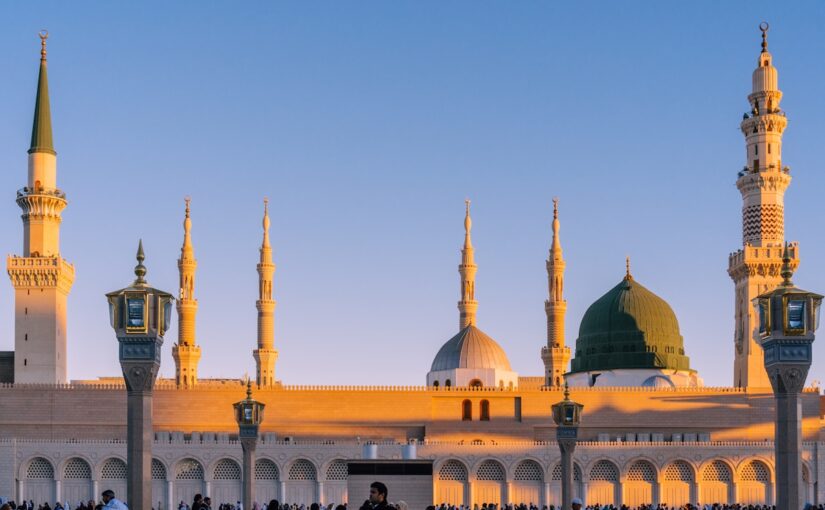
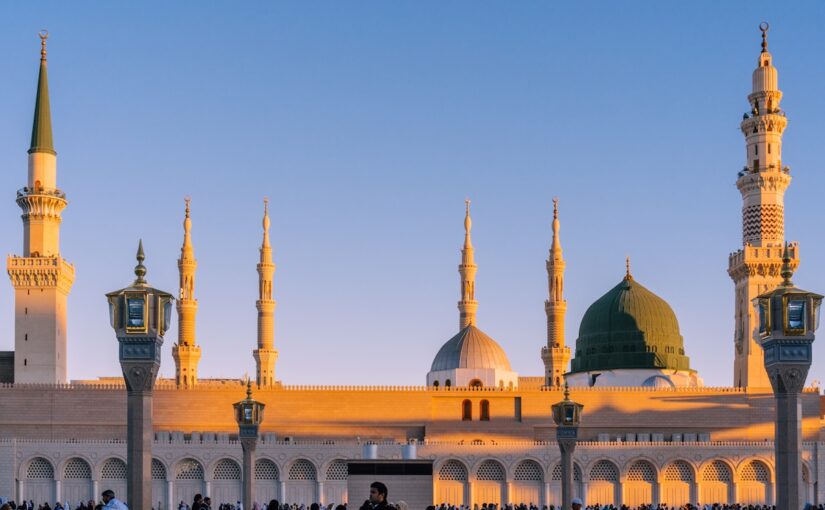
Ya Shahe Madina (یا شاہ مدینہ) — Full Naat Lyrics in Urdu, English Translation and Meaning

Ya Shahe Madina (یا شاہ مدینہ) is a deeply moving naat that calls upon the Prophet Muhammad (peace be upon him) as the King of Madina. This beautiful naat expresses the believer’s intense longing to be in the blessed city of Madina Munawwarah and to seek the Prophet’s intercession. The phrase “Ya Shahe Madina” translates to “O King of Madina” — a title of immense love and reverence for the Prophet (PBUH).

About the Naat

Ya Shahe Madina is one of the most popular naats in the Urdu-speaking world, widely recited in Pakistan, India, and across the globe. It has been performed by many renowned naat khwans including Owais Raza Qadri, Qari Waheed Zafar Qasmi, and numerous others. The naat captures the essence of a believer’s love for the Prophet Muhammad (PBUH) and the deep yearning to visit his blessed city. Its heartfelt lyrics resonate with millions who hold the love of the Prophet (PBUH) close to their hearts.

The central theme of this naat revolves around seeking the Prophet’s attention and calling upon him as the King of Madina — the one who holds a special status in the court of Allah. It reminds us that the love for the Prophet (PBUH) is the ultimate source of peace and salvation for believers.

Naat Lyrics in Urdu (نعت کے اردو اشعار)

یا شاہ مدینہ یا شاہ مدینہ
مجھ کو مدینہ بلا لو ذرا
بھیجی ہے تمنا دل میں مدینہ
مجھ کو مدینہ بلا لو ذرا

تیری محبت میں ڈوبا ہوا ہوں
تیرے سوا کچھ نہیں ہے مرا
بھول کے دنیا کے سارے تعلّق
مجھ کو مدینہ بلا لو ذرا

آہ بھری ہے یہ میری سدا
درد بھری ہے یہ میری دعا
درد کے مارے کو درد نہ پوچھو
مجھ کو مدینہ بلا لو ذرا

دل ہے میرا مدینے والا
میرا مقدّر مدینے والا
رکھوں گا دم بھر مدینے میں رہ کر
مجھ کو مدینہ بلا لو ذرا

رو رو کے میں نے یہ التجا ہے
کر دے قبول اس کو خدا
بھیجی ہے تمنا دل میں مدینہ
مجھ کو مدینہ بلا لو ذرا

یا شاہ مدینہ یا شاہ مدینہ
مجھ کو مدینہ بلا لو ذرا
بھیجی ہے تمنا دل میں مدینہ
مجھ کو مدینہ بلا لو ذرا

English Translation

Couplet 1:
O King of Madina, O King of Madina
Call me to Madina, just for a while
My heart has sent a longing for Madina
Call me to Madina, just for a while

Couplet 2:
I am drowned in Your love
I have nothing except You
Forgetting all worldly connections
Call me to Madina, just for a while

Couplet 3:
This is my cry filled with passion
This is my prayer filled with pain
Do not ask the pain-stricken about their pain
Call me to Madina, just for a while

Couplet 4:
My heart belongs to Madina
My destiny belongs to Madina
I will stay even for a breath in Madina
Call me to Madina, just for a while

Couplet 5:
Weeping, this is my humble plea
Accept this prayer, O Allah
My heart has sent a longing for Madina
Call me to Madina, just for a while

Couplet 6 (Refrain):
O King of Madina, O King of Madina
Call me to Madina, just for a while
My heart has sent a longing for Madina
Call me to Madina, just for a while

Meaning and Significance

Ya Shahe Madina is much more than a simple naat — it is the heartfelt cry of a believer who yearns for the blessed city of the Prophet Muhammad (PBUH). The naat carries several profound spiritual themes:

  • Love and Devotion: The title “Shahe Madina” (King of Madina) reflects the deep love and reverence Muslims have for the Prophet (PBUH). It recognizes his elevated status as the most beloved of Allah’s creation.
  • Yearning for Spiritual Proximity: The repeated plea “Call me to Madina” represents the believer’s intense desire to be close to the Prophet (PBUH), to visit his mosque, and to stand at his blessed Rawdah.
  • Detachment from Worldly Matters: The lyrics speak of forgetting “all worldly connections” — a reminder that the ultimate goal is spiritual fulfillment, not material gain.
  • Seeking Intercession: The naat reflects the belief that the Prophet (PBUH) is a source of intercession and that visiting Madina brings countless blessings.
  • Humility and Submission: The weeping and pleading tone of the naat demonstrates the believer’s humility before Allah and His Prophet, acknowledging their own spiritual need.

Madina Munawwarah holds a unique place in the heart of every Muslim. It is the city where the Prophet (PBUH) established the first Islamic state, where the revelation continued, and where his blessed body rests in Masjid al-Nabawi beneath the Green Dome. Calling the Prophet (PBUH) the “King of Madina” is a poetic expression of the love that transcends all worldly boundaries.

Benefits of Reciting This Naat

Reciting and listening to Ya Shahe Madina offers many spiritual benefits. It strengthens the love for the Prophet (PBUH) in the heart and brings a sense of peace and tranquility to the soul. Many believers listen to this naat during their daily spiritual routine or when they feel a longing to visit Madina. The naat serves as a reminder of the ultimate goal of every believer — to earn the love of Allah and His Prophet (PBUH) and to be granted the honor of visiting the blessed city. It is particularly comforting for those who have not yet been able to perform Umrah or Hajj, as it keeps the flame of love for Madina alive in their hearts.

More Beautiful Naats

We hope you enjoyed reading the lyrics and translation of Ya Shahe Madina. Explore more beautiful naats on our site:

Final Thoughts

Ya Shahe Madina is a timeless naat that speaks directly to the heart of every believer. Its simple yet emotionally charged words express a longing that every Muslim feels — to be in the presence of the Prophet (PBUH) and to be counted among those who love him. May Allah grant us all the opportunity to visit Madina Munawwarah and to be blessed with the intercession of His beloved Prophet (PBUH). Ameen.

Mein To Madine Ko Jaunga (میں تو مدینے کو جاؤں گا) — Full Naat Lyrics in Urdu, English Translation and Meaning

Mein To Madine Ko Jaunga is a deeply heartfelt naat that expresses a believer’s longing to visit Madina Munawwarah, the city of the Prophet Muhammad (peace be upon him). The naat captures the emotional connection that Muslims feel towards Madina and the desire to stand at the blessed rawdah. This naat is widely recited across the Urdu-speaking world and is especially popular in Pakistan and India during gatherings of naat recitation.

About the Naat

Mein To Madine Ko Jaunga is performed by many well-known naat khwans including Qari Waheed Zafar Qasmi, Owais Raza Qadri, and others. The lyrics speak of the yearning to visit the Prophet’s mosque, to offer Salaam at his blessed resting place, and to experience the spiritual peace that comes from being in Madina. The naat uses simple yet powerful language that resonates with people of all ages.

The central theme of this naat is the believer’s unwavering love for the Prophet Muhammad (PBUH) and the deep desire to visit his city. It reminds listeners that visiting Madina is not just a physical journey but a spiritual one that transforms the heart.

Naat Lyrics in Urdu (نعت کے اردو اشعار)

میں تو مدینے کو جاؤں گا، جا کے مدینے کی خاک بنوں گا
دستِ شفاعت اٹھاؤں گا، دامنِ مصطفیٰ تھاموں گا

مجھ کو نہیں ہے فکرِ جہنم، نہ مجھے حوروں کا ہے شوق
مدینے جا کے مانگوں گا، در پہ نبی کے جھک جاؤں گا

کوئی نہیں ہے میرے نبی جیسا، کوئی نہیں ہے میرے رب جیسا
دونوں جہاں میں سب کو بھلا کر، مدینے والے کو اپناؤں گا

یہ میری آنکھوں کا نور ہے، یہ میرے دل کا سرور ہے
بس ایک نظارہ دیکھ لوں تو، ساری دنیا بھلاؤں گا

رات گئے جب مدینہ پہنچوں، گنبدِ خضریٰ کو دیکھوں
پھر نہیں میں کبھی لوٹوں گا، بس یہی ایک تمنا ہے

آنکھوں میں خواب سجا کے رکھا، دِل میں مدینہ بسا کے رکھا
جب بھی اکیلے بیٹھتا ہوں، رو رو کے یہ دعا مانگتا ہوں

English Translation

Verse 1:
I will go to Madina, I will become the dust of Madina
I will raise my hands for intercession, I will hold onto the hem of Mustafa (PBUH)

Verse 2:
I have no worry about hellfire, nor do I desire heavenly maidens
I will go to Madina and ask, I will bow down at the Prophet’s door

Verse 3:
There is no one like my Prophet, there is no one like my Lord
Forgetting everyone in both worlds, I will embrace the one of Madina

Verse 4:
He is the light of my eyes, He is the joy of my heart
If I can see just one glimpse, I will forget the entire world

Verse 5:
When I reach Madina late at night and see the Green Dome
Then I will never return – this is my only wish

Verse 6:
I have kept the dream in my eyes, I have kept Madina in my heart
Whenever I sit alone, I weep and make this prayer

Meaning and Significance

Mein To Madine Ko Jaunga is more than just a naat – it is a reflection of the deep spiritual love that Muslims hold for the Prophet Muhammad (PBUH) and his city. Madina Munawwarah holds a special place in Islamic history as the city where the Prophet (PBUH) migrated, established the first Islamic state, and where he is buried in the Rawdah Mubarak beneath the Green Dome of Masjid al-Nabawi.

The naat expresses several key themes:

  • Love for the Prophet (PBUH): The core of the naat is the believer’s unconditional love for Muhammad (PBUH), which is a central tenet of faith in Islam.
  • Hope for Intercession: The poet expresses hope that the Prophet (PBUH) will intercede on behalf of believers on the Day of Judgment, a concept rooted in Islamic theology.
  • Detachment from Worldly Desires: The naat teaches that the ultimate goal is not worldly pleasures or even paradise, but the pleasure of Allah and the company of His beloved Prophet.
  • Spiritual Longing: The overwhelming desire to visit Madina represents a spiritual journey that every believer aspires to undertake.

Benefits of Reciting This Naat

Reciting or listening to naats about Madina and the Prophet (PBUH) has many spiritual benefits. It strengthens the love for the Prophet in the heart, brings peace to the soul, and serves as a reminder of the ultimate goal of every Muslim – to earn the pleasure of Allah and the intercession of His Prophet (PBUH). Many believers listen to this naat when they feel spiritually low or when they are planning their travel for Umrah or Hajj.

For more beautiful naat lyrics, you can read other naats on our site including Noor Wala Aaya, Tajdar-e-Haram, and Bhar Do Jholi Meri.

Final Thoughts

Mein To Madine Ko Jaunga is a naat that touches the heart of every believer who longs to visit the blessed city of Madina. Its simple yet profound words remind us of the love we should hold for the Prophet Muhammad (PBUH) and the hope we carry of one day standing at his blessed Rawdah. Whether you are planning your next Umrah or simply sitting at home with longing in your heart, this naat will bring tears to your eyes and peace to your soul.

We hope you enjoyed reading the lyrics, translation, and meaning of this beautiful naat. Please share it with others who love the Prophet (PBUH).

Noor Wala Aaya (نور والا آیا) — Full Naat Lyrics in Urdu, English Translation and Meaning

Noor Wala Aaya (نور والا آیا) is a beautiful and soul-stirring naat that celebrates the arrival of Prophet Muhammad (peace be upon him) as a light (noor) for all of humanity. The phrase “Noor Wala” means “the one who brings light,” referring to the Prophet as a guiding light for mankind. This naat is widely recited at Milad gatherings, Islamic events, and in personal devotion across the Muslim world, particularly in South Asia.

The naat captures the joy and excitement of the Prophet’s arrival, describing him as the blessed one who came to illuminate the darkness of ignorance. Its rhythmic verses and uplifting message make it a favourite among both young and old. Below you will find the full Urdu lyrics, English translation, and the spiritual meaning behind this beloved naat.

Full Naat Lyrics in Urdu (مکمل نعت کے اردو بول)

نور والا آیا، نور والا آیا
محمد نور والا، نور والا آیا

استقبال کو سارے، مدینہ سجا رہے ہیں
یثرب کی گلیوں میں، خوشبو بکھیر رہے ہیں
آؤ چلیں استقبال کو، مصطفیٰ کے آگے
سب مسکرا رہے ہیں، سب چھک رہے ہیں پیارے

نور والا آیا، نور والا آیا
محمد نور والا، نور والا آیا

غارِ حرا سے ان کو، رب نے بلایا تھا
امت کی خاطر ان کو، غم تھا ستایا تھا
اس گھڑی خوشی کا عالم، ہر دل میں سمایا ہے
سبز گنبد کے نیچے، ان کا دیا جلایا ہے

نور والا آیا، نور والا آیا
محمد نور والا، نور والا آیا

آنکھوں میں ہے نشہ سا، دل میں ہے مستانی
ہر کوئی کہہ رہا ہے، آیا ہے نورانی
صحرا بھی مسکرایا، پتھر بھی مسکرائے
جنتیں بھی جھوم اٹھیں، جبرائیل مسکرائے

نور والا آیا، نور والا آیا
محمد نور والا، نور والا آیا

صدقے میں ان کے جائیں، صحابی جو ہیں وفادار
ابوبکر و عمر، عثمان و حیدرِ کرار
سب نے نبی کو دیکھا، کھل اٹھے پھول محفل میں
مدینے کی ہر گلی میں، گونجی صدا

نور والا آیا، نور والا آیا
محمد نور والا، نور والا آیا

English Translation

Here is the English translation of Noor Wala Aaya, stanza by stanza:

Refrain:
The one with light has arrived, the one with light has arrived
Muhammad, the bearer of light, the one with light has arrived

Stanza 1:
Everyone is decorating Madina to welcome him
They are spreading fragrance in the streets of Yathrib
Come, let us go to welcome Mustafa
Everyone is smiling, everyone is delighted

Stanza 2:
The Lord called him from the Cave of Hira
He was burdened with grief for the sake of his nation
In this moment, joy has filled every heart
Under the Green Dome, his lamp is lit

Stanza 3:
There is intoxication in the eyes, ecstasy in the heart
Everyone is saying: the radiant one has arrived
The desert smiled, the stones smiled
The heavens rejoiced, Angel Jibrael smiled

Stanza 4:
May we be sacrificed for them, for the loyal companions
Abu Bakr, Umar, Usman, and Haidar-e-Karrar (Ali)
When they all saw the Prophet, the flowers bloomed in the gathering
In every street of Madina, the call echoed…

Spiritual Meaning and Significance

Noor Wala Aaya is a naat that captures the essence of the Prophet’s role as a source of divine light. The repeated refrain “Noor Wala Aaya” is both a celebration and a declaration of faith. The word “noor” (light) is significant in Islamic theology. In the Quran, Allah is described as “the Light of the heavens and the earth” (Surah An-Nur, 24:35), and the Prophet is described as a “light-giving lamp” (Surah Al-Ahzab, 33:46).

The naat beautifully describes the joy of the people of Madina as they prepare to welcome the Prophet. This refers to the historical event of the Hijra (migration) when the Prophet arrived in Madina and was greeted with unprecedented joy by the Ansar (the helpers). The streets were decorated, songs of welcome were sung, and every household wanted the honour of hosting the Prophet.

The reference to the Cave of Hira reminds us of the beginning of revelation, when the first verses of the Quran were revealed to the Prophet. The “burden of grief for the sake of his nation” refers to the Prophet’s deep concern for the spiritual well-being of his followers.

The mention of the four righteous Caliphs Abu Bakr, Umar, Usman, and Ali highlights the unity and love among the early Muslim community. Their joy at seeing the Prophet reflects the deep bond of love that all Muslims feel for their beloved Messenger.

This naat is often recited during the month of Rabi-ul-Awwal, when Muslims around the world celebrate the birth of the Prophet. It is also a popular choice for Milad gatherings and everyday spiritual practice. The uplifting melody and simple yet profound lyrics make it accessible to people of all ages.

For more beautiful naat lyrics and translations, browse our complete collection of naat lyrics or explore our Urdu naat section.

May the love of the Prophet fill your heart with light, just as the naat celebrates. Ameen.

Mustafa Jaan-e-Rahmat (مصطفیٰ جانِ رحمت) — Full Naat Lyrics in Urdu, English Translation and Meaning

Mustafa Jaan-e-Rahmat (مصطفیٰ جانِ رحمت) — Full Naat Lyrics in Urdu, English Translation and Meaning

Mustafa Jaan-e-Rahmat (مصطفیٰ جانِ رحمت) is a soul-stirring naat that has become one of the most beloved devotional hymns in the Urdu-speaking Muslim world. Recited by the renowned Qari Waheed Zafar Qasmi, this naat is a heartfelt tribute to Prophet Muhammad (peace be upon him) — the Chosen One, the Beloved of Allah, and the very embodiment of mercy for all of creation.

The title itself is deeply meaningful. “Mustafa” (مصطفیٰ) means “the Chosen One” — one of the most cherished names of the Prophet Muhammad (PBUH). “Jaan-e-Rahmat” (جانِ رحمت) translates to “the soul of mercy.” Together, the phrase declares that the Prophet is not merely a bearer of mercy but the very soul and essence of mercy itself. This naat beautifully captures the Islamic belief that the Prophet’s arrival was the greatest mercy ever bestowed upon humanity.

In this article, you will find the complete Mustafa Jaan-e-Rahmat naat lyrics in Urdu (Arabic script), an English transliteration for those who cannot read Urdu, an English translation, and an exploration of the naat’s spiritual meaning and significance.

About the Naat “Mustafa Jaan-e-Rahmat”

Mustafa Jaan-e-Rahmat was composed and popularized by Qari Waheed Zafar Qasmi, a highly respected Islamic scholar and naat reciter from Pakistan. Qari Waheed Zafar Qasmi is known for his powerful yet soulful voice and his deep connection to the traditional style of naat recitation. His rendition of this naat has touched countless hearts around the world.

The naat celebrates the birth and life of Prophet Muhammad (PBUH) as a source of endless mercy for all of creation. It describes how the Prophet’s arrival illuminated the world — a light that continues to guide believers to this day. The recurring theme is that no one who ever came to the Prophet’s door returned empty-handed. His generosity, compassion, and mercy were boundless.

Mustafa Jaan-e-Rahmat is not just a poem — it is a declaration of love and a reminder of the Prophet’s exalted station. Every verse reinforces the Islamic understanding that the Prophet Muhammad (PBUH) was sent as a mercy to all the worlds (rahmatan lil-alameen), as stated in the Quran (Surah Al-Anbiya 21:107). The naat invites listeners to reflect on this divine mercy and to deepen their love for the Prophet.

For more beautiful naat lyrics, you can also explore Tajdar-e-Haram, Ya Nabi Salam Alaika, or Bhar Do Jholi Meri on our site.

The Spiritual Significance of Mustafa Jaan-e-Rahmat

The central message of Mustafa Jaan-e-Rahmat revolves around three key themes:

1. The Prophet as a Source of Light: The opening lines describe how the Prophet’s arrival caused a flower of light (noor ka phool) to bloom and shower mercy upon the world. This imagery is deeply rooted in Islamic tradition. The Quran describes the Prophet as a “light-giving lamp” (sirajun muneer). The naat captures this beautifully, reminding believers that the Prophet’s existence was a turning point in human history — darkness was replaced by light, and ignorance gave way to guidance.

2. The Boundless Mercy of the Prophet: The most powerful refrain of the naat is the affirmation that no one who came to the Prophet’s door ever left empty-handed. This is not just a historical statement — it is a living truth for believers. Through his teachings, his intercession (shafa’ah), and his ongoing spiritual presence, the Prophet continues to welcome those who turn to him with love and devotion. The naat encourages believers to place their hopes in the Prophet’s mercy and to seek his intercession.

3. Love for the Prophet as a Path to Allah: The naat naturally leads the listener to a state of love and longing for the Prophet. In Islamic spirituality, love for the Prophet is considered a sign of complete faith. By praising the Prophet’s attributes and describing the blessings he brought, Mustafa Jaan-e-Rahmat helps strengthen this bond of love, which is itself a form of worship.

You may also enjoy Saason Mein Hai Madina and Mujhko Madine Bula Lo, two other deeply moving naats that express longing for the Prophet and the blessed city of Madina.

Mustafa Jaan-e-Rahmat — Urdu Lyrics (مصطفیٰ جانِ رحمت — اردو lyrics)

مصطفیٰ جانِ رحمت کیا دنیا میں آیا
نور کا پھول کھل گیا، رحمت برسا دی

جو بھی آیا ترے در پر، خالی نہ گیا
مصطفیٰ جانِ رحمت، تیری کرم سے

تو وہ مہرباں ہے کہ جس نے سب کو سنبھالا
ہر ایک بے سہارا کو اپنا بنایا

تیرے در پہ جو آیا، اس کو کچھ نہ ملا کیا
تونے تو سب کو دولتِ ایمان سے نوازا

مصطفیٰ جانِ رحمت کیا دنیا میں آیا
نور کا پھول کھل گیا، رحمت برسا دی

تیرے قدموں کی برکت سے بخشش ہوئی ہماری
تیری اُمت کو تونے بخشش کا پروانہ دیا

جو بھی آیا ترے در پر، خالی نہ گیا
مصطفیٰ جانِ رحمت، تیری کرم سے

اے شفیع المذنبین، اے رحمت للعالمین
تیرے صدقے میں ہم سب کو معاف فرما دیں

مصطفیٰ جانِ رحمت کیا دنیا میں آیا
نور کا پھول کھل گیا، رحمت برسا دی

جو بھی آیا ترے در پر، خالی نہ گیا
مصطفیٰ جانِ رحمت، تیری کرم سے

Mustafa Jaan-e-Rahmat — English Transliteration

Mustafa Jaan-e-Rahmat kya duniya mein aaya
Noor ka phool khil gaya, rahmat barsa di

Jo bhi aaya tere dar par, khaali na gaya
Mustafa Jaan-e-Rahmat, teri karam se

Tu woh meharbaan hai ke jis ne sab ko sambhala
Har ek be-sahara ko apna banaya

Tere dar pe jo aaya, usko kuch na mila kya
Tu ne toh sab ko daulat-e-iman se nawaza

Mustafa Jaan-e-Rahmat kya duniya mein aaya
Noor ka phool khil gaya, rahmat barsa di

Tere qadmon ki barkat se bakhshish hui hamari
Terri ummat ko tu ne bakhshish ka parwana diya

Jo bhi aaya tere dar par, khaali na gaya
Mustafa Jaan-e-Rahmat, teri karam se

Ae shafi al-muznibeen, ae rahmat lil-alameen
Tere sadqe mein hum sab ko muaf farma den

Mustafa Jaan-e-Rahmat kya duniya mein aaya
Noor ka phool khil gaya, rahmat barsa di

Jo bhi aaya tere dar par, khaali na gaya
Mustafa Jaan-e-Rahmat, teri karam se

Mustafa Jaan-e-Rahmat — English Translation

Mustafa, the soul of mercy, came into this world
A flower of light bloomed, and mercy showered down

Whoever came to your door did not return empty-handed
Mustafa, the soul of mercy, through your grace

You are the compassionate one who sheltered everyone
You made every helpless soul your own

Did anyone who came to your door leave with nothing?
You blessed everyone with the wealth of faith

Mustafa, the soul of mercy, came into this world
A flower of light bloomed, and mercy showered down

Through the blessing of your footsteps, we were forgiven
To your nation, you gave the charter of forgiveness

Whoever came to your door did not return empty-handed
Mustafa, the soul of mercy, through your grace

O intercessor for the sinners, O mercy for the worlds
For your sake, forgive us all

Mustafa, the soul of mercy, came into this world
A flower of light bloomed, and mercy showered down

Whoever came to your door did not return empty-handed
Mustafa, the soul of mercy, through your grace

The Legacy of Qari Waheed Zafar Qasmi

Qari Waheed Zafar Qasmi is a prominent figure in the world of Islamic naat recitation. Born in Pakistan, he is both a Qari (expert in Quranic recitation) and a naat reciter. His style is characterized by a powerful voice, precise pronunciation, and a deep emotional resonance that connects listeners to the spiritual meaning of the words.

Mustafa Jaan-e-Rahmat is considered one of his signature recitations. The naat’s simple yet profound lyrics, combined with Qari Waheed Zafar Qasmi’s moving delivery, have made it a staple at religious gatherings, milads, and naat programs across the world. It continues to be passed down through generations, recited in homes and mosques alike.

The naat also reflects the rich tradition of Urdu naat poetry, which draws from centuries of Islamic devotional literature. The genre combines classical Urdu poetic forms with Islamic themes, creating a unique art form that is both spiritually uplifting and culturally significant.

For those who appreciate heartfelt naats, we also recommend reading Shah-e-Madina Yaad Aa Rahe Hain or Madani Tasveer, both available with complete lyrics and translations on this site.

Why Mustafa Jaan-e-Rahmat Resonates with Millions

What makes Mustafa Jaan-e-Rahmat so beloved is its accessibility. The language is simple yet profound. It does not require deep knowledge of Islamic theology to understand — anyone can feel its message of love, mercy, and hope. The naat speaks directly to the heart, reminding every believer that the Prophet’s mercy is always available to those who seek it.

The line “Jo bhi aaya tere dar par, khaali na gaya” (Whoever came to your door did not return empty-handed) has become especially iconic. It offers hope to the hopeless and comfort to those in distress. In a world full of uncertainty, this message of unconditional mercy is a source of tremendous spiritual strength.

The naat also beautifully captures the Islamic concept of shafa’ah (intercession). Muslims believe that the Prophet Muhammad (PBUH) will intercede for his nation on the Day of Judgment. The final verse of the naat directly invokes this intercession, asking for forgiveness for the sake of the Prophet. This gives believers a sense of hope and reassurance about their spiritual fate.

If you enjoy exploring naat lyrics and their meanings, check out Mera Dil Badal De for another powerful devotional hymn.

Final Thoughts

Mustafa Jaan-e-Rahmat by Qari Waheed Zafar Qasmi is more than just a naat — it is a spiritual experience. Its words carry the weight of centuries of Islamic tradition while speaking directly to the hearts of modern believers. Whether you recite it in solitude or hear it in a gathering, it has the power to transform your state of mind and bring you closer to the love of the Prophet Muhammad (PBUH).

We hope this article has helped you connect more deeply with this beautiful naat. Bookmark this page so you can return to the lyrics and translations whenever you need spiritual inspiration. Share it with friends and family so they too can benefit from the message of mercy that Mustafa Jaan-e-Rahamt carries.

And remember — just as the naat says, the door of the Prophet is never closed. No one who comes to it with love and sincerity ever leaves empty-handed.

Mere Aaqa Lyrics in Urdu – میرا آقا کا نعت کلام (Full Translation & Meaning)

Introduction

Mere Aaqa” (میرے آقا) is a deeply emotional and soul-stirring naat in praise of Prophet Muhammad ﷺ. The phrase “Mere Aaqa” translates to “My Master” or “My Lord” — a term of profound love and reverence that a believer addresses to the beloved Prophet. This naat expresses the longing, devotion, and unconditional love that Muslims hold for Rasulullah ﷺ.

The naat speaks of the Prophet as the ultimate source of guidance, mercy, and intercession. Its verses capture the essence of Ishq-e-Rasool — the love for the Prophet — and remind the listener of the spiritual connection that transcends time and space. The lyrics are a heartfelt plea for the Prophet’s intercession and a declaration of unwavering faith.

This beautiful naat is recited in various styles across the Muslim world, often in gatherings of Milad and Qawwali. Its simple yet powerful words make it accessible to people of all ages, allowing everyone to join in the praise of the Greatest of Creation, Sayyidina Muhammad ﷺ.

Urdu Lyrics — میرے آقا کا نعت کلام

میرے آقا، میرے آقا
آپ کی ذات پہ میں نے دل لٹایا
میرے آقا، میرے آقا

آپ کی ذات سے ملتا ہے سکون دل کو
آپ کی یاد سے ملتی ہے راحت جان کو
میرے آقا، میرے آقا

دامنِ مصطفیٰ تھام لیا ہے میں نے
بھیڑ میں آپ ہی کام آئیں گے
میرے آقا، میرے آقا

کیسا ہے کرم آپ کا، کیسی ہے عنایت
میری حسرتوں کا ساماں آپ نے کیا
میرے آقا، میرے آقا

آپ کی نظرِ کرم ہو، آپ کی رحمت ہو
دونوں جہاں میں بس یہی آرزو ہے
میرے آقا، میرے آقا

بے کسوں کے سہارے، غمزدوں کے شریک
آپ کا در ہے پناہ گاہ ہماری
میرے آقا، میرے آقا

جب سانسوں کی ڈور ٹوٹے، جب دنیا سے جانا
آپ کا دامن ہو تھامے، بس یہی دعا ہے
میرے آقا، میرے آقا

Roman Transliteration

Mere Aaqa, Mere Aaqa
Aap ki zaat pe maine dil lutaya
Mere Aaqa, Mere Aaqa

Aap ki zaat se milta hai sukun dil ko
Aap ki yaad se milti hai rahat jaan ko
Mere Aaqa, Mere Aaqa

Daaman-e-Mustafa thaam liya hai meine
Bheer mein aap hi kaam aayenge
Mere Aaqa, Mere Aaqa

Kaisa hai karam aap ka, kaisi hai inaayat
Meri hasrato ka saamaan aap ne kiya
Mere Aaqa, Mere Aaqa

Aap ki nazar-e-karam ho, aap ki rehmat ho
Dono jahaan mein bas yahi aarzoo hai
Mere Aaqa, Mere Aaqa

Bekason ke sahare, ghamzadon ke shareek
Aap ka dar hai panah gaah hamari
Mere Aaqa, Mere Aaqa

Jab saanson ki dor toote, jab duniya se jaana
Aap ka daaman ho thaame, bas yahi dua hai
Mere Aaqa, Mere Aaqa

English Translation

Verse 1:
My Master, My Master
Upon Your being, I have sacrificed my heart
My Master, My Master

Verse 2:
From Your being comes peace to the heart
From Your remembrance comes comfort to the soul
My Master, My Master

Verse 3:
I have grasped the cloak of Mustafa (ﷺ)
In the crowd (of the Day of Judgment), only You will help me
My Master, My Master

Verse 4:
What grace is Yours, what kindness
You have arranged for all my desires
My Master, My Master

Verse 5:
May Your gracious gaze be upon me, may Your mercy be upon me
In both worlds, this is my only wish
My Master, My Master

Verse 6:
Support of the helpless, companion of the sorrowful
Your court is our sanctuary
My Master, My Master

Verse 7:
When the thread of breath breaks, when I must leave this world
May I be holding Your cloak — this is my only prayer
My Master, My Master

Meaning and Significance

The naat “Mere Aaqa” holds a special place in the hearts of Muslims because it reflects the deep, personal connection between a believer and the Prophet Muhammad ﷺ. The repeated refrain “Mere Aaqa” (My Master) is not just a title — it is an acknowledgment of the Prophet’s lofty station and a declaration of servitude to his spiritual leadership.

Each verse of this naat touches upon different aspects of a believer’s relationship with the Prophet:

  • Sacrifice of Heart: The opening lines speak of sacrificing one’s heart upon the Prophet — meaning to dedicate one’s entire being and love to him, as commanded by Allah in the Quran: “Say, if your fathers, your sons… are dearer to you than Allah and His Messenger… then wait until Allah brings about His command” (Quran 9:24).
  • Peace and Comfort: The second verse highlights the peace that comes from the Prophet’s remembrance. This echoes the Quranic verse: “Verily, in the remembrance of Allah do hearts find rest” (Quran 13:28). The Prophet ﷺ is the living embodiment of that remembrance.
  • Holding the Cloak: The imagery of grasping the Prophet’s cloak (daaman-e-Mustafa) is a powerful metaphor for seeking intercession and holding firmly onto the Sunnah. It reflects the belief that the Prophet’s intercession (shafa’ah) will save believers on the Day of Judgement.
  • Divine Grace: The verses about grace and kindness acknowledge that all good in a believer’s life comes through the barakah (blessing) of following the Prophet ﷺ.
  • Final Hope: The concluding verse is perhaps the most emotional — it asks that at the moment of death, the believer’s last attachment be to the Prophet. This reflects the deep desire to die with imaan (faith) and in the love of Rasulullah ﷺ.

Reciting “Mere Aaqa” is a form of dhikr (remembrance) that strengthens one’s spiritual connection. It is often recited in gatherings, before travel, or during times of difficulty as a means of seeking the Prophet’s spiritual assistance. Scholars remind us that while we ask the Prophet for intercession, we recognize that all power ultimately comes from Allah, and the Prophet ﷺ is the chosen means through which Allah’s mercy flows to the believers.

In Islamic tradition, composing and reciting naat is a form of expressing love for the Prophet ﷺ, which is itself an act of worship. The Quran says: “Indeed, Allah and His angels send blessings upon the Prophet. O you who believe, send blessings upon him and greet him with peace” (Quran 33:56). Naat like “Mere Aaqa” are a beautiful way of fulfilling this command.

May Allah grant us the ability to truly love His Prophet ﷺ and to be among those who will be under his blessed banner on the Day of Judgement. Ameen.

Ya Nabi Ya Nabi (یا نبی یا نبی) Full Naat Lyrics in Urdu, English Translation and Meaning

Meaning and Background

Meaning and Background

"Ya Nabi Ya Nabi" is a heartfelt naat that expresses deep love and devotion for Prophet Muhammad (peace be upon him). The repeated refrain "Ya Nabi" which means "O Prophet" reflects the singer's constant remembrance and longing for the Prophet's intercession and blessings.

This naat is traditionally recited in gatherings of Milad-un-Nabi and other Islamic events where Muslims come together to send blessings upon the Prophet. The lyrics convey a sense of humility and spiritual need, emphasising that true happiness comes from following the Prophet's teachings.

The line "Aap ki nazar karam ho to kya kami hai" beautifully captures the belief that if the Prophet looks upon someone with kindness and grace, they lack nothing in this world or the next. It reminds listeners that material wealth is not the true measure of success, but rather spiritual closeness to Allah and His Messenger.

The naat also touches on the concept of tawassul or seeking intercession, which is a common theme in Islamic devotional poetry. The poet expresses total reliance on the Prophet's intercession, asking only at his doorstep and expecting blessings through his love.

The phrase "Bhool kar duniya ki har khushi, Aap ke dar pe aa gaya hoon" highlights the idea that the love of the Prophet transcends all worldly attachments. It encourages believers to prioritise their spiritual connection over temporary material pleasures.

This naat is popular across South Asia and is often recited in both Urdu and regional languages. Its simple yet profound lyrics make it accessible to people of all ages, and it continues to be a favourite at Islamic gatherings, schools and mosques.

The melody typically used for this naat is gentle and emotional, designed to evoke feelings of love and devotion in the listener. Many renowned naat khwans have recorded this piece, and it remains a staple in the repertoires of Islamic vocal artists.

Urdu Lyrics

یا نبی یا نبی یا نبی یا نبی

آپ کی محبتوں کے صدقے میں جی رہا ہوں

یا نبی یا نبی یا نبی یا نبی

آپ ہی کی ذات ہے میری زندگی کا سہارا

دل سے نکلی ہے صدا ہر گھڑی

آپ کے در پہ آ گیا ہوں یارسول اللہ

آپ ہی کے در پہ آ کر مانگیں گے

آپ ہی کے صدقے میں پائیں گے

یا نبی یا نبی یا نبی یا نبی

آپ کی نظر کرم ہو تو کیا کمی ہے

بھول کر دنیا کی ہر خوشی

آپ کے در پہ آ گیا ہوں یا رسول اللہ

Roman Urdu Transliteration

Ya Nabi Ya Nabi Ya Nabi Ya Nabi

Aap ki mohabbaton ke sadqe mein jee raha hoon

Ya Nabi Ya Nabi Ya Nabi Ya Nabi

Aap hi ki zaat hai meri zindagi ka sahara

Dil se nikli hai sada har ghari

Aap ke dar pe aa gaya hoon Ya Rasool Allah

Aap hi ke dar pe aakar maangenge

Aap hi ke sadqe mein payenge

Ya Nabi Ya Nabi Ya Nabi Ya Nabi

Aap ki nazar karam ho to kya kami hai

Bhool kar duniya ki har khushi

Aap ke dar pe aa gaya hoon Ya Rasool Allah

English Translation

O Prophet, O Prophet, O Prophet, O Prophet

I live by the grace of your love

O Prophet, O Prophet, O Prophet, O Prophet

Your being is the support of my life

From my heart rises a call every moment

I have come to your doorstep, O Messenger of Allah

We will ask only at your doorstep

We will receive only through your blessing

O Prophet, O Prophet, O Prophet, O Prophet

If you cast a gracious glance, what could I lack?

Forgetting every worldly happiness

I have come to your doorstep, O Messenger of Allah

Related Naats

Mustafa Jaan e Rehmat – مصطفیٰ جانِ رحمت Naat Lyrics in Urdu, Roman & English

Beautiful mosque architecture at sunset

Mustafa Jaan-e-Rehmat – The Beloved Mercy of the Universe

“Mustafa Jaan-e-Rehmat” (مصطفیٰ جانِ رحمت) is one of the most beloved and widely recited naats in the Islamic world. Meaning “Mustafa (the Chosen One), the very life and soul of mercy,” this naat is a heartfelt tribute to Prophet Muhammad ﷺ, celebrating his exalted status as the most merciful being ever sent to humanity. The lyrics overflow with love, reverence, and longing for the Prophet, making it a staple in every Mehfil-e-Naat across South Asia, the Middle East, and beyond.

The title itself, “Mustafa Jaan-e-Rehmat,” beautifully encapsulates the essence of the Prophet ﷺ — he is not just a messenger but the embodiment of mercy itself. The word “Jaan” (soul/life) signifies that mercy is inseparable from his being; it is his very essence. This naat has been rendered by countless renowned naat khawans including Qari Waheed Zafar Qasmi, Owais Raza Qadri, and many others, each bringing their unique soulful melody to these timeless words.

Urdu Lyrics (اردو lyrics)

Below are the complete Urdu lyrics of “Mustafa Jaan-e-Rehmat”:

مصطفیٰ جانِ رحمت پہ لاکھوں سلام
شمعِ رسالت پہ لاکھوں سلام

ذرہ ذرہ ہے گواہ ان کے کمالات کا
آفتاب و ماہ گواہ ان کے جلالات کا

وہ رحمت للعالمین، رحمتِ دو جہاں
ان کے صدقے میں ہے یہ سارا جہاں

ہر نبی سے وہ افضل، سخی بھی وہ ہے
دین و دنیا کا حاصل، نبی بھی وہ ہے

جو خدا کے محبوب، وہ ہیں محمد ﷺ
ان پہ درود و سلام، لاکھوں درود و سلام

بے کسوں کے والی، غمگساروں کے سہارے
مانگتے ہیں سب درِ مصطفیٰ سے

ان کے در کا بھکاری دولتمندوں کا سردار
جو بھی آیا اس در سے، خالی نہ گیا

مصطفیٰ جانِ رحمت پہ لاکھوں سلام
شمعِ رسالت پہ لاکھوں سلام

مدینے کا وہ شہر، جہاں رحمتیں برستی ہیں
جہاں کے ذرّے ذرّے پہ رحمتِ حق ہے

جس نے ایک بار دیکھ لیا اس شہر کو
اس کی زندگی بدل جاتی ہے، سنور جاتی ہے

اے مصطفیٰ، اے جانِ رحمت
تم پہ سلام، لاکھوں سلام، بے حساب سلام

Roman Urdu Transliteration

For those who cannot read Urdu script, here is the Roman Urdu transliteration:

Mustafa jaan-e-rehmat pe laakhon salaam
Sham-e-risaalat pe laakhon salaam

Zarra zarra hai gawah un ke kamaalaat ka
Aaftaab o maah gawah un ke jalaalaat ka

Woh rahmatul lil aalameen, rahmat-e-doo jahan
Un ke sadqe mein hai yeh saara jahan

Har nabi se woh afzal, sakhi bhi woh hai
Deen o duniya ka haasil, nabi bhi woh hai

Jo Khuda ke mehboob, woh hain Muhammad ﷺ
Un pe durood o salaam, laakhon durood o salaam

Bekason ke waali, ghamgusaaron ke sahaare
Maangte hain sab dar-e-Mustafa se

Un ke dar ka bhikari dolatmandon ka sardar
Jo bhi aaya is dar se, khaali na gaya

Mustafa jaan-e-rehmat pe laakhon salaam
Sham-e-risaalat pe laakhon salaam

Madine ka woh shahr, jahan rahmatein barasti hain
Jahan ke zarre zarre pe rahmat-e-haq hai

Jis ne ek baar dekh liya us shahr ko
Uski zindagi badal jaati hai, sanwar jaati hai

Aye Mustafa, aye jaan-e-rehmat
Tum pe salaam, laakhon salaam, be-hisaab salaam

English Translation (Line by Line)

Mustafa (the Chosen One), the very soul of mercy — millions of salutations upon you
The lamp of prophethood — millions of salutations upon you

Every single atom bears witness to your perfect qualities
The sun and the moon bear witness to your majesty and glory

He is a mercy to all the worlds, mercy for both realms (this world and the Hereafter)
This entire universe exists by virtue of him

He is more excellent than all prophets, and he is the most generous
He is the ultimate goal of both faith and the world, and he is the Prophet

He who is the beloved of God — he is Muhammad ﷺ
Upon him be blessings and peace — millions of blessings and peace

Guardian of the helpless, support of the grief-stricken
Everyone begs at the door of Mustafa

The beggar at his door becomes the leader of the wealthy
Whoever came to this door, never left empty-handed

Mustafa, the soul of mercy — millions of salutations upon you
The lamp of prophethood — millions of salutations upon you

That city of Madinah, where mercies shower down
Every single particle of it is covered by the mercy of God

Whoever has laid eyes upon that city even once
Their life transforms completely, their life becomes beautiful

O Mustafa, O soul of mercy
Upon you be peace — millions of salutations, countless salutations

Meaning and Background

The naat “Mustafa Jaan-e-Rehmat” is steeped in deep Islamic spirituality and the rich tradition of Naat poetry in Urdu. The phrase “Mustafa” (مصطفیٰ) means “the Chosen One” — one of the most beloved names of Prophet Muhammad ﷺ. Combined with “Jaan-e-Rehmat” (soul of mercy), the title captures the Islamic belief that the Prophet ﷺ was sent as a mercy not just to humanity, but to all of creation.

The Qur’an itself declares the Prophet’s ﷺ role as a universal mercy in Surah Al-Anbiya (21:107):

“And We have not sent you, [O Muhammad], except as a mercy to the worlds.”

This verse is the foundational basis of the naat. The poet beautifully expands upon this theme, showing how the Prophet’s ﷺ mercy encompasses every atom of existence — from the smallest particle (zarra) to the sun and moon (aaftaab o maah). The imagery is cosmic in scale, reflecting the universal reach of the Prophet’s ﷺ blessings.

Key Themes Explored in the Naat:

  • Universal Mercy (Rahmatul lil Aalameen): The Prophet ﷺ as a mercy for all creation, not just Muslims or humans, but the entire cosmos.
  • Prophetic Excellence (Afzaliyat): The belief that Prophet Muhammad ﷺ is the most superior of all prophets, a core tenet of Islamic faith.
  • Generosity and Intercession (Sakhaawat aur Shafa’at): The Prophet’s ﷺ unparalleled generosity — no one who turns to him with sincerity leaves empty-handed. This alludes to the concept of intercession on the Day of Judgment.
  • Love for Madinah: A recurring theme in naat poetry, expressing deep longing and reverence for the blessed city where the Prophet ﷺ is buried.
  • Spiritual Transformation: The idea that even a single glance or connection with the Prophet ﷺ or his city can transform a person’s entire life.

The Power of Salam (Salutations):

The recurring refrain “Laakhon Salaam” (millions of salutations) is not mere repetition — it reflects the infinite nature of the love Muslims hold for their Prophet. In Islamic tradition, sending salutations (salawat/durud) upon the Prophet ﷺ is both a commandment from Allah and a deeply spiritual act that brings the believer closer to their beloved Prophet. The Prophet ﷺ himself said, “Whoever sends one salutation upon me, Allah sends ten upon him” (Sahih Muslim).

Literary and Poetic Merit:

This naat employs several poetic devices that elevate it in the Urdu naat tradition:

  • Takrar (Repetition): The repeated “Laakhon Salaam” creates a hypnotic, meditative quality perfect for collective recitation.
  • Tashbih (Simile): The Prophet ﷺ is compared to a lamp (shama) — a source of light and guidance in darkness.
  • Mubaligha (Hyperbole): Cosmic imagery (sun, moon, every atom) emphasizes the infinite scope of the Prophet’s ﷺ greatness.
  • Radeef aur Qafiya: The consistent rhyme scheme makes it musically beautiful and easy to memorize.

Occasions for Recitation:

“Mustafa Jaan-e-Rehmat” is recited on virtually every occasion where naat is performed:

  • Weekly Mehfil-e-Naat gatherings
  • Eid Milad-un-Nabi ﷺ celebrations
  • Eid ul-Fitr and Eid ul-Adha gatherings
  • Urs (death anniversaries) of Sufi saints
  • Marriage ceremonies (as spiritual interlude)
  • Daily personal recitation for spiritual connection

Popular Renditions:

This naat has been performed by many legendary naat khawans. Some of the most beloved renditions include:

  • Qari Waheed Zafar Qasmi — known for his deeply emotional and powerful recitation style
  • Owais Raza Qadri — brings a soulful, melodious quality
  • Mohammad Farhan Ali Qadri — a more contemporary, youthful rendition
  • Junaid Jamshed — the late pop star turned Islamic singer recorded a beautiful version

Each rendition brings its own flavor, yet the core message remains unchanged: an outpouring of love and reverence for the most beloved of Allah’s creation — Prophet Muhammad ﷺ.

The Spiritual Significance of Naat

Naat poetry occupies a special place in Islamic spirituality. Unlike other forms of poetry, naat is considered a form of worship (ibadat) when recited with sincerity and love for the Prophet ﷺ. The great Sufi masters have always emphasized that love for the Prophet ﷺ is the gateway to love for Allah. As the famous saying goes: “Whoever loves my Sunnah, loves me. And whoever loves me, will be with me in Paradise.”

“Mustafa Jaan-e-Rehmat” captures this profound spiritual truth in every verse. It reminds us that the Prophet ﷺ is not a figure of the distant past but a living presence whose mercy and intercession are accessible to believers at all times. The salutations (salam) we send reach him, as the Prophet ﷺ said: “There is no one who sends salutations upon me except that his salutation is brought to me” (Sunan Abu Dawud).

May we all be blessed with the true love of Mustafa ﷺ and the ability to send countless salutations upon him. Ameen.

مصطفیٰ جانِ رحمت پہ لاکھوں سلام
شمعِ رسالت پہ لاکھوں سلام

Rahmatun Lil’Alameen (رحمتہ للعالمین) — Naat Lyrics in Urdu, English Translation and Meaning

Rahmatun Lil’Alameen is a beautiful naat praising Prophet Muhammad (peace be upon him) as a mercy for all worlds. The title comes from the Quranic verse “Wa ma arsalnaka illa rahmatan lil’alameen” (And We have not sent you except as a mercy to the worlds). This naat reminds us of the Prophet’s compassionate nature and his role as a blessing for all of humanity.

Below you will find the full naat lyrics in Urdu, English translation and the meaning behind the verses.

About This Naat

Rahmatun Lil’Alameen is a widely recited naat in the Islamic world. The verses highlight different aspects of the Prophet’s character including his mercy, his kindness to children, his generosity and his role as a guide for humanity. The naat is often recited at religious gatherings, milads and during Ramadan.

The lyrics use simple yet powerful language to express love for the Prophet. Each verse builds on the theme of mercy, connecting the Prophet’s qualities to the daily lives of believers.

Rahmatun Lil’Alameen Naat Lyrics in Urdu

رحمتہ للعالمین ہیں مصطفیٰ ﷺ

ان کی ذات سے ہے نور کا نزول
ان کے دم سے ہے بخشش و قبول
ان کے طفیل آدم و رسول
رحمتہ للعالمین ہیں مصطفیٰ ﷺ

رحمتہ للعالمین ہیں مصطفیٰ ﷺ

وہ شفیع المذنبین ہیں مصطفیٰ ﷺ
رحمتہ للعالمین ہیں مصطفیٰ ﷺ

ان کی نظر میں سب برابر ہیں
امیر و غریب سب برابر ہیں
غلام و شہنشاہ سب برابر ہیں
رحمتہ للعالمین ہیں مصطفیٰ ﷺ

رحمتہ للعالمین ہیں مصطفیٰ ﷺ

وہ شفیع المذنبین ہیں مصطفیٰ ﷺ
رحمتہ للعالمین ہیں مصطفیٰ ﷺ

دردمندوں کے وہ غم خوار ہیں
بے سہاروں کے وہ سہارے ہیں
لاکھوں گنہگاروں کے وہ یار ہیں
رحمتہ للعالمین ہیں مصطفیٰ ﷺ

رحمتہ للعالمین ہیں مصطفیٰ ﷺ

وہ شفیع المذنبین ہیں مصطفیٰ ﷺ
رحمتہ للعالمین ہیں مصطفیٰ ﷺ

Rahmatun Lil’Alameen Naat English Translation

Mustafa (peace be upon him) is mercy for all the worlds.

From his being descends the light of revelation.
Through his breath comes forgiveness and acceptance.
Because of him came Adam and the Messengers.
Mustafa (peace be upon him) is mercy for all the worlds.

Mustafa (peace be upon him) is mercy for all the worlds.

He is the intercessor for the sinners.
Mustafa (peace be upon him) is mercy for all the worlds.

In his sight, all are equal.
The rich and the poor are all equal.
The slave and the emperor are all equal.
Mustafa (peace be upon him) is mercy for all the worlds.

He is the comforter of the distressed.
He is the support for those without support.
He is the friend of millions of sinners.
Mustafa (peace be upon him) is mercy for all the worlds.

Meaning and Background

The central theme of this naat is the universal mercy of Prophet Muhammad. The Quran itself describes the Prophet as a mercy to all worlds (Surah Al-Anbiya 21:107). This naat expands on that concept by showing how the Prophet’s mercy touched every aspect of life.

Equality: One verse highlights that the Prophet treated all people equally regardless of their wealth or status. This was a radical concept in 7th century Arabia and remains relevant today. The Prophet’s teachings emphasise that no person is superior to another except in piety.

Intercession: The naat refers to the Prophet as “Shafi’ul Muznibeen” or intercessor for sinners. In Islamic belief, the Prophet will intercede for his followers on the Day of Judgement. This gives hope to believers who struggle with sin.

Compassion for the vulnerable: The naat mentions the Prophet’s care for the distressed and those without support. This reflects the Prophet’s character. He was known for helping widows, orphans and the poor throughout his life.

If you enjoyed this naat, you may also like our collection of other naat lyrics. Read Tajdar-e-Haram lyrics and translation or explore another version of Tajdar-e-Haram. For more devotional poetry, check out Sallallahu Alal Mustafa naat.

Share this naat with family and friends. The love of the Prophet brings peace to the heart and strengthens faith.

Ya Nabi Salam Alaika (یا نبی سلام علیک) — Naat Lyrics in Urdu with English Translation and Meaning

Introduction — Ya Nabi Salam Alaika (یا نبی سلام علیک)

Ya Nabi Salam Alaika (Arabic/Urdu: یا نبی سلام علیک) is one of the most beloved and widely recited naats across the Muslim world. The title translates to “O Prophet, Peace Be Upon You” — a direct and heartfelt salutation to Prophet Muhammad ﷺ. This naat has been popularized by countless nasheed artists across the globe and has become a staple at gatherings of dhikr, milads, and Islamic events.

The opening refrain — “Ya Nabi Salam Alaika, Ya Rasul Salam Alaika” — is a simple yet profoundly powerful declaration of love and respect for the final Messenger of Allah. Its melodic rhythm and deeply spiritual lyrics have made it a favorite among Muslims of all ages, from young children learning their first naat to elders attending religious gatherings.

This naat transcends linguistic boundaries. While originally composed in Arabic, it has been recited and translated into Urdu, English, Turkish, Malay, and numerous other languages, making it one of the most universal expressions of love for the Prophet ﷺ in the Islamic world.

Background and Origin

The exact origins of “Ya Nabi Salam Alaika” are rooted in the rich tradition of islamic nasheed and naat that emerged from the Arab world and South Asia. The phrase “Ya Nabi Salam Alaika” itself draws directly from the Islamic tradition of sending salawat (blessings) upon the Prophet Muhammad ﷺ, a practice commanded in the Holy Quran:

“Indeed, Allah confers blessing upon the Prophet, and His angels [ask Him to do so]. O you who have believed, ask [Allah to confer] blessing upon him and ask [Allah to grant him] peace.” (Quran 33:56)

Over the centuries, this Quranic commandment inspired poets and musicians to compose beautiful expressions of salawat in various forms. “Ya Nabi Salam Alaika” emerged as one of the most cherished of these compositions. It has been performed by numerous renowned artists, including:

  • Maher Zain — The Swedish-Lebanese singer popularized this naat to a global audience through his album “Thank You Allah” (2009), making it one of the most recognized Islamic nasheeds of the modern era.
  • Mishary Rashid Alafasy — The Kuwaiti imam and nasheed artist has performed powerful renditions that resonate deeply in the Arab world.
  • Sami Yusuf — Often called the “King of Islamic Nasheed,” his version brought the naat to Western Muslim audiences.
  • Various Qawwali artists — The naat has been incorporated into traditional Qawwali performances, especially in the Indian subcontinent.

Despite its modern popularity through these artists, the words of this naat echo centuries of Islamic devotional poetry. The act of calling out “Ya Nabi” (O Prophet) is a deeply rooted practice in Islamic spirituality, reflecting the believer’s yearning for the Prophet’s intercession and blessings.

When and Why This Naat is Recited

Ya Nabi Salam Alaika is recited on numerous occasions, reflecting its versatility and universal appeal:

1. Milad un-Nabi (Mawlid) Celebrations

The naat is a highlight of gatherings celebrating the birth of Prophet Muhammad ﷺ (12th Rabi’ al-Awwal). Its opening call — “Ya Nabi Salam Alaika” — perfectly captures the spirit of rejoicing in the Prophet’s ﷺ birth and sending blessings upon him.

2. Friday Gatherings

Many Muslims recite this naat on Fridays (Jumu’ah), as it is a day of increased salawat upon the Prophet ﷺ. The Prophet ﷺ said: “Send abundant blessings upon me on Friday, for the blessings are presented to me.” (Abu Dawud).

3. Daily Morning and Evening Dhikr

Due to its gentle, reflective melody and profound meaning, many Muslims incorporate this naat into their daily morning and evening remembrance of Allah. The act of sending salam to the Prophet ﷺ at the start and end of each day is considered a means of drawing closer to Allah.

4. Islamic Conferences and Spiritual Gatherings

At religious conferences, spiritual retreats, and Islamic events worldwide, this naat is frequently performed as an opening or closing segment, setting a spiritually uplifting atmosphere.

5. Personal Moments of Reflection

Many individuals recite this naat during moments of personal spiritual reflection, in times of difficulty as a means of seeking the Prophet’s intercession, or simply as a way to fill their homes with the remembrance of Allah and His Messenger ﷺ.

6. Before Travel or Important Undertakings

It is common among the faithful to recite this naat before embarking on a journey, especially before traveling to Madinah Munawwarah to visit the Prophet’s ﷺ blessed mosque.

The Meaning and Significance

“Ya Nabi Salam Alaika” is more than just a beautiful melody — it is a profound spiritual supplication. The central theme is sending salutations of peace (salam) to Prophet Muhammad ﷺ, acknowledging his status as the mercy to all worlds (Rahmatan lil Alameen).

The repetition of the opening line creates a meditative state, allowing the believer to focus entirely on their love for the Prophet ﷺ. In Islamic spirituality, this practice of sending salawat is believed to:

  • Draw down blessings (barakah) into one’s life and home
  • Bring the believer closer to the Prophet ﷺ on the Day of Judgment
  • Serve as a means of having one’s sins forgiven — The Prophet ﷺ said: “Whoever sends blessings upon me once, Allah sends blessings upon him tenfold.” (Muslim)
  • Bring peace to the heart in times of distress and anxiety
  • Strengthen the spiritual connection between the believer and the Prophet ﷺ

The naat beautifully blends traditional Arabic salawat with poetic expressions of love and devotion. It reminds the believer that the ultimate source of intercession and spiritual guidance is found in following the path of Prophet Muhammad ﷺ.

Islamic Context: The Virtue of Sending Salam upon the Prophet ﷺ

In Islamic tradition, sending salawat and salam upon Prophet Muhammad ﷺ is one of the most virtuous acts a believer can perform. The Quran explicitly commands it, and the Prophet ﷺ emphasized its immense rewards.

In addition to the Quranic verse mentioned above, numerous hadith highlight the importance of this practice:

The Prophet ﷺ said: “The nearest of people to me on the Day of Resurrection will be those who send the most blessings upon me.” (Tirmidhi)

He ﷺ also said: “Do not make my grave a place of celebration. Send blessings upon me, for your blessings are conveyed to me wherever you may be.” (Abu Dawud)

“Ya Nabi Salam Alaika” is thus not merely a poem or a song — it is an act of worship, a means of drawing closer to Allah through love for His beloved Prophet ﷺ. When recited with sincerity and understanding, it fulfills the Quranic command and earns immense spiritual rewards.

Full Arabic/Urdu Lyrics — یا نبی سلام علیک (Ya Nabi Salam Alaika)

یا نبی سلام علیک، یا رسول سلام علیک
یا حبیب سلام علیک، صلوٰۃ اللہ علیک

اشرق الانوار من طاہ، و اضائت دار احمد
فبہ قد حصل المقصود، بہ قد حصل المطلوب

طاب وقت الحب یا قوم، ھاتوا اشعار المدام
فھوی المختار قد حاز، کل قلب مستھام

یا نبی سلام علیک، یا رسول سلام علیک
یا حبیب سلام علیک، صلوٰۃ اللہ علیک

طاب ذکر الحب یا قوم، فاذکرو مولی الوری
حبہ للعاشقین النور، یجلو کل صدر

فاشکرو نعمہ اللہ، و علیکم بالصلاۃ
و علی الھادی صلوا، و اذا نادی المنادی

یا نبی سلام علیک، یا رسول سلام علیک
یا حبیب سلام علیک، صلوٰۃ اللہ علیک

سیدی یا جد احمد، یا ابو القاسم ھاشم
یا شفیع الخلق اجمع، یا معین العاجزین

بک قد حازت موالاتی، شرف فی العالمین
فاذا کان رضی اللہ، عنی یا رسول اللہ

یا نبی سلام علیک، یا رسول سلام علیک
یا حبیب سلام علیک، صلوٰۃ اللہ علیک

Roman Transliteration

Ya Nabi Salam Alaika, Ya Rasul Salam Alaika
O Prophet, peace be upon You, O Messenger, peace be upon You

Ya Habib Salam Alaika, Salawatullahi Alaika
O Beloved, peace be upon You, the blessings of Allah be upon You

Ashraqal Anwaru Min Tahi, Wa Ada’atu Daru Ahmad
The lights have shone from Tah (the pure one), and the house of Ahmad is illuminated

Fabi Qad Hasal Maqsood, Bi Qad Hasal Matloob
For through him the goal has been attained, through him the desired has been achieved

Taba Waqtul Hubbi Ya Qawm, Hatu Asha’ral Mudam
Sweet is the time of love, O people, bring forth the verses of eternal joy

Fahawal Mukhtaru Qad Haza, Kullu Qalbin Mustaham
For the love of the Chosen One has captured every enraptured heart

Ya Nabi Salam Alaika, Ya Rasul Salam Alaika
O Prophet, peace be upon You, O Messenger, peace be upon You

Ya Habib Salam Alaika, Salawatullahi Alaika
O Beloved, peace be upon You, the blessings of Allah be upon You

Taba Dhikrul Hubbi Ya Qawm, Fadhkuru Mawlal Wara
Sweet is the remembrance of love, O people, so remember the Master of creation

Hubbahu Lil ‘Ashiqeenan Noor, Yajlu Kulla Sadr
His love is light for the lovers, illuminating every heart

Fashkuru Ni’matallah, Wa Alaykum Bis Salah
So be grateful for the blessings of Allah, and upon you be prayer

Wa ‘Alal Hadi Sallu, Wa Iza Nada Al-Munadi
And send blessings upon the Guide, when the caller calls

Ya Nabi Salam Alaika, Ya Rasul Salam Alaika
O Prophet, peace be upon You, O Messenger, peace be upon You

Ya Habib Salam Alaika, Salawatullahi Alaika
O Beloved, peace be upon You, the blessings of Allah be upon You

Sayyidi Ya Jadda Ahmad, Ya Abal Qasimi Hashim
My master, O ancestor Ahmad, O father of Qasim, the Hashimite

Ya Shafi’al Khalqi Ajma’, Ya Mu’inal ‘Ajizin
O intercessor of all creation, O helper of the helpless

Bika Qad Hazat Mawalati, Sharafan Fil ‘Alameen
Through You, my allegiance has attained honor among the worlds

Fa Iza Kana Radhiyallahu, ‘Anni Ya Rasulallah
For if Allah is pleased with me, O Messenger of Allah

Ya Nabi Salam Alaika, Ya Rasul Salam Alaika
O Prophet, peace be upon You, O Messenger, peace be upon You

Ya Habib Salam Alaika, Salawatullahi Alaika
O Beloved, peace be upon You, the blessings of Allah be upon You

English Translation — Line by Line

Arabic/Transliteration English Translation
Ya Nabi Salam Alaika O Prophet, peace be upon You
Ya Rasul Salam Alaika O Messenger, peace be upon You
Ya Habib Salam Alaika O Beloved, peace be upon You
Salawatullahi Alaika The blessings of Allah be upon You
Ashraqal Anwaru Min Tahi The lights have shone from the Pure One
Wa Ada’atu Daru Ahmad And the house of Ahmad is illuminated
Fabi Qad Hasal Maqsood Through him the ultimate goal is attained
Bi Qad Hasal Matloob Through him the desired has been achieved
Taba Waqtul Hubbi Ya Qawm Sweet is the time of love, O people
Hatu Asha’ral Mudam Bring forth the verses of eternal joy
Fahawal Mukhtaru Qad Haza For the love of the Chosen One has captured
Kullu Qalbin Mustaham Every enraptured and devoted heart
Sayyidi Ya Jadda Ahmad My master, O ancestor Ahmad
Ya Abal Qasimi Hashim O father of Qasim, the Hashimite
Ya Shafi’al Khalqi Ajma’ O intercessor of all creation
Ya Mu’inal ‘Ajizin O helper of the helpless
Bika Qad Hazat Mawalati Through You, my allegiance has attained honor
Sharafan Fil ‘Alameen Honor and dignity among all the worlds

Meaning and Explanation — A Deep Dive

Verse 1: The Call of Love

The naat opens with the powerful repeated refrain — “Ya Nabi Salam Alaika, Ya Rasul Salam Alaika, Ya Habib Salam Alaika, Salawatullahi Alaika.” This is not merely a greeting; it is a profound spiritual invocation. Each title — Nabi (Prophet), Rasul (Messenger), Habib (Beloved) — highlights a different aspect of the Prophet’s ﷺ station. “Nabi” emphasizes his role as the recipient of divine revelation, “Rasul” underscores his mission to convey Allah’s message, and “Habib” reflects the intimate, loving relationship between the Prophet and Allah — for the Prophet ﷺ is called Habibullah (the Beloved of Allah). The closing line, “Salawatullahi Alaika” (the blessings of Allah be upon you), serves as a supplication that Allah’s infinite mercy and blessings descend upon the Prophet ﷺ.

Verse 2: The Light of Prophethood

“Ashraqal Anwaru Min Tahi, Wa Ada’atu Daru Ahmad” — This verse beautifully describes the light of prophethood emanating from the pure being (Tahi — The Pure One, referring to Prophet Muhammad ﷺ). His house, the blessed household of Ahmad, is illuminated by this divine light. In Islamic tradition, the concept of Nur-e-Muhammadi (the Light of Muhammad) holds that the Prophet’s ﷺ light was created before all of creation and serves as the source of all spiritual illumination.

“Fabi Qad Hasal Maqsood, Bi Qad Hasal Matloob” — Through the Prophet ﷺ, the ultimate purpose (maqsood) has been fulfilled and the desired objective (matloob) has been achieved. This refers to the completion of Allah’s final guidance through the Prophet Muhammad ﷺ, who came as the seal of all prophets and brought the final, complete message for humanity.

Verse 3: The Sweetness of Divine Love

“Taba Waqtul Hubbi Ya Qawm” — The poet calls out to the people, declaring that the time of love is sweet. This verse invites all believers to enter into the blessed state of love for the Prophet ﷺ. The mention of “verses of eternal joy” (asha’ral mudam) suggests that the poetry of love for the Prophet is not fleeting but everlasting.

“Fahawal Mukhtaru Qad Haza, Kullu Qalbin Mustaham” — The love of Al-Mukhtar (the Chosen One — another title of the Prophet ﷺ) has captivated every enraptured heart. The word “Mustaham” implies a heart that is deeply in love, almost intoxicated with devotion — a state that Sufi poets often describe as spiritual ecstasy (wajd).

Verse 4: The Call to Remembrance

“Taba Dhikrul Hubbi Ya Qawm, Fadhkuru Mawlal Wara” — The remembrance (dhikr) of love is sweet. The poet urges us to remember the Master of creation (Mawla al-Wara — Allah). This verse connects love for the Prophet ﷺ with the remembrance of Allah, showing that the two are intrinsically linked. One cannot truly love Allah without loving His Prophet ﷺ, and remembering the Prophet ﷺ is a form of remembering Allah.

“Hubbahu Lil ‘Ashiqeenan Noor, Yajlu Kulla Sadr” — His love is light for the lovers, illuminating every heart. This beautiful metaphor describes how the love of the Prophet ﷺ dispels darkness from the heart, bringing clarity, peace, and spiritual illumination.

Verse 5: Supplication and Gratitude

“Sayyidi Ya Jadda Ahmad, Ya Abal Qasimi Hashim” — This verse addresses the Prophet ﷺ by his noble lineage and titles. “Sayyidi” (my master), “Jadda Ahmad” (ancestor of Ahmad — a reference to his lineage), “Abal Qasim” (father of Qasim — his son), and “Hashim” (from the noble tribe of Banu Hashim).

“Ya Shafi’al Khalqi Ajma’, Ya Mu’inal ‘Ajizin” — The Prophet ﷺ is invoked as the intercessor (Shafi’) of all creation and the helper (Mu’in) of the helpless. This acknowledges the Prophet’s ﷺ role on the Day of Judgment, where he will intercede for his ummah, as promised in numerous hadith.

“Bika Qad Hazat Mawalati, Sharafan Fil ‘Alameen” — Through allegiance to the Prophet ﷺ, one attains honor among all the worlds. This powerful declaration asserts that true honor and dignity come not from worldly status, wealth, or power, but from love and devotion to Prophet Muhammad ﷺ.

Virtues of Reciting Ya Nabi Salam Alaika

The recitation of “Ya Nabi Salam Alaika” carries immense spiritual benefits rooted in the Islamic tradition of sending salawat upon the Prophet ﷺ:

  1. Fulfilling a Quranic Command — By reciting this naat, believers fulfill the command of Allah in Quran 33:56 to send blessings and peace upon the Prophet ﷺ.
  2. Tenfold Blessings — The Prophet ﷺ said: “Whoever sends blessings upon me once, Allah sends blessings upon him ten times.” (Muslim). Each line of this naat that invokes salawat brings this reward.
  3. Closeness to the Prophet on Judgment Day — The Prophet ﷺ promised: “The people most worthy of me on the Day of Resurrection are those who send the most blessings upon me.” (Tirmidhi).
  4. Forgiveness of Sins — The Prophet ﷺ said: “Send blessings upon me, for it is purification for you.” (Ahmad). Regular recitation of this naat serves as spiritual purification.
  5. Relief from Anxiety — The remembrance of the Prophet ﷺ brings tranquility to the heart. This naat, with its gentle rhythm and profound meaning, serves as a remedy for spiritual restlessness and anxiety.
  6. Increase in Sustenance — Scholars have noted that sending abundant salawat upon the Prophet ﷺ can be a means of increase in one’s provision (rizq) and blessings in one’s life.

How to Recite Ya Nabi Salam Alaika

This naat is traditionally recited with deep emotion and a melodic, flowing rhythm. Here are some guidelines for recitation:

  • Begin with Durood — Start by reciting Durood (salutations upon the Prophet ﷺ) to enter into a state of blessing and spiritual readiness.
  • Recite with Understanding — Read the Arabic/Urdu lyrics alongside the English translation to fully grasp the profound meaning of each verse.
  • Maintain a Slow, Reflective Pace — Do not rush through the verses. Allow each line to resonate in your heart before moving to the next.
  • Repeat the Refrain with Devotion — The refrain “Ya Nabi Salam Alaika” is the heart of this naat. Repeat it with focused devotion, imagining yourself standing before the blessed Rawdah of the Prophet ﷺ in Madinah.
  • End with Dua — Conclude your recitation with a heartfelt supplication (dua), asking Allah to accept your salawat and grant you the love of the Prophet ﷺ in this life and the next.
  • Listen to Renowned Reciters — For proper pronunciation and melody, listen to versions by Maher Zain, Mishary Rashid Alafasy, or Sami Yusuf.

Conclusion

Ya Nabi Salam Alaika is more than a naat — it is a spiritual lifeline connecting the believer to the beloved Prophet Muhammad ﷺ. Its beautiful refrain, “Ya Nabi Salam Alaika, Ya Rasul Salam Alaika,” echoes the yearning of every Muslim heart to send peace and blessings upon the one who brought mercy to all worlds.

Whether recited in the solitude of one’s home, in the congregation of a mosque, or during the blessed journey to Madinah Munawwarah, this naat carries the power to transform hearts and draw souls closer to their Creator through love for His final Messenger.

May Allah accept our salawat, increase our love for the Prophet ﷺ, and grant us the honor of being among those who will be closest to him on the Day of Resurrection. May we be blessed to recite this naat not only in this world but also in the gardens of Jannah, in the company of the Prophet ﷺ and his blessed companions. Ameen.


This article is dedicated to all lovers of the Prophet Muhammad ﷺ.
If you find any errors in the lyrics or translation, please contact us so we can correct them.

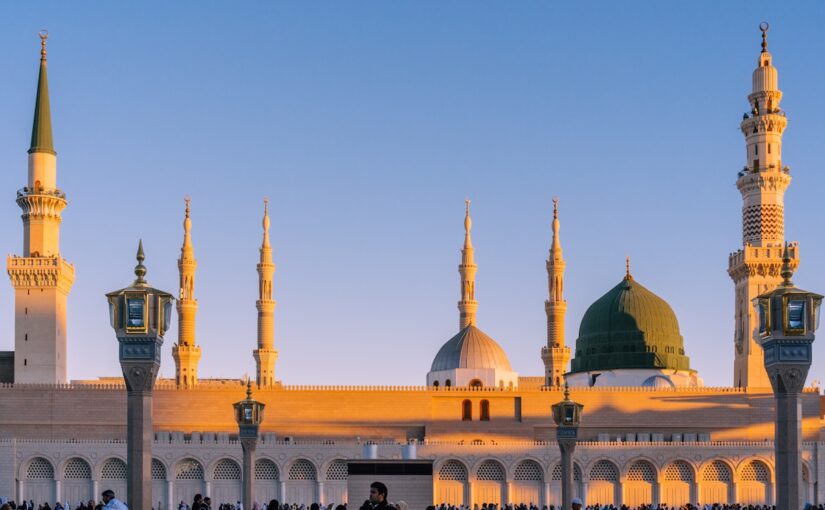
Mere Aaqa (میرے آقا) — Naat Lyrics in Urdu, English Translation and Meaning

Introduction

“Mere Aaqa” (میرے آقا) meaning “My Master” is a beloved naat sharif that expresses deep love and devotion for Prophet Muhammad (peace be upon him). The poet pours out his heart, calling the Prophet his master, his guide and the light of his life.

This naat is popular across the Islamic world and is recited at gatherings, Milad un-Nabi events and in daily worship. Its simple yet powerful words resonate with anyone who loves the Prophet.

Below you will find the full Urdu lyrics, English transliteration, English translation and the spiritual meaning behind this beautiful naat.

Mere Aaqa Naat Lyrics in Urdu

میرے آقاؐ، میرے آقاؐ
آپ کی ہے ہر صدا پیاری

میرے آقاؐ، میرے آقاؐ
آپ کی ہے ہر ادا پیاری

آپ کا روضہ ہے مدینے میں
وہ جگہ ہے کتنی پیاری

آپ کے در پر جو بھی آیا
اس کو ملی بخشش ہماری

میرے آقاؐ، میرے آقاؐ
مجھ کو اپنی نظر میں رکھنا

دل کو مدینے سے لگا دو
یہ ہے حسرت ہماری

مجھ کو اپنے در سے لگا لو
ورنہ دنیا ہے اجاڑ

آپ کے صدقے میں مانگوں
رب سے ملے ہمیں بھی یہ پیار

میرے آقاؐ، میرے آقاؐ
آپ کے در سے جدا نہ کرنا

English Transliteration

Mere Aaqa, mere Aaqa
Aap ki hai har sada pyari

Mere Aaqa, mere Aaqa
Aap ki hai har ada pyari

Aap ka roza hai Madinay mein
Woh jagah hai kitni pyari

Aap ke dar par jo bhi aaya
Usko mili bakhshish hamari

Mere Aaqa, mere Aaqa
Mujh ko apni nazar mein rakhna

Dil ko Madinay se laga do
Yeh hai hasrat hamari

Mujh ko apne dar se laga lo
Warna duniya hai ujaar

Aap ke sadqay mein maangoon
Rab se mile hamein bhi yeh pyaar

Mere Aaqa, mere Aaqa
Aap ke dar se juda na karna

English Translation

My Master, my Master
Every word of Yours is beloved

My Master, my Master
Every mannerism of Yours is beloved

Your blessed resting place is in Madinah
That place is so precious

Whoever came to Your door
Received forgiveness, our hope

My Master, my Master
Keep me in Your gracious sight

Attach my heart to Madinah
This is my deepest wish

Keep me close to Your door
Otherwise this world is barren

Through Your blessings, I ask
That my Lord grants me this love too

My Master, my Master
Do not ever separate me from Your door

Meaning and Background

“Mere Aaqa” uses the word “Aaqa” (آقا) which in Urdu and Persian means master, lord or leader. In the context of this naat, it refers to Prophet Muhammad (SAW) as the spiritual master of all believers.

The naat explores several key themes:

1. Love for the Prophet: The repeated refrain “Mere Aaqa, mere Aaqa” is not just a title but a declaration of love. The poet claims ownership of this relationship, using the word “mere” (my) to express personal connection.

2. The Sanctity of Madinah: The reference to the Prophet’s resting place (roza) in Madinah highlights the deep spiritual longing Muslims have to visit the city of the Prophet. Madinah is not just a city; it is a place of peace and spiritual fulfilment.

3. Seeking Intercession: The lines “Aap ke dar par jo bhi aaya / Usko mili bakhshish” reflect the belief that those who seek the Prophet’s intercession with sincerity receive Allah’s forgiveness.

4. Fear of Separation: The closing plea “Aap ke dar se juda na karna” (do not separate me from Your door) expresses the believer’s deepest fear: being distanced from the Prophet’s spiritual presence.

5. Worldly Detachment: “Warna duniya hai ujaar” (otherwise the world is barren) reminds us that without the Prophet’s guidance, the material world holds no real value.

When to Recite This Naat

“Mere Aaqa” is suitable for recitation at any time, but it is especially popular during:

  • Milad un-Nabi gatherings (the Prophet’s birthday)
  • Friday nights and other blessed nights
  • Before or after namaaz in congregation
  • Personal worship and meditation
  • Qawwali and naat competitions

The naat is often recited in a melancholic yet hopeful tone, reflecting the deep love and yearning of the believer for the Prophet’s presence.

About the Poet

The exact origins of “Mere Aaqa” are traced to traditional South Asian naat poetry. Like many classical naats, it has been passed down through oral tradition and performed by various renowned naat khwaans (reciters).

This naat continues to inspire millions of Muslims around the world, bringing them closer to the love of Prophet Muhammad (SAW).

Download and Share

Feel free to share the lyrics and translation with friends and family. Understanding the meaning of the naat deepens your connection to the words you recite. May Allah accept our love for the Prophet and grant us the honour of visiting his blessed city. Ameen.