

Aana Hoga Madine (آنا ہوگا مدینے) — Naat Lyrics in Urdu, English Translation and Meaning

Aana Hoga Madine is one of the most beloved naats in the Urdu speaking world. Written and recited by Owais Qadri, this naat expresses a deep longing to visit the city of Madinah and the blessed Rawza of Prophet Muhammad (PBUH). The words reflect the yearning of every Muslim heart to stand before the beloved Prophet and send salutations upon him.

In this post, you will find the complete lyrics of Aana Hoga Madine in Urdu, a Roman Urdu transliteration, an English translation, and a brief background on the naat’s meaning and significance.

Background of Aana Hoga Madine

Aana Hoga Madine was written by Owais Raza Qadri, a well known naat khwan from Pakistan. His soulful voice and heartfelt delivery have made this naat popular across the world. The naat focuses on the theme of longing and hope — the hope that one day the reciter will be blessed with a visit to Madinah and the honour of standing in the presence of the beloved Prophet.

The title means “I will have to go to Madinah” or “I must go to Madinah.” It is a statement of certainty and faith. The reciter is not asking for permission. He is declaring his intention. No matter what obstacles come, he will reach Madinah.

This naat is especially popular during gatherings where people express their love for the Prophet. It is recited at mehfils, milads, and during travels to Madinah.

Urdu Lyrics of Aana Hoga Madine (آنا ہوگا مدینے)

آنا ہوگا مدینے ضرور آنا ہوگا
آپ صلی اللہ علیہ وسلم کے دیوانے ضرور آنا ہوگا

یہ نہیں کہ نظر آتے نہیں یارب ہم کو
تیری رحمت کے خزانے ضرور آنا ہوگا

جسم کربل میں ترستا ہے وضو کے واسطے
خون کے پیاسے بھی دریا پہ نہ آنے والے

آپ صلی اللہ علیہ وسلم کے در کا میں بھکاری ہوں
مجھے حاتم کا نہیں کوفہ کا سکندر ہونا

میری بخشش کا ذریعہ ہے محمد کا غم
میرے گناہ تو دریا ہیں یہ سمندر ہونا

مدینے والے مجھے بھی اپنا بنا لو
میں آ رہا ہوں مرے آقا مدینہ والو

یہ نہیں کہ نظر آتے نہیں یا رب ہم کو
تیری رحمت کے خزانے ضرور آنا ہوگا

آپ صلی اللہ علیہ وسلم کی محبت میں گزاریں گے ساری عمر
یہی آرزو ہے دل میں مدینے ضرور آنا ہوگا

Roman Urdu Transliteration

Aana hoga madine zaroor aana hoga
Aap sallallahu alaihi wasallam ke deewane zaroor aana hoga

Yeh nahi ke nazar aate nahi ya rabb hum ko
Teri rahmat ke khazane zaroor aana hoga

Jism karbal mein tarasta hai wazu ke waaste
Khoon ke pyaase bhi dariya pe nah aane wale

Aap sallallahu alaihi wasallam ke dar ka mein bhikari hoon
Mujhe Haatim ka nahi Kufa ka Sikandar hona

Meri bakhshish ka zariya hai Muhammad ka gham
Mere gunaah toh dariya hain yeh samandar hona

Madine wale mujhe bhi apna bana lo
Mein aa raha hoon mere aaqa madina walo

Yeh nahi ke nazar aate nahi ya rabb hum ko
Teri rahmat ke khazane zaroor aana hoga

Aap sallallahu alaihi wasallam ki mohabbat mein guzaarenge saari umar
Yahi aarzu hai dil mein madine zaroor aana hoga

English Translation

I will have to go to Madinah, I must go
I am a lover of the Prophet (PBUH), I must go

It is not that You do not see us, O Lord
But the treasures of Your mercy must be approached

My body yearns for ablution in Karbala
Those who thirst for blood will never come to the river

I am a beggar at the court of the Prophet (PBUH)
I do not need to be like Hatim or the conqueror of Kufa

The sorrow of Muhammad (PBUH) is the means of my forgiveness
My sins are rivers, and this sorrow is the ocean

O people of Madinah, accept me as one of your own
I am coming, my master, O people of Madinah

It is not that You do not see us, O Lord
But the treasures of Your mercy must be approached

I will spend my entire life in the love of the Prophet (PBUH)
This is the desire in my heart — I must go to Madinah

The Meaning and Significance of Aana Hoga Madine

This naat carries layers of spiritual meaning. On the surface, it is about the physical journey to Madinah. But deeper, it is about the spiritual journey towards the love of the Prophet.

The opening lines establish the certainty of the journey. The reciter declares “I will have to go to Madinah” not as a wish but as a certainty. This reflects the strong faith that Allah honours those who genuinely love His Messenger.

The line “Yeh nahi ke nazar aate nahi ya rabb hum ko / Teri rahmat ke khazane zaroor aana hoga” is profound. It acknowledges that Allah sees us and knows us. But His treasures of mercy are so vast that we must actively seek them. We cannot sit idle and expect mercy. We must make the effort to reach for it.

The reference to Karbala and thirst is a reminder of the sacrifices made by the family of the Prophet. It contrasts worldly thirst (for blood and revenge) with spiritual thirst (for purification and devotion).

The line about being a beggar at the Prophet’s door is a powerful expression of humility. The reciter does not want worldly fame or wealth. He wants only the honour of being connected to the Prophet. References to Hatim (known for generosity) and Sikandar (Alexander the Great, conqueror) show that worldly achievements mean nothing compared to the love of the Prophet.

The verse about sins and the ocean is beautiful. It acknowledges that our sins are vast like rivers. But the love and sorrow for the Prophet is like an ocean — it can absorb and wash away all sins. This brings hope to every believer who feels weighed down by their mistakes.

The final verses are a heartfelt plea to the people of Madinah and to the Prophet himself. The reciter announces that he is coming, and he asks to be accepted. This reflects the deep desire of every Muslim to be counted among the followers of the Prophet.

Why Aana Hoga Madine Resonates with So Many

This naat resonates because it speaks to a universal Muslim experience. Every Muslim who loves the Prophet dreams of visiting his mosque in Madinah. The naat puts that feeling into words.

The melody of this naat is simple but emotional. When recited with feeling, it brings tears to the eyes of listeners. It is often recited on flights approaching Madinah, during Umrah trips, and at the end of religious gatherings.

Final Thoughts

Aana Hoga Madine is more than a naat. It is a declaration of love. It is a statement of faith. It is the voice of every heart that yearns for the blessed city of the Prophet.

Whether you are planning your first visit to Madinah or you have been blessed to go many times, this naat captures the feeling that never fades — the longing to be near the beloved Prophet, peace be upon him.

May Allah grant us all the opportunity to visit the Rawza of the Prophet in Madinah. Ameen.
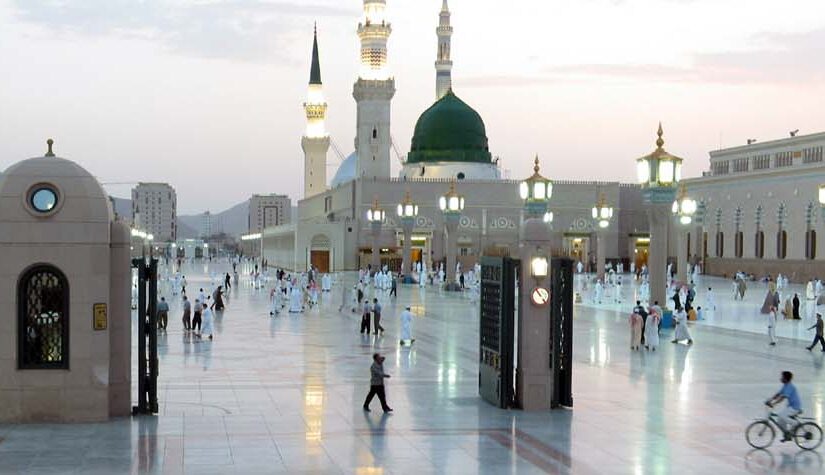
Mera Dil Badal De (میرا دل بدل دے) – Naat Lyrics, English Translation and Meaning

Mera Dil Badal De (میرا دل بدل دے) – Naat Lyrics, English Translation and Meaning

The heartfelt naat “Mera Dil Badal De” (میرا دل بدل دے – Change My Heart) is a deeply emotional supplication in which the poet turns to Allah Almighty, pleading for a transformation of the heart. The poet asks that his heart be filled with the love of the Holy Prophet Muhammad (peace be upon him) and cleansed of all worldly attachments. This naat beautifully captures the yearning of a believer who recognizes his own shortcomings and seeks divine mercy through the wasila (mediation) of the beloved Prophet. It is widely recited across the subcontinent, especially during gatherings of naat and dhikr, and has been rendered by various renowned voices including Rahat Fateh Ali Khan.

In the verses below, the poet expresses the desire to become a devoted servant of the Prophet, to be freed from the distractions of this world, and to attain the honour of being counted among the true lovers of the Prophet (PBUH). Each couplet reveals a soul in search of spiritual purification and a closer bond with the Prophet’s blessed way of life.

Urdu Lyrics | Mera Dil Badal De

میرا دل بدل دے مری جان بدل دے
مجھے اپنا بنا کر میرا مان بدل دے

تری رحمتوں کے سوا کچھ نہیں ہے
میرا رب ہے تو غفور و رحیم

مجھے دیدار کا شوق دے دے محمدﷺ
مرے دل میں جگہ دے مدینہ شہر کی

مجھے تو نے بنا ہے اپنا گنہگار
تو ہی بخش دے میری خطاؤں کو

مرے دل میں بھی دے دے نبی ﷺ کا تمنا
مری آنکھوں میں دے دے مدینے کا نظارہ

مدینے کا ہر ذرہ مجھے یاد آتا ہے
گلی گلی میں ہوتی ہے سرکارﷺ کی باتیں

میرے دل کو تجلی سے منور کر دے
مجھے در پہ بلا کر مری قسمت جاگے

یہ دنیا ہے فانی, نہیں ہے ٹھکانہ
مجھے آخرت میں دے مدینے کا ٹھکانہ

میرا دل بدل دے مری جان بدل دے
مجھے اپنا بنا کر میرا مان بدل دے

English Transliteration

Mera dil badal de, meri jaan badal de
Mujhe apna bana kar, mera maan badal de

Terii rahmaton ke siwa kuch nahin hai
Mera Rab hai tu Ghafoor o Raheem

Mujhe didaar ka shauq de de Muhammad (PBUH)
Mere dil mein jagah de Madina sheher ki

Mujhe tu ne banaya hai apna gunahgaar
Tu hi bakhsh de meri khataaon ko

Mere dil mein bhi de de Nabi (PBUH) ka tamanna
Meri aankhon mein de de Madine ka nazara

Madine ka har zarra mujhe yaad aata hai
Gali gali mein hoti hai Sarkar (PBUH) ki baatein

Mere dil ko tajalli se munawar kar de
Mujhe dar pe bula kar meri qismat jaage

Yeh duniya hai faani, nahin hai thikana
Mujhe aakhirat mein de Madine ka thikana

Mera dil badal de, meri jaan badal de
Mujhe apna bana kar, mera maan badal de

English Translation

Verse 1: Change my heart, change my soul. Make me Your own and transform my pride.

Verse 2: I have nothing other than Your mercy. My Lord, You are the Oft-Forgiving, the Most Merciful.

Verse 3: Grant me the yearning to behold the blessed sight of Muhammad (PBUH). Place in my heart a longing for the city of Madina.

Verse 4: You have made me a sinner. Only You can forgive my faults and transgressions.

Verse 5: Place within my heart the desire for the Prophet (PBUH), and in my eyes the vision of Madina.

Verse 6: Every particle of Madina brings back memories. In every street, people speak of the beloved Prophet (PBUH).

Verse 7: Illuminate my heart with Your divine light. Call me to Your doorstep so my fortune may awaken.

Verse 8: This world is temporary, it is no permanent abode. Grant me a place near Madina in the Hereafter.

Verse 9: Change my heart, change my soul. Make me Your own and transform my pride.

Background and Meaning

The naat “Mera Dil Badal De” is a poetic supplication that captures the essence of tawbah (repentance) and tawakkul (reliance on Allah). The central theme revolves around the believer’s desire for inner transformation. The poet acknowledges that the heart is prone to worldly distractions and sins, and only through divine intervention can it be purified and redirected toward the love of the Prophet Muhammad (PBUH).

The repeated refrain – “Change my heart, change my soul” – underscores the urgency of spiritual renewal. This is not merely a request for forgiveness; it is a plea for a complete reorientation of one’s being. The poet wants to shed arrogance (maan), embrace humility, and become a devoted servant of the Prophet’s household and teachings.

The lyrics reference several key Islamic concepts:

  • Tawbah (Repentance): The poet openly admits to being a sinner and seeks forgiveness directly from Allah, acknowledging His attributes as Al-Ghafoor (the Oft-Forgiving) and Ar-Raheem (the Most Merciful).
  • Ishq-e-Mustafa (Love of the Prophet): The deepest desire expressed is to have the love of Prophet Muhammad (PBUH) firmly rooted in the heart. This love is seen as the ultimate means of attaining closeness to Allah.
  • Madina and the Prophet’s Mosque: The city of Madina holds a special spiritual place in the heart of every Muslim. The poet longs to visit, to see, and ultimately to be granted a place in Madina not just in this world but in the Hereafter.
  • Dunya vs Aakhirah: The naat contrasts the temporary nature of this worldly life with the eternal abode of the Hereafter. The poet chooses the latter, specifically hoping for a place near the Prophet in Madina.
  • Tajalli (Divine Illumination): The request for the heart to be illuminated with divine light (tajalli) reflects the Sufi concept of spiritual purification and inner enlightenment.

This naat is often recited in mehfil-e-naat (naat gatherings) across Pakistan and India, and its soulful melody has made it a favourite among listeners of all ages. The sincerity of the lyrics resonates deeply with those seeking spiritual closeness to the Prophet (PBUH) and a meaningful connection with Allah.

May Allah grant us all the ability to love His Prophet (PBUH) with a sincere heart, and may He grant us the honour of visiting Madina and being counted among the true lovers of the Prophet (PBUH). Ameen.

Ya Nabi Salam Alayka (یا نبی سلام علیک) — Naat Lyrics, English Translation and Meaning

“Ya Nabi Salam Alayka” is one of the most beloved Islamic nasheeds and naats recited by Muslims around the world. The title translates to “O Prophet, Peace Be Upon You.” This beautiful naat expresses deep love and respect for Prophet Muhammad (peace be upon him).

The naat was popularised by the famous naat khwan (reciter) Qari Waheed Zafar Qasmi and later by many other renowned reciters. It has become a staple at Islamic gatherings, milad, and naat competitions across the globe.

Ya Nabi Salam Alayka — Urdu Lyrics

یا نبی سلام علیک یا رسول سلام علیک

یا حبیب سلام علیک صلوات اللہ علیک

اشرق الكون بھا فاض أنوار الھدی

فمحا ظلمة الشرك وأحيى الأبدا

یا نبی سلام علیک یا رسول سلام علیک

یا حبیب سلام علیک صلوات اللہ علیک

نورہ العم نور قد سرى في الوجود

فھدى کل حیران وأحیا کل عود

یا نبی سلام علیک یا رسول سلام علیک

یا حبیب سلام علیک صلوات اللہ علیک

ملء دنياك حب وقلوب الخلق ھام

كل من في الورى من صغير لكرام

یا نبی سلام علیک یا رسول سلام علیک

یا حبیب سلام علیک صلوات اللہ علیک

English Transliteration

Ya Nabi Salam Alayka, Ya Rasool Salam Alayka
Ya Habib Salam Alayka, Salawatullahi Alayka

Ashraqal kawnu biha faadha anwarul huda
Famaha zulmatash shirki wa ahyal abada

Ya Nabi Salam Alayka, Ya Rasool Salam Alayka
Ya Habib Salam Alayka, Salawatullahi Alayka

Nuruhul a’ammu noorun qad sara fil wujood
Fahada kulla hayraan wa ahyah kulla ‘ood

Ya Nabi Salam Alayka, Ya Rasool Salam Alayka
Ya Habib Salam Alayka, Salawatullahi Alayka

Mil’u dunyaka hubbi wa quloobul khalqi haam
Kullu man fil wara min sagheerin li kiram

Ya Nabi Salam Alayka, Ya Rasool Salam Alayka
Ya Habib Salam Alayka, Salawatullahi Alayka

English Translation

Verse 1:
O Prophet, peace be upon you. O Messenger, peace be upon you.
O Beloved, peace be upon you. May the blessings of Allah be upon you.

Verse 2:
The universe shone with his light, and the radiance of guidance spread.
It erased the darkness of polytheism and revived eternity.

Verse 3:
O Prophet, peace be upon you. O Messenger, peace be upon you.
O Beloved, peace be upon you. May the blessings of Allah be upon you.

Verse 4:
His all-encompassing light travelled through all existence.
It guided every lost soul and revived every withered spirit.

Verse 5:
O Prophet, peace be upon you. O Messenger, peace be upon you.
O Beloved, peace be upon you. May the blessings of Allah be upon you.

Verse 6:
Your love fills this world and the hearts of all people are captivated.
Everyone in creation, from the young to the noble, is enchanted by you.

Verse 7:
O Prophet, peace be upon you. O Messenger, peace be upon you.
O Beloved, peace be upon you. May the blessings of Allah be upon you.

Meaning and Background

“Ya Nabi Salam Alayka” is a heartfelt salutation to the Prophet Muhammad (PBUH). The repeated refrain, “Ya Nabi Salam Alayka, Ya Rasool Salam Alayka, Ya Habib Salam Alayka, Salawatullahi Alayka” is a form of durood and salam, sending peace and blessings upon the Prophet.

The verses poetically describe how the Prophet’s arrival brought light and guidance to a world that was in darkness. The “light” (noor) mentioned in the second verse refers to the divine guidance brought by Islam, which replaced ignorance and polytheism with faith and enlightenment.

This naat is often recited during:

  • Milad un-Nabi (the celebration of the Prophet’s birthday)
  • Friday gatherings and naat evenings
  • Islamic conferences and spiritual events
  • Personal worship and reflection

Popular Reciters

While many reciters have performed “Ya Nabi Salam Alayka,” some of the most well-known versions include:

  • Qari Waheed Zafar Qasmi — His rendition is considered the original and most famous version. His voice and style have inspired countless other reciters.
  • Owais Raza Qadri — A popular reciter who has performed this naat in his unique emotional style.
  • Ali Jee — Known for heartfelt renditions that move audiences.
  • Various nasheed groups — Many Islamic nasheed groups and choirs have created their own arrangements of this timeless naat.

Why This Naat is Special

“Ya Nabi Salam Alayka” holds a special place in the hearts of Muslims because of its simplicity and depth. The lyrics are easy to learn and remember, making it accessible to people of all ages. The message is universal — sending love and blessings to the Prophet Muhammad (PBUH) is a fundamental act of faith for Muslims.

The melody is gentle and soulful, making it perfect for both group recitation and personal reflection. It is one of the first naats many children learn, and it stays with them for life.

Conclusion

Whether you are listening to it for spiritual upliftment or learning it to recite at an event, “Ya Nabi Salam Alayka” is a timeless naat that connects Muslims to their love for the Prophet Muhammad (PBUH). We hope this page with Urdu lyrics, transliteration, translation, and meaning helps you understand and appreciate this beautiful naat even more.

May the peace and blessings of Allah be upon our beloved Prophet Muhammad (PBUH), his family, and his companions.