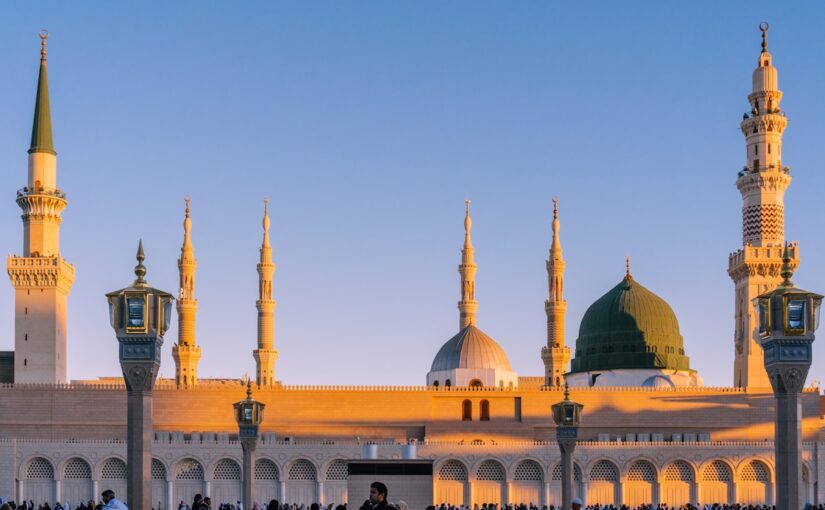
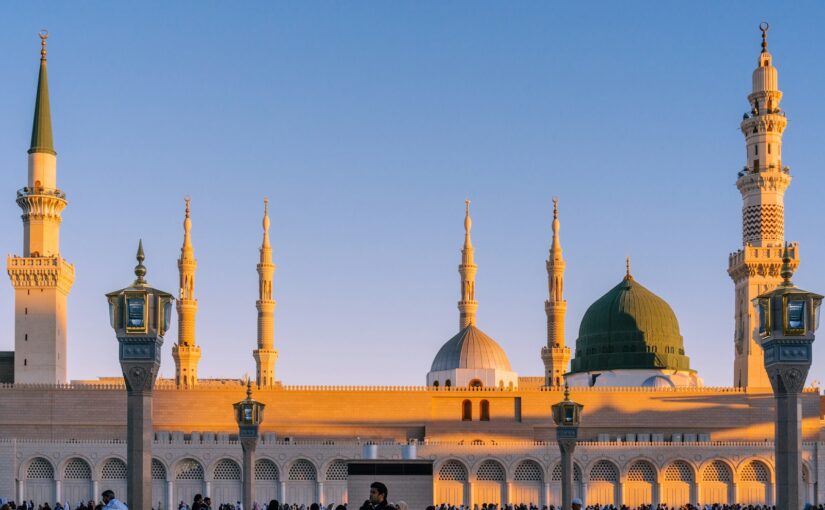
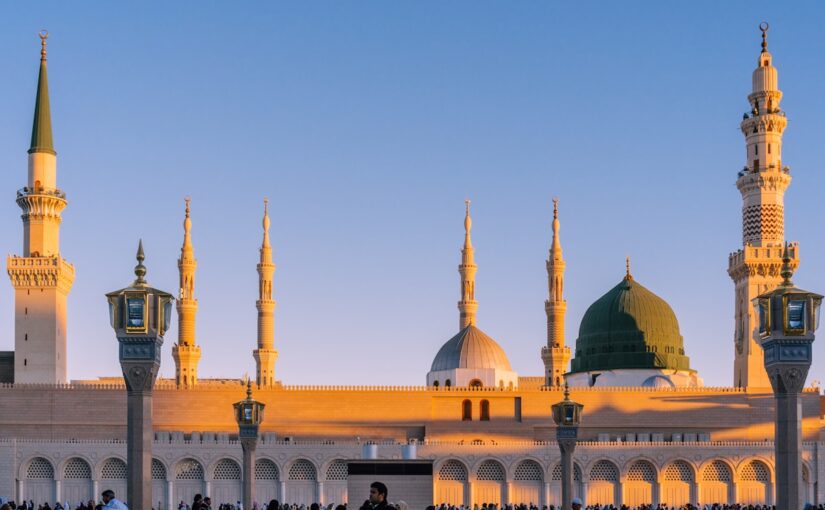
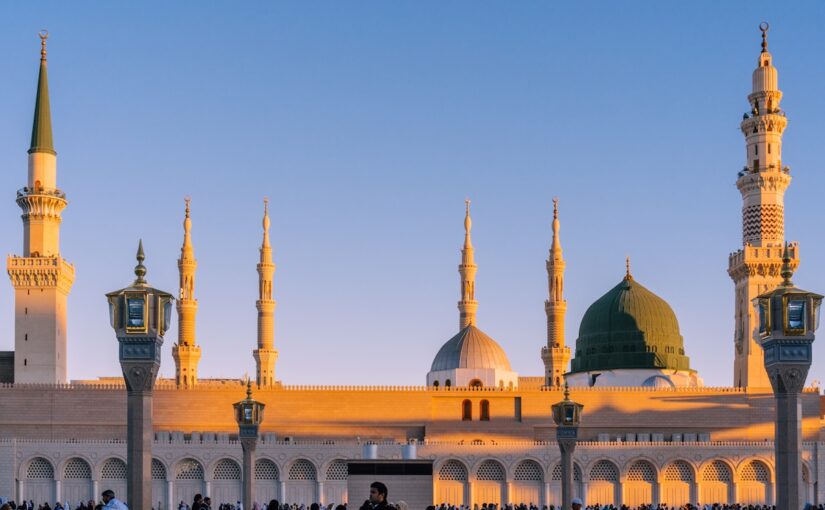
Mere Aaqa Madine Mein Mujhe Bhi Ab Bula Lijiye (میرے آقا مدینے میں مجھے بھی اب بلا لیجیے) — Full Naat Lyrics in Urdu, English Translation and Meaning

One of the most heart-touching and soulful naats ever recited, “Mere Aaqa Madine Mein Mujhe Bhi Ab Bula Lijiye” (میرے آقا مدینے میں مجھے بھی اب بلا لیجیے) is a beloved Urdu naat popularized by the renowned naat reciter Hafiz Ahmed Raza Qadri. This naat is a deeply emotional plea — a lover of the Prophet Muhammad ﷺ begging to be called to Madina, to be blessed with a glimpse of the Rawza Mubarak, and to spend the rest of their days in the blessed city. Every verse is soaked in longing, devotion, and an overwhelming desire to be in the presence of the Beloved ﷺ.

Background and Spiritual Significance

The naat Mere Aaqa Madine Mein captures the essence of Ishq-e-Rasool (love for the Prophet). It reflects the deep yearning that every believer carries in their heart — the desire to visit the holy city of Madina, to stand before the blessed Rawza of the Prophet Muhammad ﷺ, and to be buried in the sacred soil of Jannatul Baqi. The poet speaks not just of a visit but of being permanently settled in Madina, under the shade of the Green Dome (Gumbad-e-Khazra). It is a moving expression of spiritual homelessness in this world and a longing for the ultimate home — the company of the Prophet ﷺ in the Hereafter.

In Islamic spirituality, the love for Madina Munawwara is considered a sign of true faith. The Prophet ﷺ himself said: “Iman is to Madina what a snake is to its hole” (Bukhari). This naat echoes that tradition — it is not merely a poem but a supplication, a continuous plea for divine acceptance and proximity to the Chosen One ﷺ.

The recitation by Hafiz Ahmed Raza Qadri adds layers of emotion and spiritual depth. His gentle yet passionate voice transports the listener into a state of spiritual ecstasy, making this one of the most recited naats in homes, mosques, and religious gatherings across the globe.

Mere Aaqa Madine Mein — Urdu Lyrics (میرے آقا مدینے میں مجھے بھی اب بلا لیجیے)

Below are the complete Urdu lyrics of this beautiful naat in proper Arabic script:

میرے آقا مدینے میں مجھے بھی اب بلا لیجیے
ترستی ہیں مری آنکھیں مجھے روضہ دکھا دیجیے

مہکتی ہیں وہ راہیں جن سے آقا آپ ہیں گزرے
مجھے بھی ان گلی کوچوں میں رہنے کی جگہ دیجیے

لڑی سانسوں کی یہ آقا نہ جانے کب بکھر جائے
بلا لیجیے مدینے اور قدموں میں بسا لیجیے

دکھوں نے گھیر رکھا ہے غموں کی دھوپ ہے سر پر
ٹھکانہ گنبدِ خضریٰ کے سائے میں عطا کیجیے

مواجہ سامنے ہو جس گھڑی یہ دم نکل جائے
بقیۂ پاک ہی آقا میرا مدفن بنا دیجیے

عقیدت سے بنا نعلین جس در سیّدہ (رض) آئی
مجھے بھی سیّد شہدا کی وہ چوکھٹ دکھا دیجیے

کبھی میں جالیوں تھاموں بسا کر پنجتن دل میں
علی (رض) و فاطمہ حسنین (رض) کا صدقہ عطا کیجیے

ستاروں کہکشاؤں سے مدینے کی غبار اچھی
میسر ہو اگر قطبِؐ تو آنکھوں سے لگا لیجیے

میرے آقا مدینے میں مجھے بھی اب بلا لیجیے
ترستی ہیں مری آنکھیں مجھے روضہ دکھا دیجیے

English Translation (Line by Line)

Here is the English translation of each verse, capturing both the literal meaning and the spiritual essence:

Verse 1:
O my Master, please call me to Madina now,
My eyes are restless — show me the Blessed Rawza (shrine).

Verse 2:
The paths You once walked are fragrant with blessings,
Grant me a place to live in those streets and alleys.

Verse 3:
This string of breaths, my Master, may shatter any moment,
Call me to Madina and settle me at Your feet.

Verse 4:
Sorrows surround me, the heat of grief burns my head,
Grant me shelter in the shade of the Green Dome.

Verse 5:
The moment my soul departs while facing Your blessed presence,
O Master, make the pure soil of Baqi my eternal resting place.

Verse 6:
At the doorstep where Sayyida Fatima (RA) placed her blessed slippers with devotion,
Show me that threshold of the Leader of Martyrs (Sayyiduna Hamza RA).

Verse 7:
Let me hold the lattice screens, enshrining the Panjtan in my heart,
Grant me through the blessings of Ali (RA), Fatima (RA), Hasan and Husayn (RA).

Verse 8:
The dust of Madina is better than stars and galaxies,
If I am granted even a speck of it, let me place it upon my eyes.

Themes and Spiritual Reflections

This naat is rich in spiritual themes that resonate deeply with Muslims around the world. Here are some of the key themes explored in the poetry:

  • Longing for Madina: The central theme is the deep, aching desire to visit the city of the Prophet ﷺ. This longing is a hallmark of true love for the Prophet.
  • The Fragility of Life: The poet reflects on how life is like a string of breaths that can break at any moment. This awareness of mortality drives the urgency of the plea.
  • Seeking Intercession: The repeated refrain “Mere Aaqa” (My Master) is a humble plea for the Prophet’s intercession and spiritual closeness.
  • Love for Ahl al-Bayt: References to Ali, Fatima, Hasan, and Husayn (RA) show the deep reverence for the Prophet’s family, which is an integral part of Islamic devotion.
  • Value of Sacred Soil: The line about Madina’s dust being better than stars reflects the profound spiritual value attached to the blessed city and everything connected to the Prophet ﷺ.
  • Yearning for the Hereafter: The request to be buried in Jannatul Baqi shows the hope of being resurrected among the righteous in Madina.

About the Reciter: Hafiz Ahmed Raza Qadri

Hafiz Ahmed Raza Qadri is one of the most celebrated naat reciters of the modern era. Born in Pakistan, he is known for his melodious and emotionally charged recitations that move millions of hearts worldwide. His renditions of naats such as Mere Aaqa Madine Mein, Tajdar-e-Haram, and Mere Dil Mein Hai Yaade Muhammad have become iconic. He belongs to the Qadri spiritual order and his recitations are deeply rooted in the tradition of Ahl al-Sunnat wa al-Jama’at. His voice has the rare ability to convey both the joy of love and the pain of separation from the Beloved ﷺ.

Why This Naat Is So Popular

The popularity of “Mere Aaqa Madine Mein” can be attributed to several factors:

  • Relatable Emotion: Every Muslim who has never visited Madina or who longs to return feels these words in their heart. The naat gives voice to that universal yearning.
  • Simple Yet Profound: The language is simple enough for anyone to understand, yet the meaning is spiritually profound.
  • Melodious Composition: The composition by Hafiz Ahmed Raza Qadri is hauntingly beautiful and easy to memorize.
  • Perfect for Gatherings: It is frequently recited at Milad gatherings, naat nights, and spiritual assemblies (mehfils).

The Virtue of Reciting and Listening to Naat

Reciting or listening to naat (poetry in praise of the Prophet Muhammad ﷺ) is a meritorious act in Islam. The Prophet ﷺ said: “Whoever glorifies Allah, Allah will honor him. Whoever praises the Prophet, the Prophet will intercede for him.” Great Islamic scholars like Imam Busiri (author of Qasida Burda), Allama Iqbal, and Ahmed Raza Khan Barelvi have written extensively in praise of the Prophet ﷺ. The tradition of naat goes back to the companions of the Prophet ﷺ, most notably Hassan ibn Thabit (RA), who was the poet of the Prophet and whose verses were praised by the Prophet himself.

When we recite or listen to naats like “Mere Aaqa Madine Mein,” we are not just enjoying beautiful poetry — we are connecting spiritually with the Prophet ﷺ, renewing our love for him, and strengthening our faith. It is an act of worship when done with sincerity and devotion.

How to Use This Naat in Your Daily Spiritual Practice

  • Morning Dhikr: Recite a few verses after Fajr prayer to start your day with love for the Prophet ﷺ.
  • Before Travel: Recite this naat before embarking on a journey, especially if you are planning to visit Madina.
  • Family Gatherings: Share the lyrics and translation with family to spread the blessings.
  • Memorization: The simple rhyme scheme makes it easy to memorize. Try learning one verse each day.
  • Sending Salawat: After reciting the naat, send salawat (durood) upon the Prophet ﷺ to multiply the blessings.

May Allah ﷻ grant us all the opportunity to visit the blessed city of Madina Munawwara, to witness the blessed Rawza of the Prophet Muhammad ﷺ, and to die in the state of Iman. Ameen.

Read more Urdu Naat lyrics with English translation on Naatlines.com.

Aye Sabz Gumbad (اے سبز گنبد) — Full Naat Lyrics in Urdu, English Translation and Meaning

“Aye Sabz Gumbad” (اے سبز گنبد) is one of the most beloved naats in the Islamic world. It is a heartfelt plea addressed to the blessed green dome (gumbad) of the Prophet Muhammad’s (peace be upon him) mosque in Madinah. The naat expresses the deep longing of a believer to visit the sacred city and be in the presence of the Prophet.

The green dome of Masjid al-Nabawi is one of the most recognisable symbols of Islam. For centuries, Muslims have travelled from all corners of the world to stand beneath it and send salutations to the Prophet. This naat captures that emotion beautifully, and that is why it has been recited by countless nasheed artists across the world.

Aye Sabz Gumbad — Urdu Lyrics (اے سبز گنبد — اردو اشعار)

شعر اول:

اے سبز گنبد دے سدا
مجھ کو مدینے کا پتہ
دل ہے تڑپتا مجھ کو بتا
کیوں نہ ملا تیرا نشاں

شعر دوم:

آنکھوں نے دیکھا خواب کئی
دل نے سنے ہیں قصے بھی
بس اک نظر تیرا نشاں
اے شہر احمد دے صدا

شعر سوم:

مدینہ مدینہ مدینہ
مرا دل ہے تیرا دیوانہ
سبز گنبد کی چھاؤں میں
بس ایک جھلک دکھا دے

شعر چہارم:

تڑپتا ہے دل ہر گھڑی
یادوں میں تیری جاگے ہیں
قسمت میں ہو تو آئے گا
یہ بندہ تیرے در پہ

English Translation

Verse 1:
O green dome, call out to me forever,
Show me the way to Madinah.
My heart is restless, tell me,
Why have I not found your sign?

Verse 2:
My eyes have seen many dreams,
My heart has heard many stories.
Just once, let me see your sign,
O city of Ahmad, call out to me.

Verse 3:
Madinah, Madinah, Madinah,
My heart is crazy for you.
Under the shade of the green dome,
Show me just a glimpse.

Verse 4:
My heart yearns every moment,
I am awake in your memories.
If it is written in my fate,
This servant will come to your door.

The Meaning and Background

The green dome, or Sabz Gumbad, is the iconic green-coloured dome built above the tomb of Prophet Muhammad (peace be upon him) in Masjid al-Nabawi in Madinah. Originally, the dome was built by the Mamluk sultan Al-Mansur Qalawun in the 13th century, and it was painted green in 1837 during the Ottoman period. The dome has become a universal symbol of love for the Prophet and a focal point for millions of pilgrims who visit Madinah every year.

This naat speaks to the universal longing that every Muslim feels to visit Madinah and stand before the Prophet’s mosque. It is a song of separation and hope. The poet asks the dome itself to show the way, because the dome represents not just a building, but the spiritual presence of the Prophet that his followers continue to feel centuries after his passing.

Many famous naat reciters have performed Aye Sabz Gumbad, making it widely recognised across South Asia and the wider Muslim world. It is especially popular during gatherings where people express their love for the Prophet and their wish to visit his city.

Why Aye Sabz Gumbad Is So Special

There are few places on earth that hold as much spiritual significance for Muslims as Madinah. The Prophet spent the last ten years of his life there, built the first Muslim community, and is buried in Masjid al-Nabawi. For a believer, visiting Madinah is not just a trip. It is a spiritual journey. This naat captures that feeling better than almost any other. It is simple, emotional, and deeply sincere.

If you love this naat, you may also enjoy other naats that express love for the Prophet. You can explore Tajdar-e-Haram for its powerful praise of the Prophet, or Sultan-e-Madina for another beautiful expression of devotion. Shan-e-Mustafa is also a wonderful naat that celebrates the greatness of the Prophet.

Final Thoughts

Aye Sabz Gumbad is more than just a naat. It is a prayer, a longing, and a hope all wrapped into one. Whether you have been to Madinah or only dream of going, this naat speaks to your heart. Read the lyrics, understand the meaning, and let the words bring you closer to the city of the Prophet.

Madine Chalein (مدینہ چلیں) — Full Naat Lyrics in Urdu, English Translation and Meaning

“Madine Chalein (مدینہ چلیں)” is a soul-stirring Urdu naat that captures the deep spiritual yearning every Muslim feels to visit the blessed city of Madinah Munawwarah. The naat expresses the heart’s overwhelming desire to travel to the city of the Prophet Muhammad ﷺ, to stand at his blessed Rawdah, and to experience the unparalleled peace that descends upon the soul in the shade of the Green Dome. This naat has been popularized by various renowned naat khwans and remains a beloved piece in Islamic devotional poetry.

The Significance of Madinah in Islamic Spirituality

Madinah Munawwarah (the Illuminated City) holds a place in the heart of every believer that is second only to Makkah. It is the city that welcomed the Prophet Muhammad ﷺ when he migrated from Makkah, the city where the first Islamic state was established, and the final resting place of the beloved Messenger of Allah. To visit Madinah is to experience a spiritual tranquility that words cannot fully capture — it is to stand where the Prophet stood, to pray where he prayed, and to send salutations upon him at his blessed grave.

The naat “Madine Chalein” beautifully articulates this longing. Each verse is a heartfelt plea to be granted the blessing of visiting the Prophet’s city, reflecting the deep emotional and spiritual connection between the believer and the beloved Messenger of Allah.

Madine Chalein — Naat Lyrics (Urdu Text)

Below are the complete lyrics of “Madine Chalein” in the original Urdu script along with Roman transliteration and English translation.

Verse 1

Urdu:
مدینے چلیں، مدینے چلیں
نبی کے نگر میں مدینے چلیں
جو جان لگا دے مدینے سے دل
وہ انسان بن جائے انمول پل

Roman Transliteration:
Madine chalein, madine chalein
Nabi ke nagar mein madine chalein
Jo jaan laga de madine se dil
Woh insaan ban jaaye anmol pal

English Translation:
Let us go to Madinah, let us go to Madinah
To the city of the Prophet, let us go to Madinah
The heart that devotes its life to Madinah
That person becomes priceless in an instant

Verse 2

Urdu:
وہ گنبد خضرا کی چھاؤں ہے پیار
وہ روضۂ اطہر کا دیدار ہے یار
جو اک بار دیکھے نبی کا حرم
سمجھ لے یہ دنیا ہے اک اک شگن

Roman Transliteration:
Woh gumbad-e-khazra ki chhaaon hai pyaar
Woh rozah-e-at’har ka deedaar hai yaar
Jo ek baar dekhe Nabi ka haram
Samajh le yeh duniya hai ek ek shagan

English Translation:
The shade of the Green Dome is love itself
The sight of the pure blessed grave is a gift, O friend
The one who sees the Prophet’s sanctuary just once
Realizes this world is but a fleeting moment

Verse 3

Urdu:
مدینے کی گلیوں میں خوشبو ہے کچھ اور
نبی کے درِ پر سلام کا شور
جو روتا ہے یادِ نبی میں کوئی
اسی یاد میں اس کا دل ہے معصوم

Roman Transliteration:
Madine ki galiyon mein khushbu hai kuch aur
Nabi ke dar par salaam ka shor
Jo rota hai yaad-e-Nabi mein koi
Isi yaad mein uss ka dil hai masoom

English Translation:
The streets of Madinah carry a unique fragrance
At the Prophet’s door, there is the clamor of salutations
Whoever weeps in the remembrance of the Prophet
In that remembrance, their heart becomes pure

Verse 4

Urdu:
مدینے چلیں، مدینے چلیں
نبی کے نگر میں مدینے چلیں
جہاں کا سکوں اور جنت کا نشاں
وہاں دل کا سجدہ رہے ہے جواں

Roman Transliteration:
Madine chalein, madine chalein
Nabi ke nagar mein madine chalein
Jahaan ka sukoon aur jannat ka nishaan
Wahaan dil ka sajda rahe hai jawaan

English Translation:
Let us go to Madinah, let us go to Madinah
To the city of the Prophet, let us go to Madinah
Where the world’s peace and paradise’s sign reside
There, the heart’s prostration remains forever young

Verse 5

Urdu:
ذرا سوچو اے دل! یہ کتنی بڑی بات
نبی کا ہے شہر، یہ کتنا انوکھا
یہاں آ کے ہر دل کو ملتا ہے سکون
مدینے کی خاک پہ قربان یہ جان

Roman Transliteration:
Zara socho ae dil! Yeh kitni badi baat
Nabi ka hai shehar, yeh kitna anokha
Yahan aa ke har dil ko milta hai sukoon
Madine ki khaak pe qurban yeh jaan

English Translation:
Think, O heart! How great a matter this is
This is the Prophet’s city — how unique it is
Coming here, every heart finds tranquility
May my life be sacrificed upon the dust of Madinah

The Spiritual Meaning Behind Madine Chalein

“Madine Chalein” is more than just a song or a poem — it is the heartfelt cry of a believer’s soul. The repeated call of “Madine chalein, madine chalein” reflects the urgency and intensity of the spiritual longing to visit the blessed city. This repetition is not poetic redundancy; it mirrors the persistent yearning that echoes in the heart of every Muslim who has yet to visit Madinah or who longs to return.

The naat emphasizes several key spiritual themes:

  • Love for the Prophet ﷺ: The core of the naat is the profound love for Prophet Muhammad ﷺ, which manifests as a desire to be physically present in his city and at his mosque.
  • The Green Dome as a Symbol: The Green Dome (Gumbad-e-Khazra) over the Prophet’s blessed grave is mentioned as a symbol of divine mercy and spiritual shelter. Its shade represents the protection and peace that comes from following the Prophet’s teachings.
  • Madinah as a Place of Inner Transformation: The lyrics suggest that visiting Madinah has the power to transform a person — one who connects their heart to Madinah becomes fundamentally changed at their core.
  • The Fleeting Nature of This World: The naat reminds listeners that this worldly life (duniya) is temporary, and the true treasure lies in the spiritual connection with the Prophet and his city.

The Popularity of Madine Chalein

“Madine Chalein” has been recited by many prominent naat khwans across South Asia and has gained immense popularity in the Islamic world. Its simple yet profound lyrics make it accessible to people of all ages. The naat is frequently recited at Milad gatherings, spiritual conferences, and in homes where families gather to send salutations upon the Prophet. The melody, which varies between different reciters, captures both the joy and the deep emotional longing associated with the thought of visiting Madinah.

What makes this naat particularly special is its universal appeal — whether you have visited Madinah a hundred times or are still waiting for your first opportunity, the words of “Madine Chalein” resonate deeply with your soul. For those who have been blessed to visit, the naat brings back cherished memories of standing before the blessed Rawdah. For those still waiting, it fuels the hope and dua that one day they too will be invited to the city of the beloved Prophet.

Why the Longing for Madinah is So Deep

The love for Madinah is intrinsically tied to the love for the Prophet Muhammad ﷺ. When a Muslim loves someone deeply, they naturally long to visit the places associated with that person, to walk where they walked, and to experience their physical presence in the spaces they once inhabited. Madinah is unique because it houses:

  • Masjid an-Nabawi: The Prophet’s Mosque, which is the second holiest mosque in Islam, where prayer carries multiplied reward.
  • Al-Rawdah al-Sharifah: The blessed garden between the Prophet’s pulpit and his house, described as a garden from the gardens of Paradise.
  • The Blessed Grave: The final resting place of the Prophet Muhammad ﷺ, along with his companions Abu Bakr and Umar (may Allah be pleased with them).
  • The Green Dome: The iconic green dome that has become the most recognizable symbol of Madinah worldwide.

The naat beautifully captures that this longing is not merely sentimental but deeply spiritual — it is the soul’s recognition of where true peace resides, and the heart’s natural inclination toward the place that holds the most beloved of Allah’s creation.

The Power of Naat in Islamic Spirituality

Naat (also spelled na’at) is a genre of devotional poetry that praises the Prophet Muhammad ﷺ. It has a rich tradition stretching back to the time of the companions, notably the famous poet Hassan ibn Thabit (may Allah be pleased with him), whom the Prophet ﷺ himself honored and encouraged. Over the centuries, naat has evolved into a beloved form of Islamic artistic expression, particularly in South Asia, the Arab world, and Turkey.

Naat serves multiple spiritual purposes:

  • Expresses Love: It provides a beautiful medium for expressing the deep love Muslims hold for their Prophet.
  • Strengthens Connection: Reciting and listening to naat strengthens the spiritual connection with the Prophet ﷺ.
  • Spreads Blessings: Many verses of naat include sending salawat (blessings) upon the Prophet, which brings spiritual reward to both the reciter and listener.
  • Preserves Tradition: Naat preserves the linguistic and poetic traditions of Urdu, Persian, Arabic, and other Islamic languages.

“Madine Chalein” stands as a beautiful example of this rich tradition — simple in its expression, yet profound in its emotional and spiritual impact.

Conclusion

“Madine Chalein (مدینہ چلیں)” is more than a naat — it is a prayer, a longing, and a declaration of love for the Prophet Muhammad ﷺ and his blessed city. Its verses remind us that the journey to Madinah is not merely a physical journey but a spiritual one that transforms the heart and soul. Whether you have made the journey or dream of making it one day, this naat speaks to the deepest part of your imaan.

May Allah grant us all the opportunity to visit the blessed city of Madinah, to pray in Masjid an-Nabawi, and to send our salutations upon the beloved Prophet ﷺ at his blessed grave. Ameen.

Recite the kalimah and send salutations upon the Prophet Muhammad ﷺ: اللَّهُمَّ صَلِّ عَلَىٰ مُحَمَّدٍ وَعَلَىٰ آلِ مُحَمَّدٍ

Tajdar-e-Haram (تاجدارِ حرم) — Full Naat Lyrics in Urdu, English Translation and Meaning

Introduction

Tajdar-e-Haram (تاجدارِ حرم) is one of the most beloved and widely recited naats in the Islamic world. The title translates to “The Crown of the Sanctuary” — a beautiful reference to Prophet Muhammad (peace be upon him) as the crowning glory of the sacred city of Madinah. This naat expresses deep love, devotion and reverence for the Prophet (PBUH), describing him as the pride of the Haram (the sacred sanctuary) and the ultimate intercessor for humanity.

The naat gained massive popularity through Coke Studio Pakistan’s rendition, performed by the legendary Atif Aslam alongside the Mai Dhai group. The soulful melody combined with powerful Urdu poetry created a spiritual experience that resonated with millions of listeners worldwide. But the naat has been recited for decades in mehfils and gatherings long before its mainstream popularity.

In this post, you will find the complete Tajdar-e-Haram naat lyrics in Urdu, along with Roman English transliteration, English translation and an explanation of its spiritual meaning.

About the Naat

Tajdar-e-Hamar is a naat that belongs to the tradition of “hamd” and “naat” — poetry written in praise of Allah and His Prophet (peace be upon him). The poet uses the metaphor of a king wearing a crown to describe the elevated status of the Prophet among all of creation. The word “taj” means crown, “dar” means possessor or holder, and “haram” refers to the sacred sanctuary of Madinah.

The naat beautifully combines themes of love, longing, and spiritual devotion. It speaks of the Prophet’s exalted station, his role as a mercy to all worlds, and the deep connection believers feel towards him. Each verse is a pearl of wisdom wrapped in the beauty of Urdu poetry.

If you enjoy this naat, you may also like our post on Mera Dil To Hai Madine, another soul-stirring naat about the love for Madinah.

Tajdar-e-Haram — Urdu Lyrics (تاجدارِ حرم)

Verse 1:

تاجدارِ حرم، اے تاجدارِ حرم

دردِ دل کا مداوا، اے تاجدارِ حرم

Verse 2:

آپ کی چوکھٹ پہ سر ہے، آپ کی محبت میں دم ہے

آپ کی رحمت کی خاطر، دل میں سینکڑوں ہی غم ہے

Verse 3:

اے شہہِ مشرق و مغرب، اے محبوبِ الٰہی

چشمِ عالم ہے ترے در پہ، اے تاجدارِ حرم

Verse 4:

بے کسوں کے سہارے، مصطفیٰ تم ہی ہو

درد مندوں کے یارو، مصطفیٰ تم ہی ہو

Verse 5:

تاجدارِ حرم، اے تاجدارِ حرم

دردِ دل کا مداوا، اے تاجدارِ حرم

Verse 6:

آپ کی جلوہ گری سے، روشن ہے ہر اک گلی

مدینے کی ہر گلی میں، بکھری ہے ایک روشنی

Verse 7:

آپ کے طفیل ہی سے، ملتی ہے بخشش

آپ کے صدقے ہی سے، ملتا ہے ہمیں سکون

Verse 8:

یا نبی، یا حبیب، یا شفیع المذنبین

آپ ہی ہو امیدِ عاصیوں، اے تاجدارِ حرم

Verse 9:

جس نے بھی آپ کا در چھوا، وہ کبھی خالی نہیں لوٹا

جو بھی آپ کے در پہ آیا، اسے مانگی ہوئی دولت ملی

Verse 10:

تاجدارِ حرم، اے تاجدارِ حرم

دردِ دل کا مداوا، اے تاجدارِ حرم

Roman English Transliteration

Verse 1:

Tajdar-e-Haram, ae Tajdar-e-Haram

Dard-e-dil ka mudawa, ae Tajdar-e-Haram

Verse 2:

Aap ki chokhat pe sar hai, aap ki mohabbat mein dum hai

Aap ki rehmat ki khatir, dil mein sau sau gham hai

Verse 3:

Ae Shah-e-Mashriq o Maghrib, ae Mahboob-e-Ilahi

Chashm-e-aalam hai tere dar pe, ae Tajdar-e-Haram

Verse 4:

Be-kason ke sahare, Mustafa tum hi ho

Dard-mandon ke yaaro, Mustafa tum hi ho

Verse 5:

Tajdar-e-Haram, ae Tajdar-e-Haram

Dard-e-dil ka mudawa, ae Tajdar-e-Haram

Verse 6:

Aap ki jalwa-gari se, roshan hai har ek gali

Madine ki har gali mein, bikri hai ek roshni

Verse 7:

Aap ke tufail hi se, milti hai bakhshish

Aap ke sadqe hi se, milta hai humein sukoon

Verse 8:

Ya Nabi, ya Habib, ya Shafi-al-Muznibeen

Aap hi ho umeed-e-aasiyon, ae Tajdar-e-Haram

Verse 9:

Jis ne bhi aap ka dar chhua, woh kabhi khaali nahi lota

Jo bhi aap ke dar pe aaya, use maangi hui daulat mili

Verse 10:

Tajdar-e-Haram, ae Tajdar-e-Haram

Dard-e-dil ka mudawa, ae Tajdar-e-Haram

English Translation

Verse 1:

O Crown of the Sacred Sanctuary, O Crown of the Sacred Sanctuary

You are the cure for the pain of my heart, O Crown of the Sacred Sanctuary

Verse 2:

My head is at Your doorstep, my life is in Your love

For the sake of Your mercy, my heart carries countless sorrows

Verse 3:

O King of the East and the West, O Beloved of Allah

The eyes of the world are fixed upon Your door, O Crown of the Sacred Sanctuary

Verse 4:

You are the support of the helpless, O Mustafa (the Chosen One)

You are the friend of the sorrowful, O Mustafa

Verse 5:

O Crown of the Sacred Sanctuary, O Crown of the Sacred Sanctuary

You are the cure for the pain of my heart, O Crown of the Sacred Sanctuary

Verse 6:

Through Your splendour, every street is illuminated

In every street of Madinah, a light is scattered

Verse 7:

It is through Your mediation that forgiveness is granted

It is through Your blessing that we find peace

Verse 8:

O Prophet, O Beloved, O Intercessor for the Sinners

You are the hope of the disobedient, O Crown of the Sacred Sanctuary

Verse 9:

Whoever touched Your door never returned empty-handed

Whoever came to Your door received the treasure they sought

Verse 10:

O Crown of the Sacred Sanctuary, O Crown of the Sacred Sanctuary

You are the cure for the pain of my heart, O Crown of the Sacred Sanctuary

Spiritual Meaning and Significance

Tajdar-e-Haram is more than just a beautiful poem set to music. It is a spiritual journey that takes the believer from the pain of worldly existence to the hope of divine mercy through the intercession of the Prophet Muhammad (peace be upon him). Each verse serves as a reminder of the Prophet’s exalted status and his role as a source of healing for troubled hearts.

The repeated phrase “Tajdar-e-Haram” is both a title and a declaration. It acknowledges the Prophet as the crowned king of the sacred sanctuary, a status that elevates him above all of creation. The naat humbly asks for his attention, his mercy and his intercession.

The line “Dard-e-dil ka mudawa” (the cure for the pain of my heart) reflects the universal human experience of seeking solace. In Islamic spirituality, the love of the Prophet (PBUH) is considered a balm for every kind of sorrow. The naat teaches us that turning our hearts towards the Prophet brings peace and healing.

Verses 6 and 7 speak about the blessings of Madinah and the Prophet’s mediation. The light that fills every street of Madinah is both a physical and spiritual light that guides believers towards truth and righteousness. The belief in “tawassul” (seeking intercession) is beautifully expressed here, reminding Muslims of the Prophet’s promise to intercede for his Ummah on the Day of Judgement.

If you want to explore more naats that express love for the Prophet, read our post on Kaaba Ke Badshah, another beautiful naat praising the Prophet (PBUH).

Cultural Impact

Tajdar-e-Haram achieved mainstream popularity when it was performed on Coke Studio Pakistan. The rendition by Atif Aslam became an instant classic, amassing millions of views on YouTube and being streamed countless times across all platforms. It introduced a new generation to the beauty of naat and Islamic poetry.

The naat is now regularly recited at Islamic gatherings, weddings, and religious events across South Asia and the diaspora. Its universal message of love and devotion transcends cultural boundaries, making it one of the most recognised naats in the world.

For more soul-touching naats, also check out Ya Nabi Salam Alayka, another beloved naat with both Urdu and Arabic verses.

Conclusion

Tajdar-e-Haram is a masterpiece of Islamic devotional poetry. Its words carry the weight of centuries of love for the Prophet Muhammad (peace be upon him). Whether you listen to it in the quiet of your home, in a gathering of believers, or on a crowded commuter train, the naat has the power to transport your heart to the blessed streets of Madinah.

May Allah bless us with the love of His Prophet and grant us the opportunity to visit the sacred sanctuary of Madinah. Ameen.

Tags: Tajdar-e-Haram naat lyrics, Tajdar e Haram lyrics in Urdu, Tajdar e Haram English translation, Tajdar-e-Haram meaning, Atif Aslam naat lyrics, Coke Studio naat lyrics

Phir Milne Ko Dil Chahta Hai (پھر ملنے کو دل چاہتا ہے) — Full Naat Lyrics in Urdu, English Translation and Meaning

About the Naat “Phir Milne Ko Dil Chahta Hai”

“Phir Milne Ko Dil Chahta Hai” is a beautiful and emotional Urdu naat that expresses the deep longing of a believer to visit the blessed city of Madinah and be in the presence of Prophet Muhammad (peace be upon him). The poet pours their heart out, describing the ache in the soul to once again experience the spiritual peace that comes from visiting the Prophet’s mosque. This naat is widely recited in the South Asian Islamic tradition, especially in Pakistan and India, and is beloved for its heartfelt lyrics and simple yet profound message.

The naat speaks to every Muslim who has visited Madinah and left with a part of their heart still there, or who dreams of going one day. It captures the feeling of yearning that every believer carries for the city of the Prophet.

Naat Lyrics in Urdu (نعت کے اردو اشعار)

پھر ملنے کو دل چاہتا ہے
مدینے چلنے کو دل چاہتا ہے

تمہارے در پر اپنے آقا
جھکنے کو دل چاہتا ہے

حرم کی گلیوں میں جانا ہے
گنبد پہ سلام پھیرنا ہے
ادھر جانے کو دل چاہتا ہے
ادھر مرنے کو دل چاہتا ہے

تمہاری محفل میں بیٹھ کر
ثنا پڑھنی ہے تمہاری
تمہیں یاد کرنے کو دل چاہتا ہے
تمہیں یاد آنے کو دل چاہتا ہے

مدینے والے مدینے والے
ذرا ہم کو بھی بلا لو
تمہارے در پر آ کے بیٹھیں
یہ آرزو دل میں جاگی ہے

نظر جھکائے کھڑے ہیں ہم
ادب سے سر کو جھکائے ہیں
بس اب تو مدینے چلنا ہے
یہی تمنا دل میں باقی ہے

مجھے تو یاد ہے اک پل بھی
وہ گنبد خضریٰ کا نظارہ
پھر دیکھنے کو دل چاہتا ہے
پھر آنے کو دل چاہتا ہے

خدا تمہیں سلامت رکھے
محمد مصطفیٰ تم ہو
ہمارے دل کی دھڑکن ہو
ہماری جان تم ہو

شفاعت کا سہارا ہے
بس التجا یہی ہے
مرنا تو مدینے میں ہے
مٹنا تو مدینے میں ہے

English Translation of the Naat

Phir Milne Ko Dil Chahta Hai

The heart desires to meet again
The heart longs to go to Madinah

At your doorstep, O my Master
The heart yearns to bow down

I want to walk through the streets of the Haram
I want to circle the Green Dome with salutations
The heart longs to go there
The heart wants to be there

Sitting in your blessed gathering
I want to recite your praise
The heart yearns to remember you
The heart longs for your remembrance

O dwellers of Madinah, O people of Madinah
Please call me as well
I want to come and sit at your doorstep
This wish has awakened in my heart

With eyes lowered, I stand here
With humility, I bow my head
Now I must go to Madinah
This is the only desire left in my heart

I remember even a single moment
Of the sight of the Green Dome
The heart yearns to see it again
The heart longs to return once more

May God keep you safe
You are Muhammad Mustafa
You are the beat of my heart
You are my very life

Your intercession is my only support
This is my only plea
Let me die in Madinah
Let my end be in Madinah

Meaning and Background of the Naat

This naat centers on one of the most profound emotions in Islamic spirituality: the love for Prophet Muhammad (peace be upon him) and the longing to be near him. The city of Madinah holds a special place in every Muslim’s heart because it is the city where the Prophet established the first Islamic state, built the Masjid an-Nabawi, and spent the last ten years of his blessed life. His blessed grave is located inside the mosque under the Green Dome, making Madinah one of the holiest cities in Islam.

The phrase “Phir Milne Ko Dil Chahta Hai” (The heart desires to meet again) reflects the experience of countless Muslims who visit Madinah and leave with an overwhelming desire to return. There is a famous saying among pilgrims: when you visit Makkah, you leave with the feeling that your duty is done, but when you visit Madinah, you leave with your heart still there, yearning to return.

The line about the Green Dome (Gumbad-e-Khizra) is especially poignant. The Green Dome is the iconic green-coloured dome built over the Prophet’s grave. Seeing it for the first time is an emotional experience that many describe as indescribable. The poet expresses this by saying even a single memory of that sight makes the heart ache to see it again.

The naat also beautifully expresses humility and surrender. The poet stands with lowered eyes and bowed head at the Prophet’s doorstep, recognising that the Prophet’s status is far above any human comparison. The plea “Let me die in Madinah” is a common prayer among Muslims who wish to be buried in the blessed city of the Prophet.

This naat is often recited at religious gatherings, especially during Milad-un-Nabi (the Prophet’s birthday) and other Islamic events. Its simple, repetitive structure makes it easy to memorise and recite, while its deep emotional content resonates with Muslims of all ages and backgrounds.

Spiritual Significance of Madinah in Islam

Madinah is mentioned in the Quran as the place that purified the believers and is described as “the good land.” The Prophet himself said, “Between my house and my pulpit is a garden from the gardens of Paradise.” Visiting Madinah and praying in Masjid an-Nabawi carries immense spiritual reward. According to authentic hadith, one prayer in the Prophet’s mosque is better than one thousand prayers elsewhere, except for Masjid al-Haram in Makkah.

The love for Madinah is not just about a physical place. It represents love for the Prophet, his teachings, and the beautiful way of life he brought. When a believer recites this naat, they are not just expressing a wish to travel. They are expressing a spiritual connection that transcends time and distance.

Popular Reciters of This Naat

This naat has been recited by many famous naat khwans over the years. Some of the most well-known renditions include those by Owais Raza Qadri, whose melodious voice has made this naat popular across the world. Other reciters include Junaid Jamshed, Farhan Ali Waris, and the Qawwal brothers of the Nusrat Fateh Ali Khan tradition. Each reciter brings their own emotional style to the naat, but the core message remains the same: a deep, heartfelt longing for the blessed city of Madinah and its beloved Prophet.

Related Posts You Might Like

Phir Milne Ko Dil Chahta Hai (پھر ملنے کو دل چاہتا ہے) — Full Naat Lyrics in Urdu, English Translation and Meaning

About the Naat “Phir Milne Ko Dil Chahta Hai”

“Phir Milne Ko Dil Chahta Hai” is a beautiful and emotional Urdu naat that expresses the deep longing of a believer to visit the blessed city of Madinah and be in the presence of Prophet Muhammad (peace be upon him). The poet pours their heart out, describing the ache in the soul to once again experience the spiritual peace that comes from visiting the Prophet’s mosque. This naat is widely recited in the South Asian Islamic tradition, especially in Pakistan and India, and is beloved for its heartfelt lyrics and simple yet profound message.

The naat speaks to every Muslim who has visited Madinah and left with a part of their heart still there, or who dreams of going one day. It captures the feeling of yearning that every believer carries for the city of the Prophet.

Naat Lyrics in Urdu (نعت کے اردو اشعار)

پھر ملنے کو دل چاہتا ہے
مدینے چلنے کو دل چاہتا ہے

تمہارے در پر اپنے آقا
جھکنے کو دل چاہتا ہے

حرم کی گلیوں میں جانا ہے
گنبد پہ سلام پھیرنا ہے
ادھر جانے کو دل چاہتا ہے
ادھر مرنے کو دل چاہتا ہے

تمہاری محفل میں بیٹھ کر
ثنا پڑھنی ہے تمہاری
تمہیں یاد کرنے کو دل چاہتا ہے
تمہیں یاد آنے کو دل چاہتا ہے

مدینے والے مدینے والے
ذرا ہم کو بھی بلا لو
تمہارے در پر آ کے بیٹھیں
یہ آرزو دل میں جاگی ہے

نظر جھکائے کھڑے ہیں ہم
ادب سے سر کو جھکائے ہیں
بس اب تو مدینے چلنا ہے
یہی تمنا دل میں باقی ہے

مجھے تو یاد ہے اک پل بھی
وہ گنبد خضریٰ کا نظارہ
پھر دیکھنے کو دل چاہتا ہے
پھر آنے کو دل چاہتا ہے

خدا تمہیں سلامت رکھے
محمد مصطفیٰ تم ہو
ہمارے دل کی دھڑکن ہو
ہماری جان تم ہو

شفاعت کا سہارا ہے
بس التجا یہی ہے
مرنا تو مدینے میں ہے
مٹنا تو مدینے میں ہے

English Translation of the Naat

Phir Milne Ko Dil Chahta Hai

The heart desires to meet again
The heart longs to go to Madinah

At your doorstep, O my Master
The heart yearns to bow down

I want to walk through the streets of the Haram
I want to circle the Green Dome with salutations
The heart longs to go there
The heart wants to be there

Sitting in your blessed gathering
I want to recite your praise
The heart yearns to remember you
The heart longs for your remembrance

O dwellers of Madinah, O people of Madinah
Please call me as well
I want to come and sit at your doorstep
This wish has awakened in my heart

With eyes lowered, I stand here
With humility, I bow my head
Now I must go to Madinah
This is the only desire left in my heart

I remember even a single moment
Of the sight of the Green Dome
The heart yearns to see it again
The heart longs to return once more

May God keep you safe
You are Muhammad Mustafa
You are the beat of my heart
You are my very life

Your intercession is my only support
This is my only plea
Let me die in Madinah
Let my end be in Madinah

Meaning and Background of the Naat

This naat centers on one of the most profound emotions in Islamic spirituality: the love for Prophet Muhammad (peace be upon him) and the longing to be near him. The city of Madinah holds a special place in every Muslim’s heart because it is the city where the Prophet established the first Islamic state, built the Masjid an-Nabawi, and spent the last ten years of his blessed life. His blessed grave is located inside the mosque under the Green Dome, making Madinah one of the holiest cities in Islam.

The phrase “Phir Milne Ko Dil Chahta Hai” (The heart desires to meet again) reflects the experience of countless Muslims who visit Madinah and leave with an overwhelming desire to return. There is a famous saying among pilgrims: when you visit Makkah, you leave with the feeling that your duty is done, but when you visit Madinah, you leave with your heart still there, yearning to return.

The line about the Green Dome (Gumbad-e-Khizra) is especially poignant. The Green Dome is the iconic green-coloured dome built over the Prophet’s grave. Seeing it for the first time is an emotional experience that many describe as indescribable. The poet expresses this by saying even a single memory of that sight makes the heart ache to see it again.

The naat also beautifully expresses humility and surrender. The poet stands with lowered eyes and bowed head at the Prophet’s doorstep, recognising that the Prophet’s status is far above any human comparison. The plea “Let me die in Madinah” is a common prayer among Muslims who wish to be buried in the blessed city of the Prophet.

This naat is often recited at religious gatherings, especially during Milad-un-Nabi (the Prophet’s birthday) and other Islamic events. Its simple, repetitive structure makes it easy to memorise and recite, while its deep emotional content resonates with Muslims of all ages and backgrounds.

Spiritual Significance of Madinah in Islam

Madinah is mentioned in the Quran as the place that purified the believers and is described as “the good land.” The Prophet himself said, “Between my house and my pulpit is a garden from the gardens of Paradise.” Visiting Madinah and praying in Masjid an-Nabawi carries immense spiritual reward. According to authentic hadith, one prayer in the Prophet’s mosque is better than one thousand prayers elsewhere, except for Masjid al-Haram in Makkah.

The love for Madinah is not just about a physical place. It represents love for the Prophet, his teachings, and the beautiful way of life he brought. When a believer recites this naat, they are not just expressing a wish to travel. They are expressing a spiritual connection that transcends time and distance.

Popular Reciters of This Naat

This naat has been recited by many famous naat khwans over the years. Some of the most well-known renditions include those by Owais Raza Qadri, whose melodious voice has made this naat popular across the world. Other reciters include Junaid Jamshed, Farhan Ali Waris, and the Qawwal brothers of the Nusrat Fateh Ali Khan tradition. Each reciter brings their own emotional style to the naat, but the core message remains the same: a deep, heartfelt longing for the blessed city of Madinah and its beloved Prophet.

Related Posts You Might Like

Ya Nabi Salam Alaika (یا نبی سلام علیک) — Naat Lyrics in Urdu with English Translation and Meaning

Introduction — Ya Nabi Salam Alaika (یا نبی سلام علیک)

Ya Nabi Salam Alaika (Arabic/Urdu: یا نبی سلام علیک) is one of the most beloved and widely recited naats across the Muslim world. The title translates to “O Prophet, Peace Be Upon You” — a direct and heartfelt salutation to Prophet Muhammad ﷺ. This naat has been popularized by countless nasheed artists across the globe and has become a staple at gatherings of dhikr, milads, and Islamic events.

The opening refrain — “Ya Nabi Salam Alaika, Ya Rasul Salam Alaika” — is a simple yet profoundly powerful declaration of love and respect for the final Messenger of Allah. Its melodic rhythm and deeply spiritual lyrics have made it a favorite among Muslims of all ages, from young children learning their first naat to elders attending religious gatherings.

This naat transcends linguistic boundaries. While originally composed in Arabic, it has been recited and translated into Urdu, English, Turkish, Malay, and numerous other languages, making it one of the most universal expressions of love for the Prophet ﷺ in the Islamic world.

Background and Origin

The exact origins of “Ya Nabi Salam Alaika” are rooted in the rich tradition of islamic nasheed and naat that emerged from the Arab world and South Asia. The phrase “Ya Nabi Salam Alaika” itself draws directly from the Islamic tradition of sending salawat (blessings) upon the Prophet Muhammad ﷺ, a practice commanded in the Holy Quran:

“Indeed, Allah confers blessing upon the Prophet, and His angels [ask Him to do so]. O you who have believed, ask [Allah to confer] blessing upon him and ask [Allah to grant him] peace.” (Quran 33:56)

Over the centuries, this Quranic commandment inspired poets and musicians to compose beautiful expressions of salawat in various forms. “Ya Nabi Salam Alaika” emerged as one of the most cherished of these compositions. It has been performed by numerous renowned artists, including:

  • Maher Zain — The Swedish-Lebanese singer popularized this naat to a global audience through his album “Thank You Allah” (2009), making it one of the most recognized Islamic nasheeds of the modern era.
  • Mishary Rashid Alafasy — The Kuwaiti imam and nasheed artist has performed powerful renditions that resonate deeply in the Arab world.
  • Sami Yusuf — Often called the “King of Islamic Nasheed,” his version brought the naat to Western Muslim audiences.
  • Various Qawwali artists — The naat has been incorporated into traditional Qawwali performances, especially in the Indian subcontinent.

Despite its modern popularity through these artists, the words of this naat echo centuries of Islamic devotional poetry. The act of calling out “Ya Nabi” (O Prophet) is a deeply rooted practice in Islamic spirituality, reflecting the believer’s yearning for the Prophet’s intercession and blessings.

When and Why This Naat is Recited

Ya Nabi Salam Alaika is recited on numerous occasions, reflecting its versatility and universal appeal:

1. Milad un-Nabi (Mawlid) Celebrations

The naat is a highlight of gatherings celebrating the birth of Prophet Muhammad ﷺ (12th Rabi’ al-Awwal). Its opening call — “Ya Nabi Salam Alaika” — perfectly captures the spirit of rejoicing in the Prophet’s ﷺ birth and sending blessings upon him.

2. Friday Gatherings

Many Muslims recite this naat on Fridays (Jumu’ah), as it is a day of increased salawat upon the Prophet ﷺ. The Prophet ﷺ said: “Send abundant blessings upon me on Friday, for the blessings are presented to me.” (Abu Dawud).

3. Daily Morning and Evening Dhikr

Due to its gentle, reflective melody and profound meaning, many Muslims incorporate this naat into their daily morning and evening remembrance of Allah. The act of sending salam to the Prophet ﷺ at the start and end of each day is considered a means of drawing closer to Allah.

4. Islamic Conferences and Spiritual Gatherings

At religious conferences, spiritual retreats, and Islamic events worldwide, this naat is frequently performed as an opening or closing segment, setting a spiritually uplifting atmosphere.

5. Personal Moments of Reflection

Many individuals recite this naat during moments of personal spiritual reflection, in times of difficulty as a means of seeking the Prophet’s intercession, or simply as a way to fill their homes with the remembrance of Allah and His Messenger ﷺ.

6. Before Travel or Important Undertakings

It is common among the faithful to recite this naat before embarking on a journey, especially before traveling to Madinah Munawwarah to visit the Prophet’s ﷺ blessed mosque.

The Meaning and Significance

“Ya Nabi Salam Alaika” is more than just a beautiful melody — it is a profound spiritual supplication. The central theme is sending salutations of peace (salam) to Prophet Muhammad ﷺ, acknowledging his status as the mercy to all worlds (Rahmatan lil Alameen).

The repetition of the opening line creates a meditative state, allowing the believer to focus entirely on their love for the Prophet ﷺ. In Islamic spirituality, this practice of sending salawat is believed to:

  • Draw down blessings (barakah) into one’s life and home
  • Bring the believer closer to the Prophet ﷺ on the Day of Judgment
  • Serve as a means of having one’s sins forgiven — The Prophet ﷺ said: “Whoever sends blessings upon me once, Allah sends blessings upon him tenfold.” (Muslim)
  • Bring peace to the heart in times of distress and anxiety
  • Strengthen the spiritual connection between the believer and the Prophet ﷺ

The naat beautifully blends traditional Arabic salawat with poetic expressions of love and devotion. It reminds the believer that the ultimate source of intercession and spiritual guidance is found in following the path of Prophet Muhammad ﷺ.

Islamic Context: The Virtue of Sending Salam upon the Prophet ﷺ

In Islamic tradition, sending salawat and salam upon Prophet Muhammad ﷺ is one of the most virtuous acts a believer can perform. The Quran explicitly commands it, and the Prophet ﷺ emphasized its immense rewards.

In addition to the Quranic verse mentioned above, numerous hadith highlight the importance of this practice:

The Prophet ﷺ said: “The nearest of people to me on the Day of Resurrection will be those who send the most blessings upon me.” (Tirmidhi)

He ﷺ also said: “Do not make my grave a place of celebration. Send blessings upon me, for your blessings are conveyed to me wherever you may be.” (Abu Dawud)

“Ya Nabi Salam Alaika” is thus not merely a poem or a song — it is an act of worship, a means of drawing closer to Allah through love for His beloved Prophet ﷺ. When recited with sincerity and understanding, it fulfills the Quranic command and earns immense spiritual rewards.

Full Arabic/Urdu Lyrics — یا نبی سلام علیک (Ya Nabi Salam Alaika)

یا نبی سلام علیک، یا رسول سلام علیک
یا حبیب سلام علیک، صلوٰۃ اللہ علیک

اشرق الانوار من طاہ، و اضائت دار احمد
فبہ قد حصل المقصود، بہ قد حصل المطلوب

طاب وقت الحب یا قوم، ھاتوا اشعار المدام
فھوی المختار قد حاز، کل قلب مستھام

یا نبی سلام علیک، یا رسول سلام علیک
یا حبیب سلام علیک، صلوٰۃ اللہ علیک

طاب ذکر الحب یا قوم، فاذکرو مولی الوری
حبہ للعاشقین النور، یجلو کل صدر

فاشکرو نعمہ اللہ، و علیکم بالصلاۃ
و علی الھادی صلوا، و اذا نادی المنادی

یا نبی سلام علیک، یا رسول سلام علیک
یا حبیب سلام علیک، صلوٰۃ اللہ علیک

سیدی یا جد احمد، یا ابو القاسم ھاشم
یا شفیع الخلق اجمع، یا معین العاجزین

بک قد حازت موالاتی، شرف فی العالمین
فاذا کان رضی اللہ، عنی یا رسول اللہ

یا نبی سلام علیک، یا رسول سلام علیک
یا حبیب سلام علیک، صلوٰۃ اللہ علیک

Roman Transliteration

Ya Nabi Salam Alaika, Ya Rasul Salam Alaika
O Prophet, peace be upon You, O Messenger, peace be upon You

Ya Habib Salam Alaika, Salawatullahi Alaika
O Beloved, peace be upon You, the blessings of Allah be upon You

Ashraqal Anwaru Min Tahi, Wa Ada’atu Daru Ahmad
The lights have shone from Tah (the pure one), and the house of Ahmad is illuminated

Fabi Qad Hasal Maqsood, Bi Qad Hasal Matloob
For through him the goal has been attained, through him the desired has been achieved

Taba Waqtul Hubbi Ya Qawm, Hatu Asha’ral Mudam
Sweet is the time of love, O people, bring forth the verses of eternal joy

Fahawal Mukhtaru Qad Haza, Kullu Qalbin Mustaham
For the love of the Chosen One has captured every enraptured heart

Ya Nabi Salam Alaika, Ya Rasul Salam Alaika
O Prophet, peace be upon You, O Messenger, peace be upon You

Ya Habib Salam Alaika, Salawatullahi Alaika
O Beloved, peace be upon You, the blessings of Allah be upon You

Taba Dhikrul Hubbi Ya Qawm, Fadhkuru Mawlal Wara
Sweet is the remembrance of love, O people, so remember the Master of creation

Hubbahu Lil ‘Ashiqeenan Noor, Yajlu Kulla Sadr
His love is light for the lovers, illuminating every heart

Fashkuru Ni’matallah, Wa Alaykum Bis Salah
So be grateful for the blessings of Allah, and upon you be prayer

Wa ‘Alal Hadi Sallu, Wa Iza Nada Al-Munadi
And send blessings upon the Guide, when the caller calls

Ya Nabi Salam Alaika, Ya Rasul Salam Alaika
O Prophet, peace be upon You, O Messenger, peace be upon You

Ya Habib Salam Alaika, Salawatullahi Alaika
O Beloved, peace be upon You, the blessings of Allah be upon You

Sayyidi Ya Jadda Ahmad, Ya Abal Qasimi Hashim
My master, O ancestor Ahmad, O father of Qasim, the Hashimite

Ya Shafi’al Khalqi Ajma’, Ya Mu’inal ‘Ajizin
O intercessor of all creation, O helper of the helpless

Bika Qad Hazat Mawalati, Sharafan Fil ‘Alameen
Through You, my allegiance has attained honor among the worlds

Fa Iza Kana Radhiyallahu, ‘Anni Ya Rasulallah
For if Allah is pleased with me, O Messenger of Allah

Ya Nabi Salam Alaika, Ya Rasul Salam Alaika
O Prophet, peace be upon You, O Messenger, peace be upon You

Ya Habib Salam Alaika, Salawatullahi Alaika
O Beloved, peace be upon You, the blessings of Allah be upon You

English Translation — Line by Line

Arabic/Transliteration English Translation
Ya Nabi Salam Alaika O Prophet, peace be upon You
Ya Rasul Salam Alaika O Messenger, peace be upon You
Ya Habib Salam Alaika O Beloved, peace be upon You
Salawatullahi Alaika The blessings of Allah be upon You
Ashraqal Anwaru Min Tahi The lights have shone from the Pure One
Wa Ada’atu Daru Ahmad And the house of Ahmad is illuminated
Fabi Qad Hasal Maqsood Through him the ultimate goal is attained
Bi Qad Hasal Matloob Through him the desired has been achieved
Taba Waqtul Hubbi Ya Qawm Sweet is the time of love, O people
Hatu Asha’ral Mudam Bring forth the verses of eternal joy
Fahawal Mukhtaru Qad Haza For the love of the Chosen One has captured
Kullu Qalbin Mustaham Every enraptured and devoted heart
Sayyidi Ya Jadda Ahmad My master, O ancestor Ahmad
Ya Abal Qasimi Hashim O father of Qasim, the Hashimite
Ya Shafi’al Khalqi Ajma’ O intercessor of all creation
Ya Mu’inal ‘Ajizin O helper of the helpless
Bika Qad Hazat Mawalati Through You, my allegiance has attained honor
Sharafan Fil ‘Alameen Honor and dignity among all the worlds

Meaning and Explanation — A Deep Dive

Verse 1: The Call of Love

The naat opens with the powerful repeated refrain — “Ya Nabi Salam Alaika, Ya Rasul Salam Alaika, Ya Habib Salam Alaika, Salawatullahi Alaika.” This is not merely a greeting; it is a profound spiritual invocation. Each title — Nabi (Prophet), Rasul (Messenger), Habib (Beloved) — highlights a different aspect of the Prophet’s ﷺ station. “Nabi” emphasizes his role as the recipient of divine revelation, “Rasul” underscores his mission to convey Allah’s message, and “Habib” reflects the intimate, loving relationship between the Prophet and Allah — for the Prophet ﷺ is called Habibullah (the Beloved of Allah). The closing line, “Salawatullahi Alaika” (the blessings of Allah be upon you), serves as a supplication that Allah’s infinite mercy and blessings descend upon the Prophet ﷺ.

Verse 2: The Light of Prophethood

“Ashraqal Anwaru Min Tahi, Wa Ada’atu Daru Ahmad” — This verse beautifully describes the light of prophethood emanating from the pure being (Tahi — The Pure One, referring to Prophet Muhammad ﷺ). His house, the blessed household of Ahmad, is illuminated by this divine light. In Islamic tradition, the concept of Nur-e-Muhammadi (the Light of Muhammad) holds that the Prophet’s ﷺ light was created before all of creation and serves as the source of all spiritual illumination.

“Fabi Qad Hasal Maqsood, Bi Qad Hasal Matloob” — Through the Prophet ﷺ, the ultimate purpose (maqsood) has been fulfilled and the desired objective (matloob) has been achieved. This refers to the completion of Allah’s final guidance through the Prophet Muhammad ﷺ, who came as the seal of all prophets and brought the final, complete message for humanity.

Verse 3: The Sweetness of Divine Love

“Taba Waqtul Hubbi Ya Qawm” — The poet calls out to the people, declaring that the time of love is sweet. This verse invites all believers to enter into the blessed state of love for the Prophet ﷺ. The mention of “verses of eternal joy” (asha’ral mudam) suggests that the poetry of love for the Prophet is not fleeting but everlasting.

“Fahawal Mukhtaru Qad Haza, Kullu Qalbin Mustaham” — The love of Al-Mukhtar (the Chosen One — another title of the Prophet ﷺ) has captivated every enraptured heart. The word “Mustaham” implies a heart that is deeply in love, almost intoxicated with devotion — a state that Sufi poets often describe as spiritual ecstasy (wajd).

Verse 4: The Call to Remembrance

“Taba Dhikrul Hubbi Ya Qawm, Fadhkuru Mawlal Wara” — The remembrance (dhikr) of love is sweet. The poet urges us to remember the Master of creation (Mawla al-Wara — Allah). This verse connects love for the Prophet ﷺ with the remembrance of Allah, showing that the two are intrinsically linked. One cannot truly love Allah without loving His Prophet ﷺ, and remembering the Prophet ﷺ is a form of remembering Allah.

“Hubbahu Lil ‘Ashiqeenan Noor, Yajlu Kulla Sadr” — His love is light for the lovers, illuminating every heart. This beautiful metaphor describes how the love of the Prophet ﷺ dispels darkness from the heart, bringing clarity, peace, and spiritual illumination.

Verse 5: Supplication and Gratitude

“Sayyidi Ya Jadda Ahmad, Ya Abal Qasimi Hashim” — This verse addresses the Prophet ﷺ by his noble lineage and titles. “Sayyidi” (my master), “Jadda Ahmad” (ancestor of Ahmad — a reference to his lineage), “Abal Qasim” (father of Qasim — his son), and “Hashim” (from the noble tribe of Banu Hashim).

“Ya Shafi’al Khalqi Ajma’, Ya Mu’inal ‘Ajizin” — The Prophet ﷺ is invoked as the intercessor (Shafi’) of all creation and the helper (Mu’in) of the helpless. This acknowledges the Prophet’s ﷺ role on the Day of Judgment, where he will intercede for his ummah, as promised in numerous hadith.

“Bika Qad Hazat Mawalati, Sharafan Fil ‘Alameen” — Through allegiance to the Prophet ﷺ, one attains honor among all the worlds. This powerful declaration asserts that true honor and dignity come not from worldly status, wealth, or power, but from love and devotion to Prophet Muhammad ﷺ.

Virtues of Reciting Ya Nabi Salam Alaika

The recitation of “Ya Nabi Salam Alaika” carries immense spiritual benefits rooted in the Islamic tradition of sending salawat upon the Prophet ﷺ:

  1. Fulfilling a Quranic Command — By reciting this naat, believers fulfill the command of Allah in Quran 33:56 to send blessings and peace upon the Prophet ﷺ.
  2. Tenfold Blessings — The Prophet ﷺ said: “Whoever sends blessings upon me once, Allah sends blessings upon him ten times.” (Muslim). Each line of this naat that invokes salawat brings this reward.
  3. Closeness to the Prophet on Judgment Day — The Prophet ﷺ promised: “The people most worthy of me on the Day of Resurrection are those who send the most blessings upon me.” (Tirmidhi).
  4. Forgiveness of Sins — The Prophet ﷺ said: “Send blessings upon me, for it is purification for you.” (Ahmad). Regular recitation of this naat serves as spiritual purification.
  5. Relief from Anxiety — The remembrance of the Prophet ﷺ brings tranquility to the heart. This naat, with its gentle rhythm and profound meaning, serves as a remedy for spiritual restlessness and anxiety.
  6. Increase in Sustenance — Scholars have noted that sending abundant salawat upon the Prophet ﷺ can be a means of increase in one’s provision (rizq) and blessings in one’s life.

How to Recite Ya Nabi Salam Alaika

This naat is traditionally recited with deep emotion and a melodic, flowing rhythm. Here are some guidelines for recitation:

  • Begin with Durood — Start by reciting Durood (salutations upon the Prophet ﷺ) to enter into a state of blessing and spiritual readiness.
  • Recite with Understanding — Read the Arabic/Urdu lyrics alongside the English translation to fully grasp the profound meaning of each verse.
  • Maintain a Slow, Reflective Pace — Do not rush through the verses. Allow each line to resonate in your heart before moving to the next.
  • Repeat the Refrain with Devotion — The refrain “Ya Nabi Salam Alaika” is the heart of this naat. Repeat it with focused devotion, imagining yourself standing before the blessed Rawdah of the Prophet ﷺ in Madinah.
  • End with Dua — Conclude your recitation with a heartfelt supplication (dua), asking Allah to accept your salawat and grant you the love of the Prophet ﷺ in this life and the next.
  • Listen to Renowned Reciters — For proper pronunciation and melody, listen to versions by Maher Zain, Mishary Rashid Alafasy, or Sami Yusuf.

Conclusion

Ya Nabi Salam Alaika is more than a naat — it is a spiritual lifeline connecting the believer to the beloved Prophet Muhammad ﷺ. Its beautiful refrain, “Ya Nabi Salam Alaika, Ya Rasul Salam Alaika,” echoes the yearning of every Muslim heart to send peace and blessings upon the one who brought mercy to all worlds.

Whether recited in the solitude of one’s home, in the congregation of a mosque, or during the blessed journey to Madinah Munawwarah, this naat carries the power to transform hearts and draw souls closer to their Creator through love for His final Messenger.

May Allah accept our salawat, increase our love for the Prophet ﷺ, and grant us the honor of being among those who will be closest to him on the Day of Resurrection. May we be blessed to recite this naat not only in this world but also in the gardens of Jannah, in the company of the Prophet ﷺ and his blessed companions. Ameen.


This article is dedicated to all lovers of the Prophet Muhammad ﷺ.
If you find any errors in the lyrics or translation, please contact us so we can correct them.


Mere Muhammad (میرے محمد) — Naat Lyrics in Urdu, English Translation and Meaning

Introduction

The Naat “Mere Muhammad (میرے محمد)” is one of the most beloved and widely recited Naats in the Islamic world. Recited by the renowned Naat Khawan Owais Raza Qadri, this beautiful Naat expresses deep love, devotion, and longing for Prophet Muhammad ﷺ. Every verse captures the heartfelt emotions of a believer who finds no rest without the remembrance of the Beloved Prophet.

This Naat has touched millions of hearts across the globe and is recited in Mehfil-e-Milad gatherings, Islamic conferences, and daily spiritual routines. Its simple yet profound lyrics make it accessible to people of all ages, while its message of unconditional love for the Prophet ﷺ resonates deeply within the soul.

History and Significance

“Mere Muhammad” was popularized by Owais Raza Qadri, a world-famous Naat Khawan from Pakistan who has dedicated his life to spreading the love of Prophet Muhammad ﷺ through his soulful voice. The Naat is written in a contemporary Urdu style that blends classical poetic elements with modern expression, making it a favourite among young and old alike.

The Naat is often recited during Milad-un-Nabi (the celebration of the Prophet’s ﷺ birth), at Urs gatherings, and in daily assemblies where devotees gather to remember Allah and His Messenger. It has been translated into multiple languages including English, Hindi, and Turkish, reaching audiences far beyond the Urdu-speaking world.

The central theme of “Mere Muhammad” is the spiritual connection between a believer and the Prophet ﷺ. The lyrics speak of a heart that finds peace only in the remembrance of Muhammad ﷺ, of eyes that long to see the blessed city of Madina, and of a soul that seeks intercession through love of the Prophet.

Mere Muhammad (میرے محمد) — Full Naat Lyrics in Urdu

Below are the complete Urdu lyrics of Mere Muhammad as recited by Owais Raza Qadri:

میرے محمد ﷺ تم ہو میرے لیے
دنیا و عقبیٰ کی اک اک گھڑی

تم ہی ملے تو سب کچھ ملا
تم نہ ملے تو کچھ بھی نہیں

میرے محمد ﷺ تم ہو میرے لیے
ہر سانس تم پر فدا ہو نبی

تم ہو مری آنکھوں کی روشنی
تم ہو مرے دل کی دھڑکن نبی

میرے محمد ﷺ تم ہو میرے لیے
کتنا ہے پیارا تمہارا نام

تم سے ہے میری زندگی سنورتی
تم سے ہے میری آخرت سنورتی

میرے محمد ﷺ تم ہو میرے لیے
کتنا ہے پیارا تمہارا دامن

تھام لوں گا تمہارا دامن
چھوڑوں گا نہیں کبھی نبی

میرے محمد ﷺ تم ہو میرے لیے
تم کو چاہوں تو بن جائے بات

تم کو چاہوں تو مل جائے ساتھ
تم کو چاہوں تو مل جائے سب کچھ

میرے محمد ﷺ تم ہو میرے لیے
آؤ مدینے چلیں نبی

روضے پہ جا کر جھکیں نبی
آنکھوں میں بھر لیں دیدار نبی

میرے محمد ﷺ تم ہو میرے لیے
تم سے ہے رونق محفل نبی

تم سے ہے روشن ہر منزل نبی
تم سے ہے میرا ایمان نبی

میرے محمد ﷺ تم ہو میرے لیے

English Transliteration

For those who cannot read Urdu, here is the Roman English transliteration of this beautiful Naat:

Mere Muhammad ﷺ tum ho mere liye
Duniya wa uqba ki ek ek ghari

Tum hi mile to sab kuch mila
Tum na mile to kuch bhi nahi

Mere Muhammad ﷺ tum ho mere liye
Har saans tum par fida ho Nabi

Tum ho meri aankhon ki roshni
Tum ho mere dil ki dhadkan Nabi

Mere Muhammad ﷺ tum ho mere liye
Kitna hai pyara tumhara naam

Tum se hai meri zindagi sanwarti
Tum se hai meri aakhirat sanwarti

Mere Muhammad ﷺ tum ho mere liye
Kitna hai pyara tumhara daaman

Thaam loonga tumhara daaman
Chhoroonga nahi kabhi Nabi

Mere Muhammad ﷺ tum ho mere liye
Tum ko chahoon to ban jaaye baat

Tum ko chahoon to mil jaaye saath
Tum ko chahoon to mil jaaye sab kuch

Mere Muhammad ﷺ tum ho mere liye
Aao Madine chalein Nabi

Rouza pe ja kar jhukein Nabi
Aankhon mein bhar lein deedaar Nabi

Mere Muhammad ﷺ tum ho mere liye
Tum se hai raunaq mehfil Nabi

Tum se hai roshan har manzil Nabi
Tum se hai mera imaan Nabi

Mere Muhammad ﷺ tum ho mere liye

English Translation and Meaning

Verse 1: “Mere Muhammad, tum ho mere liye — Duniya wa uqba ki ek ek ghari”
Meaning: O my Muhammad ﷺ, you are everything to me — in every moment of this world and the Hereafter. The poet expresses that the Prophet ﷺ is the central figure in both worldly and spiritual life.

Verse 2: “Tum hi mile to sab kuch mila — Tum na mile to kuch bhi nahi”
Meaning: If I have found you (O Prophet), I have found everything. If I have not found you, I have found nothing. This powerful line conveys that the love and connection with Prophet Muhammad ﷺ is the ultimate treasure.

Verse 3: “Har saans tum par fida ho Nabi”
Meaning: Every breath is sacrificed for you, O Prophet. This reflects the depth of devotion where every moment of life is dedicated to the love of the Prophet ﷺ.

Verse 4: “Tum ho meri aankhon ki roshni — Tum ho mere dil ki dhadkan”
Meaning: You are the light of my eyes — you are the heartbeat of my heart. This metaphor beautifully illustrates how the Prophet ﷺ is the source of spiritual vision and the very pulse of a believer’s existence.

Verse 5: “Aao Madine chalein Nabi — Rouza pe ja kar jhukein Nabi”
Meaning: Let us go to Madina, O Prophet — let us bow at your blessed tomb. This expresses the profound longing that every believer feels to visit the city of Madina and pay respects at the Rawza Mubarak of the Prophet ﷺ.

Who Wrote This Naat?

The Naat “Mere Muhammad” is popularized by Owais Raza Qadri, one of the most famous Naat Khawans of the modern era. Born in 1989 in Karachi, Pakistan, Owais Raza Qadri belongs to the Qadri Sufi order and is known for his emotional and melodious renditions of Naats that connect deeply with listeners. He is a student of the renowned religious scholar Maulana Ilyas Qadri and his Naats are regularly featured on Madani Channel and other Islamic media platforms worldwide.

When Is This Naat Recited?

“Mere Muhammad” is a versatile Naat recited on many occasions, including:

  • Milad-un-Nabi (12th Rabi-ul-Awwal) — The celebration of the Prophet’s birth
  • Mehfil-e-Milad gatherings — Weekly or monthly congregations of Naat recitation
  • Urs celebrations — Of Awliya Allah (saints) where Naat is recited in their honour
  • Eid Milad events — Around the Islamic world
  • Daily spiritual routine — Many believers listen to this Naat daily as part of their spiritual practice
  • Ramadan and other blessed nights — Particularly during Shab-e-Barat and other sacred occasions

Why Mere Muhammad Is So Special

What makes “Mere Muhammad” stand out among thousands of Naats is its universal appeal. The lyrics are straightforward yet deeply meaningful, making it easy for anyone to connect with. The melody is soul-stirring, and when recited by Owais Raza Qadri, it brings tears to the eyes of listeners. The Naat’s refrain of “Mere Muhammad, tum ho mere liye” strikes directly at the heart, reminding believers that the Prophet ﷺ is not just a historical figure but a living reality in the lives of those who love him.

The Naat has become a staple at Mehfil-e-Milad gatherings globally and enjoys millions of views on digital platforms. It transcends cultural and linguistic boundaries, being equally loved in Pakistan, India, Bangladesh, the UK, the USA, the Middle East, and beyond. Its message of unconditional love and devotion to the Prophet ﷺ makes it timeless.

Frequently Asked Questions

Q: Who recited “Mere Muhammad”?
A: This Naat is famously recited by Owais Raza Qadri.

Q: Is “Mere Muhammad” a Naat or a Manqbat?
A: It is a Naat, as it praises Prophet Muhammad ﷺ.

Q: What language is the Naat in?
A: The Naat is in Urdu with some Arabic phrases.

Q: Where can I listen to this Naat?
A: You can find it on YouTube, Spotify, soundcloud, and various Islamic audio platforms by searching “Mere Muhammad Owais Raza Qadri”.

Q: Can I use these lyrics for my Mehfil?
A: Yes, these lyrics are freely shared to spread the love of Prophet Muhammad ﷺ. You are welcome to use them in your gatherings.

Conclusion

“Mere Muhammad (میرے محمد)” is more than just a Naat — it is a heartfelt expression of love for the greatest human being to ever walk the earth, Prophet Muhammad ﷺ. Its simple yet profound words remind us that true success lies in the love and devotion to our beloved Prophet. May Allah ﷻ grant us all the ability to visit the blessed city of Madina and spend our lives in the love of the Prophet ﷺ. Ameen.

May this Naat bring peace to your heart and strengthen your bond with the Beloved Prophet ﷺ. Share it with your family and friends to spread the blessings.

No schema found.

Aana Hoga Madine (آنا ہوگا مدینے) — Naat Lyrics in Urdu, English Translation and Meaning

Aana Hoga Madine is one of the most beloved naats in the Urdu speaking world. Written and recited by Owais Qadri, this naat expresses a deep longing to visit the city of Madinah and the blessed Rawza of Prophet Muhammad (PBUH). The words reflect the yearning of every Muslim heart to stand before the beloved Prophet and send salutations upon him.

In this post, you will find the complete lyrics of Aana Hoga Madine in Urdu, a Roman Urdu transliteration, an English translation, and a brief background on the naat’s meaning and significance.

Background of Aana Hoga Madine

Aana Hoga Madine was written by Owais Raza Qadri, a well known naat khwan from Pakistan. His soulful voice and heartfelt delivery have made this naat popular across the world. The naat focuses on the theme of longing and hope — the hope that one day the reciter will be blessed with a visit to Madinah and the honour of standing in the presence of the beloved Prophet.

The title means “I will have to go to Madinah” or “I must go to Madinah.” It is a statement of certainty and faith. The reciter is not asking for permission. He is declaring his intention. No matter what obstacles come, he will reach Madinah.

This naat is especially popular during gatherings where people express their love for the Prophet. It is recited at mehfils, milads, and during travels to Madinah.

Urdu Lyrics of Aana Hoga Madine (آنا ہوگا مدینے)

آنا ہوگا مدینے ضرور آنا ہوگا
آپ صلی اللہ علیہ وسلم کے دیوانے ضرور آنا ہوگا

یہ نہیں کہ نظر آتے نہیں یارب ہم کو
تیری رحمت کے خزانے ضرور آنا ہوگا

جسم کربل میں ترستا ہے وضو کے واسطے
خون کے پیاسے بھی دریا پہ نہ آنے والے

آپ صلی اللہ علیہ وسلم کے در کا میں بھکاری ہوں
مجھے حاتم کا نہیں کوفہ کا سکندر ہونا

میری بخشش کا ذریعہ ہے محمد کا غم
میرے گناہ تو دریا ہیں یہ سمندر ہونا

مدینے والے مجھے بھی اپنا بنا لو
میں آ رہا ہوں مرے آقا مدینہ والو

یہ نہیں کہ نظر آتے نہیں یا رب ہم کو
تیری رحمت کے خزانے ضرور آنا ہوگا

آپ صلی اللہ علیہ وسلم کی محبت میں گزاریں گے ساری عمر
یہی آرزو ہے دل میں مدینے ضرور آنا ہوگا

Roman Urdu Transliteration

Aana hoga madine zaroor aana hoga
Aap sallallahu alaihi wasallam ke deewane zaroor aana hoga

Yeh nahi ke nazar aate nahi ya rabb hum ko
Teri rahmat ke khazane zaroor aana hoga

Jism karbal mein tarasta hai wazu ke waaste
Khoon ke pyaase bhi dariya pe nah aane wale

Aap sallallahu alaihi wasallam ke dar ka mein bhikari hoon
Mujhe Haatim ka nahi Kufa ka Sikandar hona

Meri bakhshish ka zariya hai Muhammad ka gham
Mere gunaah toh dariya hain yeh samandar hona

Madine wale mujhe bhi apna bana lo
Mein aa raha hoon mere aaqa madina walo

Yeh nahi ke nazar aate nahi ya rabb hum ko
Teri rahmat ke khazane zaroor aana hoga

Aap sallallahu alaihi wasallam ki mohabbat mein guzaarenge saari umar
Yahi aarzu hai dil mein madine zaroor aana hoga

English Translation

I will have to go to Madinah, I must go
I am a lover of the Prophet (PBUH), I must go

It is not that You do not see us, O Lord
But the treasures of Your mercy must be approached

My body yearns for ablution in Karbala
Those who thirst for blood will never come to the river

I am a beggar at the court of the Prophet (PBUH)
I do not need to be like Hatim or the conqueror of Kufa

The sorrow of Muhammad (PBUH) is the means of my forgiveness
My sins are rivers, and this sorrow is the ocean

O people of Madinah, accept me as one of your own
I am coming, my master, O people of Madinah

It is not that You do not see us, O Lord
But the treasures of Your mercy must be approached

I will spend my entire life in the love of the Prophet (PBUH)
This is the desire in my heart — I must go to Madinah

The Meaning and Significance of Aana Hoga Madine

This naat carries layers of spiritual meaning. On the surface, it is about the physical journey to Madinah. But deeper, it is about the spiritual journey towards the love of the Prophet.

The opening lines establish the certainty of the journey. The reciter declares “I will have to go to Madinah” not as a wish but as a certainty. This reflects the strong faith that Allah honours those who genuinely love His Messenger.

The line “Yeh nahi ke nazar aate nahi ya rabb hum ko / Teri rahmat ke khazane zaroor aana hoga” is profound. It acknowledges that Allah sees us and knows us. But His treasures of mercy are so vast that we must actively seek them. We cannot sit idle and expect mercy. We must make the effort to reach for it.

The reference to Karbala and thirst is a reminder of the sacrifices made by the family of the Prophet. It contrasts worldly thirst (for blood and revenge) with spiritual thirst (for purification and devotion).

The line about being a beggar at the Prophet’s door is a powerful expression of humility. The reciter does not want worldly fame or wealth. He wants only the honour of being connected to the Prophet. References to Hatim (known for generosity) and Sikandar (Alexander the Great, conqueror) show that worldly achievements mean nothing compared to the love of the Prophet.

The verse about sins and the ocean is beautiful. It acknowledges that our sins are vast like rivers. But the love and sorrow for the Prophet is like an ocean — it can absorb and wash away all sins. This brings hope to every believer who feels weighed down by their mistakes.

The final verses are a heartfelt plea to the people of Madinah and to the Prophet himself. The reciter announces that he is coming, and he asks to be accepted. This reflects the deep desire of every Muslim to be counted among the followers of the Prophet.

Why Aana Hoga Madine Resonates with So Many

This naat resonates because it speaks to a universal Muslim experience. Every Muslim who loves the Prophet dreams of visiting his mosque in Madinah. The naat puts that feeling into words.

The melody of this naat is simple but emotional. When recited with feeling, it brings tears to the eyes of listeners. It is often recited on flights approaching Madinah, during Umrah trips, and at the end of religious gatherings.

Final Thoughts

Aana Hoga Madine is more than a naat. It is a declaration of love. It is a statement of faith. It is the voice of every heart that yearns for the blessed city of the Prophet.

Whether you are planning your first visit to Madinah or you have been blessed to go many times, this naat captures the feeling that never fades — the longing to be near the beloved Prophet, peace be upon him.

May Allah grant us all the opportunity to visit the Rawza of the Prophet in Madinah. Ameen.

Mujh Ko Madine Bula Lo (مجھ کو مدینے بلا لو) — Naat Lyrics, English Translation and Meaning

“Mujh Ko Madine Bula Lo” is one of the most beloved naats in the Urdu-speaking world. Written by the renowned poet and scholar Hafiz Muhammad Saleem, this naat expresses a deep longing to visit the city of Madinah and be in the presence of Prophet Muhammad (ﷺ). The lyrics capture the yearning of a believer who feels the pull of the Prophet’s mosque and the peace that awaits there.

In this post, you will find the complete Urdu lyrics of “Mujh Ko Madine Bula Lo” along with a simple English translation and the deeper meaning behind each verse.

Background of the Naat

“Mujh Ko Madine Bula Lo” was written by Hafiz Muhammad Saleem, a Pakistani poet who composed many naats and religious poems. The naat became widely popular when recited by famous naat khwans (reciters) at religious gatherings across Pakistan, India, and the broader Muslim world.

The central theme of this naat is the intense love and attachment a believer feels towards Madinah and the Prophet’s mosque (Masjid an-Nabawi). The poet describes a heart that is restless until it reaches the blessed city. Every line speaks of devotion, humility, and the hope that Allah will grant the believer a visit to the Prophet’s resting place.

Complete Urdu Lyrics

Here are the full lyrics of “Mujh Ko Madine Bula Lo” in Urdu:

Verse 1:
مجھ کو مدینے بلا لو مدینے بلا لو
آؤ میرے پیارے نبی ﷺ کے مدینے چلیں
مجھ کو مدینے بلا لو

Verse 2:
دل توڑ کے رکھ دیا غموں نے مجھے
آ کر مرے آقا ﷺ سنبھالو مجھے
بے کس کو کہیں کا نہ چھوڑا غم نے
میرے نبی ﷺ کے مدینے چلیں
مجھ کو مدینے بلا لو

Verse 3:
دنیا کے غموں نے دبا رکھا ہے مجھے
دنیا نہ بہلا سکی نہ انساں میرے
دکھ دے کے زمانہ نے بے رحمی سے
میں تو ہوں مجبور تمہارا سائیں
مجھ کو مدینے بلا لو

Verse 4:
راضی ہے جہان سارا تم پر مگر
ایک فقیر کو بھی پکارو ذرا
مجھ کو تو یاد ہیں گلیاں مدینے کی
میں تو ہوں شیدا مدینے والوں کا
مجھ کو مدینے بلا لو

Verse 5:
کتنی حسین ہے یہ گھڑی جب اٹھے
آنکھ سے اشک نکلتے ہوں نبی ﷺ کے لیے
آ کر مری چشم تر کو سنبھالو میرے آقا ﷺ
مجھ کو مدینے بلا لو

Verse 6:
قسمت والے ہیں جو مدینے گئے
اے خدا مجھ کو بھی مدینے بلا لے
مجھے شرف دے مدینے کی گلیوں کا
مجھے بھی شامل کر مدینے والوں میں
مجھ کو مدینے بلا لو

English Translation

Verse 1:
Call me to Madinah, call me to Madinah
Come, let us go to the city of my beloved Prophet (ﷺ)
Call me to Madinah

Verse 2:
Sorrows have shattered my heart completely
Come, my Master (ﷺ), and take care of me
Grief has left me helpless everywhere
Let me go to the city of my Prophet (ﷺ)
Call me to Madinah

Verse 3:
The worries of this world have weighed me down
Neither the world nor anyone could comfort me
Time has hurt me with cruelty
I am helpless, O my Lord
Call me to Madinah

Verse 4:
The whole world is pleased with You
But call this poor beggar too, just once
I still remember the streets of Madinah
I am obsessed with the people of Madinah
Call me to Madinah

Verse 5:
How beautiful is that moment when I rise
And tears flow from my eyes for the Prophet (ﷺ)
Come, my Master (ﷺ), and comfort my tearful eyes
Call me to Madinah

Verse 6:
Blessed are those who have gone to Madinah
O Allah, call me to Madinah too
Grant me the honour of Madinah’s streets
Include me among the people of Madinah
Call me to Madinah

The Meaning and Message

“Mujh Ko Madine Bula Lo” is more than just a poem. It is a sincere prayer. The poet uses simple, heartfelt language to express a universal Muslim longing — the desire to visit Madinah and be close to the Prophet Muhammad (ﷺ).

Each verse reflects different aspects of this spiritual journey:

  • Yearning and Devotion: The repeated plea “Call me to Madinah” shows the intensity of the believer’s love. It is not a casual request but a desperate cry from the heart.
  • Worldly Sorrow: The poet acknowledges the pain and difficulties of life. The only cure, he suggests, is spiritual connection to the Prophet (ﷺ).
  • Humility: The poet calls himself a “poor beggar,” showing that visiting Madinah is not a right but a blessing that only Allah can grant.
  • Hope: Despite the sorrow, the naat is filled with hope. The poet believes that the Prophet’s (ﷺ) mercy is always available to those who seek it.

Popular Reciters

“Mujh Ko Madine Bula Lo” has been recited by many famous naat khwans over the years. Some of the most popular renditions include:

  • Owais Raza Qadri — His emotional recitation is one of the most widely shared versions.
  • Sibt-e-Jaafar Zaidi — Known for his soulful voice and deep expression.
  • Muhammad Farhan Ali Qadri — A beautiful modern rendition.

If you enjoy this naat, you might also like Ya Nabi Salam Alayka and Tajdar-e-Haram, both of which express similar themes of love and devotion to the Prophet (ﷺ).

Final Thoughts

“Mujh Ko Madine Bula Lo” remains one of the most cherished naats in Urdu literature. Its simple yet profound lyrics continue to move hearts and bring tears to eyes. Whether you are listening to it at a Mehfil-e-Naat or reciting it in the quiet of your home, the naat carries a powerful spiritual message: the love of the Prophet (ﷺ) is the cure for every sorrow, and Madinah is the destination of every believer’s heart.

If you are looking for more naat lyrics, explore our collection of beautiful naats in Urdu or read the meaning behind Mere Maula.