Labbaik Ya Rasoolallah (لبیک یا رسول اللہ) — Full Naat Lyrics in Urdu, English Translation and Meaning

Labbaik Ya Rasoolallah (لبیک یا رسول اللہ) is one of the most powerful and emotionally charged naats in the Islamic tradition. This kalam is a passionate declaration of love, loyalty, and readiness to sacrifice everything for the honor (naamus) of Prophet Muhammad (peace be upon him). The refrain “Labbaik” which means “I am here, I am present” echoes the spirit of total submission and devotion.

This naat has gained immense popularity across the Muslim world, particularly in South Asia, where it is recited at Milad gatherings, Islamic conferences, and personal moments of spiritual reflection. The powerful imagery of sacrificing one’s life, laying down one’s head for the Prophet’s honor, and the call to spread the love of the Prophet in every heart makes this naat a timeless masterpiece of Islamic devotional poetry.

Full Naat Lyrics in Urdu (مکمل نعت کے اردو بول)

Below are the complete lyrics of Labbaik Ya Rasoolallah in authentic Urdu script:

لبیک یا رسول اللہ! لبیک یا رسول اللہ!
لبیک لبیک لبیک یا رسول اللہ!

خود کو مٹا دیں گے، ہم جان لُٹا دیں گے،
ناموسِ آقا پر، ہم سر کٹا دیں گے۔
لبیک لبیک لبیک یا رسول اللہ!

حاضر ہیں، حاضر ہیں، حاضر ہیں ہم!
لبیک لبیک لبیک یا رسول اللہ!

قریہ قریہ، بستی بستی، ذکرِ نبیؐ کا عام کرو،
پیارے آقا کے دیوانو! ہاتھ میں ڈالے ہاتھ چلو،
حبِ نبیؐ کا ہر دل میں، تم جا کے دیپ جلاؤ،
اونچے میں اونچا نبیؐ کا جھنڈا، گھر گھر میں لہراؤ۔

خود کو مٹا دیں گے، ہم جان لُٹا دیں گے،
ناموسِ آقا پر، ہم سر کٹا دیں گے۔
لبیک لبیک لبیک یا رسول اللہ!

حاضر ہیں، حاضر ہیں، حاضر ہیں ہم!
لبیک لبیک لبیک یا رسول اللہ!

ابنِ علیؑ نے کرب و بلا میں، تم کو یہ پیغام دیا،
یاد رکھو، پیارے آقاؐ نے، تم کو پاک نظام دیا،
توڑ دو بازؤں کی قوت کو، ظلم کے ایذاں ڈھاؤ،
اونچے میں اونچا نبیؐ کا جھنڈا، گھر گھر میں لہراؤ۔

خود کو مٹا دیں گے، ہم جان لُٹا دیں گے،
ناموسِ آقا پر، ہم سر کٹا دیں گے۔
لبیک لبیک لبیک یا رسول اللہ!

حاضر ہیں، حاضر ہیں، حاضر ہیں ہم!
لبیک لبیک لبیک یا رسول اللہ!

سبز ہلالی پرچم یارو! ہم کو جان سے پیارا ہے،
اس پر گنبدِ خضریٰ ہو، یہ منشور ہمارا ہے،
اس گنبد کے سائے تلے، تم سارے ایک ہو جاؤ،
نبیؐ کا جھنڈا، امن کا جھنڈا، ہر گھر میں لہراؤ۔

خود کو مٹا دیں گے، ہم جان لُٹا دیں گے،
ناموسِ آقا پر، ہم سر کٹا دیں گے۔
لبیک لبیک لبیک یا رسول اللہ!

حاضر ہیں، حاضر ہیں، حاضر ہیں ہم!
لبیک لبیک لبیک یا رسول اللہ!

لب پہ نعتِ پاک کا نغمہ، کل بھی تھا اور آج بھی ہے،
میرے نبیؐ سے میرا رشتہ، کل بھی تھا اور آج بھی ہے،
بتلا دو تم دشمنِ نبیؐ کو، غیرتِ مسلم زندہ ہے،
دین پہ مر مٹنے کا جذبہ، کل بھی تھا اور آج بھی ہے۔

خود کو مٹا دیں گے، ہم جان لُٹا دیں گے،
ناموسِ آقا پر، ہم سر کٹا دیں گے۔
لبیک لبیک لبیک یا رسول اللہ!

حاضر ہیں، حاضر ہیں، حاضر ہیں ہم!
لبیک لبیک لبیک یا رسول اللہ!

رنگ برنگے جھنڈے چھوڑو، تھام لو گنبد والا،
ہم سے راضی ہو جائے گا، شاہِ مدینہؐ والا،
اس پرچم کے سائے تلے، تم مل کر قدم بڑھاؤ،
اونچے میں اونچا نبیؐ کا جھنڈا، گھر گھر میں لہراؤ۔

خود کو مٹا دیں گے، ہم جان لُٹا دیں گے،
ناموسِ آقا پر، ہم سر کٹا دیں گے۔
لبیک لبیک لبیک یا رسول اللہ!

حاضر ہیں، حاضر ہیں، حاضر ہیں ہم!
لبیک لبیک لبیک یا رسول اللہ!

English Translation

Here is the English translation of Labbaik Ya Rasoolallah, stanza by stanza:

Stanza 1:
Here I am, O Messenger of Allah! Here I am, O Messenger of Allah!
Here I am, here I am, here I am, O Messenger of Allah!
We will erase ourselves, we will sacrifice our lives,
For the honor of our Master, we will lay down our heads.
Here I am, here I am, here I am, O Messenger of Allah!

Refrain:
We are present, we are present, we are present!
Here I am, here I am, here I am, O Messenger of Allah!

Stanza 2:
In every village, in every settlement, spread the remembrance of the Prophet,
O lovers of the beloved Master, walk hand in hand,
Go and light the lamp of love for the Prophet in every heart,
Raise high the flag of the Prophet, wave it in every home.

Stanza 3:
The son of Ali (Imam Hussain) gave you this message in Karbala,
Remember, the beloved Master gave you a pure system,
Break the power of oppression, bring down tyranny,
Raise high the flag of the Prophet, wave it in every home.

Stanza 4:
The flag with the green crescent is dearer to us than life,
Upon it is the Green Dome, this is our manifesto,
Under the shade of this dome, all of you become one,
The flag of the Prophet, the flag of peace, wave in every home.

Stanza 5:
The melody of the sacred naat on my lips, it was there yesterday and it is here today,
My connection with my Prophet, it was there yesterday and it is here today,
Tell the enemy of the Prophet, the honor of Muslims is alive,
The spirit to sacrifice for the faith, it was there yesterday and it is here today.

Stanza 6:
Leave behind the colorful flags, hold onto the one of the Dome,
The King of Madina will be pleased with us,
Under the shade of this flag, take steps together,
Raise high the flag of the Prophet, wave it in every home.

Spiritual Meaning and Significance

Labbaik Ya Rasoolallah is far more than just a naat — it is a spiritual pledge and a declaration of unwavering loyalty. The word “Labbaik” itself carries deep meaning in Islamic tradition. It is the same word pilgrims recite during Hajj: “Labbaik Allahumma Labbaik” (Here I am, O Allah, here I am). By using this sacred term for the Prophet, the poet elevates the love for the Messenger to the highest level of devotion and readiness.

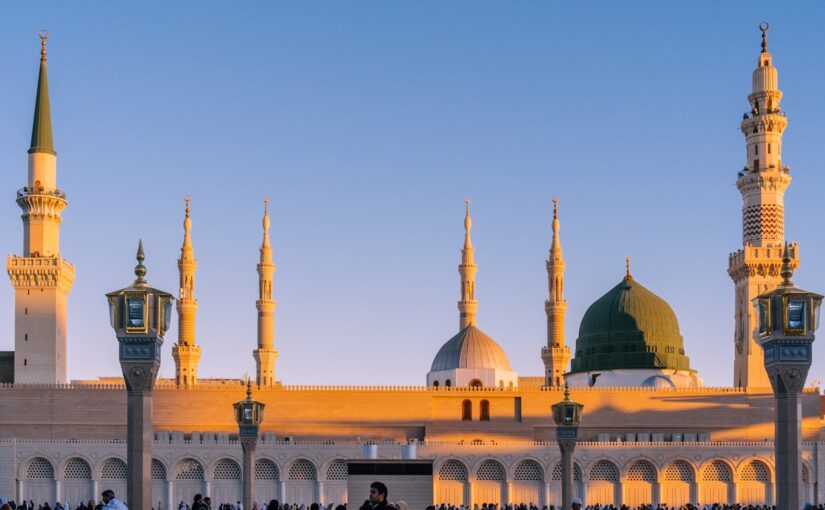
The naat repeatedly emphasizes the theme of sacrifice — “we will erase ourselves, we will sacrifice our lives, we will lay down our heads.” This echoes the spirit of the companions of the Prophet who gave everything for the sake of Islam. The poem calls Muslims to unity under the banner of the Prophet, symbolized by the green dome of Masjid al-Nabawi in Madina.

The reference to Imam Hussain’s message from Karbala is especially powerful. It connects the love of the Prophet with the ultimate sacrifice of his grandson, reminding Muslims that true love demands standing against oppression and injustice. The green dome (Gumbad-e-Khazra) is presented as a unifying symbol — a call to leave aside sectarian divides and gather under the blessed dome of the Prophet’s mosque.

The timeless refrain “kal bhi tha aur aaj bhi hai” (it was there yesterday and it is here today) beautifully captures the eternal nature of the bond between the believer and the Prophet. This love is not bound by time — it transcends centuries, cultures, and borders.

About the Poet and Reciter

The Poet: Allama Nisar Ali Ujagar

Allama Nisar Ali Ujagar is a highly respected Islamic scholar and naat poet from Karachi, Pakistan. Known for his profound and emotionally resonant poetry, he has written many beloved naats that are recited across the Muslim world. His kalaam is characterized by deep love for the Prophet, powerful imagery, and a call to Islamic unity. Hafiz Tahir Qadri has described Ujagar as one of the best contemporary naat poets.

The Reciter: Hafiz Tahir Qadri

Hafiz Muhammad Tahir Qadri is one of the most famous naat reciters in the world. Born on 9th January in Karachi, Pakistan, he developed a passion for reciting naat from childhood. His professional naat career began in 2000 with his first album “Allahu Pukaaray Jaa.” Since then, he has released numerous albums including “Labbaik Ya Rasulallah,” “Taibah Ki Aarzu,” “Dhoom Machaa Dou,” and “Mera Tou Sabb Kuch Mera Nabi Hai.”

Hafiz Tahir Qadri is known for his distinctive, emotional recitation style that moves audiences to tears. He has performed at Mahafil-e-Naat across Pakistan, India, South Africa, and Mauritius. He also runs a successful business, “Tahir Qadri Arabi Abaayahs,” in Karachi and does not use naat recitation as a primary source of income. He was married in Ramadan 2007 in front of the tomb of the Holy Prophet (peace be upon him) in Masjid al-Nabawi, Madina.

His rendition of “Labbaik Ya Rasoolallah” has become iconic, with the powerful chorus echoing in the hearts of millions of believers worldwide.
Labbaik Ya Rasool Allah (لبیک یا رسول اللہ) — Naat Lyrics in Urdu, English Translation and Meaning

Introduction to Labbaik Ya Rasool Allah (لبیک یا رسول اللہ)

“Labbaik Ya Rasool Allah” is a powerful and soul-stirring naat that has captured the hearts of millions of Muslims around the world. The title “Labbaik Ya Rasool Allah” translates to “I am here, O Messenger of Allah” – a phrase of profound devotion and submission to Prophet Muhammad (peace be upon him). This naat is famously recited by the beloved naat khwan Hafiz Tahir Qadri, whose melodious voice has made this naat immensely popular across the globe.

The naat carries a message of unwavering love, sacrifice, and commitment to the Prophet Muhammad (PBUH). It inspires believers to spread the message of Islam, stand up for the honor of the Prophet, and dedicate their lives to his teachings. The recurring refrain “Labbaik Ya Rasool Allah” echoes the spirit of the Hajj pilgrimage where pilgrims chant “Labbaik Allahumma Labbaik” (Here I am, O Allah, here I am), but here it is directed to the beloved Prophet, symbolizing the deep love and connection Muslims feel for him.

Full Urdu Lyrics of Labbaik Ya Rasool Allah

لبیک یا رسول اللہ

لبیک یا رسول اللہ لبیک یا رسول اللہ
لبیک لبیک لبیک یا رسول اللہ

خود کو مٹا دیں گے، ہم جان لُٹا دیں گے
ناموسِ آقا پر، ہم سر کٹا دیں گے

لبیک لبیک لبیک یا رسول اللہ
حاضر ہیں حاضر ہیں حاضر ہیں ہم
لبیک لبیک لبیک یا رسول اللہ

کریا کریا بستی بستی ذکر نبی کا عام کرو
پیارے آقا کے دیوانوں ! ہاتھ میں ڈالے ہاتھ چلو
حب نبی کے ہر دل میں، تم جا کے دیپ جلاؤ
اونچے میں اونچا نبی کا جھنڈا، گھر گھر میں لہراؤ

خود کو مٹا دیں گے، ہم جان لُٹا دیں گے
ناموسِ آقا پر، ہم سر کٹا دیں گے

لبیک لبیک لبیک یا رسول اللہ
حاضر ہیں حاضر ہیں حاضر ہیں ہم
لبیک لبیک لبیک یا رسول اللہ

ابن علی نے کرب و بلا میں تم کو یہ پیغام دیا
یاد رکھو پیارے آقا نے تم کو پاک نظام دیا
توڑ دو بازو کی قوت کو، ظلم کے ایذاں ڈھاؤ
اونچے میں اونچا نبی کا جھنڈا ہر گھر میں لہراؤ

خود کو مٹا دیں گے، ہم جان لُٹا دیں گے
ناموسِ آقا پر، ہم سر کٹا دیں گے

سبز ہلالی پرچم یارو! ہم کو جان سے پیارا ہے
اس پر گنبدِ خضریٰ ہو یہ منشور ہمارا ہے
اس گنبد کے سائے تلے تم سارے ایک ہو جاؤ
نبی کا جھنڈا، امن کا جھنڈا ہر گھر میں لہراؤ

لب پہ نعتِ پاک کا نغمہ، کل بھی تھا اور آج بھی ہے
میرے نبی سے میرا رشتہ، کل بھی تھا اور آج بھی ہے
بتلا دو تم دشمنِ نبی کو، غیرتِ مسلم زندہ ہے
دین پہ مر مٹنے کا جذبہ، کل بھی تھا اور آج بھی ہے

رنگ برنگے جھنڈے چھوڑو، تھام لو گنبد والا
ہم سے راضی ہو جائے گا، سوہنے مدینے والا
اس پرچم کے سائے تلے تم مل کر قدم بڑھاؤ
اونچے میں اونچا نبی کا جھنڈا ہر گھر میں لہراؤ

English Transliteration (Roman Urdu)

Labbaik Ya Rasool Allah, Labbaik Ya Rasool Allah
Labbaik, Labbaik, Labbaik Ya Rasool Allah

Khud ko mita denge, hum jaan luta denge
Naamoose Aaqa par, hum sar kata denge

Labbaik, Labbaik, Labbaik Ya Rasool Allah
Haazir hain, haazir hain, haazir hain hum
Labbaik, Labbaik, Labbaik Ya Rasool Allah

Kariya kariya, basti basti, zikr nabi ka aam karo
Pyaare aaqa ke deewano, haath mein daale haath chalo
Hubb-e-nabi ka har dil mein, tum jaake deep jalaao
Unche mein uncha nabi ka jhanda, ghar ghar mein lehraao

Khud ko mita denge, hum jaan luta denge
Naamoose Aaqa par, hum sar kata denge

Ibne Ali ne karbo-bala mein tumko yeh paighaam diya
Yaad rakho pyaare aaqa ne tumko paak nizaam diya
Tod do baahu ki quwwat ko, zulm ke aezaan dhaao
Unche mein uncha nabi ka jhanda, har ghar mein lehraao

Sabz hilaali parcham yaaro, hum ko jaan se pyaara hai
Is par gumbad-e-Khazra ho, yeh manshoor hamaara hai
Is gumbad ke saaye tale tum saare ek ho jaao
Nabi ka jhanda, aman ka jhanda, har ghar mein lehraao

Lab pe naat-e-paak ka naghma, kal bhi tha aur aaj bhi hai
Mere nabi se mera rishta, kal bhi tha aur aaj bhi hai
Batla do tum dushman-e-nabi ko, ghairat-e-muslim zinda hai
Deen pe mar mitne ka jazba, kal bhi tha aur aaj bhi hai

Rang birange jhande chhodo, thaam lo gumbad waala
Hum se raazi ho jayega, sohne madine waala
Is parcham ke saaye tale tum mil kar qadam badaao
Unche mein uncha nabi ka jhanda, har ghar mein lehraao

English Translation of Each Verse

Verse 1: Labbaik Ya Rasool Allah, Labbaik Ya Rasool Allah / Labbaik, Labbaik, Labbaik Ya Rasool Allah
Translation: I am here, O Messenger of Allah. I am here, O Messenger of Allah. I am here, I am here, I am here, O Messenger of Allah.

Verse 2: Khud ko mita denge, hum jaan luta denge / Naamoose Aaqa par, hum sar kata denge
Translation: We will annihilate ourselves, we will sacrifice our lives / For the honor of our Master, we will lay down our heads.

Verse 3: Kariya kariya, basti basti, zikr nabi ka aam karo / Pyaare aaqa ke deewano, haath mein daale haath chalo / Hubb-e-nabi ka har dil mein, tum jaake deep jalaao / Unche mein uncha nabi ka jhanda, ghar ghar mein lehraao
Translation: In every street, every settlement, spread the remembrance of the Prophet / O lovers of the beloved Master, walk hand in hand / Light the lamp of love for the Prophet in every heart / Raise the flag of the Prophet, the highest of all, in every home.

Verse 4: Ibne Ali ne karbo-bala mein tumko yeh paighaam diya / Yaad rakho pyaare aaqa ne tumko paak nizaam diya / Tod do baahu ki quwwat ko, zulm ke aezaan dhaao / Unche mein uncha nabi ka jhanda, har ghar mein lehraao
Translation: The son of Ali (Imam Hussain) gave you this message in Karbala / Remember that the beloved Master gave you a pure system / Break the power of oppression, destroy the tools of tyranny / Raise the flag of the Prophet, the highest of all, in every home.

Verse 5: Sabz hilaali parcham yaaro, hum ko jaan se pyaara hai / Is par gumbad-e-Khazra ho, yeh manshoor hamaara hai / Is gumbad ke saaye tale tum saare ek ho jaao / Nabi ka jhanda, aman ka jhanda, har ghar mein lehraao
Translation: O friends, the green crescent flag is dearer to us than life / With the Green Dome upon it, this is our manifesto / Under the shade of this dome, become one united / The flag of the Prophet, the flag of peace, raise in every home.

Verse 6: Lab pe naat-e-paak ka naghma, kal bhi tha aur aaj bhi hai / Mere nabi se mera rishta, kal bhi tha aur aaj bhi hai / Batla do tum dushman-e-nabi ko, ghairat-e-muslim zinda hai / Deen pe mar mitne ka jazba, kal bhi tha aur aaj bhi hai
Translation: The melody of the sacred naat on my lips, it was there yesterday and it is here today / My connection to my Prophet, it was there yesterday and it is here today / Tell the enemies of the Prophet that the honor of the Muslim is still alive / The spirit to die for the faith, it was there yesterday and it is here today.

Verse 7: Rang birange jhande chhodo, thaam lo gumbad waala / Hum se raazi ho jayega, sohne madine waala / Is parcham ke saaye tale tum mil kar qadam badaao / Unche mein uncha nabi ka jhanda, har ghar mein lehraao
Translation: Leave aside the colourful flags, hold onto the one with the dome / The beautiful one of Madinah will be pleased with us / Under the shade of this flag, step forward together / Raise the flag of the Prophet, the highest of all, in every home.

Meaning and Spiritual Significance

“Labbaik Ya Rasool Allah” is much more than a naat; it is a declaration of love and allegiance to Prophet Muhammad (PBUH). The central theme revolves around the willingness to sacrifice everything for the honor of the Prophet. The phrase “Labbaik” (I am here) is deeply rooted in Islamic tradition, originally used in the Hajj pilgrimage as “Labbaik Allahumma Labbaik.” By addressing this directly to the Prophet, the naat draws a powerful parallel between the devotion of Hajj and the devotion to the Prophet.

The naat emphasizes several key themes:

  • Sacrifice and Devotion: The recurring pledge to sacrifice life and limb for the Prophet’s honor reflects the highest form of spiritual love.
  • Spreading the Message: The call to spread the remembrance of the Prophet in every street and settlement is a reminder of the duty of every Muslim to share the beauty of Islam.
  • Unity: The imagery of walking hand in hand and uniting under the Green Dome emphasizes Muslim unity and brotherhood.
  • Steadfastness: The verses about Imam Hussain’s message in Karbala remind believers of the sacrifices made by the Prophet’s family and the importance of standing firm against oppression.
  • Timeless Connection: The verses “Kal bhi tha aur aaj bhi hai” (It was there yesterday and it is here today) reinforce the eternal and unbroken bond between the believer and the Prophet.

Background and Context

“Labbaik Ya Rasool Allah” was popularized by Hafiz Tahir Qadri, a renowned naat khwan from Pakistan known for his powerful and emotionally charged recitations. The naat has become a staple at religious gatherings, Milad un-Nabi celebrations, and Islamic conferences worldwide. Its powerful message resonates particularly strongly with those who feel a deep emotional connection to the Prophet Muhammad (PBUH).

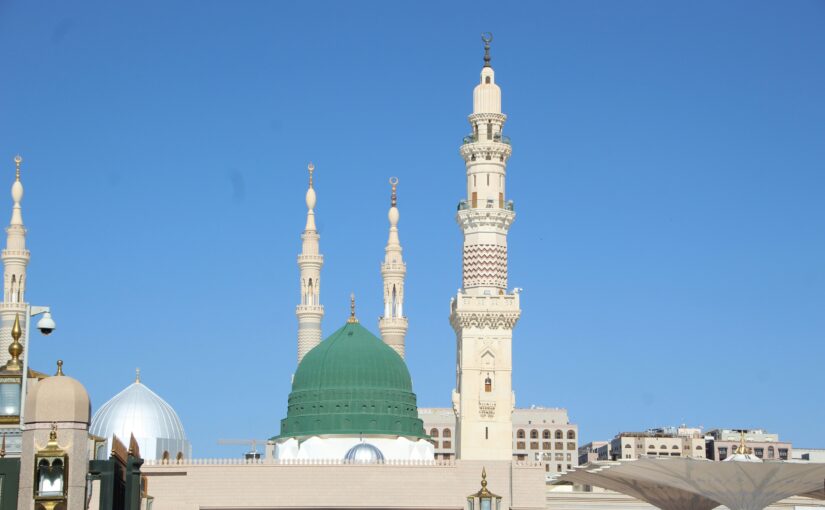
The naat draws inspiration from historical Islamic events, most notably the sacrifices of Karbala as mentioned in the verse about Imam Hussain (RA), the grandson of the Prophet. The reference to the Green Dome (Gumbad-e-Khazra) of Masjid an-Nabawi in Madinah serves as a powerful symbol that unites Muslims across all sects and schools of thought. The flag symbolism throughout the naat represents the spread of Islam and the establishment of justice and peace in society.

This naat continues to inspire millions around the world, reminding them of their love for the Prophet and their commitment to his teachings. It is frequently played at Islamic gatherings and has been recited by various naat khwans, each bringing their own unique style while preserving the powerful message of the original composition.