Labbaik Ya Rasoolallah (لبیک یا رسول اللہ) — Full Naat Lyrics in Urdu, English Translation and Meaning

Labbaik Ya Rasoolallah (لبیک یا رسول اللہ) is one of the most powerful and emotionally charged naats in the Islamic tradition. This kalam is a passionate declaration of love, loyalty, and readiness to sacrifice everything for the honor (naamus) of Prophet Muhammad (peace be upon him). The refrain “Labbaik” which means “I am here, I am present” echoes the spirit of total submission and devotion.

This naat has gained immense popularity across the Muslim world, particularly in South Asia, where it is recited at Milad gatherings, Islamic conferences, and personal moments of spiritual reflection. The powerful imagery of sacrificing one’s life, laying down one’s head for the Prophet’s honor, and the call to spread the love of the Prophet in every heart makes this naat a timeless masterpiece of Islamic devotional poetry.

Full Naat Lyrics in Urdu (مکمل نعت کے اردو بول)

Below are the complete lyrics of Labbaik Ya Rasoolallah in authentic Urdu script:

لبیک یا رسول اللہ! لبیک یا رسول اللہ!
لبیک لبیک لبیک یا رسول اللہ!

خود کو مٹا دیں گے، ہم جان لُٹا دیں گے،
ناموسِ آقا پر، ہم سر کٹا دیں گے۔
لبیک لبیک لبیک یا رسول اللہ!

حاضر ہیں، حاضر ہیں، حاضر ہیں ہم!
لبیک لبیک لبیک یا رسول اللہ!

قریہ قریہ، بستی بستی، ذکرِ نبیؐ کا عام کرو،
پیارے آقا کے دیوانو! ہاتھ میں ڈالے ہاتھ چلو،
حبِ نبیؐ کا ہر دل میں، تم جا کے دیپ جلاؤ،
اونچے میں اونچا نبیؐ کا جھنڈا، گھر گھر میں لہراؤ۔

خود کو مٹا دیں گے، ہم جان لُٹا دیں گے،
ناموسِ آقا پر، ہم سر کٹا دیں گے۔
لبیک لبیک لبیک یا رسول اللہ!

حاضر ہیں، حاضر ہیں، حاضر ہیں ہم!
لبیک لبیک لبیک یا رسول اللہ!

ابنِ علیؑ نے کرب و بلا میں، تم کو یہ پیغام دیا،
یاد رکھو، پیارے آقاؐ نے، تم کو پاک نظام دیا،
توڑ دو بازؤں کی قوت کو، ظلم کے ایذاں ڈھاؤ،
اونچے میں اونچا نبیؐ کا جھنڈا، گھر گھر میں لہراؤ۔

خود کو مٹا دیں گے، ہم جان لُٹا دیں گے،
ناموسِ آقا پر، ہم سر کٹا دیں گے۔
لبیک لبیک لبیک یا رسول اللہ!

حاضر ہیں، حاضر ہیں، حاضر ہیں ہم!
لبیک لبیک لبیک یا رسول اللہ!

سبز ہلالی پرچم یارو! ہم کو جان سے پیارا ہے،
اس پر گنبدِ خضریٰ ہو، یہ منشور ہمارا ہے،
اس گنبد کے سائے تلے، تم سارے ایک ہو جاؤ،
نبیؐ کا جھنڈا، امن کا جھنڈا، ہر گھر میں لہراؤ۔

خود کو مٹا دیں گے، ہم جان لُٹا دیں گے،
ناموسِ آقا پر، ہم سر کٹا دیں گے۔
لبیک لبیک لبیک یا رسول اللہ!

حاضر ہیں، حاضر ہیں، حاضر ہیں ہم!
لبیک لبیک لبیک یا رسول اللہ!

لب پہ نعتِ پاک کا نغمہ، کل بھی تھا اور آج بھی ہے،
میرے نبیؐ سے میرا رشتہ، کل بھی تھا اور آج بھی ہے،
بتلا دو تم دشمنِ نبیؐ کو، غیرتِ مسلم زندہ ہے،
دین پہ مر مٹنے کا جذبہ، کل بھی تھا اور آج بھی ہے۔

خود کو مٹا دیں گے، ہم جان لُٹا دیں گے،
ناموسِ آقا پر، ہم سر کٹا دیں گے۔
لبیک لبیک لبیک یا رسول اللہ!

حاضر ہیں، حاضر ہیں، حاضر ہیں ہم!
لبیک لبیک لبیک یا رسول اللہ!

رنگ برنگے جھنڈے چھوڑو، تھام لو گنبد والا،
ہم سے راضی ہو جائے گا، شاہِ مدینہؐ والا،
اس پرچم کے سائے تلے، تم مل کر قدم بڑھاؤ،
اونچے میں اونچا نبیؐ کا جھنڈا، گھر گھر میں لہراؤ۔

خود کو مٹا دیں گے، ہم جان لُٹا دیں گے،
ناموسِ آقا پر، ہم سر کٹا دیں گے۔
لبیک لبیک لبیک یا رسول اللہ!

حاضر ہیں، حاضر ہیں، حاضر ہیں ہم!
لبیک لبیک لبیک یا رسول اللہ!

English Translation

Here is the English translation of Labbaik Ya Rasoolallah, stanza by stanza:

Stanza 1:
Here I am, O Messenger of Allah! Here I am, O Messenger of Allah!
Here I am, here I am, here I am, O Messenger of Allah!
We will erase ourselves, we will sacrifice our lives,
For the honor of our Master, we will lay down our heads.
Here I am, here I am, here I am, O Messenger of Allah!

Refrain:
We are present, we are present, we are present!
Here I am, here I am, here I am, O Messenger of Allah!

Stanza 2:
In every village, in every settlement, spread the remembrance of the Prophet,
O lovers of the beloved Master, walk hand in hand,
Go and light the lamp of love for the Prophet in every heart,
Raise high the flag of the Prophet, wave it in every home.

Stanza 3:
The son of Ali (Imam Hussain) gave you this message in Karbala,
Remember, the beloved Master gave you a pure system,
Break the power of oppression, bring down tyranny,
Raise high the flag of the Prophet, wave it in every home.

Stanza 4:
The flag with the green crescent is dearer to us than life,
Upon it is the Green Dome, this is our manifesto,
Under the shade of this dome, all of you become one,
The flag of the Prophet, the flag of peace, wave in every home.

Stanza 5:
The melody of the sacred naat on my lips, it was there yesterday and it is here today,
My connection with my Prophet, it was there yesterday and it is here today,
Tell the enemy of the Prophet, the honor of Muslims is alive,
The spirit to sacrifice for the faith, it was there yesterday and it is here today.

Stanza 6:
Leave behind the colorful flags, hold onto the one of the Dome,
The King of Madina will be pleased with us,
Under the shade of this flag, take steps together,
Raise high the flag of the Prophet, wave it in every home.

Spiritual Meaning and Significance

Labbaik Ya Rasoolallah is far more than just a naat — it is a spiritual pledge and a declaration of unwavering loyalty. The word “Labbaik” itself carries deep meaning in Islamic tradition. It is the same word pilgrims recite during Hajj: “Labbaik Allahumma Labbaik” (Here I am, O Allah, here I am). By using this sacred term for the Prophet, the poet elevates the love for the Messenger to the highest level of devotion and readiness.

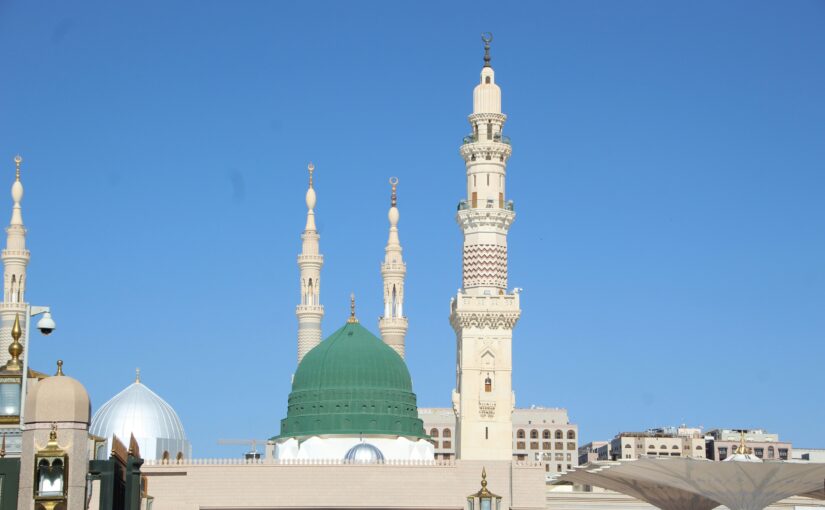
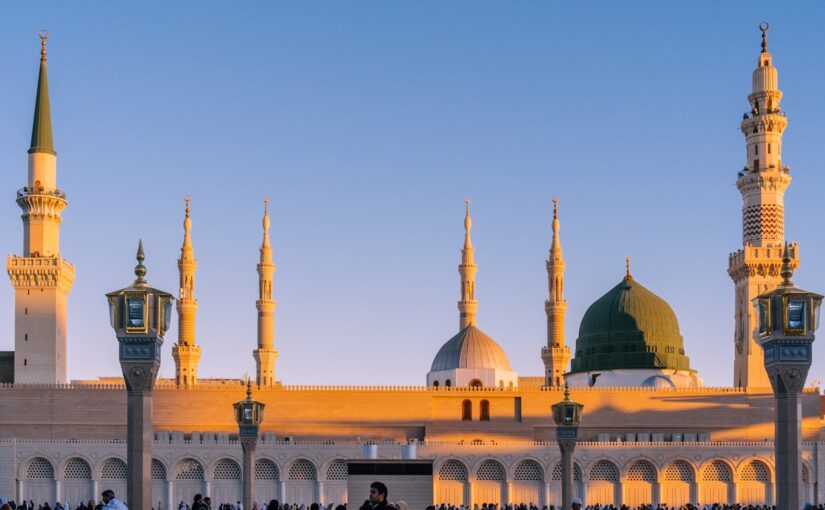
The naat repeatedly emphasizes the theme of sacrifice — “we will erase ourselves, we will sacrifice our lives, we will lay down our heads.” This echoes the spirit of the companions of the Prophet who gave everything for the sake of Islam. The poem calls Muslims to unity under the banner of the Prophet, symbolized by the green dome of Masjid al-Nabawi in Madina.

The reference to Imam Hussain’s message from Karbala is especially powerful. It connects the love of the Prophet with the ultimate sacrifice of his grandson, reminding Muslims that true love demands standing against oppression and injustice. The green dome (Gumbad-e-Khazra) is presented as a unifying symbol — a call to leave aside sectarian divides and gather under the blessed dome of the Prophet’s mosque.

The timeless refrain “kal bhi tha aur aaj bhi hai” (it was there yesterday and it is here today) beautifully captures the eternal nature of the bond between the believer and the Prophet. This love is not bound by time — it transcends centuries, cultures, and borders.

About the Poet and Reciter

The Poet: Allama Nisar Ali Ujagar

Allama Nisar Ali Ujagar is a highly respected Islamic scholar and naat poet from Karachi, Pakistan. Known for his profound and emotionally resonant poetry, he has written many beloved naats that are recited across the Muslim world. His kalaam is characterized by deep love for the Prophet, powerful imagery, and a call to Islamic unity. Hafiz Tahir Qadri has described Ujagar as one of the best contemporary naat poets.

The Reciter: Hafiz Tahir Qadri

Hafiz Muhammad Tahir Qadri is one of the most famous naat reciters in the world. Born on 9th January in Karachi, Pakistan, he developed a passion for reciting naat from childhood. His professional naat career began in 2000 with his first album “Allahu Pukaaray Jaa.” Since then, he has released numerous albums including “Labbaik Ya Rasulallah,” “Taibah Ki Aarzu,” “Dhoom Machaa Dou,” and “Mera Tou Sabb Kuch Mera Nabi Hai.”

Hafiz Tahir Qadri is known for his distinctive, emotional recitation style that moves audiences to tears. He has performed at Mahafil-e-Naat across Pakistan, India, South Africa, and Mauritius. He also runs a successful business, “Tahir Qadri Arabi Abaayahs,” in Karachi and does not use naat recitation as a primary source of income. He was married in Ramadan 2007 in front of the tomb of the Holy Prophet (peace be upon him) in Masjid al-Nabawi, Madina.

His rendition of “Labbaik Ya Rasoolallah” has become iconic, with the powerful chorus echoing in the hearts of millions of believers worldwide.
Labbaik Ya Rasool Allah (لبیک یا رسول اللہ) — Full Naat Lyrics in Urdu, English Translation and Meaning

“Labbaik Ya Rasool Allah (لبیک یا رسول اللہ)” is one of the most beloved and frequently recited naats in the Islamic world. This soul-stirring poem, famously rendered by Owais Raza Qadri, expresses a devotee’s deep love and longing for Prophet Muhammad ﷺ. The phrase “Labbaik Ya Rasool Allah” means “Here I am, O Messenger of Allah” — a powerful declaration of readiness, devotion, and submission to the beloved Prophet. This naat is a staple at milad gatherings, naat evenings, and spiritual assemblies worldwide.

Background and Significance

The phrase “Labbaik” is famously associated with the Hajj pilgrimage, where pilgrims proclaim “Labbaik Allahumma Labbaik” (Here I am, O Allah, here I am). By adapting this sacred call and directing it to the Prophet ﷺ, the naat “Labbaik Ya Rasool Allah” creates a profound link between the devotion of Hajj and the love for the Prophet. It suggests that just as a pilgrim answers the call of Allah, a believer answers the call of His Messenger.

Owais Raza Qadri, a renowned naat khawan from Pakistan, popularised this naat through his heartfelt renditions. His style blends traditional Islamic poetry with a melodious, accessible delivery that resonates with audiences of all ages. The naat has been performed at countless religious gatherings and has been covered by many artists, becoming a timeless classic in the genre of Islamic devotional poetry.

The central theme of “Labbaik Ya Rasool Allah” is the believer’s unwavering love and devotion to the Prophet Muhammad ﷺ. The lyrics speak of coming to Madinah with an open heart, answering the call of the beloved, and finding spiritual peace in the presence of the Prophet. It reflects the deep emotional connection that Muslims feel toward their Prophet — a love that transcends time and space.

Full Urdu Lyrics (مکمل اردو کلام)

Below are the complete lyrics of “Labbaik Ya Rasool Allah” in Urdu script:

لبیک یا رسول اللہ، لبیک یا رسول اللہ

مدینے کی گلیوں میں، چلا ہوں میں سر برہنہ
لبیک یا رسول اللہ، لبیک یا رسول اللہ

در و بام نے پکارا، تجھے اے سخی مدینہ
لبیک یا رسول اللہ، لبیک یا رسول اللہ

تری خاک بھی ہے شفا، تری چاک بھی ہے بینا
لبیک یا رسول اللہ، لبیک یا رسول اللہ

مری جان و دل پہ چھائی، مدینہ کی ہر ادا ہے
لبیک یا رسول اللہ، لبیک یا رسول اللہ

جو تیرے در پہ آیا، وہ کبھی نہ خالی جایا
لبیک یا رسول اللہ، لبیک یا رسول اللہ

یہ مانگی ہے تمنا، تمہارے در کی ٹھوکر
لبیک یا رسول اللہ، لبیک یا رسول اللہ

مرے دل کی ہر دھڑکن، ہے تیرا ہی نام لیتی
لبیک یا رسول اللہ، لبیک یا رسول اللہ

تمہیں یاد کر کے رونا، ہے میری عبادت
لبیک یا رسول اللہ، لبیک یا رسول اللہ

کرم کا ہے اک سہارا، ترے در کے ہو گیا میں
لبیک یا رسول اللہ، لبیک یا رسول اللہ

مدینے سے ہے نسبت، یہی میری پہچان ہے
لبیک یا رسول اللہ، لبیک یا رسول اللہ

Roman English Transliteration

For readers who cannot read Urdu script, here is the Roman English transliteration:

Labbaik Ya Rasool Allah, Labbaik Ya Rasool Allah

Madine ki galiyon mein, chala hoon main sar barehna
Labbaik Ya Rasool Allah, Labbaik Ya Rasool Allah

Dar o baam ne pukara, tujhe aye sakhi Madina
Labbaik Ya Rasool Allah, Labbaik Ya Rasool Allah

Terri khaak bhi hai shifa, terri chaak bhi hai beena
Labbaik Ya Rasool Allah, Labbaik Ya Rasool Allah

Meri jaan o dil pe chhai, Madina ki har ada hai
Labbaik Ya Rasool Allah, Labbaik Ya Rasool Allah

Jo tere dar pe aaya, wo kabhi na khaali jaaya
Labbaik Ya Rasool Allah, Labbaik Ya Rasool Allah

Yeh maangi hai tamanna, tumhare dar ki thokar
Labbaik Ya Rasool Allah, Labbaik Ya Rasool Allah

Mere dil ki har dhadkan, hai tera hi naam leti
Labbaik Ya Rasool Allah, Labbaik Ya Rasool Allah

Tumhein yaad kar ke rona, hai meri ibadat
Labbaik Ya Rasool Allah, Labbaik Ya Rasool Allah

Karam ka hai ek sahaara, tere dar ke ho gaya main
Labbaik Ya Rasool Allah, Labbaik Ya Rasool Allah

Madine se hai nisbat, yahi meri pehchaan hai
Labbaik Ya Rasool Allah, Labbaik Ya Rasool Allah

English Translation (Verse by Verse)

Verse 1: Labbaik Ya Rasool Allah, Labbaik Ya Rasool Allah — Here I am, O Messenger of Allah, here I am, O Messenger of Allah

Verse 2: Madine ki galiyon mein, chala hoon main sar barehna — Through the streets of Madinah, I walk with my head uncovered (in humility)
Labbaik Ya Rasool Allah, Labbaik Ya Rasool Allah — Here I am, O Messenger of Allah

Verse 3: Dar o baam ne pukara, tujhe aye sakhi Madina — Every door and wall has called out to you, O generous one of Madinah
Labbaik Ya Rasool Allah, Labbaik Ya Rasool Allah — Here I am, O Messenger of Allah

Verse 4: Terri khaak bhi hai shifa, terri chaak bhi hai beena — Your dust is a cure, even your torn garment brings sight (spiritual vision)
Labbaik Ya Rasool Allah, Labbaik Ya Rasool Allah — Here I am, O Messenger of Allah

Verse 5: Meri jaan o dil pe chhai, Madina ki har ada hai — Every manner of Madinah has captured my heart and soul
Labbaik Ya Rasool Allah, Labbaik Ya Rasool Allah — Here I am, O Messenger of Allah

Verse 6: Jo tere dar pe aaya, wo kabhi na khaali jaaya — Whoever comes to your doorstep never leaves empty-handed
Labbaik Ya Rasool Allah, Labbaik Ya Rasool Allah — Here I am, O Messenger of Allah

Verse 7: Yeh maangi hai tamanna, tumhare dar ki thokar — This is my only wish: to stumble at your doorstep (to fall prostrate at your threshold)
Labbaik Ya Rasool Allah, Labbaik Ya Rasool Allah — Here I am, O Messenger of Allah

Verse 8: Mere dil ki har dhadkan, hai tera hi naam leti — Every beat of my heart takes your name
Labbaik Ya Rasool Allah, Labbaik Ya Rasool Allah — Here I am, O Messenger of Allah

Verse 9: Tumhein yaad kar ke rona, hai meri ibadat — Crying while remembering you is my worship
Labbaik Ya Rasool Allah, Labbaik Ya Rasool Allah — Here I am, O Messenger of Allah

Verse 10: Karam ka hai ek sahaara, tere dar ke ho gaya main — By Your grace, I have become attached to your doorstep
Labbaik Ya Rasool Allah, Labbaik Ya Rasool Allah — Here I am, O Messenger of Allah

Verse 11: Madine se hai nisbat, yahi meri pehchaan hai — My connection to Madinah is my true identity
Labbaik Ya Rasool Allah, Labbaik Ya Rasool Allah — Here I am, O Messenger of Allah

Themes and Meaning

“Labbaik Ya Rasool Allah” is more than just a naat — it is a spiritual journey expressed through poetry. Several key themes emerge from the verses:

Unconditional Love and Devotion: The refrain “Labbaik Ya Rasool Allah” echoes throughout the naat like a heartbeat. It represents the believer’s unconditional response to the call of the Prophet. Just as a pilgrim responds “Labbaik” to Allah during Hajj, the devotee here responds to the spiritual call of the beloved Prophet ﷺ.

Humility and Self-Surrender: The imagery of walking through Madinah’s streets “with an uncovered head” (sar barehna) is a powerful symbol of humility. In Eastern tradition, covering one’s head is a sign of respect; walking bareheaded signifies complete surrender and vulnerability before the beloved.

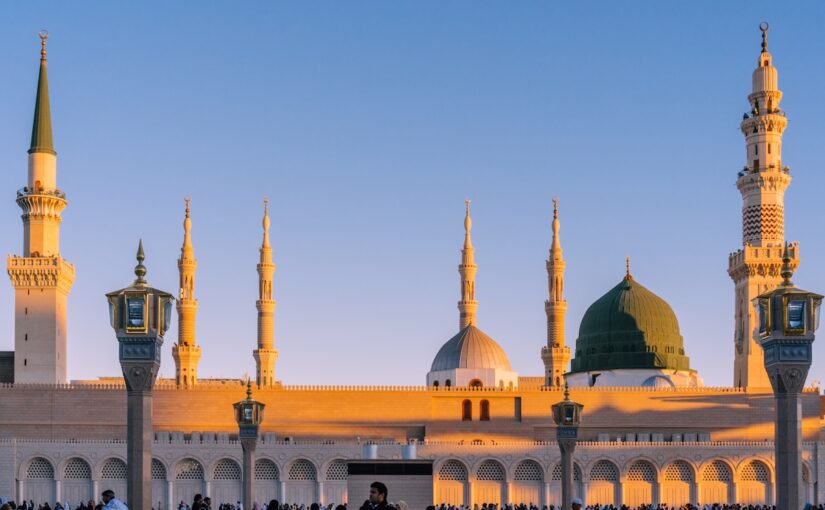
Madinah as a Sanctuary: The entire city of Madinah is portrayed as a place of spiritual healing. The dust of Madinah is described as “shifa” (cure), echoing the hadith that the soil of Madinah has healing properties. Even the walls and doors of Madinah call out to the believer, welcoming them to the city of the Prophet.

Call and Response Structure: The naat follows a distinctive call-and-response pattern. Each verse describes a different aspect of love and longing for the Prophet, and each is answered by the powerful refrain “Labbaik Ya Rasool Allah.” This structure makes the naat easy to remember and deeply engaging for listeners, who naturally join in with the refrain during gatherings.

Hope and Generosity: The verse “Jo tere dar pe aaya, wo kabhi na khaali jaaya” (Whoever comes to your doorstep never leaves empty-handed) reflects the Islamic belief in the Prophet’s ﷺ intercession and generosity. It gives hope to believers that their prayers and supplications made through love of the Prophet will not go unanswered.

Why This Naat Matters

“Labbaik Ya Rasool Allah” holds a special place in Islamic devotional tradition for several reasons:

  • Emotional Connection: Its simple yet profound lyrics create an immediate emotional connection with listeners. The repetition of “Labbaik Ya Rasool Allah” allows even those who do not understand Arabic or Urdu to participate in the devotion.
  • Bridge Between Cultures: The naat bridges Arabic Islamic tradition (the word “Labbaik” from Hajj) with Urdu devotional poetry, creating a unique fusion that appeals to South Asian Muslims while remaining rooted in classical Islamic concepts.
  • Spiritual Preparation: Many believers listen to this naat when preparing for Umrah or Hajj, or simply to connect spiritually with the Prophet ﷺ in their daily lives.
  • Community Bonding: The call-and-response nature makes it a staple at milad gatherings, where the entire congregation joins in the refrain, creating a powerful sense of unity and collective devotion.

In essence, this naat is a love letter to the Prophet Muhammad ﷺ — a declaration that the believer is always ready, always present, and always devoted. It reminds us that the love of the Prophet is not just a feeling but a call to action: to be humble, to seek knowledge, to serve others, and to constantly strive to be worthy of his intercession.

More Naat Lyrics You Might Like

If you enjoyed “Labbaik Ya Rasool Allah,” you may also like these naat lyrics:

Conclusion

“Labbaik Ya Rasool Allah (لبیک یا رسول اللہ)” is a timeless naat that continues to inspire millions around the world. Its powerful refrain, profound meaning, and emotional depth make it a true gem of Islamic devotional poetry. Whether recited in solitude or sung in congregation, this naat serves as a reminder of the believer’s eternal connection to the Prophet Muhammad ﷺ — a connection that transcends time, space, and language.

May we all be blessed to visit the blessed city of Madinah and answer the call of the beloved Prophet ﷺ with a sincere “Labbaik.” Ameen.

Labbaik Ya Rasool Allah (لبیک یا رسول اللہ) – Full Naat Lyrics in Urdu, English Translation and Meaning

Labbaik Ya Rasool Allah (لبیک یا رسول اللہ) — Complete Naat Lyrics in Urdu and English

“Labbaik Ya Rasool Allah” is a beloved naat that expresses deep love and devotion for the Prophet Muhammad (peace be upon him). The phrase “Labbaik” means “I am at your service,” and is traditionally used in the Hajj pilgrimage. In this naat, it is beautifully repurposed to show the singer’s readiness to serve and follow the Prophet. This naat is popular in the South Asian Islamic tradition and is often recited at Mehfil-e-Milad gatherings across the world.

Labbaik Ya Rasool Allah — Urdu Lyrics (لبیک یا رسول اللہ اردو Lyrics)

لبیک یا رسول اللہ ﷺ
لبیک یا رسول اللہ ﷺ
لبیک یا رسول اللہ ﷺ
لبیک یا رسول اللہ ﷺ

آپ کا در ہے جنتوں سے بھی پیارا
یہی مرا مان ہے یہی مرا مان ہے
لبیک یا رسول اللہ ﷺ

دل ہے مدینے کا دیوانہ
تم ہی ہو میری جان و دل
تم ہی ہو میرا ایمان
لبیک یا رسول اللہ ﷺ

مجھ کو ہے شوق مدینے جانے
دیکھوں تمہارا جلوہ
کرلوں نفل نماز و سلام
لبیک یا رسول اللہ ﷺ

آقا کی محبت ہے ورثہ
آقا کی محبت ہے ورثہ
سرکار کا ہے فیض ہر دم
لبیک یا رسول اللہ ﷺ

جس نے تمہیں دیکھا وہی تو پایا
باقی تو سب ہے بے کار
لبیک یا رسول اللہ ﷺ

Labbaik Ya Rasool Allah — English Transliteration

Labbaik Ya Rasool Allah

Aap ka dar hai jannaton se bhi pyara
Yahi mera maan hai, yahi mera maan hai
Labbaik Ya Rasool Allah

Dil hai Madine ka deewana
Tum hi ho meri jaan o dil
Tum hi ho mera imaan
Labbaik Ya Rasool Allah

Mujh ko hai shauq Madine jaane
Dekhoon tumhara jalwa
Karloon nafil namaz o salaam
Labbaik Ya Rasool Allah

Aaqa ki mohabbat hai virsa
Sarkar ka hai faiz har dam
Labbaik Ya Rasool Allah

Jis ne tumhein dekha wahi to paaya
Baaqi to sab bekaar
Baaqi to sab bekaar
Labbaik Ya Rasool Allah

Labbaik Ya Rasool Allah — English Translation

Labbaik Ya Rasool Allah — I am at your service, O Messenger of Allah. This opening line is repeated four times, building a sense of devotion and surrender. The repetition mirrors the Hajj talbiyah and connects the love of the Prophet with the spirit of pilgrimage.

Aap ka dar hai jannaton se bhi pyara — Your court is more beloved than paradise. This line expresses the belief that being in the presence of the Prophet, even spiritually, is greater than any worldly or heavenly reward. The poet places love for the Prophet above all else.

Yahi mera maan hai — This is my pride. The poet declares that devotion to the Prophet is not just an act of worship, but a source of honour and identity.

Dil hai Madine ka deewana — My heart is crazy for Madina. Madina, the city of the Prophet, holds a special place in the hearts of Muslims. The poet describes an intense, almost overwhelming love for the city where the Prophet is buried.

Tum hi ho meri jaan o dil, tum hi ho mera imaan — You are my life and heart, you are my faith. This couplet beautifully expresses that the Prophet is at the centre of the poet’s existence, both emotionally and spiritually.

Mujh ko hai shauq Madine jaane — I long to go to Madina. The desire to visit the Prophet’s mosque and grave is a common theme in naat poetry. It reflects the deep yearning that many Muslims feel to make pilgrimage to Madina.

Dekhoon tumhara jalwa — So I may behold your splendour. The poet hopes to witness the spiritual light of the Prophet during their visit.

Karloon nafil namaz o salaam — So I may offer extra prayers and send salutations. This line shows the intention to perform acts of worship and send blessings upon the Prophet during the visit.

Aaqa ki mohabbat hai virsa — Love for the Master is our inheritance. This line speaks to the tradition of love for the Prophet being passed down through generations of Muslims.

Sarkar ka hai faiz har dam — The blessings of the Master are with us at every moment. The poet acknowledges that the spiritual grace of the Prophet is constantly present in the lives of believers.

Jis ne tumhein dekha wahi to paaya — Whoever saw you, truly found you. This line refers to the companions of the Prophet who were blessed to see him in person and thus attained the highest level of faith.

Baaqi to sab bekaar — Everything else is worthless. The powerful conclusion reminds us that without love for the Prophet, all other achievements are meaningless.

The Meaning and Significance of Labbaik Ya Rasool Allah

“Labbaik Ya Rasool Allah” is more than just a naat. It is a declaration of love, loyalty, and spiritual commitment. The phrase “Labbaik” carries immense weight in Islamic tradition. When pilgrims say “Labbaik Allahumma Labbaik” during Hajj, they are declaring their complete submission to Allah. By using this same powerful phrase for the Prophet, the poet elevates the love of the Prophet to the highest level of devotion that stops short of worship, which belongs only to Allah.

This naat reminds Muslims of the importance of following the Sunnah and keeping the love of the Prophet alive in their hearts. It encourages believers to visit Madina, to send salutations upon the Prophet, and to make his teachings a central part of their lives. The simple yet profound lyrics make it accessible to people of all ages, which is why it remains a favourite at Islamic gatherings around the world.

For more naat lyrics, you can explore other popular naats on our site such as Ya Habibi Ya Muhammad, Mustafa Jaane Rehmat, and Tajdar-e-Haram.

When to Recite Labbaik Ya Rasool Allah

This naat is commonly recited at Milad-un-Nabi gatherings, during Islamic conferences, and in personal worship. Many people also listen to it while travelling to Madina or during the month of Rabi-ul-Awwal when Muslims around the world celebrate the birth of the Prophet. The soothing rhythm and heartfelt lyrics make it suitable for both group recitation and individual reflection.

Final Thoughts

“Labbaik Ya Rasool Allah” captures the essence of Islamic devotion to the Prophet Muhammad (peace be upon him). Its powerful lyrics, beautiful meaning, and spiritual depth have made it a timeless classic in the world of naat recitation. Whether you are listening to it for the first time or have known it for years, this naat continues to inspire love and longing for the Prophet and his blessed city of Madina.

Labbaik Ya Rasool Allah (لبیک یا رسول اللہ) — Naat Lyrics in Urdu, English Translation and Meaning

Introduction to Labbaik Ya Rasool Allah (لبیک یا رسول اللہ)

“Labbaik Ya Rasool Allah” is a powerful and soul-stirring naat that has captured the hearts of millions of Muslims around the world. The title “Labbaik Ya Rasool Allah” translates to “I am here, O Messenger of Allah” – a phrase of profound devotion and submission to Prophet Muhammad (peace be upon him). This naat is famously recited by the beloved naat khwan Hafiz Tahir Qadri, whose melodious voice has made this naat immensely popular across the globe.

The naat carries a message of unwavering love, sacrifice, and commitment to the Prophet Muhammad (PBUH). It inspires believers to spread the message of Islam, stand up for the honor of the Prophet, and dedicate their lives to his teachings. The recurring refrain “Labbaik Ya Rasool Allah” echoes the spirit of the Hajj pilgrimage where pilgrims chant “Labbaik Allahumma Labbaik” (Here I am, O Allah, here I am), but here it is directed to the beloved Prophet, symbolizing the deep love and connection Muslims feel for him.

Full Urdu Lyrics of Labbaik Ya Rasool Allah

لبیک یا رسول اللہ

لبیک یا رسول اللہ لبیک یا رسول اللہ
لبیک لبیک لبیک یا رسول اللہ

خود کو مٹا دیں گے، ہم جان لُٹا دیں گے
ناموسِ آقا پر، ہم سر کٹا دیں گے

لبیک لبیک لبیک یا رسول اللہ
حاضر ہیں حاضر ہیں حاضر ہیں ہم
لبیک لبیک لبیک یا رسول اللہ

کریا کریا بستی بستی ذکر نبی کا عام کرو
پیارے آقا کے دیوانوں ! ہاتھ میں ڈالے ہاتھ چلو
حب نبی کے ہر دل میں، تم جا کے دیپ جلاؤ
اونچے میں اونچا نبی کا جھنڈا، گھر گھر میں لہراؤ

خود کو مٹا دیں گے، ہم جان لُٹا دیں گے
ناموسِ آقا پر، ہم سر کٹا دیں گے

لبیک لبیک لبیک یا رسول اللہ
حاضر ہیں حاضر ہیں حاضر ہیں ہم
لبیک لبیک لبیک یا رسول اللہ

ابن علی نے کرب و بلا میں تم کو یہ پیغام دیا
یاد رکھو پیارے آقا نے تم کو پاک نظام دیا
توڑ دو بازو کی قوت کو، ظلم کے ایذاں ڈھاؤ
اونچے میں اونچا نبی کا جھنڈا ہر گھر میں لہراؤ

خود کو مٹا دیں گے، ہم جان لُٹا دیں گے
ناموسِ آقا پر، ہم سر کٹا دیں گے

سبز ہلالی پرچم یارو! ہم کو جان سے پیارا ہے
اس پر گنبدِ خضریٰ ہو یہ منشور ہمارا ہے
اس گنبد کے سائے تلے تم سارے ایک ہو جاؤ
نبی کا جھنڈا، امن کا جھنڈا ہر گھر میں لہراؤ

لب پہ نعتِ پاک کا نغمہ، کل بھی تھا اور آج بھی ہے
میرے نبی سے میرا رشتہ، کل بھی تھا اور آج بھی ہے
بتلا دو تم دشمنِ نبی کو، غیرتِ مسلم زندہ ہے
دین پہ مر مٹنے کا جذبہ، کل بھی تھا اور آج بھی ہے

رنگ برنگے جھنڈے چھوڑو، تھام لو گنبد والا
ہم سے راضی ہو جائے گا، سوہنے مدینے والا
اس پرچم کے سائے تلے تم مل کر قدم بڑھاؤ
اونچے میں اونچا نبی کا جھنڈا ہر گھر میں لہراؤ

English Transliteration (Roman Urdu)

Labbaik Ya Rasool Allah, Labbaik Ya Rasool Allah
Labbaik, Labbaik, Labbaik Ya Rasool Allah

Khud ko mita denge, hum jaan luta denge
Naamoose Aaqa par, hum sar kata denge

Labbaik, Labbaik, Labbaik Ya Rasool Allah
Haazir hain, haazir hain, haazir hain hum
Labbaik, Labbaik, Labbaik Ya Rasool Allah

Kariya kariya, basti basti, zikr nabi ka aam karo
Pyaare aaqa ke deewano, haath mein daale haath chalo
Hubb-e-nabi ka har dil mein, tum jaake deep jalaao
Unche mein uncha nabi ka jhanda, ghar ghar mein lehraao

Khud ko mita denge, hum jaan luta denge
Naamoose Aaqa par, hum sar kata denge

Ibne Ali ne karbo-bala mein tumko yeh paighaam diya
Yaad rakho pyaare aaqa ne tumko paak nizaam diya
Tod do baahu ki quwwat ko, zulm ke aezaan dhaao
Unche mein uncha nabi ka jhanda, har ghar mein lehraao

Sabz hilaali parcham yaaro, hum ko jaan se pyaara hai
Is par gumbad-e-Khazra ho, yeh manshoor hamaara hai
Is gumbad ke saaye tale tum saare ek ho jaao
Nabi ka jhanda, aman ka jhanda, har ghar mein lehraao

Lab pe naat-e-paak ka naghma, kal bhi tha aur aaj bhi hai
Mere nabi se mera rishta, kal bhi tha aur aaj bhi hai
Batla do tum dushman-e-nabi ko, ghairat-e-muslim zinda hai
Deen pe mar mitne ka jazba, kal bhi tha aur aaj bhi hai

Rang birange jhande chhodo, thaam lo gumbad waala
Hum se raazi ho jayega, sohne madine waala
Is parcham ke saaye tale tum mil kar qadam badaao
Unche mein uncha nabi ka jhanda, har ghar mein lehraao

English Translation of Each Verse

Verse 1: Labbaik Ya Rasool Allah, Labbaik Ya Rasool Allah / Labbaik, Labbaik, Labbaik Ya Rasool Allah
Translation: I am here, O Messenger of Allah. I am here, O Messenger of Allah. I am here, I am here, I am here, O Messenger of Allah.

Verse 2: Khud ko mita denge, hum jaan luta denge / Naamoose Aaqa par, hum sar kata denge
Translation: We will annihilate ourselves, we will sacrifice our lives / For the honor of our Master, we will lay down our heads.

Verse 3: Kariya kariya, basti basti, zikr nabi ka aam karo / Pyaare aaqa ke deewano, haath mein daale haath chalo / Hubb-e-nabi ka har dil mein, tum jaake deep jalaao / Unche mein uncha nabi ka jhanda, ghar ghar mein lehraao
Translation: In every street, every settlement, spread the remembrance of the Prophet / O lovers of the beloved Master, walk hand in hand / Light the lamp of love for the Prophet in every heart / Raise the flag of the Prophet, the highest of all, in every home.

Verse 4: Ibne Ali ne karbo-bala mein tumko yeh paighaam diya / Yaad rakho pyaare aaqa ne tumko paak nizaam diya / Tod do baahu ki quwwat ko, zulm ke aezaan dhaao / Unche mein uncha nabi ka jhanda, har ghar mein lehraao
Translation: The son of Ali (Imam Hussain) gave you this message in Karbala / Remember that the beloved Master gave you a pure system / Break the power of oppression, destroy the tools of tyranny / Raise the flag of the Prophet, the highest of all, in every home.

Verse 5: Sabz hilaali parcham yaaro, hum ko jaan se pyaara hai / Is par gumbad-e-Khazra ho, yeh manshoor hamaara hai / Is gumbad ke saaye tale tum saare ek ho jaao / Nabi ka jhanda, aman ka jhanda, har ghar mein lehraao
Translation: O friends, the green crescent flag is dearer to us than life / With the Green Dome upon it, this is our manifesto / Under the shade of this dome, become one united / The flag of the Prophet, the flag of peace, raise in every home.

Verse 6: Lab pe naat-e-paak ka naghma, kal bhi tha aur aaj bhi hai / Mere nabi se mera rishta, kal bhi tha aur aaj bhi hai / Batla do tum dushman-e-nabi ko, ghairat-e-muslim zinda hai / Deen pe mar mitne ka jazba, kal bhi tha aur aaj bhi hai
Translation: The melody of the sacred naat on my lips, it was there yesterday and it is here today / My connection to my Prophet, it was there yesterday and it is here today / Tell the enemies of the Prophet that the honor of the Muslim is still alive / The spirit to die for the faith, it was there yesterday and it is here today.

Verse 7: Rang birange jhande chhodo, thaam lo gumbad waala / Hum se raazi ho jayega, sohne madine waala / Is parcham ke saaye tale tum mil kar qadam badaao / Unche mein uncha nabi ka jhanda, har ghar mein lehraao
Translation: Leave aside the colourful flags, hold onto the one with the dome / The beautiful one of Madinah will be pleased with us / Under the shade of this flag, step forward together / Raise the flag of the Prophet, the highest of all, in every home.

Meaning and Spiritual Significance

“Labbaik Ya Rasool Allah” is much more than a naat; it is a declaration of love and allegiance to Prophet Muhammad (PBUH). The central theme revolves around the willingness to sacrifice everything for the honor of the Prophet. The phrase “Labbaik” (I am here) is deeply rooted in Islamic tradition, originally used in the Hajj pilgrimage as “Labbaik Allahumma Labbaik.” By addressing this directly to the Prophet, the naat draws a powerful parallel between the devotion of Hajj and the devotion to the Prophet.

The naat emphasizes several key themes:

  • Sacrifice and Devotion: The recurring pledge to sacrifice life and limb for the Prophet’s honor reflects the highest form of spiritual love.
  • Spreading the Message: The call to spread the remembrance of the Prophet in every street and settlement is a reminder of the duty of every Muslim to share the beauty of Islam.
  • Unity: The imagery of walking hand in hand and uniting under the Green Dome emphasizes Muslim unity and brotherhood.
  • Steadfastness: The verses about Imam Hussain’s message in Karbala remind believers of the sacrifices made by the Prophet’s family and the importance of standing firm against oppression.
  • Timeless Connection: The verses “Kal bhi tha aur aaj bhi hai” (It was there yesterday and it is here today) reinforce the eternal and unbroken bond between the believer and the Prophet.

Background and Context

“Labbaik Ya Rasool Allah” was popularized by Hafiz Tahir Qadri, a renowned naat khwan from Pakistan known for his powerful and emotionally charged recitations. The naat has become a staple at religious gatherings, Milad un-Nabi celebrations, and Islamic conferences worldwide. Its powerful message resonates particularly strongly with those who feel a deep emotional connection to the Prophet Muhammad (PBUH).

The naat draws inspiration from historical Islamic events, most notably the sacrifices of Karbala as mentioned in the verse about Imam Hussain (RA), the grandson of the Prophet. The reference to the Green Dome (Gumbad-e-Khazra) of Masjid an-Nabawi in Madinah serves as a powerful symbol that unites Muslims across all sects and schools of thought. The flag symbolism throughout the naat represents the spread of Islam and the establishment of justice and peace in society.

This naat continues to inspire millions around the world, reminding them of their love for the Prophet and their commitment to his teachings. It is frequently played at Islamic gatherings and has been recited by various naat khwans, each bringing their own unique style while preserving the powerful message of the original composition.