Labbaik Ya Rasoolallah (لبیک یا رسول اللہ) — Full Naat Lyrics in Urdu, English Translation and Meaning

Labbaik Ya Rasoolallah (لبیک یا رسول اللہ) is one of the most powerful and emotionally charged naats in the Islamic tradition. This kalam is a passionate declaration of love, loyalty, and readiness to sacrifice everything for the honor (naamus) of Prophet Muhammad (peace be upon him). The refrain “Labbaik” which means “I am here, I am present” echoes the spirit of total submission and devotion.

This naat has gained immense popularity across the Muslim world, particularly in South Asia, where it is recited at Milad gatherings, Islamic conferences, and personal moments of spiritual reflection. The powerful imagery of sacrificing one’s life, laying down one’s head for the Prophet’s honor, and the call to spread the love of the Prophet in every heart makes this naat a timeless masterpiece of Islamic devotional poetry.

Full Naat Lyrics in Urdu (مکمل نعت کے اردو بول)

Below are the complete lyrics of Labbaik Ya Rasoolallah in authentic Urdu script:

لبیک یا رسول اللہ! لبیک یا رسول اللہ!
لبیک لبیک لبیک یا رسول اللہ!

خود کو مٹا دیں گے، ہم جان لُٹا دیں گے،
ناموسِ آقا پر، ہم سر کٹا دیں گے۔
لبیک لبیک لبیک یا رسول اللہ!

حاضر ہیں، حاضر ہیں، حاضر ہیں ہم!
لبیک لبیک لبیک یا رسول اللہ!

قریہ قریہ، بستی بستی، ذکرِ نبیؐ کا عام کرو،
پیارے آقا کے دیوانو! ہاتھ میں ڈالے ہاتھ چلو،
حبِ نبیؐ کا ہر دل میں، تم جا کے دیپ جلاؤ،
اونچے میں اونچا نبیؐ کا جھنڈا، گھر گھر میں لہراؤ۔

خود کو مٹا دیں گے، ہم جان لُٹا دیں گے،
ناموسِ آقا پر، ہم سر کٹا دیں گے۔
لبیک لبیک لبیک یا رسول اللہ!

حاضر ہیں، حاضر ہیں، حاضر ہیں ہم!
لبیک لبیک لبیک یا رسول اللہ!

ابنِ علیؑ نے کرب و بلا میں، تم کو یہ پیغام دیا،
یاد رکھو، پیارے آقاؐ نے، تم کو پاک نظام دیا،
توڑ دو بازؤں کی قوت کو، ظلم کے ایذاں ڈھاؤ،
اونچے میں اونچا نبیؐ کا جھنڈا، گھر گھر میں لہراؤ۔

خود کو مٹا دیں گے، ہم جان لُٹا دیں گے،
ناموسِ آقا پر، ہم سر کٹا دیں گے۔
لبیک لبیک لبیک یا رسول اللہ!

حاضر ہیں، حاضر ہیں، حاضر ہیں ہم!
لبیک لبیک لبیک یا رسول اللہ!

سبز ہلالی پرچم یارو! ہم کو جان سے پیارا ہے،
اس پر گنبدِ خضریٰ ہو، یہ منشور ہمارا ہے،
اس گنبد کے سائے تلے، تم سارے ایک ہو جاؤ،
نبیؐ کا جھنڈا، امن کا جھنڈا، ہر گھر میں لہراؤ۔

خود کو مٹا دیں گے، ہم جان لُٹا دیں گے،
ناموسِ آقا پر، ہم سر کٹا دیں گے۔
لبیک لبیک لبیک یا رسول اللہ!

حاضر ہیں، حاضر ہیں، حاضر ہیں ہم!
لبیک لبیک لبیک یا رسول اللہ!

لب پہ نعتِ پاک کا نغمہ، کل بھی تھا اور آج بھی ہے،
میرے نبیؐ سے میرا رشتہ، کل بھی تھا اور آج بھی ہے،
بتلا دو تم دشمنِ نبیؐ کو، غیرتِ مسلم زندہ ہے،
دین پہ مر مٹنے کا جذبہ، کل بھی تھا اور آج بھی ہے۔

خود کو مٹا دیں گے، ہم جان لُٹا دیں گے،
ناموسِ آقا پر، ہم سر کٹا دیں گے۔
لبیک لبیک لبیک یا رسول اللہ!

حاضر ہیں، حاضر ہیں، حاضر ہیں ہم!
لبیک لبیک لبیک یا رسول اللہ!

رنگ برنگے جھنڈے چھوڑو، تھام لو گنبد والا،
ہم سے راضی ہو جائے گا، شاہِ مدینہؐ والا،
اس پرچم کے سائے تلے، تم مل کر قدم بڑھاؤ،
اونچے میں اونچا نبیؐ کا جھنڈا، گھر گھر میں لہراؤ۔

خود کو مٹا دیں گے، ہم جان لُٹا دیں گے،
ناموسِ آقا پر، ہم سر کٹا دیں گے۔
لبیک لبیک لبیک یا رسول اللہ!

حاضر ہیں، حاضر ہیں، حاضر ہیں ہم!
لبیک لبیک لبیک یا رسول اللہ!

English Translation

Here is the English translation of Labbaik Ya Rasoolallah, stanza by stanza:

Stanza 1:
Here I am, O Messenger of Allah! Here I am, O Messenger of Allah!
Here I am, here I am, here I am, O Messenger of Allah!
We will erase ourselves, we will sacrifice our lives,
For the honor of our Master, we will lay down our heads.
Here I am, here I am, here I am, O Messenger of Allah!

Refrain:
We are present, we are present, we are present!
Here I am, here I am, here I am, O Messenger of Allah!

Stanza 2:
In every village, in every settlement, spread the remembrance of the Prophet,
O lovers of the beloved Master, walk hand in hand,
Go and light the lamp of love for the Prophet in every heart,
Raise high the flag of the Prophet, wave it in every home.

Stanza 3:
The son of Ali (Imam Hussain) gave you this message in Karbala,
Remember, the beloved Master gave you a pure system,
Break the power of oppression, bring down tyranny,
Raise high the flag of the Prophet, wave it in every home.

Stanza 4:
The flag with the green crescent is dearer to us than life,
Upon it is the Green Dome, this is our manifesto,
Under the shade of this dome, all of you become one,
The flag of the Prophet, the flag of peace, wave in every home.

Stanza 5:
The melody of the sacred naat on my lips, it was there yesterday and it is here today,
My connection with my Prophet, it was there yesterday and it is here today,
Tell the enemy of the Prophet, the honor of Muslims is alive,
The spirit to sacrifice for the faith, it was there yesterday and it is here today.

Stanza 6:
Leave behind the colorful flags, hold onto the one of the Dome,
The King of Madina will be pleased with us,
Under the shade of this flag, take steps together,
Raise high the flag of the Prophet, wave it in every home.

Spiritual Meaning and Significance

Labbaik Ya Rasoolallah is far more than just a naat — it is a spiritual pledge and a declaration of unwavering loyalty. The word “Labbaik” itself carries deep meaning in Islamic tradition. It is the same word pilgrims recite during Hajj: “Labbaik Allahumma Labbaik” (Here I am, O Allah, here I am). By using this sacred term for the Prophet, the poet elevates the love for the Messenger to the highest level of devotion and readiness.

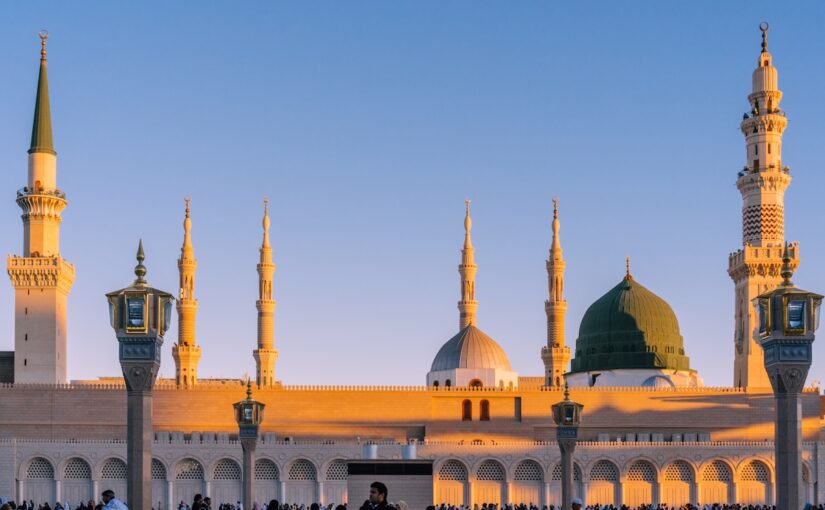
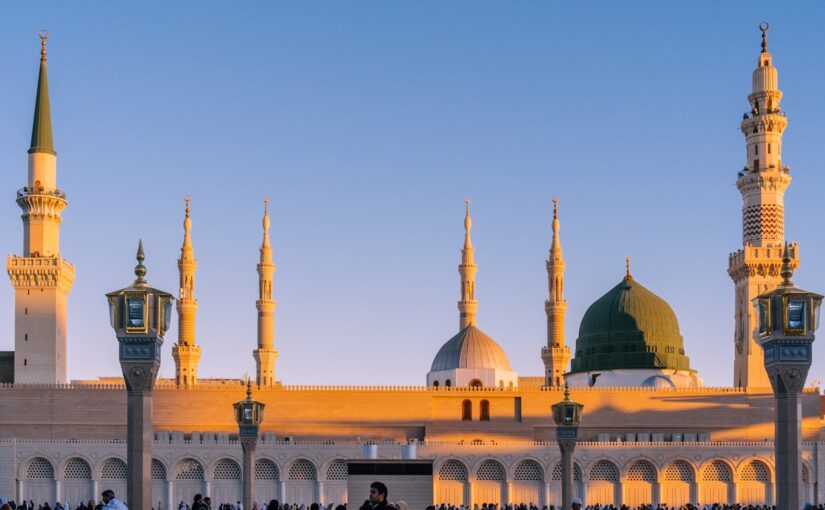
The naat repeatedly emphasizes the theme of sacrifice — “we will erase ourselves, we will sacrifice our lives, we will lay down our heads.” This echoes the spirit of the companions of the Prophet who gave everything for the sake of Islam. The poem calls Muslims to unity under the banner of the Prophet, symbolized by the green dome of Masjid al-Nabawi in Madina.

The reference to Imam Hussain’s message from Karbala is especially powerful. It connects the love of the Prophet with the ultimate sacrifice of his grandson, reminding Muslims that true love demands standing against oppression and injustice. The green dome (Gumbad-e-Khazra) is presented as a unifying symbol — a call to leave aside sectarian divides and gather under the blessed dome of the Prophet’s mosque.

The timeless refrain “kal bhi tha aur aaj bhi hai” (it was there yesterday and it is here today) beautifully captures the eternal nature of the bond between the believer and the Prophet. This love is not bound by time — it transcends centuries, cultures, and borders.

About the Poet and Reciter

The Poet: Allama Nisar Ali Ujagar

Allama Nisar Ali Ujagar is a highly respected Islamic scholar and naat poet from Karachi, Pakistan. Known for his profound and emotionally resonant poetry, he has written many beloved naats that are recited across the Muslim world. His kalaam is characterized by deep love for the Prophet, powerful imagery, and a call to Islamic unity. Hafiz Tahir Qadri has described Ujagar as one of the best contemporary naat poets.

The Reciter: Hafiz Tahir Qadri

Hafiz Muhammad Tahir Qadri is one of the most famous naat reciters in the world. Born on 9th January in Karachi, Pakistan, he developed a passion for reciting naat from childhood. His professional naat career began in 2000 with his first album “Allahu Pukaaray Jaa.” Since then, he has released numerous albums including “Labbaik Ya Rasulallah,” “Taibah Ki Aarzu,” “Dhoom Machaa Dou,” and “Mera Tou Sabb Kuch Mera Nabi Hai.”

Hafiz Tahir Qadri is known for his distinctive, emotional recitation style that moves audiences to tears. He has performed at Mahafil-e-Naat across Pakistan, India, South Africa, and Mauritius. He also runs a successful business, “Tahir Qadri Arabi Abaayahs,” in Karachi and does not use naat recitation as a primary source of income. He was married in Ramadan 2007 in front of the tomb of the Holy Prophet (peace be upon him) in Masjid al-Nabawi, Madina.

His rendition of “Labbaik Ya Rasoolallah” has become iconic, with the powerful chorus echoing in the hearts of millions of believers worldwide.

Tajdar-e-Haram (تاجدارِ حرم) – Full Naat Lyrics in Urdu, English Translation and Meaning

Tajdar-e-Haram (تاجدارِ حرم) – Full Naat Lyrics in Urdu, English Translation and Meaning

Tajdar-e-Haram (تاجدارِ حرم) is one of the most beloved naats in the Islamic world. The title translates to “The Crown-Bearer of the Sanctuary,” referring to the Prophet Muhammad (peace be upon him) as the crowned king of the sacred Haram (the Holy Sanctuary in Mecca). This beautiful naat expresses deep love, devotion, and reverence for the Prophet, describing his exalted status and the blessings that come from following his path.

The naat is widely recited at Mehfil-e-Milad gatherings, Islamic conferences, and in personal worship. Its powerful words touch the hearts of millions of Muslims around the world.

Tajdar-e-Haram Naat Lyrics in Urdu (تاجدارِ حرم نعت کے اردو بول)

Verse 1

تاجدارِ حرم ہو تم اپنے کرم کی نظر ہو تم
تم ہو شہہ وقت کے شہنشاہ جہاں کے سردار ہو تم

Verse 2

آپ کے در سے خالی نہ کوئی جاتا ہے
جو بھی آیا ہے مانگ کے جاتا ہے
بے سہاروں کا سہارا ہو تم
بے کسوں کا مددگار ہو تم

Verse 3

تم پہ لاکھوں درود و سلام اے شہہ کامل
تم پہ لاکھوں سلام اے رسولِ معظم
تم پہ لاکھوں سلام اے محبوبِ سبحاں
تم پہ لاکھوں سلام اے شافعِ محشر

Verse 4

دل کو چین نہیں ہے تیری زیارت کے بغیر
آنکھیں رکھتی ہیں نمی تیری حرم کی تصویر
کیسے گزریں گی یہ راتیں تری دید کے بغیر
آؤ اک بار مرے دل میں تم اتر جاؤ

Verse 5

تم رحمتِ عالم ہو تم مہرِ دو عالم ہو
تم مصطفیٰ احمد ہو تم شافعِ محشر ہو
تم نور سے بھرپور ہو تم عرش کے نور ہو
تم سے ہے سارا عالم تم سے ہے سارا عالم

Verse 6

اے تاجدارِ حرم ہو تم اپنے کرم کی نظر ہو تم
تم ہو شہہ وقت کے شہنشاہ جہاں کے سردار ہو تم

Roman Urdu Transliteration

Verse 1:
Tajdar-e-Haram ho tum apne karam ki nazar ho tum
Tum ho shah-e-waqt ke shehanshah jahan ke sardar ho tum

Verse 2:
Aap ke dar se khaali na koi jaata hai
Jo bhi aaya hai maang ke jaata hai
Be saharon ka sahara ho tum
Be kason ka madadgar ho tum

Verse 3:
Tum pe laakhon durood o salaam ae shah-e-kaamil
Tum pe laakhon salaam ae Rasool-e-Muazzam
Tum pe laakhon salaam ae Mahboob-e-Subhaan
Tum pe laakhon salaam ae Shaafi-e-Mahshar

Verse 4:
Dil ko chain nahi hai teri ziyarat ke baghair
Aankhen rakhti hain nami teri haram ki tasveer
Kaise guzrenge ye raatein teri deed ke baghair
Aao ek baar mere dil mein tum utar jaao

Verse 5:
Tum Rehmat-ul-Aalameen ho tum Mehr-e-Do Aalam ho
Tum Mustafa Ahmad ho tum Shaafi-e-Mahshar ho
Tum noor se bharpoor ho tum arsh ke noor ho
Tum se hai saara aalam tum se hai saara aalam

Verse 6:
Ae Tajdar-e-Haram ho tum apne karam ki nazar ho tum
Tum ho shah-e-waqt ke shehanshah jahan ke sardar ho tum

English Translation

Verse 1:
You are the crown-bearer of the Sacred Sanctuary, you are a glance of Your grace
You are the King of the era, the Emperor, the leader of the world

Verse 2:
No one returns empty-handed from Your door
Whoever has come, has come to ask and receive
You are the support of the helpless
You are the helper of the destitute

Verse 3:
Millions of blessings and peace be upon you, O Perfect King
Millions of peace be upon you, O Great Messenger
Millions of peace be upon you, O Beloved of the Almighty
Millions of peace be upon you, O Intercessor on the Day of Judgment

Verse 4:
The heart finds no peace without visiting You
My eyes preserve the moist image of Your sanctuary
How will the nights pass without beholding You?
Come, just once, descend into my heart

Verse 5:
You are Mercy for the Worlds, You are the Sun of Both Worlds
You are Mustafa, You are Ahmad, You are the Intercessor of the Day of Judgment
You are filled with Light, You are the Light of the Throne
The entire universe exists because of You

Verse 6:
O Crown-Bearer of the Sacred Sanctuary, you are a glance of Your grace
You are the King of the era, the Emperor, the leader of the world

Meaning and Background

Tajdar-e-Haram is a deeply spiritual naat that celebrates the lofty status of Prophet Muhammad (PBUH) as both a temporal and spiritual leader. The title “Tajdar-e-Haram” itself establishes the central theme that the Prophet is the crowned sovereign of the sacred precincts of Mecca and Medina.

Verse 1 establishes the Prophet’s royal and spiritual authority. He is described as the crown-bearer of Haram, the king of the era, and the leader of the entire world. This reflects the Islamic belief that the Prophet holds the highest rank among all creation.

Verse 2 focuses on the Prophet’s mercy and generosity. The imagery of his door never turning anyone away empty-handed is a powerful symbol of his compassion. It echoes the Hadith that the Prophet was the most generous of people, especially during Ramadan.

Verse 3 is a beautiful series of salutations, sending blessings upon the Prophet using his various titles: the Perfect King, the Great Messenger, the Beloved of Allah, and the Intercessor on the Day of Judgment. This verse is often recited with great emotion in gatherings.

Verse 4 expresses the deep longing of the believer to visit the Prophet’s sanctuary in Medina. The moist eyes and restless heart reflect the spiritual connection that Muslims feel toward the Prophet’s resting place at Masjid al-Nabawi. The plea “descend into my heart” is a request for spiritual closeness.

Verse 5 uses cosmic imagery. The Prophet is described as “Mercy for the Worlds” (Rehmat-ul-Aalameen), a title taken directly from the Quran (Surah Al-Anbiya 21:107): “And We have not sent you except as a mercy to the worlds.” The verse also calls him the “Sun of Both Worlds” and the “Light of the Throne,” emphasising his spiritual radiance.

The Significance of the Title “Tajdar-e-Haram”

The title “Tajdar-e-Haram” holds special meaning in Islamic devotional poetry. “Taj” means crown, “dar” means possessor or bearer, and “Haram” refers to the sacred sanctuary in Mecca. Together, the title paints the Prophet as the crowned king of the holy city. This imagery is powerful because Mecca is the holiest city in Islam, the direction of prayer, and the destination of the annual Hajj pilgrimage.

In Islamic tradition, the Prophet is not just a messenger but also a spiritual king whose authority extends over both the physical and spiritual realms. The naat beautifully combines these two aspects, showing the Prophet as both majestic and merciful, powerful and compassionate.

When is Tajdar-e-Haram Recited?

  • Mehfil-e-Milad (Mawlid) gatherings worldwide
  • Weekly naat gatherings in mosques
  • Eid Milad-un-Nabi (12 Rabi-ul-Awwal) celebrations
  • Islamic conferences and spiritual retreats
  • Personal worship and daily devotion
  • Wedding ceremonies and religious events

About the Poet

Tajdar-e-Haram is attributed to various poets in the Islamic tradition, and different versions exist across South Asia. The most widely recognised version is associated with the rich tradition of Urdu naat poetry that flourished in the Indian subcontinent. The exact origins of this particular naat are debated, but its popularity has only grown over time, crossing borders and language barriers.

The naat is recited by famous naat khwans (reciters) across Pakistan, India, Bangladesh, and the wider Muslim world, making it one of the most recognised naats in the Urdu language.

For more naat lyrics and translations, you can read our previous posts on Sultan-e-Madina and other beautiful naats.

Rahmatun Lil Alameen (رحمتہ للعالمین) Full Naat Lyrics in Urdu, English Translation and Meaning

Rahmatun Lil Alameen (رحمتہ للعالمین) Full Naat Lyrics in Urdu, English Translation and Meaning

About the Naat

“Rahmatun Lil Alameen” which translates to “Mercy for All the Worlds” is one of the most beautiful and widely recited Islamic praises of Prophet Muhammad (peace be upon him). The phrase itself is taken from the Holy Quran (Surah Al-Anbiya, verse 107) where Allah says:

“And We have not sent you (O Muhammad) except as a mercy to all the worlds.”

This naat was written by the well-known Islamic poet and has been performed by various artists. The most famous rendition is by Maher Zain, the Swedish-Lebanese singer whose nasheeds have reached millions of people around the world.

The song captures the deep love and reverence that Muslims feel for the Prophet Muhammad (PBUH). It describes his noble character, his compassion and the mercy he brought to all of creation.

Rahmatun Lil Alameen Urdu Lyrics (رحمتہ للعالمین اردو lyrics)

Please note that this naat contains both Arabic and English lyrics in its original version. Below is the full text with Urdu transliteration where available.

رحمتہ للعالمین

رحمتہ للعالمین

آپ صلی اللہ علیہ وآلہ وسلم رحمتہ للعالمین ہیں

آپ صلی اللہ علیہ وآلہ وسلم رحمتہ للعالمین ہیں

نور سے بھرا ہے آپ کا چہرہ

ساری کائنات ہے تم پر فدا

رحمتہ للعالمین

رحمتہ للعالمین

آپ کی محبت میں جیتے ہیں

آپ کی محبت میں مرتے ہیں

رحمتہ للعالمین

رحمتہ للعالمین

Roman English Transliteration

Rahmatun lil alameen

Rahmatun lil alameen

Aap sallallahu alaihi wa aalihi sallam rahmatun lil alameen hain

Aap sallallahu alaihi wa aalihi sallam rahmatun lil alameen hain

Noor se bhara hai aap ka chehra

Saari kaainaat hai tum par fida

Rahmatun lil alameen

Rahmatun lil alameen

Aap ki muhabbat mein jeete hain

Aap ki muhabbat mein marte hain

Rahmatun lil alameen

Rahmatun lil alameen

Full Lyrics in Arabic and English (Maher Zain Version)

The original nasheed by Maher Zain contains the following verses in Arabic and English:

Rahmatun lil alameen (Mercy for all the worlds)

Rahmatun lil alameen (Mercy for all the worlds)

You are the mercy for all the worlds

You are the mercy for all the worlds

Your face is filled with light

The whole universe adores you

Rahmatun lil alameen

Rahmatun lil alameen

In your love we live

In your love we die

Rahmatun lil alameen

Rahmatun lil alameen

Meaning and Explanation

The central theme of “Rahmatun Lil Alameen” is that Prophet Muhammad (PBUH) was sent as a mercy not just for humans but for all of creation. This includes animals, birds, plants and even the environment.

Mercy for Humanity

The Prophet (PBUH) showed mercy to all people regardless of their faith, background or status. He visited the sick, helped the poor and forgave even his worst enemies. When he conquered Makkah, he granted amnesty to the very people who had persecuted him and his followers for years.

His mercy extended to children, women, the elderly and slaves at a time when such groups had few rights. He taught that the best among people are those who are most beneficial to others.

Mercy for Animals

The Prophet (PBUH) taught kindness to animals. He said that a woman entered Hellfire because she kept a cat locked up without food. And a man was forgiven because he gave water to a thirsty dog.

He forbade striking animals, using them for target practice or overloading them. He said that showing kindness to any living creature brings reward from Allah.

Mercy for the Environment

The Prophet (PBUH) encouraged planting trees, conserving water and keeping the environment clean. He said that if the Day of Judgement comes while you have a seedling in your hand, you should still plant it.

These teachings show that the mercy of the Prophet (PBUH) extends to all of creation, which is exactly what “Rahmatun Lil Alameen” means.

The Popularity of This Naat

Rahmatun Lil Alameen has become one of the most popular Islamic nasheeds of the modern era. Maher Zain’s version has been viewed hundreds of millions of times on YouTube and streamed across all major platforms.

The song is popular because:

Its melody is beautiful and easy to remember

The message is universal and uplifting

It combines modern musical production with traditional Islamic themes

It appeals to people of all ages

Many Muslims around the world listen to this naat during Ramadan, on Fridays and at Islamic gatherings. It has also been used in weddings, Eid celebrations and other special occasions.

Why This Naat Matters

Rahmatun Lil Alameen reminds Muslims of the core message of Islam: mercy and compassion. In a world that often seems divided and harsh, this naat brings people together with its message of love for the Prophet (PBUH) and his merciful nature.

It also serves as a reminder for Muslims to embody the same mercy in their own lives. If the Prophet (PBUH) was a mercy to all the worlds, his followers should strive to be merciful too.

For more beautiful naats, check out our collection including Dono Jahan Ki, Tajdar-e-Haram and Hasbi Rabbi.

How to Listen and Recite

Rahmatun Lil Alameen is typically recited in a gentle, emotional style. The melody is slow and meditative, allowing the listener to reflect on the meaning of the words.

You can find the Maher Zain version on YouTube, Spotify and Apple Music. Many Islamic channels also have versions with just vocals and no instruments, which some Muslims prefer.

The naat is suitable for all occasions and is often played at the beginning of Islamic gatherings to set a spiritual tone.

Final Thoughts

Rahmatun Lil Alameen is more than just a song. It is a declaration of love for the Prophet Muhammad (PBUH) and a reminder of his merciful nature. Whether you listen to it for inspiration, comfort or spiritual connection, it has the power to touch your heart.

Labbaik Ya Rasool Allah (لبیک یا رسول اللہ) — Full Naat Lyrics in Urdu, English Translation and Meaning

“Labbaik Ya Rasool Allah (لبیک یا رسول اللہ)” is one of the most beloved and frequently recited naats in the Islamic world. This soul-stirring poem, famously rendered by Owais Raza Qadri, expresses a devotee’s deep love and longing for Prophet Muhammad ﷺ. The phrase “Labbaik Ya Rasool Allah” means “Here I am, O Messenger of Allah” — a powerful declaration of readiness, devotion, and submission to the beloved Prophet. This naat is a staple at milad gatherings, naat evenings, and spiritual assemblies worldwide.

Background and Significance

The phrase “Labbaik” is famously associated with the Hajj pilgrimage, where pilgrims proclaim “Labbaik Allahumma Labbaik” (Here I am, O Allah, here I am). By adapting this sacred call and directing it to the Prophet ﷺ, the naat “Labbaik Ya Rasool Allah” creates a profound link between the devotion of Hajj and the love for the Prophet. It suggests that just as a pilgrim answers the call of Allah, a believer answers the call of His Messenger.

Owais Raza Qadri, a renowned naat khawan from Pakistan, popularised this naat through his heartfelt renditions. His style blends traditional Islamic poetry with a melodious, accessible delivery that resonates with audiences of all ages. The naat has been performed at countless religious gatherings and has been covered by many artists, becoming a timeless classic in the genre of Islamic devotional poetry.

The central theme of “Labbaik Ya Rasool Allah” is the believer’s unwavering love and devotion to the Prophet Muhammad ﷺ. The lyrics speak of coming to Madinah with an open heart, answering the call of the beloved, and finding spiritual peace in the presence of the Prophet. It reflects the deep emotional connection that Muslims feel toward their Prophet — a love that transcends time and space.

Full Urdu Lyrics (مکمل اردو کلام)

Below are the complete lyrics of “Labbaik Ya Rasool Allah” in Urdu script:

لبیک یا رسول اللہ، لبیک یا رسول اللہ

مدینے کی گلیوں میں، چلا ہوں میں سر برہنہ
لبیک یا رسول اللہ، لبیک یا رسول اللہ

در و بام نے پکارا، تجھے اے سخی مدینہ
لبیک یا رسول اللہ، لبیک یا رسول اللہ

تری خاک بھی ہے شفا، تری چاک بھی ہے بینا
لبیک یا رسول اللہ، لبیک یا رسول اللہ

مری جان و دل پہ چھائی، مدینہ کی ہر ادا ہے
لبیک یا رسول اللہ، لبیک یا رسول اللہ

جو تیرے در پہ آیا، وہ کبھی نہ خالی جایا
لبیک یا رسول اللہ، لبیک یا رسول اللہ

یہ مانگی ہے تمنا، تمہارے در کی ٹھوکر
لبیک یا رسول اللہ، لبیک یا رسول اللہ

مرے دل کی ہر دھڑکن، ہے تیرا ہی نام لیتی
لبیک یا رسول اللہ، لبیک یا رسول اللہ

تمہیں یاد کر کے رونا، ہے میری عبادت
لبیک یا رسول اللہ، لبیک یا رسول اللہ

کرم کا ہے اک سہارا، ترے در کے ہو گیا میں
لبیک یا رسول اللہ، لبیک یا رسول اللہ

مدینے سے ہے نسبت، یہی میری پہچان ہے
لبیک یا رسول اللہ، لبیک یا رسول اللہ

Roman English Transliteration

For readers who cannot read Urdu script, here is the Roman English transliteration:

Labbaik Ya Rasool Allah, Labbaik Ya Rasool Allah

Madine ki galiyon mein, chala hoon main sar barehna
Labbaik Ya Rasool Allah, Labbaik Ya Rasool Allah

Dar o baam ne pukara, tujhe aye sakhi Madina
Labbaik Ya Rasool Allah, Labbaik Ya Rasool Allah

Terri khaak bhi hai shifa, terri chaak bhi hai beena
Labbaik Ya Rasool Allah, Labbaik Ya Rasool Allah

Meri jaan o dil pe chhai, Madina ki har ada hai
Labbaik Ya Rasool Allah, Labbaik Ya Rasool Allah

Jo tere dar pe aaya, wo kabhi na khaali jaaya
Labbaik Ya Rasool Allah, Labbaik Ya Rasool Allah

Yeh maangi hai tamanna, tumhare dar ki thokar
Labbaik Ya Rasool Allah, Labbaik Ya Rasool Allah

Mere dil ki har dhadkan, hai tera hi naam leti
Labbaik Ya Rasool Allah, Labbaik Ya Rasool Allah

Tumhein yaad kar ke rona, hai meri ibadat
Labbaik Ya Rasool Allah, Labbaik Ya Rasool Allah

Karam ka hai ek sahaara, tere dar ke ho gaya main
Labbaik Ya Rasool Allah, Labbaik Ya Rasool Allah

Madine se hai nisbat, yahi meri pehchaan hai
Labbaik Ya Rasool Allah, Labbaik Ya Rasool Allah

English Translation (Verse by Verse)

Verse 1: Labbaik Ya Rasool Allah, Labbaik Ya Rasool Allah — Here I am, O Messenger of Allah, here I am, O Messenger of Allah

Verse 2: Madine ki galiyon mein, chala hoon main sar barehna — Through the streets of Madinah, I walk with my head uncovered (in humility)
Labbaik Ya Rasool Allah, Labbaik Ya Rasool Allah — Here I am, O Messenger of Allah

Verse 3: Dar o baam ne pukara, tujhe aye sakhi Madina — Every door and wall has called out to you, O generous one of Madinah
Labbaik Ya Rasool Allah, Labbaik Ya Rasool Allah — Here I am, O Messenger of Allah

Verse 4: Terri khaak bhi hai shifa, terri chaak bhi hai beena — Your dust is a cure, even your torn garment brings sight (spiritual vision)
Labbaik Ya Rasool Allah, Labbaik Ya Rasool Allah — Here I am, O Messenger of Allah

Verse 5: Meri jaan o dil pe chhai, Madina ki har ada hai — Every manner of Madinah has captured my heart and soul
Labbaik Ya Rasool Allah, Labbaik Ya Rasool Allah — Here I am, O Messenger of Allah

Verse 6: Jo tere dar pe aaya, wo kabhi na khaali jaaya — Whoever comes to your doorstep never leaves empty-handed
Labbaik Ya Rasool Allah, Labbaik Ya Rasool Allah — Here I am, O Messenger of Allah

Verse 7: Yeh maangi hai tamanna, tumhare dar ki thokar — This is my only wish: to stumble at your doorstep (to fall prostrate at your threshold)
Labbaik Ya Rasool Allah, Labbaik Ya Rasool Allah — Here I am, O Messenger of Allah

Verse 8: Mere dil ki har dhadkan, hai tera hi naam leti — Every beat of my heart takes your name
Labbaik Ya Rasool Allah, Labbaik Ya Rasool Allah — Here I am, O Messenger of Allah

Verse 9: Tumhein yaad kar ke rona, hai meri ibadat — Crying while remembering you is my worship
Labbaik Ya Rasool Allah, Labbaik Ya Rasool Allah — Here I am, O Messenger of Allah

Verse 10: Karam ka hai ek sahaara, tere dar ke ho gaya main — By Your grace, I have become attached to your doorstep
Labbaik Ya Rasool Allah, Labbaik Ya Rasool Allah — Here I am, O Messenger of Allah

Verse 11: Madine se hai nisbat, yahi meri pehchaan hai — My connection to Madinah is my true identity
Labbaik Ya Rasool Allah, Labbaik Ya Rasool Allah — Here I am, O Messenger of Allah

Themes and Meaning

“Labbaik Ya Rasool Allah” is more than just a naat — it is a spiritual journey expressed through poetry. Several key themes emerge from the verses:

Unconditional Love and Devotion: The refrain “Labbaik Ya Rasool Allah” echoes throughout the naat like a heartbeat. It represents the believer’s unconditional response to the call of the Prophet. Just as a pilgrim responds “Labbaik” to Allah during Hajj, the devotee here responds to the spiritual call of the beloved Prophet ﷺ.

Humility and Self-Surrender: The imagery of walking through Madinah’s streets “with an uncovered head” (sar barehna) is a powerful symbol of humility. In Eastern tradition, covering one’s head is a sign of respect; walking bareheaded signifies complete surrender and vulnerability before the beloved.

Madinah as a Sanctuary: The entire city of Madinah is portrayed as a place of spiritual healing. The dust of Madinah is described as “shifa” (cure), echoing the hadith that the soil of Madinah has healing properties. Even the walls and doors of Madinah call out to the believer, welcoming them to the city of the Prophet.

Call and Response Structure: The naat follows a distinctive call-and-response pattern. Each verse describes a different aspect of love and longing for the Prophet, and each is answered by the powerful refrain “Labbaik Ya Rasool Allah.” This structure makes the naat easy to remember and deeply engaging for listeners, who naturally join in with the refrain during gatherings.

Hope and Generosity: The verse “Jo tere dar pe aaya, wo kabhi na khaali jaaya” (Whoever comes to your doorstep never leaves empty-handed) reflects the Islamic belief in the Prophet’s ﷺ intercession and generosity. It gives hope to believers that their prayers and supplications made through love of the Prophet will not go unanswered.

Why This Naat Matters

“Labbaik Ya Rasool Allah” holds a special place in Islamic devotional tradition for several reasons:

  • Emotional Connection: Its simple yet profound lyrics create an immediate emotional connection with listeners. The repetition of “Labbaik Ya Rasool Allah” allows even those who do not understand Arabic or Urdu to participate in the devotion.
  • Bridge Between Cultures: The naat bridges Arabic Islamic tradition (the word “Labbaik” from Hajj) with Urdu devotional poetry, creating a unique fusion that appeals to South Asian Muslims while remaining rooted in classical Islamic concepts.
  • Spiritual Preparation: Many believers listen to this naat when preparing for Umrah or Hajj, or simply to connect spiritually with the Prophet ﷺ in their daily lives.
  • Community Bonding: The call-and-response nature makes it a staple at milad gatherings, where the entire congregation joins in the refrain, creating a powerful sense of unity and collective devotion.

In essence, this naat is a love letter to the Prophet Muhammad ﷺ — a declaration that the believer is always ready, always present, and always devoted. It reminds us that the love of the Prophet is not just a feeling but a call to action: to be humble, to seek knowledge, to serve others, and to constantly strive to be worthy of his intercession.

More Naat Lyrics You Might Like

If you enjoyed “Labbaik Ya Rasool Allah,” you may also like these naat lyrics:

Conclusion

“Labbaik Ya Rasool Allah (لبیک یا رسول اللہ)” is a timeless naat that continues to inspire millions around the world. Its powerful refrain, profound meaning, and emotional depth make it a true gem of Islamic devotional poetry. Whether recited in solitude or sung in congregation, this naat serves as a reminder of the believer’s eternal connection to the Prophet Muhammad ﷺ — a connection that transcends time, space, and language.

May we all be blessed to visit the blessed city of Madinah and answer the call of the beloved Prophet ﷺ with a sincere “Labbaik.” Ameen.

Assubhu Bada (الصبح بدا) — Full Naat Lyrics in Urdu, English Translation and Meaning

“Assubhu Bada” (الصبح بدا) — meaning “The Morning Has Appeared” — is one of the most beloved traditional Islamic naats ever written. This timeless Arabic naat celebrates the blessed birth and arrival of Prophet Muhammad ﷺ, using the beautiful metaphor of dawn breaking to symbolize the light he brought to a world lost in darkness. Sung by countless artists across the Muslim world — most famously by Mesut Kurtis — this naat has touched millions of hearts and is recited in homes, mosques, and gatherings worldwide.

The poetry is rich with imagery: darkness giving way to light, night being dispelled by a radiant face, and the Prophet ﷺ being described as the sun at its highest zenith. Every verse is a testament to the profound love Muslims hold for the final Messenger of Allah.

The Background of Assubhu Bada

“Assubhu Bada” is a classical Arabic qasida (ode) that has been passed down through generations. Its exact origins trace back to traditional Islamic poetry composed in praise of Prophet Muhammad ﷺ. The title refers to “the morning” (subhu) that “appeared” (bada) — a direct reference to the Prophet ﷺ whose arrival was like the dawn after a long, dark night.

The poem references Yathrib, the former name of Madinah, where the Prophet ﷺ migrated and established the first Islamic state. The naat beautifully weaves together themes of light, guidance, love, and devotion. In the Urdu-speaking world, this naat is extremely popular and is often recited at Milad-un-Nabi (Eid Milad) gatherings, naat nights, and spiritual assemblies.

The chorus — “Ya Rabbi salli wa sallim da’iman abadan / ‘Ala habibika khayril khalqi kullihim” (O Lord, send blessings and peace forever and ever upon Your Beloved, the best of all creation) — is a direct supplication invoking salawat upon the Prophet ﷺ, following the Quranic command in Surah Al-Ahzab (33:56): “Indeed, Allah confers blessing upon the Prophet, and His angels [ask Him to do so]. O you who have believed, ask [Allah to confer] blessing upon him and ask [Allah to grant him] peace.”

Verse 1 — The Dawn of Prophecy

Arabic Lyrics

اَلصُّبْحُ بَدَا مِنْ ثَغْرِ يَثْرِب
وَاللَّيْلُ انْجَلَىٰ عَنْ وَجْهِهِ الْأَشْهَب
وَالنُّورُ بَدَا مِنْ وَجْهِهِ الْمُضِيءِ
كَالشَّمْسِ فِي رَابِعَةِ الْأَبْرُج

Urdu Transliteration

Subhu bada min thaghri yathrib
Wal laylu in jala ‘an wajhihil ash-hab
Wan-nuru bada min wajhihil mudhi’
Kash-shamsi fi raabi’atil abruj

English Translation

The dawn has appeared from the horizon of Yathrib (Madinah)
And the night has been dispelled by his radiant face
Light shines forth from his luminous face
Like the sun in its highest zenith

Meaning

This opening verse is breathtaking in its imagery. “Subhu bada” — the morning appeared — is not just about a literal sunrise. It is the spiritual dawn that came with Prophet Muhammad ﷺ. Yathrib (the pre-Islamic name of Madinah) is mentioned as the place from which this dawn rose, referencing the Hijra (migration) that marked a turning point in Islamic history. The “night” is the age of ignorance (Jahiliyyah) — a time of darkness, oppression, and spiritual emptiness. The Prophet’s ﷺ face is described as “ash-hab” (radiant, luminous), and his light is compared to the sun at its highest point in the sky — unstoppable, undeniable, warming every soul it touches. The verse beautifully establishes the central metaphor of the entire naat: the Prophet ﷺ as light personified.

Chorus — The Blessing Upon the Beloved

Arabic Lyrics

يَا رَبِّ صَلِّ وَسَلِّمْ دَائِمًا أَبَدًا
عَلَىٰ حَبِيبِكَ خَيْرِ الْخَلْقِ كُلِّهِم

Urdu Transliteration

Ya Rabbi salli wa sallim da’iman abadan
‘Ala habibika khayril khalqi kullihim

English Translation

O my Lord, send blessings and peace forever and ever
Upon Your Beloved, the best of all creation

Meaning

This chorus is the heart of the naat — a direct and loving plea to Allah to send salawat (blessings) upon the Prophet ﷺ. The words “da’iman abadan” (forever and ever) emphasize the eternal nature of this blessing. The Prophet ﷺ is described as “habibika” (Your Beloved) — a profound reminder of the special station the Prophet holds with Allah, described in the Quran as the one “who is praised” (Muhammad) and the “Beloved of Allah” (Habibullah). By calling the Prophet ﷺ “khayril khalqi kullihim” (the best of all creation), the poet affirms the Islamic belief that Prophet Muhammad ﷺ is the greatest and most noble of all beings ever created.

Verse 2 — The Taste of Love

Arabic Lyrics

مَنْ ذَاقَ حُبَّهُ عَرَفَ طَرِيقَ الْهُدَىٰ
وَمَنْ أَحَبَّ سَارَ فِي دَرْبِ الْمُصْطَفَىٰ

Urdu Transliteration

Man dhaqa hubbahu ‘arafa tareeqal huda
Wa man ahabba saara fi darbil Mustafa

English Translation

Whoever tastes His love knows the path of guidance
And whoever loves, walks on the path of Mustafa (the Chosen One)

Meaning

This verse speaks to the transformative power of love for the Prophet ﷺ. The word “dhaqa” (tasted) implies an experiential, deeply personal encounter — not just intellectual knowledge but a felt experience of love. The poet suggests that this love is the key to finding guidance (huda). Once a person truly loves the Prophet ﷺ, they naturally begin to follow his path (darbil Mustafa). “Mustafa” means “the Chosen One” — one of the Prophet’s ﷺ most beloved titles. This verse reminds us that love for the Prophet ﷺ is not just emotion; it translates into action. True love means walking his path, embodying his teachings, and living his sunnah.

Verse 3 — The Guide of All Worlds

Arabic Lyrics

طه الرَّسُولُ الْهَادِي وَالْهَادِي لَنَا
يَا سَيِّدَ الْكَوْنَيْنِ يَا مَنْ بِهِ اهْتَدَىٰ

Urdu Transliteration

Taha Rasulul Hadi wal Hadi lana
Ya Sayyidal Kawnayni ya man bihi ihtada

English Translation

Ta-Ha, the Messenger, the Guide, and our Guide
O Master of both worlds, O one through whom guidance is found

Meaning

The verse opens with “Taha” — one of the mysterious letters (huruf al-muqatta’at) from the Quran that begin Surah Ta-Ha (Chapter 20). Islamic scholars have offered various interpretations of these letters, but in the context of this naat, “Taha” is used as an affectionate name for the Prophet ﷺ. The Prophet ﷺ is described as “al-Hadi” (the Guide) — one who shows the way. Repeated twice for emphasis: he is the guide in a universal sense and also our personal guide. “Sayyidal kawnayni” means “Master of both worlds” — this world and the hereafter. The verse affirms the Prophet’s ﷺ supreme station and his role as the means through which humanity finds guidance. “Bihi ihtada” — through him, people are guided — echoes the Quranic verse that the Prophet ﷺ guides to the straight path (Surah Ash-Shura 42:52).

Verse 4 — The Call to Allah

Arabic Lyrics

يَا مَنْ دَعَا لِلَّهِ رَبًّا فَأَسْمَعَا
يَا خَيْرَ مَنْ حَجَّ الْبَيْتَ وَصَلَّىٰ مَعَا

Urdu Transliteration

Ya man da’a lillahi rabban fa asma’a
Ya khayra man hajjal bayta wa salla ma’a

English Translation

O one who called to Allah as Lord and made all hear
O best of those who performed Hajj of the House and prayed together

Meaning

This verse highlights two key aspects of the Prophet’s ﷺ mission: his call to Tawheed (the oneness of Allah) and his role in establishing worship. “Da’a lillahi rabban” refers to the Prophet’s ﷺ invitation to worship Allah alone — the central message of all prophets. “Fa asma’a” — and He made all hear — refers to the Prophet’s ﷺ message reaching far and wide. Despite facing persecution, his call could not be silenced. The second line praises the Prophet ﷺ as the best of those who performed Hajj and prayed — his pilgrimage (Hajjat al-Wida, the Farewell Pilgrimage) was the model for all Muslims, and his prayers were the most perfect. The word “ma’a” (together) may also refer to the Prophet ﷺ praying in congregation, establishing the importance of community worship.

Verse 5 — The Eternal Support

Arabic Lyrics

يَا سَنَدِي يَا سَنَدِي أَنْتَ لِي فِي الزَّمَانِ
وَأَنْتَ لِي مُذْ كُنْتُ فِي عَالَمِ الْأَمَانِ

Urdu Transliteration

Ya sanadi ya sanadi anta li fi-z-zaman
Wa anta li mudh kuntu fi ‘alamil aman

English Translation

O my support, my support, you are for me in all times
And you have been for me since I was in the world of covenant

Meaning

The final verse is deeply personal and emotional. “Sanadi” means “my support” or “my pillar” — the one I lean on. Repeated twice for emphasis, it reflects the poet’s complete reliance on the Prophet ﷺ as an intercessor and spiritual anchor. “Anta li fi-z-zaman” — you are for me in all times — acknowledges that the Prophet’s ﷺ love and support transcend time and circumstance. The second line references “‘alamil aman” — the world of covenant — which alludes to the primordial covenant mentioned in the Quran (Surah Al-A’raf 7:172) when all souls testified to Allah’s lordship. The poet beautifully suggests that their love for the Prophet ﷺ predates this worldly existence — it was written into their soul from the very beginning. This is the ultimate expression of spiritual connection: a love that is eternal, pre-eternal, and woven into the very fabric of one’s being.

The Spiritual Significance

“Assubhu Bada” is more than a beautiful melody — it is a theological masterpiece in poetic form. Every verse is layered with meaning, drawing from Quranic imagery, prophetic tradition, and the depths of Islamic spirituality. The naat teaches us that:

  • The arrival of Prophet Muhammad ﷺ was like the dawn after a long night — bringing light to a world in darkness.
  • Love for the Prophet ﷺ is the key to guidance — when we truly love him, we naturally follow his path.
  • Salawat (sending blessings upon the Prophet ﷺ) is both a command from Allah and a gift from the believer’s heart.
  • The Prophet ﷺ is not just a historical figure but a living source of support and intercession for those who love him.
  • This love is eternal — it existed before this world and will continue into the next.

In Urdu-speaking households across Pakistan, India, and Bangladesh, “Assubhu Bada” holds a special place. It is often the first naat children learn, the one recited at family gatherings, and the one that brings tears to the eyes of the elderly. Its simple yet profound poetry transcends age, culture, and background — speaking directly to the heart of every believer.

Why This Naat is Loved Worldwide

The universal appeal of “Assubhu Bada” lies in its combination of spiritual depth and melodic beauty. Unlike more complex poetic works, its Arabic is relatively accessible, making it easy for non-Arabic speakers to learn and recite. The imagery — dawn, light, the sun, guidance — is universally understood and deeply resonant. The chorus invoking salawat is both a prayer and a declaration of love, repeated like a heartbeat throughout the naat. Mesut Kurtis’s famous rendition introduced this naat to a new generation, and it has since been covered by countless artists including Sami Yusuf, Maher Zain, and many others. In the digital age, “Assubhu Bada” has gone viral multiple times, with millions of YouTube views and shares across social media platforms.

Conclusion

“Assubhu Bada” (الصبح بدا) — The Morning Has Appeared — is a gift to the Muslim ummah. Its verses carry the light of Prophetic love, the warmth of spiritual guidance, and the depth of eternal devotion. Whether you are hearing it for the first time or the thousandth, this naat has the power to move hearts, soften souls, and draw the believer closer to the Beloved Prophet Muhammad ﷺ.

May Allah bless us all with the love of His Messenger ﷺ, guide us on his path, and grant us his intercession on the Day of Judgment. Ameen.


Note: The Arabic lyrics and translations of “Assubhu Bada” may vary slightly between different recitations and traditions. The version presented here is the most widely recognized and recited form.

Chand Chand Sai Dikhte Hain – چاند چاند سے دکھتے ہیں • Naat Lyrics

Chand Chand Sai Dikhte Hain Naat – چاند چاند سے دکھتے ہیں

“Chand Chand Sai Dikhte Hain” is a heartfelt Urdu Naat that beautifully describes the radiant beauty and noble character of Prophet Muhammad ﷺ. The poet uses the metaphor of the moon (chand) — the most beautiful and luminous object in the night sky — to convey that the Prophet’s ﷺ blessed face outshines even the brightest moons. Every verse is overflowing with ishq-e-Rasool (love for the Prophet), making it a beloved Naat recited in Mehfil-e-Naat gatherings around the world.

This Naat reminds us that when we look at the Prophet ﷺ, we see a light that no worldly beauty can match. The moon, though beautiful, is humbled in comparison to the Noor-e-Mujassam (embodied light) of the Beloved of Allah.

Continue reading Chand Chand Sai Dikhte Hain – چاند چاند سے دکھتے ہیں • Naat Lyrics

Allah Hu Allah Hu (اللہ ہو اللہ ہو) – Complete Naat Lyrics in Urdu, English Translation and Meaning

“Allah Hu Allah Hu” is a beloved Islamic naat that praises the oneness and greatness of Allah. The phrase “Allahu” (اللہ) is the Arabic name for God, and repeating it with devotion is a form of dhikr (remembrance of Allah). This naat is often recited in gatherings and is known for its simple yet powerful repetition that touches the heart.

Below you will find the full lyrics in Urdu, alongside the English transliteration and translation, as well as an explanation of the meaning behind this beautiful naat.

Allah Hu Allah Hu Naat Lyrics in Urdu (اللہ ہو اللہ ہو – اردو lyrics)

اللہ ہو اللہ ہو
اللہ ہو اللہ ہو
اللہ ہو اللہ ہو
اللہ ہو اللہ ہو

تُو ہی ربِّ جلیل ہے
تُو ہی واحد وکیل ہے
تُو ہی بے نیاز و منزہ ہے
تُو ہی صمد ابدی ہے

اللہ ہو اللہ ہو
اللہ ہو اللہ ہو
اللہ ہو اللہ ہو
اللہ ہو اللہ ہو

نہ کوئی تیرا ہمسر ہے
نہ کوئی تیرا نظیر ہے
تُو ہی اول و آخر ہے
تُو ہی باطن و ظاہر ہے

اللہ ہو اللہ ہو
اللہ ہو اللہ ہو
اللہ ہو اللہ ہو
اللہ ہو اللہ ہو

تُو ہی پیدا کرنے والا
تُو ہی پالنے والا
تُو ہی معاف کرنے والا
تُو ہی رحم کرنے والا

اللہ ہو اللہ ہو
اللہ ہو اللہ ہو
اللہ ہو اللہ ہو
اللہ ہو اللہ ہو

English Transliteration

Allah Hu Allah Hu
Allah Hu Allah Hu
Allah Hu Allah Hu
Allah Hu Allah Hu

Tu hi Rabb-e-Jaleel hai
Tu hi Wahid Wakeel hai
Tu hi Bay-Niaz-o-Munazzah hai
Tu hi Samad Abadi hai

Allah Hu Allah Hu
Allah Hu Allah Hu
Allah Hu Allah Hu
Allah Hu Allah Hu

Na koi tera Humsar hai
Na koi tera Nazir hai
Tu hi Awwal-o-Aakhir hai
Tu hi Batin-o-Zahir hai

Allah Hu Allah Hu
Allah Hu Allah Hu
Allah Hu Allah Hu
Allah Hu Allah Hu

Tu hi paida karne wala
Tu hi paalne wala
Tu hi maaf karne wala
Tu hi reham karne wala

Allah Hu Allah Hu
Allah Hu Allah Hu
Allah Hu Allah Hu
Allah Hu Allah Hu

English Translation

Allah Hu Allah Hu – He is Allah, He is Allah

Tu hi Rabb-e-Jaleel hai – You alone are the Majestic Lord
Tu hi Wahid Wakeel hai – You alone are the One and only Guardian
Tu hi Bay-Niaz-o-Munazzah hai – You alone are free from all needs and are Pure
Tu hi Samad Abadi hai – You alone are the Eternal, Self-Sufficient

Na koi tera Humsar hai – There is none equal to You
Na koi tera Nazir hai – There is none comparable to You
Tu hi Awwal-o-Aakhir hai – You alone are the First and the Last
Tu hi Batin-o-Zahir hai – You alone are the Hidden and the Manifest

Tu hi paida karne wala – You alone are the Creator
Tu hi paalne wala – You alone are the Sustainer
Tu hi maaf karne wala – You alone are the Forgiver
Tu hi reham karne wala – You alone are the Merciful

Meaning and Background

“Allah Hu Allah Hu” is more than just a song or poem. It is a form of dhikr (remembrance of Allah) that has been recited by Muslims for centuries. The repetition of Allah’s name is considered a powerful spiritual practice that brings peace to the heart and strengthens one’s connection with the Creator.

The lyrics affirm the core Islamic belief in Tawheed (the oneness of Allah). Each verse highlights different attributes of Allah as described in the Quran. The naat draws heavily from Quranic descriptions of Allah, particularly from Surah Al-Ikhlas (Chapter 112), which states: “Say, He is Allah, the One. Allah, the Eternal, Self-Sufficient. He neither begets nor is born, nor is there to Him any equivalent.”

This naat is popular across the Muslim world and is recited in various styles by different naat khwans (reciters). The simple structure makes it easy to memorise and recite, while the deep meaning provides spiritual nourishment.

For more naat lyrics and their meanings, explore our collection including Meri Zindagi Hai Madina, Tajdar-e-Haram and Ya Mustafa.

Why This Naat Matters

The “Allah Hu” naat holds a special place in Islamic devotional poetry. Its repetitive structure makes it ideal for group recitation and gatherings. The focus on Allah’s names and attributes serves as a reminder of His mercy, power and closeness to those who remember Him.

Reciting or listening to this naat can bring a sense of calm and spiritual focus. Many Muslims include it in their daily routine as part of morning or evening dhikr. The melody varies between reciters, but the core message remains the same: Allah is One, and He is worthy of all praise.

Frequently Asked Questions

Who wrote the Allah Hu Allah Hu naat?
The exact origin of this naat is not known, as it has been passed down through oral tradition. It belongs to the category of traditional Islamic nasheeds that focus on the attributes of Allah.

Is this naat from the Quran?
The phrases are inspired by Quranic descriptions of Allah, particularly from Surah Al-Ikhlas, Ayat-ul-Kursi and other verses that describe Allah’s attributes. The composition itself is not a direct Quranic verse but is based on Islamic teachings.

Can children recite this naat?
Yes, this naat is very popular among children because of its simple, repetitive structure. Many Islamic schools and madrasas teach it to young students as an introduction to devotional poetry.