
Tajdar-e-Haram (تاجدارِ حرم) — Full Naat Lyrics in Urdu, English Translation and Meaning

Introduction

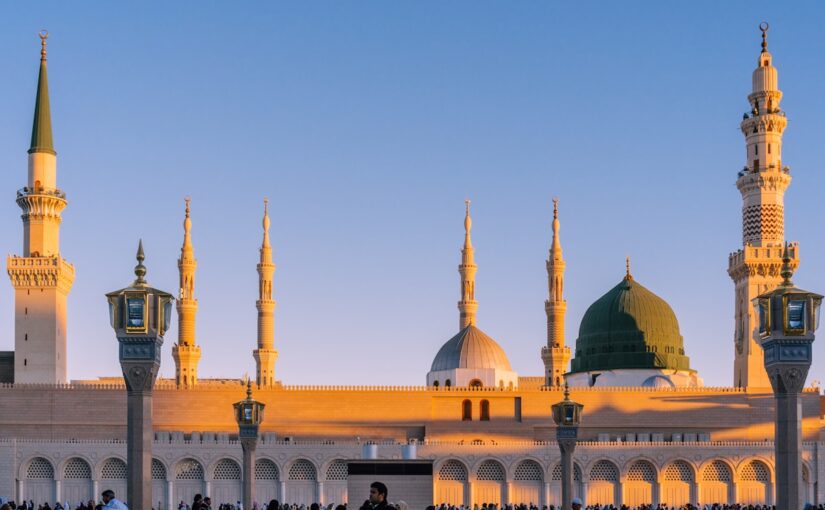
Tajdar-e-Haram (تاجدارِ حرم) is one of the most beloved and widely recited naats in the Islamic world. The title translates to “The Crown of the Sanctuary” — a beautiful reference to Prophet Muhammad (peace be upon him) as the crowning glory of the sacred city of Madinah. This naat expresses deep love, devotion and reverence for the Prophet (PBUH), describing him as the pride of the Haram (the sacred sanctuary) and the ultimate intercessor for humanity.

The naat gained massive popularity through Coke Studio Pakistan’s rendition, performed by the legendary Atif Aslam alongside the Mai Dhai group. The soulful melody combined with powerful Urdu poetry created a spiritual experience that resonated with millions of listeners worldwide. But the naat has been recited for decades in mehfils and gatherings long before its mainstream popularity.

In this post, you will find the complete Tajdar-e-Haram naat lyrics in Urdu, along with Roman English transliteration, English translation and an explanation of its spiritual meaning.

About the Naat

Tajdar-e-Hamar is a naat that belongs to the tradition of “hamd” and “naat” — poetry written in praise of Allah and His Prophet (peace be upon him). The poet uses the metaphor of a king wearing a crown to describe the elevated status of the Prophet among all of creation. The word “taj” means crown, “dar” means possessor or holder, and “haram” refers to the sacred sanctuary of Madinah.

The naat beautifully combines themes of love, longing, and spiritual devotion. It speaks of the Prophet’s exalted station, his role as a mercy to all worlds, and the deep connection believers feel towards him. Each verse is a pearl of wisdom wrapped in the beauty of Urdu poetry.

If you enjoy this naat, you may also like our post on Mera Dil To Hai Madine, another soul-stirring naat about the love for Madinah.

Tajdar-e-Haram — Urdu Lyrics (تاجدارِ حرم)

Verse 1:

تاجدارِ حرم، اے تاجدارِ حرم

دردِ دل کا مداوا، اے تاجدارِ حرم

Verse 2:

آپ کی چوکھٹ پہ سر ہے، آپ کی محبت میں دم ہے

آپ کی رحمت کی خاطر، دل میں سینکڑوں ہی غم ہے

Verse 3:

اے شہہِ مشرق و مغرب، اے محبوبِ الٰہی

چشمِ عالم ہے ترے در پہ، اے تاجدارِ حرم

Verse 4:

بے کسوں کے سہارے، مصطفیٰ تم ہی ہو

درد مندوں کے یارو، مصطفیٰ تم ہی ہو

Verse 5:

تاجدارِ حرم، اے تاجدارِ حرم

دردِ دل کا مداوا، اے تاجدارِ حرم

Verse 6:

آپ کی جلوہ گری سے، روشن ہے ہر اک گلی

مدینے کی ہر گلی میں، بکھری ہے ایک روشنی

Verse 7:

آپ کے طفیل ہی سے، ملتی ہے بخشش

آپ کے صدقے ہی سے، ملتا ہے ہمیں سکون

Verse 8:

یا نبی، یا حبیب، یا شفیع المذنبین

آپ ہی ہو امیدِ عاصیوں، اے تاجدارِ حرم

Verse 9:

جس نے بھی آپ کا در چھوا، وہ کبھی خالی نہیں لوٹا

جو بھی آپ کے در پہ آیا، اسے مانگی ہوئی دولت ملی

Verse 10:

تاجدارِ حرم، اے تاجدارِ حرم

دردِ دل کا مداوا، اے تاجدارِ حرم

Roman English Transliteration

Verse 1:

Tajdar-e-Haram, ae Tajdar-e-Haram

Dard-e-dil ka mudawa, ae Tajdar-e-Haram

Verse 2:

Aap ki chokhat pe sar hai, aap ki mohabbat mein dum hai

Aap ki rehmat ki khatir, dil mein sau sau gham hai

Verse 3:

Ae Shah-e-Mashriq o Maghrib, ae Mahboob-e-Ilahi

Chashm-e-aalam hai tere dar pe, ae Tajdar-e-Haram

Verse 4:

Be-kason ke sahare, Mustafa tum hi ho

Dard-mandon ke yaaro, Mustafa tum hi ho

Verse 5:

Tajdar-e-Haram, ae Tajdar-e-Haram

Dard-e-dil ka mudawa, ae Tajdar-e-Haram

Verse 6:

Aap ki jalwa-gari se, roshan hai har ek gali

Madine ki har gali mein, bikri hai ek roshni

Verse 7:

Aap ke tufail hi se, milti hai bakhshish

Aap ke sadqe hi se, milta hai humein sukoon

Verse 8:

Ya Nabi, ya Habib, ya Shafi-al-Muznibeen

Aap hi ho umeed-e-aasiyon, ae Tajdar-e-Haram

Verse 9:

Jis ne bhi aap ka dar chhua, woh kabhi khaali nahi lota

Jo bhi aap ke dar pe aaya, use maangi hui daulat mili

Verse 10:

Tajdar-e-Haram, ae Tajdar-e-Haram

Dard-e-dil ka mudawa, ae Tajdar-e-Haram

English Translation

Verse 1:

O Crown of the Sacred Sanctuary, O Crown of the Sacred Sanctuary

You are the cure for the pain of my heart, O Crown of the Sacred Sanctuary

Verse 2:

My head is at Your doorstep, my life is in Your love

For the sake of Your mercy, my heart carries countless sorrows

Verse 3:

O King of the East and the West, O Beloved of Allah

The eyes of the world are fixed upon Your door, O Crown of the Sacred Sanctuary

Verse 4:

You are the support of the helpless, O Mustafa (the Chosen One)

You are the friend of the sorrowful, O Mustafa

Verse 5:

O Crown of the Sacred Sanctuary, O Crown of the Sacred Sanctuary

You are the cure for the pain of my heart, O Crown of the Sacred Sanctuary

Verse 6:

Through Your splendour, every street is illuminated

In every street of Madinah, a light is scattered

Verse 7:

It is through Your mediation that forgiveness is granted

It is through Your blessing that we find peace

Verse 8:

O Prophet, O Beloved, O Intercessor for the Sinners

You are the hope of the disobedient, O Crown of the Sacred Sanctuary

Verse 9:

Whoever touched Your door never returned empty-handed

Whoever came to Your door received the treasure they sought

Verse 10:

O Crown of the Sacred Sanctuary, O Crown of the Sacred Sanctuary

You are the cure for the pain of my heart, O Crown of the Sacred Sanctuary

Spiritual Meaning and Significance

Tajdar-e-Haram is more than just a beautiful poem set to music. It is a spiritual journey that takes the believer from the pain of worldly existence to the hope of divine mercy through the intercession of the Prophet Muhammad (peace be upon him). Each verse serves as a reminder of the Prophet’s exalted status and his role as a source of healing for troubled hearts.

The repeated phrase “Tajdar-e-Haram” is both a title and a declaration. It acknowledges the Prophet as the crowned king of the sacred sanctuary, a status that elevates him above all of creation. The naat humbly asks for his attention, his mercy and his intercession.

The line “Dard-e-dil ka mudawa” (the cure for the pain of my heart) reflects the universal human experience of seeking solace. In Islamic spirituality, the love of the Prophet (PBUH) is considered a balm for every kind of sorrow. The naat teaches us that turning our hearts towards the Prophet brings peace and healing.

Verses 6 and 7 speak about the blessings of Madinah and the Prophet’s mediation. The light that fills every street of Madinah is both a physical and spiritual light that guides believers towards truth and righteousness. The belief in “tawassul” (seeking intercession) is beautifully expressed here, reminding Muslims of the Prophet’s promise to intercede for his Ummah on the Day of Judgement.

If you want to explore more naats that express love for the Prophet, read our post on Kaaba Ke Badshah, another beautiful naat praising the Prophet (PBUH).

Cultural Impact

Tajdar-e-Haram achieved mainstream popularity when it was performed on Coke Studio Pakistan. The rendition by Atif Aslam became an instant classic, amassing millions of views on YouTube and being streamed countless times across all platforms. It introduced a new generation to the beauty of naat and Islamic poetry.

The naat is now regularly recited at Islamic gatherings, weddings, and religious events across South Asia and the diaspora. Its universal message of love and devotion transcends cultural boundaries, making it one of the most recognised naats in the world.

For more soul-touching naats, also check out Ya Nabi Salam Alayka, another beloved naat with both Urdu and Arabic verses.

Conclusion

Tajdar-e-Haram is a masterpiece of Islamic devotional poetry. Its words carry the weight of centuries of love for the Prophet Muhammad (peace be upon him). Whether you listen to it in the quiet of your home, in a gathering of believers, or on a crowded commuter train, the naat has the power to transport your heart to the blessed streets of Madinah.

May Allah bless us with the love of His Prophet and grant us the opportunity to visit the sacred sanctuary of Madinah. Ameen.

Tags: Tajdar-e-Haram naat lyrics, Tajdar e Haram lyrics in Urdu, Tajdar e Haram English translation, Tajdar-e-Haram meaning, Atif Aslam naat lyrics, Coke Studio naat lyrics
Keh Do Madine Jaana Hai (کہ دو مدینے جانا ہے) — Full Naat Lyrics in Urdu, English Translation and Meaning

Introduction

The love for Madina, the city of the Prophet Muhammad ﷺ, runs deep in the hearts of Muslims around the world. “Keh Do Madine Jaana Hai” (کہ دو مدینے جانا ہے) is a heartfelt Urdu naat that beautifully expresses the yearning of a believer to visit the holy city of Madina Munawwarah and the blessed Rawza of the Prophet ﷺ. The naat captures the deep emotional connection and longing that every Muslim feels for the city that welcomed the final Messenger of Allah.

In this post, we present the complete Urdu lyrics in Arabic script along with the English translation and background of this soulful naat.


Keh Do Madine Jaana Hai — Urdu Lyrics (کہ دو مدینے جانا ہے)

Verse 1

کہ دو مدینے جانا ہے
مجھے اب تو زمانے بھر سے
کہ دو مدینے جانا ہے

کہ دو مدینے جانا ہے
یہ دل کہہ رہا ہے ہر گھڑی
مدینے کا دیوانہ ہے
کہ دو مدینے جانا ہے

Verse 2

نبی ﷺ کے روضے پہ جانا ہے
اسی آرزو میں جینا ہے
دکھا دے جلوہ اک مرتبہ
بس اتنا ہی تو تمنا ہے

کہ دو مدینے جانا ہے
کہ دو مدینے جانا ہے

Verse 3

وہاں سبز گنبد کی چھاؤں میں
بچھڑے دل بھی مل جاتے ہیں
جو بھی گیا وہ خالی نہ گیا
دربارِ نبی سے کچھ پا کے گیا

کہ دو مدینے جانا ہے
کہ دو مدینے جانا ہے

Verse 4

محبت میں ہو ایسی مستی
کہ یادِ نبی سے دل بستی
دلِ بے قرار کو قرار ملے
مدینے کی گلیوں میں گھومتے ہوئے

کہ دو مدینے جانا ہے
کہ دو مدینے جانا ہے

Verse 5

نگاہیں بچھائے بیٹھے ہیں
تمنا دل میں سجاتے ہیں
کوئی پیغام لے آئے مدینے سے
بس اتنی سی آرزو جگاتی ہے

کہ دو مدینے جانا ہے
کہ دو مدینے جانا ہے

Verse 6

صبا سے کہہ دو چلیں مدینے
خوشبو بن کے بکھریں مدینے
رحمتوں کی بارش برسے ہر طرف
مٹ جائیں گناہ سب دھل کے مدینے

کہ دو مدینے جانا ہے
مجھے اب تو زمانے بھر سے
کہ دو مدینے جانا ہے


English Translation

Verse 1

Tell me, I must go to Madina
Away from everyone in this world
Tell me, I must go to Madina

Tell me, I must go to Madina
This heart utters it every moment
It has gone mad for Madina
Tell me, I must go to Madina

Verse 2

I yearn to visit the blessed Rawza of the Prophet ﷺ
This is the desire I live for
Show me Your splendour just once
This alone is my wish

Tell me, I must go to Madina

Verse 3

Under the shade of the green dome there
Even broken hearts become whole
No one returns empty-handed
They gain something from the court of the Prophet

Tell me, I must go to Madina

Verse 4

In this love is such intoxication
That the heart dwells in the remembrance of the Prophet
This restless heart finds peace
While strolling through the streets of Madina

Tell me, I must go to Madina

Verse 5

We sit with eyes wide in anticipation
Nurturing longing in our hearts
If only a message would come from Madina
This small wish keeps me going

Tell me, I must go to Madina

Verse 6

Tell the morning breeze, let us go to Madina
Scatter like fragrance in Madina
May mercy rain all around
May all sins wash away in Madina

Tell me, I must go to Madina
Away from everyone in this world
Tell me, I must go to Madina


Meaning and Background

About This Naat

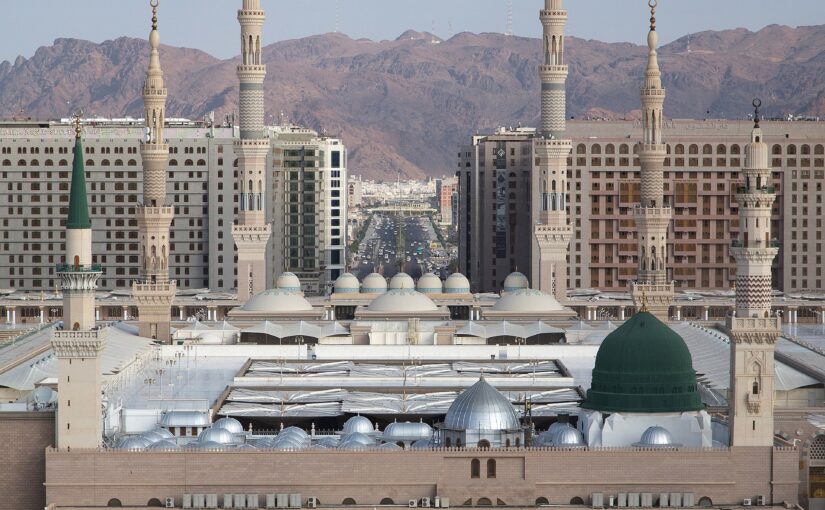
Keh Do Madine Jaana Hai” is a beautiful original naat sharif that reflects the profound love and attachment that Muslims feel for the blessed city of Madina Munawwarah. The naat captures the universal yearning of believers to visit the city where the Prophet Muhammad ﷺ established the first Islamic state and where his blessed soul rests in the Rawza Mubarak beneath the iconic green dome of Masjid an-Nabawi.

The Central Themes

Yearning for Madina

The recurring refrain “کہ دو مدینے جانا ہے” (Tell me, I must go to Madina) echoes throughout the naat as a cry of the heart. It reflects the spiritual longing that every believer experiences — a pull towards the city that is blessed by Allah’s final revelation and the presence of His beloved Prophet. This yearning is not just physical travel but a metaphor for spiritual journey and closeness to the Divine.

The Green Dome (سبز گنبد)

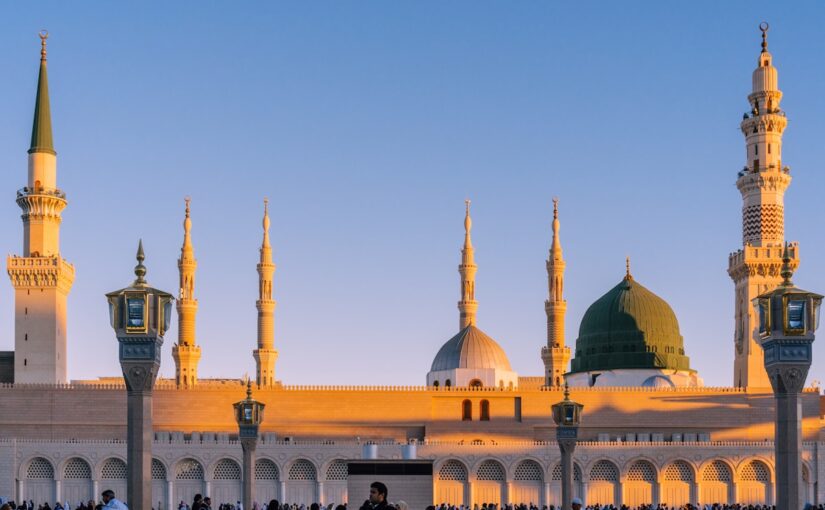
The iconic green dome of Masjid an-Nabawi is mentioned as a symbol of hope and healing. The naat beautifully conveys that those who visit the Prophet’s ﷺ mosque with sincere faith find their hearts mended and their prayers answered. The dome has become one of the most recognized symbols of Islam and represents the spiritual centre of the Muslim world.

Desire for Forgiveness and Mercy

The final verses speak of rain as a metaphor for divine mercy washing away sins. This reflects the Islamic belief that visiting Madina and the Prophet’s ﷺ mosque is a means of seeking forgiveness and drawing closer to Allah. The Prophet ﷺ said, “One prayer in this mosque of mine is better than a thousand prayers elsewhere” (Sahih Bukhari).

Spiritual Significance of Madina

Madina Munawwarah (the Illuminated City) holds a special place in the hearts of Muslims. It was to Madina that the Prophet Muhammad ﷺ migrated (Hijrah) in 622 CE, and it became the base from which Islam spread across the Arabian Peninsula. The city is home to:

  • Masjid an-Nabawi — The Prophet’s Mosque, the second holiest mosque in Islam
  • Rawza Mubarak — The blessed resting place of the Prophet Muhammad ﷺ
  • Jannat al-Baqi — The historic cemetery where many companions are buried
  • Masjid Quba — The first mosque built in Islamic history
  • Masjid al-Qiblatain — The mosque with two qiblas

Why We Recite Naat

Naat is a form of Islamic poetry that praises the Prophet Muhammad ﷺ. It is a way of expressing love, devotion, and gratitude to the one whom Allah has described as “a mercy to all the worlds” (Rahmatun Lil’Alameen). Reciting naat is considered a virtuous act that strengthens one’s faith and brings peace to the heart. The tradition of naat recitation goes back to the time of the Companions, including the famous poet Hassaan ibn Thabit (RA), who recited poetry in praise of the Prophet ﷺ with his approval.

May Allah grant us all the opportunity to visit the blessed city of Madina Munawwarah and the sacred Rawza of the Prophet Muhammad ﷺ. Ameen.

Mujhko Madine Bula Lo (مجھ کو مدینے بلا لو) – Full Naat Lyrics in Urdu, English Translation and Meaning

Introduction

“Mujhko Madine Bula Lo” (مجھ کو مدینے بلا لو) is one of the most beloved and soul-stirring naats in the rich tradition of Islamic devotional poetry. Also widely known as “Meri Jaan Madine Chalo” (مری جان مدینے چلو), this naat expresses a profound and heartfelt longing to visit Madina Munawwarah, the blessed city of Prophet Muhammad (peace be upon him). The naat captures the intense spiritual desire that every believer carries in their heart to be in the presence of the Prophet’s sacred city, to walk its streets, and to offer salutations at the Rawza Mubarak.

This naat has gained immense popularity across the Muslim world, particularly through the soulful renditions of Owais Raza Qadri, whose emotional recitation has touched millions of hearts. The simple yet powerful wording, combined with the deep spiritual yearning it expresses, has made it a staple at naat gatherings, Mehfil-e-Naat, and Islamic events worldwide. Whether recited in a quiet moment of personal devotion or sung collectively in large gatherings, “Mujhko Madine Bula Lo” never fails to evoke tears of love and longing for the beloved Prophet (PBUH).

Naat Lyrics in Urdu (Full)

Below are the complete verses of this beautiful naat in Urdu script:

مجھ کو مدینے بلا لو مری جان مدینے چلو
میرے آقا کا ہے پیغام کہ جان مدینے چلو

دل بھی مدینے چلا جا نہیں ہے صبر کوئی
یہ بتاؤ کوئی مجھ کو سمجھاؤ مدینے چلو

کیسی ہے جلوہ گری شہر مدینے کی حسین
چاند بھی دیکھ کے حیران ہے آؤ مدینے چلو

یہ تمنّٰی ہے دل و جان سے مدینے چلیں
ہر گھڑی یہ ہے دعا کہ کریں سجدہ وہیں

کیسی برکات ہیں اس خاک مدینے کے لئے
خاک کے ذرّے بھی ہیں نور مہ و سال وہیں

مجھ کو مدینے بلا لو مری جان مدینے چلو
میرے آقا کا ہے پیغام کہ جان مدینے چلو

English Transliteration

Verse 1:
Mujhko Madine Bula Lo Meri Jaan Madine Chalo
Mere Aaqa Ka Hai Paighaam Ke Jaan Madine Chalo

Verse 2:
Dil Bhi Madine Chala Ja Nahi Hai Sabr Koi
Ye Batao Koi Mujhko Samjhao Madine Chalo

Verse 3:
Kaisee Hai Jalwa Gari Shehr-e-Madine Ki Haseen
Chand Bhi Dekh Ke Hairan Hai Aao Madine Chalo

Verse 4:
Ye Tamanna Hai Dil-o-Jaan Se Madine Chalain
Har Ghadhi Ye Hai Dua Ke Karein Sajda Wahin

Verse 5:
Kaisee Barkaat Hain Is Khaak-e-Madine Ke Liye
Khaak Ke Zarre Bhi Hain Noor-e-Mah-o-Saal Wahin

Chorus (Repeated):
Mujhko Madine Bula Lo Meri Jaan Madine Chalo
Mere Aaqa Ka Hai Paighaam Ke Jaan Madine Chalo

English Translation

Verse 1:
“Call me to Madina, let us go to Madina, my dear
My Master’s message says: Come, let us go to Madina”

Verse 2:
“My heart has already gone to Madina, I have no patience left
Someone tell me, make me understand: let us go to Madina”

Verse 3:
“What a beautiful spectacle the city of Madina is
Even the moon is amazed upon seeing it; come, let us go to Madina”

Verse 4:
“This is my heartfelt desire: to go to Madina
Every moment I pray that I may prostrate there”

Verse 5:
“What blessings lie in the very soil of Madina
Even the particles of dust there are like the light of moon and stars”

Chorus:
“Call me to Madina, let us go to Madina, my dear
My Master’s message says: Come, let us go to Madina”

Meaning and Spiritual Background

The naat “Mujhko Madine Bula Lo” is a beautiful expression of ‘Ishq-e-Mustafa’ – the deep and unwavering love for Prophet Muhammad (PBUH). Madina Munawwarah is not just a city; it is the spiritual heart of Islam. It is where the Prophet (PBUH) established the first Islamic state, built the first mosque of Islam (Masjid Quba), and where his sacred tomb resides in Masjid al-Nabawi beneath the iconic Green Dome.

The central theme of this naat is the burning desire to visit Madina and be in the proximity of the beloved Prophet. The repeated call “Mujhko Madine Bula Lo” reflects a state of spiritual restlessness, where the believer’s heart finds no peace except in the thought of reaching the blessed city. This longing is a hallmark of Islamic spirituality: the yearning to stand at the Rawza Mubarak, to offer Salaam to the Prophet (PBUH), and to feel the barakah (blessings) of that sacred land.

The line “Mere Aaqa Ka Hai Paighaam” beautifully suggests that the call to visit Madina is not merely a personal wish but a divine invitation. It echoes the famous hadith of the Prophet (PBUH) who said, “Whoever visits my grave after my death is like those who visited me during my lifetime.”

In the second verse, the poet captures the feeling of spiritual impatience: the heart has already flown to Madina, leaving the body behind. This separation between the heart’s desire and physical reality creates a beautiful tension that every lover of the Prophet can relate to.

The imagery in the line “Chand Bhi Dekh Ke Hairan Hai” is particularly striking. The poet suggests that even the moon, often a symbol of beauty in Islamic poetry, is amazed by the beauty of Madina. This is a reference to the famous hadith where the companions compared the Prophet’s face to the full moon, drawing a parallel between the beauty of the Prophet and the beauty of his city.

The soil of Madina (Khaak-e-Madina) holds special significance in Islamic tradition. The naat beautifully states that even the dust particles of Madina radiate the light of the moon and stars. This reflects the deep reverence Muslims hold for the blessed city, where every grain of sand is considered blessed due to its connection with the Prophet (PBUH).

Popularity and Reciters

This naat has been performed by many renowned naat reciters (Naat Khawans) across the globe. The most famous rendition is by Owais Raza Qadri, whose emotional and powerful voice has made this naat immensely popular in South Asia and beyond. Other notable reciters who have sung this naat include:

  • Owais Raza Qadri – The most famous rendition, known for its emotional depth and beautiful melody
  • Muhammad Owais Raza Qadri – Various recorded versions in different musical styles
  • Amjad Sabri – Late legendary Qawwal and Naat reciter
  • Hafiz Ahmed Raza Qadri – Known for his melodious voice and devotional style
  • Syed Fasihuddin Soharwardi – Emotional and traditional recitation
  • Various Qawwal groups – The naat is frequently performed in Qawwali style at dargahs and mehfils

The naat has also been widely shared on platforms like YouTube, SoundCloud, and various Islamic audio streaming services, garnering millions of views and listens. It is a staple at Milad gatherings, Urs ceremonies, and weekly naat programs in mosques across Pakistan, India, Bangladesh, the UK, and the Middle East.

Conclusion

“Mujhko Madine Bula Lo” is more than just a naat; it is a heartfelt prayer and an expression of the deepest spiritual longing a believer can have: to be in the blessed city of the Prophet (PBUH). Its simple yet profound words resonate with Muslims of all ages and backgrounds, reminding them of the ultimate goal of every believer: to be close to the beloved Prophet (PBUH) in this life and the Hereafter.

Whether you are listening to it during a quiet moment of reflection or reciting it in a gathering of fellow believers, this naat has the power to move hearts and bring tears to the eyes. It serves as a beautiful reminder of the love that lies at the very core of Islamic faith: the love for Prophet Muhammad (PBUH). May we all be blessed with the opportunity to visit Madina Munawwarah and offer our Salaam at the sacred Rawza, Ameen.

Mujh Ko Madine Bula Lo (مجھ کو مدینے بلا لو) — Naat Lyrics, English Translation and Meaning

“Mujh Ko Madine Bula Lo” is one of the most beloved naats in the Urdu-speaking world. Written by the renowned poet and scholar Hafiz Muhammad Saleem, this naat expresses a deep longing to visit the city of Madinah and be in the presence of Prophet Muhammad (ﷺ). The lyrics capture the yearning of a believer who feels the pull of the Prophet’s mosque and the peace that awaits there.

In this post, you will find the complete Urdu lyrics of “Mujh Ko Madine Bula Lo” along with a simple English translation and the deeper meaning behind each verse.

Background of the Naat

“Mujh Ko Madine Bula Lo” was written by Hafiz Muhammad Saleem, a Pakistani poet who composed many naats and religious poems. The naat became widely popular when recited by famous naat khwans (reciters) at religious gatherings across Pakistan, India, and the broader Muslim world.

The central theme of this naat is the intense love and attachment a believer feels towards Madinah and the Prophet’s mosque (Masjid an-Nabawi). The poet describes a heart that is restless until it reaches the blessed city. Every line speaks of devotion, humility, and the hope that Allah will grant the believer a visit to the Prophet’s resting place.

Complete Urdu Lyrics

Here are the full lyrics of “Mujh Ko Madine Bula Lo” in Urdu:

Verse 1:
مجھ کو مدینے بلا لو مدینے بلا لو
آؤ میرے پیارے نبی ﷺ کے مدینے چلیں
مجھ کو مدینے بلا لو

Verse 2:
دل توڑ کے رکھ دیا غموں نے مجھے
آ کر مرے آقا ﷺ سنبھالو مجھے
بے کس کو کہیں کا نہ چھوڑا غم نے
میرے نبی ﷺ کے مدینے چلیں
مجھ کو مدینے بلا لو

Verse 3:
دنیا کے غموں نے دبا رکھا ہے مجھے
دنیا نہ بہلا سکی نہ انساں میرے
دکھ دے کے زمانہ نے بے رحمی سے
میں تو ہوں مجبور تمہارا سائیں
مجھ کو مدینے بلا لو

Verse 4:
راضی ہے جہان سارا تم پر مگر
ایک فقیر کو بھی پکارو ذرا
مجھ کو تو یاد ہیں گلیاں مدینے کی
میں تو ہوں شیدا مدینے والوں کا
مجھ کو مدینے بلا لو

Verse 5:
کتنی حسین ہے یہ گھڑی جب اٹھے
آنکھ سے اشک نکلتے ہوں نبی ﷺ کے لیے
آ کر مری چشم تر کو سنبھالو میرے آقا ﷺ
مجھ کو مدینے بلا لو

Verse 6:
قسمت والے ہیں جو مدینے گئے
اے خدا مجھ کو بھی مدینے بلا لے
مجھے شرف دے مدینے کی گلیوں کا
مجھے بھی شامل کر مدینے والوں میں
مجھ کو مدینے بلا لو

English Translation

Verse 1:
Call me to Madinah, call me to Madinah
Come, let us go to the city of my beloved Prophet (ﷺ)
Call me to Madinah

Verse 2:
Sorrows have shattered my heart completely
Come, my Master (ﷺ), and take care of me
Grief has left me helpless everywhere
Let me go to the city of my Prophet (ﷺ)
Call me to Madinah

Verse 3:
The worries of this world have weighed me down
Neither the world nor anyone could comfort me
Time has hurt me with cruelty
I am helpless, O my Lord
Call me to Madinah

Verse 4:
The whole world is pleased with You
But call this poor beggar too, just once
I still remember the streets of Madinah
I am obsessed with the people of Madinah
Call me to Madinah

Verse 5:
How beautiful is that moment when I rise
And tears flow from my eyes for the Prophet (ﷺ)
Come, my Master (ﷺ), and comfort my tearful eyes
Call me to Madinah

Verse 6:
Blessed are those who have gone to Madinah
O Allah, call me to Madinah too
Grant me the honour of Madinah’s streets
Include me among the people of Madinah
Call me to Madinah

The Meaning and Message

“Mujh Ko Madine Bula Lo” is more than just a poem. It is a sincere prayer. The poet uses simple, heartfelt language to express a universal Muslim longing — the desire to visit Madinah and be close to the Prophet Muhammad (ﷺ).

Each verse reflects different aspects of this spiritual journey:

  • Yearning and Devotion: The repeated plea “Call me to Madinah” shows the intensity of the believer’s love. It is not a casual request but a desperate cry from the heart.
  • Worldly Sorrow: The poet acknowledges the pain and difficulties of life. The only cure, he suggests, is spiritual connection to the Prophet (ﷺ).
  • Humility: The poet calls himself a “poor beggar,” showing that visiting Madinah is not a right but a blessing that only Allah can grant.
  • Hope: Despite the sorrow, the naat is filled with hope. The poet believes that the Prophet’s (ﷺ) mercy is always available to those who seek it.

Popular Reciters

“Mujh Ko Madine Bula Lo” has been recited by many famous naat khwans over the years. Some of the most popular renditions include:

  • Owais Raza Qadri — His emotional recitation is one of the most widely shared versions.
  • Sibt-e-Jaafar Zaidi — Known for his soulful voice and deep expression.
  • Muhammad Farhan Ali Qadri — A beautiful modern rendition.

If you enjoy this naat, you might also like Ya Nabi Salam Alayka and Tajdar-e-Haram, both of which express similar themes of love and devotion to the Prophet (ﷺ).

Final Thoughts

“Mujh Ko Madine Bula Lo” remains one of the most cherished naats in Urdu literature. Its simple yet profound lyrics continue to move hearts and bring tears to eyes. Whether you are listening to it at a Mehfil-e-Naat or reciting it in the quiet of your home, the naat carries a powerful spiritual message: the love of the Prophet (ﷺ) is the cure for every sorrow, and Madinah is the destination of every believer’s heart.

If you are looking for more naat lyrics, explore our collection of beautiful naats in Urdu or read the meaning behind Mere Maula.