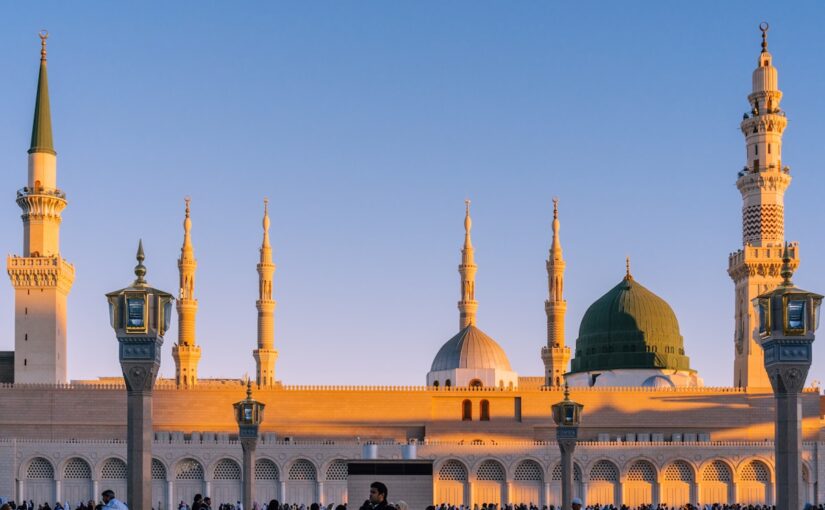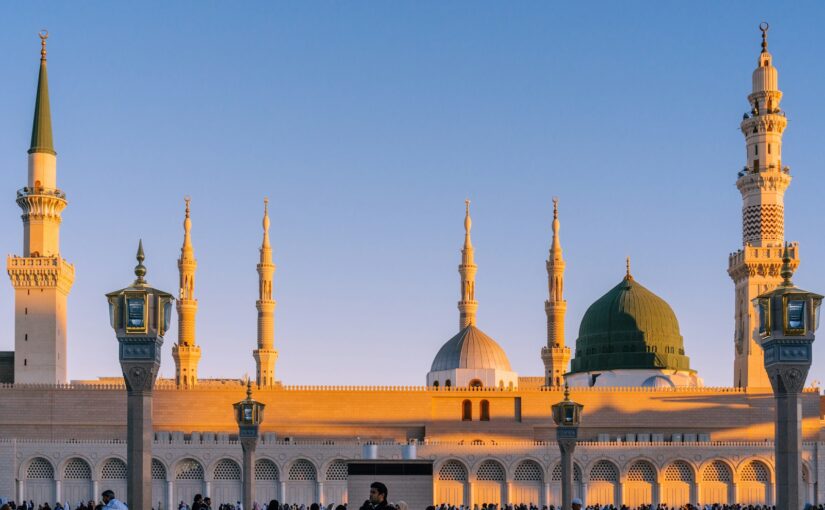

Mere Aaqa Madine Mein Mujhe Bhi Ab Bula Lijiye (میرے آقا مدینے میں مجھے بھی اب بلا لیجیے) — Full Naat Lyrics in Urdu, English Translation and Meaning

One of the most heart-touching and soulful naats ever recited, “Mere Aaqa Madine Mein Mujhe Bhi Ab Bula Lijiye” (میرے آقا مدینے میں مجھے بھی اب بلا لیجیے) is a beloved Urdu naat popularized by the renowned naat reciter Hafiz Ahmed Raza Qadri. This naat is a deeply emotional plea — a lover of the Prophet Muhammad ﷺ begging to be called to Madina, to be blessed with a glimpse of the Rawza Mubarak, and to spend the rest of their days in the blessed city. Every verse is soaked in longing, devotion, and an overwhelming desire to be in the presence of the Beloved ﷺ.

Background and Spiritual Significance

The naat Mere Aaqa Madine Mein captures the essence of Ishq-e-Rasool (love for the Prophet). It reflects the deep yearning that every believer carries in their heart — the desire to visit the holy city of Madina, to stand before the blessed Rawza of the Prophet Muhammad ﷺ, and to be buried in the sacred soil of Jannatul Baqi. The poet speaks not just of a visit but of being permanently settled in Madina, under the shade of the Green Dome (Gumbad-e-Khazra). It is a moving expression of spiritual homelessness in this world and a longing for the ultimate home — the company of the Prophet ﷺ in the Hereafter.

In Islamic spirituality, the love for Madina Munawwara is considered a sign of true faith. The Prophet ﷺ himself said: “Iman is to Madina what a snake is to its hole” (Bukhari). This naat echoes that tradition — it is not merely a poem but a supplication, a continuous plea for divine acceptance and proximity to the Chosen One ﷺ.

The recitation by Hafiz Ahmed Raza Qadri adds layers of emotion and spiritual depth. His gentle yet passionate voice transports the listener into a state of spiritual ecstasy, making this one of the most recited naats in homes, mosques, and religious gatherings across the globe.

Mere Aaqa Madine Mein — Urdu Lyrics (میرے آقا مدینے میں مجھے بھی اب بلا لیجیے)

Below are the complete Urdu lyrics of this beautiful naat in proper Arabic script:

میرے آقا مدینے میں مجھے بھی اب بلا لیجیے
ترستی ہیں مری آنکھیں مجھے روضہ دکھا دیجیے

مہکتی ہیں وہ راہیں جن سے آقا آپ ہیں گزرے
مجھے بھی ان گلی کوچوں میں رہنے کی جگہ دیجیے

لڑی سانسوں کی یہ آقا نہ جانے کب بکھر جائے
بلا لیجیے مدینے اور قدموں میں بسا لیجیے

دکھوں نے گھیر رکھا ہے غموں کی دھوپ ہے سر پر
ٹھکانہ گنبدِ خضریٰ کے سائے میں عطا کیجیے

مواجہ سامنے ہو جس گھڑی یہ دم نکل جائے
بقیۂ پاک ہی آقا میرا مدفن بنا دیجیے

عقیدت سے بنا نعلین جس در سیّدہ (رض) آئی
مجھے بھی سیّد شہدا کی وہ چوکھٹ دکھا دیجیے

کبھی میں جالیوں تھاموں بسا کر پنجتن دل میں
علی (رض) و فاطمہ حسنین (رض) کا صدقہ عطا کیجیے

ستاروں کہکشاؤں سے مدینے کی غبار اچھی
میسر ہو اگر قطبِؐ تو آنکھوں سے لگا لیجیے

میرے آقا مدینے میں مجھے بھی اب بلا لیجیے
ترستی ہیں مری آنکھیں مجھے روضہ دکھا دیجیے

English Translation (Line by Line)

Here is the English translation of each verse, capturing both the literal meaning and the spiritual essence:

Verse 1:
O my Master, please call me to Madina now,
My eyes are restless — show me the Blessed Rawza (shrine).

Verse 2:
The paths You once walked are fragrant with blessings,
Grant me a place to live in those streets and alleys.

Verse 3:
This string of breaths, my Master, may shatter any moment,
Call me to Madina and settle me at Your feet.

Verse 4:
Sorrows surround me, the heat of grief burns my head,
Grant me shelter in the shade of the Green Dome.

Verse 5:
The moment my soul departs while facing Your blessed presence,
O Master, make the pure soil of Baqi my eternal resting place.

Verse 6:
At the doorstep where Sayyida Fatima (RA) placed her blessed slippers with devotion,
Show me that threshold of the Leader of Martyrs (Sayyiduna Hamza RA).

Verse 7:
Let me hold the lattice screens, enshrining the Panjtan in my heart,
Grant me through the blessings of Ali (RA), Fatima (RA), Hasan and Husayn (RA).

Verse 8:
The dust of Madina is better than stars and galaxies,
If I am granted even a speck of it, let me place it upon my eyes.

Themes and Spiritual Reflections

This naat is rich in spiritual themes that resonate deeply with Muslims around the world. Here are some of the key themes explored in the poetry:

  • Longing for Madina: The central theme is the deep, aching desire to visit the city of the Prophet ﷺ. This longing is a hallmark of true love for the Prophet.
  • The Fragility of Life: The poet reflects on how life is like a string of breaths that can break at any moment. This awareness of mortality drives the urgency of the plea.
  • Seeking Intercession: The repeated refrain “Mere Aaqa” (My Master) is a humble plea for the Prophet’s intercession and spiritual closeness.
  • Love for Ahl al-Bayt: References to Ali, Fatima, Hasan, and Husayn (RA) show the deep reverence for the Prophet’s family, which is an integral part of Islamic devotion.
  • Value of Sacred Soil: The line about Madina’s dust being better than stars reflects the profound spiritual value attached to the blessed city and everything connected to the Prophet ﷺ.
  • Yearning for the Hereafter: The request to be buried in Jannatul Baqi shows the hope of being resurrected among the righteous in Madina.

About the Reciter: Hafiz Ahmed Raza Qadri

Hafiz Ahmed Raza Qadri is one of the most celebrated naat reciters of the modern era. Born in Pakistan, he is known for his melodious and emotionally charged recitations that move millions of hearts worldwide. His renditions of naats such as Mere Aaqa Madine Mein, Tajdar-e-Haram, and Mere Dil Mein Hai Yaade Muhammad have become iconic. He belongs to the Qadri spiritual order and his recitations are deeply rooted in the tradition of Ahl al-Sunnat wa al-Jama’at. His voice has the rare ability to convey both the joy of love and the pain of separation from the Beloved ﷺ.

Why This Naat Is So Popular

The popularity of “Mere Aaqa Madine Mein” can be attributed to several factors:

  • Relatable Emotion: Every Muslim who has never visited Madina or who longs to return feels these words in their heart. The naat gives voice to that universal yearning.
  • Simple Yet Profound: The language is simple enough for anyone to understand, yet the meaning is spiritually profound.
  • Melodious Composition: The composition by Hafiz Ahmed Raza Qadri is hauntingly beautiful and easy to memorize.
  • Perfect for Gatherings: It is frequently recited at Milad gatherings, naat nights, and spiritual assemblies (mehfils).

The Virtue of Reciting and Listening to Naat

Reciting or listening to naat (poetry in praise of the Prophet Muhammad ﷺ) is a meritorious act in Islam. The Prophet ﷺ said: “Whoever glorifies Allah, Allah will honor him. Whoever praises the Prophet, the Prophet will intercede for him.” Great Islamic scholars like Imam Busiri (author of Qasida Burda), Allama Iqbal, and Ahmed Raza Khan Barelvi have written extensively in praise of the Prophet ﷺ. The tradition of naat goes back to the companions of the Prophet ﷺ, most notably Hassan ibn Thabit (RA), who was the poet of the Prophet and whose verses were praised by the Prophet himself.

When we recite or listen to naats like “Mere Aaqa Madine Mein,” we are not just enjoying beautiful poetry — we are connecting spiritually with the Prophet ﷺ, renewing our love for him, and strengthening our faith. It is an act of worship when done with sincerity and devotion.

How to Use This Naat in Your Daily Spiritual Practice

  • Morning Dhikr: Recite a few verses after Fajr prayer to start your day with love for the Prophet ﷺ.
  • Before Travel: Recite this naat before embarking on a journey, especially if you are planning to visit Madina.
  • Family Gatherings: Share the lyrics and translation with family to spread the blessings.
  • Memorization: The simple rhyme scheme makes it easy to memorize. Try learning one verse each day.
  • Sending Salawat: After reciting the naat, send salawat (durood) upon the Prophet ﷺ to multiply the blessings.

May Allah ﷻ grant us all the opportunity to visit the blessed city of Madina Munawwara, to witness the blessed Rawza of the Prophet Muhammad ﷺ, and to die in the state of Iman. Ameen.

Read more Urdu Naat lyrics with English translation on Naatlines.com.
Saason Mein Hai Madina Naat Lyrics in Urdu, English Translation, and Meaning

Introduction

One of the most beloved naats in the Urdu speaking Islamic world, “Saason Mein Hai Madina” (ساٰنسوں میں ہے مدینہ), holds a special place in the hearts of millions. This beautiful naat expresses the deep longing and love that every believer carries for the blessed city of Madina Munawwarah and the Prophet Muhammad ﷺ. Sung by various renowned naat khwans, this naat has become a staple at religious gatherings, Milad un Nabi events, and personal recitations across the globe.

The phrase “Saason Mein Hai Madina” translates to “Madina is in my breath” or “Madina resides in every breath I take.” It beautifully captures the idea that the love of the Prophet ﷺ and his city is not just a feeling but something that permeates the very existence of a believer. Every breath becomes a reminder of that sacred connection.

In this post, we bring you the complete lyrics of this soul stirring naat in Urdu script, along with the English transliteration, word by word translation, and an explanation of its meaning and spiritual significance.

Background and Significance of the Naat

“Saason Mein Hai Madina” belongs to the rich tradition of Urdu naat poetry that emerged from the Indian subcontinent. The exact origins of the poem are not universally documented, but it is widely attributed to the genre of naats that celebrate the love of Madina and the longing to visit the Prophet’s ﷺ city.

The central theme of this naat is ishq-e-Madina, the love for the blessed city. In Islamic spirituality, Madina is not just a geographical location. It is the city of the Prophet ﷺ, the place where the first Muslim community was established, and the site of the Prophet’s ﷺ final resting place in Masjid an-Nabawi. For Muslims around the world, Madina holds a spiritual significance that transcends time and distance.

This naat resonates so deeply because it speaks to the experience of every believer who has ever longed to visit Madina. Whether you have been there many times or you dream of going one day, the feeling of yearning for the Prophet’s ﷺ city is universal among Muslims. The naat gives voice to that yearning in the most beautiful way.

The poetic structure of the naat follows a traditional Urdu metre, making it easy to recite and remember. The repetition of the central refrain reinforces the message that the love of Madina is constant, ever present, and inseparable from the believer’s identity.

Full Naat Lyrics in Urdu

Below are the complete lyrics of “Saason Mein Hai Madina” in beautiful Urdu script. You can read along as you listen to the naat or use this for personal recitation.

ساٰنسوں میں ہے مدینہ — اردو میں مکمل نعت

ساٰنسوں میں ہے مدینہ
دھڑکنوں میں ہے مدینہ
ہے وہی میرا قصہ
ہر ادا میں ہے مدینہ

دل نہیں ہے یہ میرا
یہ تو گھر ہے محبت کا
کس قدر پیار سے ہے
ہر ادا میں مدینہ

مجھ کو یاد ہے جب سے
نور کا شہر پاکی کا
دل میں اک انجمن ہے
جس صدا میں مدینہ

میری نظروں میں ہے بسا
میرے خوابوں میں ہے جگا
ہر طرف ہے جھلکتا
ہر فضا میں مدینہ

کیوں نہ پیار کروں میں
کیوں نہ تم سے لگن ہو
کیوں نہ چاہوں میں تجھ کو
اے سزا میں مدینہ

جب بھی یاد آتا ہے
وہ مقدس سا منظر
اشک بہنے لگتے ہیں
ہر ادا میں مدینہ

اپنی آنکھوں کو بخش دے
یہی اک تمنا ہے
ایک جھلک دکھا دے
اے ضیا میں مدینہ

ساٰنسوں میں ہے مدینہ
دھڑکنوں میں ہے مدینہ
ہے وہی میرا قصہ
ہر ادا میں ہے مدینہ

English Transliteration

For those who cannot read the Urdu script, here is the English transliteration so you can still recite the naat with proper pronunciation.

Verse 1:
Saason mein hai Madina
Dharkanon mein hai Madina
Hai wohi mera qissa
Har ada mein hai Madina

Verse 2:
Dil nahin hai yeh mera
Yeh toh ghar hai mohabbat ka
Kis qadar pyaar se hai
Har ada mein Madina

Verse 3:
Mujh ko yaad hai jab se
Noor ka shehr paaki ka
Dil mein ik anjuman hai
Jis sada mein Madina

Verse 4:
Meri nazron mein hai basa
Mere khwabon mein hai jaga
Har taraf hai jhalakta
Har fiza mein Madina

Verse 5:
Kyun na pyaar karun main
Kyun na tum se lagan ho
Kyun na chahun main tujh ko
Aye saza mein Madina

Verse 6:
Jab bhi yaad aata hai
Woh muqaddas sa manzar
Ashk behne lagte hain
Har ada mein Madina

Verse 7:
Apni aankhon ko bakhsh de
Yahi ik tamanna hai
Ek jhalak dikha de
Aye ziya mein Madina

Chorus:
Saason mein hai Madina
Dharkanon mein hai Madina
Hai wohi mera qissa
Har ada mein Madina

English Translation and Meaning

Verse 1:
Madina is in my breaths
Madina is in my heartbeats
That is my only story
Madina is in every gesture of mine

The opening verse establishes the central theme. The love of Madina is not something external or occasional. It is as constant and essential as breathing and heartbeat. The poet declares that Madina is the only story worth telling, and it shows in every aspect of their being.

Verse 2:
This is not my heart
This is a home of love
With so much affection
Madina is in every gesture

The poet reflects that their heart is no longer their own. It has become a home filled with the love of Madina and the Prophet ﷺ. The heart is transformed into a sacred space where divine love resides.

Verse 3:
Since I remember
The city of light and purity
There is a gathering in my heart
In every call, Madina

Madina is described as a city of light (Noor) and purity. Since the poet became aware of this blessed city, their heart has become a gathering place for spiritual joy.

Verse 4:
It resides in my eyes
It is awake in my dreams
It shines everywhere
Madina is in every atmosphere

The poet sees Madina everywhere. It is not just a memory but a living presence. Whether awake or asleep, Madina is always there, illuminating every environment.

Verse 5:
Why would I not love
Why would I not be devoted to you
Why would I not desire you
O Madina, you are my reward

This verse expresses bewildered love. The poet cannot imagine not loving Madina. The city is described as a reward (saza), suggesting that the love of Madina is itself a gift and a blessing from Allah.

Verse 6:
Whenever I remember
That sacred scene
Tears begin to flow
Madina is in every gesture

The emotional peak of the naat. The memory of Madina is so powerful that it brings the poet to tears. This reflects the deep emotional connection that believers feel for the Prophet’s ﷺ city.

Verse 7:
Grant my eyes
This one wish
Show me one glimpse
O light, Madina

The concluding verse is a heartfelt prayer. The poet asks for the ultimate blessing: to see Madina with their own eyes.

Spiritual Significance

This naat is not just poetry. It is a reflection of a deep spiritual state known in Islamic tradition as shawq (yearning) for the Prophet ﷺ and his city. Scholars have long taught that loving the Prophet ﷺ is an integral part of faith. The Quran says, “Say, [O Muhammad], ‘If you should love Allah, then follow me, [so] Allah will love you and forgive you your sins'” (Surah Al-Imran, 3:31).

Reciting or listening to this naat can be a form of spiritual meditation. It helps the believer focus their heart on the love of the Prophet ﷺ and renew their connection to the sacred city of Madina. Many Muslims listen to this naat regularly as part of their spiritual practice.

Related Naats You May Enjoy

May Allah grant us all the opportunity to visit Madina Munawwarah and fill our hearts with the love of the Prophet Muhammad ﷺ. Ameen.

Ya Tayyaba (یا طیبہ) — Full Naat Lyrics in Urdu, English Translation and Meaning

“Ya Tayyaba” is a beautiful and heartfelt naat that praises Prophet Muhammad (peace be upon him) by calling upon his pure and blessed name. “Tayyab” means pure, good, and pleasant. When we say “Ya Tayyaba,” we are addressing the Prophet with love and reverence, acknowledging his pure character and noble nature. This naat is recited across the Muslim world, especially in South Asia, during gatherings of love for the Prophet.

Background of Ya Tayyaba

The naat “Ya Tayyaba” is believed to have been written by a revered poet in the praise of the Prophet Muhammad. It has been sung by many famous naat khwans over the years. The lyrics express a deep longing to be in the presence of the Prophet and a desire to visit his blessed city, Madinah. The naat is particularly popular at Milad un-Nabi gatherings and weekly naat meetings.

The poem uses simple but powerful language. It calls the Prophet “Tayyaba” and “Muttaqi” (the pious one), asking him to look upon the one who recites the naat with mercy. It speaks about the pain of separation from Madinah and the hope of being granted a visit to the Prophet’s mosque.

Ya Tayyaba — Full Naat Lyrics in Urdu

Verse 1:

یا طیبہ یا طیبہ یا متقی
دیکھو ہمیں اک نظر یا متقی

Verse 2:

آقا کی نگری میں جاگے ہیں لوگ
راتیں گزرتی ہیں ذکر میں
دل چاہے اب تو چلیں اس طرف
دیکھیں وہ گلیاں وہ گنبد سبز

Verse 3:

یا طیبہ یا طیبہ یا متقی
دیکھو ہمیں اک نظر یا متقی

Verse 4:

ہجر مدینہ کا غم ہے بہت
آنکھوں میں ہے اشکباری سدا
آؤ ہم سب مدینہ چلیں
دیکھیں وہ جلوۂ مصطفیٰ

Verse 5:

یا طیبہ یا طیبہ یا متقی
دیکھو ہمیں اک نظر یا متقی

Verse 6:

دنیا کی فکر میں کھو گئے
غافل ہوئے ہم مدینہ سے
اب تو عنایت کا در کھول دے
بخشش کا پیغام دے یا نبی

Verse 7:

یا طیبہ یا طیبہ یا متقی
دیکھو ہمیں اک نظر یا متقی

Ya Tayyaba — English Translation

Verse 1:

O Pure One, O Pure One, O Pious One
Cast a single glance upon us, O Pious One

Verse 2:

In the city of the Master, people are awake
Nights pass in His remembrance
Now my heart desires to go that way
To see those streets and that green dome

Verse 3:

O Pure One, O Pure One, O Pious One
Cast a single glance upon us, O Pious One

Verse 4:

The pain of separation from Madinah is immense
My eyes are always filled with tears
Come, let us all go to Madinah
And witness the splendour of Mustafa

Verse 5:

O Pure One, O Pure One, O Pious One
Cast a single glance upon us, O Pious One

Verse 6:

We got lost in the worries of this world
We became neglectful of Madinah
Now open the door of Your kindness
Send a message of forgiveness, O Prophet

Verse 7:

O Pure One, O Pure One, O Pious One
Cast a single glance upon us, O Pious One

Spiritual Meaning and Significance

The naat “Ya Tayyaba” carries deep spiritual meaning. It reflects the love and longing that a believer feels for the Prophet Muhammad. The phrase “Ya Tayyaba” itself is an acknowledgment that the Prophet is pure in his character, his lineage, and his message.

The repeated request “cast a single glance upon us” shows the humility of the believer. We are asking not for wealth or status, but simply for the Prophet’s attention and intercession. In Islamic tradition, a single glance from the Prophet can change a person’s life and bring them closer to Allah.

The mention of Madinah and the green dome is a powerful symbol. For Muslims, Madinah is not just a city. It is the city of the Prophet, a place of peace and blessing. The green dome marks the resting place of the Prophet, and seeing it is a deeply emotional experience for pilgrims.

The verse about being “lost in the worries of this world” reminds us of the importance of spiritual connection. It is easy to get caught up in daily life and forget our purpose. This naat calls us back to what truly matters: love for the Prophet and hope for forgiveness.

When to Recite Ya Tayyaba

This naat is suitable for many occasions:

  • Milad un-Nabi celebrations
  • Weekly naat gatherings and mehfils
  • Personal devotion and meditation
  • Travel to Madinah for Umrah or Hajj
  • As a lullaby for children to instil love for the Prophet

The simple and repetitive structure makes it easy to memorise. Many children in Islamic schools learn this naat as one of their first poems in praise of the Prophet.

Similar Naats You May Like

If you enjoyed “Ya Tayyaba,” you may also like these naats on our site:

Final Words

“Ya Tayyaba” is a naat that stays with you. Its melody is gentle, its words are simple, and its meaning is profound. Whether you recite it alone or in a gathering, it brings a sense of peace and connection to the Prophet. We hope these lyrics and translation help you understand and appreciate this beautiful poem.

Maa Ke Bheje Hue (ماں کے بھیجے ہوئے) – Lyrics, Translation & Meaning

The naat “Maa Ke Bheje Hue” (ماں کے بھیجے ہوئے) is one of the most heart-touching Urdu naats that beautifully expresses the emotions of visiting the blessed city of Madina with the blessings and prayers of one’s mother. This soul-stirring naat reminds us that the dua of a mother is the most powerful currency in the court of the Prophet ﷺ.

Background & Meaning of Maa Ke Bheje Hue

The title “Maa Ke Bheje Hue” translates to “Sent by My Mother”. The naat beautifully captures the sentiment of a believer who travels to Madina not on their own merit, but as someone sent by their mother — carrying her prayers, her love, and her blessings as the only passport needed to enter the blessed court of the Prophet ﷺ.

The lyrics weave together two of the most sacred relationships in a believer’s life: the love for one’s mother and the love for Prophet Muhammad ﷺ. It speaks of how a mother’s dua can open doors that no amount of wealth or status can unlock. Just as our beloved mother raised us with countless sacrifices, her prayers accompany us on every journey — especially the blessed journey to Madina.

This naat resonates deeply with those who have experienced the profound bond of a mother’s unconditional love. It also beautifully echoes the theme of Maa Baap Ki Dua, reminding us that parental prayers are a treasure that every child should seek.

Maa Ke Bheje Hue – Urdu Lyrics (ماں کے بھیجے ہوئے – اردو کلام)

Verse 1

ماں کے بھیجے ہوئے آیا ہوں مدینے میں
کچھ نہ لایا ہوں میں اپنے ہی خزانے میں

Verse 2

میرے ماں باپ کی دعاؤں کا ہے یہ ثمر
آج آیا ہوں یہاں شاہِ مدینہ کے نگر

Verse 3

آپ کی بارگاہ میں عرض ہے یا رسول اللہ
ماں نے بخشا ہے مجھے آپ کا در آقا

Verse 4

مجھ کو کوئی نہیں اپنی کمائی کا بھروسہ
ماں کی دعا ہے میرے پاس یہی ہے سرمایہ

Verse 5

آپ کی آستان پہ جھکا دے سر میرا
ماں کے آنسوؤں نے بخشا ہے یہ مقدر

Verse 6

میرے آقا مجھے اپنی نظر میں رکھنا
ماں کے بھیجے ہوئے کو در سے نہ پھیرنا

Roman Transliteration (Latin Script)

Verse 1
Maa ke bheje hue aaya hoon Madine mein
Kuchh na laaya hoon main apne hi khazane mein

Verse 2
Mere maa baap ki duaon ka ye hai samar
Aaj aaya hoon yahan Shaah-e-Madina ke nagar

Verse 3
Aap ki baargah mein arz hai Ya Rasool Allah
Maa ne bakhsha hai mujhe aap ka dar Aaqa

Verse 4
Mujh ko koi nahi apni kamai ka bharosa
Maa ki dua hai mere paas yahi hai sarmaya

Verse 5
Aap ki aastaan pe jhuka de sar mera
Maa ke aansuon ne bakhsha hai ye muqaddar

Verse 6
Mere Aaqa mujhe apni nazar mein rakhna
Maa ke bheje hue ko dar se na pherna

English Translation

Verse 1
“I have come to Madina, sent by my mother — I have brought nothing from my own treasures.”

This opening verse sets the humble tone of the entire naat. The poet acknowledges that his visit to the blessed city is not due to his own righteousness or wealth, but purely because his mother sent him with her prayers.

Verse 2
“This is the fruit of my parents’ prayers — today I have come here, to the city of the King of Madina.”

The second verse emphasizes that the blessings a person receives are often the direct result of their parents’ duas. This powerful theme is also beautifully captured in Hasbi Rabbi, where complete reliance on divine mercy is expressed.

Verse 3
“I present my plea at Your court, O Messenger of Allah — my mother has blessed me with Your door, O Master.”

The poet humbly presents himself before the Prophet ﷺ, acknowledging that it was his mother’s blessing that opened the door to this sacred visit. A mother’s blessing is the greatest treasure a child can carry.

Verse 4
“I have no confidence in my own earnings — my mother’s dua is my only capital.”

This verse beautifully captures the essence of humility. None of our worldly achievements matter in the court of the beloved Prophet ﷺ. The only thing of value is the sincere prayer of a mother. This sentiment is similar to the heartfelt plea found in Mere Maula, where the singer calls upon their Lord with complete submission and need.

Verse 5
“Let my head bow at Your threshold — my mother’s tears have granted me this destiny.”

The most emotional verse of the naat — the poet recognizes that it was not his own efforts but the sleepless nights and tearful prayers of his mother that earned him the honor of visiting Madina. A mother’s tears are the most powerful force in the universe.

Verse 6
“Keep me in Your gaze, O my Master — do not turn away the one sent by his mother from Your door.”

The concluding verse is a beautiful supplication. The poet asks the Prophet ﷺ to keep him under his blessed gaze and not to reject someone who comes bearing the weight of his mother’s prayers. It’s a reminder that none of us enter the court of the Prophet ﷺ on our own merit — we come only through the blessings of those who loved us first.

The Spiritual Significance

“Maa Ke Bheje Hue” is more than just a naat — it is a powerful reminder of the station of parents in Islam. Allah says in the Qur’an:

“And your Lord has decreed that you not worship except Him, and to parents, good treatment.” (Qur’an 17:23)

The Prophet Muhammad ﷺ himself emphasized the status of a mother. When a companion asked who deserved his best companionship, the Prophet ﷺ replied three times, “Your mother,” and then “Your father” (Sahih al-Bukhari). This naat brings that beautiful teaching to life through poetry and melody.

The theme of this naat serves as a beautiful companion piece to other well-loved naats that express devotion, submission, and love for the Prophet ﷺ. Each recitation reminds us that the path to Madina is paved not by our own deeds but by the prayers of those who love us.

Why This Naat Touches the Heart

There is something universally relatable about this naat. Every person who has felt the warmth of a mother’s love — or who longs for it — finds an immediate connection with these verses. The naat strips away all pretense and reminds us that we are all, in a sense, “maa ke bheje hue” — sent into this world by our mothers, carrying their hopes, their prayers, and their tears.

When we visit the blessed city of Madina or even when we send salutations upon the Prophet ﷺ from afar, we should remember that the greatest intercession we can hope for is not our own piety but the sincere duas of our parents — especially our mothers.

May Allah give us all the ability to honor our parents, seek their prayers, and be worthy of being counted among “Maa Ke Bheje Hue” — those sent with a mother’s blessing to the court of the beloved Prophet ﷺ. Ameen.

Related Naats You May Like

Ya Nabi Salam Alaika (یا نبی سلام علیکا) Full Naat Lyrics in Urdu, English Translation and Meaning

Ya Nabi Salam Alaika (یا نبی سلام علیکا) is one of the most beloved and widely recited naats across the Muslim world. Made famous by the renowned nasheed artist Maher Zain, this beautiful naat is a heartfelt expression of love and respect for the Prophet Muhammad (peace be upon him). In this post, we share the full Urdu lyrics, English translation, and the spiritual meaning behind this powerful naat.

About the Naat “Ya Nabi Salam Alaika”

“Ya Nabi Salam Alaika” translates to “O Prophet, Peace Be Upon You.” The naat was originally written in Arabic and later popularised by Maher Zain in his 2012 album “Thank You Allah.” The song became an instant hit across the Islamic world and remains one of the most frequently requested naats at Islamic events, gatherings, and religious programmes.

The beauty of this naat lies in its simple yet profound message. It expresses the deep love and reverence that Muslims feel for the Prophet Muhammad (SAW) and serves as a reminder of his teachings, his character, and his role as a mercy to all of creation.

Ya Nabi Salam Alaika Full Naat Lyrics in Arabic

Below are the complete Arabic lyrics of Ya Nabi Salam Alaika:

یا نبی سلام علیک
یا نبی سلام علیک
یا نبی سلام علیک
یا رسول سلام علیک

یا حبیب سلام علیک
صلوات اللہ علیک
یا نبی سلام علیک
یا رسول سلام علیک

اشرف الخلق کلہم
من عرب و من عجم
مصطفیٰ صاحب الکرم
صلوات اللہ علیہ

یا نبی سلام علیک
یا رسول سلام علیک
یا حبیب سلام علیک
صلوات اللہ علیک

نورہ یہدی السبل
کرمہ یھدی المقل
خیر من وطی الثری
صلوات اللہ علیہ

یا نبی سلام علیک
یا رسول سلام علیک
یا حبیب سلام علیک
صلوات اللہ علیک

English Translation

Verse 1:
O Prophet, peace be upon you
O Messenger, peace be upon you

Verse 2:
O Beloved, peace be upon you
May the blessings of Allah be upon you
O Prophet, peace be upon you
O Messenger, peace be upon you

Verse 3:
The most noble of all creation
From among Arabs and non-Arabs alike
Mustafa, the possessor of generosity
May the blessings of Allah be upon him

Verse 4:
O Prophet, peace be upon you
O Messenger, peace be upon you
O Beloved, peace be upon you
May the blessings of Allah be upon you

Verse 5:
His light guides the paths
His generosity guides the poor
The best of all who walked the earth
May the blessings of Allah be upon him

Verse 6:
O Prophet, peace be upon you
O Messenger, peace be upon you
O Beloved, peace be upon you
May the blessings of Allah be upon you

Urdu Translation (اردو ترجمہ)

اے نبی، آپ پر سلام ہو
اے رسول، آپ پر سلام ہو

اے حبیب، آپ پر سلام ہو
اللہ کی رحمتیں آپ پر نازل ہوں
اے نبی، آپ پر سلام ہو
اے رسول، آپ پر سلام ہو

تمام مخلوقات میں سب سے اشرف
عربوں اور عجمیوں دونوں میں سے
مصطفیٰ، صاحبِ کرم
اللہ کی رحمتیں ان پر نازل ہوں

The Spiritual Meaning and Background

“Ya Nabi Salam Alaika” is more than just a song it is a spiritual expression of the love that Muslims hold for the Prophet Muhammad (SAW). The repeated phrase “Salam Alaika” (peace be upon you) echoes the greeting that Muslims use daily and reflects the deep connection between the believer and the Prophet.

The naat highlights several key attributes of the Prophet Muhammad (SAW):

  • Ashraf al-Khalq (The Most Noble of Creation): This refers to the belief that Prophet Muhammad (SAW) is the most honoured and noble of all Allah’s creation.
  • Mustafa (The Chosen One): One of the Prophet’s most beloved names, meaning the chosen one.
  • Noor (Light): The naat describes the Prophet’s light guiding others, referencing the Quranic description of the Prophet as a “light-giving lamp.”
  • Karam (Generosity): The Prophet was known for his immense generosity, never turning away anyone who asked for help.

Reciting this naat is a way for Muslims to send blessings upon the Prophet (SAW), which is encouraged in the Quran: “Indeed, Allah confers blessing upon the Prophet, and His angels (ask Him to do so). O you who have believed, ask (Allah to confer) blessing upon him and ask (Allah to grant him) peace.” (Quran, Surah Al-Ahzab, 33:56)

When Is This Naat Recited?

Ya Nabi Salam Alaika is commonly recited on many occasions:

  • During Milad un-Nabi (the Prophet’s birthday) gatherings
  • At weekly naat gatherings and mehfils
  • During Ramadan and other Islamic occasions
  • As part of daily devotional practice
  • At weddings and Islamic events

The soothing melody and powerful words make it a favourite among people of all ages, from young children to elders.

Final Words

Ya Nabi Salam Alaika is a timeless naat that continues to touch hearts around the world. Whether you recite it in Arabic, understand its meaning in English, or feel its spirit in Urdu translation, the message remains the same: love and respect for the Prophet Muhammad (SAW), the mercy to all worlds.

For more beautiful naat lyrics, check out our posts on Rahmatun Lil Alameen and Allah Hu. You may also enjoy Hasbi Rabbi and Dono Jahan Ki.

Maula Ya Salli Wa Sallim (مولا یصل و سلم) — Full Naat Lyrics in Urdu, English Translation and Meaning

Introduction to Maula Ya Salli Wa Sallim

Maula Ya Salli Wa Sallim is one of the most beloved Islamic naats in the Muslim world. The words are taken from the famous Qasida al-Burda (The Poem of the Cloak), written by the great Sufi poet Imam Sharafuddin Muhammad al-Busiri in the 13th century. This poem is considered one of the finest pieces of Islamic poetry ever written. It is a praise of the Prophet Muhammad (peace be upon him).

The refrain “Maula Ya Salli Wa Sallim” is a heartfelt prayer. It asks Allah to send blessings and peace upon the Prophet. The words are simple but carry deep spiritual meaning. Muslims around the world recite these lines with love and devotion.

If you enjoy this naat, you may also like other beautiful naats on our site such as Tajdar-e-Haram and Hasbi Rabbi.

The Background of Qasida al-Burda

Imam al-Busiri wrote Qasida al-Burda during a difficult time in his life. He was suffering from paralysis and his body was weak. One night, he composed this poem as a prayer to Allah, asking for healing through the love of the Prophet Muhammad (peace be upon him).

After finishing the poem, he recited it with deep devotion. He fell asleep and saw the Prophet in a dream. The Prophet placed his cloak (burda) on al-Busiri’s shoulders. When he woke up, he was cured. The poem became known as Qasida al-Burda, the Poem of the Cloak.

The part that begins with “Maula Ya Salli Wa Sallim” is the most famous section. It is often recited as a standalone naat in gatherings and mosques.

For more naats with similar themes, check out Suna Hai naat lyrics.

Maula Ya Salli Wa Sallim Full Lyrics in Urdu (مکمل اردو اشعار)

مَوْلَايَ صَلِّ وَسَلِّمْ دَائِمًا أَبَدًا
عَلَى حَبِيبِكَ خَيْرِ الْخَلْقِ كُلِّهِمِ

ہُوَ الْحَبِیبُ الَّذِي تُرْجَى شَفَاعَتُہ
لِكُلِّ ہَوْلٍ مِنَ الْاَہْوَالِ مُقْتَحِمِ

مَنْ لَہُ الْخَلَائِقُ فِي الْآلَامِ تَلْتَجِئُ
مِنْ كُلِّ بَأْسَاءَ وَالْأَسْقَامِ وَالْأَلَمِ

مَا سَارَ نُوْرُ الْہُدٰی یَوْمًا بِمَشْرِقِ
اِلَّا وَقَدْ سَارَ فِي الْاَقْطَارِ لَمْ یُسَمِ

اَنْتَ الْحَبِیبُ الَّذِي رُتْبَتُہُ سَمَتْ
فِی الْخَلْقِ وَالْخُلْقِ وَالْاِحْسَانِ وَالْکَرَمِ

فَضْلُ الْإِلٰہِ عَلَی الْاَکْوَانِ قَدْ شَمِلَتْ
فِی مَدْحِ خَیْرِ الْوَرٰی اٰیَاتُ مُنْتَظِمِ

مَوْلَايَ صَلِّ وَسَلِّمْ دَائِمًا أَبَدًا
عَلَى حَبِيبِكَ خَيْرِ الْخَلْقِ كُلِّهِمِ

English Transliteration

Mawlaya salli wa sallim da’iman abada
‘Ala habibika khayril khalqi kullihimi

Huwal habibul ladhi turja shafa’atuhu
Likulli hawlin minal ahwali muqtahimi

Man lahul khala’iqu fil alami talta’i
Min kulli ba’sa’i wal asqami wal alami

Ma sara nurul huda yawman bimashriqi
Illa wa qad sara fil aqtari lam yusami

Antal habibul ladhi ruttatuhu samat
Fil khalqi wal khulqi wal ihsani wal karami

Fadlul ilahi ‘alal akwani qad shamilat
Fi madhi khayril wara ayatum muntazimi

Mawlaya salli wa sallim da’iman abada
‘Ala habibika khayril khalqi kullihimi

English Translation

Verse 1 (Refrain):
My Lord, send blessings and peace forever and always
Upon Your Beloved, the best of all creation

Verse 2:
He is the Beloved whose intercession is sought
For every terror and hardship that overwhelms

Verse 3:
He is the one to whom all creation turns in times of pain
From every calamity, illness, and suffering

Verse 4:
The light of guidance never rose in any place
Without it reaching all regions, incomparable

Verse 5:
You are the Beloved whose rank has risen high
In creation, character, kindness, and generosity

Verse 6:
The grace of Allah encompasses all existence
In praise of the best of humanity, verses are arranged

Verse 7 (Refrain):
My Lord, send blessings and peace forever and always
Upon Your Beloved, the best of all creation

Meaning and Significance

The central theme of Maula Ya Salli Wa Sallim is love and devotion to the Prophet Muhammad (peace be upon him). Each verse highlights a different aspect of his blessed qualities.

The refrain is a humble prayer. The poet asks Allah to send blessings upon the Prophet continuously. This is based on the Quranic verse where Allah says: “Indeed, Allah and His angels send blessings upon the Prophet. O you who believe, send blessings upon him and greet him with peace.” (Quran 33:56)

The poem reminds us that the Prophet is the ultimate source of intercession. In times of hardship, believers turn to him for help. His light has spread across the world. His character and kindness are unmatched.

Reciting this naat brings peace to the heart. It is a way of expressing love for the Prophet and seeking Allah’s blessings. Many Muslims recite these verses daily as part of their morning and evening prayers.

For more spiritual naats, you can read Ya Rasool Allah naat lyrics and Allah Hu Allah Hu.

When to Recite Maula Ya Salli Wa Sallim

This naat is often recited on special occasions and in daily worship:

  • During Milad-un-Nabi (the Prophet’s birthday) gatherings
  • On Friday nights and mornings
  • After Fajr and Maghrib prayers
  • At Islamic gatherings and conferences
  • During personal moments of devotion and remembrance

The beauty of this naat is that it can be recited anytime. Its message is timeless. It reminds us of the love Muslims hold for the Prophet Muhammad (peace be upon him).

Final Thoughts

Maula Ya Salli Wa Sallim is more than just poetry. It is a prayer, an expression of love, and a reminder of the Prophet’s blessed station. Whether you recite it in Arabic, Urdu, or English, the meaning remains the same. We ask Allah to send peace and blessings upon the best of creation.

May these words bring barakah and peace into your life. Recite them with sincerity, and feel the connection to the beloved Prophet grow stronger.

Ya Mustafa (یا مصطفیٰ) — Full Naat Lyrics in Urdu, English Translation and Meaning

Introduction to Ya Mustafa (یا مصطفیٰ)

“Ya Mustafa” is one of the most beloved naats in the Islamic world. “Ya Mustafa” translates to “O Chosen One” and is a heartfelt address to Prophet Muhammad (peace be upon him). This naat expresses deep love, devotion, and longing for the Prophet. It is recited at milads, naat gatherings, and Islamic celebrations.

Ya Mustafa Naat Lyrics in Urdu

یا مصطفیٰ یا مصطفیٰ
یا مصطفیٰ یا مجتبیٰ

مدینے والے مصطفیٰ
ترے صدقے میں کیا کیا دیا

ترے در پہ آئے ہیں سر بکف
کرم کی جلوے ہیں منتظر

بنا کر گدا ترے در کا
ہمیں تو نے مانگا نہیں مانگا کیا

نظر کرم کی ہے اک جھلک
ملی زندگی بخش دے یا نبی

مدینے کی گلیوں کا ہر پتھر
ہمیں تیرا پیغام سناتا ہے

یہ گنبد خضرا کی چھاؤں میں
ہر سانس ہمیں رحم بناتی ہے

رحمت کے جام ملے ہیں یہاں
غم و غصہ سب بھلا دیا

کرم کی نظر درِ مصطفیٰ
ہمیں دے گئی زندگی کا پتہ

دعا ہے یا رب مدینہ ملا
دل مضطر کو سکون عطا

یا مصطفیٰ یا مجتبیٰ
یا مصطفیٰ یا مصطفیٰ

Roman English Transliteration

Ya Mustafa, Ya Mustafa / Ya Mustafa, Ya Mujtaba

Madine wale Mustafa / Tere sadqe mein kya kya diya

Tere dar pe aaye hain sar ba kaf / Karam ki jhalwein hain muntazir

Bana kar gada tere dar ka / Humein to ne manga nahi manga kya

Nazar karam ki hai ek jhalak / Mili zindagi bakhsh de ya Nabi

Madine ki galiyon ka har pathar / Humein tera paigham sunata hai

Yeh gumbad e khazra ki chhaon mein / Har saans humein raham banati hai

Rehmat ke jaam mile hain yahan / Gham o ghussa sab bhula diya

Karam ki nazar dar e Mustafa / Humein de gayi zindagi ka pata

Dua hai ya Rab Madina mila / Dil e muztar ko sukun ata

Ya Mustafa, Ya Mujtaba / Ya Mustafa, Ya Mustafa

English Translation

Ya Mustafa, Ya Mustafa / Ya Mustafa, Ya Mujtaba – (O Chosen One, O Chosen One / O Chosen One, O Elected One)

Madine wale Mustafa / Tere sadqe mein kya kya diya – (O Mustafa of Madinah / What have I not sacrificed for you)

Tere dar pe aaye hain sar ba kaf / Karam ki jhalwein hain muntazir – (We have come to your doorstep with our head in our hands / Your blessings await us)

Bana kar gada tere dar ka / Humein to ne manga nahi manga kya – (Having made us beggars at your door / You did not ask, what was there to ask)

Madine ki galiyon ka har pathar / Humein tera paigham sunata hai – (Every stone of Madinah’s streets tells us your message)

Yeh gumbad e khazra ki chhaon mein / Har saans humein raham banati hai – (In the shade of the Green Dome, every breath becomes mercy)

Meaning and Background

The naat captures a believer’s love for Prophet Muhammad (peace be upon him). “Mustafa” means “the Chosen One.” The verses describe arriving at Madinah with complete humility. The Green Dome (Gumbad-e-Khazra) over the Prophet’s resting place in Masjid al-Nabawi is a source of spiritual healing.

This naat is popular during Rabi’ al-Awwal and at naat gatherings worldwide. For more naat lyrics, explore Tajdar-e-Haram, Hasbi Rabbi, and Assubhu Bada.

Mujhe Le Chal Madina (مجھے لے چل مدینہ) — Full Naat Lyrics in Urdu, English Translation and Meaning

Mujhe Le Chal Madina is a beautiful and emotional naat that expresses a deep longing to visit the city of Madina and the blessed mosque of the Prophet Muhammad (peace be upon him). This naat captures the love and yearning that millions of Muslims feel for Madina. In this article, you will find the full lyrics in Urdu, roman English transliteration and the English translation with meaning.

About the Naat

Mujhe Le Chal Madina is a popular naat recited by various naat khwans across the world. The lyrics speak from the heart of a believer who desperately wants to visit the holy city of Madina and offer salaam at the blessed resting place of the Prophet (PBUH). The naat highlights the spiritual connection that Muslims have with Madina and the desire to be in the presence of the Prophet.

The theme of this naat revolves around love for the Prophet Muhammad (PBUH) and the sacred city of Madina. It reminds us of the blessings of visiting the Prophet’s Mosque and the peace that fills the heart when one thinks of Madina.

If you enjoy this naat, you may also like reading Meri Zindagi Hai Madina, another beautiful naat about the love for Madina.

Mujhe Le Chal Madina — Urdu Lyrics (مجھے لے چل مدینہ)

مجھے لے چل مدینہ یا رسول اللہ ﷺ
تری محبتوں میں ڈبو دے یا رسول اللہ ﷺ

مدینہ جانے کو جی کرتا ہے
مدینہ جانے کو دل چاہے
مدینے والے سے ملنے کو
مرا دل بے قرار آئے

مجھے لے چل مدینہ یا رسول اللہ ﷺ
تری محبتوں میں ڈبو دے یا رسول اللہ ﷺ

نظر آئے گا جب مدینہ
تو آنکھیں نم ہو جائیں گی
حرم کا دیدار ہوگا تو
دعائیں لب پہ آئیں گی

مجھے لے چل مدینہ یا رسول اللہ ﷺ
تری محبتوں میں ڈبو دے یا رسول اللہ ﷺ

وہاں گنبد خضریٰ کا سایہ
ہر اک مومن پہ ہے
وہ بخشش کا سامان لے جاتا ہے

مجھے لے چل مدینہ یا رسول اللہ ﷺ
تری محبتوں میں ڈبو دے یا رسول اللہ ﷺ

یہ دنیا ایک فانی ہے
کسی کو ساتھ لے کر نہیں جانی
مدینے جا کے بس جاؤں
یہی ہے آرزو میری

مجھے لے چل مدینہ یا رسول اللہ ﷺ
تری محبتوں میں ڈبو دے یا رسول اللہ ﷺ

Roman English Transliteration

Mujhe le chal Madina ya Rasool Allah ﷺ
Teri mohabbaton mein dooba de ya Rasool Allah ﷺ

Madina jaane ko ji karta hai
Madina jaane ko dil chahe
Madine waley se milne ko
Mera dil beqarar aaye

Mujhe le chal Madina ya Rasool Allah ﷺ
Teri mohabbaton mein dooba de ya Rasool Allah ﷺ

Nazar aayega jab Madina
To aankhen nam ho jayengi
Haram ka deedar hoga to
Duaen lab pe aayengi

Mujhe le chal Madina ya Rasool Allah ﷺ
Teri mohabbaton mein dooba de ya Rasool Allah ﷺ

Wahan gumbad-e-khazra ka saya
Har ek momin par hai
Madine mein jo bhi jaata hai
Woh bakhshish ka samaan le jaata hai

Mujhe le chal Madina ya Rasool Allah ﷺ
Teri mohabbaton mein dooba de ya Rasool Allah ﷺ

Yeh duniya aik faani hai
Kisi ko saath le kar nahi jaani
Madine ja ke bas jaoon
Yahi hai aarzoo meri

Mujhe le chal Madina ya Rasool Allah ﷺ
Teri mohabbaton mein dooba de ya Rasool Allah ﷺ

English Translation

Take me to Madina, O Messenger of Allah ﷺ
Immerse me in Your love, O Messenger of Allah ﷺ

My heart yearns to go to Madina
My soul desires to go to Madina
To meet the one who resides in Madina
My heart becomes restless

Take me to Madina, O Messenger of Allah ﷺ
Immerse me in Your love, O Messenger of Allah ﷺ

When Madina comes into sight
My eyes will fill with tears
When I see the sacred Haram
Supplications will flow from my lips

Take me to Madina, O Messenger of Allah ﷺ
Immerse me in Your love, O Messenger of Allah ﷺ

The shade of the Green Dome
Covers every believer there
Whoever goes to Madina
Carries with them the means of forgiveness

Take me to Madina, O Messenger of Allah ﷺ
Immerse me in Your love, O Messenger of Allah ﷺ

This world is temporary
No one can take anyone along
To settle in Madina forever
That is my only wish

Take me to Madina, O Messenger of Allah ﷺ
Immerse me in Your love, O Messenger of Allah ﷺ

Meaning and Background

The naat “Mujhe Le Chal Madina” is a heartfelt appeal to the Prophet Muhammad (PBUH) to be taken to the blessed city of Madina. The poet expresses a deep spiritual longing that many Muslims feel. Madina is not just a city; it is the home of the Prophet’s Mosque, the place where the early Muslim community was established and the final resting place of the Prophet (PBUH).

The repeated refrain “Ya Rasool Allah” shows the direct address to the Prophet, expressing love and devotion. The mention of the Green Dome refers to the iconic green dome built over the Prophet’s tomb in Masjid al-Nabawi.

The naat also carries a message about the temporary nature of this world. The poet says that this world is temporary and nothing can be taken with us. The ultimate wish is to settle in Madina and be close to the Prophet (PBUH). This reflects the Islamic belief that the love of the Prophet is central to faith.

For more beautiful naats, check out Madina Jaane Ko Dil Karta Hai and Mere Dil Mein Hai Madina.

When to Recite This Naat

Mujhe Le Chal Madina is often recited at Milad gatherings, during Islamic events and at naat competitions. It is also a favourite for personal recitation, especially when someone is preparing for Umrah or Hajj. The emotional tone of the naat makes it suitable for gatherings where the love of the Prophet (PBUH) is celebrated.

You can find many beautiful renditions of this naat on YouTube and Islamic audio platforms. Different reciters bring their own style and emotion to the verses, making each version unique.

For another naat about Madina, you may enjoy Dil Hai Madine Chal.

Noor-e-Mujassam (نور مجسم) — Full Naat Lyrics in Urdu, English Translation and Meaning

Introduction to Noor-e-Mujassam

“Noor-e-Mujassam” (نور مجسم) is a beautiful and spiritually uplifting naat that describes Prophet Muhammad (peace be upon him) as “embodied light.” The title translates to “The Embodied Light” or “Light Incarnate,” referring to the Islamic belief that the Prophet was created from the divine light of Allah. This naat is widely recited across the Muslim world, particularly in South Asia, and is beloved for its profound spiritual meaning and poetic beauty.

The naat draws from the Islamic tradition that the Prophet Muhammad (صلى الله عليه وسلم) was not just a human being but a mercy to all worlds (Rahmatun Lil’Alameen) and was created from the light of Allah. The verses express deep love, reverence and longing for the Prophet, making it a favourite among devotees who recite it in gatherings, mosques and at home.

Noor-e-Mujassam — Urdu Lyrics (نور مجسم)

نور مجسم ہو تم، نور مجسم ہو تم
سچے ہو مقدم ہو تم، نور مجسم ہو تم

تم ذاتِ خدا نہیں ہو، پر نورِ خدا ہو تم
تم اور نہیں کوئی، ہر شے سے جدا ہو تم

اے شہرِ مدینہ کے سلطان، اے محبوبِ خدا
تم لاکھ سزاوارِ ثنا، تم مستحقِ ثنا

تم ہو ختمِ رسل، تم ہو شافعِ کل
تم در پہ جو آئے کبھی، خالی نہ گیا

تم نور سے ہو پیدا، باقی سب مٹی کے
تم جانِ تمام انبیا، تم جانِ وفا

اے شافعِ محشر، اے رحمتِ عالم
تمہارے سوا کس کے آگے جھکیں یہ سر

تمہیں اللہ نے رحمت بنا کر بھیجا
تمام جہاں کے لیے، تم ہو رحمتِ ناز

مدینہ مدینہ، تمہارا مدینہ
ہر آنکھ کا نور ہے، ہر دل کا قرینہ

Noor-e-Mujassam — English Translation

You are embodied light, You are embodied light
You are true and foremost, You are embodied light

You are not the essence of God, but you are the light of God
You are unlike anyone, separate from all creation

O King of Madinah, O Beloved of God
You are worthy of a thousand praises, You deserve all glorification

You are the Seal of the Prophets, You are the Intercessor for all
Whoever comes to your door, never returns empty-handed

You were created from light, while all others are from clay
You are the soul of all prophets, You are the essence of loyalty

O Intercessor of the Day of Judgment, O Mercy to the Worlds
Before whom else should we bow our heads except you?

Allah sent you as a mercy
For all the worlds, you are the cherished mercy

Madinah, Madinah, your Madinah
Is the light of every eye, the adornment of every heart

The Spiritual Meaning and Significance

The title “Noor-e-Mujassam” carries deep spiritual meaning in Islamic theology. The concept of the Prophet Muhammad (peace be upon him) being “embodied light” comes from several hadith (Prophetic traditions) that describe his creation from light. One well-known hadith states that “Allah created His Prophet from His light” (Allahumma innaka khalaqta nabiyyaka min nurika).

This does not mean that the Prophet (PBUH) is divine or a part of Allah. Islamic theology is clear on the absolute oneness of Allah (Tawheed). Rather, it means that the Prophet was created from a special, exalted light that distinguishes him from all other creation. His physical form was human, but his spiritual essence was light.

The naat beautifully expresses this concept. It says “You are not the essence of God, but you are the light of God.” This draws a clear distinction between the Creator and the creation, while honouring the special status of the Prophet.

The Praise of the Prophet in Islamic Poetry

Naat poetry has a long and rich tradition in Islam, dating back to the time of the Prophet himself. The famous poet Hassan ibn Thabit (RA) was the first to compose poetry in praise of the Prophet, with the Prophet’s own approval. Since then, countless poets across the Muslim world have expressed their love for the Prophet through poetry.

Urdu naat poetry, in particular, has flourished over the past few centuries. Poets like Maulana Rumi, Imam Busiri (author of Qasidah Burdah), Ahmad Raza Khan and countless others have contributed to this rich tradition. Noor-e-Mujassam stands in this tradition, using beautiful imagery and heartfelt language to express the poet’s love and devotion.

The naat uses several key themes common in Islamic praise poetry:

  • Light (Nur): Referring to the Prophet as light, following the Quranic verse that speaks of “a light from Allah” (Surah Al-Maida, 5:15)
  • Intercession (Shafa’ah): The belief that the Prophet will intercede for his followers on the Day of Judgment
  • Mercy (Rahmah): The Quran describes the Prophet as “a mercy to the worlds” (Surah Al-Anbiya, 21:107)
  • Madinah: The city of the Prophet, which holds a special place in the hearts of Muslims
  • Seal of the Prophets (Khatam un-Nabiyyin): Affirming that Muhammad (PBUH) is the final prophet

When and Where to Recite This Naat

Noor-e-Mujassam is typically recited at:

  • Milad gatherings — Celebrations of the Prophet’s birth
  • Qawwali and naat nights — Spiritual gatherings featuring devotional music and poetry
  • Fajr time prayers — Many devotees recite naats in the early morning
  • Jumu’ah (Friday) gatherings — Before or after Friday prayers
  • Personal worship — As part of daily dhikr (remembrance of Allah) and meditation

The naat is recited in a slow, melodious tone that allows the listener to reflect on the meaning of each verse. Its rhythmic structure makes it easy to memorise and recite from the heart.

Key Islamic Concepts in This Naat

Nur (نور): Light — In Islamic mysticism, nur represents divine guidance and spiritual illumination. The Prophet is described as a source of light that guides humanity out of darkness.

Shafa’ah (شفاعت): Intercession — The belief that on the Day of Judgment, the Prophet will intercede on behalf of his followers. This is a source of great hope and comfort for Muslims.

Rahmah (رحمت): Mercy — The Prophet’s mission was one of mercy. He was sent not just for Muslims but for all of humanity and all of creation.

Khatam un-Nabiyyin (خاتم النبیین): Seal of the Prophets — This affirms the finality of Prophethood with Muhammad (PBUH). This is a core belief in Islam.

Madinah (مدینہ): The City of the Prophet — Madinah holds immense spiritual significance as the city where the Prophet established the first Islamic state and where his blessed tomb is located.

Conclusion

Noor-e-Mujassam is more than just a poem. It is a spiritual expression of love, devotion and reverence for the Prophet Muhammad (peace be upon him). Its verses carry deep theological meaning while remaining accessible to all who recite it. Whether you are a lifelong student of Islamic spirituality or someone discovering naat poetry for the first time, Noor-e-Mujassam offers a beautiful window into the heart of Islamic devotional tradition.

May the recitation of this naat bring peace to your heart and draw you closer to the light of the Prophet (PBUH). Ameen.

Meri Zindagi Hai Madina (میری زندگی ہے مدینہ) Full Naat Lyrics in Urdu, English Translation and Meaning

Meri Zindagi Hai Madina (میری زندگی ہے مدینہ) meaning “My Life is Madina” is a deeply emotional and popular Urdu naat recited by the renowned naat khwan Owais Raza Qadri. This naat expresses the profound love and devotion of a believer towards Madina Munawwarah, the blessed city of Prophet Muhammad. The lyrics speak of a heart that lives for Madina, a soul that longs to be in the presence of the Prophet, and a life that finds its true meaning in the love of the Holy Prophet.

Owais Raza Qadri, known for his soulful and heartfelt recitation, has touched millions of hearts worldwide with this naat. Meri Zindagi Hai Madina is often recited at gatherings, in mosques, and during personal moments of devotion. It captures the essence of what Madina means to a believer not just a city, but a spiritual home.

In this article, we present the full Urdu lyrics of Meri Zindagi Hai Madina along with English translation and a detailed explanation of its meaning and spiritual significance.

The Meaning of Meri Zindagi Hai Madina

The title Meri Zindagi Hai Madina translates to “My Life is Madina”. This phrase captures the essence of a believer existence a life devoted to the love of Prophet Muhammad and the blessed city where he is buried. Madina is not just a geographical location in this context; it represents the spiritual destination of every Muslim heart.

The naat emphasises several key themes:

  • The all-consuming love for Prophet Muhammad
  • The longing to visit and live in Madina Munawwarah
  • The recognition that true peace and happiness come from devotion to the Prophet
  • The willingness to sacrifice everything for the sake of the beloved Prophet

Meri Zindagi Hai Madina Naat Lyrics Full Urdu Text

میری زندگی ہے مدینہ میری زندگی ہے مدینہ
مرے دل کی دھڑکن ہے مدینہ ہاں میری زندگی ہے مدینہ

نہیں جانتا مجھے کوئی اور نہ جانے میرا مداوا کوئی
مری التجا ہے یا نبی مجھے دیدار کردو مدینہ کا

مجھے چھوڑ کر نہ جانا کبھی میں ہوں تم پہ فدا یا نبی
مری جان لے لو یا رسول اللہ مگر مت بھلانا مدینہ مجھے

مری آنکھوں میں بسے مدینہ مرے خوابوں میں ہے مدینہ
مرے سانسوں میں ہے مدینہ ہاں میری زندگی ہے مدینہ

مدینے کی گلیوں میں اے مرے نبی ملاقات ہوگی کسی دن
مری آنکھوں کو راحت ملے گی یہی آرزو ہے مدینہ کی

جہاں روضہ ہے نبی کا وہیں میرا گھر ہے مدینہ
مری جنت ہے مدینہ ہاں میری زندگی ہے مدینہ

کبھی تو سنا اے مرے مولا مرے دل کی پکار
یہاں آنے کی ہے التجا مجھے ہو جائے دیدار

تمہیں چھوڑ کر نہ جائیں گے ہم اے مرے شہہ مدینہ
مری روح رہے گی تمہارے در پہ مری زندگی ہے مدینہ

English Translation of Meri Zindagi Hai Madina

Urdu Verse English Translation
میری زندگی ہے مدینہ میری زندگی ہے مدینہ
مرے دل کی دھڑکن ہے مدینہ ہاں میری زندگی ہے مدینہ
My life is Madina, my life is Madina.
The heartbeat of my heart is Madina, yes, my life is Madina.
نہیں جانتا مجھے کوئی اور نہ جانے میرا مداوا کوئی
مری التجا ہے یا نبی مجھے دیدار کردو مدینہ کا
No one knows me, and no one knows my cure.
My plea is, O Prophet, grant me the vision of Madina.
مجھے چھوڑ کر نہ جانا کبھی میں ہوں تم پہ فدا یا نبی
مری جان لے لو یا رسول اللہ مگر مت بھلانا مدینہ مجھے
Never leave me, I sacrifice myself for you, O Prophet.
Take my life, O Messenger of Allah, but do not let me forget Madina.
مری آنکھوں میں بسے مدینہ مرے خوابوں میں ہے مدینہ
مرے سانسوں میں ہے مدینہ ہاں میری زندگی ہے مدینہ
Madina resides in my eyes, Madina is in my dreams.
Madina is in my breath, yes, my life is Madina.
مدینے کی گلیوں میں اے مرے نبی ملاقات ہوگی کسی دن
مری آنکھوں کو راحت ملے گی یہی آرزو ہے مدینہ کی
In the streets of Madina, O my Prophet, I will meet you one day.
My eyes will find peace, this is the wish of Madina.
جہاں روضہ ہے نبی کا وہیں میرا گھر ہے مدینہ
مری جنت ہے مدینہ ہاں میری زندگی ہے مدینہ
Where the shrine of the Prophet is, there my home is Madina.
My paradise is Madina, yes, my life is Madina.
کبھی تو سنا اے مرے مولا مرے دل کی پکار
یہاں آنے کی ہے التجا مجھے ہو جائے دیدار
Listen sometime, O my Master, to the call of my heart.
My plea is to come here, grant me the blessed vision.
تمہیں چھوڑ کر نہ جائیں گے ہم اے مرے شہہ مدینہ
مری روح رہے گی تمہارے در پہ مری زندگی ہے مدینہ
We will never leave you, O my King of Madina.
My soul will remain at your doorstep, my life is Madina.

The Spiritual Significance of Meri Zindagi Hai Madina

The love for Madina is not just a sentimental feeling in Islam. It is a deep spiritual connection that every Muslim is encouraged to develop. Prophet Muhammad himself said, “Ibrahim declared Makkah sacred, and I declare Madina sacred.” This makes Madina one of the two holiest cities in Islam, alongside Makkah.

This naat captures that love perfectly. The repeated phrase “Meri Zindagi Hai Madina” is not a literal statement that the singer lives in Madina. Instead, it means that the city of Madina and everything it represents the Prophet, his teachings, his love, his sunnah is the very essence of the believer existence. The believer life revolves around this love, just as a planet revolves around the sun.

The naat also speaks to the universal longing that every Muslim feels the desire to visit the Rawdah and to stand before the blessed grave of Rasoolullah. This is one of the greatest spiritual aspirations for a believer, and the naat gives voice to this beautiful longing.

Why This Naat Is So Popular

  • Simple yet profound lyrics: The words are easy to understand but carry deep spiritual meaning
  • Emotional melody: The tune of this naat is both soulful and easy to remember
  • Universal theme: Every Muslim, regardless of their background, can relate to the longing for Madina
  • Powerful recitation by Owais Raza Qadri: His voice adds an unmatched emotional depth to the words

If you enjoyed this naat, you may also like other popular naats such as Tajdar-e-Haram and Suna Hai Jis Ka Naam Hai Muhammad, both available with full lyrics and translations on our site.

How to Recite This Naat

Meri Zindagi Hai Madina is typically recited in a slow, melodious style. The repetition of the title phrase at the beginning sets a reflective tone. The verses that follow build emotional intensity as the singer expresses their deep love and longing for the Prophet and the blessed city of Madina.

This naat is suitable for any gathering where naat is recited, including mehfils, Milad gatherings, and personal worship. It is also popular for listening during travel, especially for those journeying to Madina for pilgrimage.

Final Thoughts

Meri Zindagi Hai Madina is more than just a naat. It is a declaration of love, a spiritual aspiration, and a reminder of what truly matters in life. The love of Prophet Muhammad and the city of Madina is at the heart of Islamic spirituality, and this naat captures that love in the most beautiful way.

We hope this article with the full Urdu lyrics, English translation, and meaning helps you connect more deeply with this beautiful naat. Share it with friends and family, and may Allah grant us all the opportunity to visit Madina Munawwarah.

For more naat lyrics, explore our collection of Labbaik Ya Rasool Allah and Ya Habibi Ya Muhammad.