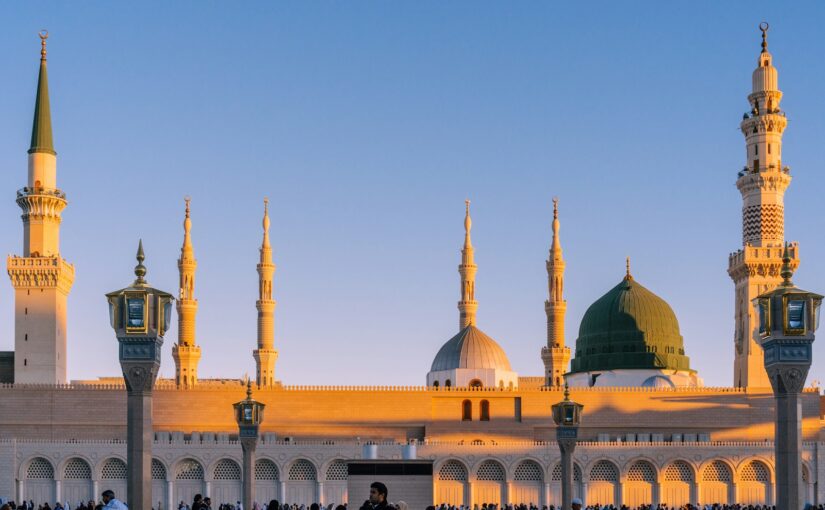
Khush Amdeed Mustafa (خوش آمدید مصطفیٰ) — Full Naat Lyrics in Urdu, English Translation and Meaning

Khush Amdeed Mustafa (خوش آمدید مصطفیٰ) — Full Naat Lyrics in Urdu, English Translation and Meaning

“Khush Amdeed Mustafa” (خوش آمدید مصطفیٰ) is a beautiful and heartfelt naat that welcomes the beloved Prophet Muhammad (peace be upon him). The phrase “Khush Amdeed” is an Urdu-Persian greeting that means “welcome.” This naat is often recited during gatherings of praise for the Prophet, especially on occasions such as Eid Milad-un-Nabi and other Islamic celebrations. Its melody is uplifting, and its words express deep love and devotion for the final messenger of Allah.

Below you will find the full lyrics of this naat in Urdu, along with a transliteration, an English translation, and an explanation of its meaning and background.

Background of the Naat

“Khush Amdeed Mustafa” is a modern naat that has gained popularity across South Asia. It is performed by various notable naat khwans. The poetry celebrates the arrival and presence of Prophet Muhammad (PBUH) as a mercy to all worlds. The naat uses the imagery of flowers blooming, hearts lighting up, and the universe rejoicing at the Prophet’s presence. It is a naat of joy, welcome, and celebration, which is why it is frequently chosen for Milad gatherings and spiritual conferences.

Khush Amdeed Mustafa — Urdu Lyrics (خوش آمدید مصطفیٰ)

Verse 1:

خوش آمدید مصطفیٰ
خوش آمدید مصطفیٰ
ہر دل میں ہے آرزو
ہر دل میں ہے آرزو
دیکھیں ترا دیدار
دیکھیں ترا دیدار
اے نورِ مجسم تجھ کو
ہم سے ہے پیار

Verse 2:

پھولوں نے بکھر کر کہا
سب نے مل کر یہ کہا
سب نے مل کر یہ کہا
خوش آمدید اے شہہ
خوش آمدید اے شہہ
مٹی نے بھی یہ کہا
خاکِ مدینہ ہے بہتر

Verse 3:

جلتے ہیں چراغ دل کے
جلتے ہیں چراغ دل کے
ہر گلی میں ہے چراغاں
آئی ہے بہار آئی
آئی ہے بہار آئی
آنکھوں میں ہے ساماں
آنکھوں میں ہے ساماں

Verse 4:

اے شہہ ہم کو بھی اپنی
نظر میں جگہ دے دے
نظر میں جگہ دے دے
ہم پیاسے ہیں تیرے
ہم پیاسے ہیں تیرے
دریا کو کنارہ دے دے
دریا کو کنارہ دے دے

English Transliteration

Verse 1:

Khush amdeed Mustafa
Har dil mein hai aarzu
Dekhein tera didaar
Dekhein tera didaar
Aye Noor-e-mujassam tujh ko
Hum se hai pyaar

Verse 2:

Phoolon ne bikhar ke kaha
Sab ne mil kar ye kaha
Khush amdeed aye shah
Mitti ne bhi ye kaha
Khaak-e-Madina hai behtar

Verse 3:

Jalte hain charagh dil ke
Har gali mein hai charaghan
Aayi hai bahaar aayi
Aankhon mein hai saamaan

Verse 4:

Aye shah hum ko bhi apni
Nazar mein jagah de de
Hum pyaase hain tere
Dariya ko kinaara de de

English Translation

Verse 1:

Welcome, O Mustafa (the Chosen One)
Welcome, O Mustafa
Every heart yearns
Every heart yearns
To behold Your blessed sight
O embodiment of divine light
You love us, and we love You

Verse 2:

The flowers bloomed and said
Everyone together proclaimed
Welcome, O King
Welcome, O King
Even the dust declared
The soil of Madina is superior to all

Verse 3:

The lamps of the heart are lit
Every street is illuminated
Spring has arrived, spring has arrived
Our eyes are filled with beauty

Verse 4:

O King, grant us too
A place within Your gracious gaze
We are thirsty for You
Grant the river its shore

Meaning and Spiritual Significance

“Khush Amdeed Mustafa” is a naat of spiritual welcome. It describes the joy that fills the universe when the Prophet Muhammad (PBUH) is present. The first verse speaks of the longing in every heart to see the Prophet’s blessed face. It calls him “Noor-e-Mujassam,” meaning the embodiment of light, a phrase that reflects the Islamic belief that the Prophet was created from divine light (Nur).

The second verse uses beautiful natural imagery. Flowers bloom and speak. The earth itself declares its reverence. The “soil of Madina” is mentioned as being superior because it is blessed by the Prophet’s presence. This reflects the deep love Muslims have for the city of Madina, where the Prophet is buried and where he spent the final years of his life.

The third verse speaks of illumination. Lamps are lit both literally (in streets during celebrations) and metaphorically (in hearts filled with faith). Spring is used as a metaphor for spiritual renewal. When love for the Prophet enters a heart, it is like spring bringing life to a barren land.

The final verse is a humble plea. The poet asks the Prophet to grant them a place in his gracious gaze. To be “thirsty” for the Prophet means to be spiritually yearning for his intercession and nearness. The line “grant the river its shore” is a poetic way of saying: let us reach our destination, let our spiritual journey find its rest in you.

When Is This Naat Recited?

“Khush Amdeed Mustafa” is particularly popular during:

  • Eid Milad-un-Nabi (12th Rabi-ul-Awwal): Celebrations of the Prophet’s birth often open with welcoming naats like this one.
  • Urs and spiritual gatherings: Sufi gatherings and dargah events frequently include this naat.
  • Daily spiritual practice: Many Muslims recite this naat in their morning or evening routines as a form of salawat and meditation.
  • Conferences and Islamic events: It is often the opening or closing recitation at Islamic conferences in South Asia and the UK.

The naat’s rhythmic structure makes it easy to memorise, and its joyful tone makes it suitable for both solo recitation and group performance. If you are looking to learn more naats, you may also enjoy our pages on Mera Dil Tujh Hi Se Lagaya and Rahmatun Lil Alameen.

Frequently Asked Questions

Who wrote Khush Amdeed Mustafa?

The exact poet is not widely documented, but the naat is popularised through performances by various contemporary naat khwans. Its style fits within the modern tradition of Urdu naat poetry.

Is Khush Amdeed Mustafa a famous naat?

Yes, it is well known in South Asian Islamic circles and is often recited at Milad gatherings. Its joyful melody makes it a favourite among children and adults alike.

Can I use these lyrics for my own video or recording?

Yes, the lyrics are a devotional composition shared for spiritual benefit. You are welcome to use them in your own recitations or videos as long as credit is given and the words are not altered.

You can also explore other naats on our site such as Noor Wala Aaya Hai and Dil Mein Hai Shauq-e-Madina.

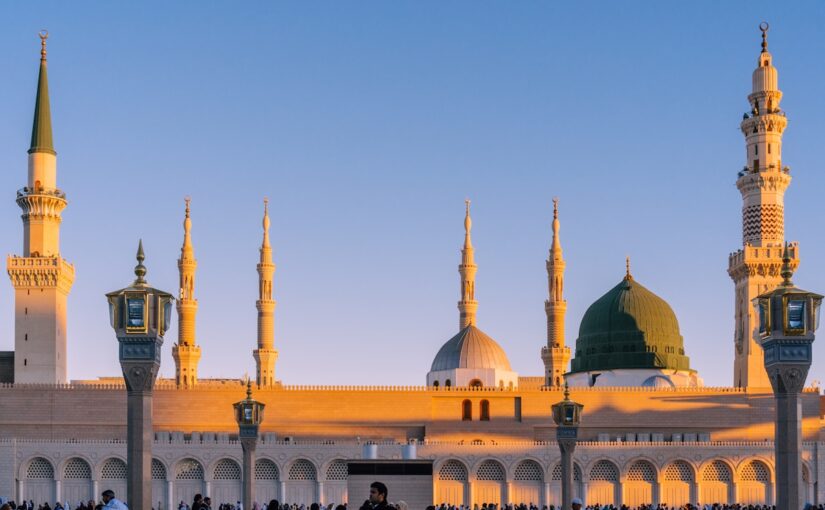
Shah-e-Madinah (شاہ مدینہ) – Full Naat Lyrics in Urdu, English Translation and Meaning

Shah-e-Madinah (شاہ مدینہ) is one of the most beloved naats in the Islamic world. The title translates to “King of Madinah,” a term of profound endearment and reverence for Prophet Muhammad ﷺ. This beautiful nasheed-style naat praise the Prophet’s majesty, his mercy, and the spiritual light of Madinah al-Munawwarah. Composed in a soul-stirring melody, it is recited across the globe — from the streets of Karachi to the mosques of London — especially during gatherings of Milad-un-Nabi and other sacred occasions.

Shah-e-Madinah – Full Naat Lyrics (شاہ مدینہ مکمل نعت)

Below are the complete Urdu lyrics of Shah-e-Madinah in the original Arabic–Nastaliq script:

English Translation of Shah-e-Madinah

Here is the line-by-line English translation of Shah-e-Madinah to help non-Urdu speakers understand its beautiful meaning:

Urdu LyricEnglish Translation
شاہ مدینہ، شاہ مدینہKing of Madinah, King of Madinah
یارسول اللہ، شاہ مدینہO Messenger of Allah, King of Madinah
آپ کی جلوہ گری ہے، شان مدینہYour radiance is the pride of Madinah
نورِ خدا ہے، مکان مدینہThe light of God is the home of Madinah
آپ ہی محبوبِ حق ہیں، یا نبیYou alone are the Beloved of the Truth, O Prophet
جس پہ فدا ہے یہ جہاں، یا نبیFor whom this world is sacrificed, O Prophet
آپ کے در کا ہے یہ سوالیThis beggar stands at Your door
راہِ مدینہ کا ہے یہ والیThis traveller walks the path to Madinah
دل ہے مدینہ، جان مدینہMy heart is Madinah, my soul is Madinah
میرا ثبوت و ایمان مدینہMy proof and my faith is Madinah
میری نگاہیں تیری گلی میںMy eyes gaze upon Your street
لب پہ دعائیں، آنکھ نمی میںPrayers on my lips, tears in my eyes
وہ دن مبارک جب آئے گا شایدBlessed is the day that may come
دل مدینہ میں بس جائے گا شایدWhen my heart finds its home in Madinah

The Meaning and Message of Shah-e-Madinah

Shah-e-Madinah is far more than a poetic composition — it is a heartfelt expression of Ishq-e-Rasool (love for the Prophet). The poet uses the imagery of a humble beggar standing at the Prophet’s doorstep, seeking nothing but the blessing of being close to Madinah. Every line is soaked in spiritual longing.

The core theme revolves around three ideas:

  1. Majesty of the Prophet ﷺ — Referring to the Prophet as “King of Madinah” is not political but spiritual. In Islamic tradition, prophets are kings of the heart, rulers of the soul. The Prophet Muhammad ﷺ is the leader of all prophets and the mercy to all worlds.

  2. Longing for Madinah — Madinah al-Munawwarah (the Illuminated City) holds a special place in every Muslim’s heart. It is the city where the Prophet built his mosque, lived his final years, and where his blessed resting place (Rawdah Mubarak) lies. The naat captures the ache of a soul yearning to visit.

  3. Spiritual Submission — The begging bowl imagery (“sawaali” / beggar) symbolizes that before the Prophet ﷺ, we are all beggars — begging for intercession, begging for forgiveness, begging for a glance of mercy. This is the essence of Islamic humility.

When Is Shah-e-Madinah Recited?

This naat is most commonly heard during:

  • Milad-un-Nabi (میلاد النبی) — Celebrations of the Prophet’s birth on 12th Rabi’ al-Awwal
  • Urs gatherings — Especially those attended by Sufi orders and South Asian Muslim communities
  • Friday (Jumu’ah) gatherings — Often played in mosques before or after Friday prayers
  • Travel to Madinah/Saudi Arabia — Pilgrims frequently listen to Shah-e-Madinah on their way to perform Umrah or Hajj
  • Daily devotion — Many people include it in their morning or evening wird (spiritual routine)

Popular renditions by famous naat khwans such as Owais Raza Qadri and others have made this naat a staple in Urdu-speaking households. The melody is deeply emotional, often performed in the Darbari or Bhairavi raga influences, giving it a melancholic yet uplifting spiritual feel.

Why Shah-e-Madinah Resonates So Deeply?

The secret of this naat’s enduring popularity lies in its simplicity and emotional directness. It doesn’t use complex metaphors or obscure classical references. Instead, it speaks directly to the heart in everyday Urdu, making it accessible to everyone — from scholars to children. The repetition of “Shah-e-Madinah” throughout the naat acts as a spiritual refrain that stays with the listener long after the recitation ends.

In a world full of noise, Shah-e-Madinah invites the listener to pause, redirect their gaze toward Madinah, and remember the one who ﷺ is the greatest mercy ever sent to humanity.

May we all be blessed with a visit to the blessed city of Madinah al-Munawwarah. Ameen.

Sallu Alal Mustafa (صلوا علی المصطفی) – Full Naat Lyrics in Urdu, English Translation and Meaning

Introduction

The naat “Sallu Alal Mustafa” (صلوا علی المصطفی) is one of the most beloved devotional songs in the Islamic world. Known alternately as “Allahumma Salli Alal Mustafa” or simply “Salli Alal Mustafa”, this beautiful nasheed/naat calls upon Allah to send abundant blessings upon His chosen Messenger, Prophet Muhammad ﷺ.

Made famous by artists like Mesut Kurtis (from the album Balaghal Ula) and the group Labbayk, this naat has touched millions of hearts worldwide. Its simple yet profound lyrics remind listeners of the importance of sending salawat (blessings) upon the Prophet ﷺ, while also offering deep spiritual guidance about reliance on Allah, contentment, and trust in divine decree.

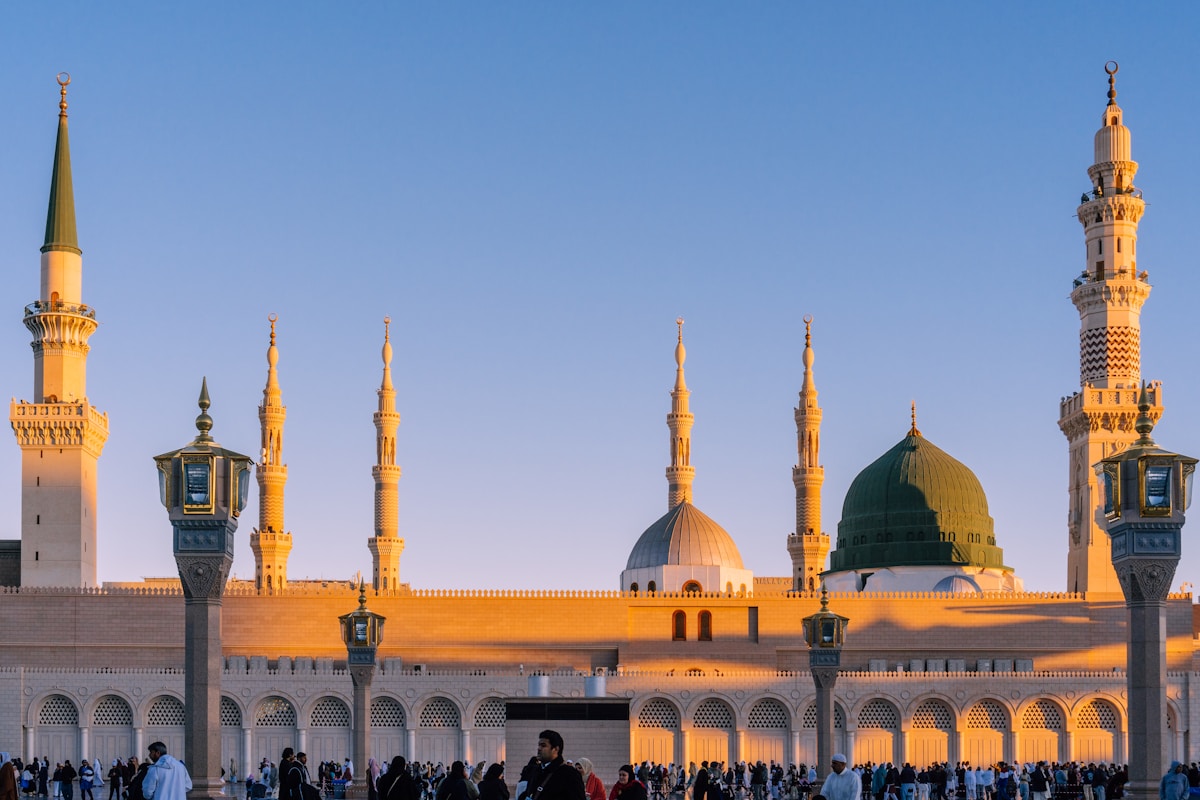
Green dome of Masjid Nabawi in Madinah, resting place of Prophet Muhammad ﷺ, related to Sallu Alal Mustafa naat
The blessed city of Madinah, home of the Prophet ﷺ, whose mention fills every verse of this naat.

Full Urdu & Arabic Lyrics of Sallu Alal Mustafa (صلوا علی المصطفی)

Below are the complete lyrics in Arabic script with Urdu transliteration. The naat primarily uses Arabic, making it accessible to Muslims around the world regardless of their native language.

Verse 1 — The Call for Blessings

Arabic/Urdu Script:

اللہم صل علی المصطفی
حبیبنا محمد علیہ السلام

Transliteration:
Allahumma salli ‘alal Mustafa
Habibuna Muhammad ‘alayhis-salam

Word-by-Word Translation:
اللہم (Allahumma) — O Allah
صل (Salli) — Send blessings
علی (Ala) — Upon
المصطفی (Al-Mustafa) — The Chosen One
حبیبنا (Habibuna) — Our beloved
محمد (Muhammad) — Muhammad
علیہ السلام (‘Alayhis-salam) — Upon him be peace

English Translation:
O Allah, send blessings upon the Chosen One (Mustafa),
Our beloved Muhammad, peace be upon him.

Verse 2 — Trust in Allah

Arabic/Urdu Script:

ما لی أنا من شئ وما لی أنا من نفسی
کیف أخاف من رزقی والخلاق یرزقنی

Transliteration:
Ma li ana min shay’, wa ma li ana min nafsi
Kayfa akhafu min rizqi, wal-Khallaqu yarzuquni

Word-by-Word Translation:
ما (Ma) — What
لی (Li) — For me / do I have
أنا (Ana) — I / myself
من (Min) — Of / from
شئ (Shay’) — Anything / any power
و (Wa) — And
من نفسی (Min nafsi) — From myself / for myself
کیف (Kayfa) — How
أخاف (Akhafu) — Should I fear
من رزقی (Min rizqi) — For my sustenance
والخلاق (Wal-Khallaqu) — While the Creator
یرزقنی (Yarzuquni) — Sustains me / provides for me

English Translation:
What power do I have over anything? What can I do for myself?
Why should I fear for my sustenance when my Creator sustains me?

Chorus — The Dhikr of Allah

Arabic/Urdu Script:

اللہ اللہ اللہ اللہ اللہ اللہ
صلوا علی رسول اللہ

Transliteration:
Allah Allah Allah Allah Allah Allah
Sallu ‘ala Rasulillah

Word-by-Word Translation:
اللہ (Allah) — Allah
صلوا (Sallu) — Send blessings (plural command)
علی (‘Ala) — Upon
رسول (Rasuli) — Messenger
اللہ (Allah) — Of Allah

English Translation:
Allah, Allah, Allah, Allah, Allah, Allah
Send blessings upon the Messenger of Allah.

Beautiful Arabic calligraphy of Islamic art with golden patterns representing devotion to Allah and Prophet Muhammad
The name of Prophet Muhammad ﷺ in beautiful Islamic calligraphy, echoing the theme of sending blessings upon him.

Verse 3 — Contentment and Trust in Divine Decree

Arabic/Urdu Script:

یا قلبی توکل علی اللہ فھو المعطی المانع
وارض بقضاء اللہ فأنت إلیہ راجع
لا تحزن علی ما قضی قد کتب لک الخیر
ارضی بالقلیل ولا شیء فالراضی یزداد خیر

Transliteration:
Ya qalbi tawakkal ‘alallah, fahuwal mu’til mani’
Wa rda bi qada’illahi, fa anta ilayhi raji’
La tahzan ‘ala ma quda, qad kutiba lakal khayr
Rda bil-qalili wa la shay’, far-radi yuzdad khayr

Word-by-Word Translation:
یا (Ya) — O
قلبی (Qalbi) — My heart
توکل (Tawakkal) — Put your trust
علی اللہ (‘Alallah) — In Allah
فھو (Fahuwa) — For He
المعطی (Al-Mu’ti) — The Giver
المانع (Al-Mani’) — The Withholder
وارض (Wa rda) — And be content / accept
بقضاء اللہ (Bi qada’illahi) — With the decree of Allah
فأنت (Fa anta) — For you
إلیہ (Ilayhi) — To Him
راجع (Raji’) — Will return
لا تحزن (La tahzan) — Do not grieve / worry
علی ما قضی (‘Ala ma quda) — Over what has been decreed
قد کتب لک الخیر (Qad kutiba lakal khayr) — Goodness has already been written for you
ارضی بالقلیل (Rda bil-qalil) — Be content with little
ولا شیء (Wa la shay’) — And with nothing (even less)
فالراضی (Far-radi) — For the one who is content
یزداد خیر (Yazdad khayr) — Will be increased in goodness

English Translation:
O my heart, put your trust in Allah, for He is the Giver and the Withholder.
And be accepting of Allah’s decree, for you will return back to Him.
Don’t worry about what is destined — what is best has already been written for you.
Be content with little and even with nothing — for the one who is content will be given more and more goodness.

Verse 4 — The Heart Contains Only Love of Allah

Arabic/Urdu Script:

اللہ اللہ اللہ اللہ اللہ اللہ
ما فی قلبی غیر اللہ

Transliteration:
Allah Allah Allah Allah Allah Allah
Ma fi qalbi ghayrullah

Word-by-Word Translation:
اللہ (Allah) — Allah
ما (Ma) — There is nothing
فی (Fi) — In
قلبی (Qalbi) — My heart
غیر (Ghayra) — Other than
اللہ (Allah) — Allah

English Translation:
Allah, Allah, Allah, Allah, Allah, Allah
There is nothing in my heart except the love of Allah.

Verse 5 — Remembrance of Allah at All Times

Arabic/Urdu Script:

خیر الأمور دوام ذکر اللہ فی السر والعلانیہ
واعلم بأن اللہ فی کل مکان
إن کتب اللہ لک خیراً لن یستطع بشر حرمانہ
فیم العناء القلیل یکفی أدنی الطعام

Transliteration:
Khayrul umuri dawamu dhikrillahi fis-siri wal-‘alaniyah
Wa’lam bi annalaha fi kulli makan
In kataballahu laka khayran lan yastati’ basharun hirmannah
Fayammal ‘ana’ al-qalil yakfi adnat-ta’am

Word-by-Word Translation:
خیر (Khayru) — The best
الأمور (Al-umuri) — Of matters / affairs
دوام (Dawamu) — Continuity / permanence
ذکر اللہ (Dhikrillahi) — Remembrance of Allah
فی السر (Fis-sirri) — In secret / privately
والعلانیہ (Wal-‘alaniyah) — And in public / openly
واعلم (Wa’lam) — And know
بأن اللہ (Bi annallah) — That Allah
فی کل مکان (Fi kulli makan) — Is in every place / present everywhere
إن (In) — If
کتب اللہ لک خیراً (Kataballahu laka khayran) — Allah has written goodness for you
لن یستطع بشر حرمانہ (Lan yastati’ basharun hirmannah) — No human can deprive you of it
فیم (Fayammal) — What is the use of
العناء (‘Ana’) — Troubles / hardships
القلیل (Al-qalil) — The little / minor
یکفی (Yakfi) — Is sufficient
أدنی الطعام (Adnat-ta’am) — The smallest amount of food

English Translation:
The best of matters is the constant remembrance of Allah, in secret and in public.
And know that Allah is present in every place.
If Allah has decreed goodness for you, no human will be able to take it away from you.
What is the use of endless troubles? Even the smallest sustenance is enough.

Closing Chorus

Arabic/Urdu Script:

اللہم صل علی المصطفی
حبیبنا محمد علیہ السلام

Transliteration:
Allahumma salli ‘alal Mustafa
Habibuna Muhammad ‘alayhis-salam

English Translation:
O Allah, send blessings upon the Chosen One,
Our beloved Muhammad, peace be upon him.

Islamic geometric pattern showing the spiritual beauty of Islamic art and architecture representing devotion
Islamic geometric art, symbolizing the spiritual depth and beauty found in devotional naats like Sallu Alal Mustafa.

Meaning and Background of Sallu Alal Mustafa

The title “Sallu Alal Mustafa” (صلوا علی المصطفی) translates to “Send blessings upon the Chosen One.” “Al-Mustafa” (المصطفی) is one of the most honored names of Prophet Muhammad ﷺ, meaning “The Chosen One” or “The Elect.” It derives from the Arabic root ص-ف-و (ṣ-f-w), which conveys the meaning of being chosen, selected, or purified.

This naat draws heavily from the Quranic command in Surah Al-Ahzab (33:56):

“Indeed, Allah confers blessing upon the Prophet, and His angels [ask Him to do so]. O you who have believed, ask [Allah to confer] blessing upon him and ask [Allah to grant him] peace.”

The beauty of “Sallu Alal Mustafa” lies in how it weaves together two essential themes of Islamic spirituality:

  1. Sending Salawat (Blessings) upon the Prophet ﷺ — The repeated refrain calls believers to fulfill this Quranic obligation with love and devotion.
  2. Tawakkul (Trust in Allah) — The verses between the chorus offer profound spiritual counsel about reliance on Allah, contentment with His decree, and detachment from worldly anxieties.

The naat teaches that loving the Prophet ﷺ and trusting in Allah are inseparable. By sending blessings upon the Chosen One, a believer’s heart is purified, making it easier to accept Allah’s decree and find peace in His remembrance.

Who Composed Sallu Alal Mustafa?

While the exact origins of the naat are rooted in traditional Islamic devotional poetry, it gained worldwide popularity through Mesut Kurtis, a Macedonian-born British nasheed artist of Turkish descent. His rendition on the album Balaghal Ula (2014) became an instant classic, with its haunting melody and deeply spiritual lyrics resonating with Muslims across the globe. The Labbayk nasheed group also has a popular rendition of this same naat.

Mesut Kurtis is known for his soulful voice and ability to blend traditional Islamic nasheed with contemporary musical arrangements while maintaining the spiritual essence of the lyrics. “Salli Alal Mustafa” remains one of his most beloved and widely recognized songs.

When Is Sallu Alal Mustafa Traditionally Recited?

Sallu Alal Mustafa is a versatile naat that can be recited on many occasions:

  • During Milad un-Nabi (Eid Milad an-Nabi) — The celebration of the Prophet’s ﷺ birth, when gatherings worldwide recite salawat and naats in his honor.
  • On Fridays (Jumu’ah) — Friday is a special day for sending abundant blessings upon the Prophet ﷺ, as mentioned in authentic hadith.
  • In daily gatherings of dhikr — Many Islamic study circles and spiritual gatherings include this naat as part of their regular devotional practice.
  • During the month of Rabi’ al-Awwal — The month of the Prophet’s ﷺ birth is marked by increased recitation of salawat and naats.
  • At the end of prayers and duas — Many Muslims recite the chorus portion as a way of concluding their supplications.
  • For personal spiritual reflection — The verses about tawakkul (trust in Allah) make it an excellent companion during times of difficulty or anxiety.

Spiritual Lessons from Sallu Alal Mustafa

The naat offers several profound spiritual lessons:

1. The Power of Salawat

The constant refrain of “Allahumma salli ‘alal Mustafa” reminds us that sending blessings upon the Prophet ﷺ is not just a ritual — it is a spiritual practice that draws us closer to Allah and His Messenger. Each salawat is a seed planted for the Hereafter.

2. Complete Reliance on Allah

Verses like “Why should I fear for my sustenance when my Creator sustains me?” teach us to place our trust entirely in Allah. The One who created us is responsible for our provision, and worry about rizq (sustenance) is a sign of weak faith.

3. Contentment (Qana’ah)

The line “Be content with little and even with nothing — for the one who is content will be given more” encapsulates the Islamic concept of qana’ah. Contentment is not resignation but a state of inner peace where one recognizes that Allah’s wisdom surpasses human understanding.

4. Constant Remembrance of Allah

The naat emphasizes that the best of matters is “constant remembrance of Allah, in secret and in public.” This is the station of ihsan — to worship Allah as if you see Him, knowing that He sees you at all times.

5. Acceptance of Divine Decree

Perhaps the most comforting message of the naat is that “what is best has already been written for you.” This is the essence of rida bil-qada (contentment with divine decree) — trusting that whatever Allah chooses for us is ultimately for our good, even when we cannot see it.

Conclusion

Sallu Alal Mustafa (صلوا علی المصطفی) is far more than a beautiful melody — it is a complete spiritual package. It combines the act of sending blessings upon the Prophet ﷺ with profound spiritual teachings about tawakkul, contentment, and remembrance of Allah. Whether you are listening to Mesut Kurtis’s moving rendition or reciting it in a gathering of dhikr, this naat has the power to transform hearts and bring peace to troubled souls.

May Allah grant us the ability to constantly send blessings upon His beloved Messenger ﷺ and to embody the beautiful teachings contained in this naat. Ameen.

Allahumma salli ‘alal Mustafa, Habibuna Muhammad ‘alayhis-salam.

Labbaik Ya Rasool Allah (لبیک یا رسول اللہ) – Full Naat Lyrics in Urdu, English Translation and Meaning

Labbaik Ya Rasool Allah (لبیک یا رسول اللہ) — Complete Naat Lyrics in Urdu and English

“Labbaik Ya Rasool Allah” is a beloved naat that expresses deep love and devotion for the Prophet Muhammad (peace be upon him). The phrase “Labbaik” means “I am at your service,” and is traditionally used in the Hajj pilgrimage. In this naat, it is beautifully repurposed to show the singer’s readiness to serve and follow the Prophet. This naat is popular in the South Asian Islamic tradition and is often recited at Mehfil-e-Milad gatherings across the world.

Labbaik Ya Rasool Allah — Urdu Lyrics (لبیک یا رسول اللہ اردو Lyrics)

لبیک یا رسول اللہ ﷺ
لبیک یا رسول اللہ ﷺ
لبیک یا رسول اللہ ﷺ
لبیک یا رسول اللہ ﷺ

آپ کا در ہے جنتوں سے بھی پیارا
یہی مرا مان ہے یہی مرا مان ہے
لبیک یا رسول اللہ ﷺ

دل ہے مدینے کا دیوانہ
تم ہی ہو میری جان و دل
تم ہی ہو میرا ایمان
لبیک یا رسول اللہ ﷺ

مجھ کو ہے شوق مدینے جانے
دیکھوں تمہارا جلوہ
کرلوں نفل نماز و سلام
لبیک یا رسول اللہ ﷺ

آقا کی محبت ہے ورثہ
آقا کی محبت ہے ورثہ
سرکار کا ہے فیض ہر دم
لبیک یا رسول اللہ ﷺ

جس نے تمہیں دیکھا وہی تو پایا
باقی تو سب ہے بے کار
لبیک یا رسول اللہ ﷺ

Labbaik Ya Rasool Allah — English Transliteration

Labbaik Ya Rasool Allah

Aap ka dar hai jannaton se bhi pyara
Yahi mera maan hai, yahi mera maan hai
Labbaik Ya Rasool Allah

Dil hai Madine ka deewana
Tum hi ho meri jaan o dil
Tum hi ho mera imaan
Labbaik Ya Rasool Allah

Mujh ko hai shauq Madine jaane
Dekhoon tumhara jalwa
Karloon nafil namaz o salaam
Labbaik Ya Rasool Allah

Aaqa ki mohabbat hai virsa
Sarkar ka hai faiz har dam
Labbaik Ya Rasool Allah

Jis ne tumhein dekha wahi to paaya
Baaqi to sab bekaar
Baaqi to sab bekaar
Labbaik Ya Rasool Allah

Labbaik Ya Rasool Allah — English Translation

Labbaik Ya Rasool Allah — I am at your service, O Messenger of Allah. This opening line is repeated four times, building a sense of devotion and surrender. The repetition mirrors the Hajj talbiyah and connects the love of the Prophet with the spirit of pilgrimage.

Aap ka dar hai jannaton se bhi pyara — Your court is more beloved than paradise. This line expresses the belief that being in the presence of the Prophet, even spiritually, is greater than any worldly or heavenly reward. The poet places love for the Prophet above all else.

Yahi mera maan hai — This is my pride. The poet declares that devotion to the Prophet is not just an act of worship, but a source of honour and identity.

Dil hai Madine ka deewana — My heart is crazy for Madina. Madina, the city of the Prophet, holds a special place in the hearts of Muslims. The poet describes an intense, almost overwhelming love for the city where the Prophet is buried.

Tum hi ho meri jaan o dil, tum hi ho mera imaan — You are my life and heart, you are my faith. This couplet beautifully expresses that the Prophet is at the centre of the poet’s existence, both emotionally and spiritually.

Mujh ko hai shauq Madine jaane — I long to go to Madina. The desire to visit the Prophet’s mosque and grave is a common theme in naat poetry. It reflects the deep yearning that many Muslims feel to make pilgrimage to Madina.

Dekhoon tumhara jalwa — So I may behold your splendour. The poet hopes to witness the spiritual light of the Prophet during their visit.

Karloon nafil namaz o salaam — So I may offer extra prayers and send salutations. This line shows the intention to perform acts of worship and send blessings upon the Prophet during the visit.

Aaqa ki mohabbat hai virsa — Love for the Master is our inheritance. This line speaks to the tradition of love for the Prophet being passed down through generations of Muslims.

Sarkar ka hai faiz har dam — The blessings of the Master are with us at every moment. The poet acknowledges that the spiritual grace of the Prophet is constantly present in the lives of believers.

Jis ne tumhein dekha wahi to paaya — Whoever saw you, truly found you. This line refers to the companions of the Prophet who were blessed to see him in person and thus attained the highest level of faith.

Baaqi to sab bekaar — Everything else is worthless. The powerful conclusion reminds us that without love for the Prophet, all other achievements are meaningless.

The Meaning and Significance of Labbaik Ya Rasool Allah

“Labbaik Ya Rasool Allah” is more than just a naat. It is a declaration of love, loyalty, and spiritual commitment. The phrase “Labbaik” carries immense weight in Islamic tradition. When pilgrims say “Labbaik Allahumma Labbaik” during Hajj, they are declaring their complete submission to Allah. By using this same powerful phrase for the Prophet, the poet elevates the love of the Prophet to the highest level of devotion that stops short of worship, which belongs only to Allah.

This naat reminds Muslims of the importance of following the Sunnah and keeping the love of the Prophet alive in their hearts. It encourages believers to visit Madina, to send salutations upon the Prophet, and to make his teachings a central part of their lives. The simple yet profound lyrics make it accessible to people of all ages, which is why it remains a favourite at Islamic gatherings around the world.

For more naat lyrics, you can explore other popular naats on our site such as Ya Habibi Ya Muhammad, Mustafa Jaane Rehmat, and Tajdar-e-Haram.

When to Recite Labbaik Ya Rasool Allah

This naat is commonly recited at Milad-un-Nabi gatherings, during Islamic conferences, and in personal worship. Many people also listen to it while travelling to Madina or during the month of Rabi-ul-Awwal when Muslims around the world celebrate the birth of the Prophet. The soothing rhythm and heartfelt lyrics make it suitable for both group recitation and individual reflection.

Final Thoughts

“Labbaik Ya Rasool Allah” captures the essence of Islamic devotion to the Prophet Muhammad (peace be upon him). Its powerful lyrics, beautiful meaning, and spiritual depth have made it a timeless classic in the world of naat recitation. Whether you are listening to it for the first time or have known it for years, this naat continues to inspire love and longing for the Prophet and his blessed city of Madina.

Ae Saba Mustafa Se Keh Dena (اے صبا مصطفیٰ سے کہہ دینا) — Full Naat Lyrics in Urdu, English Translation and Meaning

Ae Saba Mustafa Se Keh Dena — Full Naat Lyrics in Urdu, English Translation and Meaning

One of the most beloved and emotionally stirring salam (salutation) recited in honour of the Prophet Muhammad ﷺ, “Ae Saba Mustafa Se Keh Dena” (اے صبا مصطفیٰ سے کہہ دینا) is a masterpiece of Islamic devotional poetry. Rendered in the soulful voice of the renowned naat khawan Owais Raza Qadri, this kalam was penned by the gifted poet Hasan Akbar Kamal. It has become a staple in mehfil-e-naat gatherings across the globe, moving countless hearts with its profound expression of yearning, love, and spiritual longing for the blessed city of Madina and its beloved inhabitant — the Holy Prophet ﷺ.

The word “Saba” refers to the gentle morning breeze, and in this poetic composition, the breeze becomes a messenger — a carrier of love, grief, and salaam from devotees who cannot physically be in Madina but whose hearts reside there. The naat is classified as a salam, a form of Islamic poetry that sends greetings and salutations upon the Prophet ﷺ. Its deeply emotional verses capture the essence of what it means to be an ashiq-e-Rasool — a passionate lover of the Prophet.


Significance of “Ae Saba Mustafa Se Keh Dena”

This salam holds a special place in the hearts of Muslims, particularly those from the Barelvi and Sufi traditions. It is often recited during Milad-un-Nabi gatherings, Urs celebrations, and weekly naat khwani sessions. The beauty of this kalam lies in its universality — anyone who has ever felt the burning desire to visit Madina, to stand before the Rawza Mubarak, and to send salaam upon the Prophet ﷺ will find their emotions mirrored in these verses.

The salam uses powerful imagery: the moon and stars sending salaam, the fragrant breeze carrying the scent of the Prophet’s ﷺ blessed hair, and the pilgrims (Haaji) serving as messengers to the Beloved. It bridges the distance between the devotee and his beloved Prophet, making the heart feel closer to Madina even when the body is far away.


Full Urdu Lyrics (Complete Kalam)

اے صبا مصطفیٰ سے کہہ دینا
غم کے مارے سلام کہتے ہیں
یاد کرتے ہیں تم کو شام و سحر
دل ہمارے سلام کہتے ہیں

اللہ اللہ حضور کی باتیں
مرحبا رنگ و نور کی باتیں
چاند جن کی بلائیں لیتا ہے
اور تارے سلام کہتے ہیں

اللہ اللہ حضور کے گیسو
بھیگی بھیگی مہکتی وہ خوشبو
جن سے معمور ہے فضائے سو
وہ نظارے سلام کہتے ہیں

جب محمد کا نام آتا ہے
رحمتوں کا پیغام آتا ہے
لب ہمارے درود پڑھتے ہیں
دل ہمارے سلام کہتے ہیں

عاشقوں کا سلام لے جاؤ
غمزدوں کا پیام لے جاؤ
حاجیو مصطفیٰ سے کہہ دینا
بے سہارے سلام کہتے ہیں

ذکر تھا آخری مہینے کا
تذکرہ چھڑ گیا مدینے کا
حاجیو مصطفیٰ سے کہہ دینا
غم کے مارے سلام کہتے ہیں

زائرِ طیبہ تو مدینے میں
سونے آقا سے اتنا کہہ دینا
آپ کی گردِ راہ کو آقا
چاند تارے سلام کہتے ہیں


Roman Transliteration

Ae saba Mustafa se keh dena
Gham ke maare salaam kehte hain
Yaad karte hain tumko shaam o sahar
Dil hamare salaam kehte hain

Allah Allah huzoor ki baatein
Marhaba rang o noor ki baatein
Chaand jin ki balaaein leta hai
Aur taare salaam kehte hain

Allah Allah huzoor ke gesu
Bheeni bheeni mehekti wo khushbu
Jin se maamur hain fiza e so
Wo nazaare salaam kehte hain

Jab Muhammad ka naam aata hai
Rehmato(n) ka payaam aata hai
Lab hamare durood parhte hain
Dil hamaray salaam kehte hain

Ashiqo(n) ka salaam le jao
Ghamzado(n) ka payaam le jao
Haajio Mustafa se keh dena
Be saharay salaam kehte hain

Zikr tha aakhri maheenay ka
Tazkira chirr gaya Madinay ka
Haajio Mustafa se keh dena
Gham ke maaray salaam kehte hain

Zaairey Taiba tu madinay main
Sohnay Aaqa se itna keh dena
Aap ki gard e raah ko Aaqa
Chaand taarey salaam kehte hain


English Translation (Line by Line)

Verse 1:
“O morning breeze, go tell Mustafa (the Chosen One) ﷺ —
The grief-stricken send their salutations.
We remember You morning and evening —
Our hearts send their salutations.”

The poet personifies the gentle morning breeze, asking it to carry the message to the Prophet ﷺ. The phrase “gham ke maare” (grief-stricken) reflects the spiritual anguish of separation — the distance from the Beloved Prophet ﷺ is a source of deep sorrow for the devotee. The constant remembrance (morning and evening) shows that the love of the Prophet ﷺ is not momentary but a lifelong devotion.

Verse 2:
“How magnificent are the words of the Beloved!
How splendid the tales of (his) splendour and light!
The moon itself sacrifices itself for them,
And the stars offer their salutations.”

This verse exalts the blessed speech and attributes of the Prophet ﷺ. The moon — one of Allah’s greatest signs — is said to sacrifice itself (take “balaa” — a superstitious expression of admiration) for these qualities. The stars join the moon in sending salaam, illustrating that all of creation honours the Prophet ﷺ.

Verse 3:
“How blessed are the locks of the Beloved!
That fragrant, delicate scent —
With which the entire atmosphere is filled —
Even those scenes offer their salutations.”

The reference to the Prophet’s ﷺ hair (gesu) and its fragrance highlights the physical beauty of the Prophet ﷺ, which is well-documented in Islamic tradition. The Hadith describes the Prophet’s ﷺ perspiration as more fragrant than musk, and this verse poetically captures how even the air itself is perfumed by his blessed presence.

Verse 4:
“When the name of Muhammad ﷺ is mentioned,
A message of mercy arrives.
Our lips recite durood (blessings upon him),
While our hearts send salutations.”

This verse emphasizes the spiritual reality that merely uttering the Prophet’s ﷺ name brings divine mercy. It beautifully distinguishes between the outward act (reciting durood with the lips) and the inward emotion (salaam from the heart), suggesting that true devotion involves both body and soul.

Verse 5:
“Take the salutations of the lovers (of the Prophet),
Carry the message of the sorrowful ones.
O pilgrims, go tell Mustafa ﷺ —
The helpless ones send their salutations.”

Here, the poet turns to the pilgrims (Haaji) who are fortunate enough to visit Madina, asking them to be messengers. The term “be sahaare” (the helpless, the unsupported) reflects the devotee’s recognition that they have no intercessor save the Prophet ﷺ himself — a theme deeply rooted in Islamic spirituality.

Verse 6:
“The conversation turned to the final month,
And the discussion shifted to Madina.
O pilgrims, go tell Mustafa ﷺ —
The grief-stricken send their salutations.”

This verse captures a familiar experience among those who love the Prophet ﷺ: even in casual conversation, any mention of the Islamic calendar or sacred months naturally leads to thoughts of Madina. The mere mention of the city ignites a passionate longing.

Verse 7:
“O visitor of Tayba (Madina), when you are in Madina,
Say this much to the Golden Master:
‘Even the dust of Your path, O Master —
The moon and stars send their salutations to it.'”

This final verse is deeply moving. The Prophet ﷺ is addressed as “Sohnay Aaqa” (Golden Master), a term of immense endearment. The devotee acknowledges that even the dust on the path leading to the Prophet’s ﷺ blessed abode is honoured by the celestial bodies — a powerful image of the sanctity of Madina.


Deeper Meaning and Themes

1. The Pain of Separation (Firaq): The central theme of this salam is the agony of being physically separated from the Prophet ﷺ and Madina. Every verse pulses with the ache of longing. This is not a superficial sadness but a deep spiritual yearning that defines the ashiq-e-Rasool (lover of the Prophet). Islamic spirituality teaches that love for the Prophet ﷺ is a pathway to love for Allah Himself, as the Quran says: “Say, [O Muhammad], ‘If you should love Allah, then follow me, [so] Allah will love you'” (Quran 3:31).

2. Creation Honouring the Prophet: Throughout the salam, celestial bodies — the moon, the stars, the breeze, the atmosphere — are depicted as actively sending salutations upon the Prophet ﷺ. This reflects the Islamic belief that all of creation recognizes the Prophet’s ﷺ nobility. The Quran affirms: “The seven heavens and the earth and whatever is in them exalt Him” (Quran 17:44), and the Prophet ﷺ himself is described as a “mercy to the worlds” (Quran 21:107).

3. The Role of the Believer as Messenger: The repeated refrain addressed to the “Haaji” (pilgrim) and “Zaair” (visitor) highlights the Islamic concept of the Ummah’s interconnectedness. Those blessed to visit Madina carry not just their own salaam but the salaam of the entire community. This creates a beautiful spiritual bond among believers across time and space.

4. Hope and Intercession: The salam exudes a profound hope in the mercy and intercession (shafa’ah) of the Prophet ﷺ. The devotees describe themselves as “gham ke maare” (grief-stricken) and “be sahaare” (helpless), acknowledging their spiritual poverty while simultaneously placing complete trust in the Prophet’s ﷺ compassion. This reflects the Islamic concept of tawassul — seeking nearness to Allah through the love and station of His beloved Prophet.

5. The Beauty of the Prophet: The salam celebrates both the physical and spiritual beauty of the Prophet ﷺ — his speech, his appearance, his fragrance. This is rooted in the Islamic tradition of describing the Prophet’s ﷺ noble features (Shama’il), which is considered an act of love and devotion. The famous collection “Shama’il al-Tirmidhi” documents the physical description of the Prophet ﷺ as narrated by his companions.


About the Reciter: Owais Raza Qadri

Owais Raza Qadri is arguably the most popular naat khawan in the Indian subcontinent and among the global Urdu-speaking Muslim community. Born in 1994 in Nagpur, India, he rose to prominence through his soulful renditions of classical naats and salams. His distinctive voice — rich, emotional, and deeply resonant — has made him a household name among lovers of Islamic devotional music. He is a disciple of the esteemed scholar Muhammad Ilyas Attar Qadri and belongs to the Qadri Sufi order.

Owais Raza Qadri has recorded hundreds of naats and performed at countless mehfil-e-naat gatherings worldwide. His rendition of “Ae Saba Mustafa Se Keh Dena” is particularly famous for its raw emotional power — his voice cracks and quivers at moments of heightened emotion, bringing listeners to tears and making them feel the weight of every verse.


About the Poet: Hasan Akbar Kamal

Hasan Akbar Kamal is a respected Urdu poet whose work in the genre of naat and salam has earned him a lasting legacy. His poetry combines classical Urdu literary elegance with simple, accessible language that speaks directly to the heart. “Ae Saba Mustafa Se Keh Dena” is among his most famous compositions, cherished for its sincere expression of love and longing for the Prophet ﷺ.


When to Recite This Salam

“Ae Saba Mustafa Se Keh Dena” is traditionally recited:

  • During Milad-un-Nabi (the celebration of the Prophet’s ﷺ birth)
  • At weekly naat gatherings and mehfil-e-naat events
  • On Thursday evenings (a time when many Muslims send special salaam upon the Prophet ﷺ)
  • During personal spiritual reflection and devotion
  • Before or after Hajj and Umrah journeys
  • In gatherings where the topic of Madina or visiting the Prophet’s ﷺ mosque is discussed

Conclusion: The Spiritual Significance

“Ae Saba Mustafa Se Keh Dena” is far more than a piece of poetry — it is a spiritual lifeline for millions of Muslims who long for the blessed city of Madina but cannot visit it. It gives voice to the silent tears shed by those whose hearts are in Madina while their bodies are bound to distant lands.

The salam teaches us an essential lesson about Islamic spirituality: that love for the Prophet Muhammad ﷺ is not merely a theological concept but a living, breathing emotion that permeates every aspect of a believer’s life. It is this love that transforms ordinary existence into a journey toward the Divine. The Prophet ﷺ himself said: “None of you truly believes until I am more beloved to him than his father, his child, and all of humanity” (Sahih Bukhari).

Whether you are listening to Owais Raza Qadri’s tearful rendition or reciting the verses yourself in quiet devotion, “Ae Saba Mustafa Se Keh Dena” reminds us that the door to Madina is always open — even if only through the wings of our longing hearts and the breeze of our salaam.

May Allah grant us all the opportunity to visit the blessed Rawza Mubarak of the Prophet Muhammad ﷺ in Madina Munawwarah, and may our salaam always reach its Beloved Destination. Ameen.


Tags

Ae Saba Mustafa Se Keh Dena, Owais Raza Qadri naat lyrics, Urdu naat lyrics with English translation, Salam on Prophet Muhammad, Madina naat, Islamic devotional poetry, Hasan Akbar Kamal salam, naat e rasool, salam lyrics in Urdu, best Owais Raza Qadri naats

Mustafa Jaane Rehmat (مصطفیٰ جانِ رحمت) — Full Naat Lyrics in Urdu, English Translation and Meaning

Introduction to Mustafa Jaane Rehmat

“Mustafa Jaane Rehmat” (مصطفیٰ جانِ رحمت) is a deeply moving and popular naat that praises Prophet Muhammad (peace be upon him). The title translates to “Mustafa, the Soul of Mercy” — Mustafa being one of the beloved names of the Prophet, meaning “the Chosen One”. This naat beautifully expresses the love, devotion and longing that believers feel for the Prophet, describing him as the embodiment of mercy sent for all of creation.

The naat is recited across the Muslim world, particularly in South Asia, and is cherished for its heartfelt lyrics and simple yet profound message. Below, we present the full lyrics in Urdu, along with the English transliteration and translation.

Mustafa Jaane Rehmat — Urdu Lyrics (مصطفیٰ جانِ رحمت)

Verse 1

مصطفیٰ جانِ رحمت پہ لاکھوں سلام
شفیعِ امت پہ لاکھوں سلام

Verse 2

وہ ہیں شہرِ مدینہ کے تاجدار
ان پر آتا ہے لاکھوں بار نثار

Verse 3

آپ کی ذات ہے رحمتِ کامران
آپ ہی سے ہے دنیا کا سامان

Verse 4

آپ کی آمد سے روشن ہوا ہر مکاں
آپ ہی کی ہے نورانی نشاں

Verse 5

دلِ مومن کو ہے آپ سے پیار
آپ ہی ہیں ہمارے آقا و تاجدار

Verse 6

مصطفیٰ جانِ رحمت پہ لاکھوں درود
آپ پر اور آپ کی آل و اصحاب پر

English Transliteration

Verse 1
Mustafa jaane rahmat pe laakhon salaam
Shafee’e ummat pe laakhon salaam

Verse 2
Woh hain shahr-e-madina ke tajdaar
Un par aata hai laakhon baar nisaar

Verse 3
Aap ki zaat hai rahmat-e-kaamran
Aap hi se hai duniya ka saaman

Verse 4
Aap ki aamad se roshan hua har makaan
Aap hi ki hai noorani nishaan

Verse 5
Dil-e-momin ko hai aap se pyaar
Aap hi hain hamaare aaqa o tajdaar

Verse 6
Mustafa jaane rahmat pe laakhon darood
Aap par aur aap ki aal o ashaab par

English Translation

Verse 1
Millions of salutations upon Mustafa, the soul of mercy
Millions of salutations upon the intercessor of the Ummah

Verse 2
He is the crown of the city of Madina
Millions of sacrifices are offered upon him

Verse 3
His being is the perfect mercy
Through him alone is the provision of this world

Verse 4
His arrival illuminated every home
His is the sign of divine light

Verse 5
The heart of the believer loves him
He is our Master and our Crown

Verse 6
Millions of blessings upon Mustafa, the soul of mercy
Upon him and upon his family and companions

Meaning and Background

“Mustafa Jaane Rehmat” is a naat that focuses on the concept of Prophet Muhammad (PBUH) as a mercy to all worlds, a theme deeply rooted in the Quranic verse: “And We have not sent you except as a mercy to the worlds” (Surah Al-Anbiya, 21:107). The naat celebrates the Prophet’s role as an intercessor (Shafee’) for his Ummah on the Day of Judgment, a source of hope and comfort for believers.

The lyrics paint a picture of the Prophet as the crown of Madina, whose very arrival brought light to the world. The repeated refrain of “laakhon salaam” and “laakhon darood” (millions of salutations and blessings) reflects the deep love and reverence that Muslims hold for their Prophet. The naat ends with blessings on the Prophet’s family (Aal) and companions (Ashaab), a common practice in Islamic poetry that acknowledges his household and those who supported his mission.

This naat is often recited at Milad gatherings, in mosques and during personal devotion. Its simple yet powerful language makes it accessible to people of all ages, and its message of love and mercy resonates with Muslims across cultures and languages.

For more naat lyrics, explore our collection including Tajdar-e-Haram, Ya Nabi Salam Alaika, and Rahmatun Lil’Alameen.

Main Fidaar Hoon (میں فدا ہوں) — Naat Lyrics in Urdu, English Translation and Meaning

“Main Fidaar Hoon” (میں فدا ہوں) is one of the most beloved naats in the Islamic world. It is a heartfelt expression of love and devotion for Prophet Muhammad (peace be upon him). The poet pours out their soul, declaring complete submission and sacrifice for the Prophet. Every line reflects the deep spiritual connection that millions of Muslims feel towards Rasulullah (SAW).

This naat is recited in many gatherings across Pakistan, India, and the wider Muslim world. Its simple yet powerful words make it easy to remember and full of meaning. Below, you will find the full lyrics in Urdu, the English translation, and the spiritual meaning behind each verse.

Main Fidaar Hoon — Urdu Lyrics (میں فدا ہوں)

میں فدا ہوں، میں فدا ہوں، یا رسول اللہ

ہر قدم پر تجھ پہ قربان، یا رسول اللہ
مجھ کو اپنا بنا لے، یا رسول اللہ

تیری محبت ہے میری سرمایہء حیات
تیرے در سے نہ جانا دے، مجھے کوئی اور بات

لٹ گیا ہوں میں تری چوکھٹ پہ آ کر
عشرتوں سے بھر دے میری جھولی، یا رسول اللہ

بھٹک رہے تھے ہم اندھیروں میں
تو نے ہاتھ پکڑ کے نکالا، یا رسول اللہ

آپ کا در ہے شفا گاہِ دل
درد بھرے دل کو سکون ملا، یا رسول اللہ

جو بھی آیا تیرے در پے، خالی نہ گیا
اسی امید پے میں بھی آیا، یا رسول اللہ

میں فدا ہوں، میں فدا ہوں، یا رسول اللہ
مجھ کو اپنا بنا لے، یا رسول اللہ

English Translation of Main Fidaar Hoon

Verse 1:
I am devoted, I am devoted, O Messenger of Allah.

Verse 2:
With every step I sacrifice myself for you, O Messenger of Allah.
Make me your own, O Messenger of Allah.

Verse 3:
Your love is the capital of my life.
Do not let me leave your door, let me have nothing else.

Verse 4:
I have lost myself upon arriving at your threshold.
Fill my lap with blessings, O Messenger of Allah.

Verse 5:
We were wandering in darkness.
You held our hand and brought us out, O Messenger of Allah.

Verse 6:
Your court is the healing place for the heart.
A heart full of pain found peace, O Messenger of Allah.

Verse 7:
Whoever came to your door did not go back empty-handed.
With that same hope, I too have come, O Messenger of Allah.

Verse 8:
I am devoted, I am devoted, O Messenger of Allah.
Make me your own, O Messenger of Allah.

Meaning and Background

“Main Fidaar Hoon” translates to “I am devoted” or “I am a sacrifice”. The poet uses the word “fida” (فدا), which in Islamic tradition means offering oneself as a sacrifice out of extreme love and loyalty. This is not a literal sacrifice but a spiritual one the poet is saying that their entire being is offered in the path of the Prophet’s love.

The naat captures several core themes of Islamic spirituality:

  • Unconditional love for the Prophet (SAW): The opening lines establish total devotion. The poet repeats “I am devoted” to emphasise their sincerity.
  • Gratitude for guidance: The line about being led out of darkness refers to the belief that the Prophet (SAW) brought humanity from ignorance to faith.
  • Hope and reliance: The final verses express complete trust that no one leaves the Prophet’s door empty. This is a reflection of the Islamic concept of tawassul.

The naat is sung in a gentle, melancholic tune that moves listeners to tears. It is popular at Milad gatherings, naat competitions, and daily recitations. Many famous naat khwans have recorded their own versions.

How This Naat Inspires the Heart

The beauty of Main Fidaar Hoon lies in its simplicity. The words are not complicated, but the emotion behind them runs deep. When a person recites this naat, they are not just singing lyrics they are making a spiritual statement. They are saying: “I give myself entirely to the path of the Prophet.”

For many Muslims, reciting or listening to this naat brings a sense of peace and closeness to Allah and His Messenger. It reminds the believer of the Prophet’s mercy, his role as a guide, and the promise that his door is always open for those who seek him.

May Allah accept our love for the Prophet (SAW) and grant us the honour of being counted among his followers. Ameen.

Read more naat lyrics: Tajdar-e-Haram | Allah Hoo | Labbaik Ya Rasool Allah

Sallu Alal Habib (صلوا علی الحبیب) — Naat Lyrics in Urdu, English Translation and Meaning

“Sallu Alal Habib” (صلوا علی الحبیب) is one of the most beloved naats in the Islamic world. Written by the renowned poet and scholar Farhat Hashmi, this beautiful naat calls upon believers to send blessings upon the Prophet Muhammad (peace be upon him). The title translates to “Send Blessings Upon the Beloved,” and the naat is a heartfelt invitation to remember and honour the Prophet through salawat.

Background and Significance

The phrase “Sallu Alal Habib” comes from the Quranic command in Surah Al-Ahzab (33:56), where Allah says: “Indeed, Allah and His angels send blessings upon the Prophet. O you who have believed, ask blessings upon him and greet him with peace.” This naat is a poetic response to that divine command.

The naat has become extremely popular across South Asia and the Middle East. It is recited in mosques, at mehfils (religious gatherings), and in homes. Its simple yet powerful message resonates with people of all ages.

Sallu Alal Habib (صلوا علی الحبیب) – Full Lyrics in Urdu

Verse 1:

صلوا علی الحبیب صلوٰۃ و سلام ۔ صلوٰۃ و سلام
میرے نبی ﷺ پہ لاکھوں صلوٰۃ و سلام

Verse 2:

اے پاک ذات والے تجھ کو سلام اے نبی
تیرے در پہ لاکھوں صلوٰۃ و سلام
صلوا علی الحبیب صلوٰۃ و سلام ۔ صلوٰۃ و سلام
میرے نبی ﷺ پہ لاکھوں صلوٰۃ و سلام

Verse 3:

تیری چاہت نے دل کو مجنوں بنا دیا
تیری یادوں نے سجدوں میں جھکا دیا
اے شہہ مدینہ تجھ کو سلام اے نبی
تیرے در پہ لاکھوں صلوٰۃ و سلام

Verse 4:

جو تجھے پہچانے وہ کبھی نہ کھوئے
جو تجھے مانے وہ کبھی نہ روئے
اے رحمت عالم تجھ کو سلام اے نبی
تیرے در پہ لاکھوں صلوٰۃ و سلام

English Translation

Verse 1:
Send blessings upon the Beloved, blessings and peace, blessings and peace
Upon my Prophet (peace be upon him), thousands of blessings and peace

Verse 2:
O Pure One, peace be upon you, O Prophet
At your doorstep, thousands of blessings and peace
Send blessings upon the Beloved, blessings and peace, blessings and peace
Upon my Prophet (peace be upon him), thousands of blessings and peace

Verse 3:
Your love has made my heart like Majnun (mad with love)
Your memories have made me bow in prostration
O King of Madinah, peace be upon you, O Prophet
At your doorstep, thousands of blessings and peace

Verse 4:
Whoever recognises you will never be lost
Whoever believes in you will never weep
O Mercy to the Worlds, peace be upon you, O Prophet
At your doorstep, thousands of blessings and peace

Meaning and Message

  • Love for the Prophet (PBUH): The naat expresses deep, unconditional love for the Prophet Muhammad. The poet describes this love as all-consuming, comparing it to the legendary love of Majnun.
  • Blessings and Peace: The constant repetition of “salawat wa salam” reminds us to continuously send blessings upon the Prophet, which is a form of worship with immense spiritual reward.
  • Hope and Mercy: The naat emphasises that the Prophet (PBUH) is a source of mercy for all of humanity. Those who recognise and follow him will find peace and guidance.
  • Humility: The imagery of bowing in prostration and standing at the Prophet’s doorstep conveys humility and submission before Allah and His Messenger.

When to Recite Sallu Alal Habib

  • Eid Milad-un-Nabi celebrations
  • Friday gatherings and mehfils
  • Daily recitation after prayers
  • Ramadan and other blessed nights
  • As a lullaby for children, instilling love for the Prophet from a young age

Conclusion

“Sallu Alal Habib” is more than just a naat. It is a spiritual practice wrapped in poetry. Its simple yet profound lyrics make it accessible to everyone, from children to elders. By reciting it, we fulfil the Quranic command to send blessings upon the Prophet and deepen our love for the one who is a mercy to all worlds.

If you enjoyed this naat, you may also like Sallallahu Alaihi Wasallam, Labbaik Ya Rasool Allah, and Salam Ya Mustafa.

Lab Pe Aati Hai Dua (لب پہ آتی ہے دعا) – Naat Lyrics, English Translation and Meaning

“Lab Pe Aati Hai Dua” is one of the most beloved and cherished verses in Urdu literature. Written by the great philosopher and poet Allama Iqbal, this naat is actually a dua (supplication) that reflects a childlike innocence and deep spiritual longing. It is widely recited in homes, schools, and religious gatherings across the Muslim world, especially in Pakistan and India.

In this post, you will find the original Urdu lyrics of Lab Pe Aati Hai Dua, their English transliteration, an English translation, and an explanation of the meaning and background of this beautiful naat.

Background of Lab Pe Aati Hai Dua

Allama Iqbal wrote “Lab Pe Aati Hai Dua” as a poem for children, published in his collection Bang-e-Dra (The Call of the Bell). Despite being written for children, its depth and spiritual beauty have made it popular among people of all ages. The poem is taught in schools across Pakistan and India, and it is often recited as a naat in religious gatherings.

The poem reflects a childs pure heart asking Allah for guidance, goodness, and the company of righteous people. It is a simple yet profound expression of Islamic faith and the desire to live a life of virtue.

Lab Pe Aati Hai Dua – Urdu Lyrics

Here are the full Urdu lyrics of Lab Pe Aati Hai Dua:

لب پہ آتی ہے دعا بن کے تمنا میری
زندگی شمع کی صورت ہو خدایا میری

دور دنیا کا مرے دم سے اندھیرا ہو جائے
ہر جگہ میرے چمکنے سے اجالا ہو جائے

ہو مرے دم سے یونہی میرے وطن کی زینت
جس طرح پھول سے ہوتی ہے چمن کی زینت

زندگی ہو مری پروانے کی صورت یا رب
علم کا شمع سے ہو مجھ کو محبت یا رب

ہو مرا کام غریبوں کی حمایت کرنا
درد مندوں سے، کمزوروں سے محبت کرنا

مرے اللہ! برائی سے بچانا مجھ کو
نیک جو راہ ہو اس راہ پہ چلانا مجھ کو

شام آئے پہلے آئے تیرے در پر شام
صبح ہو تو کروں تیرا ہی ذکر صبح و شام

English Transliteration

Lab pe aati hai dua ban ke tamanna meri
Zindagi shamma ki soorat ho Khudaya meri

Daur-e-duniya ka mere dam se andhera ho jaye
Har jagah mere chamakne se ujala ho jaye

Ho mere dam se yunhi mere watan ki zeenat
Jis tarah phool se hoti hai chaman ki zeenat

Zindagi ho meri parwanay ki soorat ya Rab
Ilm ka shamma se ho mujh ko mohabbat ya Rab

Ho mera kaam ghareebon ki himayat karna
Dard-mandon se, kamzoron se mohabbat karna

Mere Allah! Burai se bachana mujh ko
Naik jo raah ho us raah pe chalana mujh ko

Shaam aaye pehle aaye tere dar par shaam
Subah ho toh karoon tera hi zikr subah o shaam

English Translation

My wish takes the form of a prayer on my lips
O my God, let my life be like the candle (bright and selfless)

Let the darkness of the world disappear through me
Let every place be illuminated by my radiance

Let me be the adornment of my homeland
Just as flowers adorn the garden

O Lord, make my life like that of the moth (who gives itself for light)
O Lord, let me love knowledge the way the moth loves the flame

Let my work be to help the poor
To love the suffering and the weak

My Allah! Protect me from evil
Guide me onto the righteous path

When evening comes, let me first come to Your door
And when morning comes, let my morning and evening be spent in Your remembrance

Meaning and Explanation

Verse 1: The Prayer of a Pure Heart

The poem opens with the speaker saying that their deepest wish takes the form of a prayer on their lips. They ask Allah to make their life like a candle: bright, giving, and selfless. The candle burns itself to give light to others, which is the ideal life of service.

Verse 2: Being a Source of Light

The speaker wishes to dispel darkness from the world. This is a metaphor for removing ignorance, injustice, and suffering. They want to be a source of light and guidance everywhere.

Verse 3: Serving the Homeland

This verse expresses love for ones country. The speaker wants to be an adornment to their homeland in the same way flowers adorn a garden. It teaches patriotism and contributing to the betterment of society.

Verse 4: The Love of Knowledge

The speaker asks for their life to be like a moth that sacrifices itself for the flame. This is a beautiful metaphor for the pursuit of knowledge. Just as the moth is drawn to the flame, the speaker wants to be drawn to the light of knowledge, even if it requires sacrifice.

Verse 5: Helping the Needy

This verse focuses on social responsibility. The speaker asks Allah to make their work the service of the poor, the suffering, and the weak. It highlights the Islamic obligation to care for those less fortunate.

Verse 6: Seeking Protection and Guidance

The speaker directly asks Allah for two things: protection from evil and guidance to the righteous path. This mirrors the daily prayer in Surah Al-Fatiha: “Guide us to the straight path.”

Verse 7: Constant Remembrance of Allah

The final verse expresses the desire to begin and end each day with Allah. The speaker wants to come to Allahs door in the evening and spend both morning and evening in His remembrance. This reflects the Islamic practice of starting and ending the day with prayer and dhikr.

Why This Naat is So Beloved

“Lab Pe Aati Hai Dua” resonates with people because it captures the pure, innocent faith of a child. It is both a personal prayer and a universal message of hope, service, and devotion. The poem teaches important values: selflessness, love for ones country, pursuit of knowledge, compassion for the poor, and constant remembrance of Allah.

It is also musically beautiful, with a rhythmic flow that makes it easy to memorise and recite. Many famous naat reciters have performed it, making it a staple in naat gatherings and school events across the Muslim world.

Download and Share

You can use these lyrics for personal recitation, school events, or sharing with friends and family. If you want to listen to the naat being recited, search for “Lab Pe Aati Hai Dua” on YouTube where many beautiful renditions are available.