
Maa Ke Bheje Hue (ماں کے بھیجے ہوئے) – Lyrics, Translation & Meaning

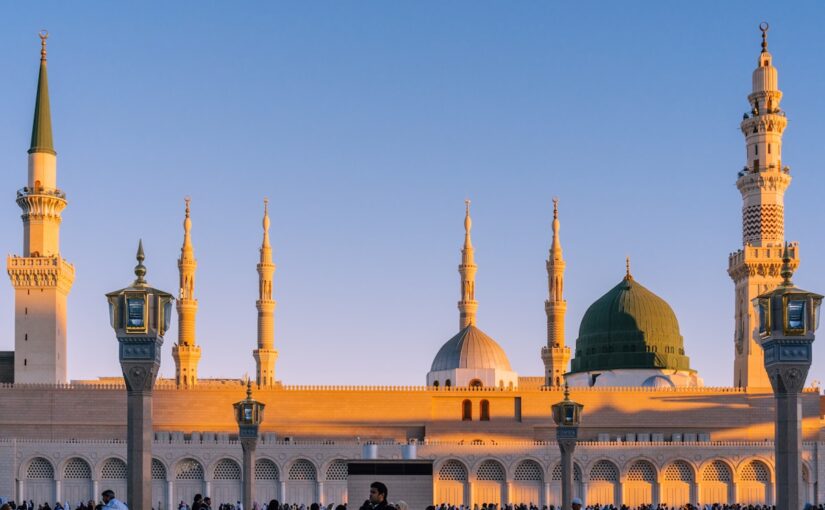
The naat “Maa Ke Bheje Hue” (ماں کے بھیجے ہوئے) is one of the most heart-touching Urdu naats that beautifully expresses the emotions of visiting the blessed city of Madina with the blessings and prayers of one’s mother. This soul-stirring naat reminds us that the dua of a mother is the most powerful currency in the court of the Prophet ﷺ.

Background & Meaning of Maa Ke Bheje Hue

The title “Maa Ke Bheje Hue” translates to “Sent by My Mother”. The naat beautifully captures the sentiment of a believer who travels to Madina not on their own merit, but as someone sent by their mother — carrying her prayers, her love, and her blessings as the only passport needed to enter the blessed court of the Prophet ﷺ.

The lyrics weave together two of the most sacred relationships in a believer’s life: the love for one’s mother and the love for Prophet Muhammad ﷺ. It speaks of how a mother’s dua can open doors that no amount of wealth or status can unlock. Just as our beloved mother raised us with countless sacrifices, her prayers accompany us on every journey — especially the blessed journey to Madina.

This naat resonates deeply with those who have experienced the profound bond of a mother’s unconditional love. It also beautifully echoes the theme of Maa Baap Ki Dua, reminding us that parental prayers are a treasure that every child should seek.

Maa Ke Bheje Hue – Urdu Lyrics (ماں کے بھیجے ہوئے – اردو کلام)

Verse 1

ماں کے بھیجے ہوئے آیا ہوں مدینے میں
کچھ نہ لایا ہوں میں اپنے ہی خزانے میں

Verse 2

میرے ماں باپ کی دعاؤں کا ہے یہ ثمر
آج آیا ہوں یہاں شاہِ مدینہ کے نگر

Verse 3

آپ کی بارگاہ میں عرض ہے یا رسول اللہ
ماں نے بخشا ہے مجھے آپ کا در آقا

Verse 4

مجھ کو کوئی نہیں اپنی کمائی کا بھروسہ
ماں کی دعا ہے میرے پاس یہی ہے سرمایہ

Verse 5

آپ کی آستان پہ جھکا دے سر میرا
ماں کے آنسوؤں نے بخشا ہے یہ مقدر

Verse 6

میرے آقا مجھے اپنی نظر میں رکھنا
ماں کے بھیجے ہوئے کو در سے نہ پھیرنا

Roman Transliteration (Latin Script)

Verse 1
Maa ke bheje hue aaya hoon Madine mein
Kuchh na laaya hoon main apne hi khazane mein

Verse 2
Mere maa baap ki duaon ka ye hai samar
Aaj aaya hoon yahan Shaah-e-Madina ke nagar

Verse 3
Aap ki baargah mein arz hai Ya Rasool Allah
Maa ne bakhsha hai mujhe aap ka dar Aaqa

Verse 4
Mujh ko koi nahi apni kamai ka bharosa
Maa ki dua hai mere paas yahi hai sarmaya

Verse 5
Aap ki aastaan pe jhuka de sar mera
Maa ke aansuon ne bakhsha hai ye muqaddar

Verse 6
Mere Aaqa mujhe apni nazar mein rakhna
Maa ke bheje hue ko dar se na pherna

English Translation

Verse 1
“I have come to Madina, sent by my mother — I have brought nothing from my own treasures.”

This opening verse sets the humble tone of the entire naat. The poet acknowledges that his visit to the blessed city is not due to his own righteousness or wealth, but purely because his mother sent him with her prayers.

Verse 2
“This is the fruit of my parents’ prayers — today I have come here, to the city of the King of Madina.”

The second verse emphasizes that the blessings a person receives are often the direct result of their parents’ duas. This powerful theme is also beautifully captured in Hasbi Rabbi, where complete reliance on divine mercy is expressed.

Verse 3
“I present my plea at Your court, O Messenger of Allah — my mother has blessed me with Your door, O Master.”

The poet humbly presents himself before the Prophet ﷺ, acknowledging that it was his mother’s blessing that opened the door to this sacred visit. A mother’s blessing is the greatest treasure a child can carry.

Verse 4
“I have no confidence in my own earnings — my mother’s dua is my only capital.”

This verse beautifully captures the essence of humility. None of our worldly achievements matter in the court of the beloved Prophet ﷺ. The only thing of value is the sincere prayer of a mother. This sentiment is similar to the heartfelt plea found in Mere Maula, where the singer calls upon their Lord with complete submission and need.

Verse 5
“Let my head bow at Your threshold — my mother’s tears have granted me this destiny.”

The most emotional verse of the naat — the poet recognizes that it was not his own efforts but the sleepless nights and tearful prayers of his mother that earned him the honor of visiting Madina. A mother’s tears are the most powerful force in the universe.

Verse 6
“Keep me in Your gaze, O my Master — do not turn away the one sent by his mother from Your door.”

The concluding verse is a beautiful supplication. The poet asks the Prophet ﷺ to keep him under his blessed gaze and not to reject someone who comes bearing the weight of his mother’s prayers. It’s a reminder that none of us enter the court of the Prophet ﷺ on our own merit — we come only through the blessings of those who loved us first.

The Spiritual Significance

“Maa Ke Bheje Hue” is more than just a naat — it is a powerful reminder of the station of parents in Islam. Allah says in the Qur’an:

“And your Lord has decreed that you not worship except Him, and to parents, good treatment.” (Qur’an 17:23)

The Prophet Muhammad ﷺ himself emphasized the status of a mother. When a companion asked who deserved his best companionship, the Prophet ﷺ replied three times, “Your mother,” and then “Your father” (Sahih al-Bukhari). This naat brings that beautiful teaching to life through poetry and melody.

The theme of this naat serves as a beautiful companion piece to other well-loved naats that express devotion, submission, and love for the Prophet ﷺ. Each recitation reminds us that the path to Madina is paved not by our own deeds but by the prayers of those who love us.

Why This Naat Touches the Heart

There is something universally relatable about this naat. Every person who has felt the warmth of a mother’s love — or who longs for it — finds an immediate connection with these verses. The naat strips away all pretense and reminds us that we are all, in a sense, “maa ke bheje hue” — sent into this world by our mothers, carrying their hopes, their prayers, and their tears.

When we visit the blessed city of Madina or even when we send salutations upon the Prophet ﷺ from afar, we should remember that the greatest intercession we can hope for is not our own piety but the sincere duas of our parents — especially our mothers.

May Allah give us all the ability to honor our parents, seek their prayers, and be worthy of being counted among “Maa Ke Bheje Hue” — those sent with a mother’s blessing to the court of the beloved Prophet ﷺ. Ameen.

Related Naats You May Like

Jo Bhi Madine Jaata Hai – Full Naat Lyrics in Urdu, English Translation and Meaning

“Jo Bhi Madine Jaata Hai” is one of the most beloved Urdu naats that expresses the deep yearning of a believer to visit the holy city of Madina and pay respects at the blessed shrine of Prophet Muhammad ﷺ. The naat beautifully captures the sentiment that whoever goes to Madina returns transformed, their heart forever attached to the Prophet’s city. The lyrics speak of the unique blessings and spiritual peace that await those who make the journey to this sacred land.

About the Naat “Jo Bhi Madine Jaata Hai”

This naat is widely recited across the Urdu-speaking world, especially in South Asia. Its theme revolves around the profound spiritual connection between a believer and Madina Munawwarah. The lyrics describe how Madina is not just a city but a place where the heart finds its true home. The naat reminds listeners that the Prophet’s ﷺ city is a source of endless blessings, and those who visit it experience a transformation that words cannot fully capture.

The poet uses simple yet powerful imagery: the green dome, the radiant city, the peaceful streets of Madina. Each verse builds on the central idea that visiting Madina is a privilege that changes a person forever. The naat resonates deeply with Muslims who long to visit Madina but may not have had the opportunity, as well as those who have been blessed to go and want to relive the experience through these beautiful verses.

Jo Bhi Madine Jaata Hai – Urdu Lyrics

جو بھی مدینے جاتا ہے
وہ اور بن کے آتا ہے

مدینے والے مصطفیٰ ﷺ
جنہیں خدا نے چن لیا

جنہیں ملے مدینہ کا
نصیبہ وہ بھی کیا پائیں

تمنا دل کی پوری ہو
مدینے جانے کا شوق ہو

جو بھی مدینے جاتا ہے
وہ اور بن کے آتا ہے

نبی کے شہر کی گلیاں
ہیں نور سے بھری ہوئی

ہر ایک ذرہ چمک رہا
ہے عشق مصطفیٰ سے

جو بھی مدینے جاتا ہے
وہ اور بن کے آتا ہے

سبز گنبد پے جو نظر پڑے
تو دل کو سکون ملے

روضہ پاک پے جو ہاتھ رکھے
ہر غم دور ہو جائے

جو بھی مدینے جاتا ہے
وہ اور بن کے آتا ہے

Jo Bhi Madine Jaata Hai – English Translation

Verse 1:
Whoever goes to Madina
Returns changed, transformed entirely

Verse 2:
The beloved of Madina, Mustafa ﷺ
The one chosen by Allah Himself

Verse 3:
Those who are blessed with Madina
What fortune do they not receive

Verse 4:
May the heart’s wish be fulfilled
The longing to go to Madina

Chorus:
Whoever goes to Madina
Returns changed, transformed entirely

Verse 5:
The streets of the Prophet’s city
Are filled with divine light

Verse 6:
Every particle shines brightly
With the love of Mustafa

Verse 7:
Whoever goes to Madina
Returns changed, transformed entirely

Verse 8:
When the eye falls upon the green dome
Peace descends upon the heart

Verse 9:
Whoever places a hand on the sacred shrine
Every sorrow disappears

Verse 10:
Whoever goes to Madina
Returns changed, transformed entirely

Meaning and Significance

The central message of “Jo Bhi Madine Jaata Hai” is the transformative spiritual power of visiting Madina Munawwarah. The naat conveys that Madina is not merely a geographical location but a place of profound spiritual significance where the mercy of Allah and the love of His Prophet ﷺ are felt most intensely.

The recurring refrain – that whoever goes to Madina returns as a different person – speaks to the deeply personal spiritual renewal that pilgrims experience. This transformation is not about changing one’s outward appearance but about an inner shift: a heart that was restless finds peace, a soul that was burdened finds relief, and a spirit that was distracted finds focus in the love of the Prophet ﷺ.

The verses highlight specific aspects of Madina: the illuminated streets symbolizing spiritual guidance, the green dome (Sabz Gumbad) representing the resting place of the Prophet ﷺ, and the sacred rawdah where prayers are answered. Each element of the naat serves to deepen the listener’s connection with the Prophet’s ﷺ city and inspire the longing to visit it.

Why This Naat Is So Beloved

Several factors contribute to the enduring popularity of this naat:

  • Universal longing: Every Muslim who loves the Prophet ﷺ carries a deep desire to visit Madina. This naat gives voice to that universal sentiment.
  • Simple yet profound lyrics: The words are easy to remember but carry deep spiritual meaning, making them accessible to people of all ages.
  • Emotional melody: When recited with the traditional tune, the naat evokes powerful emotions of love, longing, and devotion.
  • Transformational theme: The idea that visiting Madina changes a person resonates with everyone who seeks spiritual growth.
  • Connection to the Prophet ﷺ: The naat strengthens the bond between the believer and the Prophet Muhammad ﷺ, which is at the heart of Islamic faith.

Frequently Asked Questions

Who wrote “Jo Bhi Madine Jaata Hai”?

This naat has been recited by various naat khwans over the years. It is a traditional Urdu naat that has been passed down and performed by many artists, with each adding their own unique style to the recitation.

What is the meaning of “Jo Bhi Madine Jaata Hai”?

The title translates to “Whoever Goes to Madina.” The naat is about the spiritual transformation that occurs when a person visits the blessed city of the Prophet Muhammad ﷺ.

Is there a video available for this naat?

Yes, many naat khwans and Islamic channels have recorded versions of this naat available on platforms like YouTube. You can find beautiful recitations with various visual styles, including scenes from Madina Munawwarah and the Prophet’s ﷺ mosque.

Conclusion

“Jo Bhi Madine Jaata Hai” is a timeless naat that continues to touch hearts and inspire love for the Prophet Muhammad ﷺ and his blessed city. Its simple yet powerful message reminds us that Madina is not just a destination but a spiritual journey that transforms everyone who undertakes it with sincere faith and love. May Allah grant us all the opportunity to visit Madina Munawwarah and experience the peace and blessings that await there. Ameen.

Ya Mustafa (یا مصطفیٰ) — Full Naat Lyrics in Urdu, English Translation and Meaning

Introduction to Ya Mustafa (یا مصطفیٰ)

“Ya Mustafa” is one of the most beloved naats in the Islamic world. “Ya Mustafa” translates to “O Chosen One” and is a heartfelt address to Prophet Muhammad (peace be upon him). This naat expresses deep love, devotion, and longing for the Prophet. It is recited at milads, naat gatherings, and Islamic celebrations.

Ya Mustafa Naat Lyrics in Urdu

یا مصطفیٰ یا مصطفیٰ
یا مصطفیٰ یا مجتبیٰ

مدینے والے مصطفیٰ
ترے صدقے میں کیا کیا دیا

ترے در پہ آئے ہیں سر بکف
کرم کی جلوے ہیں منتظر

بنا کر گدا ترے در کا
ہمیں تو نے مانگا نہیں مانگا کیا

نظر کرم کی ہے اک جھلک
ملی زندگی بخش دے یا نبی

مدینے کی گلیوں کا ہر پتھر
ہمیں تیرا پیغام سناتا ہے

یہ گنبد خضرا کی چھاؤں میں
ہر سانس ہمیں رحم بناتی ہے

رحمت کے جام ملے ہیں یہاں
غم و غصہ سب بھلا دیا

کرم کی نظر درِ مصطفیٰ
ہمیں دے گئی زندگی کا پتہ

دعا ہے یا رب مدینہ ملا
دل مضطر کو سکون عطا

یا مصطفیٰ یا مجتبیٰ
یا مصطفیٰ یا مصطفیٰ

Roman English Transliteration

Ya Mustafa, Ya Mustafa / Ya Mustafa, Ya Mujtaba

Madine wale Mustafa / Tere sadqe mein kya kya diya

Tere dar pe aaye hain sar ba kaf / Karam ki jhalwein hain muntazir

Bana kar gada tere dar ka / Humein to ne manga nahi manga kya

Nazar karam ki hai ek jhalak / Mili zindagi bakhsh de ya Nabi

Madine ki galiyon ka har pathar / Humein tera paigham sunata hai

Yeh gumbad e khazra ki chhaon mein / Har saans humein raham banati hai

Rehmat ke jaam mile hain yahan / Gham o ghussa sab bhula diya

Karam ki nazar dar e Mustafa / Humein de gayi zindagi ka pata

Dua hai ya Rab Madina mila / Dil e muztar ko sukun ata

Ya Mustafa, Ya Mujtaba / Ya Mustafa, Ya Mustafa

English Translation

Ya Mustafa, Ya Mustafa / Ya Mustafa, Ya Mujtaba – (O Chosen One, O Chosen One / O Chosen One, O Elected One)

Madine wale Mustafa / Tere sadqe mein kya kya diya – (O Mustafa of Madinah / What have I not sacrificed for you)

Tere dar pe aaye hain sar ba kaf / Karam ki jhalwein hain muntazir – (We have come to your doorstep with our head in our hands / Your blessings await us)

Bana kar gada tere dar ka / Humein to ne manga nahi manga kya – (Having made us beggars at your door / You did not ask, what was there to ask)

Madine ki galiyon ka har pathar / Humein tera paigham sunata hai – (Every stone of Madinah’s streets tells us your message)

Yeh gumbad e khazra ki chhaon mein / Har saans humein raham banati hai – (In the shade of the Green Dome, every breath becomes mercy)

Meaning and Background

The naat captures a believer’s love for Prophet Muhammad (peace be upon him). “Mustafa” means “the Chosen One.” The verses describe arriving at Madinah with complete humility. The Green Dome (Gumbad-e-Khazra) over the Prophet’s resting place in Masjid al-Nabawi is a source of spiritual healing.

This naat is popular during Rabi’ al-Awwal and at naat gatherings worldwide. For more naat lyrics, explore Tajdar-e-Haram, Hasbi Rabbi, and Assubhu Bada.