
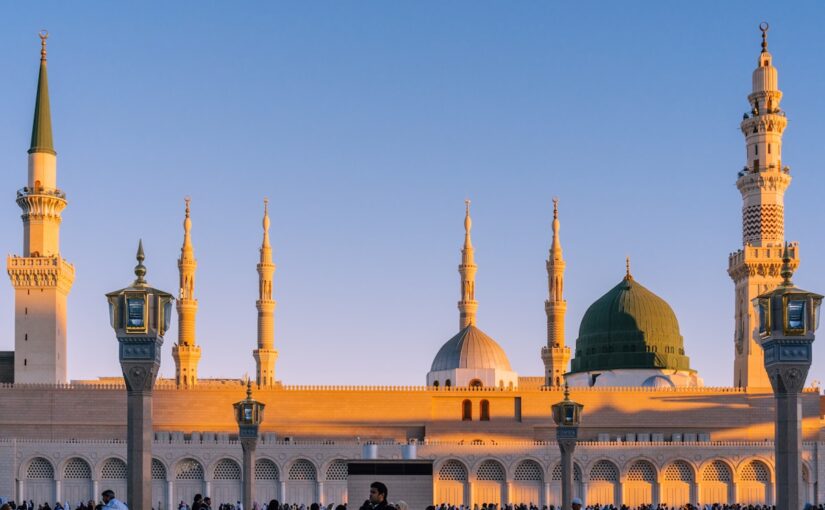
The naat “Maa Ke Bheje Hue” (ماں کے بھیجے ہوئے) is one of the most heart-touching Urdu naats that beautifully expresses the emotions of visiting the blessed city of Madina with the blessings and prayers of one’s mother. This soul-stirring naat reminds us that the dua of a mother is the most powerful currency in the court of the Prophet ﷺ.
Background & Meaning of Maa Ke Bheje Hue
The title “Maa Ke Bheje Hue” translates to “Sent by My Mother”. The naat beautifully captures the sentiment of a believer who travels to Madina not on their own merit, but as someone sent by their mother — carrying her prayers, her love, and her blessings as the only passport needed to enter the blessed court of the Prophet ﷺ.
The lyrics weave together two of the most sacred relationships in a believer’s life: the love for one’s mother and the love for Prophet Muhammad ﷺ. It speaks of how a mother’s dua can open doors that no amount of wealth or status can unlock. Just as our beloved mother raised us with countless sacrifices, her prayers accompany us on every journey — especially the blessed journey to Madina.
This naat resonates deeply with those who have experienced the profound bond of a mother’s unconditional love. It also beautifully echoes the theme of Maa Baap Ki Dua, reminding us that parental prayers are a treasure that every child should seek.
Maa Ke Bheje Hue – Urdu Lyrics (ماں کے بھیجے ہوئے – اردو کلام)
Verse 1
ماں کے بھیجے ہوئے آیا ہوں مدینے میں
کچھ نہ لایا ہوں میں اپنے ہی خزانے میں
Verse 2
میرے ماں باپ کی دعاؤں کا ہے یہ ثمر
آج آیا ہوں یہاں شاہِ مدینہ کے نگر
Verse 3
آپ کی بارگاہ میں عرض ہے یا رسول اللہ
ماں نے بخشا ہے مجھے آپ کا در آقا
Verse 4
مجھ کو کوئی نہیں اپنی کمائی کا بھروسہ
ماں کی دعا ہے میرے پاس یہی ہے سرمایہ
Verse 5
آپ کی آستان پہ جھکا دے سر میرا
ماں کے آنسوؤں نے بخشا ہے یہ مقدر
Verse 6
میرے آقا مجھے اپنی نظر میں رکھنا
ماں کے بھیجے ہوئے کو در سے نہ پھیرنا
Roman Transliteration (Latin Script)
Verse 1
Maa ke bheje hue aaya hoon Madine mein
Kuchh na laaya hoon main apne hi khazane mein
Verse 2
Mere maa baap ki duaon ka ye hai samar
Aaj aaya hoon yahan Shaah-e-Madina ke nagar
Verse 3
Aap ki baargah mein arz hai Ya Rasool Allah
Maa ne bakhsha hai mujhe aap ka dar Aaqa
Verse 4
Mujh ko koi nahi apni kamai ka bharosa
Maa ki dua hai mere paas yahi hai sarmaya
Verse 5
Aap ki aastaan pe jhuka de sar mera
Maa ke aansuon ne bakhsha hai ye muqaddar
Verse 6
Mere Aaqa mujhe apni nazar mein rakhna
Maa ke bheje hue ko dar se na pherna
English Translation
Verse 1
“I have come to Madina, sent by my mother — I have brought nothing from my own treasures.”
This opening verse sets the humble tone of the entire naat. The poet acknowledges that his visit to the blessed city is not due to his own righteousness or wealth, but purely because his mother sent him with her prayers.
Verse 2
“This is the fruit of my parents’ prayers — today I have come here, to the city of the King of Madina.”
The second verse emphasizes that the blessings a person receives are often the direct result of their parents’ duas. This powerful theme is also beautifully captured in Hasbi Rabbi, where complete reliance on divine mercy is expressed.
Verse 3
“I present my plea at Your court, O Messenger of Allah — my mother has blessed me with Your door, O Master.”
The poet humbly presents himself before the Prophet ﷺ, acknowledging that it was his mother’s blessing that opened the door to this sacred visit. A mother’s blessing is the greatest treasure a child can carry.
Verse 4
“I have no confidence in my own earnings — my mother’s dua is my only capital.”
This verse beautifully captures the essence of humility. None of our worldly achievements matter in the court of the beloved Prophet ﷺ. The only thing of value is the sincere prayer of a mother. This sentiment is similar to the heartfelt plea found in Mere Maula, where the singer calls upon their Lord with complete submission and need.
Verse 5
“Let my head bow at Your threshold — my mother’s tears have granted me this destiny.”
The most emotional verse of the naat — the poet recognizes that it was not his own efforts but the sleepless nights and tearful prayers of his mother that earned him the honor of visiting Madina. A mother’s tears are the most powerful force in the universe.
Verse 6
“Keep me in Your gaze, O my Master — do not turn away the one sent by his mother from Your door.”
The concluding verse is a beautiful supplication. The poet asks the Prophet ﷺ to keep him under his blessed gaze and not to reject someone who comes bearing the weight of his mother’s prayers. It’s a reminder that none of us enter the court of the Prophet ﷺ on our own merit — we come only through the blessings of those who loved us first.
The Spiritual Significance
“Maa Ke Bheje Hue” is more than just a naat — it is a powerful reminder of the station of parents in Islam. Allah says in the Qur’an:
“And your Lord has decreed that you not worship except Him, and to parents, good treatment.” (Qur’an 17:23)
The Prophet Muhammad ﷺ himself emphasized the status of a mother. When a companion asked who deserved his best companionship, the Prophet ﷺ replied three times, “Your mother,” and then “Your father” (Sahih al-Bukhari). This naat brings that beautiful teaching to life through poetry and melody.
The theme of this naat serves as a beautiful companion piece to other well-loved naats that express devotion, submission, and love for the Prophet ﷺ. Each recitation reminds us that the path to Madina is paved not by our own deeds but by the prayers of those who love us.
Why This Naat Touches the Heart
There is something universally relatable about this naat. Every person who has felt the warmth of a mother’s love — or who longs for it — finds an immediate connection with these verses. The naat strips away all pretense and reminds us that we are all, in a sense, “maa ke bheje hue” — sent into this world by our mothers, carrying their hopes, their prayers, and their tears.
When we visit the blessed city of Madina or even when we send salutations upon the Prophet ﷺ from afar, we should remember that the greatest intercession we can hope for is not our own piety but the sincere duas of our parents — especially our mothers.
May Allah give us all the ability to honor our parents, seek their prayers, and be worthy of being counted among “Maa Ke Bheje Hue” — those sent with a mother’s blessing to the court of the beloved Prophet ﷺ. Ameen.