

Mere Aaqa Madine Mein Mujhe Bhi Ab Bula Lijiye (میرے آقا مدینے میں مجھے بھی اب بلا لیجیے) — Full Naat Lyrics in Urdu, English Translation and Meaning

One of the most heart-touching and soulful naats ever recited, “Mere Aaqa Madine Mein Mujhe Bhi Ab Bula Lijiye” (میرے آقا مدینے میں مجھے بھی اب بلا لیجیے) is a beloved Urdu naat popularized by the renowned naat reciter Hafiz Ahmed Raza Qadri. This naat is a deeply emotional plea — a lover of the Prophet Muhammad ﷺ begging to be called to Madina, to be blessed with a glimpse of the Rawza Mubarak, and to spend the rest of their days in the blessed city. Every verse is soaked in longing, devotion, and an overwhelming desire to be in the presence of the Beloved ﷺ.

Background and Spiritual Significance

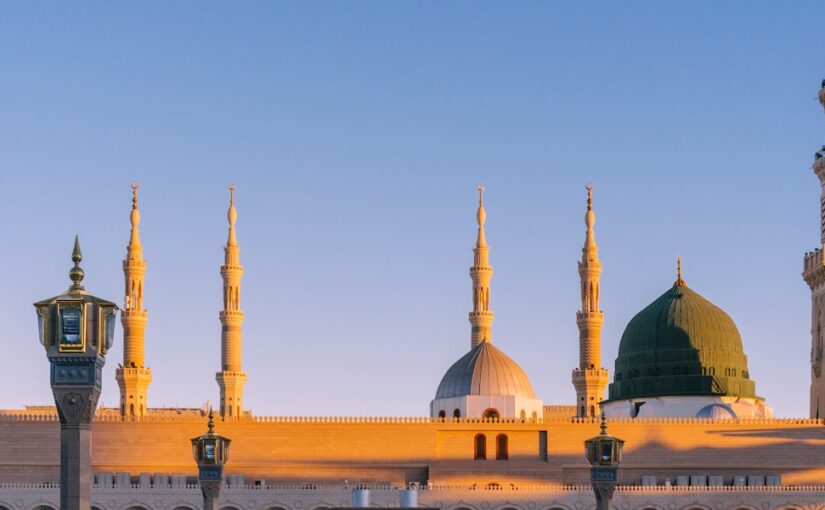
The naat Mere Aaqa Madine Mein captures the essence of Ishq-e-Rasool (love for the Prophet). It reflects the deep yearning that every believer carries in their heart — the desire to visit the holy city of Madina, to stand before the blessed Rawza of the Prophet Muhammad ﷺ, and to be buried in the sacred soil of Jannatul Baqi. The poet speaks not just of a visit but of being permanently settled in Madina, under the shade of the Green Dome (Gumbad-e-Khazra). It is a moving expression of spiritual homelessness in this world and a longing for the ultimate home — the company of the Prophet ﷺ in the Hereafter.

In Islamic spirituality, the love for Madina Munawwara is considered a sign of true faith. The Prophet ﷺ himself said: “Iman is to Madina what a snake is to its hole” (Bukhari). This naat echoes that tradition — it is not merely a poem but a supplication, a continuous plea for divine acceptance and proximity to the Chosen One ﷺ.

The recitation by Hafiz Ahmed Raza Qadri adds layers of emotion and spiritual depth. His gentle yet passionate voice transports the listener into a state of spiritual ecstasy, making this one of the most recited naats in homes, mosques, and religious gatherings across the globe.

Mere Aaqa Madine Mein — Urdu Lyrics (میرے آقا مدینے میں مجھے بھی اب بلا لیجیے)

Below are the complete Urdu lyrics of this beautiful naat in proper Arabic script:

میرے آقا مدینے میں مجھے بھی اب بلا لیجیے
ترستی ہیں مری آنکھیں مجھے روضہ دکھا دیجیے

مہکتی ہیں وہ راہیں جن سے آقا آپ ہیں گزرے
مجھے بھی ان گلی کوچوں میں رہنے کی جگہ دیجیے

لڑی سانسوں کی یہ آقا نہ جانے کب بکھر جائے
بلا لیجیے مدینے اور قدموں میں بسا لیجیے

دکھوں نے گھیر رکھا ہے غموں کی دھوپ ہے سر پر
ٹھکانہ گنبدِ خضریٰ کے سائے میں عطا کیجیے

مواجہ سامنے ہو جس گھڑی یہ دم نکل جائے
بقیۂ پاک ہی آقا میرا مدفن بنا دیجیے

عقیدت سے بنا نعلین جس در سیّدہ (رض) آئی
مجھے بھی سیّد شہدا کی وہ چوکھٹ دکھا دیجیے

کبھی میں جالیوں تھاموں بسا کر پنجتن دل میں
علی (رض) و فاطمہ حسنین (رض) کا صدقہ عطا کیجیے

ستاروں کہکشاؤں سے مدینے کی غبار اچھی
میسر ہو اگر قطبِؐ تو آنکھوں سے لگا لیجیے

میرے آقا مدینے میں مجھے بھی اب بلا لیجیے
ترستی ہیں مری آنکھیں مجھے روضہ دکھا دیجیے

English Translation (Line by Line)

Here is the English translation of each verse, capturing both the literal meaning and the spiritual essence:

Verse 1:
O my Master, please call me to Madina now,
My eyes are restless — show me the Blessed Rawza (shrine).

Verse 2:
The paths You once walked are fragrant with blessings,
Grant me a place to live in those streets and alleys.

Verse 3:
This string of breaths, my Master, may shatter any moment,
Call me to Madina and settle me at Your feet.

Verse 4:
Sorrows surround me, the heat of grief burns my head,
Grant me shelter in the shade of the Green Dome.

Verse 5:
The moment my soul departs while facing Your blessed presence,
O Master, make the pure soil of Baqi my eternal resting place.

Verse 6:
At the doorstep where Sayyida Fatima (RA) placed her blessed slippers with devotion,
Show me that threshold of the Leader of Martyrs (Sayyiduna Hamza RA).

Verse 7:
Let me hold the lattice screens, enshrining the Panjtan in my heart,
Grant me through the blessings of Ali (RA), Fatima (RA), Hasan and Husayn (RA).

Verse 8:
The dust of Madina is better than stars and galaxies,
If I am granted even a speck of it, let me place it upon my eyes.

Themes and Spiritual Reflections

This naat is rich in spiritual themes that resonate deeply with Muslims around the world. Here are some of the key themes explored in the poetry:

  • Longing for Madina: The central theme is the deep, aching desire to visit the city of the Prophet ﷺ. This longing is a hallmark of true love for the Prophet.
  • The Fragility of Life: The poet reflects on how life is like a string of breaths that can break at any moment. This awareness of mortality drives the urgency of the plea.
  • Seeking Intercession: The repeated refrain “Mere Aaqa” (My Master) is a humble plea for the Prophet’s intercession and spiritual closeness.
  • Love for Ahl al-Bayt: References to Ali, Fatima, Hasan, and Husayn (RA) show the deep reverence for the Prophet’s family, which is an integral part of Islamic devotion.
  • Value of Sacred Soil: The line about Madina’s dust being better than stars reflects the profound spiritual value attached to the blessed city and everything connected to the Prophet ﷺ.
  • Yearning for the Hereafter: The request to be buried in Jannatul Baqi shows the hope of being resurrected among the righteous in Madina.

About the Reciter: Hafiz Ahmed Raza Qadri

Hafiz Ahmed Raza Qadri is one of the most celebrated naat reciters of the modern era. Born in Pakistan, he is known for his melodious and emotionally charged recitations that move millions of hearts worldwide. His renditions of naats such as Mere Aaqa Madine Mein, Tajdar-e-Haram, and Mere Dil Mein Hai Yaade Muhammad have become iconic. He belongs to the Qadri spiritual order and his recitations are deeply rooted in the tradition of Ahl al-Sunnat wa al-Jama’at. His voice has the rare ability to convey both the joy of love and the pain of separation from the Beloved ﷺ.

Why This Naat Is So Popular

The popularity of “Mere Aaqa Madine Mein” can be attributed to several factors:

  • Relatable Emotion: Every Muslim who has never visited Madina or who longs to return feels these words in their heart. The naat gives voice to that universal yearning.
  • Simple Yet Profound: The language is simple enough for anyone to understand, yet the meaning is spiritually profound.
  • Melodious Composition: The composition by Hafiz Ahmed Raza Qadri is hauntingly beautiful and easy to memorize.
  • Perfect for Gatherings: It is frequently recited at Milad gatherings, naat nights, and spiritual assemblies (mehfils).

The Virtue of Reciting and Listening to Naat

Reciting or listening to naat (poetry in praise of the Prophet Muhammad ﷺ) is a meritorious act in Islam. The Prophet ﷺ said: “Whoever glorifies Allah, Allah will honor him. Whoever praises the Prophet, the Prophet will intercede for him.” Great Islamic scholars like Imam Busiri (author of Qasida Burda), Allama Iqbal, and Ahmed Raza Khan Barelvi have written extensively in praise of the Prophet ﷺ. The tradition of naat goes back to the companions of the Prophet ﷺ, most notably Hassan ibn Thabit (RA), who was the poet of the Prophet and whose verses were praised by the Prophet himself.

When we recite or listen to naats like “Mere Aaqa Madine Mein,” we are not just enjoying beautiful poetry — we are connecting spiritually with the Prophet ﷺ, renewing our love for him, and strengthening our faith. It is an act of worship when done with sincerity and devotion.

How to Use This Naat in Your Daily Spiritual Practice

  • Morning Dhikr: Recite a few verses after Fajr prayer to start your day with love for the Prophet ﷺ.
  • Before Travel: Recite this naat before embarking on a journey, especially if you are planning to visit Madina.
  • Family Gatherings: Share the lyrics and translation with family to spread the blessings.
  • Memorization: The simple rhyme scheme makes it easy to memorize. Try learning one verse each day.
  • Sending Salawat: After reciting the naat, send salawat (durood) upon the Prophet ﷺ to multiply the blessings.

May Allah ﷻ grant us all the opportunity to visit the blessed city of Madina Munawwara, to witness the blessed Rawza of the Prophet Muhammad ﷺ, and to die in the state of Iman. Ameen.

Read more Urdu Naat lyrics with English translation on Naatlines.com.
Jo Bhi Madine Jaata Hai – Full Naat Lyrics in Urdu, English Translation and Meaning

“Jo Bhi Madine Jaata Hai” is one of the most beloved Urdu naats that expresses the deep yearning of a believer to visit the holy city of Madina and pay respects at the blessed shrine of Prophet Muhammad ﷺ. The naat beautifully captures the sentiment that whoever goes to Madina returns transformed, their heart forever attached to the Prophet’s city. The lyrics speak of the unique blessings and spiritual peace that await those who make the journey to this sacred land.

About the Naat “Jo Bhi Madine Jaata Hai”

This naat is widely recited across the Urdu-speaking world, especially in South Asia. Its theme revolves around the profound spiritual connection between a believer and Madina Munawwarah. The lyrics describe how Madina is not just a city but a place where the heart finds its true home. The naat reminds listeners that the Prophet’s ﷺ city is a source of endless blessings, and those who visit it experience a transformation that words cannot fully capture.

The poet uses simple yet powerful imagery: the green dome, the radiant city, the peaceful streets of Madina. Each verse builds on the central idea that visiting Madina is a privilege that changes a person forever. The naat resonates deeply with Muslims who long to visit Madina but may not have had the opportunity, as well as those who have been blessed to go and want to relive the experience through these beautiful verses.

Jo Bhi Madine Jaata Hai – Urdu Lyrics

جو بھی مدینے جاتا ہے
وہ اور بن کے آتا ہے

مدینے والے مصطفیٰ ﷺ
جنہیں خدا نے چن لیا

جنہیں ملے مدینہ کا
نصیبہ وہ بھی کیا پائیں

تمنا دل کی پوری ہو
مدینے جانے کا شوق ہو

جو بھی مدینے جاتا ہے
وہ اور بن کے آتا ہے

نبی کے شہر کی گلیاں
ہیں نور سے بھری ہوئی

ہر ایک ذرہ چمک رہا
ہے عشق مصطفیٰ سے

جو بھی مدینے جاتا ہے
وہ اور بن کے آتا ہے

سبز گنبد پے جو نظر پڑے
تو دل کو سکون ملے

روضہ پاک پے جو ہاتھ رکھے
ہر غم دور ہو جائے

جو بھی مدینے جاتا ہے
وہ اور بن کے آتا ہے

Jo Bhi Madine Jaata Hai – English Translation

Verse 1:
Whoever goes to Madina
Returns changed, transformed entirely

Verse 2:
The beloved of Madina, Mustafa ﷺ
The one chosen by Allah Himself

Verse 3:
Those who are blessed with Madina
What fortune do they not receive

Verse 4:
May the heart’s wish be fulfilled
The longing to go to Madina

Chorus:
Whoever goes to Madina
Returns changed, transformed entirely

Verse 5:
The streets of the Prophet’s city
Are filled with divine light

Verse 6:
Every particle shines brightly
With the love of Mustafa

Verse 7:
Whoever goes to Madina
Returns changed, transformed entirely

Verse 8:
When the eye falls upon the green dome
Peace descends upon the heart

Verse 9:
Whoever places a hand on the sacred shrine
Every sorrow disappears

Verse 10:
Whoever goes to Madina
Returns changed, transformed entirely

Meaning and Significance

The central message of “Jo Bhi Madine Jaata Hai” is the transformative spiritual power of visiting Madina Munawwarah. The naat conveys that Madina is not merely a geographical location but a place of profound spiritual significance where the mercy of Allah and the love of His Prophet ﷺ are felt most intensely.

The recurring refrain – that whoever goes to Madina returns as a different person – speaks to the deeply personal spiritual renewal that pilgrims experience. This transformation is not about changing one’s outward appearance but about an inner shift: a heart that was restless finds peace, a soul that was burdened finds relief, and a spirit that was distracted finds focus in the love of the Prophet ﷺ.

The verses highlight specific aspects of Madina: the illuminated streets symbolizing spiritual guidance, the green dome (Sabz Gumbad) representing the resting place of the Prophet ﷺ, and the sacred rawdah where prayers are answered. Each element of the naat serves to deepen the listener’s connection with the Prophet’s ﷺ city and inspire the longing to visit it.

Why This Naat Is So Beloved

Several factors contribute to the enduring popularity of this naat:

  • Universal longing: Every Muslim who loves the Prophet ﷺ carries a deep desire to visit Madina. This naat gives voice to that universal sentiment.
  • Simple yet profound lyrics: The words are easy to remember but carry deep spiritual meaning, making them accessible to people of all ages.
  • Emotional melody: When recited with the traditional tune, the naat evokes powerful emotions of love, longing, and devotion.
  • Transformational theme: The idea that visiting Madina changes a person resonates with everyone who seeks spiritual growth.
  • Connection to the Prophet ﷺ: The naat strengthens the bond between the believer and the Prophet Muhammad ﷺ, which is at the heart of Islamic faith.

Frequently Asked Questions

Who wrote “Jo Bhi Madine Jaata Hai”?

This naat has been recited by various naat khwans over the years. It is a traditional Urdu naat that has been passed down and performed by many artists, with each adding their own unique style to the recitation.

What is the meaning of “Jo Bhi Madine Jaata Hai”?

The title translates to “Whoever Goes to Madina.” The naat is about the spiritual transformation that occurs when a person visits the blessed city of the Prophet Muhammad ﷺ.

Is there a video available for this naat?

Yes, many naat khwans and Islamic channels have recorded versions of this naat available on platforms like YouTube. You can find beautiful recitations with various visual styles, including scenes from Madina Munawwarah and the Prophet’s ﷺ mosque.

Conclusion

“Jo Bhi Madine Jaata Hai” is a timeless naat that continues to touch hearts and inspire love for the Prophet Muhammad ﷺ and his blessed city. Its simple yet powerful message reminds us that Madina is not just a destination but a spiritual journey that transforms everyone who undertakes it with sincere faith and love. May Allah grant us all the opportunity to visit Madina Munawwarah and experience the peace and blessings that await there. Ameen.

Maa Baap Ki Dua (ماں باپ کی دعا) – Full Naat Lyrics in Urdu, Roman Translation and Meaning

Maa Baap Ki Dua (ماں باپ کی دعا) is a beautiful and heartfelt naat that speaks about the power of a mother and father’s prayer. In Islam, the dua (supplication) of parents for their children holds a special status — it is among the prayers that are never rejected. This naat beautifully captures the love, sacrifice, and spiritual significance of parental blessings. Below you will find the full Urdu lyrics, Roman/transliteration, English translation, and a deeper look into the meaning of this touching kalam.

The Significance of Maa Baap Ki Dua in Islam

In Islamic teachings, the dua of parents for their children is among the most powerful and accepted forms of supplication. The Prophet Muhammad (peace be upon him) said: “Three prayers are certainly answered: the prayer of the oppressed, the prayer of the traveler, and the prayer of a parent for their child.” (Sunan Ibn Majah, Hadith 3862).

This naat, Maa Baap Ki Dua, serves as a beautiful reminder of this profound blessing. It encourages children to seek the prayers of their parents and reminds parents of the power their duas carry. Whether it is a mother praying for her child’s success, guidance, and protection, or a father supplicating for his children’s well-being — these prayers become a shield and a source of countless blessings.

The relationship between parents and children in Islam is deeply sacred. The Quran commands: “And your Lord has decreed that you worship none but Him, and that you be dutiful to your parents” (Surah Al-Isra, 17:23). This naat echoes that divine instruction, highlighting how the love and prayers of parents are among the greatest treasures a child can possess.

Maa Baap Ki Dua Naat Lyrics in Urdu (ماں باپ کی دعا نعت کے بول)

Here are the complete Urdu lyrics (نعت کے بول) of Maa Baap Ki Dua in Nastaliq script:

ماں باپ کی دعا ہوتی ہے قبول
ہر لمحہ ان کا دل کرتا ہے تول

رب کریم ان کی ہر دعا سنتا ہے
مانگے جو بھی وہ دے کر چھوڑتا ہے

ماں کی دعا کبھی خالی نہیں جاتی
باپ کی دعا بھی رتبہ پاتی

اللہ ان کے قدموں میں جنت رکھے
دنیا و عقبیٰ میں عزت رکھے

کاش ہم بھی ان کے دل میں جگہ پائیں
دعاؤں میں ان کی ہمیں یاد رکھیں

ماں کی دعا میرے سر کا سایہ
باپ کا سایہ میرے دل کا مایہ

دونوں جہاں کی خوشیاں ان کے قدموں میں
ان کی دعاؤں کی برکت ہو ہر گھر میں

Maa Baap Ki Dua Roman/Transliteration Lyrics

For those who cannot read Urdu script, here is the Roman transliteration of the naat:

Maa baap ki dua hoti hai qabool
Har lamha unka dil karta hai tol

Rab-e-Kareem unki har dua sunta hai
Maange jo bhi woh de kar chhorta hai

Maa ki dua kabhi khaali nahi jaati
Baap ki dua bhi rutba paati

Allah unke qadmo mein jannat rakhe
Duniya wa uqba mein izzat rakhe

Kaash hum bhi unke dil mein jagah paayein
Duaon mein unki hamein yaad rakhein

Maa ki dua mere sar ka saaya
Baap ka saaya mere dil ka maaya

Dono jahan ki khushiyan unke qadmo mein
Unki duaon ki barkat ho har ghar mein

Maa Baap Ki Dua English Translation

The English translation of this beautiful naat carries a deep and emotional message:

The prayer of a mother and father is always accepted
Every moment their heart watches over us

The Gracious Lord listens to every prayer of theirs
Whatever they ask for, He bestows upon them

A mother's prayer never returns empty
A father's prayer too attains its rank

May Allah place Paradise beneath their feet
May He grant them honour in this world and the next

If only we could find a place in their hearts
May they remember us in their prayers

A mother's prayer is the shade over my head
A father's protection is the treasure of my heart

The joys of both worlds lie at their feet
May the blessings of their prayers fill every home

The Deep Meaning Behind Maa Baap Ki Dua

This naat is a heartfelt tribute to the unconditional love and spiritual power of parents. Every verse reflects the intimate bond between a child and their parents, and the immense value of their supplications in the sight of Allah Almighty.

1. The Acceptance of Parental Prayers

The opening lines — “Maa baap ki dua hoti hai qabool” — immediately establish the central theme: the dua of parents is always answered. This is not just poetic expression but is rooted in authentic Islamic teachings. The Prophet (PBUH) explicitly stated that a parent’s prayer for their child is among the three duas that are never rejected. This gives parents an immense responsibility and children a powerful reason to seek their parents’ blessings.

2. The Watchful Heart of Parents

“Har lamha unka dil karta hai tol” beautifully describes how a parent’s heart constantly measures, weighs, and worries about their child’s well-being. From the moment a child is born, a parent’s heart never rests — always concerned, always caring, always praying. This line resonates with anyone who has experienced a parent’s unconditional love.

3. Mother and Father — Equal in Dignity

The naat honours both mother and father equally. While the mother’s prayer is described as never returning empty, the father’s prayer is said to attain its proper rank. Islam gives both parents immense status, though the mother is given special mention in multiple hadith (the famous saying of the Prophet: “Your mother, your mother, your mother, then your father”). This naat beautifully balances this teaching.

4. Paradise Beneath Their Feet

The line “Allah unke qadmo mein jannat rakhe” echoes the famous hadith: “Paradise lies at the feet of the mother” (Sunan an-Nasai). This verse expresses a dua for parents — that Allah grants them Paradise — while also reminding children that serving parents is the path to Jannah.

5. Seeking a Place in Their Hearts

The plea “Kaash hum bhi unke dil mein jagah paayein” expresses a beautiful humility — the child’s earnest desire to be remembered in their parents’ prayers. It reflects the deep understanding that a parent’s dua is a treasure more valuable than any worldly wealth.

The Power of a Mother’s Dua

In Islamic tradition, the mother holds an especially elevated position. The Quran describes the mother’s sacrifice during pregnancy and nursing with profound reverence. The dua of a mother is described as being particularly powerful because it comes from a heart filled with selfless love — love that expects nothing in return except the well-being of the child.

Many Islamic scholars have highlighted stories from the lives of the prophets and pious predecessors where the prayers of mothers changed destinies. The Prophet Musa (AS) was saved by his mother’s trust in Allah. The Prophet Isa (AS) was blessed through his mother Maryam’s devotion. And countless ordinary believers have witnessed miracles unfold through the duas of their mothers.

The Authority of a Father’s Supplication

A father’s dua carries its own unique weight. As the head of the household, a father’s supplication for his children’s guidance, strength, and character is a powerful force. The Prophet Ibrahim (AS) is the ultimate example — his duas for his children and descendants are recorded in the Quran and continue to bring blessings to this day. The naat honours this equal yet distinct status of the father’s prayer.

Lessons from Maa Baap Ki Dua Naat

  • Seek your parents’ blessings: Before any major decision in life, ask your parents to pray for you. Their dua can open doors that seem impossible.
  • Be dutiful to your parents: This naat reminds us that serving parents is not just a moral duty but a spiritual investment. The Prophet (PBUH) said: “A person is not from us who does not show mercy to our young and respect to our elders.”
  • Never give up on your parents’ prayers: Even when life feels difficult, remember that your mother and father are praying for you. Their duas are a constant source of divine support.
  • Pray for your parents: Just as they pray for you, you should also make dua for them — especially after they have passed away. The Prophet (PBUH) said: “When a person dies, all their deeds come to an end except three: ongoing charity, beneficial knowledge, and a righteous child who prays for them.” (Sahih Muslim)
  • Respect both parents equally: The naat beautifully honours both mother and father. While the mother’s love is often celebrated more, the father’s quiet sacrifices are equally precious in the sight of Allah.

The Blessings of Parental Prayer in Daily Life

Muslims around the world have experienced countless blessings through the prayers of their parents. Whether it is success in exams, finding a righteous spouse, overcoming illness, or achieving career goals — the duas of parents have been the unseen force behind many life victories. This naat encourages us to never take those prayers for granted.

In our busy modern lives, it is easy to forget the quiet power of a mother’s nightly prayer or a father’s silent supplication. Maa Baap Ki Dua brings us back to this essential truth: the most powerful force in the universe is activated by the sincere prayer of a parent.

Related Naats About Parents

If you enjoyed this naat, you may also appreciate other Islamic naats and kalam that celebrate the love of parents:

  • Maa Ke Qadmo Mein Jannat – The famous hadith about mothers
  • Hasbi Rabbi – A powerful supplication in verse
  • Suna Hai – A beloved naat about the Prophet (PBUH)
  • Dono Jahan Ki – A classic naat about seeking Allah’s mercy

Final Words

Maa Baap Ki Dua (ماں باپ کی دعا) is more than just a naat — it is a spiritual reminder of the most precious relationship in our lives. The lyrics carry a timeless message that resonates with every child and every parent. Whether you listen to it for spiritual elevation, emotional comfort, or simply to reflect on the beauty of parental love, this kalam will surely touch your heart.

May Allah Almighty bless all parents with health, happiness, and Jannatul Firdaus. And may He make us among those children who honour their parents, seek their pleasure, and are remembered in their prayers — in this life and the next. Ameen.

If you found this post meaningful, please share it with others. Let the beautiful message of Maa Baap Ki Dua spread far and wide, reminding everyone of the incredible power of a parent’s love and prayer.

Madina Jaane Ko Dil Karta Hai (مدینہ جانے کو دل کرتا ہے) — Full Naat Lyrics in Urdu, English Translation and Meaning

Introduction

“Madina Jaane Ko Dil Karta Hai” is a deeply emotional naat that expresses the burning desire of a believer to visit the blessed city of Madina Munawwarah. The poet beautifully captures the longing to see the Roza of Prophet Muhammad (peace be upon him) and to walk the streets where the beloved Prophet once walked.

This naat is popular in the Urdu-speaking world and is often recited at Mehfil-e-Naat gatherings, especially before the Hajj and Umrah season when many believers plan their journey to Saudi Arabia.

The lyrics speak of a heart that is restless, a soul that craves the peace of Madina, and eyes that long to see the green dome of Masjid-e-Nabawi. It is a naat that resonates with anyone who has visited Madina or dreams of visiting one day.

Madina Jaane Ko Dil Karta Hai — Full Naat Lyrics in Urdu

مدینہ جانے کو دل کرتا ہے

نبی کے در پہ جانا ہے
شفاعت کا بہانہ ہے
مدینہ جانے کو دل کرتا ہے

وہاں کے گلیوں میں جانا ہے
گلستاں میں نہانا ہے
مدینہ جانے کو دل کرتا ہے

وہاں گنبد ہے سبز رنگ
جہاں رحمت ہے بے سنگ
مدینہ جانے کو دل کرتا ہے

وہاں روتے ہیں گناہگار
بہتی ہے آنکھوں سے دھار
مدینہ جانے کو دل کرتا ہے

وہاں بخشش کا سامان ہے
ہر دکھ کا وہاں علاج ہے
مدینہ جانے کو دل کرتا ہے

وہاں آقا کا روضہ ہے
جہاں سارا ہے جلوہ ہے
مدینہ جانے کو دل کرتا ہے

Madina Jaane Ko Dil Karta Hai — English Transliteration

Madina jaane ko dil karta hai

Nabi ke dar pe jaana hai
Shafa’at ka bahaana hai
Madina jaane ko dil karta hai

Wahan ki galiyon mein jaana hai
Gulistaan mein nahaana hai
Madina jaane ko dil karta hai

Wahan gumbad hai sabz rang
Jahan rehmat hai be-sang
Madina jaane ko dil karta hai

Wahan rote hain gunaahgaar
Behti hai aankhon se dhaar
Madina jaane ko dil karta hai

Wahan bakhshish ka saamaan hai
Har dukh ka wahan ilaaj hai
Madina jaane ko dil karta hai

Wahan Aaqa ka roza hai
Jahan saara hai jalwa hai
Madina jaane ko dil karta hai

English Translation

Verse 1:
My heart yearns to go to Madina

Verse 2:
I must go to the doorstep of the Prophet
It is an excuse to seek intercession
My heart yearns to go to Madina

Verse 3:
I must walk through its streets
I must bathe in its garden-like atmosphere
My heart yearns to go to Madina

Verse 4:
There is a green dome there
Where blessings are limitless
My heart yearns to go to Madina

Verse 5:
There the sinners weep
Streams flow from their eyes
My heart yearns to go to Madina

Verse 6:
There is provision for forgiveness there
Every sorrow has a cure there
My heart yearns to go to Madina

Verse 7:
There is the resting place of our Master
Where all splendour resides
My heart yearns to go to Madina

Meaning and Background

This naat captures the deep spiritual longing that every Muslim feels for Madina Munawwarah, the city of the Prophet Muhammad (peace be upon him). The repeated refrain “Madina jaane ko dil karta hai” (My heart yearns to go to Madina) reflects an emotional and spiritual pull that transcends time and distance.

The poet describes the deep desire to visit the Prophet’s mosque, to stand at his blessed grave, and to seek intercession (shafa’at). The green dome (gumbad-e-sabz) of Masjid-e-Nabawi is mentioned as a symbol of divine mercy and blessing.

There is a beautiful contrast in the poem: the sinners weeping in repentance and the boundless mercy they hope to receive. This reflects the Islamic teaching that the Prophet’s city is a place of spiritual healing and forgiveness.

If you enjoyed this naat, you might also like other beautiful naats such as Meri Zindagi Hai Madina, Mere Dil Mein Hai Madina, or Keh Do Madine Jaana Hai.

May Allah grant us all the opportunity to visit the blessed city of Madina and the sacred mosque of the Prophet, Ameen.