
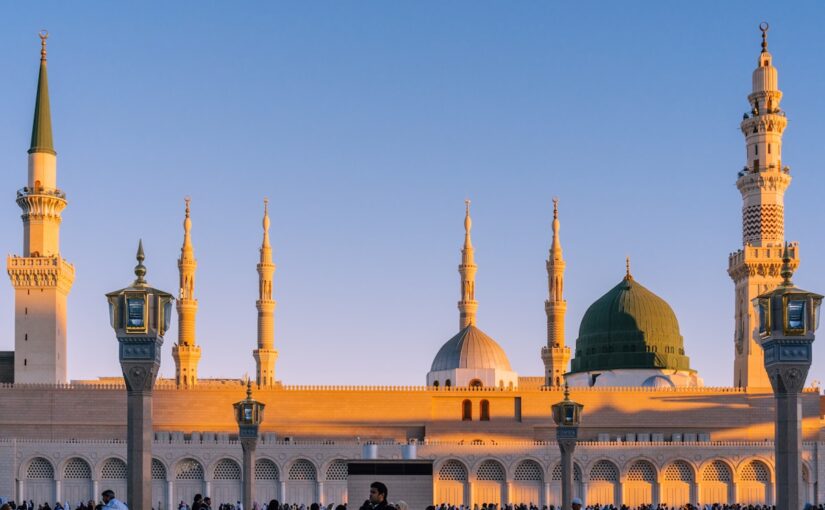
Maa Ke Bheje Hue (ماں کے بھیجے ہوئے) – Lyrics, Translation & Meaning

The naat “Maa Ke Bheje Hue” (ماں کے بھیجے ہوئے) is one of the most heart-touching Urdu naats that beautifully expresses the emotions of visiting the blessed city of Madina with the blessings and prayers of one’s mother. This soul-stirring naat reminds us that the dua of a mother is the most powerful currency in the court of the Prophet ﷺ.

Background & Meaning of Maa Ke Bheje Hue

The title “Maa Ke Bheje Hue” translates to “Sent by My Mother”. The naat beautifully captures the sentiment of a believer who travels to Madina not on their own merit, but as someone sent by their mother — carrying her prayers, her love, and her blessings as the only passport needed to enter the blessed court of the Prophet ﷺ.

The lyrics weave together two of the most sacred relationships in a believer’s life: the love for one’s mother and the love for Prophet Muhammad ﷺ. It speaks of how a mother’s dua can open doors that no amount of wealth or status can unlock. Just as our beloved mother raised us with countless sacrifices, her prayers accompany us on every journey — especially the blessed journey to Madina.

This naat resonates deeply with those who have experienced the profound bond of a mother’s unconditional love. It also beautifully echoes the theme of Maa Baap Ki Dua, reminding us that parental prayers are a treasure that every child should seek.

Maa Ke Bheje Hue – Urdu Lyrics (ماں کے بھیجے ہوئے – اردو کلام)

Verse 1

ماں کے بھیجے ہوئے آیا ہوں مدینے میں
کچھ نہ لایا ہوں میں اپنے ہی خزانے میں

Verse 2

میرے ماں باپ کی دعاؤں کا ہے یہ ثمر
آج آیا ہوں یہاں شاہِ مدینہ کے نگر

Verse 3

آپ کی بارگاہ میں عرض ہے یا رسول اللہ
ماں نے بخشا ہے مجھے آپ کا در آقا

Verse 4

مجھ کو کوئی نہیں اپنی کمائی کا بھروسہ
ماں کی دعا ہے میرے پاس یہی ہے سرمایہ

Verse 5

آپ کی آستان پہ جھکا دے سر میرا
ماں کے آنسوؤں نے بخشا ہے یہ مقدر

Verse 6

میرے آقا مجھے اپنی نظر میں رکھنا
ماں کے بھیجے ہوئے کو در سے نہ پھیرنا

Roman Transliteration (Latin Script)

Verse 1
Maa ke bheje hue aaya hoon Madine mein
Kuchh na laaya hoon main apne hi khazane mein

Verse 2
Mere maa baap ki duaon ka ye hai samar
Aaj aaya hoon yahan Shaah-e-Madina ke nagar

Verse 3
Aap ki baargah mein arz hai Ya Rasool Allah
Maa ne bakhsha hai mujhe aap ka dar Aaqa

Verse 4
Mujh ko koi nahi apni kamai ka bharosa
Maa ki dua hai mere paas yahi hai sarmaya

Verse 5
Aap ki aastaan pe jhuka de sar mera
Maa ke aansuon ne bakhsha hai ye muqaddar

Verse 6
Mere Aaqa mujhe apni nazar mein rakhna
Maa ke bheje hue ko dar se na pherna

English Translation

Verse 1
“I have come to Madina, sent by my mother — I have brought nothing from my own treasures.”

This opening verse sets the humble tone of the entire naat. The poet acknowledges that his visit to the blessed city is not due to his own righteousness or wealth, but purely because his mother sent him with her prayers.

Verse 2
“This is the fruit of my parents’ prayers — today I have come here, to the city of the King of Madina.”

The second verse emphasizes that the blessings a person receives are often the direct result of their parents’ duas. This powerful theme is also beautifully captured in Hasbi Rabbi, where complete reliance on divine mercy is expressed.

Verse 3
“I present my plea at Your court, O Messenger of Allah — my mother has blessed me with Your door, O Master.”

The poet humbly presents himself before the Prophet ﷺ, acknowledging that it was his mother’s blessing that opened the door to this sacred visit. A mother’s blessing is the greatest treasure a child can carry.

Verse 4
“I have no confidence in my own earnings — my mother’s dua is my only capital.”

This verse beautifully captures the essence of humility. None of our worldly achievements matter in the court of the beloved Prophet ﷺ. The only thing of value is the sincere prayer of a mother. This sentiment is similar to the heartfelt plea found in Mere Maula, where the singer calls upon their Lord with complete submission and need.

Verse 5
“Let my head bow at Your threshold — my mother’s tears have granted me this destiny.”

The most emotional verse of the naat — the poet recognizes that it was not his own efforts but the sleepless nights and tearful prayers of his mother that earned him the honor of visiting Madina. A mother’s tears are the most powerful force in the universe.

Verse 6
“Keep me in Your gaze, O my Master — do not turn away the one sent by his mother from Your door.”

The concluding verse is a beautiful supplication. The poet asks the Prophet ﷺ to keep him under his blessed gaze and not to reject someone who comes bearing the weight of his mother’s prayers. It’s a reminder that none of us enter the court of the Prophet ﷺ on our own merit — we come only through the blessings of those who loved us first.

The Spiritual Significance

“Maa Ke Bheje Hue” is more than just a naat — it is a powerful reminder of the station of parents in Islam. Allah says in the Qur’an:

“And your Lord has decreed that you not worship except Him, and to parents, good treatment.” (Qur’an 17:23)

The Prophet Muhammad ﷺ himself emphasized the status of a mother. When a companion asked who deserved his best companionship, the Prophet ﷺ replied three times, “Your mother,” and then “Your father” (Sahih al-Bukhari). This naat brings that beautiful teaching to life through poetry and melody.

The theme of this naat serves as a beautiful companion piece to other well-loved naats that express devotion, submission, and love for the Prophet ﷺ. Each recitation reminds us that the path to Madina is paved not by our own deeds but by the prayers of those who love us.

Why This Naat Touches the Heart

There is something universally relatable about this naat. Every person who has felt the warmth of a mother’s love — or who longs for it — finds an immediate connection with these verses. The naat strips away all pretense and reminds us that we are all, in a sense, “maa ke bheje hue” — sent into this world by our mothers, carrying their hopes, their prayers, and their tears.

When we visit the blessed city of Madina or even when we send salutations upon the Prophet ﷺ from afar, we should remember that the greatest intercession we can hope for is not our own piety but the sincere duas of our parents — especially our mothers.

May Allah give us all the ability to honor our parents, seek their prayers, and be worthy of being counted among “Maa Ke Bheje Hue” — those sent with a mother’s blessing to the court of the beloved Prophet ﷺ. Ameen.


Related Naats You May Like

Maa Baap Ki Dua (ماں باپ کی دعا) – Full Naat Lyrics in Urdu, Roman Translation and Meaning

Maa Baap Ki Dua (ماں باپ کی دعا) is a beautiful and heartfelt naat that speaks about the power of a mother and father’s prayer. In Islam, the dua (supplication) of parents for their children holds a special status — it is among the prayers that are never rejected. This naat beautifully captures the love, sacrifice, and spiritual significance of parental blessings. Below you will find the full Urdu lyrics, Roman/transliteration, English translation, and a deeper look into the meaning of this touching kalam.

The Significance of Maa Baap Ki Dua in Islam

In Islamic teachings, the dua of parents for their children is among the most powerful and accepted forms of supplication. The Prophet Muhammad (peace be upon him) said: “Three prayers are certainly answered: the prayer of the oppressed, the prayer of the traveler, and the prayer of a parent for their child.” (Sunan Ibn Majah, Hadith 3862).

This naat, Maa Baap Ki Dua, serves as a beautiful reminder of this profound blessing. It encourages children to seek the prayers of their parents and reminds parents of the power their duas carry. Whether it is a mother praying for her child’s success, guidance, and protection, or a father supplicating for his children’s well-being — these prayers become a shield and a source of countless blessings.

The relationship between parents and children in Islam is deeply sacred. The Quran commands: “And your Lord has decreed that you worship none but Him, and that you be dutiful to your parents” (Surah Al-Isra, 17:23). This naat echoes that divine instruction, highlighting how the love and prayers of parents are among the greatest treasures a child can possess.

Maa Baap Ki Dua Naat Lyrics in Urdu (ماں باپ کی دعا نعت کے بول)

Here are the complete Urdu lyrics (نعت کے بول) of Maa Baap Ki Dua in Nastaliq script:

ماں باپ کی دعا ہوتی ہے قبول
ہر لمحہ ان کا دل کرتا ہے تول

رب کریم ان کی ہر دعا سنتا ہے
مانگے جو بھی وہ دے کر چھوڑتا ہے

ماں کی دعا کبھی خالی نہیں جاتی
باپ کی دعا بھی رتبہ پاتی

اللہ ان کے قدموں میں جنت رکھے
دنیا و عقبیٰ میں عزت رکھے

کاش ہم بھی ان کے دل میں جگہ پائیں
دعاؤں میں ان کی ہمیں یاد رکھیں

ماں کی دعا میرے سر کا سایہ
باپ کا سایہ میرے دل کا مایہ

دونوں جہاں کی خوشیاں ان کے قدموں میں
ان کی دعاؤں کی برکت ہو ہر گھر میں

Maa Baap Ki Dua Roman/Transliteration Lyrics

For those who cannot read Urdu script, here is the Roman transliteration of the naat:

Maa baap ki dua hoti hai qabool
Har lamha unka dil karta hai tol

Rab-e-Kareem unki har dua sunta hai
Maange jo bhi woh de kar chhorta hai

Maa ki dua kabhi khaali nahi jaati
Baap ki dua bhi rutba paati

Allah unke qadmo mein jannat rakhe
Duniya wa uqba mein izzat rakhe

Kaash hum bhi unke dil mein jagah paayein
Duaon mein unki hamein yaad rakhein

Maa ki dua mere sar ka saaya
Baap ka saaya mere dil ka maaya

Dono jahan ki khushiyan unke qadmo mein
Unki duaon ki barkat ho har ghar mein

Maa Baap Ki Dua English Translation

The English translation of this beautiful naat carries a deep and emotional message:

The prayer of a mother and father is always accepted
Every moment their heart watches over us

The Gracious Lord listens to every prayer of theirs
Whatever they ask for, He bestows upon them

A mother's prayer never returns empty
A father's prayer too attains its rank

May Allah place Paradise beneath their feet
May He grant them honour in this world and the next

If only we could find a place in their hearts
May they remember us in their prayers

A mother's prayer is the shade over my head
A father's protection is the treasure of my heart

The joys of both worlds lie at their feet
May the blessings of their prayers fill every home

The Deep Meaning Behind Maa Baap Ki Dua

This naat is a heartfelt tribute to the unconditional love and spiritual power of parents. Every verse reflects the intimate bond between a child and their parents, and the immense value of their supplications in the sight of Allah Almighty.

1. The Acceptance of Parental Prayers

The opening lines — “Maa baap ki dua hoti hai qabool” — immediately establish the central theme: the dua of parents is always answered. This is not just poetic expression but is rooted in authentic Islamic teachings. The Prophet (PBUH) explicitly stated that a parent’s prayer for their child is among the three duas that are never rejected. This gives parents an immense responsibility and children a powerful reason to seek their parents’ blessings.

2. The Watchful Heart of Parents

“Har lamha unka dil karta hai tol” beautifully describes how a parent’s heart constantly measures, weighs, and worries about their child’s well-being. From the moment a child is born, a parent’s heart never rests — always concerned, always caring, always praying. This line resonates with anyone who has experienced a parent’s unconditional love.

3. Mother and Father — Equal in Dignity

The naat honours both mother and father equally. While the mother’s prayer is described as never returning empty, the father’s prayer is said to attain its proper rank. Islam gives both parents immense status, though the mother is given special mention in multiple hadith (the famous saying of the Prophet: “Your mother, your mother, your mother, then your father”). This naat beautifully balances this teaching.

4. Paradise Beneath Their Feet

The line “Allah unke qadmo mein jannat rakhe” echoes the famous hadith: “Paradise lies at the feet of the mother” (Sunan an-Nasai). This verse expresses a dua for parents — that Allah grants them Paradise — while also reminding children that serving parents is the path to Jannah.

5. Seeking a Place in Their Hearts

The plea “Kaash hum bhi unke dil mein jagah paayein” expresses a beautiful humility — the child’s earnest desire to be remembered in their parents’ prayers. It reflects the deep understanding that a parent’s dua is a treasure more valuable than any worldly wealth.

The Power of a Mother’s Dua

In Islamic tradition, the mother holds an especially elevated position. The Quran describes the mother’s sacrifice during pregnancy and nursing with profound reverence. The dua of a mother is described as being particularly powerful because it comes from a heart filled with selfless love — love that expects nothing in return except the well-being of the child.

Many Islamic scholars have highlighted stories from the lives of the prophets and pious predecessors where the prayers of mothers changed destinies. The Prophet Musa (AS) was saved by his mother’s trust in Allah. The Prophet Isa (AS) was blessed through his mother Maryam’s devotion. And countless ordinary believers have witnessed miracles unfold through the duas of their mothers.

The Authority of a Father’s Supplication

A father’s dua carries its own unique weight. As the head of the household, a father’s supplication for his children’s guidance, strength, and character is a powerful force. The Prophet Ibrahim (AS) is the ultimate example — his duas for his children and descendants are recorded in the Quran and continue to bring blessings to this day. The naat honours this equal yet distinct status of the father’s prayer.

Lessons from Maa Baap Ki Dua Naat

  • Seek your parents’ blessings: Before any major decision in life, ask your parents to pray for you. Their dua can open doors that seem impossible.
  • Be dutiful to your parents: This naat reminds us that serving parents is not just a moral duty but a spiritual investment. The Prophet (PBUH) said: “A person is not from us who does not show mercy to our young and respect to our elders.”
  • Never give up on your parents’ prayers: Even when life feels difficult, remember that your mother and father are praying for you. Their duas are a constant source of divine support.
  • Pray for your parents: Just as they pray for you, you should also make dua for them — especially after they have passed away. The Prophet (PBUH) said: “When a person dies, all their deeds come to an end except three: ongoing charity, beneficial knowledge, and a righteous child who prays for them.” (Sahih Muslim)
  • Respect both parents equally: The naat beautifully honours both mother and father. While the mother’s love is often celebrated more, the father’s quiet sacrifices are equally precious in the sight of Allah.

The Blessings of Parental Prayer in Daily Life

Muslims around the world have experienced countless blessings through the prayers of their parents. Whether it is success in exams, finding a righteous spouse, overcoming illness, or achieving career goals — the duas of parents have been the unseen force behind many life victories. This naat encourages us to never take those prayers for granted.

In our busy modern lives, it is easy to forget the quiet power of a mother’s nightly prayer or a father’s silent supplication. Maa Baap Ki Dua brings us back to this essential truth: the most powerful force in the universe is activated by the sincere prayer of a parent.

Related Naats About Parents

If you enjoyed this naat, you may also appreciate other Islamic naats and kalam that celebrate the love of parents:

  • Maa Ke Qadmo Mein Jannat – The famous hadith about mothers
  • Hasbi Rabbi – A powerful supplication in verse
  • Suna Hai – A beloved naat about the Prophet (PBUH)
  • Dono Jahan Ki – A classic naat about seeking Allah’s mercy

Final Words

Maa Baap Ki Dua (ماں باپ کی دعا) is more than just a naat — it is a spiritual reminder of the most precious relationship in our lives. The lyrics carry a timeless message that resonates with every child and every parent. Whether you listen to it for spiritual elevation, emotional comfort, or simply to reflect on the beauty of parental love, this kalam will surely touch your heart.

May Allah Almighty bless all parents with health, happiness, and Jannatul Firdaus. And may He make us among those children who honour their parents, seek their pleasure, and are remembered in their prayers — in this life and the next. Ameen.

If you found this post meaningful, please share it with others. Let the beautiful message of Maa Baap Ki Dua spread far and wide, reminding everyone of the incredible power of a parent’s love and prayer.

Maa Ke Qadmo Mein Jannat (ماں کے قدموں میں جنت) — Naat Lyrics in Urdu, English Translation and Meaning

Introduction

The beautiful naat “Maa Ke Qadmo Mein Jannat” (ماں کے قدموں میں جنت) translates to “Paradise lies at the feet of mothers.” This phrase echoes one of the most beloved sayings of the Prophet Muhammad (peace be upon him), who taught that Paradise is found under the feet of mothers — a profound reminder of the honour, reverence, and status that Islam grants to mothers.

The famous hadith that this naat draws from is narrated by Ahmad and others: “Paradise lies at the feet of mothers” (al-Jannah tahta aqdaamil ummahaati). This single teaching has inspired countless poets, scholars, and believers throughout Islamic history. In this naat, the poet beautifully weaves together the themes of maternal love, divine mercy, and devotion to the Prophet (PBUH).

This naat is especially beloved because it speaks to the heart of every believer — reminding us that the love we have for our mothers is a reflection of the mercy of Allah (SWT). It calls us to honour our mothers not just with words, but with actions, service, and unwavering love.

Background and Meaning

“Maa Ke Qadmo Mein Jannat” is a spiritual masterpiece that blends the Islamic teaching of honouring mothers with deep love for the Prophet Muhammad (PBUH). The naat opens with the declaration that Paradise lies at the feet of mothers — a direct reference to the hadith — and then expands into a broader message about seeking Allah’s pleasure through loving and serving one’s parents.

In Islamic tradition, the status of a mother is unparalleled. The Qur’an commands believers to treat their parents with the utmost kindness, especially mothers, who bear the hardships of pregnancy, childbirth, and nurturing. Allah says in the Qur’an: “And We have enjoined upon man goodness to his parents. His mother carried him with hardship and gave birth to him with hardship” (Surah Al-Ahqaf 46:15).

The poet of this naat uses the hadith as a central theme, reminding listeners that the path to Jannah is made easier through the love, care, and respect we show to our mothers. Each verse reflects on the sacrifices mothers make and the eternal reward that awaits those who cherish them.

At the same time, the naat expresses devotion to the Prophet (PBUH), recognising him as the ultimate source of guidance. The poem reminds us that loving the Prophet and loving our parents are not separate acts of worship — they are beautifully connected, both leading us closer to Allah’s mercy and to Paradise.

Naat Lyrics — Maa Ke Qadmo Mein Jannat

Verse 1

Urdu:
ماں کے قدموں میں جنت ہے یہ فرمایا نبی نے
جو سمجھا اس اشارے کو وہ پایا رہِ منزل کو

Translation:
Paradise lies at the feet of mothers, the Prophet declared
Whoever understood this sign found the path to their goal

Verse 2

Urdu:
جو ماں کی خدمت کرے وہ بندہ ہے اللہ کا
اس کی جھولی میں رحمت ہے وہ دیکھے رخِ والا کو

Translation:
Whoever serves their mother is a servant of Allah
In their lap lies mercy — they behold the face of the Most High

Verse 3

Urdu:
ماں کا دکھ سہہ کر پلنے والے بڑے نصیبوں والے
رب نے ان کے آنسوؤں میں رکھی ہے دولتِ کامل کو

Translation:
Those raised through a mother’s hardship are truly fortunate
In their tears, Allah has placed the treasure of completeness

Verse 4

Urdu:
ماں کی دعا سے ملتی ہے بخشش اور رحمت
اس کی آہ سحرگاہی نہیں جاتی بے اثر کو

Translation:
Through a mother’s prayer comes forgiveness and mercy
Her pre-dawn sigh does not go without effect

Verse 5

Urdu:
جو بھی کرے ماں کی خدمت، رب کرے اس کی حفاظت
دونوں جہاں میں ملے اس کو عزت اور سرفرازی

Translation:
Whoever serves their mother, may Allah protect them
In both worlds they shall receive honour and exaltation

Verse 6

Urdu:
یا نبی، تیرے صدقے میں آئی ماں کو عزت
تو نے سکھایا سب کو مقام ماں کا پہچاننا

Translation:
O Prophet, through your blessing came honour for mothers
You taught everyone to recognise the station of a mother

Meaning and Explanation

“Maa Ke Qadmo Mein Jannat” is more than just a poem — it is a spiritual reminder that resonates deeply with every Muslim. The naat captures the essence of Islamic teachings about mothers: that serving them is a form of worship, that their prayers are a source of blessings, and that their love is a glimpse of the Divine mercy.

The hadith “Paradise lies at the feet of mothers” is often interpreted in two ways. First, literally: that a mother’s pleasure is a doorway to Paradise, and obeying her leads to Allah’s reward. Second, metaphorically: that the love, patience, and sacrifices of a mother are a reflection of the mercy that believers hope to find in the Hereafter. The naat beautifully explores both meanings.

Each verse builds on this foundation. The poet reminds us that serving our mother is serving Allah, and that her prayers carry a weight no other intercession can match. The pre-dawn prayer of a mother — the sahr — is a recurring theme in Islamic poetry, symbolising the quiet, selfless devotion that mothers embody. The tears of a mother are not wasted; they are treasures in the sight of Allah.

The naat also ties this message to the love of the Prophet Muhammad (PBUH). It acknowledges that it was the Prophet himself who elevated the status of mothers, in a time when women were often mistreated and disregarded. Through his teachings, mothers were given honour, dignity, and a place of unparalleled reverence in the Muslim community.

This naat resonates with Muslims across the world because it touches on universal human emotions — the love for a mother, the desire for her approval, and the ache of her absence. It reminds us that the bond between a mother and child is one of the most sacred relationships in Islam, and that nurturing this bond brings us closer to Allah and to Paradise.

Conclusion

“Maa Ke Qadmo Mein Jannat” is a timeless naat that speaks to the heart of every believer. It calls us to reflect on the immense blessing of having a mother and the profound responsibility we have to honour her. Through its gentle verses, the naat reminds us that the path to Paradise does not always require grand gestures — sometimes, it begins with a kind word, a loving touch, and a life of service to the one who carried us.

May Allah grant us the ability to honour our mothers, forgive our shortcomings towards them, and reunite us with them in Jannah. And may the love of our mothers be a means for us to experience the mercy of our Creator. Ameen.

Read more Naat lyrics in Urdu and English at NaatLines.com.