
Jo Bhi Madine Jaata Hai – Full Naat Lyrics in Urdu, English Translation and Meaning

“Jo Bhi Madine Jaata Hai” is one of the most beloved Urdu naats that expresses the deep yearning of a believer to visit the holy city of Madina and pay respects at the blessed shrine of Prophet Muhammad ﷺ. The naat beautifully captures the sentiment that whoever goes to Madina returns transformed, their heart forever attached to the Prophet’s city. The lyrics speak of the unique blessings and spiritual peace that await those who make the journey to this sacred land.

About the Naat “Jo Bhi Madine Jaata Hai”

This naat is widely recited across the Urdu-speaking world, especially in South Asia. Its theme revolves around the profound spiritual connection between a believer and Madina Munawwarah. The lyrics describe how Madina is not just a city but a place where the heart finds its true home. The naat reminds listeners that the Prophet’s ﷺ city is a source of endless blessings, and those who visit it experience a transformation that words cannot fully capture.

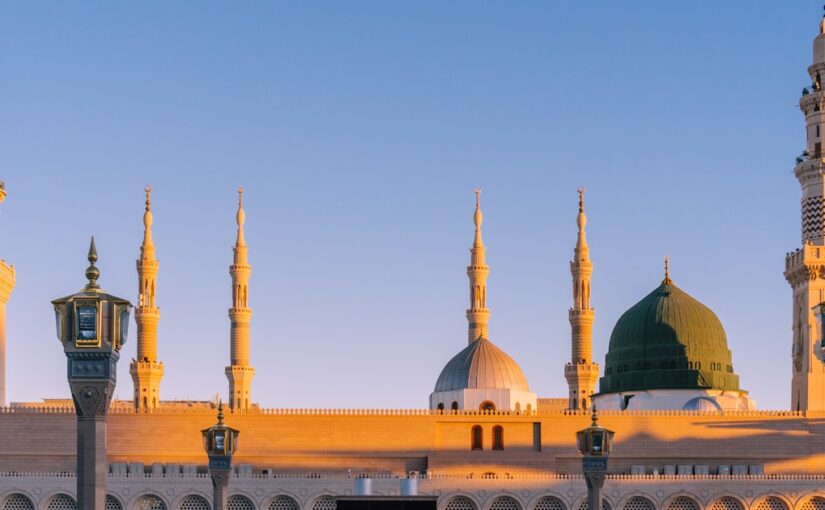
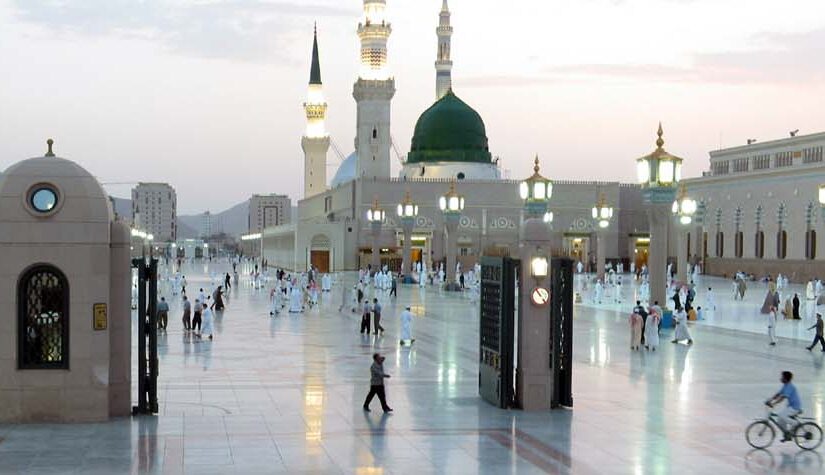
The poet uses simple yet powerful imagery: the green dome, the radiant city, the peaceful streets of Madina. Each verse builds on the central idea that visiting Madina is a privilege that changes a person forever. The naat resonates deeply with Muslims who long to visit Madina but may not have had the opportunity, as well as those who have been blessed to go and want to relive the experience through these beautiful verses.

Jo Bhi Madine Jaata Hai – Urdu Lyrics

جو بھی مدینے جاتا ہے
وہ اور بن کے آتا ہے

مدینے والے مصطفیٰ ﷺ
جنہیں خدا نے چن لیا

جنہیں ملے مدینہ کا
نصیبہ وہ بھی کیا پائیں

تمنا دل کی پوری ہو
مدینے جانے کا شوق ہو

جو بھی مدینے جاتا ہے
وہ اور بن کے آتا ہے

نبی کے شہر کی گلیاں
ہیں نور سے بھری ہوئی

ہر ایک ذرہ چمک رہا
ہے عشق مصطفیٰ سے

جو بھی مدینے جاتا ہے
وہ اور بن کے آتا ہے

سبز گنبد پے جو نظر پڑے
تو دل کو سکون ملے

روضہ پاک پے جو ہاتھ رکھے
ہر غم دور ہو جائے

جو بھی مدینے جاتا ہے
وہ اور بن کے آتا ہے

Jo Bhi Madine Jaata Hai – English Translation

Verse 1:
Whoever goes to Madina
Returns changed, transformed entirely

Verse 2:
The beloved of Madina, Mustafa ﷺ
The one chosen by Allah Himself

Verse 3:
Those who are blessed with Madina
What fortune do they not receive

Verse 4:
May the heart’s wish be fulfilled
The longing to go to Madina

Chorus:
Whoever goes to Madina
Returns changed, transformed entirely

Verse 5:
The streets of the Prophet’s city
Are filled with divine light

Verse 6:
Every particle shines brightly
With the love of Mustafa

Verse 7:
Whoever goes to Madina
Returns changed, transformed entirely

Verse 8:
When the eye falls upon the green dome
Peace descends upon the heart

Verse 9:
Whoever places a hand on the sacred shrine
Every sorrow disappears

Verse 10:
Whoever goes to Madina
Returns changed, transformed entirely

Meaning and Significance

The central message of “Jo Bhi Madine Jaata Hai” is the transformative spiritual power of visiting Madina Munawwarah. The naat conveys that Madina is not merely a geographical location but a place of profound spiritual significance where the mercy of Allah and the love of His Prophet ﷺ are felt most intensely.

The recurring refrain – that whoever goes to Madina returns as a different person – speaks to the deeply personal spiritual renewal that pilgrims experience. This transformation is not about changing one’s outward appearance but about an inner shift: a heart that was restless finds peace, a soul that was burdened finds relief, and a spirit that was distracted finds focus in the love of the Prophet ﷺ.

The verses highlight specific aspects of Madina: the illuminated streets symbolizing spiritual guidance, the green dome (Sabz Gumbad) representing the resting place of the Prophet ﷺ, and the sacred rawdah where prayers are answered. Each element of the naat serves to deepen the listener’s connection with the Prophet’s ﷺ city and inspire the longing to visit it.

Why This Naat Is So Beloved

Several factors contribute to the enduring popularity of this naat:

  • Universal longing: Every Muslim who loves the Prophet ﷺ carries a deep desire to visit Madina. This naat gives voice to that universal sentiment.
  • Simple yet profound lyrics: The words are easy to remember but carry deep spiritual meaning, making them accessible to people of all ages.
  • Emotional melody: When recited with the traditional tune, the naat evokes powerful emotions of love, longing, and devotion.
  • Transformational theme: The idea that visiting Madina changes a person resonates with everyone who seeks spiritual growth.
  • Connection to the Prophet ﷺ: The naat strengthens the bond between the believer and the Prophet Muhammad ﷺ, which is at the heart of Islamic faith.

Frequently Asked Questions

Who wrote “Jo Bhi Madine Jaata Hai”?

This naat has been recited by various naat khwans over the years. It is a traditional Urdu naat that has been passed down and performed by many artists, with each adding their own unique style to the recitation.

What is the meaning of “Jo Bhi Madine Jaata Hai”?

The title translates to “Whoever Goes to Madina.” The naat is about the spiritual transformation that occurs when a person visits the blessed city of the Prophet Muhammad ﷺ.

Is there a video available for this naat?

Yes, many naat khwans and Islamic channels have recorded versions of this naat available on platforms like YouTube. You can find beautiful recitations with various visual styles, including scenes from Madina Munawwarah and the Prophet’s ﷺ mosque.

Conclusion

“Jo Bhi Madine Jaata Hai” is a timeless naat that continues to touch hearts and inspire love for the Prophet Muhammad ﷺ and his blessed city. Its simple yet powerful message reminds us that Madina is not just a destination but a spiritual journey that transforms everyone who undertakes it with sincere faith and love. May Allah grant us all the opportunity to visit Madina Munawwarah and experience the peace and blessings that await there. Ameen.

Karam Farmaiye (کرم فرمائیے) by Mansoor Qadri – Full Naat Lyrics in Urdu, English Translation and Meaning

“Karam Farmaiye” (کرم فرمائیے) is a deeply moving naat recited by the acclaimed naat khwan Mansoor Qadri. The title translates to “Grant Your Grace” – a humble plea directed to Prophet Muhammad (peace be upon him), asking for his kindness, intercession, and benevolent attention. This naat has become a staple in naat gatherings and mehfils across the globe, cherished for its sincere words and powerful emotional resonance.

In this post, you will find the complete Urdu lyrics of Karam Farmaiye, along with Roman English transliteration and English translation with meaning.


About the Naat

Mansoor Qadri is a renowned Pakistani naat khwan whose soulful voice has touched the hearts of millions. His recitations are known for their emotional depth and spiritual sincerity. “Karam Farmaiye” is one of his most beloved naats, a heartfelt supplication to the Prophet Muhammad (peace be upon him) in which the believer acknowledges their own shortcomings and seeks the Prophet’s grace and intercession.

The central theme of this naat is “tawassul” (seeking intercession) and expressing complete humility before the Prophet (peace be upon him). The poet beautifully captures the feeling of standing at the Prophet’s door, hoping for a gracious glance of mercy. The repeated plea “Karam Farmaiye” (grant Your grace) echoes like a heartfelt cry that resonates deeply with listeners, reminding them of the boundless mercy and love the Prophet holds for his Ummah.


Karam Farmaiye — Urdu Lyrics (کرم فرمائیے)

Verse 1 (Refrain):

یا شاہِ انبیا کرم فرمائیے
ہمارے حال پہ نظر فرمائیے
یا رسول اللہ کرم فرمائیے
ہمارے حال پہ نظر فرمائیے

Verse 2:

آپ کی چوکھٹ پہ آئے ہیں ہم
آپ کی محبت میں آئے ہیں ہم
بھیڑ میں بھی تنہا کھڑے ہیں ہم
آپ کے در کا سوالی بنے

Verse 3:

بے کسی کی رات ہے مسکین ہوں
درد کی بارات ہے مسکین ہوں
دل میں حسرت کا سامان بھی ہے
دست التجا ہے کرم کے لیے

Verse 4:

تیرے در سے بڑھ کے کوئی در نہیں
تیرے سا بڑھ کے کوئی ہمسر نہیں
بھول کر سب کو ترے در آئے ہیں
تیرے در کا اب ہم سوالی بنے


Roman English Transliteration

Verse 1 (Refrain):

Ya Shahe Ambiya Karam Farmaiye
Hamare Haal Pe Nazar Farmaiye
Ya Rasool Allah Karam Farmaiye
Hamare Haal Pe Nazar Farmaiye

Verse 2:

Aap Ki Chokhat Pe Aaye Hain Hum
Aap Ki Mohabbat Mein Aaye Hain Hum
Bheed Mein Bhi Tanha Khade Hain Hum
Aap Ke Dar Ka Sawaali Bane

Verse 3:

Be-kasi Ki Raat Hai Miskin Hoon
Dard Ki Baraat Hai Miskin Hoon
Dil Mein Hasrat Ka Samaan Bhi Hai
Dast-e-Iltija Hai Karam Ke Liye

Verse 4:

Tere Dar Se Badh Ke Koi Dar Nahin
Tere Sa Badh Ke Koi Hamsar Nahin
Bhool Kar Sab Ko Tere Dar Aaye Hain
Tere Dar Ka Ab Hum Sawaali Bane


English Translation

Verse 1 (Refrain):

O King of the Prophets, grant us Your grace
Cast Your merciful glance upon our condition
O Messenger of Allah, grant us Your grace
Cast Your merciful glance upon our condition

Verse 2:

We have come to Your doorstep
We have come in Your love
Even in the crowd, we stand alone (longing for You)
Let us become beggars at Your door

Verse 3:

The night of helplessness has fallen, I am destitute
This is a procession of pain, I am destitute
My heart is filled with yearnings
My hands are raised in supplication for Your grace

Verse 4:

There is no door greater than Yours
There is none equal to You
Forgetting everyone, we have come to Your door
Now let us become beggars at Your threshold


Cultural and Spiritual Significance

“Karam Farmaiye” holds a special place in the hearts of Muslims around the world. It is commonly recited in naat gatherings, mehfils, and during religious celebrations, particularly on occasions that honor the birth and life of Prophet Muhammad (peace be upon him). The naat’s simple yet profound lyrics make it accessible to people of all ages and backgrounds.

The phrase “Karam Farmaiye” itself is a beautiful expression of Islamic spirituality. It reflects the believer’s understanding that all goodness comes through the mercy of Allah and the intercession of His beloved Prophet (peace be upon him). The naat reminds us of the hadith in which the Prophet (peace be upon him) said, “I am the leader of the children of Adam on the Day of Judgement, and I will intercede for you” – a promise that gives hope to every believer.

Mansoor Qadri’s rendition of this naat is particularly special because of the sincerity and emotion he brings to the recitation. His voice carries the weight of longing and devotion, making the listener feel as though they themselves are standing at the blessed door of the Prophet (peace be upon him), asking for his grace and favor.

This naat serves as a spiritual bridge, connecting the believer’s heart to the blessed personality of the Prophet Muhammad (peace be upon him). It is a reminder that no matter how far we may have strayed, the door of the Prophet’s intercession is always open, and his mercy and love for his Ummah are boundless.


Conclusion

“Karam Farmaiye” by Mansoor Qadri is more than just a naat – it is a heartfelt prayer, a cry of love, and an expression of complete reliance on the mercy of Prophet Muhammad (peace be upon him). Whether you listen to it for its spiritual depth, its beautiful melody, or its moving Urdu poetry, this naat has the power to touch your soul and bring you closer to the beloved Prophet (peace be upon him).

May Allah accept our supplications and grant us the intercession of His beloved Prophet (peace be upon him). Ameen.


Tags: Karam Farmaiye naat lyrics, Mansoor Qadri naat, Ya Shahe Ambiya Karam Farmaiye, Urdu naat lyrics with English translation

Ya Nabi Salam Alayka – Urdu Lyrics, English Translation and Meaning

Ya Nabi Salam Alayka (یا نبی سلام علیکا) is one of the most beloved and widely recited naats in the Islamic world. The title translates to “O Prophet, Peace Be Upon You” and is a heartfelt salutation to Prophet Muhammad (peace be upon him). This beautiful naat has been recited at countless Mehfil-e-Milad gatherings, Islamic conferences, and spiritual events across the globe, touching the hearts of millions of Muslims.

The naat was originally written by Maulana Abdul Khaliq, and the most popular version is recited by the renowned Qari Waheed Zafar Qasmi. The powerful melody and deeply spiritual lyrics have made this naat a staple at Islamic gatherings, especially during the month of Rabi-ul-Awwal when Muslims celebrate the birth of the Prophet. Its simple yet profound chorus “Ya Nabi Salam Alayka, Ya Rasool Salam Alayka” resonates with listeners of all ages, creating an atmosphere of love and devotion.

The naat calls upon the Prophet with tenderness and longing, asking for his blessings and intercession. Each verse explores a different aspect of the Prophet’s life and character, from his birth in Makkah to his role as the leader of all creation. The lyrics beautifully blend expressions of love, reverence, and the deep spiritual connection that believers feel toward the Prophet Muhammad (PBUH).

Ya Nabi Salam Alayka Naat Lyrics in Urdu (یا نبی سلام علیکا نعت کے اردو بول)

Verse 1 (Chorus)

Urdu:
یا نبی سلام علیکا، یا رسول سلام علیکا
یا حبیب سلام علیکا، صلوات اللہ علیکا

Transliteration:
Ya Nabi Salam Alayka, Ya Rasool Salam Alayka
Ya Habib Salam Alayka, Salawatullah Alayka

Translation:
O Prophet, peace be upon You. O Messenger, peace be upon You
O Beloved, peace be upon You. Blessings of Allah be upon You

Verse 2

Urdu:
صبح و شام دکھلاؤ وہ منظر، اور وہ میلاد پیمبر
فرشتوں کے لب سے اکثر، آئے نغمہ روح پرور

Transliteration:
Subho Sham Dikhlawo Woh Manzar, Aur Woh Milade Payambar
Farishton Ke Lab Se Aksar, Aaey Naghma Rooh Parvar

Translation:
Show us that scene morning and evening, and that blessed birth of the Prophet
From the lips of angels often came the soul-nourishing melody

Verse 3

Urdu:
اول آخر تم ہی ہو، باطن و ظاہر تم ہی ہو
حاضر و ناظر تم ہی ہو، دین کے ناصر تم ہی ہو

Transliteration:
Awwalo Akhir Tumhi Ho, Baatino Zaahir Tumhi Ho
Haaziro Naazir Tumhi Ho, Deen Ke Nasir Tumhi Ho

Translation:
You are the First and the Last, You are the Hidden and the Manifest
You are the Present and the Witness, You are the Helper of the faith

Verse 4

Urdu:
احمد مختار آؤ، خلق کے سردار آؤ
پیکر انوار آؤ، حامی غمخوار آؤ

Transliteration:
Ahmade Mukhtar Aao, Khalq Ke Sardar Aao
Pekare Anwaar Aao, Haamio Gham Khwar Aao

Translation:
O Ahmad, the Chosen One, come. O Leader of all creation, come
O Embodiment of Light, come. O Supporter, O Compassionate One, come

Verse 5

Urdu:
رنج و غم کھائے ہوئے ہیں، دور سے آئے ہوئے ہیں
تم پہ اترائے ہوئے ہیں، مولا ہاتھ پھیلائے ہوئے ہیں

Transliteration:
Ranjo Gham Kha-Aey Huey Hain, Dur Se Aaey Huey Hain
Tum Pe Itra-Aey Huey Hain Maula, Hath Phaila-Aey Huey Hain

Translation:
We have endured sorrow and grief, we have come from afar
We pride ourselves in You, O Master, with our hands outstretched

Verse 6

Urdu:
آمنہ بی بی کے پیارے، تم پہ اترے تیس پارے
بے کسوں کے تم سہارے، مولا وجد میں امت پکارے

Transliteration:
Aminah Bibi Ke Pyarey, Tum Pe Utrey Tees Parey
Be Kason Ke Tum Saharey Maula, Wajd Mein Ummat Pukarey

Translation:
O Beloved of Aminah, upon You the thirty parts (of Quran) were revealed
You are the support of the helpless, O Master, the Ummah calls out in ecstasy

Verse 7

Urdu:
آپ ہی سب سے حسیں ہو، آپ ہی نور مبین ہو
تاجدار مرسلین ہو، مولا آپ ہی دل میں مکیں ہو

Transliteration:
Aap Hi Sab Se Hasin Ho, Aap Hi Noore Mubin Ho
Taajdare Mursalin Ho Maula, Aap Hi Dil Mein Makin Ho

Translation:
You are the most beautiful of all, You are the manifest light
You are the crowned king of all Messengers, O Master, You reside in our hearts

Verse 8

Urdu:
ہم گناہوں میں ہیں ڈوبے، ڈال دے رحمت کے پردے
عشق کے کرتے ہیں سجدے، مولا اور یہ پڑھتے ہیں دل سے

Transliteration:
Hum Gunahon Mein Hai Dubey, Daal Dey Rehmat Ke Pardey
Ishq Ke Karte Hain Sajdey Maula, Aur Yeh Parh Te Hai Dil Se

Translation:
We are drowning in our sins, cast upon us the veil of Your mercy
We prostrate in love, O Master, and recite this from our hearts

Verse 9

Urdu:
برکاتی مہینہ یہ آیا، ربیع الاول نے پایا
خدا کی رحمت یہ لایا، مولا امتوں کے سر پر سایہ

Transliteration:
Barkati Mahina Yeh Aaya, Rabbiul Awwal Ne Paya
Khuda Ki Rehmat Yeh Laya Maula, Ummaton Ke Sar Pe Saaya

Translation:
This blessed month has arrived, Rabi-ul-Awwal has come
It has brought Allah’s mercy, O Master, as a shade over the nations

Verse 10

Urdu:
آپ ہو شاہ مدینہ، امتوں کے ہو نگینہ
دکھلا دو سب کو مدینہ، مولا رحمت اللعالمینا

Transliteration:
Aap Ho Shahe Madinah, Ummaton Ke Ho Nagina
Dikhlado Sab Ko Madinah Maula, Rehmatul Lil Aalameena

Translation:
You are the King of Madinah, You are the jewel of the nations
Show Madinah to us all, O Master, O Mercy for the Worlds

Ya Nabi Salam Alayka Naat in English Transliteration (Full)

Ya Nabi Salam Alayka, Ya Rasool Salam Alayka
Ya Habib Salam Alayka, Salawatullah Alayka

Subho Sham Dikhlawo Woh Manzar, Aur Woh Milade Payambar
Farishton Ke Lab Se Aksar, Aaey Naghma Rooh Parvar

Awwalo Akhir Tumhi Ho, Baatino Zaahir Tumhi Ho
Haaziro Naazir Tumhi Ho, Deen Ke Nasir Tumhi Ho

Ahmade Mukhtar Aao, Khalq Ke Sardar Aao
Pekare Anwaar Aao, Haamio Gham Khwar Aao

Ranjo Gham Kha-Aey Huey Hain, Dur Se Aaey Huey Hain
Tum Pe Itra-Aey Huey Hain Maula, Hath Phaila-Aey Huey Hain

Aminah Bibi Ke Pyarey, Tum Pe Utrey Tees Parey
Be Kason Ke Tum Saharey Maula, Wajd Mein Ummat Pukarey

Aap Hi Sab Se Hasin Ho, Aap Hi Noore Mubin Ho
Taajdare Mursalin Ho Maula, Aap Hi Dil Mein Makin Ho

Hum Gunahon Mein Hai Dubey, Daal Dey Rehmat Ke Pardey
Ishq Ke Karte Hain Sajdey Maula, Aur Yeh Parh Te Hai Dil Se

Barkati Mahina Yeh Aaya, Rabbiul Awwal Ne Paya
Khuda Ki Rehmat Yeh Laya Maula, Ummaton Ke Sar Pe Saaya

Aap Ho Shahe Madinah, Ummaton Ke Ho Nagina
Dikhlado Sab Ko Madinah Maula, Rehmatul Lil Aalameena

Meaning and Explanation

Ya Nabi Salam Alayka is a deeply spiritual naat that centres on sending salutations (salaam) upon Prophet Muhammad (PBUH). The recurring chorus “Ya Nabi Salam Alayka” is more than just a refrain; it is an expression of the believer’s deep love and reverence for the Prophet. Every verse builds upon this theme, exploring different dimensions of the Prophet’s blessed life and his relationship with his Ummah.

The opening verse establishes the central theme of sending peace and blessings upon the Prophet using his most beloved titles: Nabi (Prophet), Rasool (Messenger), and Habib (Beloved). The phrase “Salawatullah Alayka” echoes the Quranic command in Surah Al-Ahzab (33:56) where Allah and His angels send blessings upon the Prophet, and believers are commanded to do the same.

Verse 4 carries profound spiritual meaning. When the poet calls the Prophet “Ahmad-e-Mukhtar” (the Chosen Ahmad) and “Khalq Ke Sardar” (Leader of Creation), it reflects the Islamic belief that Prophet Muhammad (PBUH) holds the highest station among all of Allah’s creation. The appeal “Aao” (come) in this verse is not a physical call but a spiritual longing for the Prophet’s presence and intercession.

The naat beautifully connects the Prophet’s physical attributes with his spiritual reality. The verse “Tajdar-e-Mursalin Ho” (You are the crowned king of all Messengers) affirms his supremacy over all other prophets, while “Aap Hi Dil Mein Maki’n Ho” (You reside in our hearts) expresses the intimate connection believers feel with him. This combination of majesty and intimacy is a hallmark of classical Islamic devotional poetry.

Verse 8 is particularly moving, as it acknowledges human weakness and sinfulness while pleading for the Prophet’s mercy. “Hum Gunahon Mein Hai Dubey, Daal Dey Rehmat Ke Pardey” is a humble admission of imperfection and a plea for the Prophet’s intercession. This reflects the Islamic concept of tawassul (seeking intercession) through the Prophet’s elevated station.

The final verses celebrate the blessed month of Rabi-ul-Awwal, the month of the Prophet’s birth, and culminate in a heartfelt plea to be shown the blessed city of Madinah. The mention of “Rehmatul Lil Aalameena” (Mercy for the Worlds) directly references the Quran (Surah Al-Anbiya 21:107) and serves as a powerful reminder of the Prophet’s universal mercy.

When is Ya Nabi Salam Alayka Recited?

  • Mehfil-e-Milad gatherings during Rabi-ul-Awwal
  • Weekly naat gatherings in mosques and Islamic centres
  • Eid Milad-un-Nabi celebrations
  • Spiritual retreats and Islamic conferences
  • Personal worship and daily devotion
  • Wedding ceremonies and religious events

About the Reciter

Qari Waheed Zafar Qasmi is one of the most renowned naat reciters in the Islamic world. His soulful voice and melodious rendering of Islamic nasheeds have earned him millions of fans across South Asia and beyond. His version of “Ya Nabi Salam Alayka” is considered the definitive recording, known for its emotional depth and spiritual resonance. The original composition is attributed to Maulana Abdul Khaliq, but it is Qari Waheed Zafar Qasmi’s rendition that has made this naat a timeless classic.

Related Naats

If you enjoyed Ya Nabi Salam Alayka, you may also like these similar naats:

Shan-e-Mustafa (شانِ مصطفیٰ) Full Naat Lyrics in Urdu, English Translation and Meaning

Shan-e-Mustafa (شانِ مصطفیٰ) is a famous Urdu naat that praises the excellence, glory and greatness of the Prophet Muhammad (peace be upon him). The phrase “Shan-e-Mustafa” translates to “The Glory of Mustafa” — Mustafa being one of the beloved names of the Prophet, meaning “The Chosen One.” This naat beautifully describes the high status and spiritual rank bestowed upon the Prophet by Allah Almighty.

Background and Meaning

“Shan-e-Mustafa” is more than just a naat — it is a heartfelt expression of love, reverence and devotion toward the Prophet Muhammad (PBUH). The poet uses vivid imagery and profound spiritual language to describe the Prophet’s exalted station. The naat emphasizes that the Prophet’s greatness is recognized not only by humans but also by angels, the heavens and all of creation.

In Islamic tradition, the concept of Shan (شأن) refers to the dignity, honor and elevated rank of a person. When combined with Mustafa, it encapsulates the belief that Prophet Muhammad (PBUH) holds the highest station among all prophets and creation. The Quran itself refers to this exalted rank in several verses, including:

“And indeed, you are of a great moral character.” (Quran 68:4)

“And We have raised high your remembrance.” (Quran 94:4)

The naat “Shan-e-Mustafa” draws from this deep well of Quranic and Islamic tradition, translating it into beautiful Urdu poetry that stirs the heart and strengthens the bond between the believer and the Beloved Prophet.

Shan-e-Mustafa Naat Lyrics in Urdu (شانِ مصطفیٰ نعت کے اردو بول)

نعتِ شانِ مصطفیٰ ہے شغل ہر جنّ و ملک
بہرِ تعظیمِ محمد سر جھکاتا ہے فلک

چاند تاروں کو ملی نورِ محمد کی چمک
مشک و گل نے پائی ہے گیسوئے احمد کی مہک

اے خدا عشقِ محمد سے ہمیں سرشار رکھ
ہاتھ میں تھامے رہیں ہم ان کا دامن حشر تک

ناز ہم کرتے رہیں گے اپنی قسمت پر سدا
یا الہٰی پھر دکھا دے سبز گنبد کی جھلک

خواب ہی میں چہرہء انور دکھا دیجے حضور
یا رسول اللہ رہیں محروم آخر کب تلک

شرک و بدعت شرک و بدعت کوئی بکتا ہی رہے
نظمی پڑھتا ہی رہے گا نعتِ احمد بے جھجک

Shan-e-Mustafa Naat English Translation

Verse 1:
The naat of Shan-e-Mustafa is the occupation of every jinn and angel
For the veneration of Muhammad, the heavens bow their heads

Verse 2:
The moon and stars received the radiance of Muhammad’s light
The musk and rose have acquired the fragrance of Ahmad’s locks

Verse 3:
O God, keep us intoxicated with the love of Muhammad
May we hold onto the hem of His cloak until the Day of Judgment

Verse 4:
We will forever boast of our good fortune
O Lord, show us once again the glimpse of the Green Dome

Verse 5:
Even if only in a dream, show us Your radiant face, O Presence
O Messenger of Allah, how long must we remain deprived?

Verse 6:
Let anyone keep accusing of shirk and bid’ah
Nazmi will keep reciting the naat of Ahmad without hesitation

The Significance of Shan-e-Mustafa

The naat “Shan-e-Mustafa” holds a special place in the hearts of those who recite and listen to it. Each verse is a testament to the unparalleled love that Muslims hold for their Prophet. The opening line sets the tone beautifully — it declares that even the unseen creation of jinn and angels occupy themselves with the praise of the Prophet’s glory. This is not exaggeration; it is a reflection of Islamic teachings that all of creation acknowledges the Prophet’s lofty station.

The second verse is particularly powerful, using natural imagery — the moon, stars, musk and roses — to illustrate how the Prophet’s blessed influence permeates all of existence. The reference to “Muhammad’s light” (Noor-e-Muhammad) is a concept deeply rooted in Islamic mysticism, referring to the primordial light from which all creation was brought into being.

The plea in the third verse — to remain intoxicated with the love of Muhammad — captures the essence of spiritual devotion. The poet asks to hold onto the Prophet’s cloak until the Day of Judgment, symbolizing steadfastness in following the Sunnah and the unbreakable bond between the believer and the Beloved.

The Green Dome: A Symbol of Love

The fourth verse contains a heartfelt request to see the Green Dome (Sabz Gumbad) again. The Green Dome of Masjid al-Nabawi in Medina, which marks the blessed resting place of the Prophet Muhammad (PBUH), is a powerful symbol for Muslims worldwide. To visit it is the dream of every believer. The poet’s yearning to see it again reflects the deep spiritual attachment that defines the relationship between the Muslim ummah and their Prophet.

The fifth verse continues this theme of longing, asking to see the Prophet’s radiant face even if only in a dream. This is a common theme in Islamic devotional poetry — the belief that seeing the Prophet in a dream is a genuine spiritual experience, as the Prophet himself said: “Whoever sees me in a dream has truly seen me, for Satan cannot take my form.”

Understanding the Closing Verse

The final verse takes a firm stance. The poet anticipates criticism from those who might label such devotion as shirk (associating partners with Allah) or bid’ah (innovation). To this, the response is resolute — regardless of such accusations, the recitation of the Prophet’s praise will continue without hesitation. This verse reflects a long-standing debate within Islamic circles about the permissibility of naat and mawlid, and the poet firmly places himself in the camp of those who see praising the Prophet as a form of worship and expression of love.

The Poet: Who Wrote Shan-e-Mustafa?

The naat “Shan-e-Mustafa” is often attributed to the renowned poet Nazmi (نظمی), as referenced in the final verse of the naat itself. Nazmi was a beloved naat poet and reciter from Pakistan whose works continue to be recited in naat gatherings across the world. His poetry is characterized by its deep spiritual emotion, musical rhythm and unwavering devotion to the Prophet Muhammad (PBUH). Many of his naats remain popular in homes, mosques and religious gatherings throughout South Asia.

Why Shan-e-Mustafa Matters Today

In a world filled with distractions and materialism, naats like “Shan-e-Mustafa” serve as spiritual anchors. They remind believers of their purpose, their love for their Prophet and the ultimate goal of seeking Allah’s pleasure. The naat is not merely poetry — it is a form of worship, a meditation on divine love and a declaration of faith.

For those who recite it, “Shan-e-Mustafa” is a means of drawing closer to the Prophet. For those who listen, it is a source of peace and spiritual nourishment. The naat transcends time and geography, connecting Muslims across generations in their shared love for the Chosen One.

Whether you are listening to it in a quiet gathering at home or in a large congregation at a mosque, “Shan-e-Mustafa” has the power to move hearts and bring tears to the eyes. It is a beautiful reminder that the love of the Prophet Muhammad (PBUH) is the greatest gift a believer can carry in their heart.

How to Recite Shan-e-Mustafa

Like all naats, “Shan-e-Mustafa” is best recited with sincerity and understanding. Take time to read the translation and grasp the meaning of each verse. When you recite, focus on the words and let the love they carry fill your heart. The melody should be gentle and respectful, matching the devotional nature of the poetry.

The naat is often recited in the traditional Urdu naat style with a soft, melodious tune. It can be recited solo or in a group setting. Many online platforms offer audio and video recordings of “Shan-e-Mustafa” by various naat khawans that you can listen to and learn from.

Conclusion

“Shan-e-Mustafa (شانِ مصطفیٰ)” is more than just a naat — it is a declaration of love, a spiritual journey and a celebration of the greatest human being to ever walk the earth. Its words capture the essence of what it means to love the Prophet Muhammad (PBUH) and to recognize his exalted status. Whether you are a lifelong admirer of naat or discovering it for the first time, “Shan-e-Mustafa” offers a profound and moving experience that will stay with you long after the last verse has been recited.

May Allah grant us all the opportunity to truly understand and embody the love of the Prophet Muhammad (PBUH) that this naat so beautifully expresses. Ameen.

Maa Baap Ki Dua (ماں باپ کی دعا) – Full Naat Lyrics in Urdu, Roman Translation and Meaning

Maa Baap Ki Dua (ماں باپ کی دعا) is a beautiful and heartfelt naat that speaks about the power of a mother and father’s prayer. In Islam, the dua (supplication) of parents for their children holds a special status — it is among the prayers that are never rejected. This naat beautifully captures the love, sacrifice, and spiritual significance of parental blessings. Below you will find the full Urdu lyrics, Roman/transliteration, English translation, and a deeper look into the meaning of this touching kalam.

The Significance of Maa Baap Ki Dua in Islam

In Islamic teachings, the dua of parents for their children is among the most powerful and accepted forms of supplication. The Prophet Muhammad (peace be upon him) said: “Three prayers are certainly answered: the prayer of the oppressed, the prayer of the traveler, and the prayer of a parent for their child.” (Sunan Ibn Majah, Hadith 3862).

This naat, Maa Baap Ki Dua, serves as a beautiful reminder of this profound blessing. It encourages children to seek the prayers of their parents and reminds parents of the power their duas carry. Whether it is a mother praying for her child’s success, guidance, and protection, or a father supplicating for his children’s well-being — these prayers become a shield and a source of countless blessings.

The relationship between parents and children in Islam is deeply sacred. The Quran commands: “And your Lord has decreed that you worship none but Him, and that you be dutiful to your parents” (Surah Al-Isra, 17:23). This naat echoes that divine instruction, highlighting how the love and prayers of parents are among the greatest treasures a child can possess.

Maa Baap Ki Dua Naat Lyrics in Urdu (ماں باپ کی دعا نعت کے بول)

Here are the complete Urdu lyrics (نعت کے بول) of Maa Baap Ki Dua in Nastaliq script:

ماں باپ کی دعا ہوتی ہے قبول
ہر لمحہ ان کا دل کرتا ہے تول

رب کریم ان کی ہر دعا سنتا ہے
مانگے جو بھی وہ دے کر چھوڑتا ہے

ماں کی دعا کبھی خالی نہیں جاتی
باپ کی دعا بھی رتبہ پاتی

اللہ ان کے قدموں میں جنت رکھے
دنیا و عقبیٰ میں عزت رکھے

کاش ہم بھی ان کے دل میں جگہ پائیں
دعاؤں میں ان کی ہمیں یاد رکھیں

ماں کی دعا میرے سر کا سایہ
باپ کا سایہ میرے دل کا مایہ

دونوں جہاں کی خوشیاں ان کے قدموں میں
ان کی دعاؤں کی برکت ہو ہر گھر میں

Maa Baap Ki Dua Roman/Transliteration Lyrics

For those who cannot read Urdu script, here is the Roman transliteration of the naat:

Maa baap ki dua hoti hai qabool
Har lamha unka dil karta hai tol

Rab-e-Kareem unki har dua sunta hai
Maange jo bhi woh de kar chhorta hai

Maa ki dua kabhi khaali nahi jaati
Baap ki dua bhi rutba paati

Allah unke qadmo mein jannat rakhe
Duniya wa uqba mein izzat rakhe

Kaash hum bhi unke dil mein jagah paayein
Duaon mein unki hamein yaad rakhein

Maa ki dua mere sar ka saaya
Baap ka saaya mere dil ka maaya

Dono jahan ki khushiyan unke qadmo mein
Unki duaon ki barkat ho har ghar mein

Maa Baap Ki Dua English Translation

The English translation of this beautiful naat carries a deep and emotional message:

The prayer of a mother and father is always accepted
Every moment their heart watches over us

The Gracious Lord listens to every prayer of theirs
Whatever they ask for, He bestows upon them

A mother's prayer never returns empty
A father's prayer too attains its rank

May Allah place Paradise beneath their feet
May He grant them honour in this world and the next

If only we could find a place in their hearts
May they remember us in their prayers

A mother's prayer is the shade over my head
A father's protection is the treasure of my heart

The joys of both worlds lie at their feet
May the blessings of their prayers fill every home

The Deep Meaning Behind Maa Baap Ki Dua

This naat is a heartfelt tribute to the unconditional love and spiritual power of parents. Every verse reflects the intimate bond between a child and their parents, and the immense value of their supplications in the sight of Allah Almighty.

1. The Acceptance of Parental Prayers

The opening lines — “Maa baap ki dua hoti hai qabool” — immediately establish the central theme: the dua of parents is always answered. This is not just poetic expression but is rooted in authentic Islamic teachings. The Prophet (PBUH) explicitly stated that a parent’s prayer for their child is among the three duas that are never rejected. This gives parents an immense responsibility and children a powerful reason to seek their parents’ blessings.

2. The Watchful Heart of Parents

“Har lamha unka dil karta hai tol” beautifully describes how a parent’s heart constantly measures, weighs, and worries about their child’s well-being. From the moment a child is born, a parent’s heart never rests — always concerned, always caring, always praying. This line resonates with anyone who has experienced a parent’s unconditional love.

3. Mother and Father — Equal in Dignity

The naat honours both mother and father equally. While the mother’s prayer is described as never returning empty, the father’s prayer is said to attain its proper rank. Islam gives both parents immense status, though the mother is given special mention in multiple hadith (the famous saying of the Prophet: “Your mother, your mother, your mother, then your father”). This naat beautifully balances this teaching.

4. Paradise Beneath Their Feet

The line “Allah unke qadmo mein jannat rakhe” echoes the famous hadith: “Paradise lies at the feet of the mother” (Sunan an-Nasai). This verse expresses a dua for parents — that Allah grants them Paradise — while also reminding children that serving parents is the path to Jannah.

5. Seeking a Place in Their Hearts

The plea “Kaash hum bhi unke dil mein jagah paayein” expresses a beautiful humility — the child’s earnest desire to be remembered in their parents’ prayers. It reflects the deep understanding that a parent’s dua is a treasure more valuable than any worldly wealth.

The Power of a Mother’s Dua

In Islamic tradition, the mother holds an especially elevated position. The Quran describes the mother’s sacrifice during pregnancy and nursing with profound reverence. The dua of a mother is described as being particularly powerful because it comes from a heart filled with selfless love — love that expects nothing in return except the well-being of the child.

Many Islamic scholars have highlighted stories from the lives of the prophets and pious predecessors where the prayers of mothers changed destinies. The Prophet Musa (AS) was saved by his mother’s trust in Allah. The Prophet Isa (AS) was blessed through his mother Maryam’s devotion. And countless ordinary believers have witnessed miracles unfold through the duas of their mothers.

The Authority of a Father’s Supplication

A father’s dua carries its own unique weight. As the head of the household, a father’s supplication for his children’s guidance, strength, and character is a powerful force. The Prophet Ibrahim (AS) is the ultimate example — his duas for his children and descendants are recorded in the Quran and continue to bring blessings to this day. The naat honours this equal yet distinct status of the father’s prayer.

Lessons from Maa Baap Ki Dua Naat

  • Seek your parents’ blessings: Before any major decision in life, ask your parents to pray for you. Their dua can open doors that seem impossible.
  • Be dutiful to your parents: This naat reminds us that serving parents is not just a moral duty but a spiritual investment. The Prophet (PBUH) said: “A person is not from us who does not show mercy to our young and respect to our elders.”
  • Never give up on your parents’ prayers: Even when life feels difficult, remember that your mother and father are praying for you. Their duas are a constant source of divine support.
  • Pray for your parents: Just as they pray for you, you should also make dua for them — especially after they have passed away. The Prophet (PBUH) said: “When a person dies, all their deeds come to an end except three: ongoing charity, beneficial knowledge, and a righteous child who prays for them.” (Sahih Muslim)
  • Respect both parents equally: The naat beautifully honours both mother and father. While the mother’s love is often celebrated more, the father’s quiet sacrifices are equally precious in the sight of Allah.

The Blessings of Parental Prayer in Daily Life

Muslims around the world have experienced countless blessings through the prayers of their parents. Whether it is success in exams, finding a righteous spouse, overcoming illness, or achieving career goals — the duas of parents have been the unseen force behind many life victories. This naat encourages us to never take those prayers for granted.

In our busy modern lives, it is easy to forget the quiet power of a mother’s nightly prayer or a father’s silent supplication. Maa Baap Ki Dua brings us back to this essential truth: the most powerful force in the universe is activated by the sincere prayer of a parent.

Related Naats About Parents

If you enjoyed this naat, you may also appreciate other Islamic naats and kalam that celebrate the love of parents:

  • Maa Ke Qadmo Mein Jannat – The famous hadith about mothers
  • Hasbi Rabbi – A powerful supplication in verse
  • Suna Hai – A beloved naat about the Prophet (PBUH)
  • Dono Jahan Ki – A classic naat about seeking Allah’s mercy

Final Words

Maa Baap Ki Dua (ماں باپ کی دعا) is more than just a naat — it is a spiritual reminder of the most precious relationship in our lives. The lyrics carry a timeless message that resonates with every child and every parent. Whether you listen to it for spiritual elevation, emotional comfort, or simply to reflect on the beauty of parental love, this kalam will surely touch your heart.

May Allah Almighty bless all parents with health, happiness, and Jannatul Firdaus. And may He make us among those children who honour their parents, seek their pleasure, and are remembered in their prayers — in this life and the next. Ameen.

If you found this post meaningful, please share it with others. Let the beautiful message of Maa Baap Ki Dua spread far and wide, reminding everyone of the incredible power of a parent’s love and prayer.

Baat Niklegi Toh Phir (بات نکلے گی تو پھر) Full Naat Lyrics in Urdu, English Translation and Meaning

The Naat “Baat Niklegi Toh Phir” is one of the most beloved and timeless spiritual poems in the Urdu language. Written by the renowned poet Hafeez Jalandhari, this Naat expresses the deep love and devotion for Prophet Muhammad (peace be upon him). The poet beautifully describes how the love for the Prophet is so powerful that it will eventually reveal itself, no matter how much one tries to hide it.

Background and Meaning

Hafeez Jalandhari (1900-1982) was a legendary Urdu poet from Pakistan who wrote some of the most memorable poetry in the language. He is also famous for writing the national anthem of Pakistan. His Naat “Baat Niklegi Toh Phir” has been recited by countless naat khwans and has touched the hearts of millions across the world.

The central theme of this Naat is the overpowering love for the Prophet Muhammad (PBUH). The poet says that if you try to hide your love for him, it will still show through your eyes, your actions, and your words. The love for the Prophet is a flame that cannot be concealed.

This Naat reminds us of the beautiful relationship between a believer and the Prophet. It encourages us to express our love openly and to take pride in being part of his Ummah. The verses are simple yet profound, making them easy to memorize and recite in gatherings.

Baat Niklegi Toh Phir Full Naat Lyrics in Urdu

Below are the complete lyrics of the Naat in Urdu script:

بات نکلے گی تو پھر دور تلک جائے گی
ترا مشہور زمانے میں کیا کیا ہوگا

لوگ سمجھیں گے کہ دیوانہ ہے یا باؤلا ہے
تو کہے گا کوئی پاگل ہے تو کیا ہوگا

دل میں اک شور ہے اے دوست سناتی نہ بنے
یہ تمنا ہے کہ اب سامنے آیا ہوگا

دل جو لگتا ہے تو پھر دل کا لگانا کیسا
دل جو لگتا نہیں تو دل کا لگانا کیسا

دل تو ہے دل ہے ذرا دھڑکنے دے ورنہ
کوئی پتھر ہے کہ اک بار دھڑکا ہوگا

عشق کرنے کو تو ہر کوئی ہے لیکن ناداں
عشق کرنا کوئی اک بار کیا کرتا ہے

بات نکلے گی تو پھر دور تلک جائے گی
ترا مشہور زمانے میں کیا کیا ہوگا

English Transliteration

Here is the Roman English transliteration of the Naat:

Baat niklegi toh phir door talak jayegi
Tera mashhoor zamane mein kya kya hoga

Log samjhenge ke deewana hai ya baawla hai
Tu kahega koi pagal hai toh kya hoga

Dil mein ek shor hai dost sunaati nahi bane
Yeh tamanna hai ke ab saamne aaya hoga

Dil jo lagta hai toh phir dil ka lagana kaisa
Dil jo lagta nahi toh dil ka lagana kaisa

Dil toh hai dil hai zara dhadkane de warna
Koi patthar hai ke ek baar dhadka hoga

Ishq karne ko toh har koi hai lekin nadan
Ishq karna koi ek baar kiya karta hai

Baat niklegi toh phir door talak jayegi
Tera mashhoor zamane mein kya kya hoga

English Translation and Meaning

A verse-by-verse translation to help understand the deep meaning:

Verse 1:
Baat niklegi toh phir door talak jayegi
Tera mashhoor zamane mein kya kya hoga

Translation: The secret will come out and will spread far and wide. Think how famous you will become in the world for your love of the Prophet.

Verse 2:
Log samjhenge ke deewana hai ya baawla hai
Tu kahega koi pagal hai toh kya hoga

Translation: People will think you are mad or crazy. If someone calls you insane, what does it matter?

Verse 3:
Dil mein ek shor hai dost sunaati nahi bane
Yeh tamanna hai ke ab saamne aaya hoga

Translation: There is a commotion in my heart, my friend, that cannot be described. The desire is that now my beloved will appear before me.

Verse 4:
Dil toh hai dil hai zara dhadkane de warna
Koi patthar hai ke ek baar dhadka hoga

Translation: The heart is a heart let it beat. It is not a stone that would beat only once.

Verse 5:
Ishq karne ko toh har koi hai lekin nadan
Ishq karna koi ek baar kiya karta hai

Translation: Anyone can claim to love, but foolish one, true love is done only once and lasts forever.

Why This Naat is So Special

“Baat Niklegi Toh Phir” holds a special place in the hearts of Urdu-speaking Muslims around the world. Its simple yet powerful words capture the essence of what it means to love the Prophet Muhammad (PBUH). The Naat teaches us that true love cannot be hidden. It is a flame that will always find its way out.

The lyrics are often recited at Milad gatherings, Naat competitions, and religious events. Many famous Naat reciters have performed this piece, making it one of the most widely recognized Naats in the Urdu language.

The poem also carries a universal message about the nature of love itself. It reminds us that when we truly love someone, especially the Prophet (PBUH), that love will naturally reflect in our words, actions, and entire being.

Listen and Recite

The beauty of this Naat is best experienced when recited aloud with emotion and devotion. Its rhythmic flow makes it easy to learn and perfect for group recitation. Whether you are new to Naat recitation or a seasoned performer, “Baat Niklegi Toh Phir” is a must-know piece in your collection.

For more beautiful Naat lyrics, you can also read Dono Jahan Ki Naat Lyrics which celebrates the greatness of the Prophet, or explore the heartfelt verses of Meri Zindagi Hai Madina Naat Lyrics which expresses the longing for the blessed city of Madina.

Final Thoughts

Hafeez Jalandhari’s “Baat Niklegi Toh Phir” continues to inspire generations with its timeless message of love and devotion. It serves as a beautiful reminder that the love for Prophet Muhammad (PBUH) is the greatest blessing a believer can have. Share this Naat with your family and friends, and let the beauty of these words touch your heart.

If you enjoyed these lyrics, check out our collection of other popular Naats and Islamic poetry to deepen your spiritual connection.

Mere Khwaja (میرے خواجہ) — Full Naat Lyrics in Urdu, English Translation and Meaning

“Mere Khwaja” is a soul-stirring Urdu naat that expresses deep love and devotion for Prophet Muhammad (peace be upon him). The word “Khwaja” (خواجہ) means “Master” or “Lord,” and in this beautiful naat, the poet addresses the beloved Prophet as his master and guide.

The Meaning and Significance of “Mere Khwaja”

This heartfelt naat is a passionate declaration of love for the Prophet Muhammad (PBUH). The poet uses the term “Khwaja” — a title of great honor and reverence in Islamic tradition — to refer to the Prophet as the ultimate master of both worlds. The naat captures the essence of a believer’s longing to be in the presence of the Prophet and to follow his blessed path.

The lyrics beautifully weave together themes of love, devotion, repentance, and the hope for intercession on the Day of Judgment. Each verse begins with the refrain “Mere Khwaja” (میرے خواجہ), establishing an intimate and personal connection between the reciter and the Prophet.

Mere Khwaja Naat Lyrics in Urdu

میرے خواجہ، میرے خواجہ

میرے خواجہ، میں نے مانگا تیرا در
میرے خواجہ، تو نے بخشی مجھ کو نظر

میرے خواجہ، تیری رحمت کا ہے سمندر
میرے خواجہ، تو ہے سب کا سہارا

میرے خواجہ، تجھ سے لگتا ہے دل میرا
میرے خواجہ، تو ہے میرا مددگار

میرے خواجہ، تجھ کو رب نے بھیجا ہے
میرے خواجہ، رحمت للعالمین

میرے خواجہ، تیرے در پہ آیا ہوں
میرے خواجہ، مجھ کو اپنا بنا لے

میرے خواجہ، گناہوں سے بھرا ہوں میں
میرے خواجہ، مجھ کو معاف کر دے

میرے خواجہ، تیری چوکھٹ پر سر ہے
میرے خواجہ، اور کچھ نہیں ہے میرے پاس

میرے خواجہ، مجھ کو اپنی پناہ میں لے
میرے خواجہ، مجھ کو اپنی امت میں رکھ

میرے خواجہ، تجھ پہ لاکھوں سلام
میرے خواجہ، تجھ پہ درود و سلام

Mere Khwaja Naat Lyrics in English (Roman Urdu)

Mere Khwaja, mere Khwaja

Mere Khwaja, maine maanga tera dar
Mere Khwaja, tune bakhshi mujh ko nazar

Mere Khwaja, teri rehmat ka hai samandar
Mere Khwaja, tu hai sab ka sahara

Mere Khwaja, tujh se lagta hai dil mera
Mere Khwaja, tu hai mera madadgar

Mere Khwaja, tujh ko Rabb ne bheja hai
Mere Khwaja, rehmatul lil aalameen

Mere Khwaja, tere dar pe aaya hoon
Mere Khwaja, mujh ko apna bana le

Mere Khwaja, gunahon se bhara hoon main
Mere Khwaja, mujh ko maaf kar de

Mere Khwaja, teri chauth par sir hai
Mere Khwaja, aur kuch nahi hai mere paas

Mere Khwaja, mujh ko apni panah mein le
Mere Khwaja, mujh ko apni ummat mein rakh

Mere Khwaja, tujh pe laakhon salam
Mere Khwaja, tujh pe durood o salam

English Translation of Mere Khwaja

My Master, my Master

My Master, I begged at your door
My Master, you granted me Your blessed gaze

My Master, Your mercy is an ocean
My Master, You are the support of all

My Master, my heart is attached to You
My Master, You are my helper

My Master, Your Lord sent You
My Master, as a mercy to all worlds

My Master, I have come to Your door
My Master, accept me as Your own

My Master, I am filled with sins
My Master, forgive me

My Master, my head is at Your threshold
My Master, I have nothing else

My Master, grant me Your protection
My Master, keep me in Your nation

My Master, countless salutations upon You
My Master, blessings and peace upon You

The Spiritual Essence of Mere Khwaja

The naat “Mere Khwaja” holds a special place in the hearts of millions around the world. It is a beautiful expression of the Islamic concept of tawassul — seeking closeness to Allah through the love and intercession of the Prophet Muhammad (PBUH). The simplicity of the lyrics makes it accessible to people of all ages, while its profound spiritual depth resonates with those seeking a deeper connection with their faith.

The recurring refrain of “Mere Khwaja” establishes a personal, intimate relationship between the believer and the Prophet. It reflects the Qur’anic instruction: “Say, [O Muhammad], ‘If you should love Allah, then follow me, [so] Allah will love you and forgive you your sins.'” (Qur’an 3:31)

Each verse of the naat takes the listener on a spiritual journey — from acknowledging the Prophet’s exalted status as “Rehmatul lil Aalameen” (Mercy to all worlds), to confessing one’s own shortcomings and sins, and finally seeking forgiveness and protection. This progression mirrors the Islamic concept of tawbah (repentance) and the hope for shafa’ah (intercession) on the Day of Judgment.

Why “Khwaja”? Understanding the Title

The title “Khwaja” (خواجہ) is a Persian and Urdu honorific meaning “Master,” “Lord,” or “Noble One.” In the context of this naat, it is used to address Prophet Muhammad (PBUH) as the spiritual master of all believers. The term carries connotations of:

  • Honor and Respect: Acknowledging the Prophet’s elevated rank in creation
  • Love and Affection: Expressing the intimate bond between a believer and their beloved Prophet
  • Submission: Surrendering one’s will to follow the Prophet’s teachings
  • Hope: Seeking the Prophet’s intercession and blessings

When to Recite Mere Khwaja

This beautiful naat is particularly popular during:

  • Milad-un-Nabi (Mawlid) gatherings celebrating the Prophet’s birth
  • Friday (Jummah) gatherings and spiritual assemblies
  • Qawwali and Naat Mehfils worldwide
  • Personal devotion and daily remembrance of the Prophet
  • Ramadan nights and spiritual retreats

Popular Reciters of Mere Khwaja

While many naat khawans have recited “Mere Khwaja,” some of the most beloved renditions include those by:

  • Junaid Jamshed — The late legendary Pakistani singer and naat khawan whose soulful voice made this naat famous worldwide
  • Owais Raza Qadri — Known for his passionate and emotional recitations
  • Asif Hussain Samdani — A popular naat khawan with a melodious voice

The Legacy of Mere Khwaja

“Mere Khwaja” has become one of the most beloved naats in the Urdu-speaking world. Its simple yet profound lyrics have touched millions of hearts across generations. The naat continues to inspire devotion and love for the Prophet Muhammad (PBUH) in both traditional gatherings and modern digital platforms.

The beauty of “Mere Khwaja” lies in its universality — it speaks directly to the heart of every believer who yearns for a connection with the Prophet. Whether recited in a grand mehfil or whispered in quiet solitude, the words “Mere Khwaja” carry the weight of centuries of Islamic devotion and love.

May Allah grant us the ability to truly love His beloved Prophet and to follow his blessed path. Ameen.

Sallu Ala Muhammad (صلوا علی محمد) — Full Naat Lyrics in Urdu, English Translation and Meaning

Sallu Ala Muhammad (صلوا علی محمد) — Full Naat Lyrics in Urdu, English Translation and Meaning

“Sallu Ala Muhammad” is a beautiful and widely recited naat that calls upon believers to send blessings upon the Prophet Muhammad (peace be upon him). The title translates to “Send Blessings Upon Muhammad,” and the lyrics express deep love, devotion and reverence for the final messenger of Islam.

This naat is popular across the Muslim world and is often recited at Milad gatherings, Islamic conferences and daily gatherings. Its simple yet powerful message reminds Muslims of the importance of sending salawat (blessings) upon the Prophet.

Background and Significance

The phrase “Sallu Ala Muhammad” is directly inspired by the Quranic verse in Surah Al-Ahzab (33:56): “Indeed, Allah and His angels send blessings upon the Prophet. O you who have believed, ask blessings upon him and salute him with a worthy greeting.” This naat puts that divine command into poetic form, making it easy for believers to remember and recite.

The naat is known for its soulful melody and easy-to-remember lyrics. It is often recited by famous naat reciters across Pakistan, India and the Gulf region. The repetitive chorus makes it particularly popular at gatherings where large groups join in collective remembrance.

Urdu Lyrics (اردو lyrics)

صلوا علی محمد
صلوا علی محمد
صلوا علی محمد
محمد مصطفیٰ ﷺ

آپ کا در ہے اعلیٰ
آپ کا رتبہ عالی
آپ ہے شاہِ والا
محمد مصطفیٰ ﷺ

آپ پہ لاکھوں سلام
آپ پہ لاکھوں درود
آپ ہے رحمتِ عام
محمد مصطفیٰ ﷺ

آپ سے ملتا ہے نور
آپ سے پاتا ہے نور
آپ ہے بحرِ طہور
محمد مصطفیٰ ﷺ

آپ ہے شافعِ محشر
آپ ہے ساقیِ کوثر
آپ ہے رحمتِ باور
محمد مصطفیٰ ﷺ

آپ کا اخلاق عظیم
آپ ہے خلقِ عظیم
آپ ہے شہہ دارِ کلیم
محمد مصطفیٰ ﷺ

میری حاجت ہے یہی
میری طاقت ہے یہی
آپ سے نسبت ہے یہی
محمد مصطفیٰ ﷺ

صلوا علی محمد
صلوا علی محمد
صلوا علی محمد
محمد مصطفیٰ ﷺ

Roman Urdu Transliteration

Sallu Ala Muhammad
Sallu Ala Muhammad
Sallu Ala Muhammad
Muhammad Mustafa ﷺ

Aap ka dar hai aala
Aap ka rutba aali
Aap hai Shah-e-waala
Muhammad Mustafa ﷺ

Aap pe laakhon salaam
Aap pe laakhon durood
Aap hai rehmat-e-aam
Muhammad Mustafa ﷺ

Aap se milta hai noor
Aap se paata hai noor
Aap hai behr-e-tahoor
Muhammad Mustafa ﷺ

Aap hai shafe-e-mahshar
Aap hai saaqi-e-kauthar
Aap hai rehmat-e-baawar
Muhammad Mustafa ﷺ

Aap ka akhlaq azeem
Aap hai khulq-e-azeem
Aap hai shah daare kaleem
Muhammad Mustafa ﷺ

Meri haajat hai yehi
Meri taaqat hai yehi
Aap se nisbat hai yehi
Muhammad Mustafa ﷺ

Sallu Ala Muhammad
Sallu Ala Muhammad
Sallu Ala Muhammad
Muhammad Mustafa ﷺ

English Translation

Verse 1 (Chorus):
Send blessings upon Muhammad
Muhammad, the Chosen One ﷺ

Verse 2:
Your station is the highest
Your rank is the most exalted
You are the noble King
Muhammad, the Chosen One ﷺ

Verse 3:
Millions of salutations upon you
Millions of blessings upon you
You are mercy for all creation
Muhammad, the Chosen One ﷺ

Verse 4:
From you comes divine light
From you is light received
You are the ocean of purity
Muhammad, the Chosen One ﷺ

Verse 5:
You are the intercessor on Judgment Day
You are the giver of the River of Kauthar
You are the embodiment of mercy
Muhammad, the Chosen One ﷺ

Verse 6:
Your character is magnificent
You possess the greatest morality
You are the lord of the one spoken to (Moses)
Muhammad, the Chosen One ﷺ

Verse 7:
This is my only wish
This is my only strength
To be connected to you
Muhammad, the Chosen One ﷺ

Verse 8 (Chorus):
Send blessings upon Muhammad
Muhammad, the Chosen One ﷺ

Meaning and Spiritual Message

The central theme of “Sallu Ala Muhammad” is the importance of sending salawat (blessings) upon the Prophet Muhammad. Each verse highlights a different aspect of the Prophet’s exalted status: his high rank in the sight of Allah, his role as a mercy to all creation, his intercession on the Day of Judgment, and his noble character.

The repeated chorus acts as a meditation, drawing the believer into a state of remembrance and love. The verses move from praising the Prophet’s external virtues to expressing the believer’s deep personal need for connection with him.

The line “Meri haajat hai yehi, meri taaqat hai yehi, aap se nisbat hai yehi” is particularly moving. It translates to “This is my only wish, this is my only strength, to be connected to you.” This expresses the core of Islamic spirituality: that the believer’s ultimate aspiration is to be close to the Prophet and, through him, to Allah.

When to Recite This Naat

“Sallu Ala Muhammad” is suitable for recitation at any time. It is commonly recited during Milad-un-Nabi celebrations, at weekly gatherings for dhikr and salawat, and as part of morning and evening prayers. Many Muslims also recite it while travelling or during moments of personal reflection.

The simplicity of the lyrics makes it accessible to people of all ages. Children often learn this naat as one of their first, and it remains a favourite throughout life.

Labbaik Ya Rasool Allah (لبیک یا رسول اللہ) — Full Naat Lyrics in Urdu, English Translation and Meaning

“Labbaik Ya Rasool Allah (لبیک یا رسول اللہ)” is one of the most beloved and frequently recited naats in the Islamic world. This soul-stirring poem, famously rendered by Owais Raza Qadri, expresses a devotee’s deep love and longing for Prophet Muhammad ﷺ. The phrase “Labbaik Ya Rasool Allah” means “Here I am, O Messenger of Allah” — a powerful declaration of readiness, devotion, and submission to the beloved Prophet. This naat is a staple at milad gatherings, naat evenings, and spiritual assemblies worldwide.

Background and Significance

The phrase “Labbaik” is famously associated with the Hajj pilgrimage, where pilgrims proclaim “Labbaik Allahumma Labbaik” (Here I am, O Allah, here I am). By adapting this sacred call and directing it to the Prophet ﷺ, the naat “Labbaik Ya Rasool Allah” creates a profound link between the devotion of Hajj and the love for the Prophet. It suggests that just as a pilgrim answers the call of Allah, a believer answers the call of His Messenger.

Owais Raza Qadri, a renowned naat khawan from Pakistan, popularised this naat through his heartfelt renditions. His style blends traditional Islamic poetry with a melodious, accessible delivery that resonates with audiences of all ages. The naat has been performed at countless religious gatherings and has been covered by many artists, becoming a timeless classic in the genre of Islamic devotional poetry.

The central theme of “Labbaik Ya Rasool Allah” is the believer’s unwavering love and devotion to the Prophet Muhammad ﷺ. The lyrics speak of coming to Madinah with an open heart, answering the call of the beloved, and finding spiritual peace in the presence of the Prophet. It reflects the deep emotional connection that Muslims feel toward their Prophet — a love that transcends time and space.

Full Urdu Lyrics (مکمل اردو کلام)

Below are the complete lyrics of “Labbaik Ya Rasool Allah” in Urdu script:

لبیک یا رسول اللہ، لبیک یا رسول اللہ

مدینے کی گلیوں میں، چلا ہوں میں سر برہنہ
لبیک یا رسول اللہ، لبیک یا رسول اللہ

در و بام نے پکارا، تجھے اے سخی مدینہ
لبیک یا رسول اللہ، لبیک یا رسول اللہ

تری خاک بھی ہے شفا، تری چاک بھی ہے بینا
لبیک یا رسول اللہ، لبیک یا رسول اللہ

مری جان و دل پہ چھائی، مدینہ کی ہر ادا ہے
لبیک یا رسول اللہ، لبیک یا رسول اللہ

جو تیرے در پہ آیا، وہ کبھی نہ خالی جایا
لبیک یا رسول اللہ، لبیک یا رسول اللہ

یہ مانگی ہے تمنا، تمہارے در کی ٹھوکر
لبیک یا رسول اللہ، لبیک یا رسول اللہ

مرے دل کی ہر دھڑکن، ہے تیرا ہی نام لیتی
لبیک یا رسول اللہ، لبیک یا رسول اللہ

تمہیں یاد کر کے رونا، ہے میری عبادت
لبیک یا رسول اللہ، لبیک یا رسول اللہ

کرم کا ہے اک سہارا، ترے در کے ہو گیا میں
لبیک یا رسول اللہ، لبیک یا رسول اللہ

مدینے سے ہے نسبت، یہی میری پہچان ہے
لبیک یا رسول اللہ، لبیک یا رسول اللہ

Roman English Transliteration

For readers who cannot read Urdu script, here is the Roman English transliteration:

Labbaik Ya Rasool Allah, Labbaik Ya Rasool Allah

Madine ki galiyon mein, chala hoon main sar barehna
Labbaik Ya Rasool Allah, Labbaik Ya Rasool Allah

Dar o baam ne pukara, tujhe aye sakhi Madina
Labbaik Ya Rasool Allah, Labbaik Ya Rasool Allah

Terri khaak bhi hai shifa, terri chaak bhi hai beena
Labbaik Ya Rasool Allah, Labbaik Ya Rasool Allah

Meri jaan o dil pe chhai, Madina ki har ada hai
Labbaik Ya Rasool Allah, Labbaik Ya Rasool Allah

Jo tere dar pe aaya, wo kabhi na khaali jaaya
Labbaik Ya Rasool Allah, Labbaik Ya Rasool Allah

Yeh maangi hai tamanna, tumhare dar ki thokar
Labbaik Ya Rasool Allah, Labbaik Ya Rasool Allah

Mere dil ki har dhadkan, hai tera hi naam leti
Labbaik Ya Rasool Allah, Labbaik Ya Rasool Allah

Tumhein yaad kar ke rona, hai meri ibadat
Labbaik Ya Rasool Allah, Labbaik Ya Rasool Allah

Karam ka hai ek sahaara, tere dar ke ho gaya main
Labbaik Ya Rasool Allah, Labbaik Ya Rasool Allah

Madine se hai nisbat, yahi meri pehchaan hai
Labbaik Ya Rasool Allah, Labbaik Ya Rasool Allah

English Translation (Verse by Verse)

Verse 1: Labbaik Ya Rasool Allah, Labbaik Ya Rasool Allah — Here I am, O Messenger of Allah, here I am, O Messenger of Allah

Verse 2: Madine ki galiyon mein, chala hoon main sar barehna — Through the streets of Madinah, I walk with my head uncovered (in humility)
Labbaik Ya Rasool Allah, Labbaik Ya Rasool Allah — Here I am, O Messenger of Allah

Verse 3: Dar o baam ne pukara, tujhe aye sakhi Madina — Every door and wall has called out to you, O generous one of Madinah
Labbaik Ya Rasool Allah, Labbaik Ya Rasool Allah — Here I am, O Messenger of Allah

Verse 4: Terri khaak bhi hai shifa, terri chaak bhi hai beena — Your dust is a cure, even your torn garment brings sight (spiritual vision)
Labbaik Ya Rasool Allah, Labbaik Ya Rasool Allah — Here I am, O Messenger of Allah

Verse 5: Meri jaan o dil pe chhai, Madina ki har ada hai — Every manner of Madinah has captured my heart and soul
Labbaik Ya Rasool Allah, Labbaik Ya Rasool Allah — Here I am, O Messenger of Allah

Verse 6: Jo tere dar pe aaya, wo kabhi na khaali jaaya — Whoever comes to your doorstep never leaves empty-handed
Labbaik Ya Rasool Allah, Labbaik Ya Rasool Allah — Here I am, O Messenger of Allah

Verse 7: Yeh maangi hai tamanna, tumhare dar ki thokar — This is my only wish: to stumble at your doorstep (to fall prostrate at your threshold)
Labbaik Ya Rasool Allah, Labbaik Ya Rasool Allah — Here I am, O Messenger of Allah

Verse 8: Mere dil ki har dhadkan, hai tera hi naam leti — Every beat of my heart takes your name
Labbaik Ya Rasool Allah, Labbaik Ya Rasool Allah — Here I am, O Messenger of Allah

Verse 9: Tumhein yaad kar ke rona, hai meri ibadat — Crying while remembering you is my worship
Labbaik Ya Rasool Allah, Labbaik Ya Rasool Allah — Here I am, O Messenger of Allah

Verse 10: Karam ka hai ek sahaara, tere dar ke ho gaya main — By Your grace, I have become attached to your doorstep
Labbaik Ya Rasool Allah, Labbaik Ya Rasool Allah — Here I am, O Messenger of Allah

Verse 11: Madine se hai nisbat, yahi meri pehchaan hai — My connection to Madinah is my true identity
Labbaik Ya Rasool Allah, Labbaik Ya Rasool Allah — Here I am, O Messenger of Allah

Themes and Meaning

“Labbaik Ya Rasool Allah” is more than just a naat — it is a spiritual journey expressed through poetry. Several key themes emerge from the verses:

Unconditional Love and Devotion: The refrain “Labbaik Ya Rasool Allah” echoes throughout the naat like a heartbeat. It represents the believer’s unconditional response to the call of the Prophet. Just as a pilgrim responds “Labbaik” to Allah during Hajj, the devotee here responds to the spiritual call of the beloved Prophet ﷺ.

Humility and Self-Surrender: The imagery of walking through Madinah’s streets “with an uncovered head” (sar barehna) is a powerful symbol of humility. In Eastern tradition, covering one’s head is a sign of respect; walking bareheaded signifies complete surrender and vulnerability before the beloved.

Madinah as a Sanctuary: The entire city of Madinah is portrayed as a place of spiritual healing. The dust of Madinah is described as “shifa” (cure), echoing the hadith that the soil of Madinah has healing properties. Even the walls and doors of Madinah call out to the believer, welcoming them to the city of the Prophet.

Call and Response Structure: The naat follows a distinctive call-and-response pattern. Each verse describes a different aspect of love and longing for the Prophet, and each is answered by the powerful refrain “Labbaik Ya Rasool Allah.” This structure makes the naat easy to remember and deeply engaging for listeners, who naturally join in with the refrain during gatherings.

Hope and Generosity: The verse “Jo tere dar pe aaya, wo kabhi na khaali jaaya” (Whoever comes to your doorstep never leaves empty-handed) reflects the Islamic belief in the Prophet’s ﷺ intercession and generosity. It gives hope to believers that their prayers and supplications made through love of the Prophet will not go unanswered.

Why This Naat Matters

“Labbaik Ya Rasool Allah” holds a special place in Islamic devotional tradition for several reasons:

  • Emotional Connection: Its simple yet profound lyrics create an immediate emotional connection with listeners. The repetition of “Labbaik Ya Rasool Allah” allows even those who do not understand Arabic or Urdu to participate in the devotion.
  • Bridge Between Cultures: The naat bridges Arabic Islamic tradition (the word “Labbaik” from Hajj) with Urdu devotional poetry, creating a unique fusion that appeals to South Asian Muslims while remaining rooted in classical Islamic concepts.
  • Spiritual Preparation: Many believers listen to this naat when preparing for Umrah or Hajj, or simply to connect spiritually with the Prophet ﷺ in their daily lives.
  • Community Bonding: The call-and-response nature makes it a staple at milad gatherings, where the entire congregation joins in the refrain, creating a powerful sense of unity and collective devotion.

In essence, this naat is a love letter to the Prophet Muhammad ﷺ — a declaration that the believer is always ready, always present, and always devoted. It reminds us that the love of the Prophet is not just a feeling but a call to action: to be humble, to seek knowledge, to serve others, and to constantly strive to be worthy of his intercession.

More Naat Lyrics You Might Like

If you enjoyed “Labbaik Ya Rasool Allah,” you may also like these naat lyrics:

Conclusion

“Labbaik Ya Rasool Allah (لبیک یا رسول اللہ)” is a timeless naat that continues to inspire millions around the world. Its powerful refrain, profound meaning, and emotional depth make it a true gem of Islamic devotional poetry. Whether recited in solitude or sung in congregation, this naat serves as a reminder of the believer’s eternal connection to the Prophet Muhammad ﷺ — a connection that transcends time, space, and language.

May we all be blessed to visit the blessed city of Madinah and answer the call of the beloved Prophet ﷺ with a sincere “Labbaik.” Ameen.