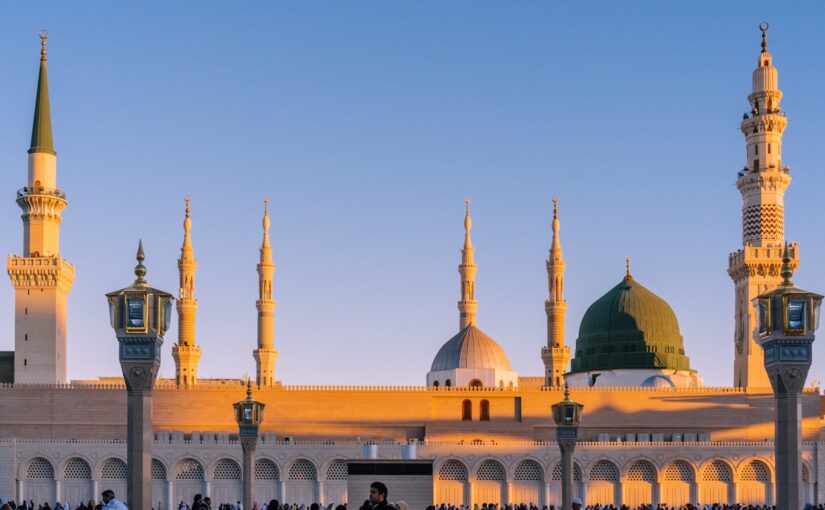
Mera Dil Ye Pukare (میرا دل یہ پکارے) — Full Naat Lyrics in Urdu, English Translation and Meaning

Mera Dil Ye Pukare (میرا دل یہ پکارے) is a heartfelt naat that expresses the deep love and devotion of a believer for Prophet Muhammad (peace be upon him). This beautiful naat has touched the hearts of millions across the world with its soulful melody and profound lyrics that speak of the longing to visit the blessed city of Madina.

Below you will find the complete Urdu lyrics of Mera Dil Ye Pukare, their English translation, and an explanation of the spiritual meaning behind this beloved naat.

About the Naat

Mera Dil Ye Pukare is a popular naat recited in gatherings of praise for the Prophet Muhammad (SAW). The phrase “Mera Dil Ye Pukare” translates to “My heart calls out” — expressing the innate yearning of a believer’s heart to be in the presence of the beloved Prophet. The naat beautifully captures the emotion of a soul that finds no peace except in the remembrance and love of Rasulullah (SAW).

Mera Dil Ye Pukare — Full Urdu Lyrics (میرا دل یہ پکارے)

میرا دل یہ پکارے ہے
مدینے کو بار بار

میرا دل یہ پکارے ہے
محمد کے دیدار

بارشوں میں بھیگی بھیگی
خوشبوؤں میں ڈوبی ڈوبی
یاد آتی ہے مدینے کی گلیاں
میرا دل یہ پکارے ہے

سونے کے جھالر والا
سبز گنبد کا نظارہ
دل کو چین آتا ہے
یہ ہے پیارا سا نظارہ

میرا دل یہ پکارے ہے
مدینے کو بار بار
میرا دل یہ پکارے ہے
محمد کے دیدار

English Translation of Mera Dil Ye Pukare

Verse 1:
My heart calls out,
To Madina, again and again.
My heart calls out,
For the blessed sight of Muhammad (SAW).

Verse 2:
Drenched in the rains,
Immersed in fragrances,
I remember the streets of Madina.
My heart calls out.

Verse 3:
The beautiful golden-fringed,
Green dome so magnificent,
My heart finds its peace,
In this beloved sight.

Verse 4 (Repeat):
My heart calls out,
To Madina, again and again.
My heart calls out,
For the blessed sight of Muhammad (SAW).

Spiritual Meaning and Message

Mera Dil Ye Pukare is more than just a poem set to melody. It represents the deep spiritual connection that believers feel toward the Prophet Muhammad (SAW) and the city of Madina. The naat beautifully captures several key themes in Islamic spirituality:

The Yearning for Madina

The repeated call of the heart to Madina reflects the deep love Muslims hold for the city that welcomed the Prophet (SAW) and became the centre of the early Islamic community. Visiting Madina and the Prophet’s Mosque (Masjid al-Nabawi) is a deeply spiritual experience for Muslims worldwide.

The Green Dome Symbolism

The mention of the green dome (Sabz Gumbad) refers to the iconic green dome of the Prophet’s Mosque in Madina, beneath which lies the blessed resting place of Prophet Muhammad (SAW). For Muslims, seeing this dome evokes feelings of peace, love, and spiritual connection.

The Longing for Spiritual Sight

The phrase “Muhammad ke didaar” (the sight of Muhammad) expresses the believer’s deepest spiritual aspiration — to be in the presence of the beloved Prophet. This theme resonates throughout Islamic poetry and devotional literature.

When to Recite This Naat

Mera Dil Ye Pukare is often recited in various settings. It is commonly heard during Mehfil-e-Naat gatherings, where devotees gather to praise the Prophet (SAW) through poetry and song. Many Muslims also listen to this naat during their personal spiritual reflection, especially when feeling a longing to visit Madina. It is also frequently played in homes and at Islamic events during the month of Rabi-ul-Awwal, the month of the Prophet’s birth.

Popular Reciters

This naat has been beautifully rendered by several well-known naat reciters. Each brings their own style and emotion to the performance, making it accessible to a wide audience. You can find versions by various reciters on Islamic audio platforms and video sharing sites.

Final Thoughts

Mera Dil Ye Pukare (میرا دل یہ پکارے) is a timeless expression of love for the Prophet Muhammad (SAW) that continues to inspire and move listeners around the world. Whether you are reading the Urdu lyrics, understanding the English translation, or reflecting on the spiritual meaning, this naat serves as a beautiful reminder of the deep connection between a believer and their beloved Prophet.

May we all be blessed with the opportunity to visit Madina and experience the peace that this holy city offers. Ameen.

Bhar Do Jholi Meri (بھر دو جھولی میری) — Full Naat Lyrics in Urdu, English Translation and Meaning

Bhar Do Jholi Meri (بھر دو جھولی میری) — Full Naat Lyrics in Urdu, English Translation and Meaning

Bhar Do Jholi Meri is one of the most beloved and widely recited naats in the Islamic world. Written in praise of Prophet Muhammad (peace be upon him), this naat expresses the deep longing of a believer who comes to the Prophet’s blessed city of Madina seeking blessings and spiritual fulfilment. The naat is known for its emotional lyrics and beautiful melody, and it is recited at milads, naat gatherings, and religious events around the world.

The phrase “Bhar Do Jholi Meri” translates to “Fill My Lap” or “Fill My Bag.” It is a humble request from the believer to the Prophet, asking him to bless them with spiritual gifts and barakah (blessings) that will last a lifetime. The naat captures the essence of a pilgrim’s journey to Madina and the hope of receiving the Prophet’s intercession.

Background of Bhar Do Jholi Meri

This naat was written and popularised by the renowned Pakistani naat reciter and poet Khawaja Muhammad Naeem. Over the years, it has been recited by many famous naat artists including Qari Waheed Zafar Qasmi, Owais Raza Qadri, and many others. Each rendition brings its own style, but the lyrics remain the same powerful expression of love for the Prophet.

The naat describes the emotional experience of visiting the Prophet’s mosque in Madina, standing before the green dome of the Prophet’s tomb, and making humble supplications. It speaks to the universal Muslim experience of longing to visit Madina and the hope of being blessed by the Prophet even from afar.

Bhar Do Jholi Meri Naat Lyrics in Urdu

بھر دو جھولی میری یا محمدﷺ

میں مدینے آیا ہوں یا محمدﷺ
تم پہ لاکھوں سلام یا محمدﷺ

میرے دل کا سہارا تمہارا ہے
ہر ادا پیارا پیارا تمہارا ہے

آنکھوں میں بس گئے ہو تم
دل میں اتر گئے ہو تم

دیکھنا چاہتا ہوں تم کو
دیکھ لوں اک بار محمدﷺ

بھر دو جھولی میری یا محمدﷺ

پھولوں کی چادر اور گلابوں کا ہار
بھیجوں مدینے میں لاکھوں سلام

جھولی پھیلی ہے تیرے استقبال میں
دیکھ لے میری حسرت یا محمدﷺ

بھر دو جھولی میری یا محمدﷺ

تم ہو میرے آقا تم ہو میرا دین
تم پہ قربان میرا دل و جاں

بن کے رہوں گا میں در کا گدا
عمر بھر یا رسول اللہﷺ

بھر دو جھولی میری یا محمدﷺ

English Translation of Bhar Do Jholi Meri

Verse 1:
Fill my lap, O Muhammad (peace be upon him)

Verse 2:
I have come to Madina, O Muhammad (peace be upon him)
Countless blessings upon you, O Muhammad (peace be upon him)

Verse 3:
My heart finds its support in you
Every gesture of yours is beautiful

Verse 4:
You have settled in my eyes
You have entered my heart

Verse 5:
I wish to see you
Let me see you just once, O Muhammad (peace be upon him)

Verse 6 (Chorus):
Fill my lap, O Muhammad (peace be upon him)

Verse 7:
A sheet of flowers and a garland of roses
I send countless blessings to Madina

Verse 8:
My lap is spread in welcome for you
See my longing, O Muhammad (peace be upon him)

Verse 9 (Chorus):
Fill my lap, O Muhammad (peace be upon him)

Verse 10:
You are my master, you are my faith
My heart and soul are sacrificed for you

Verse 11:
I will remain a beggar at your door
For my whole life, O Messenger of Allah (peace be upon him)

Verse 12 (Chorus):
Fill my lap, O Muhammad (peace be upon him)

Spiritual Meaning and Significance

Bhar Do Jholi Meri is more than just a naat; it is a heartfelt prayer. The repeated request to “fill my lap” symbolises the believer’s spiritual emptiness and the desire to be filled with the blessings of faith. When a Muslim visits Madina, they hope to leave with a heart full of iman (faith), a soul filled with peace, and a life enriched with the Prophet’s blessings.

The naat also reflects the deep love and devotion that Muslims have for the Prophet Muhammad (peace be upon him). Referring to him as “Ya Muhammad” and “Ya Rasool Allah” shows the personal connection that believers feel with the Prophet, as if speaking to him directly. The lines about sending flowers and garlands to Madina represent the offerings of love that Muslims wish they could physically present at the Prophet’s mosque.

The verse about being a beggar at the Prophet’s door is particularly meaningful. It expresses humility and the recognition that all spiritual wealth comes through the Prophet’s intercession. The believer does not ask for worldly riches but for the honour of remaining devoted to the Prophet’s path throughout their life.

When to Recite This Naat

Bhar Do Jholi Meri is often recited at milad gatherings, naat competitions, and during religious events marking the Prophet’s birthday (Eid Milad-un-Nabi). It is also a popular choice for pilgrims visiting Madina. Many Muslims listen to this naat during their journey to Madina or while standing at the Rawdah, the sacred area of the Prophet’s mosque.

The naat is suitable for both men and women to recite and is often taught to children as one of the first naats they learn because of its simple wording and beautiful message. It is available in recordings by many leading naat reciters and can be found on YouTube, audio streaming platforms, and Islamic websites.

Madina Jaane Ko Dil Karta Hai (مدینہ جانے کو دل کرتا ہے) — Full Naat Lyrics in Urdu, English Translation and Meaning

Introduction

“Madina Jaane Ko Dil Karta Hai” is a deeply emotional naat that expresses the burning desire of a believer to visit the blessed city of Madina Munawwarah. The poet beautifully captures the longing to see the Roza of Prophet Muhammad (peace be upon him) and to walk the streets where the beloved Prophet once walked.

This naat is popular in the Urdu-speaking world and is often recited at Mehfil-e-Naat gatherings, especially before the Hajj and Umrah season when many believers plan their journey to Saudi Arabia.

The lyrics speak of a heart that is restless, a soul that craves the peace of Madina, and eyes that long to see the green dome of Masjid-e-Nabawi. It is a naat that resonates with anyone who has visited Madina or dreams of visiting one day.

Madina Jaane Ko Dil Karta Hai — Full Naat Lyrics in Urdu

مدینہ جانے کو دل کرتا ہے

نبی کے در پہ جانا ہے
شفاعت کا بہانہ ہے
مدینہ جانے کو دل کرتا ہے

وہاں کے گلیوں میں جانا ہے
گلستاں میں نہانا ہے
مدینہ جانے کو دل کرتا ہے

وہاں گنبد ہے سبز رنگ
جہاں رحمت ہے بے سنگ
مدینہ جانے کو دل کرتا ہے

وہاں روتے ہیں گناہگار
بہتی ہے آنکھوں سے دھار
مدینہ جانے کو دل کرتا ہے

وہاں بخشش کا سامان ہے
ہر دکھ کا وہاں علاج ہے
مدینہ جانے کو دل کرتا ہے

وہاں آقا کا روضہ ہے
جہاں سارا ہے جلوہ ہے
مدینہ جانے کو دل کرتا ہے

Madina Jaane Ko Dil Karta Hai — English Transliteration

Madina jaane ko dil karta hai

Nabi ke dar pe jaana hai
Shafa’at ka bahaana hai
Madina jaane ko dil karta hai

Wahan ki galiyon mein jaana hai
Gulistaan mein nahaana hai
Madina jaane ko dil karta hai

Wahan gumbad hai sabz rang
Jahan rehmat hai be-sang
Madina jaane ko dil karta hai

Wahan rote hain gunaahgaar
Behti hai aankhon se dhaar
Madina jaane ko dil karta hai

Wahan bakhshish ka saamaan hai
Har dukh ka wahan ilaaj hai
Madina jaane ko dil karta hai

Wahan Aaqa ka roza hai
Jahan saara hai jalwa hai
Madina jaane ko dil karta hai

English Translation

Verse 1:
My heart yearns to go to Madina

Verse 2:
I must go to the doorstep of the Prophet
It is an excuse to seek intercession
My heart yearns to go to Madina

Verse 3:
I must walk through its streets
I must bathe in its garden-like atmosphere
My heart yearns to go to Madina

Verse 4:
There is a green dome there
Where blessings are limitless
My heart yearns to go to Madina

Verse 5:
There the sinners weep
Streams flow from their eyes
My heart yearns to go to Madina

Verse 6:
There is provision for forgiveness there
Every sorrow has a cure there
My heart yearns to go to Madina

Verse 7:
There is the resting place of our Master
Where all splendour resides
My heart yearns to go to Madina

Meaning and Background

This naat captures the deep spiritual longing that every Muslim feels for Madina Munawwarah, the city of the Prophet Muhammad (peace be upon him). The repeated refrain “Madina jaane ko dil karta hai” (My heart yearns to go to Madina) reflects an emotional and spiritual pull that transcends time and distance.

The poet describes the deep desire to visit the Prophet’s mosque, to stand at his blessed grave, and to seek intercession (shafa’at). The green dome (gumbad-e-sabz) of Masjid-e-Nabawi is mentioned as a symbol of divine mercy and blessing.

There is a beautiful contrast in the poem: the sinners weeping in repentance and the boundless mercy they hope to receive. This reflects the Islamic teaching that the Prophet’s city is a place of spiritual healing and forgiveness.

If you enjoyed this naat, you might also like other beautiful naats such as Meri Zindagi Hai Madina, Mere Dil Mein Hai Madina, or Keh Do Madine Jaana Hai.

May Allah grant us all the opportunity to visit the blessed city of Madina and the sacred mosque of the Prophet, Ameen.

Meri Zindagi Hai Madina (میری زندگی ہے مدینہ) Full Naat Lyrics in Urdu, English Translation and Meaning

Meri Zindagi Hai Madina (میری زندگی ہے مدینہ) meaning “My Life is Madina” is a deeply emotional and popular Urdu naat recited by the renowned naat khwan Owais Raza Qadri. This naat expresses the profound love and devotion of a believer towards Madina Munawwarah, the blessed city of Prophet Muhammad. The lyrics speak of a heart that lives for Madina, a soul that longs to be in the presence of the Prophet, and a life that finds its true meaning in the love of the Holy Prophet.

Owais Raza Qadri, known for his soulful and heartfelt recitation, has touched millions of hearts worldwide with this naat. Meri Zindagi Hai Madina is often recited at gatherings, in mosques, and during personal moments of devotion. It captures the essence of what Madina means to a believer not just a city, but a spiritual home.

In this article, we present the full Urdu lyrics of Meri Zindagi Hai Madina along with English translation and a detailed explanation of its meaning and spiritual significance.

The Meaning of Meri Zindagi Hai Madina

The title Meri Zindagi Hai Madina translates to “My Life is Madina”. This phrase captures the essence of a believer existence a life devoted to the love of Prophet Muhammad and the blessed city where he is buried. Madina is not just a geographical location in this context; it represents the spiritual destination of every Muslim heart.

The naat emphasises several key themes:

  • The all-consuming love for Prophet Muhammad
  • The longing to visit and live in Madina Munawwarah
  • The recognition that true peace and happiness come from devotion to the Prophet
  • The willingness to sacrifice everything for the sake of the beloved Prophet

Meri Zindagi Hai Madina Naat Lyrics Full Urdu Text

میری زندگی ہے مدینہ میری زندگی ہے مدینہ
مرے دل کی دھڑکن ہے مدینہ ہاں میری زندگی ہے مدینہ

نہیں جانتا مجھے کوئی اور نہ جانے میرا مداوا کوئی
مری التجا ہے یا نبی مجھے دیدار کردو مدینہ کا

مجھے چھوڑ کر نہ جانا کبھی میں ہوں تم پہ فدا یا نبی
مری جان لے لو یا رسول اللہ مگر مت بھلانا مدینہ مجھے

مری آنکھوں میں بسے مدینہ مرے خوابوں میں ہے مدینہ
مرے سانسوں میں ہے مدینہ ہاں میری زندگی ہے مدینہ

مدینے کی گلیوں میں اے مرے نبی ملاقات ہوگی کسی دن
مری آنکھوں کو راحت ملے گی یہی آرزو ہے مدینہ کی

جہاں روضہ ہے نبی کا وہیں میرا گھر ہے مدینہ
مری جنت ہے مدینہ ہاں میری زندگی ہے مدینہ

کبھی تو سنا اے مرے مولا مرے دل کی پکار
یہاں آنے کی ہے التجا مجھے ہو جائے دیدار

تمہیں چھوڑ کر نہ جائیں گے ہم اے مرے شہہ مدینہ
مری روح رہے گی تمہارے در پہ مری زندگی ہے مدینہ

English Translation of Meri Zindagi Hai Madina

Urdu Verse English Translation
میری زندگی ہے مدینہ میری زندگی ہے مدینہ
مرے دل کی دھڑکن ہے مدینہ ہاں میری زندگی ہے مدینہ
My life is Madina, my life is Madina.
The heartbeat of my heart is Madina, yes, my life is Madina.
نہیں جانتا مجھے کوئی اور نہ جانے میرا مداوا کوئی
مری التجا ہے یا نبی مجھے دیدار کردو مدینہ کا
No one knows me, and no one knows my cure.
My plea is, O Prophet, grant me the vision of Madina.
مجھے چھوڑ کر نہ جانا کبھی میں ہوں تم پہ فدا یا نبی
مری جان لے لو یا رسول اللہ مگر مت بھلانا مدینہ مجھے
Never leave me, I sacrifice myself for you, O Prophet.
Take my life, O Messenger of Allah, but do not let me forget Madina.
مری آنکھوں میں بسے مدینہ مرے خوابوں میں ہے مدینہ
مرے سانسوں میں ہے مدینہ ہاں میری زندگی ہے مدینہ
Madina resides in my eyes, Madina is in my dreams.
Madina is in my breath, yes, my life is Madina.
مدینے کی گلیوں میں اے مرے نبی ملاقات ہوگی کسی دن
مری آنکھوں کو راحت ملے گی یہی آرزو ہے مدینہ کی
In the streets of Madina, O my Prophet, I will meet you one day.
My eyes will find peace, this is the wish of Madina.
جہاں روضہ ہے نبی کا وہیں میرا گھر ہے مدینہ
مری جنت ہے مدینہ ہاں میری زندگی ہے مدینہ
Where the shrine of the Prophet is, there my home is Madina.
My paradise is Madina, yes, my life is Madina.
کبھی تو سنا اے مرے مولا مرے دل کی پکار
یہاں آنے کی ہے التجا مجھے ہو جائے دیدار
Listen sometime, O my Master, to the call of my heart.
My plea is to come here, grant me the blessed vision.
تمہیں چھوڑ کر نہ جائیں گے ہم اے مرے شہہ مدینہ
مری روح رہے گی تمہارے در پہ مری زندگی ہے مدینہ
We will never leave you, O my King of Madina.
My soul will remain at your doorstep, my life is Madina.

The Spiritual Significance of Meri Zindagi Hai Madina

The love for Madina is not just a sentimental feeling in Islam. It is a deep spiritual connection that every Muslim is encouraged to develop. Prophet Muhammad himself said, “Ibrahim declared Makkah sacred, and I declare Madina sacred.” This makes Madina one of the two holiest cities in Islam, alongside Makkah.

This naat captures that love perfectly. The repeated phrase “Meri Zindagi Hai Madina” is not a literal statement that the singer lives in Madina. Instead, it means that the city of Madina and everything it represents the Prophet, his teachings, his love, his sunnah is the very essence of the believer existence. The believer life revolves around this love, just as a planet revolves around the sun.

The naat also speaks to the universal longing that every Muslim feels the desire to visit the Rawdah and to stand before the blessed grave of Rasoolullah. This is one of the greatest spiritual aspirations for a believer, and the naat gives voice to this beautiful longing.

Why This Naat Is So Popular

  • Simple yet profound lyrics: The words are easy to understand but carry deep spiritual meaning
  • Emotional melody: The tune of this naat is both soulful and easy to remember
  • Universal theme: Every Muslim, regardless of their background, can relate to the longing for Madina
  • Powerful recitation by Owais Raza Qadri: His voice adds an unmatched emotional depth to the words

If you enjoyed this naat, you may also like other popular naats such as Tajdar-e-Haram and Suna Hai Jis Ka Naam Hai Muhammad, both available with full lyrics and translations on our site.

How to Recite This Naat

Meri Zindagi Hai Madina is typically recited in a slow, melodious style. The repetition of the title phrase at the beginning sets a reflective tone. The verses that follow build emotional intensity as the singer expresses their deep love and longing for the Prophet and the blessed city of Madina.

This naat is suitable for any gathering where naat is recited, including mehfils, Milad gatherings, and personal worship. It is also popular for listening during travel, especially for those journeying to Madina for pilgrimage.

Final Thoughts

Meri Zindagi Hai Madina is more than just a naat. It is a declaration of love, a spiritual aspiration, and a reminder of what truly matters in life. The love of Prophet Muhammad and the city of Madina is at the heart of Islamic spirituality, and this naat captures that love in the most beautiful way.

We hope this article with the full Urdu lyrics, English translation, and meaning helps you connect more deeply with this beautiful naat. Share it with friends and family, and may Allah grant us all the opportunity to visit Madina Munawwarah.

For more naat lyrics, explore our collection of Labbaik Ya Rasool Allah and Ya Habibi Ya Muhammad.

An Nabi Sallu Alaih (النبی صلوا علیہ) – Complete Urdu Lyrics & English Translation

Introduction

“An Nabi Sallu Alaih” (اَلنَّبِی صَلُّو عَلَیہ) — also widely known as “Sallu Ala Nabi” (صلو علی النبی) — is one of the most beloved and frequently recited naats in the Urdu-speaking world. Made famous by the soulful voice of Tayyab Raza Qadri, this naat has become a staple in mehfils, mosques, and spiritual gatherings across Pakistan, India, Bangladesh, and the global Muslim diaspora.

The naat is a powerful call to send salutations (durood) upon the Prophet Muhammad ﷺ. Its refrain — “An Nabi Sallu Alaih, Salawatullah Alaih” — echoes the Qur’anic command in Surah Al-Ahzab (33:56): “Indeed, Allah and His angels send blessings upon the Prophet. O you who believe, send blessings upon him and greet him with peace.”

What makes this naat particularly special is its emotional depth. It doesn’t just praise the Prophet ﷺ; it expresses a deep personal longing — a desire to be close to him, to be forgiven through his intercession, and to find peace in his remembrance. The repeated refrain of “Ya Rasulallah, Ya Habiballah” (O Messenger of Allah, O Beloved of Allah) is a cry of love that resonates with millions.

In this article, we bring you the complete Urdu lyrics of “An Nabi Sallu Alaih” along with their English translation and the deeper meaning behind this timeless devotional masterpiece.

Background and Significance

“An Nabi Sallu Alaih” is more than just a naat — it is a devotional practice. The act of reciting durood (salutations) upon the Prophet ﷺ carries immense spiritual reward. The Prophet ﷺ himself said: “Whoever sends one blessing upon me, Allah sends ten blessings upon him.” (Sahih Muslim)

This naat beautifully combines Arabic and Urdu verses. The Arabic portions call upon all present to send salutations, while the Urdu verses express the poet’s personal devotion. The phrase “Tum Pe Karoron Durood” (Thousands of millions of blessings upon you) is repeated throughout, emphasizing the boundless love and reverence Muslims hold for their Prophet.

The naat also references key events and attributes of the Prophet ﷺ:

  • Shaqqul Qamar (splitting of the moon) — one of the Prophet’s ﷺ greatest miracles
  • Kaabe ke Badrud Duja — referring to the Prophet as the full moon of the Kaaba
  • Tayba ke Shamsud Duha — referring to him as the sun of brightness in Madina
  • Shafi-e-Roze Jaza — his role as intercessor on the Day of Judgment
  • Dafe Jumla Bala — the remover of all calamities

The naat was popularized in the modern era by Tayyab Raza Qadri, whose melodious rendition touches the hearts of listeners. Many other renowned naat reciters — including Owais Raza Qadri, Amjad Sabri, and Farhan Ali Qadri — have also performed this kalam, each bringing their unique style to this beloved composition.

Full Lyrics in Urdu (اَلنَّبِی صَلُّو عَلَیہ — مکمل اردو میں)

یا رسول اللّٰہ یا رسول اللّٰہ
یا حبیب اللّٰہ یا حبیب اللّٰہ

اَلنَّبِی صَلُّو عَلَیہ صَلَواۃُ اللّٰہ عَلَیہ
وَ یَنَالُ البَرَکاۃ کُلُّ مَن صَلّٰی عَلَیہ

اَلنَّبِی صَلُّو عَلَیہ صَلَواۃُ اللّٰہ عَلَیہ
وَ یَنَالُ البَرَکاۃ کُلُّ مَن صَلّٰی عَلَیہ

اَلنَّبِی یا حَاضِرِین اِعلَمُو عِلمَ الیقین
اَنَّ رَبُّ العَالَمِین فَرَضٰی صَلّٰی عَلَیہ

اللّٰہ اللّٰہ اللّٰہ اللّٰہ اللّٰہ اللّٰہ اللّٰہ اللّہ

اَلنَّبِی صَلُّو عَلَیہ صَلَواۃُ اللّٰہ عَلَیہ
وَ یَنَالُ البَرَکاۃ کُلُّ مَن صَلّٰی عَلَیہ

کعبے کے بدرالدجا تم پہ کروڑوں درود
طیبہ کے شمس الضحیٰ تم پہ کروڑوں درود
شافعٔ روز جزا تم پہ کروڑوں درود
دافعٔ جملہ بلا تم پہ کروڑوں درود

یا رسول اللّٰہ یا رسول اللّٰہ
یا حبیب اللّٰہ یا حبیب اللّٰہ

اَلنَّبِی یا مَن حَضَر اَلنَّبِی خَیرُ البشر
مَن لَّہٗ شَقُّ القَمَر وَ نَزِل سَلَّم عَلَیہ

اللّٰہ اللّٰہ اللّٰہ اللّٰہ اللّٰہ اللّٰہ اللّٰہ اللّہ

دل کرو ٹھنڈا میرا وہ کف پا چاند سا
سینے پر رکھ دو ذرا تم پہ کروڑوں درود
ذات ہوئی انتخاب وصف ہوئے لاجواب
نام ہوا مصطفیٰ تم پہ کروڑوں درود

یا رسول اللّٰہ یا رسول اللّٰہ
یا حبیب اللّٰہ یا حبیب اللّٰہ

اَلنَّبِی ذَاڪ العَرُوس ذِکرُہٗ یُحیِی النَفُوس
اَلنَّصَارٰ وَالمَجُوس اَسّلَمُو عَلٰی یَدَیہ

اللّٰہ اللّٰہ اللّٰہ اللّٰہ اللّٰہ اللّٰہ اللّٰہ اللّہ

بے ہنر بے تمیز کس کو ہوئے ہیں عزیز
ایک تمہارے سوا تم پہ کروڑوں درود
آس ہے کوئی نہ پاس اک تمہاری ہے آس
بس یہی آسرا تم پہ کروڑوں درود

یا رسول اللّٰہ یا رسول اللّٰہ
یا حبیب اللّٰہ یا حبیب اللّٰہ

سینہ ہے کہ داغ داغ کہہ دو کرے باغ باغ
طیبہ سے آکے صبا تم پہ کروڑوں درود

یا رسول اللّٰہ یا رسول اللّٰہ
یا حبیب اللّٰہ یا حبیب اللّٰہ

اَلنَّبِی صَلُّو عَلَیہ صَلَواۃُ اللّٰہ عَلَیہ
وَ یَنَالُ البَرَکاۃ کُلُّ مَن صَلّٰی عَلَیہ

تم سے جہاں کا نظام تم پہ کروڑوں درود
تم پہ کروڑوں ثنا تم پہ کروڑوں درود
تم ہو جوادو کریم تم ہو رؤوفو رحیم
بھیک ہو داتا عطا تم پہ کروڑوں درود

خلق کے حاکم ہو تم رزق کے قاسم ہو تم
تم سے ملا جو ملا تم پہ کروڑوں درود
نافی و دافع ہو تم شافی و رافع ہو تم
تم سے بس افزوں خدا تم پہ کروڑوں درود

بارش کرم کی بھرے بھولے نعم کے چمن
ایسی چلا دو ہوا تم پہ کروڑوں درود
کیوں کہوں بے کس ہوں میں کیوں کہوں بے بس ہوں میں
تم ہو میں تم پہ فدا تم پہ کروڑوں درود

یا رسول اللّٰہ یا رسول اللّٰہ
یا حبیب اللّٰہ یا حبیب اللّٰہ

اَلنَّبِی ذَاڪ المَلِیح قَولُہٗ قَولٌ صَحِیح
وَالقُرآن شَیئٌ فَصِیح الَّذِی اُنزِل عَلَیہ

اللّٰہ اللّٰہ اللّٰہ اللّٰہ اللّٰہ اللّٰہ اللّٰہ اللّہ

کرکے تمہارے گناہ مانگے تمہاری پناہ
تم کہو دامن میں آ تم پہ کروڑوں درود
ہم نے خطا میں نہ کی تم نے عطا میں نہ کی
کوئی کمی سرورا تم پہ کروڑوں درود

آنکھ عطا کیجیے اس میں ضیا کیجیے
جلد قریب آگیا تم پہ کروڑوں درود
کام وہ لے لیجیے تم کو جو راضی کرے
ٹھیک ہے نامہ رضا تم پہ کروڑوں درود

یا رسول اللّٰہ یا رسول اللّٰہ
یا حبیب اللّٰہ یا حبیب اللّٰہ

وَالحَسَن تُمَّ الحُسَین لِی رَیحَانَتَین
فَاطِمَہ قُرَّۃُ العَین جَدُّہُم صَلُّو عَلَیہ

اللّٰہ اللّٰہ اللّٰہ اللّٰہ اللّٰہ اللّٰہ اللّٰہ اللّہ

یہ عبید ادنیٰ غلام تیرا ہے خیر الانام
وقت مدحت کے لیے اس کی ہو عمر تمام

یا رسول اللّٰہ یا رسول اللّٰہ
یا حبیب اللّٰہ یا حبیب اللّٰہ

English Translation (Verse by Verse)

Below is the English translation of “An Nabi Sallu Alaih” verse by verse:

Verse (Romanized) English Translation
Ya Rasulallah, Ya Rasulallah
Ya Habiballah, Ya Habiballah
O Messenger of Allah! O Messenger of Allah!
O Beloved of Allah! O Beloved of Allah!
An Nabi Sallu Alaih, Salawatullah Alaih
Wa Yanaalul Baraka, Kullu Man Salla Alaih
O Prophet, send blessings upon him, Allah’s blessings be upon him
And whoever sends blessings upon him attains blessings
An Nabi Ya Hadireen, Ilamu Ilmal Yaqeen
Anna Rabbal Alameen, Wa Rala Salla Alaih
O Prophet! O those present! Know with certainty of knowledge
That the Lord of the Worlds has ordained to send blessings upon him
Kaabe Ke Badrud Duja, Tum Pe Karoron Durood
Tayba Ke Shamsud Duha, Tum Pe Karoron Durood
O full moon of the Kaaba’s darkness, millions of blessings upon you
O sun of brightness of Tayba (Madina), millions of blessings upon you
Shafiye Roze Jaza, Tum Pe Karoron Durood
Dafeye Jumla Bala, Tum Pe Karoron Durood
O intercessor on the Day of Recompense, millions of blessings upon you
O remover of all calamities, millions of blessings upon you
An Nabi Ya Man Hadar, An Nabi Khairul Bashar
Man Lahu Shaqqul Qamar, Wa Nazil Sallim Alaih
O Prophet, O the one who is present, O Prophet, the best of humankind
For whom the moon was split — send peace upon him
Dil Karo Thandha Mera Wo Kafe Pa Chaand Sa
Seene Pe Rakdo Zara, Tum Pe Karoron Durood
Cool my heart with that moon-like footstep
Place it on my chest just a little — millions of blessings upon you
Zaat Hui Intikhab, Wasf Huwe La Jawab
Naam Huwa Mustafa, Tum Pe Karoron Durood
Your being was chosen, your attributes are matchless
Your name became Mustafa (the Chosen One) — millions of blessings upon you
Be Hunar Be Tameez Kis Ke Huwe Hain Azeez
Ik Tumhare Siwa, Tum Pe Karoron Durood
Who else is precious to the unskilled and the rude?
No one except you — millions of blessings upon you
Aas Hai Koi Na Paas, Ik Tumhari Hai Aas
Bas Yahi Aasra, Tum Pe Karoron Durood
There is no hope nearby, only hope in you
This is our only support — millions of blessings upon you
Tum Se Jahan Ka Nizam, Tum Pe Karoron Durood
Tum Pe Karoron Sana, Tum Pe Karoron Durood
The universe’s order is through you — millions of blessings upon you
Millions of praises upon you, millions of blessings upon you
An Nabi Dhakal Maleeh, Qawaluhu Qawlu Saheeh
Wal Quran Shaiun Faseeh, Alladee Unzil Alaih
O Prophet of beautiful character, whose speech is true speech
And the Quran is an eloquent discourse that was revealed to him
Wal Hasan Tummal Husain, Lin Raihaanatain
Fathima Qurratu Ayn, Jadduhum Sallo Alaih
And Hasan and Husain are two sweet basil flowers
Fatima is the delight of the eye — their grandfather, send blessings upon him
Ye Ubaid Adna Ghulam, Tera Hai Khairul Anam
Waqt Midhat Ke Liye, Is Ki Ho Umr Tamam
This Ubaid is a lowly slave, yours, O Best of Creation
May his entire life be spent in praise of you

The Deeper Meaning

At its heart, “An Nabi Sallu Alaih” is a naat about longing and love. The poet, Ubaid (whose pen name appears in the final verse), expresses a profound yearning for the Prophet’s ﷺ presence. The line “Dil Karo Thandha Mera Wo Kafe Pa Chaand Sa / Seene Pe Rakdo Zara” is particularly moving — it asks the Prophet to place his blessed feet on the poet’s chest, a metaphor for the spiritual peace that comes from closeness to the Prophet ﷺ.

The repeated phrase “Tum Pe Karoron Durood” is not just a refrain but a meditation. Each repetition deepens the spiritual connection, reminding the listener that no amount of blessings is ever enough for the one who was sent as a mercy to all worlds (Rahmatan Lil Alameen).

The naat also acknowledges human weakness and the need for intercession. Lines like “Karke Tumhare Gunaah, Maange Tumhari Panaah” (Having committed sins, we seek your shelter) reflect the humility of the believer who recognizes their shortcomings but finds hope in the Prophet’s ﷺ mercy and intercession.

There is also a beautiful reference to the Prophet’s ﷺ family — Hasan, Husain, and Fatima — reminding us that love for the Prophet ﷺ is inseparable from love for his blessed household (Ahl al-Bayt).

Why This Naat Resonates So Deeply

Several factors contribute to the immense popularity of “An Nabi Sallu Alaih”:

  1. Universal Theme: The act of sending durood is a core Islamic practice. This naat makes it musical and emotional, transforming a religious obligation into a heartfelt expression of love.
  2. Bilingual Beauty: The seamless blend of Arabic (the language of revelation) and Urdu (the language of the heart for South Asian Muslims) makes it accessible to a wide audience.
  3. Emotional Progression: The naat begins with a call to send blessings, moves through praise and descriptions of the Prophet’s ﷺ attributes, then deepens into personal longing and confession, and ends with a prayer for the poet’s life to be spent in praise.
  4. Melodious Renditions: Tayyab Raza Qadri’s rendition, with its soft, emotional delivery, has made this naat a favorite across generations. It is equally popular on YouTube, TikTok, and in live mehfils.

Conclusion

“An Nabi Sallu Alaih” is more than a naat — it is a spiritual journey. From the opening call of “Ya Rasulallah” to the closing prayer for a life spent in praise, it takes the believer through love, longing, humility, and hope. Every verse is a thread in the fabric of devotion, woven together by the central act of sending blessings upon the Prophet Muhammad ﷺ.

Whether you recite it, listen to it, or simply reflect on its meaning, this naat has the power to transform your spiritual state. As the poet says: “Tum Se Jahan Ka Nizam, Tum Pe Karoron Durood” — the order of the universe is through you, so upon you be millions of blessings.

May we all be blessed to recite durood in abundance and be among those who receive the Prophet’s ﷺ intercession on the Day of Judgment. Ameen.