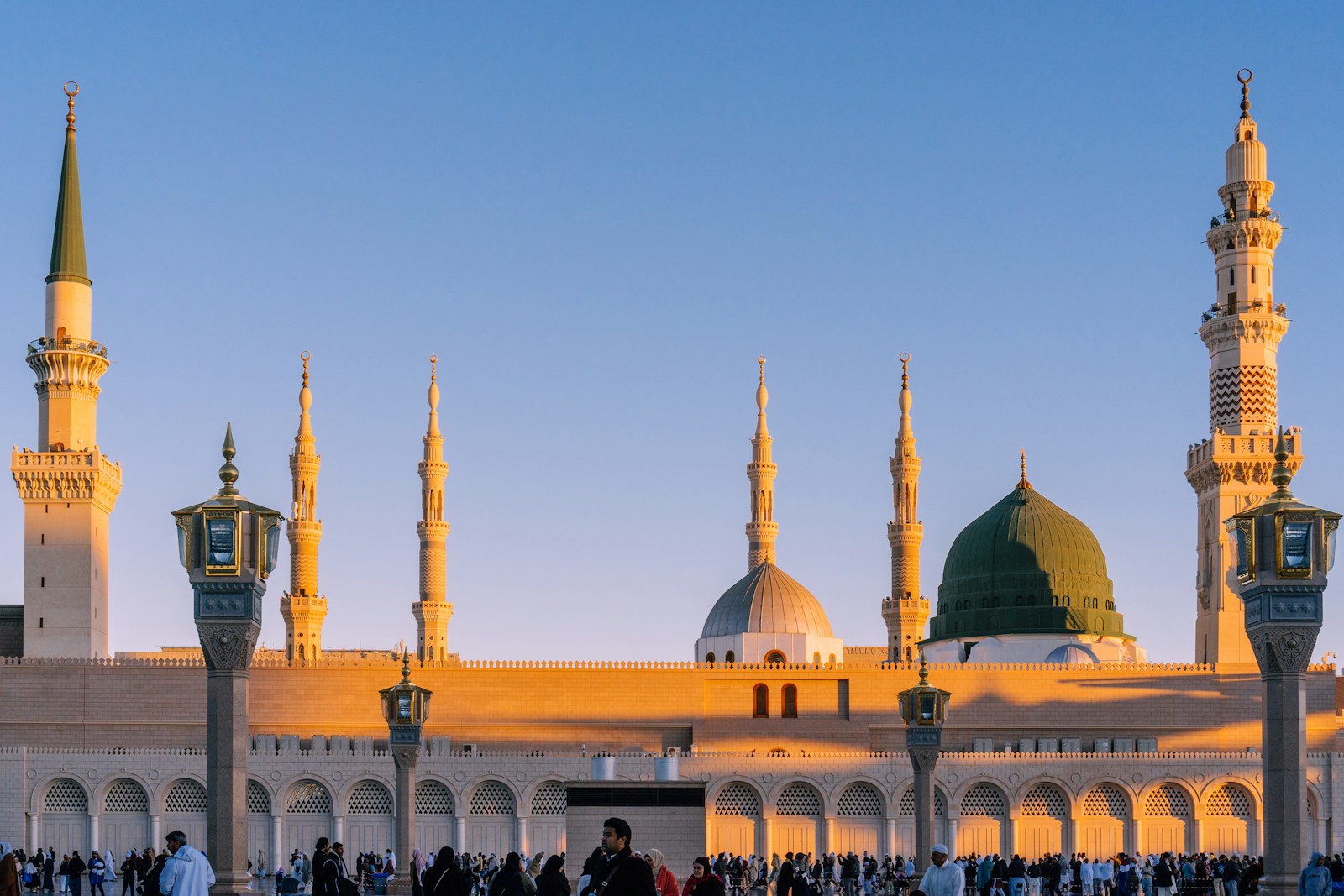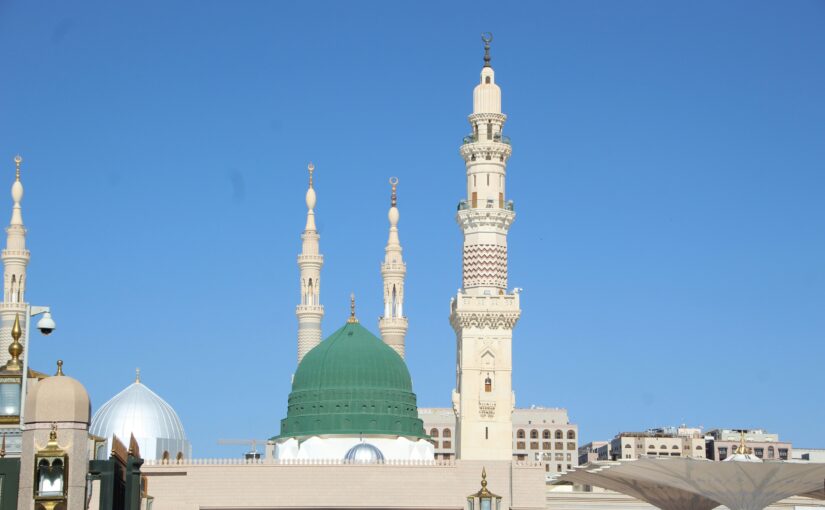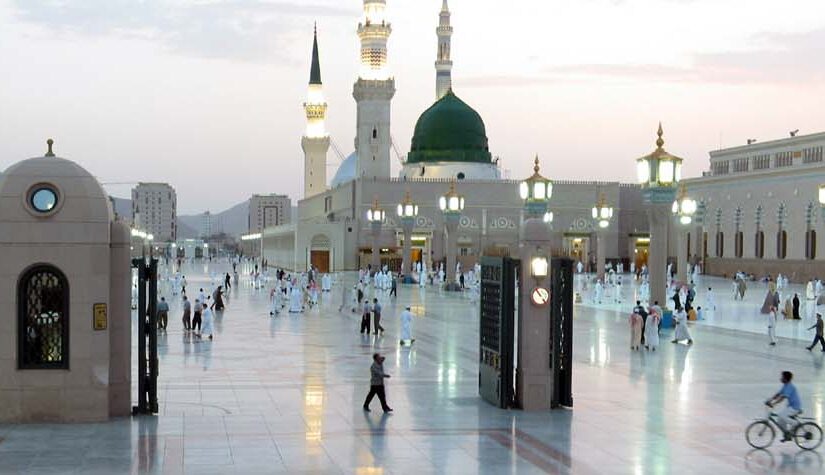
Tajdar-e-Haram (تاجدارِ حرم) Naat Lyrics in Urdu, English Translation and Meaning

Tajdar-e-Haram (تاجدارِ حرم) – Naat Lyrics in Urdu, English Translation and Meaning

“Tajdar-e-Haram” is one of the most famous and beloved naats in the Islamic world, popularised by the legendary singer Rahat Fateh Ali Khan and originally written by the renowned poet Syed Raza Abbas Zaidi (known as Nayyar). The title translates to “The Crown of the Haram” and refers to the Prophet Muhammad (peace be upon him) as the crowned sovereign of the sacred sanctuary.

This soul-stirring naat has been recited at countless mehfils, religious gatherings, and personal moments of devotion across South Asia and beyond. Its powerful melody and heartfelt lyrics make it a favourite among nasheed enthusiasts and spiritual seekers alike.

Background and Significance of Tajdar-e-Haram

The naat “Tajdar-e-Haram” is steeped in deep love and reverence for the Prophet Muhammad (PBUH). The word “Tajdar” means “one who wears a crown” or “sovereign,” and “Haram” refers to the sacred precincts of Makkah and Madinah. Together, the title establishes the Prophet as the crowned king of these holy sanctuaries.

The composition gained massive popularity after Rahat Fateh Ali Khan’s rendition, which became a staple at religious events and continues to be one of the most-requested naats today. The lyrics express longing for the Prophet’s presence, devotion to his teachings, and the deep spiritual connection that believers feel with him.

Tajdar-e-Haram (تاجدارِ حرم) – Full Naat Lyrics in Urdu

Verse 1 – The Opening

تاجدارِ حرم اے شہہِ دیں
تیری خاطر خدا نے یہ عالم بنایا

Roman Urdu: Tajdar-e-Haram, ae shah-e-deen
Teri khatir Khuda ne ye aalam banaya

Translation: O Crown of the Haram, O King of the Faith
For your sake, Allah created this universe

Verse 2

تیرے در سے جو کوئی خالی گیا
وہ کبھی خالی نہیں جا سکتا

Roman Urdu: Tere dar se jo koi khali gaya
Woh kabhi khali nahi ja sakta

Translation: Whoever goes empty-handed from your door
Can never truly go away empty

Verse 3

تجھ سے منسوب ہیں سب نبی اور ولی
تو ہی ہے سب کا قبلہ و مرکزِ دین

Roman Urdu: Tujh se mansoob hain sab Nabi aur Wali
Tu hi hai sab ka qibla o markaz-e-deen

Translation: All Prophets and saints are connected to you
You are the direction and centre of faith for all

Verse 4

تو ہی سردارِ کونین ہے
تیرے صدقے میں یہ دونوں جہاں

Roman Urdu: Tu hi sardar-e-kaunain hai
Tere sadqe mein ye dono jahan

Translation: You are the leader of both worlds
Both worlds are sacrificed for you

Verse 5 – The Chorus (Refrain)

تاجدارِ حرم اے شہہِ دیں
تیری خاطر خدا نے یہ عالم بنایا
تاجدارِ حرم…

Roman Urdu: Tajdar-e-Haram, ae shah-e-deen
Teri khatir Khuda ne ye aalam banaya
Tajdar-e-Haram…

Translation: O Crown of the Haram, O King of the Faith
For your sake, Allah created this universe
O Crown of the Haram…

Verse 6

تیری چاہت میں جیتے ہیں ہم
تیری یادوں میں مرتے ہیں ہم

Roman Urdu: Teri chaahat mein jeete hain hum
Teri yaadon mein martay hain hum

Translation: In your love we live
In your memories we die

Verse 7

تجھ کو پانے کی خواہش نے
ہم کو دیوانہ بنا دیا

Roman Urdu: Tujh ko paane ki khwahish ne
Hum ko deewana bana diya

Translation: The desire to attain you
Has made us mad with love

Verse 8 – The Blessing

صلوات اللہ علیک یا نبی
سلام اللہ علیک یا نبی

Roman Urdu: Salawatullah alaika ya Nabi
Salamullah alaika ya Nabi

Translation: The blessings of Allah be upon you, O Prophet
The peace of Allah be upon you, O Prophet

English Translation in Prose

O Crown of the Sacred Sanctuary, O King of the Faith, Allah created the entire universe for your sake. Whoever approaches your doorstep in need will never leave empty-handed, for your generosity knows no bounds. All the Prophets and saints who came before you are connected to your light. You are the qibla and the centre of the faith itself.

You are the leader of both worlds, this world and the Hereafter. Both realms are sacrificed in your honour. We live in your love and we die with your name on our lips. The longing to be near you has made us restless and mad with devotion. O Prophet, may the blessings and peace of Allah be upon you always.

Meaning and Message of Tajdar-e-Haram

The central theme of “Tajdar-e-Haram” is the unparalleled status of the Prophet Muhammad (PBUH) in creation. The naat teaches several important spiritual lessons.

Prophet’s Status: The naat establishes that the entire universe was created for the sake of the Prophet Muhammad. This is based on the well-known hadith qudsi: “If it were not for you, I would not have created the universe.”

Intercession and Hope: The lyrics emphasise that going to the Prophet’s doorstep with sincerity brings blessings. This reflects the belief in the Prophet’s intercession (shafa’ah) on the Day of Judgment and his constant care for his ummah.

Love and Devotion: The naat expresses an all-consuming love for the Prophet. The imagery of being “mad with love” echoes the traditional Sufi concept of ishq-e-haqiqi (true love) directed towards the Prophet as the beloved of Allah.

Connection to All Prophets: A beautiful aspect of this naat is how it acknowledges that all Prophets and saints are connected to Prophet Muhammad (PBUH). This reflects the Islamic belief that Muhammad (PBUH) is the Seal of the Prophets and the culmination of the prophetic tradition.

Blessings and Peace: The closing verse of salawat and salam is a direct response to the Quranic command in Surah Al-Ahzab (33:56) to send blessings upon the Prophet.

When to Recite Tajdar-e-Haram

  • During Milad-un-Nabi celebrations
  • At mehfils and religious gatherings
  • Personal daily recitation for spiritual connection
  • On Fridays and other blessed days
  • During Ramadan and Laylatul Qadr
  • As a morning or evening dhikr to start or end the day with love for the Prophet

Conclusion

“Tajdar-e-Haram” is more than just a naat. It is a declaration of love, a statement of faith, and a spiritual practice all in one. Its timeless lyrics continue to move hearts and bring believers closer to the Prophet Muhammad (PBUH). Whether you are reciting it alone in quiet reflection or joining a gathering of devotees, this naat has the power to transform your spiritual state.

If you enjoyed this naat, you may also like Sallu Alal Habib, Ya Ghausul Wara, and Sallallahu Alaihi Wasallam.

Sallu Alal Habib (صلوا علی الحبیب) — Naat Lyrics in Urdu, English Translation and Meaning

“Sallu Alal Habib” (صلوا علی الحبیب) is one of the most beloved naats in the Islamic world. Written by the renowned poet and scholar Farhat Hashmi, this beautiful naat calls upon believers to send blessings upon the Prophet Muhammad (peace be upon him). The title translates to “Send Blessings Upon the Beloved,” and the naat is a heartfelt invitation to remember and honour the Prophet through salawat.

Background and Significance

The phrase “Sallu Alal Habib” comes from the Quranic command in Surah Al-Ahzab (33:56), where Allah says: “Indeed, Allah and His angels send blessings upon the Prophet. O you who have believed, ask blessings upon him and greet him with peace.” This naat is a poetic response to that divine command.

The naat has become extremely popular across South Asia and the Middle East. It is recited in mosques, at mehfils (religious gatherings), and in homes. Its simple yet powerful message resonates with people of all ages.

Sallu Alal Habib (صلوا علی الحبیب) – Full Lyrics in Urdu

Verse 1:

صلوا علی الحبیب صلوٰۃ و سلام ۔ صلوٰۃ و سلام
میرے نبی ﷺ پہ لاکھوں صلوٰۃ و سلام

Verse 2:

اے پاک ذات والے تجھ کو سلام اے نبی
تیرے در پہ لاکھوں صلوٰۃ و سلام
صلوا علی الحبیب صلوٰۃ و سلام ۔ صلوٰۃ و سلام
میرے نبی ﷺ پہ لاکھوں صلوٰۃ و سلام

Verse 3:

تیری چاہت نے دل کو مجنوں بنا دیا
تیری یادوں نے سجدوں میں جھکا دیا
اے شہہ مدینہ تجھ کو سلام اے نبی
تیرے در پہ لاکھوں صلوٰۃ و سلام

Verse 4:

جو تجھے پہچانے وہ کبھی نہ کھوئے
جو تجھے مانے وہ کبھی نہ روئے
اے رحمت عالم تجھ کو سلام اے نبی
تیرے در پہ لاکھوں صلوٰۃ و سلام

English Translation

Verse 1:
Send blessings upon the Beloved, blessings and peace, blessings and peace
Upon my Prophet (peace be upon him), thousands of blessings and peace

Verse 2:
O Pure One, peace be upon you, O Prophet
At your doorstep, thousands of blessings and peace
Send blessings upon the Beloved, blessings and peace, blessings and peace
Upon my Prophet (peace be upon him), thousands of blessings and peace

Verse 3:
Your love has made my heart like Majnun (mad with love)
Your memories have made me bow in prostration
O King of Madinah, peace be upon you, O Prophet
At your doorstep, thousands of blessings and peace

Verse 4:
Whoever recognises you will never be lost
Whoever believes in you will never weep
O Mercy to the Worlds, peace be upon you, O Prophet
At your doorstep, thousands of blessings and peace

Meaning and Message

  • Love for the Prophet (PBUH): The naat expresses deep, unconditional love for the Prophet Muhammad. The poet describes this love as all-consuming, comparing it to the legendary love of Majnun.
  • Blessings and Peace: The constant repetition of “salawat wa salam” reminds us to continuously send blessings upon the Prophet, which is a form of worship with immense spiritual reward.
  • Hope and Mercy: The naat emphasises that the Prophet (PBUH) is a source of mercy for all of humanity. Those who recognise and follow him will find peace and guidance.
  • Humility: The imagery of bowing in prostration and standing at the Prophet’s doorstep conveys humility and submission before Allah and His Messenger.

When to Recite Sallu Alal Habib

  • Eid Milad-un-Nabi celebrations
  • Friday gatherings and mehfils
  • Daily recitation after prayers
  • Ramadan and other blessed nights
  • As a lullaby for children, instilling love for the Prophet from a young age

Conclusion

“Sallu Alal Habib” is more than just a naat. It is a spiritual practice wrapped in poetry. Its simple yet profound lyrics make it accessible to everyone, from children to elders. By reciting it, we fulfil the Quranic command to send blessings upon the Prophet and deepen our love for the one who is a mercy to all worlds.

If you enjoyed this naat, you may also like Sallallahu Alaihi Wasallam, Labbaik Ya Rasool Allah, and Salam Ya Mustafa.

Ya Ghausul Wara (یا غوث الوریٰ) — Manqbat Lyrics in Urdu, English Translation and Meaning

“Ya Ghausul Wara” (یا غوث الوریٰ) is one of the most famous and beloved manqbat recited in praise of Ghaus-e-Azam, Sheikh Abdul Qadir Jilani (Radi Allahu Anhu). This soul-stirring devotional poem invokes the blessings and intercession of the great Sufi saint who is revered across the Islamic world as the “Pole of Saints” (Qutb al-Auliya). The phrase “Ya Ghausul Wara” translates to “O Helper of Mankind,” and the manqbat captures the deep love, devotion, and reliance that millions of devotees place in the spiritual station of Ghaus-e-Azam.

Ya Ghausul Wara manqbat - Beautiful Islamic mosque architecture representing spiritual devotion to Ghaus-e-Azam

Ya Ghausul Wara — The Manqbat Lyrics in Urdu

Below are the complete lyrics of this blessed manqbat in Urdu, presented with Roman Urdu transliteration and English translation for each verse. This manqbat is traditionally recited at Mehfil-e-Milad gatherings, especially in the Indian subcontinent, and is beloved by followers of the Qadiri order.

Verse 1 — The Opening Call

یا غوث الوریٰ یا غوث الوریٰ

Roman Urdu: Ya Ghausul Wara, Ya Ghausul Wara, Ya Ghausul Wara, Ya Ghausul Wara
Translation: O Helper of Mankind, O Helper of Mankind, O Helper of Mankind, O Helper of Mankind

The manqbat opens with the powerful refrain “Ya Ghausul Wara” — a direct call upon Ghaus-e-Azam Sheikh Abdul Qadir Jilani (RA), invoking his title as the universal helper. This repetition creates a meditative, trance-like rhythm that draws the devotee into a state of spiritual concentration (tawajjuh). The title “Ghausul Wara” (غوث الوریٰ) is an Arabic phrase meaning “The Helper/Succorer of All Creation.” The very utterance of this sacred name is believed by devotees to bring spiritual peace and blessings.

Verse 2 — The Emperor of Baghdad

شہنشاہِ بغداد ہیں دستگیر
غمِ دل کا علاج تم سے ہے

Roman Urdu: Shahanshah-e-Baghdad hain Dastagir, Gham-e-dil ka ilaaj tum se hai
Translation: He is the Emperor of Baghdad, the Holder of Hands, The cure for the heart’s sorrow is from You alone.

This verse establishes the supreme spiritual status of Ghaus-e-Azam. “Shahanshah-e-Baghdad” (Emperor of Baghdad) refers to his station as the spiritual sovereign of the city that was once the capital of the Islamic world. “Dastagir” (دستگیر) means “one who holds hands” — a compassionate figure who reaches out to those who are spiritually fallen. The second line acknowledges that only through his intercession can the ailments of the heart be cured.

Verse 3 — The Ocean of Generosity

بحرِ جود و کرم ہو تم اے غوث
تم پہ قربان جاں ہو میرے غوث

Roman Urdu: Behr-e-jood o karam ho tum ae Ghous, Tum pe qurban jaan ho mere Ghous
Translation: You are an ocean of generosity and grace, O Ghous, My soul is sacrificed upon You, O my Ghous.

Ghaus-e-Azam is described as an ocean (behr) of generosity (jood) and grace (karam). This is a recurring theme in Sufi poetry — saints are seen as channels through which Allah’s boundless mercy flows to humanity. The poet declares willing sacrifice of the soul (jaan) in devotion, echoing the Islamic concept of fana (annihilation in the love of the beloved).

Verse 4 — The Helper of the Helpless

ہر مصیبت میں کام آتے ہو تم
بے سہاروں کا تم ہو سہارا

Roman Urdu: Har museebat mein kaam aate ho tum, Be-saharon ka tum ho sahara
Translation: In every hardship You come to aid, You are the support for those without support.

This verse beautifully captures the belief in the intercession (tawassul) of the saints. “Be-saharon ka sahara” (support of the unsupported) is a phrase that resonates deeply with those who feel alone in their struggles. The verse affirms that Ghaus-e-Azam is a refuge for the distressed — a core reason why millions have turned to him for spiritual and worldly help for over 800 years. His shrine in Baghdad continues to be a beacon of hope for the hopeless.

Verse 5 — The Door of Hope

تیرے در پر جو بھی آیا غوث
خالی ہاتھ نہ کوئی لوٹا

Roman Urdu: Tere dar par jo bhi aaya Ghous, Khaali haath na koi lota
Translation: Whoever came to Your door, O Ghous, No one returned empty-handed.

The “door” (dar) of the saint is a powerful metaphor in Islamic spirituality — it represents the spiritual threshold through which blessings are distributed. This verse echoes the famous saying attributed to Ghaus-e-Azam: “My door is open to all; whoever comes to me shall not be disappointed.” It gives profound hope to every devotee who approaches with sincerity, teaching that the mercy of Allah flows through His beloved saints without discrimination.

Verse 6 — The Guide on the Path

رہبرِ راہِ خدا ہو تم غوث
طریقِ حق کے تم ہو رہنما

Roman Urdu: Rehber-e-raah-e-Khuda ho tum Ghous, Tareeq-e-haq ke tum ho rehnuma
Translation: You are the guide on the path to Allah, O Ghous, Of the path of Truth, You are the leader.

This verse acknowledges the fundamental role of Ghaus-e-Azam as a spiritual guide (rehber) on the path to Allah. The Qadiri order, founded by his teachings, has guided countless seekers toward spiritual realization over the centuries. The phrase “tareeq-e-haq” (path of Truth) refers to the Sufi path (tariqah) that leads to divine reality (haqiqah). Sheikh Abdul Qadir Jilani’s famous work “Futuh al-Ghayb” (Revelations of the Unseen) remains a foundational text for spiritual seekers worldwide.

Verse 7 — The Night of Blessings

شبِ برات و شبِ قدر میں
فضا تمہارے ذکر سے مہکتی ہے

Roman Urdu: Shab-e-Barat o shab-e-qadr mein, Faza tumhare zikr se mehakti hai
Translation: On the Night of Forgiveness and the Night of Power, The atmosphere is fragrant with Your remembrance.

Referring to two of the holiest nights in Islam — Shab-e-Barat (the Night of Forgiveness, 15th of Shaban) and Shab-e-Qadr (the Night of Power in Ramadan) — this verse suggests that the spiritual ambiance of these blessed nights is permeated with the remembrance (zikr) of Ghaus-e-Azam. It reflects the profound belief in Sufi tradition that the awliya (saints) have a spiritual presence and intercessory role during these sacred times.

Verse 8 — The Final Supplication

مجھ کو اپنی پناہ میں لے لو غوث
تم پہ قربان میری جان و دل

Roman Urdu: Mujh ko apni panah mein le lo Ghous, Tum pe qurban meri jaan o dil
Translation: Take me into Your protection, O Ghous, My life and heart are sacrificed upon You.

The manqbat concludes with a heartfelt plea for spiritual protection (panah). The devotee offers both life (jaan) and heart (dil) — their entire existence — in devotion. This final verse ties the entire poem together: it began with calling upon the Helper, and ends with surrendering completely to his protective care. It is a complete spiritual journey from invocation to submission.

Background: Who is Ghaus-e-Azam?

Sheikh Abdul Qadir Jilani (1077–1166 CE / 470–561 AH), reverently known as Ghaus-e-Azam (the Greatest Helper) and Muhiyuddin (Reviver of Religion), was born in the Persian province of Gilan (modern-day Iran). He spent most of his life in Baghdad, where he became one of the most renowned Hanbali scholars, preachers, and Sufi masters in Islamic history. His lectures attracted thousands of students and seekers from across the Muslim world.

The title “Ghausul Wara” comes from Arabic: “Ghaus” (غوث) meaning “helper” or “succorer,” and “Wara” (وریٰ) meaning “mankind” or “creation.” Thus “Ghausul Wara” means “The Helper of All Mankind.” This title reflects his unparalleled reputation as a spiritual savior who responds to anyone who calls upon him with sincere faith.

The Qadiri order (Silsila Qadiriyya) is one of the oldest and most widespread Sufi orders in the world, with millions of followers across South Asia, the Middle East, Africa, and Southeast Asia. His shrine (dargah) in Baghdad remains a major center of pilgrimage, attracting devotees from around the globe who seek blessings and spiritual fulfillment.

Spiritual Significance of This Manqbat

Manqbat (منقبت) is a genre of Islamic devotional poetry that praises the awliya (saints) and spiritual masters. Unlike naat (which is exclusively for Prophet Muhammad ﷺ), manqbat can praise any revered figure in Islam. The recitation of “Ya Ghausul Wara” is believed to bring spiritual blessings (barakah), relief from difficulties, and protection from harm.

Key themes in this manqbat include:

  • Tawassul (Intercession): Seeking the saint’s intercession with Allah, a practice accepted in mainstream Islamic spirituality based on Quranic verses about seeking wasila (means of approach).
  • Wilayah (Sainthood): Affirming the spiritual station of Ghaus-e-Azam as the Qutb (spiritual axis) of his time, upon whom the spiritual order of the world depends.
  • Spiritual Protection: The belief that saints can provide protection (panah) to their devotees from both worldly and spiritual harm.
  • Generosity and Mercy: Ghaus-e-Azam’s reputation as an ocean of generosity who never turns away a sincere seeker.
  • Love and Devotion: The intense spiritual love (ishq) between the devotee and the saint, which serves as a bridge to divine love.

The Legacy of Ghaus-e-Azam in Islamic Spirituality

Sheikh Abdul Qadir Jilani’s teachings emphasized strict adherence to the Quran and Sunnah alongside spiritual purification of the heart. His most famous saying — “My foot is on the neck of every saint of Allah” — reflects his supreme spiritual station (maqam) in the hierarchy of awliya. He is known for thousands of miracles (karamat) that were witnessed during his lifetime and continue to be reported by devotees who visit his shrine.

The manqbat “Ya Ghausul Wara” continues to be recited in homes, mosques, and Sufi gatherings (dhikr circles) around the world, especially in Pakistan, India, Bangladesh, Turkey, Malaysia, Indonesia, and among diaspora communities in Europe and America. Its simple yet powerful verses, coupled with its haunting melody, make it accessible to both the learned scholar and the common devotee.

Conclusion

Ya Ghausul Wara is more than just a devotional poem — it is a spiritual lifeline for millions who find comfort in calling upon the Helper of Mankind. The manqbat encapsulates the deep bond of love (ishq) between the murid (disciple) and the murshid (spiritual guide), a relationship that lies at the heart of Islamic spirituality. Whether recited to seek help in times of distress, to find spiritual peace, or simply to express love for the saint, this manqbat remains a timeless treasure of Islamic devotional literature.

May Allah bless us with the love of His awliya and grant us the ability to follow the path of spiritual purification. Ameen.

Ya Ghous-e-Azam (یا غوث اعظم) — Manqbat Lyrics in Urdu, English Translation and Meaning

Ya Ghous-e-Azam (یا غوث اعظم) — Manqbat Lyrics in Urdu and English Translation

“Ya Ghous-e-Azam” is a famous manqbat written in praise of Sheikh Abdul Qadir Jilani (R.A.), the revered Sufi saint and founder of the Qadiriyya order. Also known as Ghous-e-Azam and Ghous-ul-Azam (the Greatest Helper), his spiritual rank is held in the highest regard by Muslims around the world. This manqbat is frequently recited at gatherings and milads, especially by those who follow the Qadri tradition.

Below are the full lyrics in Urdu, along with English transliteration and translation, as well as the spiritual meaning behind this beautiful manqbat.

Ya Ghous-e-Azam Manqbat — Full Lyrics in Urdu

یا غوث اعظم یا غوث اعظم
میرے غم کا نہ رہے کچھ اثر
مجھ کو اپنا کر لے یا میرے آقا
دردِ دل کا مجھے نہ رہے خبر

آپ کی ذات سے روشنی ہے
آپ سے ہے سب کا نورِ نظر
آپ کی بارگاہ میں جھک کر
ملتا ہے سب کو رزقِ بشر

یا غوث اعظم یا غوث اعظم
غمِ دل کا مداوا فرما دے
دردِ دل کی دوائی دے دے
دل کو میرا اپنی محبت سے بھر دے

آپ ہو بابِ حاجت خدا کے
آپ ہو سائلوں کی پناہ
تھام لو میرا ہاتھ غوث اعظم
ڈوبتے کو کنارہ لا دے

دنیا و عقبیٰ میں ہو سہارا
آپ کا فیض ہے ہر گھڑی جاری
یا غوث اعظم یا غوث اعظم
مجھ کو اپنی نظر میں رکھے

English Transliteration

Ya Ghous-e-Azam, Ya Ghous-e-Azam
Mere gham ka na rahe kuchh asar
Mujh ko apna kar le ya mere aaqa
Dard-e-dil ka mujhe na rahe khabar

Aap ki zaat se roshni hai
Aap se hai sab ka noor-e-nazar
Aap ki bargaah mein jhuk kar
Milta hai sab ko rizq-e-bashar

Ya Ghous-e-Azam, Ya Ghous-e-Azam
Gham-e-dil ka dawa farama de
Dard-e-dil ki dawai de de
Dil ko mera apni mohabbat se bhar de

Aap ho baab-e-haajat Khuda ke
Aap ho sailon ki panah
Thaam lo mera haath Ghous-e-Azam
Doobte ko kinara la de

Duniya wa uqba mein ho sahara
Aap ka faiz hai har ghari jaari
Ya Ghous-e-Azam, Ya Ghous-e-Azam
Mujh ko apni nazar mein rakhe

English Translation

Verse 1:
O Greatest Helper, O Greatest Helper
Let the effect of my sorrows fade away
Accept me as your own, O my master
Let me not even know the pain of my heart

Verse 2:
Your being is the source of light
From you comes the vision of all
By bowing at your court
Everyone receives their sustenance

Verse 3:
O Greatest Helper, O Greatest Helper
Provide the remedy for my heart’s grief
Give me the medicine for heart’s pain
Fill my heart with your love

Verse 4:
You are the door to God’s needs
You are the refuge of those who ask
Hold my hand, O Ghous-e-Azam
Bring the drowning one to shore

Verse 5:
In this world and the next, be my support
Your blessings flow at every moment
O Greatest Helper, O Greatest Helper
Keep me within your gaze

Meaning and Background

Sheikh Abdul Qadir Jilani (R.A.) was born in 1077 CE in the Iranian province of Gilan and passed away in 1166 CE in Baghdad. He is one of the most revered saints in Islamic history, known for his deep spiritual knowledge, piety, and countless miracles. His teachings emphasised the purification of the soul, devotion to Allah, and love for Prophet Muhammad (PBUH).

The title “Ghous-e-Azam” means “The Greatest Helper” or “The Supreme Supporter.” In Sufi tradition, a Ghous is a saint of the highest spiritual rank, one through whom divine help flows to all creation. Muslims who follow the Sufi path believe that calling upon Ghous-e-Azam in times of hardship brings spiritual relief and divine assistance.

This manqbat expresses the deep love and reliance that devotees feel towards Sheikh Abdul Qadir Jilani (R.A.). Each verse humbly asks for his intercession, spiritual healing, and protection. The repeated refrain “Ya Ghous-e-Azam” is a call for help and connection, acknowledging his special status as a beloved servant of Allah.

The line “Aap ki zaat se roshni hai” (Your being is the source of light) refers to the spiritual illumination that saints bring into the world. In Islamic mysticism, saints are seen as mirrors reflecting divine light, guiding others towards the truth.

This manqbat is traditionally recited on Thursday nights and during Qadiriyya gatherings. Many devotees make it a regular practice to recite it as part of their daily wird (spiritual routine) for seeking blessings and protection.

Significance in Islamic Tradition

While the love and reverence for saints like Ghous-e-Azam is deeply rooted in Sufi Islam, it is important to understand the Islamic basis for such devotion. The Quran says in Surah Al-Maida (5:35): “O you who have believed, fear Allah and seek the means of approach (wasila) to Him.” Many scholars interpret “wasila” as including the intercession of righteous servants of Allah.

Sheikh Abdul Qadir Jilani (R.A.) himself emphasised strict adherence to the Quran and Sunnah. His famous saying, “My feet are upon the neck of every saint of Allah,” highlights the supreme spiritual rank granted to him by Allah. This manqbat is not about worshipping the saint, but about seeking his blessed intercession and following his spiritual guidance.

The practice of reciting manqbats and naats keeps the hearts of believers connected to the love of Allah and His righteous servants. It is a form of spiritual poetry that has been part of Islamic culture for centuries.

How to Recite This Manqbat

This manqbat is typically recited in a melodious voice, with deep focus and devotion. It can be recited alone or in a gathering. Many people find peace by reciting it after Fajr or Maghrib prayers. The key is to recite with understanding of the meaning and sincere intention in the heart.

For the full experience, listen to recordings by renowned naat khwans such as Owais Raza Qadri or other Qadri reciters who have popularised this manqbat with beautiful compositions.

Labbaik Ya Rasool Allah (لبیک یا رسول اللہ) — Naat Lyrics in Urdu, English Translation and Meaning

Introduction to Labbaik Ya Rasool Allah (لبیک یا رسول اللہ)

“Labbaik Ya Rasool Allah” is a powerful and soul-stirring naat that has captured the hearts of millions of Muslims around the world. The title “Labbaik Ya Rasool Allah” translates to “I am here, O Messenger of Allah” – a phrase of profound devotion and submission to Prophet Muhammad (peace be upon him). This naat is famously recited by the beloved naat khwan Hafiz Tahir Qadri, whose melodious voice has made this naat immensely popular across the globe.

The naat carries a message of unwavering love, sacrifice, and commitment to the Prophet Muhammad (PBUH). It inspires believers to spread the message of Islam, stand up for the honor of the Prophet, and dedicate their lives to his teachings. The recurring refrain “Labbaik Ya Rasool Allah” echoes the spirit of the Hajj pilgrimage where pilgrims chant “Labbaik Allahumma Labbaik” (Here I am, O Allah, here I am), but here it is directed to the beloved Prophet, symbolizing the deep love and connection Muslims feel for him.

Full Urdu Lyrics of Labbaik Ya Rasool Allah

لبیک یا رسول اللہ

لبیک یا رسول اللہ لبیک یا رسول اللہ
لبیک لبیک لبیک یا رسول اللہ

خود کو مٹا دیں گے، ہم جان لُٹا دیں گے
ناموسِ آقا پر، ہم سر کٹا دیں گے

لبیک لبیک لبیک یا رسول اللہ
حاضر ہیں حاضر ہیں حاضر ہیں ہم
لبیک لبیک لبیک یا رسول اللہ

کریا کریا بستی بستی ذکر نبی کا عام کرو
پیارے آقا کے دیوانوں ! ہاتھ میں ڈالے ہاتھ چلو
حب نبی کے ہر دل میں، تم جا کے دیپ جلاؤ
اونچے میں اونچا نبی کا جھنڈا، گھر گھر میں لہراؤ

خود کو مٹا دیں گے، ہم جان لُٹا دیں گے
ناموسِ آقا پر، ہم سر کٹا دیں گے

لبیک لبیک لبیک یا رسول اللہ
حاضر ہیں حاضر ہیں حاضر ہیں ہم
لبیک لبیک لبیک یا رسول اللہ

ابن علی نے کرب و بلا میں تم کو یہ پیغام دیا
یاد رکھو پیارے آقا نے تم کو پاک نظام دیا
توڑ دو بازو کی قوت کو، ظلم کے ایذاں ڈھاؤ
اونچے میں اونچا نبی کا جھنڈا ہر گھر میں لہراؤ

خود کو مٹا دیں گے، ہم جان لُٹا دیں گے
ناموسِ آقا پر، ہم سر کٹا دیں گے

سبز ہلالی پرچم یارو! ہم کو جان سے پیارا ہے
اس پر گنبدِ خضریٰ ہو یہ منشور ہمارا ہے
اس گنبد کے سائے تلے تم سارے ایک ہو جاؤ
نبی کا جھنڈا، امن کا جھنڈا ہر گھر میں لہراؤ

لب پہ نعتِ پاک کا نغمہ، کل بھی تھا اور آج بھی ہے
میرے نبی سے میرا رشتہ، کل بھی تھا اور آج بھی ہے
بتلا دو تم دشمنِ نبی کو، غیرتِ مسلم زندہ ہے
دین پہ مر مٹنے کا جذبہ، کل بھی تھا اور آج بھی ہے

رنگ برنگے جھنڈے چھوڑو، تھام لو گنبد والا
ہم سے راضی ہو جائے گا، سوہنے مدینے والا
اس پرچم کے سائے تلے تم مل کر قدم بڑھاؤ
اونچے میں اونچا نبی کا جھنڈا ہر گھر میں لہراؤ

English Transliteration (Roman Urdu)

Labbaik Ya Rasool Allah, Labbaik Ya Rasool Allah
Labbaik, Labbaik, Labbaik Ya Rasool Allah

Khud ko mita denge, hum jaan luta denge
Naamoose Aaqa par, hum sar kata denge

Labbaik, Labbaik, Labbaik Ya Rasool Allah
Haazir hain, haazir hain, haazir hain hum
Labbaik, Labbaik, Labbaik Ya Rasool Allah

Kariya kariya, basti basti, zikr nabi ka aam karo
Pyaare aaqa ke deewano, haath mein daale haath chalo
Hubb-e-nabi ka har dil mein, tum jaake deep jalaao
Unche mein uncha nabi ka jhanda, ghar ghar mein lehraao

Khud ko mita denge, hum jaan luta denge
Naamoose Aaqa par, hum sar kata denge

Ibne Ali ne karbo-bala mein tumko yeh paighaam diya
Yaad rakho pyaare aaqa ne tumko paak nizaam diya
Tod do baahu ki quwwat ko, zulm ke aezaan dhaao
Unche mein uncha nabi ka jhanda, har ghar mein lehraao

Sabz hilaali parcham yaaro, hum ko jaan se pyaara hai
Is par gumbad-e-Khazra ho, yeh manshoor hamaara hai
Is gumbad ke saaye tale tum saare ek ho jaao
Nabi ka jhanda, aman ka jhanda, har ghar mein lehraao

Lab pe naat-e-paak ka naghma, kal bhi tha aur aaj bhi hai
Mere nabi se mera rishta, kal bhi tha aur aaj bhi hai
Batla do tum dushman-e-nabi ko, ghairat-e-muslim zinda hai
Deen pe mar mitne ka jazba, kal bhi tha aur aaj bhi hai

Rang birange jhande chhodo, thaam lo gumbad waala
Hum se raazi ho jayega, sohne madine waala
Is parcham ke saaye tale tum mil kar qadam badaao
Unche mein uncha nabi ka jhanda, har ghar mein lehraao

English Translation of Each Verse

Verse 1: Labbaik Ya Rasool Allah, Labbaik Ya Rasool Allah / Labbaik, Labbaik, Labbaik Ya Rasool Allah
Translation: I am here, O Messenger of Allah. I am here, O Messenger of Allah. I am here, I am here, I am here, O Messenger of Allah.

Verse 2: Khud ko mita denge, hum jaan luta denge / Naamoose Aaqa par, hum sar kata denge
Translation: We will annihilate ourselves, we will sacrifice our lives / For the honor of our Master, we will lay down our heads.

Verse 3: Kariya kariya, basti basti, zikr nabi ka aam karo / Pyaare aaqa ke deewano, haath mein daale haath chalo / Hubb-e-nabi ka har dil mein, tum jaake deep jalaao / Unche mein uncha nabi ka jhanda, ghar ghar mein lehraao
Translation: In every street, every settlement, spread the remembrance of the Prophet / O lovers of the beloved Master, walk hand in hand / Light the lamp of love for the Prophet in every heart / Raise the flag of the Prophet, the highest of all, in every home.

Verse 4: Ibne Ali ne karbo-bala mein tumko yeh paighaam diya / Yaad rakho pyaare aaqa ne tumko paak nizaam diya / Tod do baahu ki quwwat ko, zulm ke aezaan dhaao / Unche mein uncha nabi ka jhanda, har ghar mein lehraao
Translation: The son of Ali (Imam Hussain) gave you this message in Karbala / Remember that the beloved Master gave you a pure system / Break the power of oppression, destroy the tools of tyranny / Raise the flag of the Prophet, the highest of all, in every home.

Verse 5: Sabz hilaali parcham yaaro, hum ko jaan se pyaara hai / Is par gumbad-e-Khazra ho, yeh manshoor hamaara hai / Is gumbad ke saaye tale tum saare ek ho jaao / Nabi ka jhanda, aman ka jhanda, har ghar mein lehraao
Translation: O friends, the green crescent flag is dearer to us than life / With the Green Dome upon it, this is our manifesto / Under the shade of this dome, become one united / The flag of the Prophet, the flag of peace, raise in every home.

Verse 6: Lab pe naat-e-paak ka naghma, kal bhi tha aur aaj bhi hai / Mere nabi se mera rishta, kal bhi tha aur aaj bhi hai / Batla do tum dushman-e-nabi ko, ghairat-e-muslim zinda hai / Deen pe mar mitne ka jazba, kal bhi tha aur aaj bhi hai
Translation: The melody of the sacred naat on my lips, it was there yesterday and it is here today / My connection to my Prophet, it was there yesterday and it is here today / Tell the enemies of the Prophet that the honor of the Muslim is still alive / The spirit to die for the faith, it was there yesterday and it is here today.

Verse 7: Rang birange jhande chhodo, thaam lo gumbad waala / Hum se raazi ho jayega, sohne madine waala / Is parcham ke saaye tale tum mil kar qadam badaao / Unche mein uncha nabi ka jhanda, har ghar mein lehraao
Translation: Leave aside the colourful flags, hold onto the one with the dome / The beautiful one of Madinah will be pleased with us / Under the shade of this flag, step forward together / Raise the flag of the Prophet, the highest of all, in every home.

Meaning and Spiritual Significance

“Labbaik Ya Rasool Allah” is much more than a naat; it is a declaration of love and allegiance to Prophet Muhammad (PBUH). The central theme revolves around the willingness to sacrifice everything for the honor of the Prophet. The phrase “Labbaik” (I am here) is deeply rooted in Islamic tradition, originally used in the Hajj pilgrimage as “Labbaik Allahumma Labbaik.” By addressing this directly to the Prophet, the naat draws a powerful parallel between the devotion of Hajj and the devotion to the Prophet.

The naat emphasizes several key themes:

  • Sacrifice and Devotion: The recurring pledge to sacrifice life and limb for the Prophet’s honor reflects the highest form of spiritual love.
  • Spreading the Message: The call to spread the remembrance of the Prophet in every street and settlement is a reminder of the duty of every Muslim to share the beauty of Islam.
  • Unity: The imagery of walking hand in hand and uniting under the Green Dome emphasizes Muslim unity and brotherhood.
  • Steadfastness: The verses about Imam Hussain’s message in Karbala remind believers of the sacrifices made by the Prophet’s family and the importance of standing firm against oppression.
  • Timeless Connection: The verses “Kal bhi tha aur aaj bhi hai” (It was there yesterday and it is here today) reinforce the eternal and unbroken bond between the believer and the Prophet.

Background and Context

“Labbaik Ya Rasool Allah” was popularized by Hafiz Tahir Qadri, a renowned naat khwan from Pakistan known for his powerful and emotionally charged recitations. The naat has become a staple at religious gatherings, Milad un-Nabi celebrations, and Islamic conferences worldwide. Its powerful message resonates particularly strongly with those who feel a deep emotional connection to the Prophet Muhammad (PBUH).

The naat draws inspiration from historical Islamic events, most notably the sacrifices of Karbala as mentioned in the verse about Imam Hussain (RA), the grandson of the Prophet. The reference to the Green Dome (Gumbad-e-Khazra) of Masjid an-Nabawi in Madinah serves as a powerful symbol that unites Muslims across all sects and schools of thought. The flag symbolism throughout the naat represents the spread of Islam and the establishment of justice and peace in society.

This naat continues to inspire millions around the world, reminding them of their love for the Prophet and their commitment to his teachings. It is frequently played at Islamic gatherings and has been recited by various naat khwans, each bringing their own unique style while preserving the powerful message of the original composition.

Mujhe Darbar-e-Mustafa Le Chal (مجھے دربارِ مصطفیٰ لے چل) — Naat Lyrics in Urdu, English Translation and Meaning

Mujhe Darbar-e-Mustafa Le Chal (مجھے دربارِ مصطفیٰ لے چل) is one of the most beloved and soul-stirring Urdu naats that expresses a devotee’s deep yearning to be taken to the blessed court of Prophet Muhammad ﷺ. This naat beautifully captures the spiritual longing of a believer who feels lost in the material world and seeks refuge in the presence of the Beloved Prophet. The verses resonate with humility, love, and the sincere plea to be counted among those who are blessed with a visit to Madinah.

Mujhe Darbar-e-Mustafa Le Chal naat - Beautiful view of Masjid al-Nabawi at sunset with green dome representing the court of Prophet Muhammad ﷺ

Mujhe Darbar-e-Mustafa Le Chal — The Naat Lyrics in Urdu

Below are the complete lyrics of this beautiful naat in Urdu, presented in their original poetic form. Each verse has been preserved with its authentic structure and rhyme scheme:

Verse 1 — The Opening Plea

مجھے دربارِ مصطفیٰ لے چل
میرے آقا مدینہ لے چل

Translation: Take me to the court of Mustafa ﷺ, O my master, take me to Madinah.

The naat begins with this heartfelt plea — a direct supplication to the Prophet ﷺ requesting to be brought to his sacred court. “Darbar-e-Mustafa” refers to the blessed gathering and presence of Prophet Muhammad ﷺ, and “Madina” is the illuminated city where his blessed resting place lies. This opening sets the tone for the entire naat: a soul yearning for spiritual closeness.

Verse 2 — None But You

نہیں ہے کوئی مجھ کو تیرے سوا
مجھے اپنا سہارا دے لے چل

Translation: There is no one for me except You, grant me Your support and take me along.

Here the poet expresses complete helplessness and total reliance on the Prophet ﷺ. The line “There is no one for me except You” reflects the Islamic concept of tawassul — seeking intercession through the love and status of the Prophet. The believer acknowledges that only through the Prophet’s mercy and support can they hope to reach their spiritual destination.

Verse 3 — The Sinner’s Hope

میں گناہوں کا بوجھ اٹھائے پھروں
مجھے بخشش کا پیغام دے لے چل

Translation: I wander carrying the burden of my sins, grant me the message of forgiveness and take me along.

This verse is deeply moving — it acknowledges human weakness and the weight of sin that every person carries. The poet does not pretend to be righteous but instead comes with complete humility, asking not just for company but for the message of forgiveness itself. It reflects the core Islamic teaching that no matter how great one’s sins, the mercy of Allah and the intercession of His Prophet ﷺ are always hope-giving.

Verse 4 — A Heart in Pain

ترے در پر بچھائے ہوں گے سر
مجھے بھی ایک جھلک دکھا لے چل

Translation: People will have laid their heads at Your door, show me just a glimpse as well, take me along.

The imagery here is beautiful — the “door” (dar) of the Prophet is the ultimate destination where countless devotees have laid their heads in submission and love. The poet humbly asks not for much, just a single glimpse (jhalak) of the blessed court. This is a powerful metaphor for the spiritual ambiance of Madinah where millions come to pay their respects at the Rawdah Mubarak.

Verse 5 — The Wanderer’s Cry

بھٹکتا پھرتا ہوں در بدر
مجھے اپنی گلی میں بلا لے چل

Translation: I wander lost from door to door, call me to Your street and take me along.

This verse speaks to the existential search every human experiences. The phrase “door to door” (dar ba-dar) evokes the image of a homeless wanderer seeking belonging. The only true home, the poet suggests, is the “street” (gali) of the Prophet — a reference to the blessed neighborhoods of Madinah near Masjid-e-Nabawi. It’s a cry of spiritual homelessness, finding rest only in the love of Muhammad ﷺ.

Verse 6 — The Final Plea

سے الحمد کے در پہ پہنچا دے
مجھے شہرِ نبی پہ لا لے چل

Translation: Deliver me to the door of Al-Hamd, bring me to the city of the Prophet, take me along.

The reference to “Al-Hamd” (Praise) is likely an allusion to Surah Al-Fatihah which begins with praise to Allah, and also to the praise (hamd) that is the essence of naat poetry. The poet asks to be brought to the “city of the Prophet” — Madinat-un-Nabi — the ultimate destination for every sincere believer’s heart. The repetition of “le chal” (take me along) throughout the naat reinforces the urgency and sincerity of this spiritual request.

The Meaning and Spiritual Significance

Mujhe Darbar-e-Mustafa Le Chal is more than just a naat — it is a spiritual travelogue of the soul. The naat encapsulates the Islamic concept of shauq (spiritual longing) and hijr (separation) that has been the hallmark of Sufi and devotional poetry for centuries. Every verse is saturated with the pain of distance from the beloved Prophet and the burning desire to be in his presence.

The recurring phrase “le chal” (take me along) is significant — it shows complete passivity and surrender. The poet is not asking for directions or advice; they are asking to be taken, to be carried. This reflects the deep humility of someone who recognizes they cannot reach the divine presence through their own efforts alone but need the intervention and grace of the Prophet ﷺ.

Key Themes in the Naat

  • Tawassul (Intercession): The naat beautifully demonstrates the concept of seeking the Prophet’s intercession, a practice rooted in Islamic tradition.
  • Humility and Acknowledgment of Sin: The poet does not claim righteousness but comes as a humble sinner seeking forgiveness through love of the Prophet.
  • Love for Madinah: The deep emotional connection Muslims feel toward the holy city of Madinah and Masjid-e-Nabawi is central to the naat.
  • Spiritual Homelessness: The wandering imagery reflects the soul’s search for its true home — in the presence of Allah and His Messenger.
  • Hope in Divine Mercy: Despite the weight of sins, the naat radiates hope — the belief that the Prophet’s ﷺ mercy is vast enough to embrace all who come with love.

Background and Popularity

Mujhe Darbar-e-Mustafa Le Chal has been recited by countless naat khwans (reciters) across the Indian subcontinent. Its simple yet profound language makes it accessible to people from all walks of life — from the learned scholar to the common devotee. The naat is often recited at Mehfil-e-Naat gatherings, especially during the month of Rabi-ul-Awwal when Muslims around the world celebrate the birth of the Prophet Muhammad ﷺ.

The naat has been performed by renowned reciters including Owais Raza Qadri, whose soulful rendition has brought the lyrics to millions of listeners worldwide. Various YouTube channels and Islamic audio platforms feature this naat, with millions of views attesting to its enduring popularity. Its melody is haunting yet simple, making it easy for congregations to join in the chorus-like repetition of the central plea.

Why This Naat Resonates with Muslims

There is something universal in the plea of “Mujhe Darbar-e-Mustafa Le Chal” that speaks to every Muslim heart. The desire to visit Madinah, to pray in Masjid-e-Nabawi, to stand at the Rawdah and send salutations upon the Prophet ﷺ — these are not mere tourist aspirations but deep spiritual yearnings rooted in love. Every Muslim considers themselves a guest of the Prophet’s city, and this naat gives voice to that longing.

In a world filled with distractions, materialism, and spiritual emptiness, this naat serves as a reminder of what truly matters: the love of Allah and His Messenger ﷺ. It pulls the heart away from worldly attachments and redirects it toward the eternal peace found in the blessed presence of the Prophet. The lyric “Mujhe apni gali mein bula le chal” (Call me to your street) perfectly captures this — no grand palaces or worldly treasures, just the simple honor of being in the neighborhood of the Beloved.

Conclusion

Mujhe Darbar-e-Mustafa Le Chal is a timeless masterpiece of Islamic devotional poetry. Its verses capture the essence of what it means to love the Prophet Muhammad ﷺ — to long for his presence, to seek his intercession, and to humble oneself at his blessed court. Whether you have visited Madinah a hundred times or are still dreaming of your first visit, this naat will stir something deep within your soul and remind you of the ultimate destination of every believer’s heart: the court of Mustafa ﷺ.

May Allah grant us all the opportunity to visit the blessed city of Madinah and stand at the court of His beloved Prophet ﷺ. Ameen.

Meri Taiba Aa Raha Hai (میری طیبہ آ رہا ہے) — Naat Lyrics in Urdu, English Translation and Meaning

“Meri Taiba Aa Raha Hai” is a beloved Urdu naat that expresses the deep longing of a devotee to visit the holy city of Madinah and be in the presence of Prophet Muhammad (peace be upon him). The naat beautifully captures the spiritual yearning, love and devotion that fills the heart of someone who dreams of walking the streets of Madinah and visiting Masjid an-Nabawi.

This naat is widely recited across the Muslim world and is particularly popular in South Asia. Its simple yet profound lyrics resonate with anyone who feels a pull towards the city of the Prophet. Below we share the full lyrics in Urdu, a transliteration for non-Urdu speakers, the English translation and the deeper meaning behind the verses.

Meri Taiba Aa Raha Hai — The Feeling Behind the Naat

The naat revolves around the theme of spiritual travel — not just a physical journey to Madinah but an emotional and spiritual one. The poet describes how every fibre of their being is calling out to visit the blessed city. The repetition of “Aa Raha Hai” (I am coming) emphasises the urgency and sincerity of the desire.

Madinah, often referred to as Taiba or Tayyabah (the pure one), holds a special place in every Muslim heart. This naat gives voice to that love and longing in a way that is both personal and universal.

Full Naat Lyrics in Urdu (مکمل کلام)

میری طیبہ آ رہا ہے
میری طیبہ آ رہا ہے

دل کو تڑپا آ رہا ہے
میری طیبہ آ رہا ہے

آ کے مدینے جا کے دیکھوں
روضۂ پاک نبی کا
اور اُس گنبد خضریٰ کو
میں اپنی آنکھوں سے دیکھوں

ہوگا کیسا وہ سماں
جب میں مسجد میں جاؤں
صف بہ صف کھڑے ہو کر
درود و سلام پڑھوں

میری طیبہ آ رہا ہے
دل کو تڑپا آ رہا ہے
میری طیبہ آ رہا ہے

یاد ہے مجھکو مدینہ
ہر گھڑی یاد ہے مجھکو
وہ گلیاں وہ سرائے
ہر اڑتی سی فضا ہے

روضے پہ جا کے میں
پھر وہ سلام پڑھوں گا
اور وہاں کے لمحوں کو
اپنی زندگی بنا لوں

میری طیبہ آ رہا ہے
دل کو تڑپا آ رہا ہے
میری طیبہ آ رہا ہے

Urdu Transliteration (Roman Urdu)

Meri Taiba aa raha hai

Dil ko tarpaa aa raha hai
Meri Taiba aa raha hai

Aa ke Madine jaa ke dekhun
Roza-e-paak Nabi ka
Aur us gumbad-e-khazra ko
Main apni aankhon se dekhun

Hoga kaisa woh samaan
Jab main masjid mein jaaun
Saf-ba-saf kharay ho kar
Durood-o-salam parhun

Meri Taiba aa raha hai
Dil ko tarpaa aa raha hai
Meri Taiba aa raha hai

Yaad hai mujhko Madina
Har ghadi yaad hai mujhko
Woh galiyaan woh sarayein
Har urrti si faza hai

Roze pe jaake main
Phir woh salam parhunga
Aur wahan ke lamhon ko
Apni zindagi bana lunga

Meri Taiba aa raha hai
Dil ko tarpaa aa raha hai
Meri Taiba aa raha hai

English Translation

I am coming to my Taiba (Madinah)
I am coming to my Taiba

My heart is aching with longing
I am coming to my Taiba

Let me go to Madinah and see
The sacred resting place of the Prophet
And that green dome
Let me see it with my own eyes

What a moment it will be
When I enter the mosque
Standing row by row
Reciting blessings and salutations

I am coming to my Taiba
My heart is aching with longing
I am coming to my Taiba

I remember Madinah
I remember it every moment
Those streets, those inns
Every floating breeze feels familiar

At the sacred resting place
I will recite salutations again
And those moments I will treasure
I will make them my life

I am coming to my Taiba
My heart is aching with longing
I am coming to my Taiba

Background and Meaning

“Meri Taiba Aa Raha Hai” is more than just a song — it is a spiritual expression of a believer’s deepest desire. The naat touches on several profound themes:

The Spiritual Connection to Madinah

Madinah is not just a city for Muslims. It is the city of the Prophet (PBUH), the place where Islam grew and flourished. Visiting Madinah is seen as a spiritual journey that every believer hopes to make at least once. This naat captures that anticipation beautifully — the excitement of finally being able to see the green dome of Masjid an-Nabawi, walk through the old streets and pray in the Prophet’s mosque.

The Emotion of Longing (Ishq-e-Mustafa)

The line “Dil ko tarpaa aa raha hai” (my heart is aching with longing) captures the intense love that a devotee feels for the Prophet. This love, known as Ishq-e-Mustafa, is a central concept in Islamic spirituality. It is the driving force behind the desire to visit Madinah and spend time in the city that the Prophet called home.

The Green Dome

The “gumbad-e-khazra” or green dome is one of the most recognisable symbols of Madinah. It sits above the Prophet’s resting place in Masjid an-Nabawi. Seeing it for the first time is an emotional moment for many pilgrims, and the naat beautifully expresses this anticipation.

Row by Row in the Mosque

The image of standing “saf-ba-saf” (row by row) in the mosque praying and sending blessings on the Prophet reflects the unity of the Muslim community. In Masjid an-Nabawi, people from every nation stand shoulder to shoulder, united in worship. This verse reminds us that the journey to Madinah is not just personal — it is part of a larger spiritual community.

Who Recites This Naat?

“Meri Taiba Aa Raha Hai” has been performed by many renowned naat reciters, most notably by Farhan Ali Waris, whose soulful rendition has made this naat especially popular among Urdu-speaking Muslims worldwide. It is often recited at gatherings, in mosques and during travel to Madinah itself.

The Virtue of Visiting Madinah

In Islamic tradition, visiting Madinah is a deeply rewarding act. The Prophet Muhammad (PBUH) said: “Whoever visits me after my death, it is as if he visited me during my life.” This hadith inspires millions of Muslims to make the journey to Madinah, whether as part of Umrah, Hajj or a dedicated visit to the Prophet’s mosque.

This naat gives voice to that sacred longing and reminds us that the journey to Madinah begins in the heart long before it begins on the road.

Final Thoughts

“Meri Taiba Aa Raha Hai” is a heartfelt expression of love for the Prophet (PBUH) and his blessed city. Its simple verses carry deep emotion and spiritual meaning. Whether you are planning a visit to Madinah or simply expressing your love from afar, this naat is a beautiful way to connect spiritually with the city of the Prophet.

May we all be blessed with the opportunity to visit the rawza of the Prophet (PBUH) and pray in Masjid an-Nabawi. Ameen.

Hasbi Rabbi (حسبي ربي) – Naat Lyrics in Urdu, English Translation and Meaning

Hasbi Rabbi is one of the most beloved naats in the Islamic world. Its simple yet profound lyrics express complete trust and reliance on Allah. The phrase “Hasbi Rabbi” translates to “My Lord is Sufficient for Me,” which is a powerful declaration of faith. This naat is often recited in gatherings and is popular among people of all ages.

In this article, we share the full Urdu lyrics of Hasbi Rabbi, along with the English transliteration and translation, and explain the meaning behind this beautiful naat.

About Hasbi Rabbi

Hasbi Rabbi is a Hamd (praise of Allah) that has been recited for generations. While the original composer is not definitively known, the naat has been popularised by many famous naat khawans including Owais Raza Qadri and Nusrat Fateh Ali Khan. The lyrics express the believer’s complete reliance on Allah, acknowledging that He is sufficient for all needs.

The naat is particularly popular in South Asia, especially in Pakistan and India, where it is recited at mehfils and religious gatherings. Its repetitive and soulful structure makes it easy to learn and recite.

Hasbi Rabbi Urdu Lyrics (حسبي ربي) – Full Naat

حسبی ربی جل اللہ
مافی قلبی غیر اللہ

نور محمد صلی اللہ
علیہ وسلم نور اللہ

محبوب خدا یا رسول اللہ
مولا علی یا علی اللہ

حسبی ربی جل اللہ
مافی قلبی غیر اللہ

اللہ اللہ اللہ اللہ
اللہ اللہ اللہ اللہ

لا الہ الا اللہ
محمد رسول اللہ

حسبی ربی جل اللہ
مافی قلبی غیر اللہ

نور محمد صلی اللہ
علیہ وسلم نور اللہ

محبوب خدا یا رسول اللہ
مولا علی یا علی اللہ

حسبی ربی جل اللہ
مافی قلبی غیر اللہ

اللہ ھو اللہ ھو
اللہ ھو لا الہ الا ھو

اللہ ھو اللہ ھو
اللہ ھو لا الہ الا ھو

لا الہ الا اللہ
محمد رسول اللہ

حسبی ربی جل اللہ
مافی قلبی غیر اللہ

English Transliteration

Hasbi Rabbi Jallallah
Ma fi qalbi ghairullah

Noor-e-Muhammad Sallallah
Alayhi wasallam Noorullah

Mahboob-e-Khuda Ya Rasoolallah
Mawla Ali Ya Aliyullah

Hasbi Rabbi Jallallah
Ma fi qalbi ghairullah

Allah, Allah, Allah, Allah

La ilaha illallah
Muhammadur Rasoolullah

Hasbi Rabbi Jallallah
Ma fi qalbi ghairullah

Noor-e-Muhammad Sallallah
Alayhi wasallam Noorullah

Mahboob-e-Khuda Ya Rasoolallah
Mawla Ali Ya Aliyullah

Hasbi Rabbi Jallallah
Ma fi qalbi ghairullah

Allah hu, Allah hu
Allah hu, La ilaha illa hu

Allah hu, Allah hu
Allah hu, La ilaha illa hu

La ilaha illallah
Muhammadur Rasoolullah

Hasbi Rabbi Jallallah
Ma fi qalbi ghairullah

English Translation

Hasbi Rabbi Jallallah – My Lord is sufficient for me. Majestic is Allah.
Ma fi qalbi ghairullah – There is nothing in my heart except Allah.

Noor-e-Muhammad Sallallah Alayhi wasallam Noorullah – The light of Muhammad, peace be upon him, is the light of Allah.

Mahboob-e-Khuda Ya Rasoolallah – O beloved of Allah, O Messenger of Allah.
Mawla Ali Ya Aliyullah – O Master Ali, O friend of Allah.

Allah, Allah, Allah, Allah – Allah, Allah, Allah, Allah (remembrance of Allah).

La ilaha illallah, Muhammadur Rasoolullah – There is no god but Allah, Muhammad is the Messenger of Allah.

Allah hu, Allah hu, La ilaha illa hu – He is Allah, He is Allah, there is no god but Him.

Meaning and Significance

Hasbi Rabbi is a naat that beautifully combines expressions of tawheed (the oneness of Allah) with love for Prophet Muhammad (peace be upon him). The central message is one of complete reliance on Allah. When we say “Hasbi Rabbi,” we are declaring that Allah alone is enough for us. We do not need anyone else.

The line “Ma fi qalbi ghairullah” means “There is nothing in my heart except Allah.” This expresses the ideal state of a believer, where love for Allah fills the heart completely.

The naat also honours the Prophet Muhammad (peace be upon him) by referring to him as “Noorullah” or the light of Allah. This reflects the Islamic belief that the Prophet was sent as a guiding light for all of humanity.

The mention of “Mawla Ali” reflects the deep love and respect that many Muslims, particularly in the South Asian tradition, have for Ali ibn Abi Talib, the cousin and son-in-law of the Prophet.

When to Recite Hasbi Rabbi

Hasbi Rabbi is a versatile naat that can be recited in many settings:

  • During mehfils and religious gatherings
  • At the start or end of Islamic events
  • For personal dhikr and meditation
  • During times of difficulty or stress, as a reminder that Allah is sufficient

The repetitive structure of the naat makes it particularly suitable for group recitation. Many people find it calming and spiritually uplifting to recite or listen to this naat regularly.

Final Thoughts

Hasbi Rabbi is more than just a naat – it is a spiritual statement of faith. Its simple yet powerful words remind us of the most important truth in Islam: Allah is enough for us. Whether you are looking for a naat to recite at a gathering or seeking words of comfort during difficult times, Hasbi Rabbi is a beautiful choice.

Main Toh Bewafa Hoon (میں تو بے وفا ہوں) — Naat Lyrics in Urdu, English Translation and Meaning

The Confession of a Flawed Heart

“Main Toh Bewafa Hoon” (میں تو بے وفا ہوں) is a deeply emotional Urdu naat that captures the feeling of guilt, regret, and hope for forgiveness. The title translates to “I am unfaithful” or “I am disloyal.” But this is not a proud statement. It is a confession. The reciter admits their own shortcomings and failures in faith, yet holds onto the hope that the mercy of Prophet Muhammad (PBUH) will still reach them.

This naat is powerful because it speaks to the human condition. Every person struggles with their own weaknesses. We all fall short. We all make mistakes. And this naat gives voice to that inner struggle. It tells the beloved Prophet: I know I am not worthy. I know I have been unfaithful. But I still come to your door, hoping for your kindness.

In this post, you will find the complete lyrics of Main Toh Bewafa Hoon in Urdu, a Roman Urdu transliteration for those who cannot read the script, an English translation, and a deeper look into the meaning and background of this beloved naat.

Background of Main Toh Bewafa Hoon

“Main Toh Bewafa Hoon” was originally recited by Muhammad Ali, a well-known naat khwan from Pakistan. His passionate and heartfelt delivery made this naat famous across the Urdu-speaking world. The naat was written by Syed Shabbir Hussain Naqvi, a poet known for his soulful religious poetry.

The naat became especially popular on social media platforms like YouTube and TikTok, where clips of the recitation went viral. People connected deeply with its message of honesty about human weakness combined with unwavering hope in divine mercy. It is often recited at spiritual gatherings, mehfils, and during moments of personal reflection.

The central theme of the naat is tawba (repentance) and the belief that no matter how many times we fall, the door of forgiveness is always open for those who turn back with sincerity.

Spiritual Meaning and Message

At its heart, “Main Toh Bewafa Hoon” is about the relationship between a believer and their Prophet. It is raw and honest. The reciter does not pretend to be perfect. They admit their faults openly.

The naat teaches us several important lessons:

  • Honesty in worship: True faith means being honest about who we are, even when we fall short.
  • Hope in mercy: No matter how great our sins, the mercy of Allah and the intercession of the Prophet (PBUH) is greater.
  • Humility before the beloved: We come to the Prophet not as proud believers, but as humble beggars seeking his kindness.
  • The power of confession: Admitting our weakness is the first step toward real change.

The naat reminds us that the Prophet (PBUH) was sent as a mercy to all worlds (Rahmatul lil Alameen). His mercy is not just for the perfect. It is for the broken, the struggling, and the unfaithful who want to find their way back.

Main Toh Bewafa Hoon Naat Lyrics in Urdu (میں تو بے وفا ہوں کے بول)

Below are the complete lyrics of the naat in Urdu script (Nastaleeq):

میں تو بے وفا ہوں مجھ کو معاف کر دے
میرے مصطفیٰ مجھ کو معاف کر دے

میں تو بے وفا ہوں مجھ کو معاف کر دے
میرے مصطفیٰ مجھ کو معاف کر دے

تیرے در پہ آیا ہوں تیرا بنا کے
جو بھی میں نے کھویا ہے وہ پا کے

تیرے در پہ آیا ہوں تیرا بنا کے
جو بھی میں نے کھویا ہے وہ پا کے

میں تو بے وفا ہوں مجھ کو معاف کر دے
میرے مصطفیٰ مجھ کو معاف کر دے

تیری چوکھٹ پہ سر ہے میری آنکھوں میں آنسو
تیرے غم نے مجھ کو یوں دیوانہ کیا ہے

دل کو قرار آیا تیری گلی میں جا کے
تیرے در کی خاک بھی مجھ کو قیمتی لگی

میں تو بے وفا ہوں مجھ کو معاف کر دے
میرے مصطفیٰ مجھ کو معاف کر دے

نہیں ہے کوئی مجھ سا گنہگار دنیا میں
تیرے در پہ آیا ہوں امید لگا کے

بھر دے میری جھولی اے شہنشاہ مدینہ
میں آیا ہوں تیرے در پے ہاتھ پھیلا کے

میں تو بے وفا ہوں مجھ کو معاف کر دے
میرے مصطفیٰ مجھ کو معاف کر دے

ساری عمر گناہوں میں گزاری میں نے
اب تیرے در پہ آیا ہوں توبہ کر کے

مجھ کو اپنی نظر میں جگہ دے دے
تیری نظر کرم مجھ پہ ہو سدا

میں تو بے وفا ہوں مجھ کو معاف کر دے
میرے مصطفیٰ مجھ کو معاف کر دے

Roman Urdu Transliteration

For readers who cannot read the Urdu script, here is the Roman Urdu transliteration of “Main Toh Bewafa Hoon”:

Main toh bewafa hoon, mujh ko maaf kar de
Mere Mustafa, mujh ko maaf kar de

Main toh bewafa hoon, mujh ko maaf kar de
Mere Mustafa, mujh ko maaf kar de

Tere dar pe aaya hoon, tera bana ke
Jo bhi maine khoya hai, woh pa ke

Tere dar pe aaya hoon, tera bana ke
Jo bhi maine khoya hai, woh pa ke

Main toh bewafa hoon, mujh ko maaf kar de
Mere Mustafa, mujh ko maaf kar de

Teri chokhat pe sar hai, meri aankhon mein aansoo
Tere gham ne mujh ko yoon deewana kiya hai

Dil ko qarar aaya, teri gali mein ja ke
Tere dar ki khaak bhi mujh ko qeemti lagi

Main toh bewafa hoon, mujh ko maaf kar de
Mere Mustafa, mujh ko maaf kar de

Nahi hai koi mujh sa gunahgaar duniya mein
Tere dar pe aaya hoon, umeed laga ke

Bhar de meri jholi, ae Shahanshah-e-Madina
Main aaya hoon tere dar pe haath phaila ke

Main toh bewafa hoon, mujh ko maaf kar de
Mere Mustafa, mujh ko maaf kar de

Saari umar gunaahon mein guzaari maine
Ab tere dar pe aaya hoon, tauba kar ke

Mujh ko apni nazar mein jagah de de
Teri nazar-e-karam mujh pe ho sada

Main toh bewafa hoon, mujh ko maaf kar de
Mere Mustafa, mujh ko maaf kar de

English Translation of Main Toh Bewafa Hoon

Here is the English translation of the naat, verse by verse:

I am unfaithful, forgive me
My Mustafa, forgive me

I am unfaithful, forgive me
My Mustafa, forgive me

I have come to your door, making you my own
Having found whatever I had lost

I have come to your door, making you my own
Having found whatever I had lost

I am unfaithful, forgive me
My Mustafa, forgive me

My head is at your doorstep, tears in my eyes
Your sorrow has made me so crazy

My heart found peace when I came to your street
Even the dust of your doorstep seemed precious to me

I am unfaithful, forgive me
My Mustafa, forgive me

There is no sinner like me in this world
I have come to your door, placing my hope

Fill my lap, O King of Madinah
I have come to your door with my hands stretched out

I am unfaithful, forgive me
My Mustafa, forgive me

I spent my entire life in sins
Now I have come to your door, having repented

Give me a place in your sight
May your gracious gaze always be upon me

I am unfaithful, forgive me
My Mustafa, forgive me

Conclusion

“Main Toh Bewafa Hoon” is a naat that speaks directly to the heart. It does not pretend that the believer is perfect. Instead, it embraces human weakness and turns it into a reason to seek the Prophet’s (PBUH) mercy. This is the beauty of Islamic spirituality. The door of repentance is always open. The mercy of the Prophet (PBUH) is for everyone, especially those who admit they need it most.

Whether you are listening to this naat for the first time or the hundredth time, let its words remind you that no matter how many times you have fallen, you can always return. The beloved Prophet (PBUH) is waiting with open arms.

May we all be blessed with the forgiveness we seek and the intercession of our beloved Prophet Muhammad (PBUH) on the Day of Judgment. Ameen.

Aana Hoga Madine (آنا ہوگا مدینے) — Naat Lyrics in Urdu, English Translation and Meaning

Aana Hoga Madine is one of the most beloved naats in the Urdu speaking world. Written and recited by Owais Qadri, this naat expresses a deep longing to visit the city of Madinah and the blessed Rawza of Prophet Muhammad (PBUH). The words reflect the yearning of every Muslim heart to stand before the beloved Prophet and send salutations upon him.

In this post, you will find the complete lyrics of Aana Hoga Madine in Urdu, a Roman Urdu transliteration, an English translation, and a brief background on the naat’s meaning and significance.

Background of Aana Hoga Madine

Aana Hoga Madine was written by Owais Raza Qadri, a well known naat khwan from Pakistan. His soulful voice and heartfelt delivery have made this naat popular across the world. The naat focuses on the theme of longing and hope — the hope that one day the reciter will be blessed with a visit to Madinah and the honour of standing in the presence of the beloved Prophet.

The title means “I will have to go to Madinah” or “I must go to Madinah.” It is a statement of certainty and faith. The reciter is not asking for permission. He is declaring his intention. No matter what obstacles come, he will reach Madinah.

This naat is especially popular during gatherings where people express their love for the Prophet. It is recited at mehfils, milads, and during travels to Madinah.

Urdu Lyrics of Aana Hoga Madine (آنا ہوگا مدینے)

آنا ہوگا مدینے ضرور آنا ہوگا
آپ صلی اللہ علیہ وسلم کے دیوانے ضرور آنا ہوگا

یہ نہیں کہ نظر آتے نہیں یارب ہم کو
تیری رحمت کے خزانے ضرور آنا ہوگا

جسم کربل میں ترستا ہے وضو کے واسطے
خون کے پیاسے بھی دریا پہ نہ آنے والے

آپ صلی اللہ علیہ وسلم کے در کا میں بھکاری ہوں
مجھے حاتم کا نہیں کوفہ کا سکندر ہونا

میری بخشش کا ذریعہ ہے محمد کا غم
میرے گناہ تو دریا ہیں یہ سمندر ہونا

مدینے والے مجھے بھی اپنا بنا لو
میں آ رہا ہوں مرے آقا مدینہ والو

یہ نہیں کہ نظر آتے نہیں یا رب ہم کو
تیری رحمت کے خزانے ضرور آنا ہوگا

آپ صلی اللہ علیہ وسلم کی محبت میں گزاریں گے ساری عمر
یہی آرزو ہے دل میں مدینے ضرور آنا ہوگا

Roman Urdu Transliteration

Aana hoga madine zaroor aana hoga
Aap sallallahu alaihi wasallam ke deewane zaroor aana hoga

Yeh nahi ke nazar aate nahi ya rabb hum ko
Teri rahmat ke khazane zaroor aana hoga

Jism karbal mein tarasta hai wazu ke waaste
Khoon ke pyaase bhi dariya pe nah aane wale

Aap sallallahu alaihi wasallam ke dar ka mein bhikari hoon
Mujhe Haatim ka nahi Kufa ka Sikandar hona

Meri bakhshish ka zariya hai Muhammad ka gham
Mere gunaah toh dariya hain yeh samandar hona

Madine wale mujhe bhi apna bana lo
Mein aa raha hoon mere aaqa madina walo

Yeh nahi ke nazar aate nahi ya rabb hum ko
Teri rahmat ke khazane zaroor aana hoga

Aap sallallahu alaihi wasallam ki mohabbat mein guzaarenge saari umar
Yahi aarzu hai dil mein madine zaroor aana hoga

English Translation

I will have to go to Madinah, I must go
I am a lover of the Prophet (PBUH), I must go

It is not that You do not see us, O Lord
But the treasures of Your mercy must be approached

My body yearns for ablution in Karbala
Those who thirst for blood will never come to the river

I am a beggar at the court of the Prophet (PBUH)
I do not need to be like Hatim or the conqueror of Kufa

The sorrow of Muhammad (PBUH) is the means of my forgiveness
My sins are rivers, and this sorrow is the ocean

O people of Madinah, accept me as one of your own
I am coming, my master, O people of Madinah

It is not that You do not see us, O Lord
But the treasures of Your mercy must be approached

I will spend my entire life in the love of the Prophet (PBUH)
This is the desire in my heart — I must go to Madinah

The Meaning and Significance of Aana Hoga Madine

This naat carries layers of spiritual meaning. On the surface, it is about the physical journey to Madinah. But deeper, it is about the spiritual journey towards the love of the Prophet.

The opening lines establish the certainty of the journey. The reciter declares “I will have to go to Madinah” not as a wish but as a certainty. This reflects the strong faith that Allah honours those who genuinely love His Messenger.

The line “Yeh nahi ke nazar aate nahi ya rabb hum ko / Teri rahmat ke khazane zaroor aana hoga” is profound. It acknowledges that Allah sees us and knows us. But His treasures of mercy are so vast that we must actively seek them. We cannot sit idle and expect mercy. We must make the effort to reach for it.

The reference to Karbala and thirst is a reminder of the sacrifices made by the family of the Prophet. It contrasts worldly thirst (for blood and revenge) with spiritual thirst (for purification and devotion).

The line about being a beggar at the Prophet’s door is a powerful expression of humility. The reciter does not want worldly fame or wealth. He wants only the honour of being connected to the Prophet. References to Hatim (known for generosity) and Sikandar (Alexander the Great, conqueror) show that worldly achievements mean nothing compared to the love of the Prophet.

The verse about sins and the ocean is beautiful. It acknowledges that our sins are vast like rivers. But the love and sorrow for the Prophet is like an ocean — it can absorb and wash away all sins. This brings hope to every believer who feels weighed down by their mistakes.

The final verses are a heartfelt plea to the people of Madinah and to the Prophet himself. The reciter announces that he is coming, and he asks to be accepted. This reflects the deep desire of every Muslim to be counted among the followers of the Prophet.

Why Aana Hoga Madine Resonates with So Many

This naat resonates because it speaks to a universal Muslim experience. Every Muslim who loves the Prophet dreams of visiting his mosque in Madinah. The naat puts that feeling into words.

The melody of this naat is simple but emotional. When recited with feeling, it brings tears to the eyes of listeners. It is often recited on flights approaching Madinah, during Umrah trips, and at the end of religious gatherings.

Final Thoughts

Aana Hoga Madine is more than a naat. It is a declaration of love. It is a statement of faith. It is the voice of every heart that yearns for the blessed city of the Prophet.

Whether you are planning your first visit to Madinah or you have been blessed to go many times, this naat captures the feeling that never fades — the longing to be near the beloved Prophet, peace be upon him.

May Allah grant us all the opportunity to visit the Rawza of the Prophet in Madinah. Ameen.