Mujhe Darbar-e-Mustafa Le Chal (مجھے دربارِ مصطفیٰ لے چل) — Naat Lyrics in Urdu, English Translation and Meaning

Mujhe Darbar-e-Mustafa Le Chal (مجھے دربارِ مصطفیٰ لے چل) is one of the most beloved and soul-stirring Urdu naats that expresses a devotee’s deep yearning to be taken to the blessed court of Prophet Muhammad ﷺ. This naat beautifully captures the spiritual longing of a believer who feels lost in the material world and seeks refuge in the presence of the Beloved Prophet. The verses resonate with humility, love, and the sincere plea to be counted among those who are blessed with a visit to Madinah.

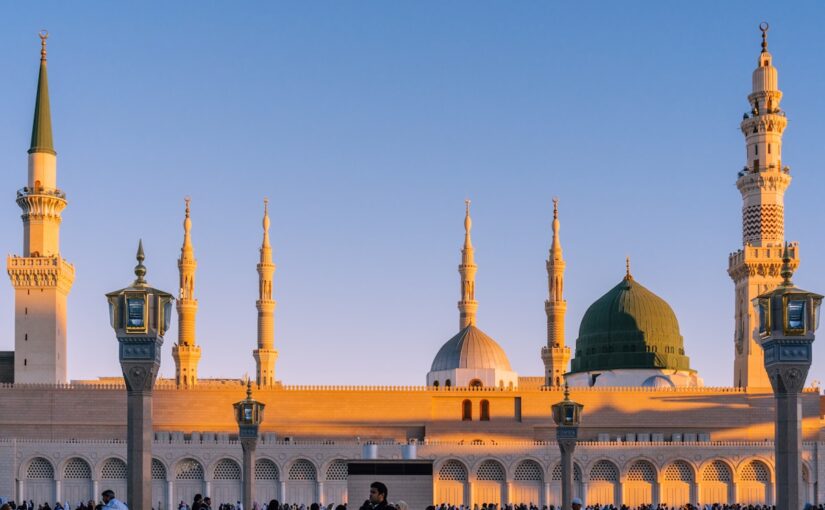
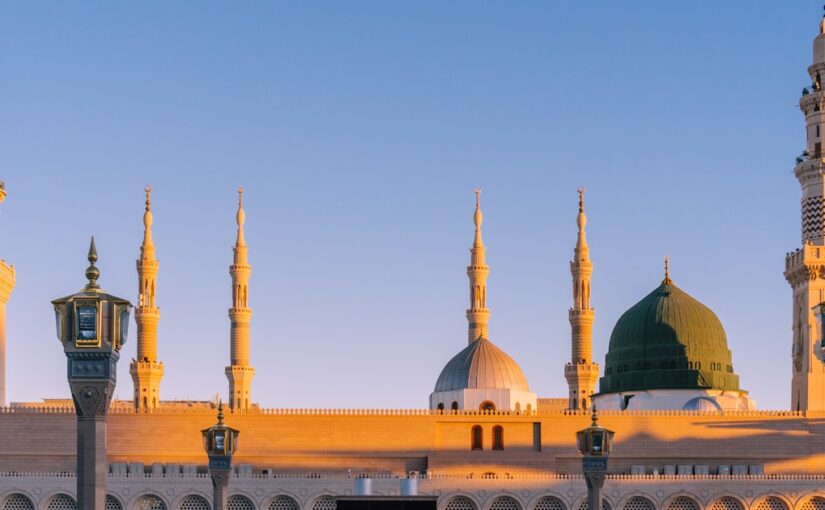
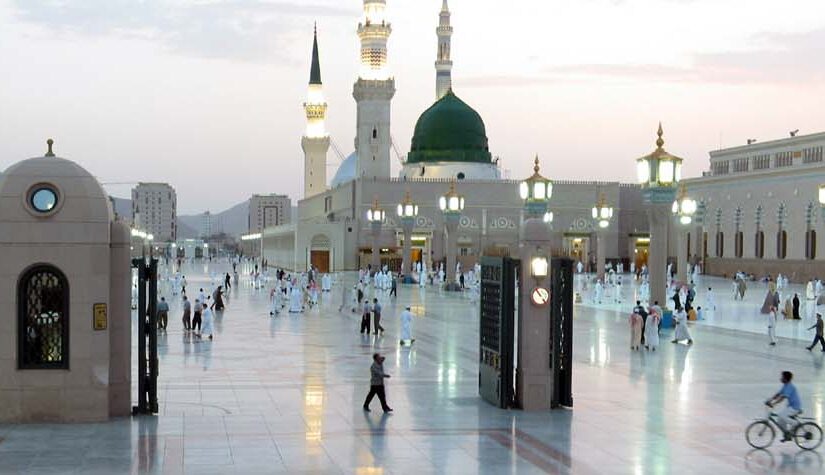
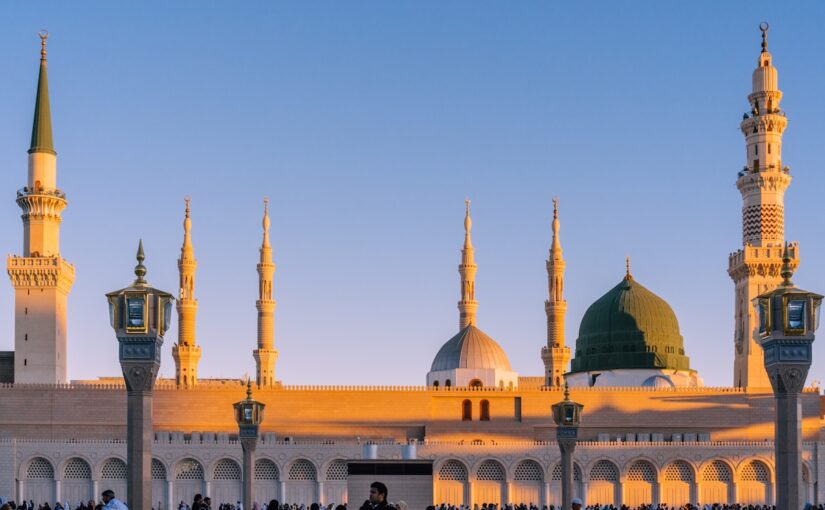
Mujhe Darbar-e-Mustafa Le Chal naat - Beautiful view of Masjid al-Nabawi at sunset with green dome representing the court of Prophet Muhammad ﷺ

Mujhe Darbar-e-Mustafa Le Chal — The Naat Lyrics in Urdu

Below are the complete lyrics of this beautiful naat in Urdu, presented in their original poetic form. Each verse has been preserved with its authentic structure and rhyme scheme:

Verse 1 — The Opening Plea

مجھے دربارِ مصطفیٰ لے چل
میرے آقا مدینہ لے چل

Translation: Take me to the court of Mustafa ﷺ, O my master, take me to Madinah.

The naat begins with this heartfelt plea — a direct supplication to the Prophet ﷺ requesting to be brought to his sacred court. “Darbar-e-Mustafa” refers to the blessed gathering and presence of Prophet Muhammad ﷺ, and “Madina” is the illuminated city where his blessed resting place lies. This opening sets the tone for the entire naat: a soul yearning for spiritual closeness.

Verse 2 — None But You

نہیں ہے کوئی مجھ کو تیرے سوا
مجھے اپنا سہارا دے لے چل

Translation: There is no one for me except You, grant me Your support and take me along.

Here the poet expresses complete helplessness and total reliance on the Prophet ﷺ. The line “There is no one for me except You” reflects the Islamic concept of tawassul — seeking intercession through the love and status of the Prophet. The believer acknowledges that only through the Prophet’s mercy and support can they hope to reach their spiritual destination.

Verse 3 — The Sinner’s Hope

میں گناہوں کا بوجھ اٹھائے پھروں
مجھے بخشش کا پیغام دے لے چل

Translation: I wander carrying the burden of my sins, grant me the message of forgiveness and take me along.

This verse is deeply moving — it acknowledges human weakness and the weight of sin that every person carries. The poet does not pretend to be righteous but instead comes with complete humility, asking not just for company but for the message of forgiveness itself. It reflects the core Islamic teaching that no matter how great one’s sins, the mercy of Allah and the intercession of His Prophet ﷺ are always hope-giving.

Verse 4 — A Heart in Pain

ترے در پر بچھائے ہوں گے سر
مجھے بھی ایک جھلک دکھا لے چل

Translation: People will have laid their heads at Your door, show me just a glimpse as well, take me along.

The imagery here is beautiful — the “door” (dar) of the Prophet is the ultimate destination where countless devotees have laid their heads in submission and love. The poet humbly asks not for much, just a single glimpse (jhalak) of the blessed court. This is a powerful metaphor for the spiritual ambiance of Madinah where millions come to pay their respects at the Rawdah Mubarak.

Verse 5 — The Wanderer’s Cry

بھٹکتا پھرتا ہوں در بدر
مجھے اپنی گلی میں بلا لے چل

Translation: I wander lost from door to door, call me to Your street and take me along.

This verse speaks to the existential search every human experiences. The phrase “door to door” (dar ba-dar) evokes the image of a homeless wanderer seeking belonging. The only true home, the poet suggests, is the “street” (gali) of the Prophet — a reference to the blessed neighborhoods of Madinah near Masjid-e-Nabawi. It’s a cry of spiritual homelessness, finding rest only in the love of Muhammad ﷺ.

Verse 6 — The Final Plea

سے الحمد کے در پہ پہنچا دے
مجھے شہرِ نبی پہ لا لے چل

Translation: Deliver me to the door of Al-Hamd, bring me to the city of the Prophet, take me along.

The reference to “Al-Hamd” (Praise) is likely an allusion to Surah Al-Fatihah which begins with praise to Allah, and also to the praise (hamd) that is the essence of naat poetry. The poet asks to be brought to the “city of the Prophet” — Madinat-un-Nabi — the ultimate destination for every sincere believer’s heart. The repetition of “le chal” (take me along) throughout the naat reinforces the urgency and sincerity of this spiritual request.

The Meaning and Spiritual Significance

Mujhe Darbar-e-Mustafa Le Chal is more than just a naat — it is a spiritual travelogue of the soul. The naat encapsulates the Islamic concept of shauq (spiritual longing) and hijr (separation) that has been the hallmark of Sufi and devotional poetry for centuries. Every verse is saturated with the pain of distance from the beloved Prophet and the burning desire to be in his presence.

The recurring phrase “le chal” (take me along) is significant — it shows complete passivity and surrender. The poet is not asking for directions or advice; they are asking to be taken, to be carried. This reflects the deep humility of someone who recognizes they cannot reach the divine presence through their own efforts alone but need the intervention and grace of the Prophet ﷺ.

Key Themes in the Naat

  • Tawassul (Intercession): The naat beautifully demonstrates the concept of seeking the Prophet’s intercession, a practice rooted in Islamic tradition.
  • Humility and Acknowledgment of Sin: The poet does not claim righteousness but comes as a humble sinner seeking forgiveness through love of the Prophet.
  • Love for Madinah: The deep emotional connection Muslims feel toward the holy city of Madinah and Masjid-e-Nabawi is central to the naat.
  • Spiritual Homelessness: The wandering imagery reflects the soul’s search for its true home — in the presence of Allah and His Messenger.
  • Hope in Divine Mercy: Despite the weight of sins, the naat radiates hope — the belief that the Prophet’s ﷺ mercy is vast enough to embrace all who come with love.

Background and Popularity

Mujhe Darbar-e-Mustafa Le Chal has been recited by countless naat khwans (reciters) across the Indian subcontinent. Its simple yet profound language makes it accessible to people from all walks of life — from the learned scholar to the common devotee. The naat is often recited at Mehfil-e-Naat gatherings, especially during the month of Rabi-ul-Awwal when Muslims around the world celebrate the birth of the Prophet Muhammad ﷺ.

The naat has been performed by renowned reciters including Owais Raza Qadri, whose soulful rendition has brought the lyrics to millions of listeners worldwide. Various YouTube channels and Islamic audio platforms feature this naat, with millions of views attesting to its enduring popularity. Its melody is haunting yet simple, making it easy for congregations to join in the chorus-like repetition of the central plea.

Why This Naat Resonates with Muslims

There is something universal in the plea of “Mujhe Darbar-e-Mustafa Le Chal” that speaks to every Muslim heart. The desire to visit Madinah, to pray in Masjid-e-Nabawi, to stand at the Rawdah and send salutations upon the Prophet ﷺ — these are not mere tourist aspirations but deep spiritual yearnings rooted in love. Every Muslim considers themselves a guest of the Prophet’s city, and this naat gives voice to that longing.

In a world filled with distractions, materialism, and spiritual emptiness, this naat serves as a reminder of what truly matters: the love of Allah and His Messenger ﷺ. It pulls the heart away from worldly attachments and redirects it toward the eternal peace found in the blessed presence of the Prophet. The lyric “Mujhe apni gali mein bula le chal” (Call me to your street) perfectly captures this — no grand palaces or worldly treasures, just the simple honor of being in the neighborhood of the Beloved.

Conclusion

Mujhe Darbar-e-Mustafa Le Chal is a timeless masterpiece of Islamic devotional poetry. Its verses capture the essence of what it means to love the Prophet Muhammad ﷺ — to long for his presence, to seek his intercession, and to humble oneself at his blessed court. Whether you have visited Madinah a hundred times or are still dreaming of your first visit, this naat will stir something deep within your soul and remind you of the ultimate destination of every believer’s heart: the court of Mustafa ﷺ.

May Allah grant us all the opportunity to visit the blessed city of Madinah and stand at the court of His beloved Prophet ﷺ. Ameen.
Hasbi Rabbi (حسبي ربي) – Naat Lyrics in Urdu, English Translation and Meaning

Hasbi Rabbi is one of the most beloved naats in the Islamic world. Its simple yet profound lyrics express complete trust and reliance on Allah. The phrase “Hasbi Rabbi” translates to “My Lord is Sufficient for Me,” which is a powerful declaration of faith. This naat is often recited in gatherings and is popular among people of all ages.

In this article, we share the full Urdu lyrics of Hasbi Rabbi, along with the English transliteration and translation, and explain the meaning behind this beautiful naat.

About Hasbi Rabbi

Hasbi Rabbi is a Hamd (praise of Allah) that has been recited for generations. While the original composer is not definitively known, the naat has been popularised by many famous naat khawans including Owais Raza Qadri and Nusrat Fateh Ali Khan. The lyrics express the believer’s complete reliance on Allah, acknowledging that He is sufficient for all needs.

The naat is particularly popular in South Asia, especially in Pakistan and India, where it is recited at mehfils and religious gatherings. Its repetitive and soulful structure makes it easy to learn and recite.

Hasbi Rabbi Urdu Lyrics (حسبي ربي) – Full Naat

حسبی ربی جل اللہ
مافی قلبی غیر اللہ

نور محمد صلی اللہ
علیہ وسلم نور اللہ

محبوب خدا یا رسول اللہ
مولا علی یا علی اللہ

حسبی ربی جل اللہ
مافی قلبی غیر اللہ

اللہ اللہ اللہ اللہ
اللہ اللہ اللہ اللہ

لا الہ الا اللہ
محمد رسول اللہ

حسبی ربی جل اللہ
مافی قلبی غیر اللہ

نور محمد صلی اللہ
علیہ وسلم نور اللہ

محبوب خدا یا رسول اللہ
مولا علی یا علی اللہ

حسبی ربی جل اللہ
مافی قلبی غیر اللہ

اللہ ھو اللہ ھو
اللہ ھو لا الہ الا ھو

اللہ ھو اللہ ھو
اللہ ھو لا الہ الا ھو

لا الہ الا اللہ
محمد رسول اللہ

حسبی ربی جل اللہ
مافی قلبی غیر اللہ

English Transliteration

Hasbi Rabbi Jallallah
Ma fi qalbi ghairullah

Noor-e-Muhammad Sallallah
Alayhi wasallam Noorullah

Mahboob-e-Khuda Ya Rasoolallah
Mawla Ali Ya Aliyullah

Hasbi Rabbi Jallallah
Ma fi qalbi ghairullah

Allah, Allah, Allah, Allah

La ilaha illallah
Muhammadur Rasoolullah

Hasbi Rabbi Jallallah
Ma fi qalbi ghairullah

Noor-e-Muhammad Sallallah
Alayhi wasallam Noorullah

Mahboob-e-Khuda Ya Rasoolallah
Mawla Ali Ya Aliyullah

Hasbi Rabbi Jallallah
Ma fi qalbi ghairullah

Allah hu, Allah hu
Allah hu, La ilaha illa hu

Allah hu, Allah hu
Allah hu, La ilaha illa hu

La ilaha illallah
Muhammadur Rasoolullah

Hasbi Rabbi Jallallah
Ma fi qalbi ghairullah

English Translation

Hasbi Rabbi Jallallah – My Lord is sufficient for me. Majestic is Allah.
Ma fi qalbi ghairullah – There is nothing in my heart except Allah.

Noor-e-Muhammad Sallallah Alayhi wasallam Noorullah – The light of Muhammad, peace be upon him, is the light of Allah.

Mahboob-e-Khuda Ya Rasoolallah – O beloved of Allah, O Messenger of Allah.
Mawla Ali Ya Aliyullah – O Master Ali, O friend of Allah.

Allah, Allah, Allah, Allah – Allah, Allah, Allah, Allah (remembrance of Allah).

La ilaha illallah, Muhammadur Rasoolullah – There is no god but Allah, Muhammad is the Messenger of Allah.

Allah hu, Allah hu, La ilaha illa hu – He is Allah, He is Allah, there is no god but Him.

Meaning and Significance

Hasbi Rabbi is a naat that beautifully combines expressions of tawheed (the oneness of Allah) with love for Prophet Muhammad (peace be upon him). The central message is one of complete reliance on Allah. When we say “Hasbi Rabbi,” we are declaring that Allah alone is enough for us. We do not need anyone else.

The line “Ma fi qalbi ghairullah” means “There is nothing in my heart except Allah.” This expresses the ideal state of a believer, where love for Allah fills the heart completely.

The naat also honours the Prophet Muhammad (peace be upon him) by referring to him as “Noorullah” or the light of Allah. This reflects the Islamic belief that the Prophet was sent as a guiding light for all of humanity.

The mention of “Mawla Ali” reflects the deep love and respect that many Muslims, particularly in the South Asian tradition, have for Ali ibn Abi Talib, the cousin and son-in-law of the Prophet.

When to Recite Hasbi Rabbi

Hasbi Rabbi is a versatile naat that can be recited in many settings:

  • During mehfils and religious gatherings
  • At the start or end of Islamic events
  • For personal dhikr and meditation
  • During times of difficulty or stress, as a reminder that Allah is sufficient

The repetitive structure of the naat makes it particularly suitable for group recitation. Many people find it calming and spiritually uplifting to recite or listen to this naat regularly.

Final Thoughts

Hasbi Rabbi is more than just a naat – it is a spiritual statement of faith. Its simple yet powerful words remind us of the most important truth in Islam: Allah is enough for us. Whether you are looking for a naat to recite at a gathering or seeking words of comfort during difficult times, Hasbi Rabbi is a beautiful choice.

Main Toh Bewafa Hoon (میں تو بے وفا ہوں) — Naat Lyrics in Urdu, English Translation and Meaning

The Confession of a Flawed Heart

“Main Toh Bewafa Hoon” (میں تو بے وفا ہوں) is a deeply emotional Urdu naat that captures the feeling of guilt, regret, and hope for forgiveness. The title translates to “I am unfaithful” or “I am disloyal.” But this is not a proud statement. It is a confession. The reciter admits their own shortcomings and failures in faith, yet holds onto the hope that the mercy of Prophet Muhammad (PBUH) will still reach them.

This naat is powerful because it speaks to the human condition. Every person struggles with their own weaknesses. We all fall short. We all make mistakes. And this naat gives voice to that inner struggle. It tells the beloved Prophet: I know I am not worthy. I know I have been unfaithful. But I still come to your door, hoping for your kindness.

In this post, you will find the complete lyrics of Main Toh Bewafa Hoon in Urdu, a Roman Urdu transliteration for those who cannot read the script, an English translation, and a deeper look into the meaning and background of this beloved naat.

Background of Main Toh Bewafa Hoon

“Main Toh Bewafa Hoon” was originally recited by Muhammad Ali, a well-known naat khwan from Pakistan. His passionate and heartfelt delivery made this naat famous across the Urdu-speaking world. The naat was written by Syed Shabbir Hussain Naqvi, a poet known for his soulful religious poetry.

The naat became especially popular on social media platforms like YouTube and TikTok, where clips of the recitation went viral. People connected deeply with its message of honesty about human weakness combined with unwavering hope in divine mercy. It is often recited at spiritual gatherings, mehfils, and during moments of personal reflection.

The central theme of the naat is tawba (repentance) and the belief that no matter how many times we fall, the door of forgiveness is always open for those who turn back with sincerity.

Spiritual Meaning and Message

At its heart, “Main Toh Bewafa Hoon” is about the relationship between a believer and their Prophet. It is raw and honest. The reciter does not pretend to be perfect. They admit their faults openly.

The naat teaches us several important lessons:

  • Honesty in worship: True faith means being honest about who we are, even when we fall short.
  • Hope in mercy: No matter how great our sins, the mercy of Allah and the intercession of the Prophet (PBUH) is greater.
  • Humility before the beloved: We come to the Prophet not as proud believers, but as humble beggars seeking his kindness.
  • The power of confession: Admitting our weakness is the first step toward real change.

The naat reminds us that the Prophet (PBUH) was sent as a mercy to all worlds (Rahmatul lil Alameen). His mercy is not just for the perfect. It is for the broken, the struggling, and the unfaithful who want to find their way back.

Main Toh Bewafa Hoon Naat Lyrics in Urdu (میں تو بے وفا ہوں کے بول)

Below are the complete lyrics of the naat in Urdu script (Nastaleeq):

میں تو بے وفا ہوں مجھ کو معاف کر دے
میرے مصطفیٰ مجھ کو معاف کر دے

میں تو بے وفا ہوں مجھ کو معاف کر دے
میرے مصطفیٰ مجھ کو معاف کر دے

تیرے در پہ آیا ہوں تیرا بنا کے
جو بھی میں نے کھویا ہے وہ پا کے

تیرے در پہ آیا ہوں تیرا بنا کے
جو بھی میں نے کھویا ہے وہ پا کے

میں تو بے وفا ہوں مجھ کو معاف کر دے
میرے مصطفیٰ مجھ کو معاف کر دے

تیری چوکھٹ پہ سر ہے میری آنکھوں میں آنسو
تیرے غم نے مجھ کو یوں دیوانہ کیا ہے

دل کو قرار آیا تیری گلی میں جا کے
تیرے در کی خاک بھی مجھ کو قیمتی لگی

میں تو بے وفا ہوں مجھ کو معاف کر دے
میرے مصطفیٰ مجھ کو معاف کر دے

نہیں ہے کوئی مجھ سا گنہگار دنیا میں
تیرے در پہ آیا ہوں امید لگا کے

بھر دے میری جھولی اے شہنشاہ مدینہ
میں آیا ہوں تیرے در پے ہاتھ پھیلا کے

میں تو بے وفا ہوں مجھ کو معاف کر دے
میرے مصطفیٰ مجھ کو معاف کر دے

ساری عمر گناہوں میں گزاری میں نے
اب تیرے در پہ آیا ہوں توبہ کر کے

مجھ کو اپنی نظر میں جگہ دے دے
تیری نظر کرم مجھ پہ ہو سدا

میں تو بے وفا ہوں مجھ کو معاف کر دے
میرے مصطفیٰ مجھ کو معاف کر دے

Roman Urdu Transliteration

For readers who cannot read the Urdu script, here is the Roman Urdu transliteration of “Main Toh Bewafa Hoon”:

Main toh bewafa hoon, mujh ko maaf kar de
Mere Mustafa, mujh ko maaf kar de

Main toh bewafa hoon, mujh ko maaf kar de
Mere Mustafa, mujh ko maaf kar de

Tere dar pe aaya hoon, tera bana ke
Jo bhi maine khoya hai, woh pa ke

Tere dar pe aaya hoon, tera bana ke
Jo bhi maine khoya hai, woh pa ke

Main toh bewafa hoon, mujh ko maaf kar de
Mere Mustafa, mujh ko maaf kar de

Teri chokhat pe sar hai, meri aankhon mein aansoo
Tere gham ne mujh ko yoon deewana kiya hai

Dil ko qarar aaya, teri gali mein ja ke
Tere dar ki khaak bhi mujh ko qeemti lagi

Main toh bewafa hoon, mujh ko maaf kar de
Mere Mustafa, mujh ko maaf kar de

Nahi hai koi mujh sa gunahgaar duniya mein
Tere dar pe aaya hoon, umeed laga ke

Bhar de meri jholi, ae Shahanshah-e-Madina
Main aaya hoon tere dar pe haath phaila ke

Main toh bewafa hoon, mujh ko maaf kar de
Mere Mustafa, mujh ko maaf kar de

Saari umar gunaahon mein guzaari maine
Ab tere dar pe aaya hoon, tauba kar ke

Mujh ko apni nazar mein jagah de de
Teri nazar-e-karam mujh pe ho sada

Main toh bewafa hoon, mujh ko maaf kar de
Mere Mustafa, mujh ko maaf kar de

English Translation of Main Toh Bewafa Hoon

Here is the English translation of the naat, verse by verse:

I am unfaithful, forgive me
My Mustafa, forgive me

I am unfaithful, forgive me
My Mustafa, forgive me

I have come to your door, making you my own
Having found whatever I had lost

I have come to your door, making you my own
Having found whatever I had lost

I am unfaithful, forgive me
My Mustafa, forgive me

My head is at your doorstep, tears in my eyes
Your sorrow has made me so crazy

My heart found peace when I came to your street
Even the dust of your doorstep seemed precious to me

I am unfaithful, forgive me
My Mustafa, forgive me

There is no sinner like me in this world
I have come to your door, placing my hope

Fill my lap, O King of Madinah
I have come to your door with my hands stretched out

I am unfaithful, forgive me
My Mustafa, forgive me

I spent my entire life in sins
Now I have come to your door, having repented

Give me a place in your sight
May your gracious gaze always be upon me

I am unfaithful, forgive me
My Mustafa, forgive me

Conclusion

“Main Toh Bewafa Hoon” is a naat that speaks directly to the heart. It does not pretend that the believer is perfect. Instead, it embraces human weakness and turns it into a reason to seek the Prophet’s (PBUH) mercy. This is the beauty of Islamic spirituality. The door of repentance is always open. The mercy of the Prophet (PBUH) is for everyone, especially those who admit they need it most.

Whether you are listening to this naat for the first time or the hundredth time, let its words remind you that no matter how many times you have fallen, you can always return. The beloved Prophet (PBUH) is waiting with open arms.

May we all be blessed with the forgiveness we seek and the intercession of our beloved Prophet Muhammad (PBUH) on the Day of Judgment. Ameen.

Aana Hoga Madine (آنا ہوگا مدینے) — Naat Lyrics in Urdu, English Translation and Meaning

Aana Hoga Madine is one of the most beloved naats in the Urdu speaking world. Written and recited by Owais Qadri, this naat expresses a deep longing to visit the city of Madinah and the blessed Rawza of Prophet Muhammad (PBUH). The words reflect the yearning of every Muslim heart to stand before the beloved Prophet and send salutations upon him.

In this post, you will find the complete lyrics of Aana Hoga Madine in Urdu, a Roman Urdu transliteration, an English translation, and a brief background on the naat’s meaning and significance.

Background of Aana Hoga Madine

Aana Hoga Madine was written by Owais Raza Qadri, a well known naat khwan from Pakistan. His soulful voice and heartfelt delivery have made this naat popular across the world. The naat focuses on the theme of longing and hope — the hope that one day the reciter will be blessed with a visit to Madinah and the honour of standing in the presence of the beloved Prophet.

The title means “I will have to go to Madinah” or “I must go to Madinah.” It is a statement of certainty and faith. The reciter is not asking for permission. He is declaring his intention. No matter what obstacles come, he will reach Madinah.

This naat is especially popular during gatherings where people express their love for the Prophet. It is recited at mehfils, milads, and during travels to Madinah.

Urdu Lyrics of Aana Hoga Madine (آنا ہوگا مدینے)

آنا ہوگا مدینے ضرور آنا ہوگا
آپ صلی اللہ علیہ وسلم کے دیوانے ضرور آنا ہوگا

یہ نہیں کہ نظر آتے نہیں یارب ہم کو
تیری رحمت کے خزانے ضرور آنا ہوگا

جسم کربل میں ترستا ہے وضو کے واسطے
خون کے پیاسے بھی دریا پہ نہ آنے والے

آپ صلی اللہ علیہ وسلم کے در کا میں بھکاری ہوں
مجھے حاتم کا نہیں کوفہ کا سکندر ہونا

میری بخشش کا ذریعہ ہے محمد کا غم
میرے گناہ تو دریا ہیں یہ سمندر ہونا

مدینے والے مجھے بھی اپنا بنا لو
میں آ رہا ہوں مرے آقا مدینہ والو

یہ نہیں کہ نظر آتے نہیں یا رب ہم کو
تیری رحمت کے خزانے ضرور آنا ہوگا

آپ صلی اللہ علیہ وسلم کی محبت میں گزاریں گے ساری عمر
یہی آرزو ہے دل میں مدینے ضرور آنا ہوگا

Roman Urdu Transliteration

Aana hoga madine zaroor aana hoga
Aap sallallahu alaihi wasallam ke deewane zaroor aana hoga

Yeh nahi ke nazar aate nahi ya rabb hum ko
Teri rahmat ke khazane zaroor aana hoga

Jism karbal mein tarasta hai wazu ke waaste
Khoon ke pyaase bhi dariya pe nah aane wale

Aap sallallahu alaihi wasallam ke dar ka mein bhikari hoon
Mujhe Haatim ka nahi Kufa ka Sikandar hona

Meri bakhshish ka zariya hai Muhammad ka gham
Mere gunaah toh dariya hain yeh samandar hona

Madine wale mujhe bhi apna bana lo
Mein aa raha hoon mere aaqa madina walo

Yeh nahi ke nazar aate nahi ya rabb hum ko
Teri rahmat ke khazane zaroor aana hoga

Aap sallallahu alaihi wasallam ki mohabbat mein guzaarenge saari umar
Yahi aarzu hai dil mein madine zaroor aana hoga

English Translation

I will have to go to Madinah, I must go
I am a lover of the Prophet (PBUH), I must go

It is not that You do not see us, O Lord
But the treasures of Your mercy must be approached

My body yearns for ablution in Karbala
Those who thirst for blood will never come to the river

I am a beggar at the court of the Prophet (PBUH)
I do not need to be like Hatim or the conqueror of Kufa

The sorrow of Muhammad (PBUH) is the means of my forgiveness
My sins are rivers, and this sorrow is the ocean

O people of Madinah, accept me as one of your own
I am coming, my master, O people of Madinah

It is not that You do not see us, O Lord
But the treasures of Your mercy must be approached

I will spend my entire life in the love of the Prophet (PBUH)
This is the desire in my heart — I must go to Madinah

The Meaning and Significance of Aana Hoga Madine

This naat carries layers of spiritual meaning. On the surface, it is about the physical journey to Madinah. But deeper, it is about the spiritual journey towards the love of the Prophet.

The opening lines establish the certainty of the journey. The reciter declares “I will have to go to Madinah” not as a wish but as a certainty. This reflects the strong faith that Allah honours those who genuinely love His Messenger.

The line “Yeh nahi ke nazar aate nahi ya rabb hum ko / Teri rahmat ke khazane zaroor aana hoga” is profound. It acknowledges that Allah sees us and knows us. But His treasures of mercy are so vast that we must actively seek them. We cannot sit idle and expect mercy. We must make the effort to reach for it.

The reference to Karbala and thirst is a reminder of the sacrifices made by the family of the Prophet. It contrasts worldly thirst (for blood and revenge) with spiritual thirst (for purification and devotion).

The line about being a beggar at the Prophet’s door is a powerful expression of humility. The reciter does not want worldly fame or wealth. He wants only the honour of being connected to the Prophet. References to Hatim (known for generosity) and Sikandar (Alexander the Great, conqueror) show that worldly achievements mean nothing compared to the love of the Prophet.

The verse about sins and the ocean is beautiful. It acknowledges that our sins are vast like rivers. But the love and sorrow for the Prophet is like an ocean — it can absorb and wash away all sins. This brings hope to every believer who feels weighed down by their mistakes.

The final verses are a heartfelt plea to the people of Madinah and to the Prophet himself. The reciter announces that he is coming, and he asks to be accepted. This reflects the deep desire of every Muslim to be counted among the followers of the Prophet.

Why Aana Hoga Madine Resonates with So Many

This naat resonates because it speaks to a universal Muslim experience. Every Muslim who loves the Prophet dreams of visiting his mosque in Madinah. The naat puts that feeling into words.

The melody of this naat is simple but emotional. When recited with feeling, it brings tears to the eyes of listeners. It is often recited on flights approaching Madinah, during Umrah trips, and at the end of religious gatherings.

Final Thoughts

Aana Hoga Madine is more than a naat. It is a declaration of love. It is a statement of faith. It is the voice of every heart that yearns for the blessed city of the Prophet.

Whether you are planning your first visit to Madinah or you have been blessed to go many times, this naat captures the feeling that never fades — the longing to be near the beloved Prophet, peace be upon him.

May Allah grant us all the opportunity to visit the Rawza of the Prophet in Madinah. Ameen.

Badr-e-Duja (بدرِ دُجیٰ) — Naat Lyrics in Urdu, English Translation and Meaning

Introduction

“Badr-e-Duja” (بدرِ دُجیٰ) is one of the most beloved and widely recited naats in the Islamic world, particularly in South Asia. The title “Badr-e-Duja” translates to “The Full Moon of the Dark Night” and is one of the many beautiful titles of Prophet Muhammad (peace be upon him). This naat has been made immensely popular by the renowned naat khwan Owais Raza Qadri, whose soulful rendition touches the hearts of millions.

The naat is a poetic expression of deep love and veneration for the Prophet, comparing his radiant presence to a full moon that illuminates the darkness. It speaks of the city of Madina, the spiritual home of every Muslim, and the unique blessings that the Prophet brought to humanity. Every verse of Badr-e-Duja is filled with the poet’s longing to visit Madina and witness the blessed presence of the Prophet.

In this article, we present the complete lyrics of Badr-e-Duja in Urdu script, Roman Urdu transliteration, and English translation, along with an exploration of the naat’s meaning and spiritual significance.

Badr-e-Duja Naat Lyrics in Urdu, Roman Urdu and English Translation

Verse 1

Urdu:
بدرِ دُجیٰ جلوہ گر ہے شہرِ مدینہ میں
یعنی وہ آفتابِ رسالت ہے مدینہ میں

Roman Urdu:
Badr-e-duja jalwa gar hai shehr-e-Madina mein
Yani woh aftaab-e-risalat hai Madina mein

English Translation:
The full moon of the dark night shines brightly in the city of Madina
Meaning that the sun of prophethood resides in Madina

Verse 2

Urdu:
جس نے خدا سے پایا تھا عشق و وفا کا در
اس شہر میں ہے سرورِ کونین کا گہر

Roman Urdu:
Jis ne Khuda se paya tha ishq-o-wafa ka dar
Is shehr mein hai sarwar-e-kaunain ka guhar

English Translation:
The one who received the treasure of love and loyalty from God
In this city is the jewel of the master of both worlds

Verse 3

Urdu:
مدینہ وہ مقامِ محبوبِ خدا ہے
جہاں رحمتِ عالم کا ہر قدم پتہ ہے

Roman Urdu:
Madina woh maqam-e-mahbub-e-Khuda hai
Jahan rehmat-e-aalam ka har qadam pata hai

English Translation:
Madina is the station of the beloved of God
Where every step reveals the mercy for the worlds

Verse 4

Urdu:
وہ شہر کہ جس کی گلیوں میں چاند رستہ دکھاتا ہے
وہ شہر کہ جس کی فضاؤں میں نور برساتا ہے

Roman Urdu:
Woh shehr ke jis ki galiyon mein chaand rasta dikhata hai
Woh shehr ke jis ki fizaon mein noor barsata hai

English Translation:
That city in whose streets the moon shows the way
That city in whose atmosphere light showers down

Verse 5

Urdu:
یہ شہرِ مدینہ ہے اے دوستو یہاں دل آباد ہوتے ہیں
ذرا سوچو اس شہر میں آنے سے کیسے غم برباد ہوتے ہیں

Roman Urdu:
Yeh shehr-e-Madina hai ae dosto yahan dil aabaad hote hain
Zara socho is shehr mein aane se kaise ghum barbaad hote hain

English Translation:
This is the city of Madina, O friends, here hearts become prosperous
Just think how coming to this city destroys all sorrows

Verse 6

Urdu:
بدرِ دجیٰ کا نظارہ ہے یا رب کتنا حسین
نورِ محمد کا یہ جلوہ ہے کتنا حسین

Roman Urdu:
Badr-e-duja ka nazara hai ya Rab kitna haseen
Noor-e-Muhammad ka yeh jalwa hai kitna haseen

English Translation:
The sight of the full moon of the dark night is so beautiful, O Lord
This manifestation of the light of Muhammad is so beautiful

Meaning and Background of Badr-e-Duja

“Badr-e-Duja” is a compound Arabic phrase. “Badr” (بدر) means full moon, and “Duja” (دجیٰ) means the dark night. Together, “Badr-e-Duja” refers to the full moon that rises in a pitch-black night, providing complete illumination. This is a metaphorical reference to Prophet Muhammad (peace be upon him) who came as a guiding light in a world that was spiritually dark — a time when ignorance, oppression, and moral decay had spread across Arabia.

The Prophet is described as the full moon because just as the moon does not create its own light but reflects the sun, the Prophet perfectly reflected the divine light and guidance of Allah. His arrival illuminated the world with truth, justice, and compassion, dispelling the darkness of ignorance and sin.

The naat repeatedly invokes the city of Madina, which was the destination of the Prophet’s migration (Hijrah) and became the center of the Islamic civilization. Madina is not just a geographical location in the context of this naat; it represents a spiritual sanctuary where the Prophet’s presence continues to be felt by believers who visit his blessed city.

History of the Naat

Badr-e-Duja was written by a poet deeply devoted to the Prophet and was originally composed in Urdu and Persian-influenced Urdu. While the exact origin of the poem can be traced to traditional Islamic poetry circles in South Asia, it was the legendary Owais Raza Qadri who catapulted this naat to global fame. Owais Raza Qadri, a Pakistani naat khwan known for his powerful and emotional recitation style, recorded and performed Badr-e-Duja at countless gatherings, making it one of the most recognizable naats in the world.

Owais Raza Qadri belongs to the Qadri spiritual order and has been a prominent figure in the world of naat recitation for decades. His distinctive voice, combined with his deep spiritual connection to the words he recites, brings the poetry of Badr-e-Duja to life. His renditions of this naat have been viewed millions of times on platforms like YouTube and are played at Milad gatherings, Mehfil-e-Naat events, and Islamic conferences worldwide.

The naat has become a staple at religious gatherings in Pakistan, India, Bangladesh, the United Kingdom, and the United States, wherever South Asian Muslims have established communities. It is often recited at the conclusion of major Islamic events, and its verses are memorized by countless devotees.

Spiritual Significance of the Verses

The spiritual depth of Badr-e-Duja lies in its central metaphor of light and darkness. Throughout Islamic theology, the Prophet Muhammad (peace be upon him) is described as a source of divine light. The Quran itself refers to him as a “light-giving lamp” (siraj-e-muneer). The naat builds on this concept, describing the Prophet as the full moon of a dark night — the most brilliant source of light in the darkest of times.

The mention of Madina in every verse is significant. In Islamic spirituality, Madina holds a unique place as the city where the Prophet built his mosque, established the first Islamic state, and where his blessed body rests in the Rawdah. Visiting Madina is considered a profound spiritual experience, and the naat captures this longing that every believer feels to stand in the presence of the Prophet’s city.

The verses speak of hearts becoming prosperous and sorrows being destroyed upon entering Madina. This reflects the Islamic belief that visiting the Prophet’s mosque and city brings immense blessings, peace, and spiritual healing. Many Muslims who have visited Madina testify to an indescribable feeling of peace and tranquility that descends upon them, which the naat beautifully articulates.

The repeated emphasis on the “noor” or light of Muhammad in the naat reminds believers that the Prophet’s teachings continue to illuminate the path of humanity. Even today, his message of mercy, justice, and compassion guides billions of people around the world.

In essence, Badr-e-Duja is not just a poem or a song; it is a spiritual journey. It takes the listener from the darkness of worldly concerns into the illuminating presence of the Prophet, offering solace, hope, and a renewed connection with the divine through love of His messenger.

Mawla Ya Salli Wa Sallim (مولیٰ یصل وسلم) — Naat Lyrics in Urdu, English Translation and Meaning

Maula Ya Salli Wa Sallim Daiman Abadan is one of the most beloved and widely recited naats in the Muslim world. Its verses overflow with love, reverence, and devotion for Prophet Muhammad (peace be upon him). This soulful kalaam combines classical Arabic verses from the famous Qasida Burdah with touching Urdu poetry, creating a spiritual masterpiece that resonates across generations.

In this article, you will find the full Mawla Ya Salli Wa Sallim lyrics in Urdu (Perso-Arabic script), Roman Urdu transliteration, English translation of each verse, and the background and meaning of this timeless naat.

Maula Ya Salli Wa Sallim Lyrics in Urdu

Below are the complete lyrics of Maula Ya Salli Wa Sallim in Urdu script:

مَولا یَ صَلِّ وَسَلِّم دَائِماََ إ بَدََا
عَلٰی حَبِیْبِکَ خَیْرِ الخَلْقِ کُلِّھِمِ

سحر کا وقت تھا معصوم کلیاں مسکراتی تھیں
ہوائیں خیر مقدم کے ترانے گنگناتی تھیں
ابھی جبرائیل اترے بھی نہ تھے کعبے کے منبر سے
کہ اتنے میں صدا آئی یہ عبداللہ کے گھر سے
مبارک ہو شہہِ ہر دو سرا تشریف لے آئے
مبارک ہو محمد مصطفیٰ تشریف لے آئے

مَولا یَ صَلِّ وَسَلِّم دَائِماََ إ بَدََا
عَلٰی حَبِیْبِکَ خَیْرِ الخَلْقِ کُلِّھِمِ

مُحَمّدٌ سَیِّدُ الکَوْنَیْنِ والثَّقَلَیْنِ
وَالفَرِقَیْنِ مِنْ عَرَ بِِ وَّ مِنْ عَجَمِ

وہ محمد فخرِ عالم ہادیِ کل انس و جاں
سرورِ کونین سلطانِ عرب شاہِ عجم
ایک دن جبرائیل سے کہنے لگے شاہِ اُمم
تم نے دیکھا ہے جہاں بتلاؤ تو کیسے ہیں ہم
عرض کی جبرائیل نے اے شاہِ دیں اے محترم
آپ کا کوئی مماثل ہی نہیں رب کی قسم

مَولا یَ صَلِّ وَسَلِّم دَائِماََ إ بَدََا
عَلٰی حَبِیْبِکَ خَیْرِ الخَلْقِ کُلِّھِمِ

ہُوْ اَلحَبِیْبُ الَّذِیْ تُرْ جَی شَفَا عَتُہُ
لِکُلِّ ھَوْلِِ مِنَ الأَھْوَالِ مُقْتَحِمِ

میرے مولا صدا تحیت و درود کے گجرے
اپنے محبوب پر جو ہے تیری مخلوق میں بہترین
اسی محبوب سے وابستہ امیدِ شفاعت ہے
کہ ہر ہمت شکن مشکل میں جس نے دستگیری کی
نہ کوئی آپ جیسا تھا نہ کوئی آپ جیسا ہے
کوئی یوسف سے پوچھے مصطفیٰ کا حسن کیسا ہے
زمیں و آسماں میں کوئی بھی مثال نہ ملی

مَولا یَ صَلِّ وَسَلِّم دَائِماََ إ بَدََا
عَلٰی حَبِیْبِکَ خَیْرِ الخَلْقِ کُلِّھِمِ

یَا رَبِّ بِا لْمُصْطَفٰی بَلِّغْ مَقَا صِدَنَا
وَ غْفِر لَنَا مَا مَضٰی یَا وَاسِعَ الْکَرَمِ

سلام ان پر جنہوں نے بیکسوں کی دستگیری کی
سلام ان پر جنہوں نے بادشاہی میں فقیری کی
سلام ان پر جن کے گھر نہ چاندی تھی نہ سونا تھا
سلام ان پر جن کا ٹوٹا بوریا بچھونا تھا
سلام اے آمنہ کے لال اے محبوب سبحانی
سلام اے فخر موجودات فخر نوع انسانی
تیری صورت تیری سیرت تیرا نقشہ تیرا چلنا
تبسم گفتگو بندہ نوازی خلقت ثانی
تیرا در ہو میرا سر ہو میرا دل ہو تیرا گھر ہو
تمنا مختصر سی ہے مگر تمہید تمہانی

مَولا یَ صَلِّ وَسَلِّم دَائِماََ إ بَدََا
عَلٰی حَبِیْبِکَ خَیْرِ الخَلْقِ کُلِّھِمِ

Roman Urdu Transliteration

For those who cannot read the Urdu script, here is the Roman Urdu transliteration of the naat:

Maula Ya Salli Wa Sallim Daiman Abadan
Ala Habibika Khairil Khalqi Kullimi

Sahar ka waqt tha masoom kaliyan muskuraati thin
Hawaain khair maqdam ke taraanay gungunaati thin
Abhi Jibraeel utre bhi na thay Kaabe ke mimbar se
Ke itnay mein sada aayi yeh Abdullah ke ghar se
Mubarak ho Shahe har do sara tashrif le aaye
Mubarak ho Muhammad Mustafa tashrif le aaye

Maula Ya Salli Wa Sallim Daiman Abadan
Ala Habibika Khairil Khalqi Kullimi

Muhammadun Sayyidul Kawnayni wa Saqalayni
Wal Farikayni Min Arabiwwa Min Ajami

Woh Muhammad fakhr-e-aalam haadi-e-kul ins-o-jaan
Sarwar-e-kawnain sultan-e-Arab shah-e-Ajam
Ek din Jibraeel se kehnay lage Shah-e-Umam
Tum ney dekha hai jahan batao to kaisay hain hum
Arz ki Jibraeel ney ae Shah-e-deen ae muhtaram
Aap ka koi mumasil hi nahi Rab ki qasam

Maula Ya Salli Wa Sallim Daiman Abadan
Ala Habibika Khairil Khalqi Kullimi

Hu al-habib alladhi turja shafa’atuhu
Likulli hawlin min al-ahwali muqtahami

Mere Maula sada tahiyyat o durood ke gajray
Apne mehboob par jo hai teri makhlooq mein behtareen
Isi mehboob se wabasta umeed-e-shafa’at hai
Ke har himmat-shikan mushkil mein jis ney dastgiri ki
Na koi aap jaisa tha na koi aap jaisa hai
Koi Yusuf se puche Mustafa ka husn kaisa hai
Zameen-o-aasman mein koi bhi misaal na mili

Maula Ya Salli Wa Sallim Daiman Abadan
Ala Habibika Khairil Khalqi Kullimi

Ya Rabbi bil Mustafa balligh maqasidana
Wa ghfir lana ma mada ya wasi’al karam

Salam un par jinhoon ney be-kason ki dastgiri ki
Salam un par jinhoon ney badshahi mein faqeeri ki
Salam un par jin ke ghar na chaandi thi na sona tha
Salam un par jin ka toota boriya bichhona tha
Salam ae Aamina ke laal ae mahboob-e-subhani
Salam ae fakhre maujoodaat fakhre no-e-insani
Teri surat teri seerat tera naqsha tera chalna
Tabassum guftagu banda nawazi khalqat-e-saani
Tera dar ho mera sar ho mera dil ho tera ghar ho
Tamanna mukhtasar si hai magar tamheed tumhaari

Maula Ya Salli Wa Sallim Daiman Abadan
Ala Habibika Khairil Khalqi Kullimi

English Translation

Verse 1 (Arabic Refrain):
“O Allah, send Your blessings and peace perpetually and eternally upon Your beloved, the best of all creation.”

Verse 2 (Urdu – The Birth of the Prophet):
“It was the time of dawn, innocent buds were smiling. The breezes were humming songs of welcome. Jibraeel had not yet descended from the pulpit of the Kaaba when a voice called out from the house of Abdullah. Congratulations, the King of both worlds has arrived. Congratulations, Muhammad Mustafa has arrived.”

Verse 3 (Arabic – The Leader of Creation):
“Muhammad is the leader of the two worlds (this life and the hereafter) and of the two heavy burdens (humans and jinn), and of both the Arabs and the non-Arabs.”

Verse 4 (Urdu – The Pride of the Universe):
“He is Muhammad, the pride of the universe, the guide of all humans and jinn. The leader of both worlds, the Sultan of Arabia, the King of Persia. One day the Leader of Nations asked Jibraeel, ‘You have seen the universe, tell me, how am I?’ Jibraeel replied, ‘O King of Faith, O Honoured One, by the oath of my Lord, there is none like You.'”

Verse 5 (Arabic – The Intercessor):
“He is the Beloved whose intercession is sought for every overwhelming trial and terror.”

Verse 6 (Urdu – The Hope of Intercession):
“My Lord, forever strings of salutations and blessings upon Your Beloved, who is the best among all creation. It is from this Beloved that the hope of intercession is attached. He is the One who helped in every daunting difficulty. There was none like you before, and there is none like you now. If you ask Yusuf about the beauty of Mustafa, even he would marvel. No likeness could be found in the heavens or the earth.”

Verse 7 (Arabic – The Final Supplication):
“O Lord, by the rank of Mustafa (the Chosen One), fulfill our goals and forgive us for what has passed, O Possessor of Infinite Generosity.”

Verse 8 (Urdu – Salutations and Praises):
“Peace and blessings upon him who helped the helpless. Peace upon him who embraced poverty even while being a king. Peace upon him in whose house there was neither silver nor gold. Peace upon him whose bedding was a torn mat. Peace be upon you, O beloved son of Aamina, O beloved of the Glorious Lord. Peace be upon you, O pride of all existence, O pride of humanity. Your face, your character, your features, your walk, your smile, your speech, your kindness to servants, your entire being — it is a second creation. May your doorway be my resting place, may my heart be your home. My wish is small, but its foundation is you.”

Background and History

The Arabic verses of Maula Ya Salli Wa Sallim are taken from the famous Qasida al-Burda (The Poem of the Mantle), composed by Imam Sharafuddin Abu Abdullah Muhammad bin Zaid al-Busiri (1211-1294 CE). Imam Busiri was a renowned Egyptian poet and scholar from the Sanhaja Berber tribe of Morocco. He wrote the Qasida al-Burda in praise of Prophet Muhammad (peace be upon him) after being miraculously cured of paralysis. In a dream, the Prophet (peace be upon him) wrapped him in his mantle (burda), and when he woke, he was healed. The poem became one of the most celebrated works of Islamic poetry, recited across the Muslim world for centuries.

The Urdu portion of this naat was written by later poets who beautifully expanded on the themes of the Qasida al-Burda, blending classical Arabic with soulful Urdu couplets. The naat in its combined Arabic-Urdu form has been popularized by numerous naat khwans across South Asia and beyond, becoming a staple in mehfil-e-milad gatherings, especially during Rabi-ul-Awwal.

Meaning and Significance

Maula Ya Salli Wa Sallim is more than a naat — it is a heartfelt prayer and a supplication. The repeated refrain is essentially a form of durood (sending blessings upon the Prophet), which carries immense spiritual reward. Every verse celebrates a different aspect of the Prophet’s life and character: his blessed birth, his unmatched status as leader of all creation, his role as intercessor, his humility and simplicity, his physical and spiritual beauty, and his compassion for the helpless.

The naat serves as a spiritual bridge, connecting the believer to their Prophet through love and devotion. It reminds Muslims of the Prophet’s unparalleled rank as Rahmatul-lil-Alameen (Mercy for all worlds) and inspires them to follow his teachings. The plea for intercession (shafa’at) in the closing verses reflects the deep hope that every Muslim carries — that on the Day of Judgment, the Prophet’s mercy and compassion will embrace his ummah.

When and Where It Is Recited

Maula Ya Salli Wa Sallim is recited in Islamic gatherings throughout the year, with special emphasis during Rabi-ul-Awwal (the month of the Prophet’s birth). It is commonly heard in mehfil-e-milad, seerat conferences, Jummah gatherings, and even in personal worship. Many Muslims recite or listen to this naat daily as a form of sending durood upon the Prophet (peace be upon him), seeking blessings, peace, and spiritual connection.

Conclusion

Maula Ya Salli Wa Sallim Daiman Abadan is a timeless treasure of Islamic devotional poetry. Its blend of Arabic verses from the Qasida al-Burda and soulful Urdu couplets creates a unique spiritual experience that touches hearts across the world. Whether recited in a grand mehfil or whispered in quiet devotion, this naat brings the believer closer to the love of Prophet Muhammad (peace be upon him) and renews faith in the mercy and blessings of Allah.

Woh Mera Nabi Hai (وه میرا نبی ہے) — Naat Lyrics in Urdu, English Translation and Meaning

About the Naat ‘Woh Mera Nabi Hai’

‘Woh Mera Nabi Hai’ (وه میرا نبی ہے) is a beautiful and heartfelt naat that expresses deep love and devotion for Prophet Muhammad (peace be upon him). The title translates to ‘He is My Prophet’ in English. This naat is popular in South Asia and is recited at Milad gatherings, Mehfil-e-Naat events, and in personal worship.

The naat celebrates the unique status of the Prophet as the beloved of Allah, the intercessor for sinners, and the mercy for all worlds. Its lyrics are simple yet profound, making it accessible to people of all ages.

Woh Mera Nabi Hai — Full Urdu Lyrics

وہ میرا نبی ہے، وہ میرا حبیب ہے
وہ مصطفیٰ ہے، وہ شفیع المذنبین ہے

جن کو خدا نے ہدایت کا علم دیا
ان کی محبت میں ہم نے بھی دل دیا
وہ رحمتہ للعالمین ہے
وہ میرا نبی ہے، وہ میرا حبیب ہے

ان کے در پر جو بھی آیا، خالی نہ گیا
جس نے بھی مانگا، اسے بھر کر دیا
وہ باب الحوائج ہے
وہ میرا نبی ہے، وہ میرا حبیب ہے

ان کے صدقے میں یہ دنیا بنی ہے
ان کے صدقے میں رحمت ہوئی ہے
وہ خیر البریہ ہے
وہ میرا نبی ہے، وہ میرا حبیب ہے

دل مدینے کا طالب ہے، یا نبی
روضے پہ جانا ہے مجھے، یا نبی
آپ کے در کا میں گدا ہوں
وہ میرا نبی ہے، وہ میرا حبیب ہے

جب بھی میں ان کا نام لیتا ہوں
دل مرا مسکرانے لگتا ہے
وہ نور مجسم ہے
وہ میرا نبی ہے، وہ میرا حبیب ہے

English Transliteration

Woh mera Nabi hai, woh mera Habeeb hai
Woh Mustafa hai, woh Shafi-al-Muznibeen hai

Jin ko Khuda ne hidayat ka ilm diya
Un ki mohabbat mein hum ne bhi dil diya
Woh Rahmatan Lil Alameen hai
Woh mera Nabi hai, woh mera Habeeb hai

Un ke dar par jo bhi aaya, khali na gaya
Jis ne bhi maanga, usey bhar kar diya
Woh Bab-al-Hawaij hai
Woh mera Nabi hai, woh mera Habeeb hai

Un ke sadqay mein yeh duniya bani hai
Un ke sadqay mein rehmat hui hai
Woh Khayr-al-Bariyyah hai
Woh mera Nabi hai, woh mera Habeeb hai

Dil Madinay ka talib hai, Ya Nabi
Roze pe jana hai mujhe, Ya Nabi
Aap ke dar ka mein gada hoon
Woh mera Nabi hai, woh mera Habeeb hai

Jab bhi mein un ka naam leta hoon
Dil mera muskuranay lagta hai
Woh Noor-e-Mujassam hai
Woh mera Nabi hai, woh mera Habeeb hai

English Translation

Verse 1:
He is my Prophet, he is my Beloved
He is Mustafa (the Chosen One), he is the Intercessor for sinners

Verse 2:
Those whom Allah gave the knowledge of guidance
We have also given our hearts to their love
He is a Mercy for all the worlds
He is my Prophet, he is my Beloved

Verse 3:
Whoever came to his door did not go empty-handed
Whoever asked, he gave abundantly
He is the Door of Needs (one through whom needs are fulfilled)
He is my Prophet, he is my Beloved

Verse 4:
For his sake, this world was created
For his sake, mercy was bestowed
He is the Best of Creation
He is my Prophet, he is my Beloved

Verse 5:
My heart yearns for Madinah, O Prophet
I long to visit your blessed resting place, O Prophet
I am a beggar at your door
He is my Prophet, he is my Beloved

Verse 6:
Whenever I take his name
My heart begins to smile
He is the Embodied Light
He is my Prophet, he is my Beloved

Meaning and Background

The naat ‘Woh Mera Nabi Hai’ is a personal declaration of love and devotion to Prophet Muhammad (peace be upon him). Each verse highlights a different aspect of the Prophet’s blessed personality and his role in creation.

1. The Chosen One and Intercessor: The opening verse describes the Prophet as Mustafa (the Chosen One) and Shafi-al-Muznibeen (the Intercessor for sinners). These titles reflect the Islamic belief that Allah chose the Prophet for his noble mission and that the Prophet will intercede for his followers on the Day of Judgment.

2. Rahmatan Lil Alameen: This phrase is directly from the Quran (Surah Al-Anbiya 21:107), where Allah says, ‘And We have not sent you except as a mercy to the worlds.’ This verse emphasises that the Prophet’s mission was one of mercy for all of creation, not just for humans.

3. Bab-al-Hawaij: The Prophet is described as the Door of Needs. This reflects the belief that turning to the Prophet with sincere love and seeking his intercession is a means of having one’s needs fulfilled by Allah.

4. Created for His Sake: The verse ‘For his sake, this world was created’ reflects a well-known hadith (prophetic tradition) that Allah created the universe for the sake of the Prophet Muhammad. While scholars debate the exact interpretation, the general meaning is that the Prophet is the greatest of creation and the reason for creation’s honour.

5. Longing for Madinah: The fifth verse expresses the deep spiritual longing that Muslims have to visit Madinah and the Prophet’s resting place (Rawza Mubarak). This longing is a common theme in Islamic poetry and reflects the love that believers hold for the Prophet.

6. Noor-e-Mujassam: The Prophet is described as the Embodied Light. This is based on the Islamic understanding that the Prophet’s essence was created from light (noor) and that he illuminates the path of guidance for humanity. The Quran describes the Prophet as a light: ‘There has come to you light from Allah and a clear Book’ (Surah Al-Maidah 5:15).

When to Recite This Naat

‘Woh Mera Nabi Hai’ is suitable for recitation at any time as a form of devotion. It is especially popular during:

  • Milad-un-Nabi gatherings (the Prophet’s birthday)
  • Mehfil-e-Naat events
  • Friday nights and other blessed nights
  • Personal worship and meditation
  • Daily recitation as part of awrad (spiritual practices)

Related Naats

If you enjoyed this naat, you may also like:

Download and Share

Feel free to share these lyrics with friends and family. Understanding the meaning of the naat you recite deepens your connection to the words and to the love of the Prophet. May Allah accept our devotion and grant us the honour of visiting Madinah. Ameen.

Salam Ya Mustafa (السلام علیک یا مصطفیٰ) — Naat Lyrics in Urdu, English Translation and Meaning

About the Naat ‘Salam Ya Mustafa’

‘Salam Ya Mustafa’ (السلام علیک یا مصطفیٰ) is one of the most beloved and widely recited naats in the Islamic world. The title translates to “Peace Be Upon You, O Mustafa” (Mustafa being one of the names of Prophet Muhammad ﷺ, meaning “The Chosen One”).

This naat is a heartfelt expression of love, devotion, and longing for the Prophet Muhammad ﷺ. It is recited by millions of Muslims around the world, especially in South Asia, and is known for its soulful melody and deep emotional impact.

The naat was popularised by famous naat khwans (reciters) and is often heard at gatherings, mosques, and during religious events. Its simple yet profound lyrics make it accessible to people of all ages.

Salam Ya Mustafa — Full Urdu Lyrics

السلام علیک یا مصطفیٰ
السلام علیک یا مجتبیٰ

السلام علیک یا حبیبی
السلام علیک یا شفیع المذنبین

السلام علیک یا طاہر
السلام علیک یا طاہر

السلام علیک یا نور
السلام علیک یا سراج المنیر

السلام علیک یا رحمتہ للعالمین
السلام علیک یا نعمتہ للمؤمنین

السلام علیک یا خیر البریہ
السلام علیک یا خیر الوریٰ

السلام علیک یا شمس الہدیٰ
السلام علیک یا صاحب المعراج

السلام علیک یا صاحب الوسیلہ
السلام علیک یا صاحب الفضیلہ

السلام علیک یا رؤوف الرحیم
السلام علیک یا شفیع عظیم

السلام علیک یا خاتم النبیین
السلام علیک یا امام المرسلین

السلام علیک یا حبیب اللہ
السلام علیک یا نبی اللہ

السلام علیک یا رسول اللہ
السلام علیک یا خلیل اللہ

English Transliteration

Assalamu Alaika Ya Mustafa
Assalamu Alaika Ya Mujtaba

Assalamu Alaika Ya Habibi
Assalamu Alaika Ya Shafi-al-Muznibeen

Assalamu Alaika Ya Tahir

Assalamu Alaika Ya Noor
Assalamu Alaika Ya Siraj-al-Muneer

Assalamu Alaika Ya Rahmatan Lil Alameen
Assalamu Alaika Ya Ni’matan Lil Mu’mineen

Assalamu Alaika Ya Khayr-al-Bariyyah
Assalamu Alaika Ya Khayr-al-Wara

Assalamu Alaika Ya Shams-al-Huda
Assalamu Alaika Ya Sahib-al-Miraj

Assalamu Alaika Ya Sahib-al-Waseelah
Assalamu Alaika Ya Sahib-al-Fadeelah

Assalamu Alaika Ya Ra’oof-ar-Raheem
Assalamu Alaika Ya Shafi-e-Azeem

Assalamu Alaika Ya Khatam-an-Nabiyyeen
Assalamu Alaika Ya Imam-al-Mursaleen

Assalamu Alaika Ya Habib-Allah
Assalamu Alaika Ya Nabi-Allah

Assalamu Alaika Ya Rasool-Allah
Assalamu Alaika Ya Khalil-Allah

English Translation

Salam Ya Mustafa: Peace be upon you, O Mustafa (the Chosen One)

Salam Ya Mujtaba: Peace be upon you, O Mujtaba (the Selected One)

Salam Ya Habibi: Peace be upon you, O my Beloved

Salam Ya Shafi-al-Muznibeen: Peace be upon you, O Intercessor for the sinners

Salam Ya Tahir: Peace be upon you, O Pure One

Salam Ya Noor: Peace be upon you, O Light

Salam Ya Siraj-al-Muneer: Peace be upon you, O Bright Lamp

Salam Ya Rahmatan Lil Alameen: Peace be upon you, O Mercy for all the worlds

Salam Ya Ni’matan Lil Mu’mineen: Peace be upon you, O Blessing for the believers

Salam Ya Khayr-al-Bariyyah: Peace be upon you, O Best of Creation

Salam Ya Shams-al-Huda: Peace be upon you, O Sun of Guidance

Salam Ya Sahib-al-Miraj: Peace be upon you, O Owner of the Ascension

Salam Ya Sahib-al-Waseelah: Peace be upon you, O Owner of the Intercession

Salam Ya Ra’oof-ar-Raheem: Peace be upon you, O Most Kind, Most Merciful

Salam Ya Shafi-e-Azeem: Peace be upon you, O Great Intercessor

Salam Ya Khatam-an-Nabiyyeen: Peace be upon you, O Seal of the Prophets

Salam Ya Imam-al-Mursaleen: Peace be upon you, O Leader of the Messengers

Salam Ya Habib-Allah: Peace be upon you, O Beloved of Allah

Salam Ya Rasool-Allah: Peace be upon you, O Messenger of Allah

The Meaning and Significance

‘Salam Ya Mustafa’ is not just a naat; it is a continuous salutation and greeting to the Prophet Muhammad ﷺ. Each line of the naat begins with “Assalamu Alaika” (Peace be upon you), which is the Islamic greeting of peace. By reciting this naat, the believer sends salutations of peace and blessings upon the Prophet.

The naat uses many of the beautiful names and attributes of the Prophet ﷺ found in the Quran and Hadith. Each name highlights a different aspect of his blessed personality:

  • Mustafa and Mujtaba: Both mean “the Chosen One,” emphasising that Allah chose the Prophet for his noble mission.
  • Noor and Siraj-al-Muneer: The Quran describes the Prophet as a “light” and a “bright lamp” (Surah Al-Ahzab 33:46).
  • Rahmatan Lil Alameen: This is directly from the Quran (Surah Al-Anbiya 21:107), where Allah says, “And We have not sent you except as a mercy to the worlds.”
  • Khatam-an-Nabiyyeen: The Seal of the Prophets, meaning he is the final Prophet sent by Allah (Surah Al-Ahzab 33:40).
  • Shafi (Intercessor): The Prophet will intercede for his followers on the Day of Judgment.

This naat is often recited in gatherings of dhikr (remembrance of Allah) and on special occasions like Milad-un-Nabi (the Prophet’s birthday). Its repetitive structure makes it easy to learn and recite, even for children, while its profound meanings provide deep spiritual nourishment.

You may also enjoy reading other naats on our site, such as Ya Nabi Salam Alayka and Tajdar-e-Haram for more beautiful poetry in praise of the Prophet ﷺ.

When to Recite ‘Salam Ya Mustafa’

There is no fixed time for reciting this naat. Muslims recite it at any time as a form of devotion and love for the Prophet ﷺ. However, it is particularly popular:

  • During gatherings of naat and dhikr
  • On Friday nights and other blessed nights
  • During the month of Rabi-ul-Awwal (the month of the Prophet’s birth)
  • After prayers as a form of salawat (sending blessings upon the Prophet)
  • At spiritual gatherings and urs (death anniversaries of saints)

Check out more naat lyrics in our Naat collection and Naat Lyrics section for other beautiful poems.

Mustafa Jaan-e-Rahmat (مصطفیٰ جانِ رحمت) — Naat Lyrics in Urdu, English Translation and Meaning

Overview

“Mustafa Jaan-e-Rahmat” (مصطفیٰ جانِ رحمت) — also known as “Mustafa Jaan-e-Rahmat Pe Lakhon Salaam” — is one of the most beloved and widely recited naats in the Islamic world. Composed by the great Islamic scholar and poet Imam Ahmed Raza Khan Barelvi (1856–1921), this masterpiece of devotional poetry contains 171 couplets, making it the longest salutation (salam) in the Urdu language. Each verse is a heartfelt expression of love, reverence, and praise for Prophet Muhammad ﷺ.

The title “Mustafa Jaan-e-Rahmat” translates to “Mustafa (the Chosen One), the Essence of Mercy” — a direct reference to the Qur’anic description of the Prophet as a “Mercy to the Worlds” (Rahmatan lil-‘Alameen). This naat is recited in mehfils, milad gatherings, and mosques across the globe, particularly in South Asia.

Poet Background: Imam Ahmed Raza Khan Barelvi

Imam Ahmed Raza Khan (1856–1921 CE), also known as A’la Hazrat, was a prominent Islamic scholar, jurist, theologian, and poet from Bareilly, India. He was a follower of the Hanafi school of jurisprudence and the founder of the Barelvi movement. His contributions to Islamic literature, particularly in the genre of naat and poetry praising the Prophet ﷺ, are unparalleled. He wrote extensively in Urdu, Arabic, and Persian. “Mustafa Jaan-e-Rahmat Pe Lakhon Salaam” is widely considered his magnum opus in devotional poetry.

Meaning and Significance

This naat is far more than a simple poem — it is a comprehensive spiritual tribute that touches upon multiple aspects of the Prophet’s ﷺ life, character, and miraculous attributes. The verses describe:

  • The Prophet’s ﷺ physical beauty and noble features (face, eyes, brows, cheeks, stature)
  • His moral excellence and character
  • The miracles granted to him (splitting of the moon, reversal of the sun)
  • The Night of Isra and Mi’raj (Ascension)
  • His role as intercessor (Shafa’at) on the Day of Judgment
  • His family (Ahl al-Bayt) and companions
  • The blessings of sending salutations (Durood) upon him

The repetitive refrain “Pe Lakhon Salaam” (Millions of Salutations) creates a rhythmic, meditative quality that elevates the soul and brings the reciter closer to the beloved Prophet ﷺ.

Mustafa Jaan-e-Rahmat Pe Lakhon Salaam — Full Lyrics

Below are the Urdu lyrics, Roman transliteration, and English translation of the opening verses of this timeless naat.


Verse 1

Urdu: مصطفےٰ جانِ رحمت پہ لاکھوں سلام ❁ شمعِ بزمِ ہدایت پہ لاکھوں سلام

Transliteration: Muṣṭafā jān-e-raḥmat pe lākhoñ salām. Shamʿ-e-bazm-e-hidāyat pe lākhoñ salām.

Translation: Upon Mustafa, the essence of mercy, millions of salutations. Upon the radiant lamp among the assembly of prophets, millions of salutations.

Verse 2

Urdu: مہر چرخِ نبوّت پہ روشن درود ❁ گلِ باغِ رسالت پہ لاکھوں سلام

Transliteration: Mihr-e-charkh-e-nubuwwat pe raushan durūd. Gul-e-bāgh-e-risālat pe lākhoñ salām.

Translation: Upon the sun of the sky of prophethood, radiant blessings. Upon the flower of the garden of messengership, millions of salutations.

Verse 3

Urdu: شہریارِ ارم تاجدارِ حرم ❁ نو بہارِ شفاعت پہ لاکھوں سلام

Transliteration: Shahryār-e-Iram tājdār-e-haram. Nau bahār-e-shafāʿat pe lākhoñ salām.

Translation: Upon the sovereign of Iram, the crowned lord of the haram. Upon the vibrant spring of intercession, millions of salutations.

Verse 4

Urdu: شب اسریٰ کے دولہا پہ دائم درود ❁ نوشۂ بزمِ جنت پہ لاکھوں سلام

Transliteration: Shab-e-asrā ke dulhā pe dāyim durūd. Naushah-e-bazm-e-jannat pe lākhoñ salām.

Translation: Upon the bridegroom of the night of Isra (Mi’raj), eternal blessings. Upon the groom of the assembly of paradise, millions of salutations.

Verse 5

Urdu: عرش کی زیب و زینت پہ عرشی درود ❁ فرش کی طیب و نزہت پہ لاکھوں سلام

Transliteration: Arsh ki zeyb o zīnat pe arshī durūd. Farsh ki ṭīb o nuzhat pe lākhoñ salām.

Translation: Upon the beauty and adornment of the Throne, celestial blessings. Upon the earth’s sweet fragrance and purity, millions of salutations.

Verse 6

Urdu: نورِ عینِ لطافت پہ الطف درود ❁ زیب و زین نظافت پہ لاکھوں سلام

Transliteration: Nūr-e-ʿayn-e-laṭāfat pe alṭāf durūd. Zeyb o zayn-e-nazāfat pe lākhoñ salām.

Translation: Upon the light and essence of sublimity, the most sublime blessings. Upon the adornment and splendour of purity, millions of salutations.

Verse 7

Urdu: سرو نازِ قِدَم مغزِ راز حِکَم ❁ یکّہ تازِ فضیلت پہ لاکھوں سلام

Transliteration: Sarw-e-nāz-e-qidam, maghz-e-rāz-e-ḥikam. Yakka-tāz-e-fazīlat pe lākhoñ salām.

Translation: The graceful cypress of pre-eternity, the very core of the secret of wisdoms. Upon the unrivalled one in excellence, millions of salutations.

Verse 8

Urdu: نقطۂ سِرِّ وحدت پہ یکتا درود ❁ مرکزِ دورِ کثرت پہ لاکھوں سلام

Transliteration: Nuqṭa-e-sirr-e-waḥdat pe yaktā durūd. Markaz-e-dawr-e-kasrat pe lākhoñ salām.

Translation: Upon the focal point of the hidden secret of unity, peerless blessings. Upon the source of the cycle of multiplicity, millions of salutations.

Verse 9

Urdu: صاحبِ رَجعتِ شمس و شقُ القمر ❁ نائبِ دستِ قدرت پہ لاکھوں سلام

Transliteration: Ṣāḥib-e-rajʿat-e-shams o shaqqu l-qamar. Nāyib-e-dast-e-qudrat pe lākhoñ salām.

Translation: The master of the sun’s reversal and the splitting of the moon. Upon the vicegerent of the hand of power, millions of salutations.

Verse 10

Urdu: جس کے زیرِ لِوا آدم و من سِوا ❁ اس سزائے سیادت پہ لاکھوں سلام

Transliteration: Jis ke zeyr-e-liwā Ādam o man siwā. Us sazā-e-siyādat pe lākhoñ salām.

Translation: Beneath whose banner stand Adam and all others. Upon that lord of leadership, millions of salutations.

Verse 11

Urdu: عرش تا فرش ہے جس کے زیرِ نگیں ❁ اُس کی قاہر ریاست پہ لاکھوں سلام

Transliteration: Arsh tā farsh hai jis ke zeyr-e-nagīñ. Us ki qāhir riyāsat pe lākhoñ salām.

Translation: The one to whom all from the Throne to the earth is subject. Upon his overpowering sovereignty, millions of salutations.

Verse 12

Urdu: اصل ہر بُود و بہبود تُخمِ وجود ❁ قاسمِ کنزِ نعمت پہ لاکھوں سلام

Transliteration: Aṣl-e-har būd o bahbūd, tukhum-e-wujūd. Qāsim-e-kanz-e-niʿmat pe lākhoñ salām.

Translation: The source of all being and well-being, the seed of existence. Upon the dispenser of the treasure of blessings, millions of salutations.

Verse 13

Urdu: فتحِ بابِ نبوت پہ بے حد دُرود ❁ ختمِ دورِ رسالت پہ لاکھوں سلام

Transliteration: Fatḥ-e-bāb-e-nubuwwat pe be-ḥad durūd. Khatm-e-dawr-e-risālat pe lākhoñ salām.

Translation: Upon the opening of the gate of prophethood, unbounded blessings. Upon the seal of the cycle of messengership, millions of salutations.

Verse 14

Urdu: شرقِ انوارِ قدرت پہ نوری دُرود ❁ فتقِ اَزہارِ قربت پہ لاکھوں سلام

Transliteration: Sharq-e-anwār-e-qudrat pe nūrī durūd. Fatq-e-azhār-e-qurbat pe lākhoñ salām.

Translation: Upon the dawning of the lights of divine power, luminous blessings. Upon the blossoming of the flowers of divine nearness, millions of salutations.

Verse 15

Urdu: بے سہیم و قسیم و عدیل و مثیل ❁ جوہرِ فردِ عزّت پہ لاکھوں سلام

Transliteration: Be-sahīm o qasīm o ʿadīl o mithīl. Jawhar-e-fard-e-ʿizzat pe lākhoñ salām.

Translation: Without partner, without equal, without rival or peer. Upon the essence of singular honour, millions of salutations.

Verse 16

Urdu: سِرِّ غیبِ ہدایت پہ غیبی دُرود ❁ عطرِ جیبِ نہایت پہ لاکھوں سلام

Transliteration: Sirr-e-ghayb-e-hidāyat pe ghaybī durūd. ʿItr-e-jayb-e-nihāyat pe lākhoñ salām.

Translation: Upon the hidden secret of guidance, unseen blessings. Upon the fragrance from the bosom of ultimate perfection, millions of salutations.

Verse 17

Urdu: ماہِ لاہوتِ خَلوت پہ لاکھوں دُرود ❁ شاہِ ناسوتِ جَلوت پہ لاکھوں سلام

Transliteration: Māh-e-lāhūt-e-khalwat pe lākhoñ durūd. Shāh-e-nāsūt-e-jalwat pe lākhoñ salām.

Translation: Upon the moon of the secluded realm of divinity, countless blessings. Upon the king of the earthly realm in manifestation, millions of salutations.

Verse 18

Urdu: کنزِ ہر بے کس و بے نوا پر دُرود ❁ حرزِ ہر رفتہ طاقت پہ لاکھوں سلام

Transliteration: Kanz-e-har be-kas o be-nawā par durūd. Ḥirz-e-har rafta ṭāqat pe lākhoñ salām.

Translation: Upon the treasure of every helpless and destitute one, unceasing blessings. Upon the refuge of all who are without strength, millions of salutations.

Verse 19

Urdu: پرتوِ اسمِ ذاتِ اَحد پر دُرود ❁ نُسخۂ جامعیت پہ لاکھوں سلام

Transliteration: Partaw-e-Ism-e-Zāt-e-Aḥad par durūd. Nuskha-e-jāmiʿiyyat pe lākhoñ salām.

Translation: Upon the radiant reflection of the Divine Essence, the One, unending blessings. Upon the compendium of all-embracing perfection, millions of salutations.

Verse 20

Urdu: مطلعِ ہر سعادت پہ اسعد دُرود ❁ مقطعِ ہر سیادت پہ لاکھوں سلام

Transliteration: Maṭlaʿ-e-har saʿādat pe asʿad durūd. Maqṭaʿ-e-har siyādat pe lākhoñ salām.

Translation: Upon the dawning of every felicity, most fortunate blessings. Upon the culmination of every leadership, millions of salutations.

Why This Naat Is So Beloved

What makes “Mustafa Jaan-e-Rahmat” so special is its unique blend of profound spiritual depth and poetic beauty. Imam Ahmed Raza Khan masterfully wove together references from the Qur’an, Hadith, and Islamic tradition with exquisite Urdu poetry. The rhyme scheme and rhythm make it easy to memorise and recite, while the depth of meaning rewards repeated contemplation.

The naat covers virtually every aspect of the Prophet’s ﷺ blessed being — from his physical appearance (his radiant face, his blessed hair, his noble stature) to his spiritual station (the highest rank in creation, the beloved of Allah, the intercessor for humanity). Each couplet is a gem of devotion, polished by love and set in the gold of faith.

When and Where to Recite

This naat is traditionally recited:

  • During Milad un-Nabi ﷺ celebrations
  • At mehfil-e-naat gatherings
  • On Fridays (Jumu’ah)
  • In the mornings and evenings as a form of dhikr and devotion
  • At Islamic conferences and spiritual gatherings

The famous refrain “Pe Lakhon Salaam” makes it particularly suitable for group recitation, where one person leads and the congregation responds.

FAQs

Who wrote “Mustafa Jaan-e-Rahmat Pe Lakhon Salaam”?

The naat was written by Imam Ahmed Raza Khan Barelvi (A’la Hazrat), the renowned Islamic scholar and poet of the Indian subcontinent.

How many verses are in this naat?

The complete naat contains 171 couplets (ash’ār), making it the longest salam in Urdu.

What does “Mustafa Jaan-e-Rahmat” mean?

“Mustafa” means “the Chosen One” (one of the names of Prophet Muhammad ﷺ), “Jaan” means “essence” or “soul”, and “Rahmat” means “mercy”. So the title translates to “Muhammad (PBUH), the Essence of Mercy” — a reference to the Qur’anic verse “And We have not sent you but as a mercy to the worlds” (21:107).

Is this naat available in audio?

Yes, many renowned qaris and naat khawans have recited this naat, including Qari Waheed Zafar Qasmi, Atif Aslam, and countless others.

Conclusion

“Mustafa Jaan-e-Rahmat Pe Lakhon Salaam” is more than a naat — it is a spiritual journey into the love of the Prophet ﷺ. Each verse is a stepping stone toward a deeper connection with the beloved Messenger of Allah. Whether you recite it in solitude or in congregation, its rhythmic verses have the power to transform hearts and bring peace to the soul.

Mera Dil Badal De (میرا دل بدل دے) – Naat Lyrics, English Translation and Meaning

Mera Dil Badal De (میرا دل بدل دے) – Naat Lyrics, English Translation and Meaning

The heartfelt naat “Mera Dil Badal De” (میرا دل بدل دے – Change My Heart) is a deeply emotional supplication in which the poet turns to Allah Almighty, pleading for a transformation of the heart. The poet asks that his heart be filled with the love of the Holy Prophet Muhammad (peace be upon him) and cleansed of all worldly attachments. This naat beautifully captures the yearning of a believer who recognizes his own shortcomings and seeks divine mercy through the wasila (mediation) of the beloved Prophet. It is widely recited across the subcontinent, especially during gatherings of naat and dhikr, and has been rendered by various renowned voices including Rahat Fateh Ali Khan.

In the verses below, the poet expresses the desire to become a devoted servant of the Prophet, to be freed from the distractions of this world, and to attain the honour of being counted among the true lovers of the Prophet (PBUH). Each couplet reveals a soul in search of spiritual purification and a closer bond with the Prophet’s blessed way of life.

Urdu Lyrics | Mera Dil Badal De

میرا دل بدل دے مری جان بدل دے
مجھے اپنا بنا کر میرا مان بدل دے

تری رحمتوں کے سوا کچھ نہیں ہے
میرا رب ہے تو غفور و رحیم

مجھے دیدار کا شوق دے دے محمدﷺ
مرے دل میں جگہ دے مدینہ شہر کی

مجھے تو نے بنا ہے اپنا گنہگار
تو ہی بخش دے میری خطاؤں کو

مرے دل میں بھی دے دے نبی ﷺ کا تمنا
مری آنکھوں میں دے دے مدینے کا نظارہ

مدینے کا ہر ذرہ مجھے یاد آتا ہے
گلی گلی میں ہوتی ہے سرکارﷺ کی باتیں

میرے دل کو تجلی سے منور کر دے
مجھے در پہ بلا کر مری قسمت جاگے

یہ دنیا ہے فانی, نہیں ہے ٹھکانہ
مجھے آخرت میں دے مدینے کا ٹھکانہ

میرا دل بدل دے مری جان بدل دے
مجھے اپنا بنا کر میرا مان بدل دے

English Transliteration

Mera dil badal de, meri jaan badal de
Mujhe apna bana kar, mera maan badal de

Terii rahmaton ke siwa kuch nahin hai
Mera Rab hai tu Ghafoor o Raheem

Mujhe didaar ka shauq de de Muhammad (PBUH)
Mere dil mein jagah de Madina sheher ki

Mujhe tu ne banaya hai apna gunahgaar
Tu hi bakhsh de meri khataaon ko

Mere dil mein bhi de de Nabi (PBUH) ka tamanna
Meri aankhon mein de de Madine ka nazara

Madine ka har zarra mujhe yaad aata hai
Gali gali mein hoti hai Sarkar (PBUH) ki baatein

Mere dil ko tajalli se munawar kar de
Mujhe dar pe bula kar meri qismat jaage

Yeh duniya hai faani, nahin hai thikana
Mujhe aakhirat mein de Madine ka thikana

Mera dil badal de, meri jaan badal de
Mujhe apna bana kar, mera maan badal de

English Translation

Verse 1: Change my heart, change my soul. Make me Your own and transform my pride.

Verse 2: I have nothing other than Your mercy. My Lord, You are the Oft-Forgiving, the Most Merciful.

Verse 3: Grant me the yearning to behold the blessed sight of Muhammad (PBUH). Place in my heart a longing for the city of Madina.

Verse 4: You have made me a sinner. Only You can forgive my faults and transgressions.

Verse 5: Place within my heart the desire for the Prophet (PBUH), and in my eyes the vision of Madina.

Verse 6: Every particle of Madina brings back memories. In every street, people speak of the beloved Prophet (PBUH).

Verse 7: Illuminate my heart with Your divine light. Call me to Your doorstep so my fortune may awaken.

Verse 8: This world is temporary, it is no permanent abode. Grant me a place near Madina in the Hereafter.

Verse 9: Change my heart, change my soul. Make me Your own and transform my pride.

Background and Meaning

The naat “Mera Dil Badal De” is a poetic supplication that captures the essence of tawbah (repentance) and tawakkul (reliance on Allah). The central theme revolves around the believer’s desire for inner transformation. The poet acknowledges that the heart is prone to worldly distractions and sins, and only through divine intervention can it be purified and redirected toward the love of the Prophet Muhammad (PBUH).

The repeated refrain – “Change my heart, change my soul” – underscores the urgency of spiritual renewal. This is not merely a request for forgiveness; it is a plea for a complete reorientation of one’s being. The poet wants to shed arrogance (maan), embrace humility, and become a devoted servant of the Prophet’s household and teachings.

The lyrics reference several key Islamic concepts:

  • Tawbah (Repentance): The poet openly admits to being a sinner and seeks forgiveness directly from Allah, acknowledging His attributes as Al-Ghafoor (the Oft-Forgiving) and Ar-Raheem (the Most Merciful).
  • Ishq-e-Mustafa (Love of the Prophet): The deepest desire expressed is to have the love of Prophet Muhammad (PBUH) firmly rooted in the heart. This love is seen as the ultimate means of attaining closeness to Allah.
  • Madina and the Prophet’s Mosque: The city of Madina holds a special spiritual place in the heart of every Muslim. The poet longs to visit, to see, and ultimately to be granted a place in Madina not just in this world but in the Hereafter.
  • Dunya vs Aakhirah: The naat contrasts the temporary nature of this worldly life with the eternal abode of the Hereafter. The poet chooses the latter, specifically hoping for a place near the Prophet in Madina.
  • Tajalli (Divine Illumination): The request for the heart to be illuminated with divine light (tajalli) reflects the Sufi concept of spiritual purification and inner enlightenment.

This naat is often recited in mehfil-e-naat (naat gatherings) across Pakistan and India, and its soulful melody has made it a favourite among listeners of all ages. The sincerity of the lyrics resonates deeply with those seeking spiritual closeness to the Prophet (PBUH) and a meaningful connection with Allah.

May Allah grant us all the ability to love His Prophet (PBUH) with a sincere heart, and may He grant us the honour of visiting Madina and being counted among the true lovers of the Prophet (PBUH). Ameen.